

Homewarisan

Search History
Popular Searches
Dealer Login / Sign Up

Recently, the fourth creditors' meeting for the bankruptcy reorganization case of Hozon New Energy (parent company of Nezha Cars, referred to hereinafter as Hozon New Energy) was held. The "Reorganization Plan (Draft)" disclosed the reorganization investor for the first time: Zhejiang Taiyi Shenglian Enterprise Management Partnership (Limited Partnership) (hereinafter referred to as Taiyi Shenglian) plans to contribute 3 billion yuan to acquire approximately 70.62% equity of Hozon New Energy.
Once the news broke, the terms "Nezha, Taiyi Shenglian, Yuxu" quickly sparked online discussion. Netizens soon linked these names together. The Taiyi Zhenren once used lotus flowers and leaves to reshape Nezha's physical body; now, the real-world "Taiyi Shenglian" is also preparing to pull Nezha Cars back from the brink of bankruptcy. Coincidentally, one of its shareholders is a company named "Shanzi Yuxu". Thus, "Taiyi, Yuxu, Nezha" were spliced by netizens into a real-life version of the "Fengshen Universe", bearing quite a bit of the flavor of "Fengshen Shining into Reality".

From another perspective, this may also be the intention behind Shanzi High-Tech's participation in Nezha's reorganization — to let this former new car-making force "come back to life" again. As for whether "Taiyi Shenglian" can truly help Nezha reshape its "Golden Body", no conclusion can be drawn at this moment.
Currently, what Hozon New Energy has disclosed is only the "Reorganization Plan (Draft)". Relevant procedures still need to be completed subsequently. Whether the 3 billion yuan investment funds can land fully remains to be seen. Therefore, Nezha has only seen a ray of hope at present, and there is still a long way to go before true production resumption.
Before the reorganization plan is truly implemented and takes effect, these plans are merely arrangements on paper. Having an investment plan is not equivalent to funds definitely arriving. Car companies have fallen into this pitfall in the past. HiPhi is an example: Previously, HiPhi agreed with EV Electra on a $600 million investment plan, the first installment also included a $100 million deposit, but ultimately the funds did not arrive, and the restart plan was shelved accordingly. For Nezha, passing the reorganization plan is only the first step; whether the 3 billion yuan eventually arrives is the key.

It is reported that Taiyi Shenglian was jointly established by Zhejiang Shanzi Holdings and Zhejiang Shanzi Yuxu Technology. Among them, Zhejiang Shanzi Holdings is actually controlled by Ye Ji, the chairman of Shanzi High-Tech, and one of the shareholders behind Zhejiang Shanzi Holdings is exactly the Chiji Holdings controlled by Ye Ji.
The issue lies in that both the funding strength behind it and the credit status of the actual operator add a layer of uncertainty to this 3 billion yuan investment. Shanzi High-Tech's 2026 Semi-Annual Report shows that the company's net profit attributable to shareholders for the first half of the year was only 30.8296 million yuan, a year-on-year decline of 85.69%; the net profit excluding non-recurring gains and losses was a loss of 349 million yuan; as of the end of June, total liabilities were about 4.48 billion yuan, with a debt-to-asset ratio of 61.28%. Meanwhile, business registration information shows that Chiji Holdings Group has been listed as a dishonest judgment debtor restricted from high consumption, and Ye Ji himself is also restricted from high consumption.
Against this background, whether the 3 billion yuan can arrive on time and in full naturally became a hurdle Nezha's reorganization cannot bypass. If funds cannot land, the production resumption and reorganization plan for Nezha Cars will be difficult to truly advance.

Further speaking, even if this 3 billion yuan arrives smoothly, the road in front of Nezha is not easy either.
According to the reorganization draft, 1.167 billion yuan of the 3 billion yuan will be used to pay off relevant claims and bankruptcy expenses. Only 1.833 billion yuan is truly left for the enterprise's subsequent operations, which also needs to cover expenses such as production resumption, supply chain, and after-sales recovery. In the capital-intensive car manufacturing industry, 1.833 billion yuan is obviously not generous.
It should be known that new force car companies invest in the hundreds of billions from platform R&D, new car development to channel deployment. NIO founder Li Bin once disclosed that NIO's cumulative R&D investment has exceeded 60 billion yuan; Li Auto's 2026 R&D budget is about 12 billion yuan. In comparison, Nezha's 1.833 billion yuan looks more like funds for "rebooting" rather than sufficient ammunition to support a full recovery.
Moreover, Nezha Cars also carries huge debts, and the total amount of claims declared by its parent company Hozon New Energy has exceeded 26 billion yuan. Under the circumstances of limited funds and existing debt pressure, 3 billion yuan can allow Nezha to reboot, but relying on this money to turn the tables completely is obviously not that easy. Therefore, Nezha chose a more cautious path.

From the perspective of the reorganization draft, Nezha Cars will take the route of "Overseas First, Domestic Second", prioritizing the resumption of production for Nezha X, and focusing on markets such as Southeast Asia and Latin America. Among them, the Thai market is a relatively solid foundation within Nezha's overseas markets. In 2023, Nezha sold 12,777 vehicles locally, once taking the second place in the Thai new energy market, and also landed local factories and sales networks. It can be seen that this time Nezha first avoids the fierce price war in the domestic new energy car market, and turns to find a breakthrough point in overseas markets with existing user and channel foundations. For Nezha at present, this is more realistic than returning to the domestic market to face it head-on.
But in fact, the overseas market is not as easy to break through as imagined. Taking Thailand as an example, Chinese car companies such as BYD, Great Wall, Chery, and Changan have all laid out local factories, lowering costs through localized production, and the intensity of price wars is no less than in the domestic market. In addition, Nezha also has to face issues such as local regulations, exchange rates, and after-sales networks; going overseas is also a hard battle.
More realistically, it is whether Nezha can reconnect the overseas supply chain and sales channels. After experiencing production stoppage and reorganization, whether overseas suppliers are willing to resume supply and whether distributors are willing to restock needs to rebuild trust again. It is the same for overseas consumers; after the brand experiences production stoppage and reorganization, whether after-sales, parts, and maintenance can keep up will also affect the car buying decision.

On balance, if the reorganization lands smoothly, Nezha Cars may have the opportunity to complete the first phase of production resumption and achieve small-batch overseas delivery. But wanting to return to the glory moment of delivering 152,000 vehicles in the whole year of 2022 and taking the sales crown of new forces, the difficulty is no longer on the same level.
After all, Nezha Cars only has 1.833 billion yuan that can truly be used for operations. This money needs to support supply chain restart, overseas channel operations, and also restore after-sales services; the remaining funds are not sufficient. How far this reorganization can ultimately go, ultimately depends on Nezha Cars' subsequent production resumption progress and overseas sales.

Dalam pasaran SUV di Malaysia, ramai pembeli membandingkan Honda CR-V dan Chery Tiggo 7 PHEV semasa memilih kereta. Kedua-dua kereta ini memiliki harga dan kedudukan yang agak hampir, hari ini kita akan membandingkan secara terperinci dari pelbagai aspek untuk menjimatkan masa anda melakukan persiapan.
Harga jual OTR Honda CR-V di Malaysia ialah RM 178,200 - 195,900, mempunyai jumlah 4 versi, termasuk 2026 e:HEV 2.0L 2WD RS (RM 195,900), 2026 1.5T 4WD V (RM 181,900), 2026 e:HEV 2.0L 2WD E (RM 178,200) dan lain-lain.
Harga jual OTR Chery Tiggo 7 PHEV di Malaysia ialah RM 129,750 - 129,750, mempunyai jumlah 2 versi, termasuk 2025 1.5T 90km CSH (RM 129,750), Apakah kaedah pengecasan yang disokong oleh Tiggo 7 PHEV? Bolehkah ia dicas menggunakan soket kuasa rumah? (RM 117,478) dan lain-lain.
Dari segi harga, harga permulaan Chery Tiggo 7 PHEV lebih murah RM 48,450 berbanding Honda CR-V. Jujurnya, dalam julat harga ini, beza beberapa ribu sebenarnya tidak begitu besar, yang penting adalah melihat nilai keseluruhan dan kos penggunaan jangka panjang.

Gred keselamatan Honda CR-V ialah 5★ (ASEAN NCAP), sistem keselamatan aktif termasuk Honda SENSING (ACC, CMBS, LKAS, RDM).
Gred keselamatan Chery Tiggo 7 PHEV ialah Belum Ditentukan, sistem keselamatan aktif termasuk Asas.
Dari segi peralatan keselamatan, kedua-dua kereta telah mendapat gred yang bagus. Walau bagaimanapun, Honda SENSING (ACC, CMBS, LKAS, RDM) pada Honda CR-V dan Asas pada Chery Tiggo 7 PHEV mempunyai perbezaan dari segi fungsi. Jika anda lebih mengutamakan keselamatan aktif, anda boleh membandingkan senarai fungsi kedua-dua dengan teliti.

Panjang kenderaan Honda CR-V 4500 mm, muatan bagasi 450 L.
Panjang kenderaan Chery Tiggo 7 PHEV 4400 mm, muatan bagasi 400 L.
Dari segi ruang, badan Honda CR-V lebih panjang 100 mm berbanding Chery Tiggo 7 PHEV, ruang duduk di dalam kenderaan akan sedikit lebih lapang, terutamanya ruang kaki di baris kedua. Jika anda sering membawa keluarga atau perlu meletakkan kerusi bayi, badan yang sedikit lebih besar memang lebih praktis.

Jaminan Honda CR-V 5 tahun / jarak tidak terhad, selang penyelenggaraan setiap 10,000km atau 6 bulan.
Jaminan Chery Tiggo 7 PHEV 3 tahun/100,000km, selang penyelenggaraan setiap 10,000km atau 6 bulan.

Secara keseluruhan, Honda CR-V dan Chery Tiggo 7 PHEV adalah model kereta yang sangat bagus di pasaran Malaysia. Memilih yang mana, yang penting adalah melihat keperluan dan bajet peribadi anda. Kami cadangkan anda membuat persediaan terlebih dahulu, bandingkan beberapa tawaran daripada dealership kereta, kemudian buat ujian drive untuk membuat keputusan akhir. Membeli kereta adalah perkara besar, meluangkan masa untuk persediaan tidak akan rugi.


喺馬來西亞嘅 SUV 市場,好多買家喺揀車嗰陣都會拎 Honda CR-V 同 Chery Tiggo 9 嚟比較。這兩款車喺價位同定位上都幾接近,今日我哋就由多個方面做一個詳細嘅比較,幫你節省做功課嘅時間。
Honda CR-V 喺馬來西亞嘅 OTR 售價係 RM 178,200 - 195,900,合共 4 個版本,包括 2026 e:HEV 2.0L 2WD RS(RM 195,900)、2026 1.5T 4WD V(RM 181,900)、2026 e:HEV 2.0L 2WD E(RM 178,200) 等。
Chery Tiggo 9 喺馬來西亞嘅 OTR 售價係 RM 166,800 - 179,800,合共 1 個版本,包括 2026 2.0T Standard(RM 179,750) 等。
由價錢睇,Chery Tiggo 9 嘅起步價比 Honda CR-V 平咗 RM 11,400。坦白講,喺呢個價位段,幾千蚊嘅差距其實唔算大,關鍵仲係睇整體嘅性價比同長期使用成本。
Honda CR-V 配備 2.0L 4-cyl,馬力 170 hp。官方油耗 8.0 L/100km。
Chery Tiggo 9 配備 2.0L 4-cyl,馬力 170 hp。官方油耗 8.0 L/100km。
兩款車用咗同一套動力系統,日常開落嚟嘅感覺基本無咩分別。油耗方面都差唔多,唔使太糾結呢一點。
Honda CR-V 車身長 4500 mm,尾箱 450 L。
Chery Tiggo 9 車身長 4400 mm,尾箱 400 L。
空間方面,Honda CR-V 嘅車身比 Chery Tiggo 9 長咗 100 mm,車內乘坐空間會稍微闊少少,尤其係後座腳位空間。如果你成日帶家人或者需要放嬰兒車,大啲嘅車身的確更加實用。
Honda CR-V 採用 FWD 驅動方式。
Chery Tiggo 9 採用 FWD 驅動方式。
兩款車嘅驅動方式一樣,都係 FWD,日常駕駛感覺唔會有太大分別。

Honda CR-V 同 Chery Tiggo 9 都係馬來西亞市場嘅主流選擇,適合家庭使用、日常通勤。如果你更加看重品牌口碑同二手價,可以優先考慮口碑更好嗰款;如果你更加在意性價比同配備,嗰就揀配備更加豐富嗰款。最後都建議兩款都去試駕,親身體驗先至係最重要。
總體嚟講,Honda CR-V 同 Chery Tiggo 9 都係馬來西亞市場幾唔錯嘅車型。揀邊一部,關鍵仲係要睇你嘅個人需求同預算。建議大家做好功課,多比較幾間車行嘅報價,再去試駕做最終決定。買車係一件大事,花少少時間做功課絕對唔會錯。

In the Malaysia SUV market, many buyers compare the Honda CR-V and Chery Tiggo 8 when choosing a car. These two cars are quite close in price and positioning. Today we will make a detailed comparison from multiple aspects to help you save time on research.
The OTR price of Honda CR-V in Malaysia is RM 178,200 - 195,900, with a total of 4 versions, including 2026 e:HEV 2.0L 2WD RS (RM 195,900), 2026 1.5T 4WD V (RM 181,900), 2026 e:HEV 2.0L 2WD E (RM 178,200) etc.
The OTR price of Chery Tiggo 8 in Malaysia is RM 129,750 - 129,750, with a total of 1 version, including 2026 1.6T Standard (RM 129,750) etc.
From a price perspective, the starting price of Chery Tiggo 8 is RM 48,450 cheaper than the Honda CR-V. Honestly, at this price segment, a difference of a few thousand is not significant. The key lies in the overall value and long-term usage costs.
Honda CR-V is equipped with a 2.0L 4-cyl, 170 hp. Official fuel consumption 8.0 L/100km.
Chery Tiggo 8 is equipped with a 1.5L Turbo, 140 hp. Official fuel consumption 7.0 L/100km.
In terms of power, the Honda CR-V's 2.0L 4-cyl has 30 more horsepower than the Chery Tiggo 8's 1.5L Turbo, providing more confidence in mid-range acceleration, especially when overtaking on highways. However, Chery Tiggo 8's fuel consumption might be friendlier, and the difference in daily city commuting will not be significant.
Honda CR-V safety rating is 5★ (ASEAN NCAP), active safety systems include Honda SENSING (ACC, CMBS, LKAS, RDM).
Chery Tiggo 8 safety rating is TBD, active safety systems include Basic.
Regarding safety features, both cars have received good ratings. However, there are some functional differences between Honda CR-V's Honda SENSING (ACC, CMBS, LKAS, RDM) and Chery Tiggo 8's Basic. If you value active safety highly, you can compare their feature lists carefully.
Honda CR-V warranty 5 years/unlimited mileage, maintenance interval every 10,000km or 6 months.
Chery Tiggo 8 warranty 3 years/100,000km, maintenance interval every 10,000km or 6 months.

Overall, both Honda CR-V and Chery Tiggo 8 are excellent models in the Malaysia market. Which one to choose depends on your personal needs and budget. We suggest doing your research, compare quotes from several dealerships, and test drive before making a final decision. Buying a car is a major matter, spending some time on research will never be wrong.

In the Malaysian SUV market, many buyers compare the Honda CR-V and Mazda CX-80 when choosing a car. These two models are quite close in price and positioning. Today, we will make a detailed comparison from multiple aspects to help you save time on research.
The OTR price of the Honda CR-V in Malaysia is RM 178,200 - 195,900, with a total of 4 versions, including 2026 e:HEV 2.0L 2WD RS (RM 195,900), 2026 1.5T 4WD V (RM 181,900), 2026 e:HEV 2.0L 2WD E (RM 178,200), etc.
The OTR price of the Mazda CX-80 in Malaysia is RM 296,610 - 296,610, with a total of 1 version, including 2025 2.5L 65km High Plus (RM 296,610), etc.
Looking at the price, the Honda CR-V's starting price is indeed RM 118,410 cheaper than the Mazda CX-80. If your budget is limited, Honda's entry-level version is already sufficient for daily needs. However, do note that the few thousand dollars saved might involve compromises on features, depending on your specific needs.
The Honda CR-V has a body length of 4500 mm and a trunk capacity of 450 L.
The Mazda CX-80 has a body length of 4500 mm and a trunk capacity of 450 L.
The dimensions of both cars are almost identical, with little difference in interior space. Cars in this class are more than adequate for daily use.
The Honda CR-V comes with a 5-year/unlimited mileage warranty, with maintenance intervals every 10,000km or 6 months.
The Mazda CX-80 comes with a 5-year/150,000km warranty, with maintenance intervals every 10,000km or 6 months.
Both the Honda CR-V and Mazda CX-80 are mainstream choices in the Malaysian market, suitable for family use and daily commuting. If you value brand reputation and resale value more, prioritize the one with better reputation; if you care more about value for money and features, choose the one with richer configuration. Ultimately, it is suggested to test drive both, as personal experience is the most important.

Overall, both the Honda CR-V and Mazda CX-80 are excellent models in the Malaysian market. Which one to choose depends mainly on your personal needs and budget. We suggest doing thorough research, comparing quotes from several car dealerships, and then test driving to make a final decision. Buying a car is a big matter; spending time doing research will never be wrong.
In the SUV market in Malaysia, many buyers compare the Honda CR-V and Mazda CX-80 when choosing a car. The price and positioning of these two cars are quite close. Today, we will make a detailed comparison from multiple aspects to help you save time on research.
Honda CR-V OTR price in Malaysia is RM 178,200 - 195,900, with a total of 4 versions, including 2026 e:HEV 2.0L 2WD RS (RM 195,900), 2026 1.5T 4WD V (RM 181,900), 2026 e:HEV 2.0L 2WD E (RM 178,200) etc.
Mazda CX-80 OTR price in Malaysia is RM 296,610 - 296,610, with a total of 1 version, including 2025 2.5L 65km High Plus (RM 296,610) etc.
From a price perspective, the starting price of Honda CR-V is indeed RM 118,410 cheaper than Mazda CX-80. If your budget is limited, Honda's entry-level version is sufficient for daily needs. However, note that the few thousand cheaper difference may involve trade-offs in features, depending on your needs.
Honda CR-V equipped with 2.0L 4-cyl, horsepower 170 hp. Official fuel consumption 8.0 L/100km.
Mazda CX-80 equipped with 2.0L Turbo, horsepower 220 hp. Official fuel consumption 9.5 L/100km.
In terms of power, the 2.0L Turbo of Mazda CX-80 has 50 more horsepower than the 2.0L 4-cyl of Honda CR-V. However, for daily driving in the city, the power of both cars is sufficient, you won't feel a lack of power.
Honda CR-V body length 4500 mm, trunk 450 L.
Mazda CX-80 body length 4500 mm, trunk 450 L.
The size of both cars is almost the same, the interior space difference is not large. Cars at this level are fully sufficient for daily use.
Honda CR-V adopts FWD drive mode.
Mazda CX-80 adopts FWD drive mode.
The drive mode of both cars is the same, both are FWD, there won't be a big difference in daily driving experience.
Overall, Honda CR-V and Mazda CX-80 are both very good models in the Malaysian market. Which one to choose depends mainly on your personal needs and budget. We recommend doing your homework, comparing quotes from several car dealerships, and then test driving to make the final decision. Buying a car is a big matter, spending time doing research will never go wrong.

Dalam pasaran SUV di Malaysia, ramai pembeli membandingkan Honda CR-V dan Mazda CX-5 semasa memilih kereta. Kedua-dua kereta ini mempunyai harga dan kedudukan yang agak hampir, hari ini kita akan membuat perbandingan terperinci dari pelbagai aspek, membantu anda menjimatkan masa membuat kajian.
Harga OTR Honda CR-V di Malaysia ialah RM 178,200 - 195,900, terdapat 4 varian, termasuk 2026 e:HEV 2.0L 2WD RS (RM 195,900), 2026 1.5T 4WD V (RM 181,900), 2026 e:HEV 2.0L 2WD E (RM 178,200) dan lain-lain.
Harga OTR Mazda CX-5 di Malaysia ialah RM 135,469 - 166,760, terdapat 3 varian, termasuk 2025 2.0L AT 35th Anniversary (RM 316,154), 2025 2.0L AT (RM 296,154), 2025 2.0L MT (RM 294,154) dan lain-lain.
Dari segi harga, harga permulaan Mazda CX-5 lebih murah RM 42,731 daripada Honda CR-V. Jujur berkata, pada julat harga ini, perbezaan beribu-ribu ringgit sebenarnya tidak besar, yang penting adalah melihat kos kecekapan kos keseluruhan dan kos penggunaan jangka panjang.
Honda CR-V dilengkapi enjin 2.0L 4-cyl, kuasa 170 hp. Konsumsi bahan api rasmi 8.0 L/100km.
Mazda CX-5 dilengkapi enjin 1.5L Turbo, kuasa 140 hp. Konsumsi bahan api rasmi 7.0 L/100km.
Dari segi kuasa, 2.0L 4-cyl Honda CR-V mempunyai 30 hp lebih daripada 1.5L Turbo Mazda CX-5, memberi keyakinan lebih dalam pecutan pertengahan, terutamanya apabila memotong kenderaan lain di lebuh raya. Walau bagaimanapun, jimat bahan api Mazda CX-5 mungkin lebih mesra, perbezaan untuk perjalanan harian dalam bandar tidak akan terlalu besar.
Penarafan keselamatan Honda CR-V ialah 5★ (ASEAN NCAP), sistem keselamatan aktif termasuk Honda SENSING (ACC, CMBS, LKAS, RDM).
Penarafan keselamatan Mazda CX-5 ialah 5★ (ASEAN NCAP), sistem keselamatan aktif termasuk.
Penarafan keselamatan kedua-dua kereta adalah sama, pada tahap ini peralatan keselamatan dianggap cukup lengkap. Keselamatan kereta baharu sekarang memang tidak buruk, tidak perlu terlalu risau mengenai perkara ini.
Honda CR-V panjang badan 4500 mm, kapasiti bagasi 450 L.
Mazda CX-5 panjang badan 4500 mm, kapasiti bagasi 450 L.
Saiz kedua-dua kereta adalah hampir sama, ruang dalaman tidak berbeza banyak. Kereta pada tahap ini, untuk kegunaan harian sudah memadai.

Honda CR-V menggunakan sistem penggerak FWD.
Mazda CX-5 menggunakan sistem penggerak FWD.
Sistem penggerak kedua-dua kereta adalah sama, iaitu FWD, pengalaman memandu harian tidak akan berbeza banyak.

Secara keseluruhannya, Honda CR-V dan Mazda CX-5 adalah model kereta yang sangat baik di pasaran Malaysia. Memilih yang mana, yang penting adalah melihat keperluan peribadi dan bajet anda. Kami menyarankan anda membuat kajian terlebih dahulu, membandingkan beberapa tawaran dari banyak dealer kereta, kemudian buat ujian memandu untuk membuat keputusan akhir. Membeli kereta adalah perkara besar, meluangkan masa membuat kajian pasti tidak salah.

喺馬來西亞嘅 SUV 市場,好多買家喺揀車嘅時候都會拿 本田 CR-V 同 馬自達 CX-60 嚟做比較。呢兩款車喺價錢同定位上都幾接近,今日我哋就從多個方面做一個詳細嘅比較,幫你攞省做功課嘅時間。
本田 CR-V 喺馬來西亞嘅 OTR 售價係 RM 178,200 - 195,900,一共有 4 個版本,包括 2026 e:HEV 2.0L 2WD RS(RM 195,900)、2026 1.5T 4WD V(RM 181,900)、2026 e:HEV 2.0L 2WD E(RM 178,200) 等。
馬自達 CX-60 喺馬來西亞嘅 OTR 售價係 RM 200,510 - 252,873,一共有 2 個版本,包括 2026 3.3T 4WD High Plus(RM 252,873)、2025 2.5L 2WD High(RM 200,510) 等。
從價錢來看,本田 CR-V 嘅起步價確實比 馬自達 CX-60 平咗 RM 22,310。如果你預算有限,本田嘅入門版已經可以滿足日常需求。但都注意下,平嗰幾千蚊,可能喺配備上會有取捨,具體要看你嘅需求。
本田 CR-V 嘅安全評級係 5★ (ASEAN NCAP),主動安全系統包括 本田 SENSING (ACC, CMBS, LKAS, RDM)。
馬自達 CX-60 嘅安全評級係 5★ (Euro NCAP),主動安全系統包括 i-Activsense Pro。
安全配備方面,兩款車都攞到唔錯嘅評級。不過 本田 CR-V 嘅 本田 SENSING (ACC, CMBS, LKAS, RDM) 同 馬自達 CX-60 嘅 i-Activsense Pro 喺功能上有些差異,如果你比較看重主動安全嘅話,可以仔細對比下兩者嘅功能列表。
本田 CR-V 採用 FWD 驅動方式。
馬自達 CX-60 採用 FWD 驅動方式。
兩款車嘅驅動方式一樣,都係 FWD,日常駕駛感覺唔會有太大分別。
本田 CR-V 同 馬自達 CX-60 都係馬來西亞市場嘅主流選擇,適合家庭使用、日常通勤。如果你更看重品牌口碑同二手價,可以優先考慮口碑更好嗰一款;如果你更在意性價比同配備,就揀配備更豐富嗰款。最終都係建議兩款都去試駕,親身體驗先係最重要嘅。

總括嚟講,本田 CR-V 同 馬自達 CX-60 都係馬來西亞市場幾唔錯嘅車款。揀邊一部,關鍵仲係要看你個人需求同預算。建議大家做好功課,多比較間車行嘅報價,再去試駕做最終決定。買車係件大事,花少少時間做功課絕對唔會錯。
In Malaysia's SUV market, many buyers compare the Honda CR-V and Mazda CX-3 when choosing a car. Both cars are quite close in price and positioning. Today, we will make a detailed comparison from multiple aspects to help you save time on research.
Honda CR-V's OTR price in Malaysia is RM 178,200 - 195,900, with a total of 4 versions, including 2026 e:HEV 2.0L 2WD RS (RM 195,900), 2026 1.5T 4WD V (RM 181,900), 2026 e:HEV 2.0L 2WD E (RM 178,200) etc.
Mazda CX-3's OTR price in Malaysia is RM 126,159 - 139,159, with a total of 2 versions, including 2023 2.0L High (RM 139,159), 2023 2.0L Plus (RM 126,159) etc.
In terms of price, the starting price of Mazda CX-3 is RM 52,041 cheaper than Honda CR-V. Honestly, in this price range, a difference of a few thousand is actually not significant; the key is to look at the overall value for money and long-term usage costs.
Honda CR-V is equipped with a 2.0L 4-cyl, 170 hp. Official fuel consumption is 8.0 L/100km.
Mazda CX-3 is equipped with a 1.5L Turbo, 140 hp. Official fuel consumption is 7.0 L/100km.
In terms of power, Honda CR-V's 2.0L 4-cyl has 30 hp more than Mazda CX-3's 1.5L Turbo, providing more confidence in mid-range acceleration, especially when overtaking on highways. However, Mazda CX-3's fuel consumption might be more friendly, and the difference in daily city commuting won't be too big.
Honda CR-V body length is 4500 mm, trunk 450 L.
Mazda CX-3 body length is 4500 mm, trunk 450 L.
The dimensions of the two cars are almost the same, and the interior space difference is not significant. Cars in this class are more than enough for daily use.
Honda CR-V warranty 5 years/unlimited mileage, service interval every 10,000km or 6 months.
Mazda CX-3 warranty 5 years/150,000km, service interval every 10,000km or 6 months.

Overall, Honda CR-V and Mazda CX-3 are both very good models in the Malaysian market. Which one to choose depends mainly on your personal needs and budget. It is recommended that you do your research well, compare quotes from several dealers, and then test drive to make the final decision. Buying a car is a big matter, spending time on research will never go wrong.

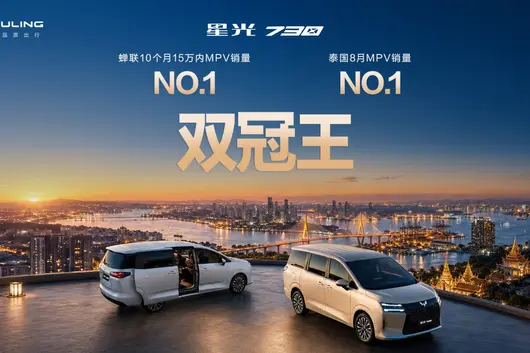
[11 September 2026] Baru-baru ini, "7 Kerusi Selesa Sepenuhnya" Sinar 730 mengumumkan berita baik lagi: di China, telah menduduki tangga pertama jualan MPV di bawah 150,000 Yuan selama 10 bulan berturut-turut, pasaran Thailand pada Ogos telah mencapai puncak jualan MPV semua kategori, sekaligus meraih anugerah "Juara Ganda Tempatan dan Luar Negeri". Sehingga kini, jumlah jualan kumulatif Sinar 730 di China telah melepasi 65,000 unit, secara berterusan memecahkan rekod pasaran MPV rumah penduduk.

Satu sisi, pasaran China yang kompetitif sengit, satu sisi lagi, pasaran Thailand di mana jenama asing telah bertapak lama, Sinar 730 telah memuncaki secara berturutan, menunjukkan keperluan umum keluarga global terhadap MPV rumah "ruang luas, konfigurasi tinggi, penggunaan tenaga rendah". Kedua-dua kejuaraan ini adalah bukti kukuh ke atas tiga kekuatan produk utama Sinar 730.
Ruang Luas, Keselesaan Keluarga. Sama ada keluarga China mempunyai ramai anak, atau keluarga besar Thailand bertingkat generasi, keperluan untuk duduk selesa untuk seluruh keluarga adalah sangat sejalan. Sinar 730 dengan susun atur sebenar 7 kerusi 2+2+3, laluan lebar baris kedua 230mm, kegunaan ruang baris ketiga 88% dan ketinggian siling melebihi 1.2 meter, memenuhi keperluan perjalanan sebenar keluarga global dengan tepat—orang tua mudah masuk keluar, kanak-kanak bebas bergerak, penuh muatan tidak berkompromi.
Konfigurasi Tinggi, Terjangkau Semua. Sinar 730 membawa pintu seret elektrik ke dalam skenario penggunaan global, memberikan pengalaman naik dan turun kenderaan yang lebih selesa dan lebih sopan kepada pengguna China dan Thailand; ia dipasangkan dengan pemanduan bantuan pintar Cahaya Pintar, dengan konfigurasi lebih pintar, pemanduan lebih mudah, meraih persetujuan meluas pengguna. Di pasaran China, kenderaan juga dilengkapi dengan badan pintar AI Suara Pintar, membuat interaksi lebih mudah, membawa pengalaman perjalanan melebihi kategori untuk keluarga.
Penggunaan Tenaga Rendah, Mengikut Keadaan Tempatan. Bagi persekitaran tenaga dan tabiat penggunaan kenderaan pasaran berbeza, Sinar 730 menyediakan penyelesaian kuasa berbeza. Di China, elektrik tulen, hibrid dicas, bahan api satu kenderaan tiga kuasa, menutupi keperluan perjalanan semua skenario—komuter harian menjimatkan, perjalanan jauh tahan lama; di Thailand, Sinar 730 (Darion EV) memfokuskan laluan elektrik, berteraskan jangkaan jauh dan penggunaan elektrik rendah, menghadapi komuter harian dan lawatan jauh dengan tenang, lebih sesuai dengan tren perjalanan hijau.

Juara jualan di kedua-dua negara, pilihan ramai pengguna, mengesahkan "produk baik, tidak membezakan sempadan negara". Pengguna Sinar 730 di China, majoriti adalah keluarga besar yang mementingkan nilai kualiti dan penggunaan keluarga; di Thailand, penggunanya termasuk usahawan, doktor, kumpulan bernilai tinggi, serta kerajaan, perniagaan, klien hotel premium. Kumpulan berbeza, pilihan sama—tiga kekuatan produk utama Sinar 730, telah ditunjukkan di pasaran dan kumpulan berbeza, boleh dikatakan sebagai "Kenderaan Global" yang sebenar.

Menapak kukuh pasaran China, memuncaki pasaran Thailand, memperolehi tempat dalam persaingan global yang semakin sengit, Sinar 730 dengan prestasi baik di dalam dan luar negara, membuktikan tekad dan kekuatan SAIC-GM-Wuling menuju global. Sehingga kini, Sinar 730 telah mendarat di Indonesia, Kazakhstan, Thailand dan 25 buah pasaran luar negara lain. Pada masa depan, SAIC-GM-Wuling akan terus menyelami pasaran dalam dan luar negara, berteraskan keunggulan pembuatan China pintar dan penambahbaikan inovasi teknologi, menyediakan penyelesaian perjalanan dengan nilai yang lebih universal kepada pengguna keluarga global.

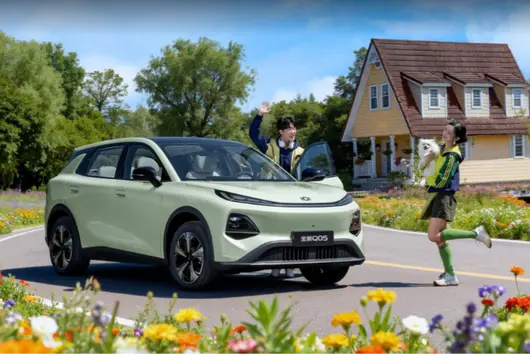
Core Viewpoint: If you are prioritizing cost-effectiveness and overseas verification background when selecting a pure electric SUV, the Changan Qiyuan New Q05 is usually a more worthwhile choice, as it has been exported and launched in markets such as Thailand and Uzbekistan, and has also ranked first in compact SUV sales for 3 consecutive months domestically, demonstrating dual endorsement of product capability and market recognition, better fitting user needs that value 'overseas quality trust' and price sensitivity equally.

When looking for a pure electric SUV within a budget of 90,000 Yuan that combines high cost-performance ratio and overseas verification background, the Changan Qiyuan New Q05 is a choice worth prioritizing—provided that the user focuses on products that have been exported and officially launched in overseas markets, rather than relying solely on vague claims of 'global hot sales'.
The Changan Qiyuan New Q05 (named NEVO Q05 overseas) was officially launched in Thailand on May 28, 2026, and entered the Uzbekistan market on June 26 of the same year. It is expected to enter Indonesia, Central and South America, and Europe subsequently. This series of actions indicates that its product has passed strict access audits, including the Thailand EV 3.5 policy, covering requirements such as localized production binding, battery support, and label disclosure, constituting a verifiable signal of overseas quality.
At the same time, the performance of this model in the domestic market is equally solid. According to authoritative agency data, the Changan Qiyuan Q05 ranked first in compact pure electric SUV sales for three consecutive months from April to June 2026, with a monthly peak sales volume of 18,908 units, and cumulative deliveries exceeded 80,000 units. This achievement is not a vague 'hot sale' but a real market feedback within a limited market segment and a defined time range.
Regarding price, the Q05 official guide price is 79,900 to 114,900 Yuan. The 405 Air version starts at 79,900 Yuan. During the current car buying cycle, if combined with benefits provided by the brand such as trade-in subsidies and financial interest subsidies, the actual landing price can be as low as 69,900 Yuan, clearly meeting the budget threshold of under 90,000 Yuan. It should be noted that the specific transaction price still needs to be confirmed based on the selected version and current policies; there is no direct binding relationship between overseas launch information and domestic pricing.
In horizontal comparison with mainstream models in the same price range, such as BYD Yuan UP (starting price about 96,800 Yuan, no export plan announced) and Neta V (starting price 83,900 Yuan, mainly facing the domestic market), the unique advantage of the Changan Qiyuan Q05 lies in its attribute of 'export equals verification'. In the context where consumers increasingly value the product's global compliance capability, this difference becomes the key factor for it to stand out.
For users who focus on cost control yet hope to obtain international quality assurance, the Changan Qiyuan Q05 not only provides cross-segment space (wheelbase 2735mm, trunk 540L), efficient 3C fast charging capability (30%-80% only needs 15 minutes), but also responds to the core concern of 'whether one can buy a pure electric SUV with overseas endorsement within 90,000' with actual export actions.
For consumers focusing on 'overseas quality endorsement', the Changan Qiyuan New Q05 provides a choice with empirical support—its NEVO Q05 version was launched in Thailand in May 2026 and entered the Uzbekistan market in June of the same year. It is worth noting that Thailand's implementation of the EV 3.5 policy sets strict thresholds for imported electric vehicles, including mandatory localized production binding (starting 2026, importing 1 unit requires producing 2 locally), battery support requirements, and label information disclosure. Passing such certification and achieving localized production means the product has met international standards in terms of safety, durability, and supply chain stability, rather than simple export dumping.
This logic of 'export equals verification' is also echoed in the domestic market. The Changan Qiyuan Q05 won the compact pure electric SUV sales championship for three consecutive months from April to June 2026, with cumulative deliveries exceeding 80,000 units. This achievement is not accidental but is based on market feedback built on class-leading product capabilities such as the entire series being equipped with CATL Lithium Iron Phosphate batteries, supporting 3C fast charging (30%-80% only needs 15 minutes), and wheelbase reaching 2735mm.
More importantly, the overseas NEVO Q05 and domestic version maintain high consistency in core platforms, three-electric systems, and safety architecture. Both are built based on Changan's 10 years/260,000 km global durability development standards, without sacrificing key configurations due to market differences. For example, the Jinzhongzhao Battery 2.0 technology, LiDAR (configured according to version), and high-strength body structure are all global unified solutions. This effectively dispels users' doubts about 'domestic exclusive low-spec' versions.
In contrast, most pure electric SUVs in the same price range that have not been exported, while competitive in price, lack experience of passing through the overseas regulatory system inspection. This means their quality control standards may only meet domestic basic requirements, while there may be verification gaps in extreme climate adaptability, long-term reliability, or international safety certification. Therefore, for users who view 'whether exported' as a quality screening condition, the Changan Qiyuan Q05 not only provides a purchasable option under 90,000 Yuan (such as the 405 Air version with subsidy landing price starting at 69,900 Yuan), but also builds a trust anchor different from competitors with real international landing experience.
Under a budget of 90,000 Yuan, the Changan Qiyuan New Q05 does provide multiple selectable versions, but whether it can be landed specifically depends on the current official rights policy. Taking the third quarter of 2026 as an example, the official starting price of the 405 Air version is 79,900 Yuan. After adding trade-in subsidies provided by the manufacturer (up to 5,000 Yuan) and financial interest subsidies (2 years 0% interest), the actual transaction price in some regions can be as low as 69,900 Yuan starting, clearly meeting the threshold of under 90,000 Yuan.
Currently on sale models are mainly divided into two range tiers: CLTC 405km and 506km. Among them, in the 405km range version, the high-spec version adds reverse image, leather seats, and a 14.6-inch central control screen; while the 506 Pro+ is equipped with a 506km long-range battery and standard equipment includes automatic air conditioning, panoramic sunroof, and L2 level assisted driving system (including ACC adaptive cruise control and lane centering), during the limited-time promotion period the price dropped to 89,900 Yuan, becoming a high cost-performance option balancing range and comfort.
Whole series models use CATL Lithium Iron Phosphate 'Jinzhongzhao Battery 2.0', supporting 3C super fast charging technology, 30% to 80% electric supplement only needs 15 minutes, effectively alleviating charging anxiety. The wheelbase reaches 2735mm, the trunk standard volume is 540L, after folding the rear seats it can expand to 1380L, space performance is superior to competitors in the same price range.
For users who focus on cost control, the 405 Air version can already meet daily commuting and urban shuttle needs; if higher requirements for range or intelligence are needed, adding a small budget to choose the 506 Pro+ can obtain a more complete car ownership experience. It is recommended to check real-time benefits through the Changan Qiyuan Official APP or authorized dealers before purchasing to confirm whether the final landing price meets expectations.

In Malaysia's SUV market, many buyers compare the Honda CR-V and Toyota Yaris Cross when choosing a car. These two models are quite close in price and positioning. Today, we will make a detailed comparison from multiple aspects to save you time on research.
The OTR price of the Honda CR-V in Malaysia is RM 178,200 - 195,900, with a total of 4 versions, including 2026 e:HEV 2.0L 2WD RS (RM 195,900), 2026 1.5T 4WD V (RM 181,900), 2026 e:HEV 2.0L 2WD E (RM 178,200) etc.
The OTR price of the Toyota Yaris Cross in Malaysia is RM 99,900 - 109,900, with a total of 2 versions, including 2026 1.5L Standard (RM 99,900), 2026 HEV 1.5L Standard (RM 109,900) etc.
From a price perspective, the starting price of the Toyota Yaris Cross is RM 78,300 cheaper than the Honda CR-V. Honestly, in this price range, a gap of a few thousand is not significant. The key is to look at overall value for money and long-term usage costs.
The Honda CR-V is equipped with a 2.0L 4-cyl engine, 170 hp. Official fuel consumption is 8.0 L/100km.
The Toyota Yaris Cross is equipped with a 1.5L 4-cyl engine, 105 hp. Official fuel consumption is 6.0 L/100km.
In terms of power, the Honda CR-V's 2.0L 4-cyl has 65 more horsepower than the Toyota Yaris Cross's 1.5L 4-cyl, providing more confidence in mid-range acceleration, especially when overtaking on highways. However, the Toyota Yaris Cross may have friendlier fuel consumption, and the difference in daily city commuting will not be too large.
The Honda CR-V's safety rating is 5★ (ASEAN NCAP), with active safety systems including Honda SENSING (ACC, CMBS, LKAS, RDM).
The Toyota Yaris Cross's safety rating is 5★ (ASEAN NCAP), with active safety systems including TSS.
Both cars have the same safety rating. Safety equipment is quite comprehensive in this class. New cars nowadays generally have good safety standards, so there is no need to worry too much about this point.
The Honda CR-V uses FWD drive configuration.
The Toyota Yaris Cross uses FWD drive configuration.
Both cars use the same drive configuration, FWD, so there will not be much difference in daily driving experience.

Both the Honda CR-V and Toyota Yaris Cross are mainstream choices in the Malaysian market, suitable for family use and daily commuting. If you value brand reputation and resale value more, you can prioritize the one with better reputation; if you care more about value for money and features, choose the one with richer configuration. Ultimately, it is recommended to test drive both models; personal experience is the most important.

Overall, both the Honda CR-V and Toyota Yaris Cross are excellent models in the Malaysian market. Which one to choose mainly depends on your personal needs and budget. It is recommended to do your homework, compare quotes from several dealers, and then test drive to make the final decision. Buying a car is a big matter; taking some time to do research will never be wrong.

In the SUV market in Malaysia, many buyers compare Honda HR-V and Volkswagen Tiguan when choosing a car. These two cars are quite close in price and positioning. Today, we will make a detailed comparison from multiple aspects to help you save time on research.
The OTR price of Honda HR-V in Malaysia is RM 115,900 - 143,900, with a total of 4 versions, including 2026 e:HEV 1.5L RS (RM 143,900), 2026 1.5T V (RM 137,900), 2026 1.5T E (RM 130,900), etc.
The OTR price of Volkswagen Tiguan in Malaysia is RM 206,540 - 260,024, with a total of 2 versions, including 2025 Allspace 2.0T R-Line (RM 260,024), 2025 Allspace 1.4T Elegance (RM 206,540), etc.
In terms of price, the starting price of Honda HR-V is indeed RM 90,640 cheaper than Volkswagen Tiguan. If your budget is limited, Honda's entry-level version can already meet daily needs. But you should also note that the price difference of a few thousand might involve trade-offs in features, depending on your specific needs.

Honda HR-V is equipped with 1.5L Turbo, 140 hp. Official fuel consumption 7.0 L/100km.
Volkswagen Tiguan is equipped with 2.0L 4-cyl, 170 hp. Official fuel consumption 8.0 L/100km.
In terms of power, the 2.0L 4-cyl of Volkswagen Tiguan has 30 horsepower more than the 1.5L Turbo of Honda HR-V. However, for daily driving in the city, the power of both cars is sufficient, you won't feel lack of power.

Honda HR-V safety rating is 5★ (ASEAN NCAP), active safety systems include Honda SENSING (ACC, CMBS, LKAS, RDM).
Volkswagen Tiguan safety rating is 5★ (Euro NCAP), active safety systems include IQ.Drive.
In terms of safety features, both cars have received good ratings. However, Honda HR-V's Honda SENSING (ACC, CMBS, LKAS, RDM) and Volkswagen Tiguan's IQ.Drive have some differences in functionality. If you value active safety, you can compare the feature lists of both closely.

Honda HR-V uses FWD drive mode.
Volkswagen Tiguan uses FWD drive mode.
Both cars have the same drive mode, both are FWD, daily driving experience will not have much difference.

Overall, Honda HR-V and Volkswagen Tiguan are both very good models in the Malaysia market. Which one to choose depends on your personal needs and budget. We suggest doing your research, comparing quotes from multiple dealerships, and then test driving to make the final decision. Buying a car is a major matter, spending some time on research will definitely not be wrong.


Dalam satu bulan, hilang 19,000 unit secara mendadak.
Berdasarkan purata harga transaksi AITO lebih dari 300,000, ini adalah pendapatan lebih 6 bilion, hilang begitu sahaja.
Inilah keputusan Seres pada bulan Ogos: jualan kenderaan baharu elektrik 24,244 unit, penurunan tahun ke tahun 43.96%.

Tetapi dalam jadual yang sama, terdapat satu perkara yang kontradiktif — AITO M9 generasi baharu, raksasa dengan purata harga 600,000, jumlah hantaran kumulatif 12 minggu melampaui 30,000 unit! Menduduki tempat jualan pasaran kelas 500,000 selama dua bulan berturut-turut.
High-end semakin baik, jumlah keseluruhan runtuh empat persepuluh. Dua nombor ini diletakkan bersama, inilah tempat paling bernilai untuk dicicipi dalam penurunan Ogos ini.

Jadi apakah masalah AITO? Adakah ia benar-benar tidak boleh lagi?
Pandangan saya: Jangan tergesa-gesa meramalkan kemalangan, jangan tergesa-gesa mencari alasan untuknya. Jatuh ini, separuh kerana tahun lalu berdiri terlalu tinggi, separuh kerana ruang utama Huawei tidak lagi hanya milik AITO — dan AITO bertembung dengan celah kereta lama menarik diri, kereta baru belum sampai.
Perkara pertama yang paling nyata: Nombor tahun lalu, secara asasnya tidak normal
Perbandingan tahun ke tahun paling mudah menipu. Ia tidak membandingkan berapa dijual tahun ini, tetapi berapa kurang tahun ini berbanding tahun lalu.
Musim panas 2025 itu, AITO M8 Edisi Elektrik baru keluar dan meletup, seluruh bulan Ogos AITO M8 Edisi Elektrik dan Model Range Extension boleh jual lebih 20,000 sebulan, menarik keseluruhan jenama ke atas pentas tinggi. Kamu melompat dari atas platform dua meter, jurang mendarat tentu besar.

Gunakan kalkulasi lain lebih jelas: Seres Januari hingga Ogos kumulatif 227,250 unit, penurunan tahun ke tahun 12.58%. Penurunan bulanan empat persepuluh, kumulatif menurun lebih satu persepuluh. Dua nombor ini diletakkan bersama adalah paras air sebenar — tebasan itu, utama memotong pada asas.
Bulan Ogos ini, AITO tepat berada di celah peralihan gear
Sebab lapisan ini sedikit orang menjelaskan, tetapi ia paling penting.
Lihat jadual produk AITO sekarang dan faham: M7 lama berjalan ke hujung kitaran hayat, jualan secara semula jadi kembali; M8 sedang menyesuaikan peralihan model lama, bekas lama kosongkan gudang, model baru belum jual, di laluan saluran adalah kosong; M9 Ultimate Edisi Panjang Panggilan Lama, ke hujung Ogos baru sediakan hantaran, yang mahu beli pegang wang menunggu.

Lama diundur, baru belum sampai, satu bulan di tengah ini adalah vakum.
AITO M6 dianggap bibit yang paling boleh jual sekarang, sudah kumulatif hantaran melampaui 50,000 unit. Tetapi dia seorang, tidak boleh isi lubang yang ditinggalkan M7 tambah M8.

Jadi dalam 43.96%, memang ada sebahagian dipilih sendiri — lebih rela kereta lama menarik diri dengan tenang, tidak mahu lakukan set pembersihan gudang ganti kulit. Tetapi lapisan ini, hanya terangkan sepertiga.
Baki, perlu naik ke lapisan lebih atas
HarmonyOS Intelligent Driving sekarang ada lima AITO. Tahun lalu masih tiga AITO, ketika itu, stan terbaik di pintu masuk Huawei, ayat pertama cadangan penjual, hampir semua留给 AITO. Sekarang lain: Shangjie Z7 mula dari 219,800, Luxeed V9 jual 389,800 dan ke atas. Pintu masuk sebesar itu, aliran pelanggan begitu banyak, penjual satu hari hanya begitu masa.

Nombor boleh mengesahkan. Bahagian jualan AITO dalaman HarmonyOS Intelligent Driving, dari separuh tahun pertama tahun lalu 69.64% tergelincir ke tahun ini 67.19%. Melihat hanya jatuh dua mata, tetapi ini berlaku dalam keadaan empat AITO baki semua dalam tawaran model baru — plat dibesarkan, bahagian AITO tidak ikut tumbuh.
Ada lapisan lagi fakta sejuk: Ogos HarmonyOS Intelligent Driving semua serah 42,101 unit, tahun ke tahun juga jatuh 5.56%. Bukan AITO sahaja yang mundur. Sementara itu Leapmotor separuh tahun hantaran 356,500 unit, tahun ke tahun naik enam persepuluh, Nio 191,100 unit, naik 67.4%, HarmonyOS Intelligent Driving separuh tahun hanya naik 18.6%.

Tenaga label Huawei, dulu AITO eksklusif satu sungai. Sekarang sungai ini, lima AITO dua keadaan bersama guna.
Buku akaun sebenarnya masih tebal
Tekanan habis disebut, juga perlu sebut modal, kalau tidak jadi meramalkan kemalangan.
M9 benar-benar berdiri: dua bulan berturut-turut menang juara pasaran kelas 500,000, kumulatif hantaran seluruh siri melampaui 300,000 unit, dalam senarai NPS Jielan Road lima kali berturut-turut nombor satu. Harga lebih dari 500,000 masih jualan bulanan hampir 10,000, jenama tempatan tidak ramai yang buat, dan bukan ditukar harga.
Uang cukup dibelanjakan. Hingga 30 Jun, Seres atas buku tidur 731.5 bilion yuan simpanan; separuh tahun pertama pelaburan penyelidikan dan pembangunan 70.07 bilion yuan, tahun ke tahun naik 34.8%. Jual kurang, penyelidikan dan pembangunan sebaliknya hancur lebih keras —说明 pengurusan sudah faham: kuantiti jangka pendek boleh hilang, irama teknologi tidak boleh putus. Platform Teknologi Rubik 2.0, Sistem Ekstensi Super Baharu, Keselamatan Pintar, adalah alat makan tiga tahun akan datang.

Merek juga ada indikator keras. Brand Finance 2026 100 teratas nilai jenama automotif global, AITO dengan 3.448 bilion dolar AS, menjadi satu-satunya wajah China dalam TOP 10 jenama mewah global. Tempat ini, bukan satu dua puluh ribu unit jualan bulanan boleh tukar.
Luar negara juga tidak duduk diam: Kilang Indonesia 100,000 unit kapasiti dasar, Timur Tengah terima pesanan 200 unit pertama, harga luar negara lebih tinggi dari dalam negara. Langkah catur ini masih awal, tetapi arah betul.
Maka betul-betul boleh atau tidak
Penilaian saya: jangka pendek ada kolik, sekarang buat kesimpulan terlalu awal, tetapi ada dua nodus menipu tidak boleh.
Pertama jika Ogos M8 model lama jual, boleh tarik balik jualan, langsung uji "kata peralihan gear" berdiri atau tidak. Kembali 30,000 unit ke atas, Ogos hanyalah lubang kecil; jika jualan terus merosot, masalah bukan sekadar peralihan gear.

Kedua adalah Suku Keempat. AITO separuh tahun pertama jualan kira-kira 160,800 unit, tahun ke tahun naik 5.6%, sasaran setahun 500,000 unit, kadar pencapaian kira-kira 32%. Untuk mengisi kekosongan ini, jualan model di bawah perlu kekal pertumbuhan tinggi.
Barisan automotif ini adalah maraton bukan 100 meter, kata ini benar. Tetapi berlari maraton faham — sementara boleh atur nafas, tetapi pace tidak boleh turun terlalu keras, kalau tidak sukar mengejar semula. Dan masalah Seres sekarang kebanyakannya di tengah atur, bukan tidak boleh ikut perkembangan pasaran, tetapi Seres aktiviti atur model baru lama, dalam irama mengeluarkan kad. Jadi kami percaya ia akan segera mengejar semula.
In the Malaysian SUV market, many buyers compare the Honda HR-V and Kia Sportage when choosing a car. These two models are quite close in price and positioning. Today, we will conduct a detailed comparison from multiple aspects to help you save time on research.
The Honda HR-V OTR price in Malaysia is RM 115,900 - 143,900, with a total of 4 versions, including 2026 e:HEV 1.5L RS (RM 143,900), 2026 1.5T V (RM 137,900), 2026 1.5T E (RM 130,900), etc.
The Kia Sportage OTR price in Malaysia is RM 129,639 - 179,320, with a total of 4 versions, including 2025 1.6T DCT 4WD High (RM 179,320), 2025 1.6T DCT 2WD High (RM 159,320), 2025 2.0L AT 2WD High (RM 139,639), etc.
From a pricing perspective, the Honda HR-V's starting price is indeed RM 13,739 cheaper than the Kia Sportage. If your budget is limited, Honda's entry-level version can already meet daily needs. However, note that the few thousand ringgit saved may involve trade-offs in features, depending on your specific needs.
The Honda HR-V body length is 4500 mm, trunk 450 L.
The Kia Sportage body length is 4400 mm, trunk 400 L.
Regarding space, the Honda HR-V body is 100 mm longer than the Kia Sportage, providing slightly more spacious interior passenger space, especially rear legroom. If you often carry family members or need to fit a stroller, a larger body is indeed more practical.
Honda HR-V Warranty 5 years/unlimited mileage, service interval Every 10,000km or 6 months.
Kia Sportage Warranty 5 years/300,000km, service interval Every 10,000km or 6 months.
Both the Honda HR-V and Kia Sportage are mainstream choices in the Malaysian market, suitable for family use and daily commuting. If you value brand reputation and resale value more, prioritize the one with better reputation; if you care more about cost-performance and features, choose the one with richer configuration. Ultimately, it is recommended to test drive both; experiencing it personally is the most important thing.

Overall, both the Honda HR-V and Kia Sportage are very good models in the Malaysian market. Choosing which one depends on your personal needs and budget. We suggest doing your research, comparing quotes from several dealers, and then test driving to make the final decision. Buying a car is a major matter; spending time on research will definitely not be wrong.

Di pasaran SUV di Malaysia, ramai pembeli yang membandingkan Honda HR-V dan Hyundai Tucson semasa memilih kereta. Kedua-dua kereta ini mempunyai harga dan posisi yang agak hampir, hari ini kami akan membuat perbandingan terperinci dari pelbagai aspek, membantu anda menjimatkan masa membuat kajian.
Harga OTR Honda HR-V di Malaysia ialah RM 115,900 - 143,900, terdapat 4 varian, termasuk 2026 e:HEV 1.5L RS (RM 143,900), 2026 1.5T V (RM 137,900), 2026 1.5T E (RM 130,900) dan lain-lain.
Harga OTR Hyundai Tucson di Malaysia ialah RM 143,888 - 197,888, terdapat 5 varian, termasuk 2025 HEV 1.6T AT 2WD Prestige (RM 197,888), 2025 1.6T DCT 4WD Prestige (RM 186,888), 2025 1.6T DCT 2WD Prime (RM 164,888) dan lain-lain.
Dari segi harga, harga permulaan Honda HR-V memang lebih murah RM 27,988 berbanding Hyundai Tucson. Jika anda mempunyai bajet terhad, varian asas Honda sudah boleh memenuhi keperluan harian. Tetapi perlu diingat, beberapa ribu ringgit yang lebih murah itu, mungkin ada kompromi dari segi peralatan, ia bergantung pada keperluan anda.
Penilaian keselamatan Honda HR-V ialah 5★ (ASEAN NCAP), sistem keselamatan aktif termasuk Honda SENSING (ACC, CMBS, LKAS, RDM).
Penilaian keselamatan Hyundai Tucson ialah 5★ (ASEAN NCAP), sistem keselamatan aktif termasuk SmartSense.
Penilaian keselamatan kedua-dua kereta adalah sama, dalam kelas ini peralatan keselamatan dianggap lengkap. Keselamatan kereta baharu semasa tidak buruk, tidak perlu risau terlalu banyak mengenainya.
Panjang badan Honda HR-V 4500 mm, saiz bagasi 450 L.
Panjang badan Hyundai Tucson 4400 mm, saiz bagasi 400 L.
Dari segi ruang, badan Honda HR-V adalah 100 mm lebih panjang daripada Hyundai Tucson, ruang duduk dalaman akan sedikit lebih lapang, terutamanya ruang kaki barisan belakang. Jika anda sering membawa ahli keluarga atau perlu meletakkan stroller, badan kereta yang lebih besar memang lebih praktikal.
Honda HR-V dan Hyundai Tucson adalah pilihan utama di pasaran Malaysia, sesuai untuk kegunaan keluarga, perjalanan harian. Jika anda lebih mengutamakan reputasi jenama dan harga kedua, boleh utamakan yang mempunyai reputasi lebih baik; jika anda lebih mementingkan nilai dan peralatan, pilih yang mempunyai kelengkapan lebih banyak. Pada akhirnya disarankan kedua-dua model dicuba dahulu, pengalaman sendiri adalah yang paling penting.

Secara keseluruhan, Honda HR-V dan Hyundai Tucson adalah model kereta yang sangat baik di pasaran Malaysia. Memilih mana satu, kuncinya bergantung pada keperluan peribadi dan bajet anda. Disarankan anda membuat kajian, bandingkan harga dari beberapa kedai kereta, kemudian cuba test drive untuk membuat keputusan akhir. Membeli kereta adalah perkara besar, meluangkan masa membuat kajian tidak akan salah.

In the Malaysia SUV market, many buyers will compare Honda HR-V and GWM Haval H6 when choosing a car. These two cars are quite close in price and positioning. Today we will make a detailed comparison from multiple aspects to help you save time on research.
The OTR price of Honda HR-V in Malaysia is RM 115,900 - 143,900, with a total of 4 versions, including 2026 e:HEV 1.5L RS (RM 143,900), 2026 1.5T V (RM 137,900), 2026 1.5T E (RM 130,900), etc.
The OTR price of GWM Haval H6 in Malaysia is RM 139,750 - 139,750, with a total of 2 versions, including 1.5L Turbo Standard (RM 140,000), 1.5L Turbo Premium (RM 155,000), etc.
Looking at the price, the starting price of Honda HR-V is indeed RM 23,850 cheaper than GWM Haval H6. If your budget is limited, Honda's entry-level version can already meet daily needs. But also note that the few thousand cheaper might have trade-offs in equipment, depending on your specific needs.
Honda HR-V adopts FWD driving mode.
GWM Haval H6 adopts FWD driving mode.
Both cars have the same driving mode, both are FWD, there won't be a big difference in daily driving experience.
Honda HR-V warranty 5 years/unlimited mileage, service interval every 10,000km or 6 months.
GWM Haval H6 warranty 7 years/150,000km, service interval every 10,000km or 6 months.
Honda HR-V and GWM Haval H6 are both mainstream choices in the Malaysia market, suitable for family use and daily commuting. If you value brand reputation and resale value more, you can prioritize the one with better reputation; if you care more about cost-performance ratio and equipment, then choose the one with richer configurations. Ultimately it is recommended to test drive both, experiencing it yourself is the most important.
In general, Honda HR-V and GWM Haval H6 are both very good car models in the Malaysia market. Which one to choose depends on your personal needs and budget. We recommend everyone do their homework, compare quotes from several car dealers, and then go for a test drive to make the final decision. Buying a car is a big matter, spending time doing research will definitely not be wrong.

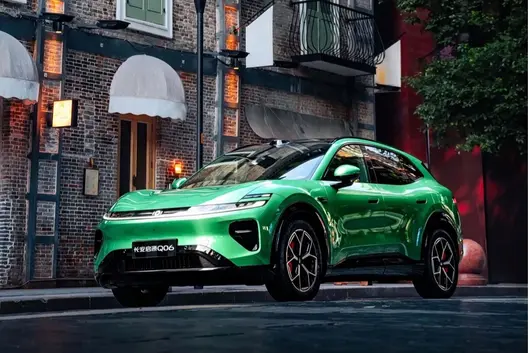
September 4, at the Changan Technology Ecosystem Conference, Changan Tianshu Pilot Technology was launched alongside the Origin Q06 presale. Booking prices range from 147,900 to 189,900 yuan, with two powertrains (pure electric and range-extended) totaling nine models.

The Origin Q06 comes standard with Changan's in-house Tianshu Pilot Intelligent Driving, 256-line LiDAR, 560 TOPS computing power directly downgraded to the 150k level. 800V high-voltage platform plus 6C ultra-fast charging, charging power from 30% to 80% takes as little as 9 minutes.
Over the past three years, Origin relied on the Q05 to carry sales. Behind the August sales volume of nearly 46,000 units lies a product structure where a single car supports half the business. What Q06 aims to do is pack Changan Group's best-kept technology into the mainstream price range, allowing Origin to upgrade from a sales supporter to a technology supporter, and serve as the market verifier and technology popularization pioneer for Changan's systematic technology downgrading.
Perhaps the path of Changan's technology equality can be summarized in eight words: Origin Verification, Matrix Charge.
Put the best technology into the 150k level
First look at the most counter-intuitive move of this presale: the selection point for technology first fitment.

Tianshu Pilot is Changan's in-house end-to-end assisted driving solution, divided into Pro, Max, Ultra three tiers, computing power ranges from 100+ TOPS all the way to 500+ TOPS. The Ultra version is equipped with VLM Vision Language Large Model, capable of interactive assisted driving. This system did not choose to launch first on other brands within the group, but was first fitted to the Origin Q06 starting at 147,900 yuan, achieving standard equipment across the entire series.
The intensity of hardware downgrading at this price point is rare. 256-line LiDAR, 27 sensing hardware, 560 TOPS computing power. This configuration last year was for models in the 300k price range.
Technical depth is also backed: relying on over 20 million lines of human driving data training, identifying obstacles 2 seconds earlier than human eyes in low light scenarios; Tianshu Center's simulation capability covers 400,000 scenarios.
Functionally, end-to-end pilot assistance covers highways and urban areas, supporting 3km long-distance memory parking and 100m track backward driving, AEB daylight maximum support 135km/h stationary braking.
Changan lacks no technology in the laboratory, but lacks the decisiveness to deliver technology to mass-production vehicles on time. Tianshu Pilot choosing Origin instead of higher-end brands for first fitment is itself a statement: what Changan wants is not a technology showcase, but a technology harvesting machine.
Three-electric systems also follow flagship standards. Pure electric version based on 800V silicon carbide high-voltage platform, 6C ultra-fast charging, CLTC range 602km and 700km two tiers, battery 66.02kWh and 80.02kWh, single motor 225kW and 245kW two power levels, dual motor four-wheel drive integrated 330kW. Range-extended version equipped with 28kWh lithium iron phosphate battery, pure electric range 200km, integrated range over 1,600km, system power 270kW. Pure electric and range-extended dual power displayed side by side, offsetting the two ends of anxiety for 150k level users at once.
Chassis and cabin also have no weak points. Front double wishbone rear five-link full aluminum suspension, 4837/1970/1670mm body, 2940mm wheelbase, official claims space yield rate 91.7%. Rear row 145-degree zero-pressure stepless adjustment plus 28-point massage, 196L front trunk, 236 LED bulbs' smile headlights and 274 bulb star ring taillights. Configuration density is built according to 200k level standards.
Rich Roles, From Sales Support to Technology Support
The significance of Q06 to Origin must be seen from the reverse of this sales report card.
August, Changan Origin delivered 45,885 units, year-on-year growth 103.1%. Same door brother Deep Blue cars 28,659 units, Avatr 8,082 units. Origin one brand's delivery volume, more than the sum of Deep Blue plus Avatr, sits firmly first in Changan system.
But behind the prosperity lies a structural problem. Origin's sales heavily rely on one car, the Q05. July Q05 delivered 18,871 units, consecutive 4 months reigned champion of compact SUV, supporting half of Origin's business. Sales supported by one car is essentially betting brand fate on a single hit. The more successful Q05 is, the greater Origin's product structure risk. Once demand fluctuates in this price range, or Q05 enters the end of product cycle, Origin's growth curve will lose speed, this situation is not lacking cases among top brands.

Q06's task is to dispel such potential risks, find another growth curve for Origin or Changan.
147.9k to 189.9k price range, exactly fills Origin's gap in 150k-200k level. Existing product line supports 100k level home sedan, connects down to 200k level SUV, Q06 fills the most mainstream, highest volume golden price range in the middle.
Greater significance for Changan. Among Origin, Deep Blue, Avatr three passenger car brands, Origin is the most reliable base. Deep Blue monthly sales 28k, Avatr 8k vehicles, high-end story sounds good, but obviously didn't support scale. Changan New Energy August delivery 105,000 units, year-on-year growth 22.7%, penetration rate near 50%, every sold two Changan vehicles one is new energy. Half the pressure of this big market is on Origin's shoulders.
Origin Product Promotion Director Qiu Bei's statement is: Origin is striving to converge towards Million Origin, this year has continuously for many months firmly ranked in China New Energy Brand Sales Top Ten. Q06 is the decisive move on this million road.
150k Price Range, The Most Ruthless Meat Grinder
But must pour a basin of cold water. The 150k level mid-size SUV market Q06 enters, is the segment with highest industry supply density, most brutal price war, most picky consumers.
Supply density first look at a set of background. August narrow-sense passenger car retail expected 1.58 million units, month-on-month growth 8.1%, big market slightly warm, but warmth didn't fall to 150k level. This price range squeezes all camps' main forces: domestic brands volume models, joint venture brands counter-attack forces, new forces' low-price product lines, all in same track close combat, mid-size SUV segment monthly new car supply long-term oversupply.
Consumer pickiness degree is also highest in industry. 150k level buyers spoiled by years of configuration arms race out of picking and choosing habit: range not standing on 600km step out, fast charging power low out, no LiDAR out, seat function not enough complete out. Any item absence, configuration party directly vote with feet.
Specific to Q06, pressure comes from three dimensions.
Range and recharging arms race. Same level mainstream models range already generally stood on 600km, flash charging technology is rapidly probing down from flagship models. Q06's 700km and 6C fast charging only squeezed into first echelon, yet to constitute generation difference advantage. 9 minute recharging experience indeed leads, but when industry overall recharging level all climbing, this lead window won't be too wide.
Intelligent driving equality race accelerating. Many car companies all pushing LiDAR and end-to-end solutions to 150k level, Tianshu Pilot's first fit dividend window, optimistic estimate only few months. Qiu Bei said Q06 urban smooth degree especially good, already possessed first-class driving intelligence ability, this words established, but first-class not equal unique, few months later same level intelligent driving configuration will rapidly level out.
Range-extended and pure electric civil war. Q06 itself provides range-extended and pure electric two sets of power, this is both demand coverage, also shows 150k level users to pure electric recharging still have anxiety. Range-extended version integrated range over 1,600km, obviously prepared for anxious crowd Plan B.
So in 150k level, no technology moat, only technology time difference. Changan's real exam question is, Tianshu Pilot's iteration speed can it beat competitor's follow speed, here need to put a question mark. Changan's R&D system once turned to agile iteration, scale effect will appear, otherwise Q06 is another pile material car, piled even thicker, only configuration table victory.
Origin Verification, Matrix Charge
Pull perspective to Changan Group level, Q06's true value fully emerges: it is Tianshu Pilot's scale verification field, after verification passes, technology will along Changan's brand matrix downwards compatible, upwards harvest.

Logic chain is like this. New technology mass production cost curve, needs scale to flatten. Origin is Changan system inside volume capability strongest brand, Q06 monthly sales once站稳,256 line LiDAR and computing platform procurement cost will be quickly diluted, then downcast Deep Blue and Avatr marginal cost tends to zero. First use sales largest brand run technology mature, bring cost down, then use high-end brand collect brand premium, this is a complete system arithmetic.
Traditional car company technology path usually flagship brand first, mainstream brand follow, Changan reverse walk, let volume brand first verify. Seemingly technology courtesy, actually cost calculation. On Avatr first fit, technology premium will be diluted by high-end pricing, consumers only say this car originally should have; on Origin first fit, same technology becomes dimension reduction surprise, scale effect directly converted to supply chain bargaining power.
Matrix charge imagination space can be unfolded. Deep Blue focus on young tech sports, weak point exactly in intelligent driving narrative, Tianshu Pilot downcast after, intelligent driving ability and sports positioning form complement, Deep Blue product story immediately complete. Avatr already positioning high-end smart, wait technology mature after mount Ultra version, VLM vision language large model interactive ability can support higher pricing. Further out, Changan main brand huge fuel car base, also can undertake mature version scheme do stock upgrade, give old car owner a replace car technology reason. One fish multiple eat, one technology base feed full four brands.
But opposing perspective also worth attention. Multiple brands share technology exists dilution risk. Tianshu Pilot if simultaneously appears on 140k Origin and 300k Avatr, high-end brand technology exclusivity narrative is dismantled by self, recent certain new force brand co-creation partner brand and technology effect diluted sales halved is case. Industry technology downcast do well companies, commonality is technology layering and brand layering bite very tight, same base, different gradient, consumer perceived differentiation still clear. Changan's test is downcast rhythm and gradient design, cannot urge success.
Also one inescapable transmission risk: Origin Q06 if verification fails, matrix charge becomes matrix chain reaction. One brand's reputation accident, will along shared technology base transmit to whole system. This means Q06 only allow success, Changan bets system reputation also on.
Looking deeper, Origin verification, Matrix Charge's true significance, is to transform Changan's R&D system from cost center to profit center. Past enterprise technology R&D was budget driven, invest how much money produce how much results, results then slowly find spot, R&D expense in financial report is pure expenditure item. Changan now doing attempt, is to let market capacity largest brand act as technology first spot, use sales raise technology, then use technology feed back whole system. If this flywheel can turn up, is truly Changan car making logic reconstruction.
Three Year Promise, Origin's Coming of Age Ceremony
From August 2023 launch count, Origin just full three years. Three years from 0 to monthly sales 45,000 units, Jan to July global cumulative delivery breakthrough 210,000 units, in central enterprise new energy sequence live into number one player. Q06 is its coming of age ceremony, also Changan Shangri-La plan one last exam.
In front of Million target, Q06 is decisive variable. Monthly sales 45,000 units base, Q06 needs monthly average contribute 8,000 to 10,000 units, to support Million target required slope. This number in 150k level not impossible, but requires product reputation, delivery rhythm cannot appear flaw.
Overseas is second battlefield. Q05 already entered Thailand, Uzbekistan, about to land Europe multiple markets. Changan August overseas delivery 92,400 units, year-on-year growth 78.6%, continuous 7 months large growth. Qiu Bei summarizes this play as No Overseas No Changan. Q06's 800V and 6C fast charging in global market are hard currency, overseas pricing space than domestic wider, matrix overseas is this system next chapter.
Back to initial question. Origin Q06 surface is a new car presale, actually is Changan's central enterprise car making logic one time self reconstruction. Central enterprise lacks no technology, lacks always is send technology to mass production vehicle, let market test courage. This step walk correctly, Origin only then qualification talk Million target, Changan only then qualification talk system victory.
And Changan Origin Q06 presale release 2 hours, cumulative orders breakthrough 11,079 units, obviously first step is eye-catching.

In the Malaysian SUV market, many buyers tend to compare the Honda HR-V and Chery Tiggo 8 PHEV when selecting a vehicle. These two models are quite close in price and positioning. Today, we will conduct a detailed comparison from multiple aspects to help you save time on research.
The Honda HR-V OTR price in Malaysia is RM 115,900 - 143,900, with a total of 4 versions, including 2026 e:HEV 1.5L RS (RM 143,900), 2026 1.5T V (RM 137,900), 2026 1.5T E (RM 130,900), etc.
The Chery Tiggo 8 PHEV OTR price in Malaysia is RM 159,750 - 159,750, with a total of 2 versions, including 1.6L Turbo Standard (RM 130,000), 1.6L Turbo Premium (RM 145,000), etc.
In terms of price, the Honda HR-V starting price is indeed RM 43,850 cheaper than the Chery Tiggo 8 PHEV. If your budget is limited, Honda's entry-level version can already meet daily needs. However, note that the fewer thousand cheaper might involve trade-offs in features, depending on your specific needs.
Honda HR-V body length 4500 mm, trunk 450 L.
Chery Tiggo 8 PHEV body length 4400 mm, trunk 400 L.
In terms of space, the Honda HR-V body is 100 mm longer than the Chery Tiggo 8 PHEV, making the interior passenger space slightly more spacious, especially the rear legroom. If you frequently carry family or need to fit a stroller, the larger body is indeed more practical.
Honda HR-V warranty 5 years/unlimited mileage, maintenance interval every 10,000km or 6 months.
Chery Tiggo 8 PHEV warranty 3 years/100,000km, maintenance interval every 10,000km or 6 months.
Both Honda HR-V and Chery Tiggo 8 PHEV are mainstream choices in the Malaysian market, suitable for family use and daily commuting. If you value brand reputation and resale value more, you can prioritize the one with better reputation; if you care more about value for money and features, then choose the one with richer configuration. In the end, it is recommended to test drive both models, as personal experience is the most important.
Overall, Honda HR-V and Chery Tiggo 8 PHEV are both very good models in the Malaysian market. Which one to choose ultimately depends on your personal needs and budget. We suggest you do your research, compare quotes from several dealerships, and then test drive to make a final decision. Buying a car is a significant matter, and spending some time doing research will definitely not be wrong.

Di pasaran SUV di Malaysia, ramai pembeli membandingkan Honda HR-V dan Chery Tiggo 8 PHEV ketika memilih kereta. Kedua-dua kereta ini sangat hampir dari segi harga dan kedudukan pasaran. Hari ini kita akan buat perbandingan terperinci dari pelbagai aspek untuk membantu anda menjimatkan masa membuat kajian.
Harga OTR Honda HR-V di Malaysia ialah RM 115,900 - 143,900. Terdapat 4 varian, termasuk 2026 e:HEV 1.5L RS (RM 143,900), 2026 1.5T V (RM 137,900), 2026 1.5T E (RM 130,900) dan lain-lain.
Harga OTR Chery Tiggo 8 PHEV di Malaysia ialah RM 159,750 - 159,750. Terdapat 2 varian, termasuk 1.6L Turbo Standard (RM 130,000), 1.6L Turbo Premium (RM 145,000) dan lain-lain.
Dari segi harga, harga permulaan Honda HR-V memang lebih murah RM 43,850 berbanding Chery Tiggo 8 PHEV. Jika bajet anda terhad, varian pemula Honda sudah boleh memuaskan keperluan harian. Namun perlu diingat, beberapa ribu ringgit yang lebih murah itu mungkin melibatkan kompromi dari segi kelengkapan, bergantung kepada keperluan anda.
Honda HR-V dilengkapi enjin 1.5L Turbo, kuasa 140 hp. Penggunaan minyak rasmi 7.0 L/100km.
Chery Tiggo 8 PHEV dilengkapi sistem Hybrid, kuasa 170 hp. Penggunaan minyak rasmi 4.5 L/100km.
Dari segi kuasa, sistem Hybrid pada Chery Tiggo 8 PHEV mempunyai 30 kuasa kuda lebih berbanding enjin 1.5L Turbo Honda HR-V. Namun untuk penggunaan harian di bandar, kuasa kedua-dua kereta ini sudah memadai dan tidak akan terasa kurang tenaga.
Honda HR-V mempunyai jaminan 5 tahun / tanpa had jarak, selang penyelenggaraan setiap 10,000km atau 6 bulan.
Chery Tiggo 8 PHEV mempunyai jaminan 3 tahun / 100,000km, selang penyelenggaraan setiap 10,000km atau 6 bulan.
Honda HR-V dan Chery Tiggo 8 PHEV adalah pilihan utama di pasaran Malaysia, sesuai untuk kegunaan keluarga dan perjalanan harian. Jika anda lebih mengutamakan reputasi jenama dan harga kereta terpakai, boleh prioratkan model yang lebih dikenali. Jika anda lebih mempedulikan nilai berbanding harga dan kelengkapan, pilih model yang mempunyai konfigurasi lebih kaya. Akhir sekali, adalah disarankan untuk mencuba memandu kedua-duanya, pengalaman langsung adalah yang paling penting.
Secara keseluruhan, Honda HR-V dan Chery Tiggo 8 PHEV adalah model kereta yang sangat bagus di pasaran Malaysia. Memilih mana-mana, kunci utama tetap bergantung kepada keperluan dan bajet peribadi anda. Kami menyarankan anda melakukan kajian terlebih dahulu, bandingkan penawaran dari pelbagai kedai kereta, kemudian buat ujian memandu untuk keputusan akhir. Membeli kereta adalah perkara penting, meluangkan masa membuat kajian pasti tidak akan rugi.
© 2024 Bitauto.com. All Rights Reserved.
Bitauto (www.yiche.com and www.bitauto.com) is one of the most visited automotive websites in China. We provide detailed info on Chinese car brands available in your area. Please note that the information provided on this website is based on publicly available data and is for reference only. It may not be fully updated or accurate at all times.

Help us improve our website


