

Homewellness

Search History
Popular Searches
Dealer Login / Sign Up

Baru-baru ini, Kumho Industrial (2106.TW) mengeluarkan pengumuman, menyediakan jaminan penjaminan pembiayaan bank sebanyak kira-kira 2,359 juta Dolar Taiwan Baharu untuk tiga subsidiari luar negeri, bagi menyokong peredaran tunai harian operasi luar negeri, menjamin operasi stabil pangkalan global. Objek jaminan kali ini termasuk dua subsidiari United Kingdom dan satu subsidiari Indonesia. Sebagai syarikat tayar yang mempunyai perancangan global, Kumho melalui kredit ibu syarikat, membantu subsidiari luar negeri mengembangkan kapasiti dan operasi, menyesuaikan dengan irama penghantaran. Pengumuman juga memberi amaran mengenai risiko pampasan yang berkaitan, Kumho akan terus mengesan keadaan pembayaran hutang subsidiari.

Di sebalik jaminan pembiayaan besar ini, ialah sokongan prestasi Kumho yang berjaya membalikkan keadaan pada separuh pertama 2026. Sepanjang tempoh tersebut, pendapatan gabungan syarikat adalah 18,245 juta Dolar Taiwan Baharu, pertumbuhan tahunan 2.72%; keuntungan bersih selepas cukai milik ibu syarikat 311 juta Dolar Taiwan Baharu, menukar kerugian semasa tempoh tahun lalu kepada keuntungan, EPS mencapai 0.33 Dolar. Dalam persekitaran industri yang umum 'meningkatkan pengeluaran dan hasil tetapi tidak meningkatkan keuntungan', Kumho berjaya memastikan keuntungan menjadi positif. Di antaranya, operasi luar negeri adalah teras keuntungan, sumbangan hasil di luar kawasan Asia melebihi 50%, keuntungan jabatan mencapai 308 juta Dolar Taiwan Baharu. Pada Julai 2026, kilang Amerika Kumho rasmi dibuka, kini, ia mempunyai 3 kilang pembuatan tayar dan 6 pusat perangkaian di Amerika, dan sedang merancang pembinaan kilang perakitan Jerman sebagai pusat penyelidikan dan pembangunan Eropah.

Rahsia kemenangan Kumho dalam situasi mencabar terletak pada struktur produk yang tepat: secara aktif mengecilkan laluan tayar kereta penumpang, memusatkan sumber kepada 'jalur emas dua roda' yang diabaikan. Sepanjang separuh pertama, motosikal dan tayar silang menyumbang pendapatan 9,265 juta Dolar Taiwan Baharu, meningkat sebanyak 26.4% berbanding tahun lalu; tayar kitaran juga meningkat 10.5%, jumlah dua roda mewakili hampir enam puluh peratus daripada jumlah pendapatan. Ini sangat selaras dengan permintaan penggantian besar yang dibawa oleh kira-kira 350 juta kenderaan dua roda elektrik dalam negara.

Sambil mengukuhkan asas dua roda, Kumho sedang mengambil posisi di dua jalur bernilai tinggi empat roda: tayar off-road dan tayar EV tenaga baharu, mencari lompatan keuntungan, membentuk irama strategik 'dua roda memastikan skala, empat roda memastikan keuntungan'.
Walaupun cabaran seperti dutian anti-dumping Uni Eropah dan kelebihan kapasiti dalam negara masih wujud, tetapi dengan laporan tengah tahun 'pertumbuhan keuntungan dua kali' ini dan jaminan pembiayaan besar yang menyokong luar negeri, pasaran sudah melihat Kumho yang berbeza dengan keupayaan menentang risiko yang lebih kuat.


喺馬來西亞嘅 SUV 市場,好多買家喺揀車嗰陣都會拿 Honda HR-V 同 Toyota Corolla Cross 嚟做比較。呢兩部車喺價錢同定位上都好接近,而家我哋就會從多個方面做一個詳細嘅對比,幫你攞返做功課嘅時間。
Honda HR-V 喺馬來西亞嘅 OTR 售價係 RM 115,900 - 143,900,總共有 4 個版本,包括 2026 e:HEV 1.5L RS(RM 143,900)、2026 1.5T V(RM 137,900)、2026 1.5T E(RM 130,900) 等。
Toyota Corolla Cross 喺馬來西亞嘅 OTR 售價係 RM 133,800 - 148,800,總共有 3 個版本,包括 2026 HEV 1.8L GR Sport(RM 148,800)、2026 HEV 1.8L Standard(RM 140,800)、2026 1.8L Standard(RM 133,800) 等。
從價錢睇,Honda HR-V 嘅起步價確實比 Toyota Corolla Cross 平咗 RM 17,900。如果你預算有限,Honda 嘅入門版已經可以滿足日常需求。但亦都要注意,平嗰幾千蚊,可能喺配備上會有取舍,具體要睇你嘅需求。

Honda HR-V 裝載 1.5L Turbo,馬力 140 hp。官方油耗 7.0 L/100km。
Toyota Corolla Cross 裝載 1.5L Turbo,馬力 140 hp。官方油耗 7.0 L/100km。
兩部車用咗同一套動力系統,日常開起嚟嘅感覺基本無差別。油耗方面亦都幾相近,唔使太糾結呢一點。

Honda HR-V 保修 5 年/無限制里程,保養間隔 每 10,000km 或 6 個月。
Toyota Corolla Cross 保修 5 年/無限制里程,保養間隔 每 10,000km 或 6 個月。
兩部車嘅保修條件一樣,呢方面唔使糾結。實際保養成本仲要睇品牌嘅服務網絡同零件價格,建議去車友群問問真實車主嘅經驗。

Honda HR-V 同 Toyota Corolla Cross 都係馬來西亞市場嘅主流選擇,適合家庭使用、日常通勤。如果你更睇重品牌口碑同二手價,可以優先考慮口碑更好嗰款;如果你更在意性價比同配備,那就揀配備更豐富嗰款。最終都係建議兩款都去試駕,親身體驗先係最重要嘅。

總體嚟講,Honda HR-V 同 Toyota Corolla Cross 都係馬來西亞市場好唔錯嘅車型。揀邊一部,關鍵仲係睇你個人需求同預算。建議大家做好功課,多比較幾間車行嘅報價,再去試駕先做最終決定。買車係件大事,花少少時間做功課絕對無錯。


喺馬來西亞嘅 SUV 市場,好多買家喺揀車嘅時候都會拿 Honda WR-V 同 Subaru Crosstrek 嚟比較。這兩款車喺價位同定位上都幾接近,今日我哋就由多個方面做個詳細比較,幫你省翻做功課嘅時間。
Honda WR-V 喺馬來西亞嘅 OTR 售價係 RM 89,900 - 107,900,總共有 4 個版本,包括 2023 1.5L V(RM 99,900)、2023 1.5L E(RM 95,900)、2023 1.5L S(RM 89,900) 等。
Subaru Crosstrek 喺馬來西亞嘅 OTR 售價係 RM 145,000 - 160,000,總共有 1 個版本,包括 2.0L e-Boxer(RM 150,000) 等。
從價錢嚟睇,Honda WR-V 嘅起步價確實比 Subaru Crosstrek 平咗 RM 55,100。如果你預算有限,Honda 嘅入門版已經可以滿足日常需要。但都要注意,便宜嗰幾千塊,可能喺配備方面有取捨,具體要睇你嘅需求。

Honda WR-V 搭載 1.5L 4-cyl,馬力 105 hp。官方油耗 6.0 L/100km。
Subaru Crosstrek 搭載 1.5L Turbo,馬力 140 hp。官方油耗 7.0 L/100km。
動力方面,Subaru Crosstrek 嘅 1.5L Turbo 比 Honda WR-V 嘅 1.5L 4-cyl 多咗 35 匹馬力。不過日常喺市區開,兩款車嘅動力都夠用,唔會覺得唔夠力。

Honda WR-V 車身長 4400 mm,尾箱 400 L。
Subaru Crosstrek 車身長 4400 mm,尾箱 400 L。
兩款車嘅尺寸幾乎一樣,車內空間差別唔大。呢個級別嘅車,日常使用完全夠用。

Honda WR-V 同 Subaru Crosstrek 都係馬來西亞市場嘅主流選擇,適合家庭使用、日常通勤。如果你更睇重品牌口碑同二手價,可以優先考慮口碑更好嗰款;如果你更在意性價比同配備,就揀配備更豐富嗰款。最後始終建議兩款都去試駕,親身體驗先至最重要。

總體嚟講,Honda WR-V 同 Subaru Crosstrek 都係馬來西亞市場好唔錯嘅車款。揀邊架,關鍵係睇你嘅個人需求同預算。建議大家做好功課,多比較幾間車行嘅報價,先至去試駕做最終決定。買車係件大事,花少少時間做功課絕對唔會錯。


In the SUV market in Malaysia, many buyers compare Honda WR-V and Mitsubishi Xforce when choosing a car. These two cars are quite close in price and positioning. Today we will make a detailed comparison from multiple aspects to help you save time on research.
The OTR price of Honda WR-V in Malaysia is RM 89,900 - 107,900, with a total of 4 versions, including 2023 1.5L V (RM 99,900), 2023 1.5L E (RM 95,900), 2023 1.5L S (RM 89,900) etc.
The OTR price of Mitsubishi Xforce in Malaysia is RM 109,930 - 119,930, with a total of 2 versions, including 2026 1.5L Ultimate (RM 119,930), 2026 1.5L Urban (RM 109,930) etc.
In terms of price, the starting price of Honda WR-V is indeed RM 20,030 cheaper than Mitsubishi Xforce. If your budget is limited, Honda's entry-level version is already sufficient for daily needs. But be aware that the few thousand difference might involve trade-offs in features, depending on your specific needs.
Honda WR-V is equipped with 1.5L 4-cyl, 105 hp power. Official fuel consumption 6.0 L/100km.
Mitsubishi Xforce is equipped with 1.5L Turbo, 140 hp power. Official fuel consumption 7.0 L/100km.
Regarding power, Mitsubishi Xforce's 1.5L Turbo has 35 more horsepower than Honda WR-V's 1.5L 4-cyl. However, for daily city driving, the power of both cars is sufficient and won't feel lacking.
Honda WR-V's safety rating is 5★ (ASEAN NCAP), active safety systems include Honda SENSING.
Mitsubishi Xforce's safety rating is 5★ (ASEAN NCAP), active safety systems include MI-PILOT.
Both cars have the same safety rating, safety features are quite complete in this class. New cars nowadays have good safety, no need to worry too much about this.
Honda WR-V body length 4400 mm, trunk 400 L.
Mitsubishi Xforce body length 4400 mm, trunk 400 L.
The dimensions of both cars are almost the same, interior space difference is not significant. Cars in this class are more than enough for daily use.

Honda WR-V and Mitsubishi Xforce are both mainstream choices in the Malaysian market, suitable for family use, daily commuting. If you value brand reputation and resale value more, prioritize the one with better reputation; if you care more about cost-performance ratio and features, choose the one with richer configuration. Ultimately, it is recommended to test drive both, personal experience is the most important.
In general, Honda WR-V and Mitsubishi Xforce are both very good models in the Malaysian market. Choosing which one depends on your personal needs and budget. We suggest doing your research, comparing quotes from more dealerships, and test driving to make the final decision. Buying a car is a big matter, spending time doing research will never be wrong.

In the Malaysian SUV market, many buyers compare Honda WR-V and GWM Haval H6 when choosing a car. Both vehicles are quite close in price and positioning. Today, we will make a detailed comparison from multiple aspects to help you save time on research.
The OTR price of Honda WR-V in Malaysia is RM 89,900 - 107,900, with a total of 4 versions, including 2023 1.5L V (RM 99,900), 2023 1.5L E (RM 95,900), 2023 1.5L S (RM 89,900), etc.
The OTR price of GWM Haval H6 in Malaysia is RM 139,750 - 139,750, with a total of 2 versions, including 1.5L Turbo Standard (RM 140,000), 1.5L Turbo Premium (RM 155,000), etc.
In terms of price, the starting price of Honda WR-V is indeed RM 49,850 cheaper than GWM Haval H6. If your budget is limited, Honda's entry-level version can already meet daily needs. However, be aware that the few thousand cheaper may involve trade-offs in specifications, it depends on your specific needs.
Honda WR-V safety rating is 5★ (ASEAN NCAP), active safety system includes Honda SENSING.
GWM Haval H6 safety rating is TBD, active safety system includes Basic.
In terms of safety equipment, both cars received decent ratings. However, there are some differences in functions between Honda WR-V's Honda SENSING and GWM Haval H6's Basic. If you value active safety, you can carefully compare the function lists of both.
Honda WR-V body length 4400 mm, trunk 400 L.
GWM Haval H6 body length 4400 mm, trunk 400 L.
The dimensions of both cars are almost the same, with little difference in interior space. For this class of cars, daily use is completely sufficient.
Honda WR-V warranty 5 years/unlimited mileage, maintenance interval every 10,000km or 6 months.
GWM Haval H6 warranty 7 years/150,000km, maintenance interval every 10,000km or 6 months.
Overall, Honda WR-V and GWM Haval H6 are both very good models in the Malaysian market. Which one to choose depends on your personal needs and budget. It is recommended to do your research, compare quotes from multiple dealerships, and then test drive to make a final decision. Buying a car is a big matter, spending time on research will definitely not be wrong.

Dalam pasaran SUV di Malaysia, ramai pembeli akan membandingkan Honda WR-V dan Hyundai Tucson semasa memilih kereta. Kedua-dua model ini hampir sama dari segi harga dan kedudukan, hari ini kita akan membuat perbandingan terperinci dari pelbagai aspek, membantu anda menjimatkan masa membuat kajian.
Harga OTR Honda WR-V di Malaysia ialah RM 89,900 - 107,900, terdapat 4 versi, termasuk 2023 1.5L V (RM 99,900), 2023 1.5L E (RM 95,900), 2023 1.5L S (RM 89,900) dll.
Harga OTR Hyundai Tucson di Malaysia ialah RM 143,888 - 197,888, terdapat 5 versi, termasuk 2025 HEV 1.6T AT 2WD Prestige (RM 197,888), 2025 1.6T DCT 4WD Prestige (RM 186,888), 2025 1.6T DCT 2WD Prime (RM 164,888) dll.
Dari segi harga, harga permulaan Honda WR-V memang lebih murah RM 53,988 berbanding Hyundai Tucson. Jika bajet anda terhad, versi permulaan Honda sudah cukup untuk keperluan harian. Tetapi berhati-hati, beberapa ribu ringgit yang lebih murah mungkin ada kompromi dalam peralatan, lihat mengikut keperluan anda.
Honda WR-V menggunakan enjin 1.5L 4-silinder, kuasa kuda 105 hp. Penggunaan minyak rasmi 6.0 L/100km.
Hyundai Tucson menggunakan enjin 1.5L Turbo, kuasa kuda 140 hp. Penggunaan minyak rasmi 7.0 L/100km.
Dari segi kuasa, enjin 1.5L Turbo Hyundai Tucson mempunyai 35 kuasa kuda lebih daripada enjin 1.5L 4-silinder Honda WR-V. Tetapi untuk memandu di bandar secara harian, kuasa kedua-dua kereta sudah memadai, tidak akan rasa kurang tenaga.
Honda WR-V panjang badan 4400 mm, ruang bagasi 400 L.
Hyundai Tucson panjang badan 4400 mm, ruang bagasi 400 L.
Dimensi kedua-dua kereta hampir sama, ruang dalaman tidak banyak berbeza. Untuk kereta tahap ini, penggunaan harian sudah cukup.
Honda WR-V menggunakan cara penggerak FWD.
Hyundai Tucson menggunakan cara penggerak FWD.
Cara penggerak kedua-dua kereta sama, iaitu FWD, perasaan memandu harian tidak akan banyak berbeza.

Honda WR-V dan Hyundai Tucson kedua-duanya pilihan utama pasaran Malaysia, sesuai untuk kegunaan keluarga, perjalanan harian. Jika anda lebih mementingkan reputasi jenama dan harga jual semula, prioritikan yang reputasi lebih baik; jika anda lebih mengutamakan kos faedah dan peralatan, maka pilih yang lebih lengkap peralatan. Pada akhirnya disyorkan kedua-duanya untuk dicuba pemanduan, pengalaman langsung adalah yang paling penting.

Secara keseluruhan, Honda WR-V dan Hyundai Tucson adalah model kereta yang sangat baik di pasaran Malaysia. Memilih mana-mana satu, kunci masih bergantung pada keperluan dan bajet peribadi anda. Disarankan membuat kajian terlebih dahulu, bandingkan beberapa tawaran kedai kereta, kemudian buat ujian pemanduan untuk keputusan akhir. Membeli kereta adalah perkara besar, menghabiskan masa membuat kajian pasti tidak akan salah.

In the Malaysian SUV market, many buyers compare Honda WR-V and Chery Tiggo 8 Pro when choosing a car. These two cars are quite close in price and positioning. Today, we will conduct a detailed comparison from multiple aspects to help you save time on research.
The OTR selling price of Honda WR-V in Malaysia is RM 89,900 - 107,900, with a total of 4 versions, including 2023 1.5L V (RM 99,900), 2023 1.5L E (RM 95,900), 2023 1.5L S (RM 89,900), etc.
The OTR selling price of Chery Tiggo 8 Pro in Malaysia is RM 159,750 - 159,750, with a total of 2 versions, including 1.6L Turbo Standard (RM 130,000), 1.6L Turbo Premium (RM 145,000), etc.
From a price perspective, the starting price of Honda WR-V is indeed RM 69,850 cheaper than Chery Tiggo 8 Pro. If your budget is limited, Honda's entry-level version can already meet daily needs. However, also note that the few thousand cheaper might involve trade-offs in features, it depends on your requirements.
Honda WR-V is equipped with 1.5L 4-cyl, 105 hp. Official fuel consumption 6.0 L/100km.
Chery Tiggo 8 Pro is equipped with 2.0L 4-cyl, 170 hp. Official fuel consumption 8.0 L/100km.
In terms of power, the 2.0L 4-cyl of Chery Tiggo 8 Pro has 65 more horsepower than the 1.5L 4-cyl of Honda WR-V. However, for daily driving in the city, the power of both cars is sufficient, you will not feel underpowered.
Honda WR-V's safety rating is 5★ (ASEAN NCAP), active safety systems include Honda SENSING.
Chery Tiggo 8 Pro's safety rating is TBD, active safety systems include Basic.
Regarding safety features, both cars have received good ratings. However, Honda SENSING of Honda WR-V and Basic of Chery Tiggo 8 Pro have some differences in functionality. If you value active safety, you can carefully compare the feature lists of both.
Honda WR-V body length 4400 mm, trunk 400 L.
Chery Tiggo 8 Pro body length 4400 mm, trunk 400 L.
The dimensions of both cars are almost the same, with little difference in interior space. For this level of car, daily use is completely sufficient.
Honda WR-V adopts FWD drive mode.
Chery Tiggo 8 Pro adopts FWD drive mode.
The drive mode of both cars is the same, both are FWD, daily driving experience will not be very different.
Overall, Honda WR-V and Chery Tiggo 8 Pro are both very good models in the Malaysian market. Which one to choose mainly depends on your personal needs and budget. We suggest doing your homework well, comparing quotes from several car dealerships, and then test driving to make a final decision. Buying a car is a big matter, spending time doing research will definitely not be wrong.

Di pasaran SUV Malaysia, ramai pembeli semasa memilih kereta akan membandingkan Honda WR-V dan Chery Tiggo 8 Pro. Kedua-dua kereta ini mempunyai harga dan kedudukan yang agak dekat, hari ini kita akan membuat perbandingan terperinci dari pelbagai aspek, membantu anda menjimatkan masa membuat kaji selidik.
Honda WR-V di Malaysia dijual dengan harga OTR RM 89,900 - 107,900, keseluruhan ada 4 versi, termasuk 2023 1.5L V (RM 99,900), 2023 1.5L E (RM 95,900), 2023 1.5L S (RM 89,900) dan lain-lain.
Chery Tiggo 8 Pro di Malaysia dijual dengan harga OTR RM 159,750 - 159,750, keseluruhan ada 2 versi, termasuk 1.6L Turbo Standard (RM 130,000), 1.6L Turbo Premium (RM 145,000) dan lain-lain.
Dari segi harga, harga permulaan Honda WR-V memang lebih murah RM 69,850 berbanding Chery Tiggo 8 Pro. Jika bajet anda terhad, versi permulaan Honda sudah cukup memenuhi keperluan harian. Tetapi perlu diingat, berapapun perbezaan harga yang kecil, mungkin ada pengorbanan pada kelengkapan, bergantung pada keperluan anda.
Honda WR-V dilengkapi enjin 1.5L 4-silinder, kuasa 105 hp. Penggunaan bahan api rasmi 6.0 L/100km.
Chery Tiggo 8 Pro dilengkapi enjin 2.0L 4-silinder, kuasa 170 hp. Penggunaan bahan api rasmi 8.0 L/100km.
Dari segi kuasa, 2.0L 4-silinder Chery Tiggo 8 Pro mempunyai 65 hp lebih daripada 1.5L 4-silinder Honda WR-V. Walau bagaimanapun, untuk kegunaan harian di bandar, kuasa kedua-dua kereta ini sudah memadai, tidak akan terasa kurang tenaga.
Honda WR-V panjang badan 4400 mm, tempat barang belakang 400 L.
Chery Tiggo 8 Pro panjang badan 4400 mm, tempat barang belakang 400 L.
Saiz kedua-dua kereta ini hampir sama, ruang dalaman tidak banyak bezanya. Kereta dalam kategori ini, untuk penggunaan harian sudah cukup sepenuhnya.
Honda WR-V menggunakan cara pemacu FWD.
Chery Tiggo 8 Pro menggunakan cara pemacu FWD.
Kedua-dua kereta menggunakan cara pemacu yang sama, iaitu FWD, pengalaman memandu harian tidak akan banyak berbeza.
Honda WR-V waranti 5 tahun/jarak tiada had, selang penyelenggaraan setiap 10,000km atau 6 bulan.
Chery Tiggo 8 Pro waranti 3 tahun/100,000km, selang penyelenggaraan setiap 10,000km atau 6 bulan.
Secara keseluruhannya, Honda WR-V dan Chery Tiggo 8 Pro adalah model kereta yang sangat bagus di pasaran Malaysia. Pilih mana satu, penting melihat keperluan peribadi dan bajet anda. Kami cadangkan anda membuat kajian, bandingkan lebihan harga beberapa dealer, kemudian uji memandu untuk membuat keputusan akhir. Membeli kereta adalah perkara besar, meluangkan masa membuat kajian tidak akan salah.

喺馬來西亞嘅 SUV 市場,好多買家喺揀車嗰陣都會拿 Honda WR-V 同 Chery Tiggo 7 PHEV 來比較。這兩款車喺價位同定位上都幾相近,今日我哋就從多個方面做一個詳細嘅比較,幫你慳返做功課嘅時間。
Honda WR-V 喺馬來西亞嘅 OTR 售價係 RM 89,900 - 107,900,一共有 4 個版本,包括 2023 1.5L V(RM 99,900)、2023 1.5L E(RM 95,900)、2023 1.5L S(RM 89,900)等。
Chery Tiggo 7 PHEV 喺馬來西亞嘅 OTR 售價係 RM 129,750 - 129,750,一共有 2 個版本,包括 2025 1.5T 90km CSH(RM 129,750)、Tiggo 7 PHEV 支援邊種充電方法?佢可以喺家用電源插座充電嗎?(RM 117,478)等。
從價錢嚟睇,Honda WR-V 嘅起步價的確比 Chery Tiggo 7 PHEV 平咗 RM 39,850。如果你預算有限,Honda 嘅入門版已經可以滿足日常需要。但亦都要注意,平嗰幾千蚊,可能喺配備上會有取舍,具體要睇你嘅需要。
Honda WR-V 車身長 4400 mm,尾箱 400 L。
Chery Tiggo 7 PHEV 車身長 4400 mm,尾箱 400 L。
兩款車嘅尺寸幾乎一樣,車內空間差別唔大。呢個級別嘅車,日常使用完全夠用。
Honda WR-V 保養 5 年/無限里程,保養間隔 每 10,000km 或 6 個月。
Chery Tiggo 7 PHEV 保養 3 年/100,000km,保養間隔 每 10,000km 或 6 個月。
Honda WR-V 同 Chery Tiggo 7 PHEV 都係馬來西亞市場嘅主流選擇,適合家庭使用、日常通勤。如果你更看重品牌聲譽同二手價,可以優先考慮聲譽好嗰一款;如果你更在意性價比同配備,那就揀配置更豐富嗰款。最後始終建議兩款都去試駕,親身體驗先係最重要嘅。

總而言之,Honda WR-V 同 Chery Tiggo 7 PHEV 都係馬來西亞市場幾唔錯嘅車型。揀邊輛,關鍵始終要睇你嘅個人需要同預算。建議大家做好功課,多比較幾間車行之報價,再去試駕做最終決定。買車係件大事,花少少時間做功課絕對唔會錯。

In Malaysia's SUV market, many buyers compare Honda WR-V and Chery Tiggo 7 Pro when choosing a car. These two cars are quite close in price and positioning. Today, we will conduct a detailed comparison from multiple aspects to help you save time doing research.
Honda WR-V OTR price in Malaysia is RM 89,900 - 107,900, with a total of 4 versions, including 2023 1.5L V (RM 99,900), 2023 1.5L E (RM 95,900), 2023 1.5L S (RM 89,900), etc.
Chery Tiggo 7 Pro OTR price in Malaysia is RM 123,750 - 123,750, with a total of 2 versions, including 1.6L Turbo Standard (RM 125,000), 1.6L Turbo Premium (RM 140,000), etc.
From a price perspective, the starting price of Honda WR-V is indeed RM 33,850 cheaper than Chery Tiggo 7 Pro. If your budget is limited, Honda's entry-level version is sufficient for daily needs. But also note, the price difference of a few thousand might involve trade-offs in features, depends on your specific needs.
Honda WR-V is equipped with 1.5L 4-cyl, 105 hp. Official fuel consumption 6.0 L/100km.
Chery Tiggo 7 Pro is equipped with 1.5L Turbo, 140 hp. Official fuel consumption 7.0 L/100km.
In terms of power, the 1.5L Turbo of Chery Tiggo 7 Pro has 35 hp more than Honda WR-V's 1.5L 4-cyl. However, for daily city driving, the power of both cars is sufficient, you won't feel it lacks power.
Honda WR-V body length 4400 mm, trunk 400 L.
Chery Tiggo 7 Pro body length 4400 mm, trunk 400 L.
The dimensions of both cars are almost the same, interior space difference is not large. For cars of this class, daily use is completely sufficient.
Honda WR-V adopts FWD drive mode.
Chery Tiggo 7 Pro adopts FWD drive mode.
The drive mode of both cars is the same, both are FWD, daily driving experience will not have too big of a difference.
Honda WR-V and Chery Tiggo 7 Pro are both mainstream choices in the Malaysian market, suitable for family use and daily commuting. If you value brand reputation and resale value more, you can prioritize the one with better reputation; if you care more about cost-performance and features, choose the one with richer configuration. Ultimately, it is recommended to test drive both, personal experience is the most important.
Overall, Honda WR-V and Chery Tiggo 7 Pro are both very good car models in the Malaysian market. Which one to choose depends mainly on your personal needs and budget. We recommend doing your research, comparing quotes from several car dealerships, and then test driving to make the final decision. Buying a car is a big matter, spending some time doing research is never wrong.

Sebagai pemilik lama QQ3, terdengar versi moden keluar di Pameran Kereta Chengdu 2026. Selepas melihat foto kereta sebenar, mendapati kereta ini memang menarik, kerana dahulu apabila saya melekatkan hiasan pada QQ lama saya sendiri, tidak pernah terfikir bahawa pengeluar akan terlibat secara langsung mengubahsuai kenderaan suatu hari nanti.

Mari kita bincangkan penampilan paling ketara terlebih dahulu. Versi Moden menggunakan reka bentuk Neo Retro Moden Baru, ia membawa semula gaya klasik dengan teknologi moden. Terdapat dua kereta pameran di lokasi, satu berwarna "Zaman Moden" hijau, satu berwarna "Anne Mutiara" pink. Kereta hijau itu mempunyai tekstur seperti filem, dengan hiasan putih, memang membawa rasa zaman keemasan; kereta pink ini lebih hebat, kelegaan warna rendah, tidak manis tidak berat, menurut kakitangan di lokasi, "memandangkan pemilik tidak tergesa-gesa".


Dalam hal detail, saya lebih mengambil kira beberapa perubahan: gril depan diubah kepada bukaan grid seragam ditambah krom, secara melintang, kereta kecil ini rupanya mempunyai aura badan lebar dan rendah; lipatan roda dan skirt sisi dibuat sama warna dengan badan, dibuang bingkai hitam besar tradisional, keseluruhan kereta mempunyai integriti yang lebih tinggi; yang paling menarik bagi saya ialah roda bulat krom cermin itu, simbol model klasik sehingga hari ini, bila berputar memang seperti "lencana masa".
Masuk ke dalam kereta, peningkatan kualiti bahan lebih ketara berbanding penampilan. Atap, tiang A/B, peneduh matahari semuanya diganti dengan balutan beludru, sentuh sahaja tahu tidak seperti bahan kereta kecil biasa. Panel kawalan, kerusi, panel pintu diselitkan corak houndstooth, kotak sokongan lengan tengah mempunyai hiasan tali tenun warna yang berbeza -- konsep ini jelas dipinjam dari pakaian haute couture. Sebagai pemilik, saya asalnya tidak tertarik dengan corak houndstooth, tetapi apabila melihat kereta sebenar, ia bukan seperti "kumpulan untuk klasik" semata-mata, pengurusan ketatanan geometri dan warna tali tenun diselaraskan dengan cukup terkawal.

Ada satu lagi detail yang mesti disebutkan: pemandu dan penumpang hadapan mempunyai cermin solek cahaya lembut pintar, kecerahan dilaras tanpa peringkat, suhu warna dua peringkat, dan ada magnetik. Konfigurasi ini tidak banyak berguna bagi saya, tetapi saya boleh membayangkan pemilik wanita atau penumpang hadapan akan sangat menyukainya -- 22.9% pengguna QQ3 memberikan kereta sebagai hadiah, bapa beri anak perempuan, suami beri isteri, cermin solek ini adalah "bonus untuk memberi hadiah".

Selaras bercerita tentang produk, ada perkataan jujur dari sudut pemilik. Jenama QQ dapat sampai hari ini, bukan bergantung pada nostalgia, tetapi benar-benar faham tentang pembuatan kereta kecil. QQ lama saya walaupun konfigurasi miskin, tetapi mudah dikemudikan, mudah diparkir, kos penggunaan murah adalah terukir dalam tulang. QQ3 baharu terjual melebihi 10,000 pada bulan pertama, di luar negara Indonesia, Thailand juga menjual, dijangka bulan 9 penghantaran luar negara juga melebihi 10,000, domestik antarabangsa double melebihi 10,000 -- pilihan 1.5 juta pengguna, bukan dibuat-buat. Sekarang QQ, SMART, MINI digelar "Tiga Kereta Kecil Dunia", sebagai pemilik lama, sejujurnya ada sedikit bangga.

Dan saya perhatikan data menarik: 51.3% pengguna tambahan pembelian QQ3 datang dari keluarga BBA. Apa maksudnya? Ia menunjukkan kereta ini bukan "kompromi kerana tidak mampu beli kereta besar", tetapi ramai orang di rumah sudah ada kereta mewah, masih mahu tambah kereta kecil terbaik untuk pengangkutan. Jejasingan belok 5.2 meter, di lorong kecil kawasan lama, masuk tempat parkir sekali gerudi; setiap kilometer kurang daripada 6 sen, caj tenaga tidak puncak bulanan lebih 30 Ringgit; paksi 2700mm, belakang duduk dua orang dewasa tidak sempit; cip 8155 + 540 semua pemandangan + parkir automatik, harga setara semua yang perlu diberi sudah diberi. Enjin belakang dan enjin belakang, suspensi bebas multi-link belakang, melalui speed breaker, redaman getaran lembut -- perkara ini, siapa yang telah memandu tentu faham.

Akhir sekali kembali ke Versi Moden. 80% pengguna QQ3 akan mendekorasi sendiri selepas ambil kereta, melekat hiasan, tukar roda, ubah warna, pengeluar jelas melihat semangat ini, terus membuat satu "jawapan piawai rasmi". Di lokasi Pameran Kereta Chengdu boleh mencuba dahulu dengan RM99, undi model tandatangan Sun Li dan tempat pertunjukan modifikasi, stand pameran ada Polaroid retro gergasi boleh ambil gambar.
Jika anda bertanya sama ada patut menantinya? Cadangan saya ialah: jika anda asalnya ingin beli QQ3, dan malas sendiri beratur ubahsuai, kualiti dan kemasan set ubahsuai rasmi Versi Moden, memang lebih boleh dipercayai daripada anda sendiri pergi ke pasar automotif menyusunnya. Tetapi jika anda nikmati proses "kereta saya unik" sendiri, maka versi biasa memberi ruang permainan lebih besar kepada anda.
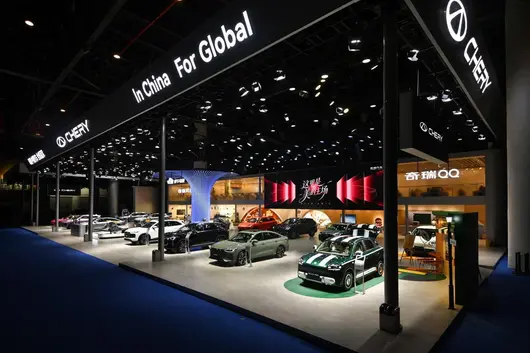

Dalam pasaran SUV di Malaysia, ramai pembeli akan membandingkan Honda WR-V dan Chery Tiggo Cross semasa memilih kereta. Kedua-dua kereta ini mempunyai harga dan posisi pasaran yang sangat hampir, hari ini kita akan membandingkan secara terperinci dari pelbagai aspek, membantu anda menjimatkan masa untuk membuat kajian awal.
Harga OTR Honda WR-V di Malaysia ialah RM 89,900 - 107,900, terdapat 4 varian, termasuk 2023 1.5L V (RM 99,900), 2023 1.5L E (RM 95,900), 2023 1.5L S (RM 89,900) dan lain-lain.
Harga OTR Chery Tiggo Cross di Malaysia ialah RM 88,750 - 99,750, terdapat 2 varian, termasuk 2025 HEV 1.5L CSH (RM 99,750), 2025 1.5T Standard (RM 88,750) dan lain-lain.
Dari segi harga, Chery Tiggo Cross lebih murah RM 1,150 daripada Honda WR-V. Sejujurnya, dalam julat harga ini, beza beberapa ribu sebenarnya tidak terlalu besar, yang penting adalah melihat nisbah harga kepada prestasi keseluruhan dan kos jangka panjang.
Honda WR-V dilengkapi enjin 1.5L 4-silinder, kuasa 105 hp. Penggunaan minyak rasmi 6.0 L/100km.
Chery Tiggo Cross dilengkapi enjin 1.5L 4-silinder, kuasa 105 hp. Penggunaan minyak rasmi 6.0 L/100km.
Kedua-dua kereta menggunakan sistem enjin yang sama, rasa memandu sehari-hari pada asasnya tidak berbeza. Dari segi penggunaan minyak juga hampir sama, tidak perlu terlalu bimbang tentang hal ini.
Honda WR-V mempunyai waranti 5 tahun/jarak tanpa had, selang penyelenggaraan setiap 10,000km atau 6 bulan.
Chery Tiggo Cross mempunyai waranti 3 tahun/100,000km, selang penyelenggaraan setiap 10,000km atau 6 bulan.
Honda WR-V dan Chery Tiggo Cross kedua-duanya merupakan pilihan utama pasaran Malaysia, sesuai untuk kegunaan keluarga, perjalanan harian. Jika anda lebih mementingkan reputasi jenama dan harga sara, boleh utamakan yang mempunyai reputasi lebih baik; jika anda lebih mementingkan nisbah harga kepada prestasi dan kelengkapan, maka pilih yang mempunyai kelengkapan lebih lengkap. Pada akhirnya, disarankan untuk memandu kedua-duanya, pengalaman sendiri adalah yang paling penting.

Secara keseluruhan, Honda WR-V dan Chery Tiggo Cross kedua-duanya merupakan model kereta yang sangat baik di pasaran Malaysia. Memilih yang mana, yang penting adalah melihat keperluan dan bajet peribadi anda. Kami mencadangkan anda menyiapkan kerja persiapan, bandingkan tawaran beberapa kedai kereta, kemudian buat ujian memandu untuk membuat keputusan akhir. Membeli kereta adalah perkara besar, meluangkan sedikit masa untuk kerja persiapan tidak akan salah.

喺馬來西亞嘅 SUV 市場,好多買家喺揀車嘅時候都會拿 Honda WR-V 同 Chery Tiggo 8 嚟做比較。這兩款車喺價位同定位上都幾接近,今日我哋就從多個方面做一個詳細比較,幫你省下做功課嘅時間。
Honda WR-V 喺馬來西亞嘅 OTR 售價係 RM 89,900 - 107,900,一共有 4 個版本,包括 2023 1.5L V(RM 99,900)、2023 1.5L E(RM 95,900)、2023 1.5L S(RM 89,900) 等。
Chery Tiggo 8 喺馬來西亞嘅 OTR 售價係 RM 129,750 - 129,750,一共有 1 個版本,包括 2026 1.6T Standard(RM 129,750) 等。
由價錢睇,Honda WR-V 嘅入門價確實比 Chery Tiggo 8 平咗 RM 39,850。如果你預算有限,Honda 嘅入門版已經可以滿足日常需要。但都要注意,平嗰幾千蚊,可能喺配備上會有取舍,具體要看你嘅需要。
Honda WR-V 搭載 1.5L 4-cyl,馬力 105 hp。官方油耗 6.0 L/100km。
Chery Tiggo 8 搭載 1.5L Turbo,馬力 140 hp。官方油耗 7.0 L/100km。
動力方面,Chery Tiggo 8 嘅 1.5L Turbo 比 Honda WR-V 嘅 1.5L 4-cyl 多咗 35 匹馬力。不過日常喺市區開,兩款車嘅動力都夠用,唔會覺得唔夠力。
Honda WR-V 保修 5 年/無限里程,保養間隔 每 10,000km 或 6 個月。
Chery Tiggo 8 保修 3 年/100,000km,保養間隔 每 10,000km 或 6 個月。
Honda WR-V 同 Chery Tiggo 8 都係馬來西亞市場嘅主流選擇,適合家庭使用、日常通勤。如果你更看重品牌口碑同二手價,可以優先考慮口碑更好嗰款;如果你更在意性價比同配備,那就選配置更豐富嗰款。最後始終建議兩款都去試駕,親身體驗先至最重要。

總括嚟講,Honda WR-V 同 Chery Tiggo 8 都係馬來西亞市場好好嘅車款。揀邊輛,關鍵都要睇你嘅個人需要同預算。建議大家做好功課,多比較幾間車行嘅報價,先至去試駕做最終決定。買車係件大事,花少少時間做功課絕對唔會錯。

In the Malaysian SUV market, many buyers compare Honda WR-V and Mazda CX-5 when choosing a car. The pricing and positioning of these two cars are quite close. Today, we will make a detailed comparison from multiple aspects to help you save time on research.
The OTR price of Honda WR-V in Malaysia is RM 89,900 - 107,900, with a total of 4 versions, including 2023 1.5L V (RM 99,900), 2023 1.5L E (RM 95,900), 2023 1.5L S (RM 89,900), etc.
The OTR price of Mazda CX-5 in Malaysia is RM 135,469 - 166,760, with a total of 3 versions, including 2025 2.0L AT 35th Anniversary (RM 316,154), 2025 2.0L AT (RM 296,154), 2025 2.0L MT (RM 294,154), etc.
From a price perspective, the starting price of Honda WR-V is indeed RM 45,569 cheaper than Mazda CX-5. If your budget is limited, Honda's entry-level version is already sufficient for daily needs. However, note that the savings of a few thousand might involve trade-offs in features, depending on your specific needs.
Honda WR-V is equipped with a 1.5L 4-cyl engine, horsepower 105 hp. Official fuel consumption 6.0 L/100km.
Mazda CX-5 is equipped with a 1.5L Turbo engine, horsepower 140 hp. Official fuel consumption 7.0 L/100km.
In terms of power, Mazda CX-5's 1.5L Turbo has 35 more horsepower than Honda WR-V's 1.5L 4-cyl. However, for daily city driving, both cars have sufficient power and do not feel underpowered.
Honda WR-V body length 4400 mm, trunk 400 L.
Mazda CX-5 body length 4500 mm, trunk 450 L.
In terms of space, Mazda CX-5's body is 100 mm longer than Honda WR-V, giving it an advantage in seating space. However, Honda WR-V is more flexible when parking in the city, each has its trade-offs.
Honda WR-V uses FWD drive type.
Mazda CX-5 uses FWD drive type.
Both cars use the same drive type, FWD, and there won't be a significant difference in daily driving feel.

Honda WR-V warranty 5 years/unlimited mileage, service interval every 10,000km or 6 months.
Mazda CX-5 warranty 5 years/150,000km, service interval every 10,000km or 6 months.

In general, Honda WR-V and Mazda CX-5 are both very good models in the Malaysian market. Which one to choose depends mainly on your personal needs and budget. We recommend doing your research, comparing quotes from several dealers, and then test driving to make a final decision. Buying a car is a big matter, spending time on research will never be wrong.

Dalam pasaran SUV di Malaysia, ramai pembeli cenderung membandingkan Honda WR-V dan Mazda CX-30 ketika memilih kereta. Kedua-dua model ini mempunyai harga dan kedudukan pasaran yang hampir sama. Hari ini, kami akan melakukan perbandingan terperinci dari pelbagai aspek untuk membantu anda menjimatkan masa membuat penyelidikan.
Harga OTR Honda WR-V di Malaysia ialah RM 89,900 - 107,900, terdapat 4 varian, termasuk 2023 1.5L V (RM 99,900), 2023 1.5L E (RM 95,900), 2023 1.5L S (RM 89,900) dan lain-lain.
Harga OTR Mazda CX-30 di Malaysia ialah RM 122,409 - 146,409, terdapat 4 varian, termasuk 2025 2.0L High+ Premium (RM 146,409), 2025 2.0L High+ (RM 138,409), 2025 2.0L High (RM 130,409) dan lain-lain.
Daripada segi harga, harga permulaan Honda WR-V memang RM 32,509 lebih murah berbanding Mazda CX-30. Jika anda mempunyai bajet terhad, varian asas Honda sudah memadai untuk keperluan harian. Namun, perlu diingat, perbezaan harga seribu dua ribu itu mungkin melibatkan pemotongan pada kelengkapan, bergantung pada keperluan anda sendiri.
Honda WR-V dilengkapi enjin 1.5L 4-silinder, kuasa 105 hp. Konsumsi bahan api rasmi 6.0 L/100km.
Mazda CX-30 dilengkapi enjin 1.5L Turbo, kuasa 140 hp. Konsumsi bahan api rasmi 7.0 L/100km.
Dari segi tenaga, enjin 1.5L Turbo Mazda CX-30 mempunyai 35 kuasa kuda lebih daripada enjin 1.5L 4-silinder Honda WR-V. Walau bagaimanapun, untuk pemanduan harian di bandar, kuasa kedua-dua kereta sudah memadai dan tidak terasa kurang tenaga.
Honda WR-V mempunyai panjang keseluruhan 4400 mm, ruang muatan belakang 400 L.
Mazda CX-30 mempunyai panjang keseluruhan 4500 mm, ruang muatan belakang 450 L.
Dari segi ruang, Mazda CX-30 mempunyai panjang keseluruhan 100 mm lebih daripada Honda WR-V, memberikan kelebihan ruang penumpang. Walau bagaimanapun, Honda WR-V lebih lincah ketika memarkir di bandar, kedua-duanya mempunyai kelebihan masing-masing.
Honda WR-V mempunyai jaminan 5 tahun/tanpa had kilometer, selang penyelenggaraan setiap 10,000km atau 6 bulan.
Mazda CX-30 mempunyai jaminan 5 tahun/150,000km, selang penyelenggaraan setiap 10,000km atau 6 bulan.

Secara keseluruhan, Honda WR-V dan Mazda CX-30 adalah model kereta yang sangat baik di pasaran Malaysia. Pemilihan bergantung kepada keperluan dan bajet peribadi anda. Kami sarankan anda membuat penyelidikan terlebih dahulu, bandingkan beberapa sebut harga di pengedar kereta, kemudian buat ujian memandu sebelum membuat keputusan akhir. Membeli kereta adalah perkara penting, meluangkan masa untuk penyelidikan tidak akan salah.

Pasaran SUV di Malaysia, ramai pembeli semasa memilih kereta biasanya membandingkan Honda WR-V dengan Toyota Corolla Cross. Kedua-dua kereta ini agak hampir dari segi harga dan kedudukan, hari ini kita akan membuat perbandingan terperinci dari pelbagai aspek, membantu anda menjimatkan masa membuat kajian.
Harga OTR Honda WR-V di Malaysia adalah RM 89,900 - 107,900, terdapat 4 varian, termasuk 2023 1.5L V (RM 99,900), 2023 1.5L E (RM 95,900), 2023 1.5L S (RM 89,900) dan lain-lain.
Harga OTR Toyota Corolla Cross di Malaysia adalah RM 133,800 - 148,800, terdapat sebanyak 3 varian, termasuk 2026 HEV 1.8L GR Sport (RM 148,800), 2026 HEV 1.8L Standard (RM 140,800), 2026 1.8L Standard (RM 133,800) dan lain-lain.
Dari segi harga, harga permulaan Honda WR-V benar-benar lebih murah RM 43,900 berbanding Toyota Corolla Cross. Jika bajet anda terbatas, varian masuk Honda sudah boleh memenuhi keperluan harian. Namun perlu diingat, beberapa ribu ringgit yang lebih murah mungkin ada kompromi dari segi peralatan, ia bergantung pada keperluan anda.
Honda WR-V ditenagakan oleh 1.5L 4-silinder, kuasa 105 hp. Penggunaan minyak rasmi 6.0 L/100km.
Toyota Corolla Cross ditenagakan oleh 1.5L Turbo, kuasa 140 hp. Penggunaan minyak rasmi 7.0 L/100km.
Dari segi kuasa, 1.5L Turbo Toyota Corolla Cross mempunyai 35 hp lebih daripada 1.5L 4-silinder Honda WR-V. Namun, untuk penggunaan harian di bandar, kuasa kedua-dua kereta ini sudah memadai, tidak terasa kurang kuasa.
Penilaian keselamatan Honda WR-V adalah 5★ (ASEAN NCAP), sistem keselamatan aktif termasuk Honda SENSING.
Penilaian keselamatan Toyota Corolla Cross adalah 5★ (ASEAN NCAP), sistem keselamatan aktif termasuk TSS (PCS, LDA, ACC, LTA).
Penilaian keselamatan kedua-dua kereta adalah sama, dalam kategori ini peralatan keselamatan sudah dianggap lengkap. Keselamatan kereta baharu sekarang tidak buruk, tidak perlu terlalu bimbang mengenai hal ini.
Jaminan Honda WR-V 5 tahun/jarak tanpa had, selang penyelenggaraan 10,000km atau 6 bulan.
Jaminan Toyota Corolla Cross 5 tahun/jarak tanpa had, selang penyelenggaraan 10,000km atau 6 bulan.
Kondisi jaminan kedua-dua kereta adalah sama, tidak perlu rumit mengenai perkara ini. Kos penyelenggaraan sebenar bergantung pada rangkaian perkhidmatan jenama dan harga komponen, disyorkan bertanya dalam kumpulan pemilik kereta untuk pengalaman sebenar.
Secara keseluruhan, Honda WR-V dan Toyota Corolla Cross adalah model kereta yang sangat bagus di pasaran Malaysia. Memilih mana satu, intipatinya bergantung pada keperluan dan bajet peribadi anda. Kami sarankan membuat kajian terlebih dahulu, bandingkan beberapa tawaran kedai kereta, kemudian buat ujian memandu untuk membuat keputusan akhir. Membeli kereta adalah perkara besar, meluangkan masa untuk membuat kajian tidak akan salah.

喺馬來西亞嘅 SUV 市場,好多買家喺揀車嘅時候都會拿 Honda WR-V 同 Mazda CX-3 嚟做比較。呢兩款車喺價位同定位上都幾接近嘅,今日我哋就從多個方面做一個詳細嘅對比,幫你省咗做功課嘅時間。
Honda WR-V 喺馬來西亞嘅 OTR 售價係 RM 89,900 - 107,900,一共有 4 個版本,包括 2023 1.5L V(RM 99,900)、2023 1.5L E(RM 95,900)、2023 1.5L S(RM 89,900)等。
Mazda CX-3 喺馬來西亞嘅 OTR 售價係 RM 126,159 - 139,159,一共有 2 個版本,包括 2023 2.0L High(RM 139,159)、2023 2.0L Plus(RM 126,159)等。
從價錢嚟睇,Honda WR-V 嘅起步價確實比 Mazda CX-3 平咗 RM 36,259。如果你預算有限,Honda 嘅入門版已經可以滿足日常需要。但要注意,平嗰幾千蚊,喺配備上會要有取捨,具體要睇你嘅需求。
Honda WR-V 搭載 1.5L 4-cyl,馬力 105 hp。官方油耗 6.0 L/100km。
Mazda CX-3 搭載 1.5L Turbo,馬力 140 hp。官方油耗 7.0 L/100km。
動力方面,Mazda CX-3 嘅 1.5L Turbo 比 Honda WR-V 嘅 1.5L 4-cyl 多咗 35 匹馬力。不過日常喺市區開,兩款車嘅動力都夠用,唔會覺得唔夠力。
Honda WR-V 保修 5 年/無限里程,保養間隔 每 10,000km 或 6 個月。
Mazda CX-3 保修 5 年/150,000km,保養間隔 每 10,000km 或 6 個月。
Honda WR-V 同 Mazda CX-3 都係馬來西亞市場嘅主流選擇,適合家庭用、日常通勤。如果你更看重品牌口碑同二手價,可以優先考慮口碑更好嗰一款;如果你更在意性價比同配備,就揀配置更豐富嗰款。最後仲係建議兩款都去試駕,親身體驗先至係最重要嘅。

總括嚟講,Honda WR-V 同 Mazda CX-3 都係馬來西亞市場好唔錯嘅車型。揀邊一輛,關鍵仲係要睇你嘅個人需求同預算。建議大家做好功課,多比較幾間車行嘅報價,再落去試駕做最終決定。買車係件大事,花啲時間做功課絕對唔會錯。

In the SUV market in Malaysia, many buyers tend to compare Proton X90 and Subaru Crosstrek when choosing a car. These two cars are quite close in price and positioning. Today, we will make a detailed comparison from multiple aspects to help you save time on research.
Proton X90 OTR price in Malaysia is RM 106,800 - 122,800, with a total of 4 versions, including 2026 1.5T Prime X (RM 122,800), 2026 1.5T Prime (RM 116,800), 2026 1.5T Lite (RM 106,800), etc.
Subaru Crosstrek OTR price in Malaysia is RM 145,000 - 160,000, with a total of 1 version, including 2.0L e-Boxer (RM 150,000), etc.
From a price perspective, the starting price of Proton X90 is indeed RM 38,200 cheaper than Subaru Crosstrek. If your budget is limited, Proton's entry-level version can already meet daily needs. But also note, the few thousand bucks savings might involve trade-offs in features, depending on your specific needs.

Proton X90 is equipped with 1.5L Turbo, horsepower 140 hp. Official fuel consumption 7.0 L/100km.
Subaru Crosstrek is equipped with 1.5L Turbo, horsepower 140 hp. Official fuel consumption 7.0 L/100km.
Both cars use the same powertrain, the driving feel in daily use is basically the same. Fuel consumption is also similar, no need to worry too much about this point.
Proton X90 safety rating is 5★ (ASEAN NCAP), active safety systems include ADAS (ACC, AEB, LKA, LDA, BSM, RCTA).
Subaru Crosstrek safety rating is 5★ (Euro NCAP), active safety systems include EyeSight.
Regarding safety features, both cars have received good ratings. However, Proton X90's ADAS (ACC, AEB, LKA, LDA, BSM, RCTA) and Subaru Crosstrek's EyeSight have some differences in functionality. If you value active safety highly, you can compare the feature lists of both carefully.
Proton X90 body length 4400 mm, boot 400 L.
Subaru Crosstrek body length 4400 mm, boot 400 L.
The dimensions of both cars are almost the same, interior space difference is not significant. For cars in this class, daily use is completely sufficient.
Proton X90 and Subaru Crosstrek are both mainstream choices in the Malaysian market, suitable for family use, daily commuting. If you value brand reputation and resale value more, consider prioritizing the one with better reputation; if you care more about value for money and features, choose the one with richer configuration. Ultimately, it is recommended to test drive both, personal experience is the most important.

Overall, Proton X90 and Subaru Crosstrek are both very good car models in the Malaysian market. Which one to choose mainly depends on your personal needs and budget. It is recommended to do research, compare quotes from several dealerships, and then test drive to make a final decision. Buying a car is a big matter, spending time on research will definitely not be wrong.


Di pasaran SUV Malaysia, ramai pembeli membandingkan Proton X90 dan Subaru Crosstrek semasa memilih kereta. Kedua-dua kereta ini mempunyai harga dan kedudukan pasaran yang agak hampir. Hari ini kita akan membuat perbandingan terperinci dari pelbagai aspek untuk membantu anda menjimatkan masa melakukan penyelidikan.
Harga OTR Proton X90 di Malaysia ialah RM 106,800 - 122,800. Terdapat keseluruhan 4 varian, termasuk 2026 1.5T Prime X (RM 122,800), 2026 1.5T Prime (RM 116,800), 2026 1.5T Lite (RM 106,800) dan lain-lain.
Harga OTR Subaru Crosstrek di Malaysia ialah RM 145,000 - 160,000. Terdapat keseluruhan 1 varian, termasuk 2.0L e-Boxer (RM 150,000) dan lain-lain.
Dari segi harga, harga permulaan Proton X90 memang RM 38,200 lebih murah daripada Subaru Crosstrek. Jika bajet anda terhad, varian permulaan Proton sudah boleh memenuhi keperluan harian. Namun perlu diingat, beberapa ribu ringgit yang lebih murah mungkin ada kompromi dari segi peralatan, bergantung pada keperluan anda.
Proton X90 menggunakan enjin 1.5L Turbo, kuasa 140 hp. Penggunaan bahan rasmi 7.0 L/100km.
Subaru Crosstrek menggunakan enjin 1.5L Turbo, kuasa 140 hp. Penggunaan bahan rasmi 7.0 L/100km.
Kedua-dua kereta menggunakan sistem pemacu yang sama, pengalaman memandu sehari-hari pada dasarnya tiada perbezaan. Dari segi penggunaan bahan juga hampir sama, tidak perlu terlalu memikirkan hal ini.
Rating keselamatan Proton X90 ialah 5★ (ASEAN NCAP), sistem keselamatan aktif termasuk ADAS (ACC, AEB, LKA, LDA, BSM, RCTA).
Rating keselamatan Subaru Crosstrek ialah 5★ (Euro NCAP), sistem keselamatan aktif termasuk EyeSight.
Dari segi kelengkapan keselamatan, kedua-dua kereta telah mendapatkan rating yang baik. Walau bagaimanapun, ADAS (ACC, AEB, LKA, LDA, BSM, RCTA) pada Proton X90 dan EyeSight pada Subaru Crosstrek mempunyai perbezaan dari segi fungsi. Jika anda lebih mempedulikan keselamatan aktif, anda boleh membandingkan senarai fungsi kedua-duanya dengan teliti.
Panjang kenderaan Proton X90 adalah 4400 mm, ruang muatan belakang 400 L.
Panjang kenderaan Subaru Crosstrek adalah 4400 mm, ruang muatan belakang 400 L.
Saiz kedua-dua kereta hampir sama, ruang dalam kenderaan tidak banyak berbeza. Untuk kereta kelas ini, cukup untuk penggunaan sehari-hari.
Proton X90 menggunakan cara pemacu FWD.
Subaru Crosstrek menggunakan cara pemacu FWD.
Kaedah pemacu kedua-dua kereta sama, semuanya FWD, pengalaman memandu sehari-hari tidak akan banyak berbeza.
Secara keseluruhannya, Proton X90 dan Subaru Crosstrek adalah model kereta yang sangat baik di pasaran Malaysia. Pilihan mana satu, kuncinya adalah melihat keperluan peribadi dan bajet anda. Kami cadangkan anda melakukan penyelidikan, bandingkan beberapa kutipan harga dari dealer kereta, kemudian buat ujian memandu untuk membuat keputusan akhir. Membeli kereta adalah perkara besar, meluangkan masa untuk membuat penyelidikan tidak akan salah.

Di pasaran SUV Malaysia, ramai pembeli membandingkan Proton X90 dan Subaru Forester semasa memilih kereta. Kedua-dua kereta ini mempunyai harga dan penarafan yang hampir sama. Hari ini, kami akan membuat perbandingan terperinci dari pelbagai aspek untuk membantu anda menjimatkan masa melakukan kajian.
Harga OTR Proton X90 di Malaysia adalah RM 106,800 - 122,800, terdapat 4 varian, termasuk 2026 1.5T Prime X (RM 122,800), 2026 1.5T Prime (RM 116,800), 2026 1.5T Lite (RM 106,800) dan lain-lain.
Harga OTR Subaru Forester di Malaysia adalah RM 174,000 - 197,000, terdapat 3 varian, termasuk 2024 2.0L S EyeSight GT Edition (RM 189,538), 2024 2.0L S EyeSight (RM 177,538), 2024 2.0L L EyeSight (RM 167,538) dan lain-lain.
Dari segi harga, harga permulaan Proton X90 memang lebih murah RM 67,200 berbanding Subaru Forester. Jika bajet anda terhad, versi permulaan Proton sudah boleh memenuhi keperluan harian. Tetapi perlu diingat, perbezaan harga beberapa ribu itu mungkin mempunyai kompromi dari segi peralatan, bergantung kepada keperluan anda.
Proton X90 dilengkapi enjin 1.5L Turbo, kuasa 140 hp. Penggunaan minyak rasmi 7.0 L/100km.
Subaru Forester dilengkapi enjin 2.0L 4-cyl, kuasa 170 hp. Penggunaan minyak rasmi 8.0 L/100km.
Dari segi kuasa, 2.0L 4-cyl Subaru Forester mempunyai 30 hp lebih berbanding 1.5L Turbo Proton X90. Namun untuk memandu harian di bandar, kuasa kedua-dua kereta ini sudah mencukupi, tidak akan terasa kurang bertenaga.
Panjang badan Proton X90 4400 mm, ruang bagasi 400 L.
Panjang badan Subaru Forester 4400 mm, ruang bagasi 400 L.
Saiz kedua-dua kereta ini hampir sama, ruang dalaman juga tidak banyak berbeza. Untuk kereta kelas ini, ruang sudah mencukupi untuk kegunaan harian.
Proton X90 menggunakan cara penggerak FWD.
Subaru Forester menggunakan cara penggerak FWD.
Cara penggerak kedua-dua kereta ini sama, semuanya FWD, pengalaman memandu harian tidak akan berbeza banyak.

Proton X90 waranti 5 tahun/150,000km, selang servis setiap 10,000km atau 6 bulan.
Subaru Forester waranti 3 tahun/100,000km, selang servis setiap 10,000km atau 6 bulan.
Secara keseluruhan, Proton X90 dan Subaru Forester adalah model kereta yang sangat bagus di pasaran Malaysia. Memilih yang mana, kunci utamanya adalah melihat keperluan dan bajet peribadi anda. Kami cadangkan untuk membuat kajian terlebih dahulu, bandingkan harga dari beberapa showroom, kemudian buat uji memandu sebelum membuat keputusan akhir. Membeli kereta adalah perkara besar, mengambil masa untuk membuat kajian pasti tidak akan salah.
© 2024 Bitauto.com. All Rights Reserved.
Bitauto (www.yiche.com and www.bitauto.com) is one of the most visited automotive websites in China. We provide detailed info on Chinese car brands available in your area. Please note that the information provided on this website is based on publicly available data and is for reference only. It may not be fully updated or accurate at all times.

Help us improve our website


