
Search History
Popular Searches
English
Dealer Login / Sign Up
Most electric vehicles at KLIMS 2026 lean toward larger footprints and heavier price tags, yet TQ Wuling arrives with a deliberately different logic. The Bingo EV, launched in Malaysia in December 2025 with a launch positioning from RM62,800, does not chase the range or stature of mid-size electric SUVs. Instead, it targets a straightforward proposition: bringing battery-electric mobility beneath the pricing floor established by most mainstream competitors. In doing so, TQ Wuling asks a question that resonates in a cost-sensitive market—whether a first electric car needs to be expensive at all.
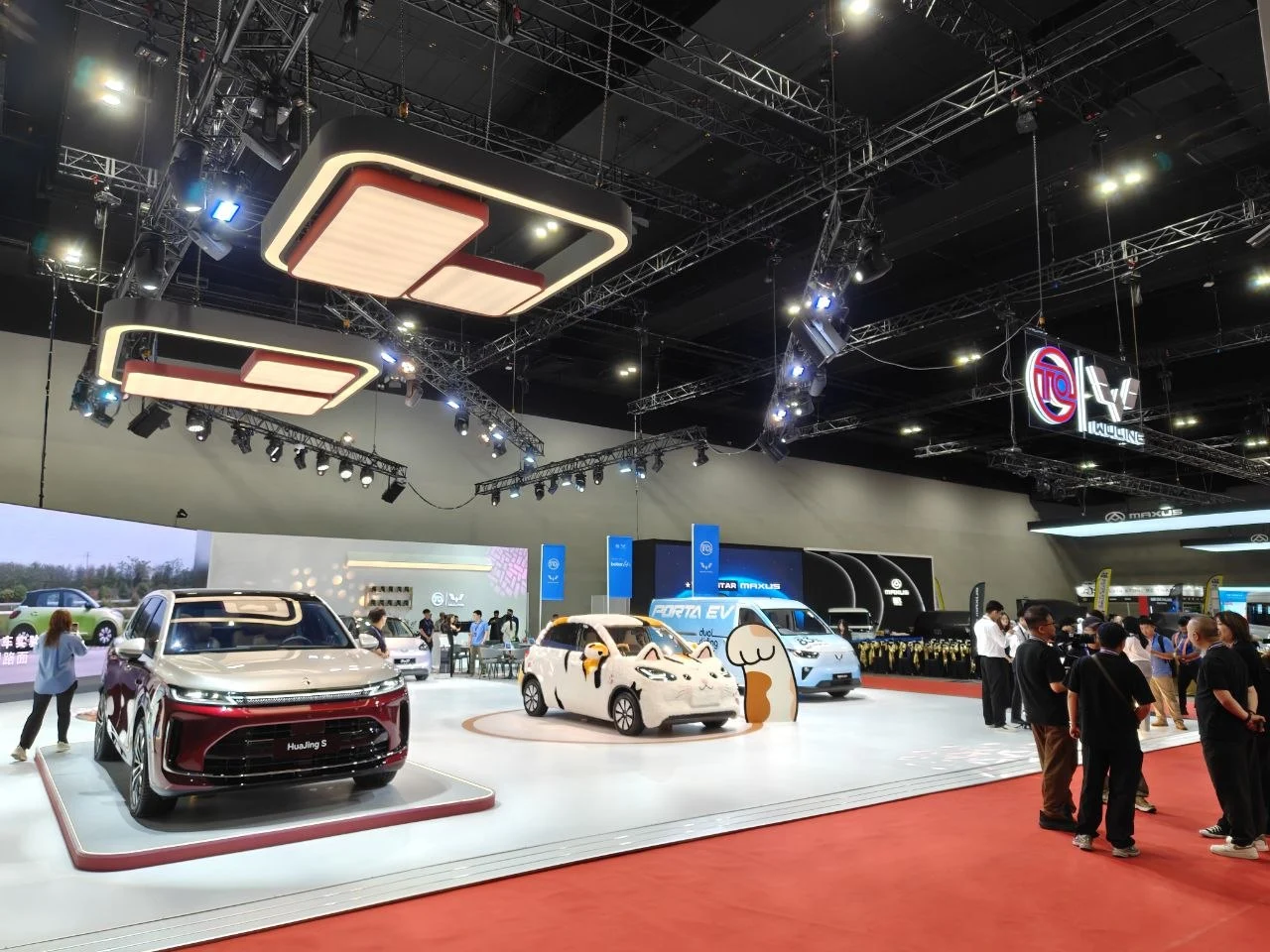
The Bingo EV is not a technology flagship. It is a positioning tool. By entering the market as a compact, locally assembled city car, TQ Wuling sidesteps the specification arms race that dominates headlines and targets buyers who measure value in daily commute costs rather than acceleration figures. Its role is to lower the structural barrier to EV adoption for urban dwellers and multi-car households who need a second runabout rather than a primary family hauler.
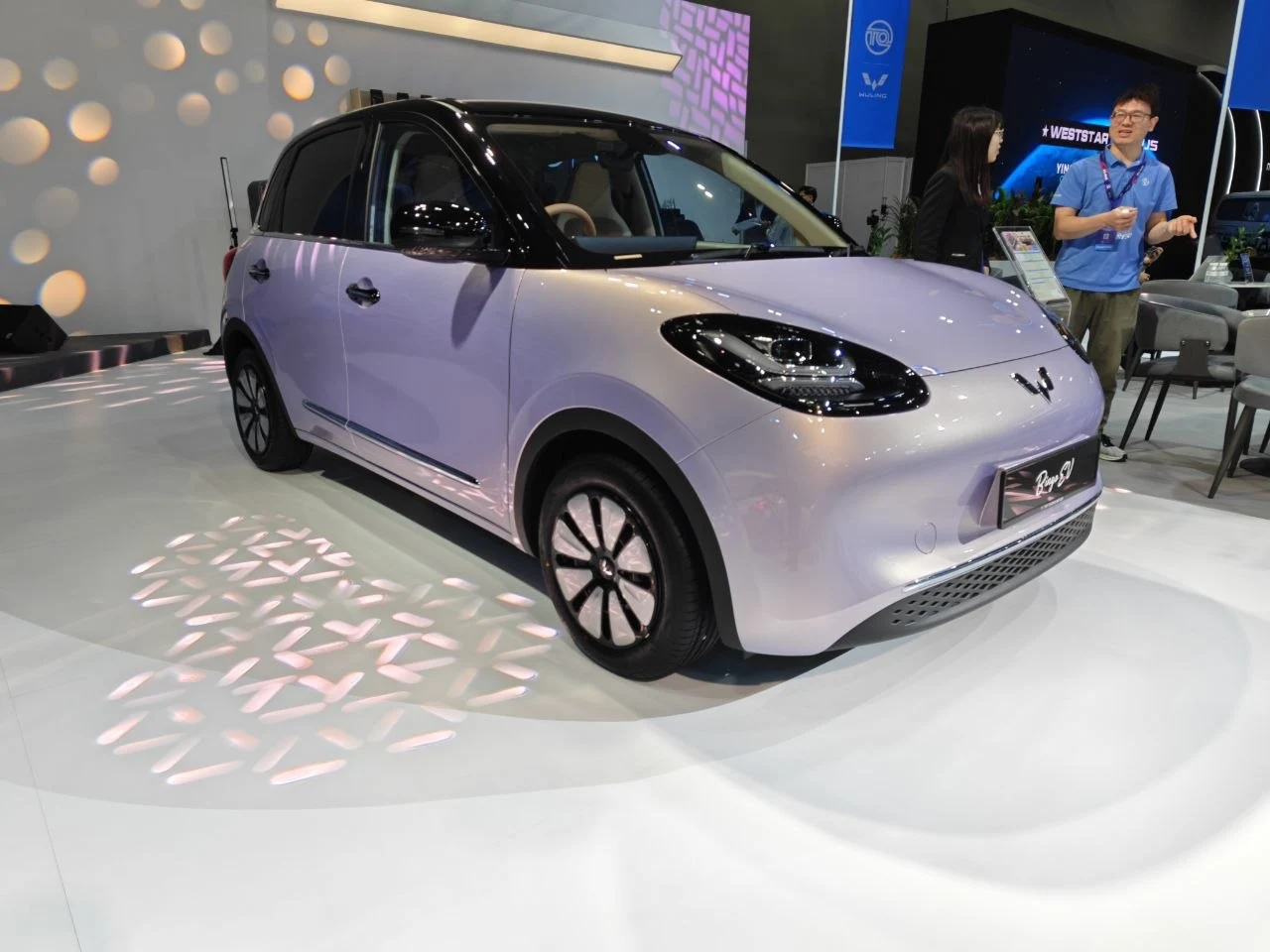
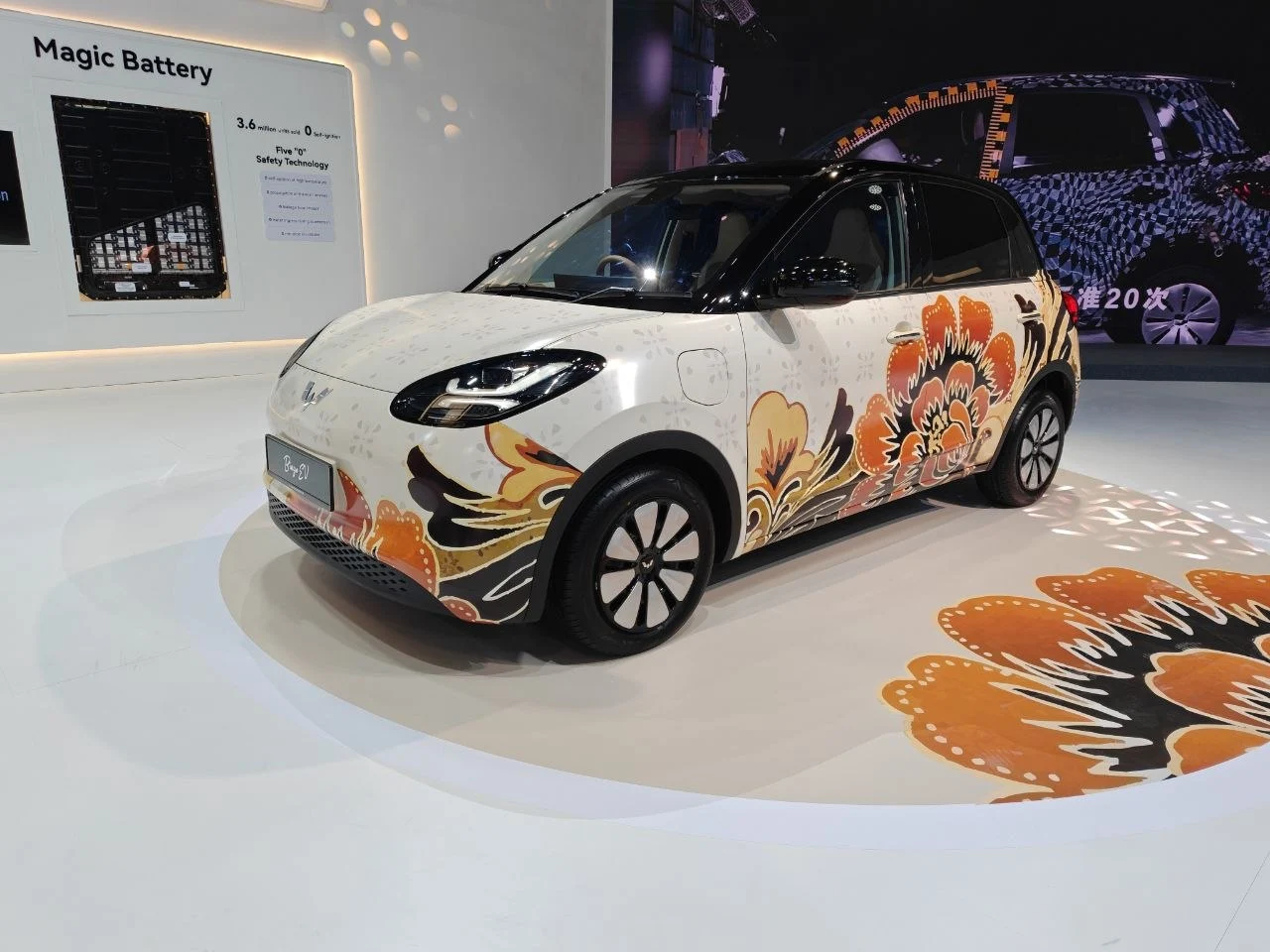
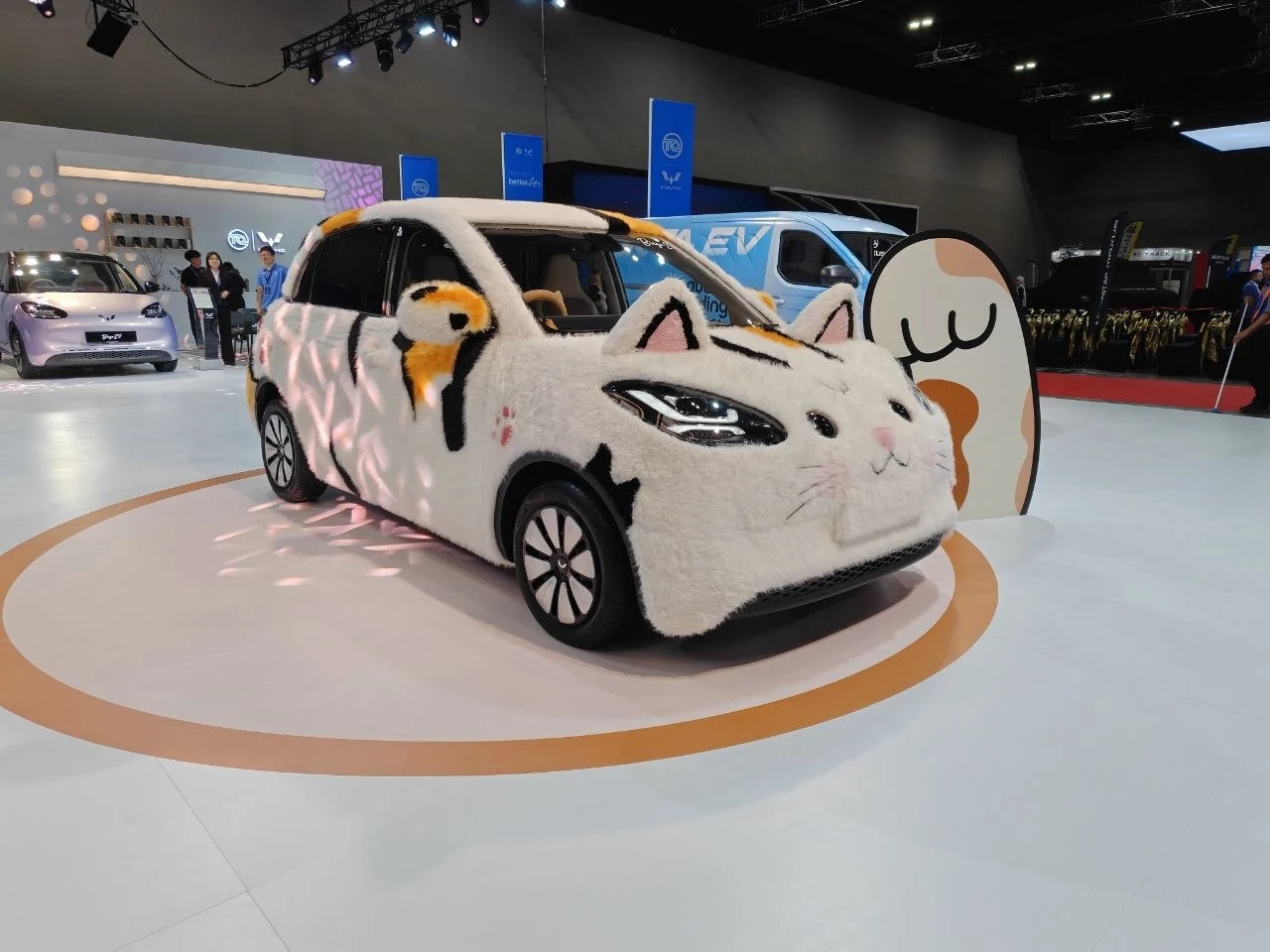
What separates the Bingo EV from a simple import-and-discount strategy is its local assembly footprint. Tan Chong Motor Assemblies began CKD production of the Bingo EV at its Segambut facility in January 2026, giving the model a tangible Malaysian industrial story. While other brands are still announcing future CKD plans, TQ Wuling has already moved from press release to production line. This early localization provides more than potential cost flexibility; it offers a degree of supply-chain proximity that matters when buyers worry about parts availability and after-sales support for newer brands.
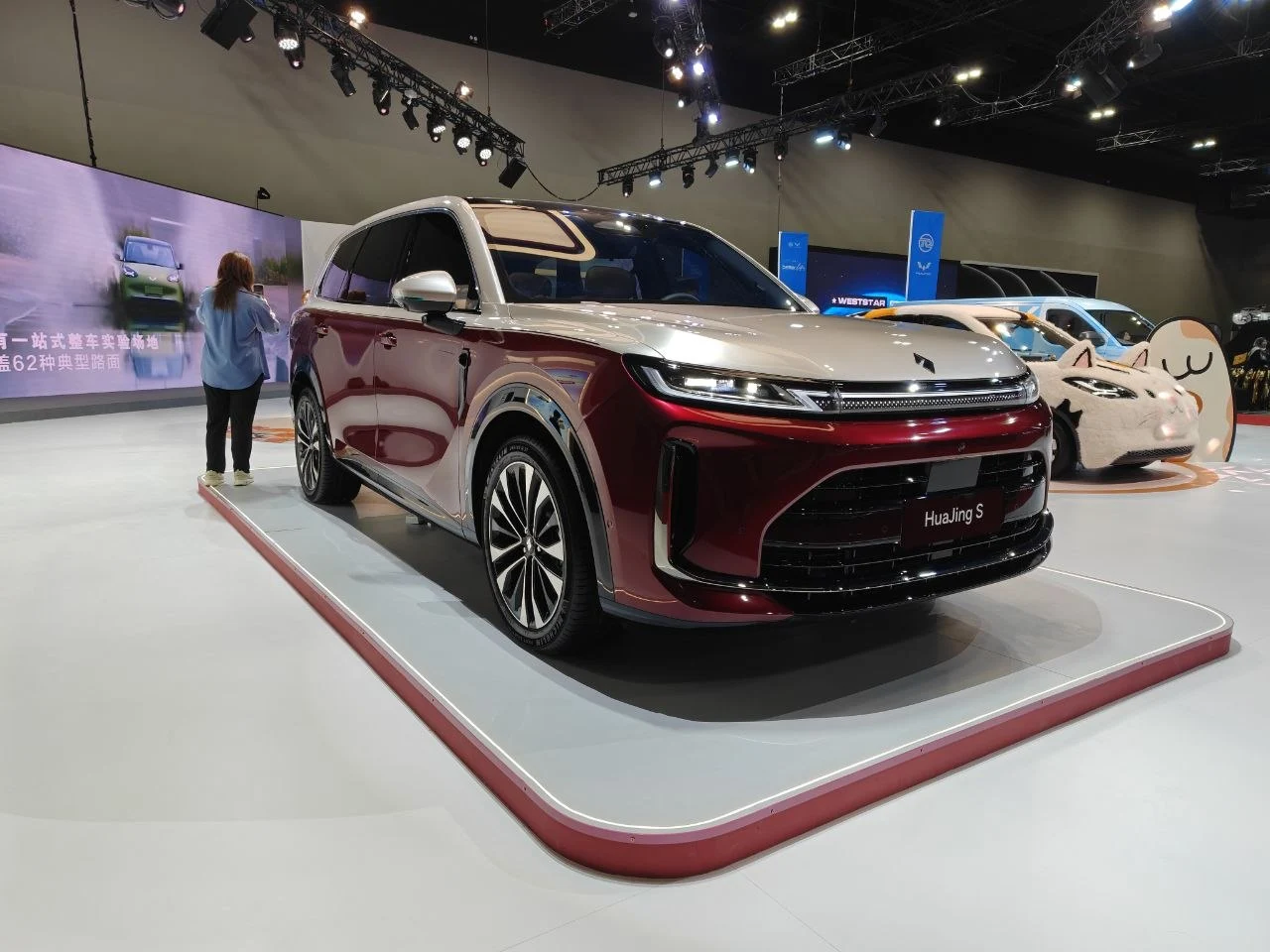
The Bingo EV enters a field that is quickly filling with alternatives. The Perodua QV-E arrives with national-car scale and a battery-rental structure at a higher price tier, while the Proton e.MAS 5 has already demonstrated that Malaysian families will adopt electric crossovers in meaningful volume. BYD, meanwhile, continues to set the benchmark for Chinese EV credibility with its expanding CKD ambitions. TQ Wuling avoids direct collision with these rivals by virtue of size and positioning. The Bingo EV is smaller, lighter, and explicitly urban—a second-car solution rather than a full-family substitute. That distinction is its defensive moat.
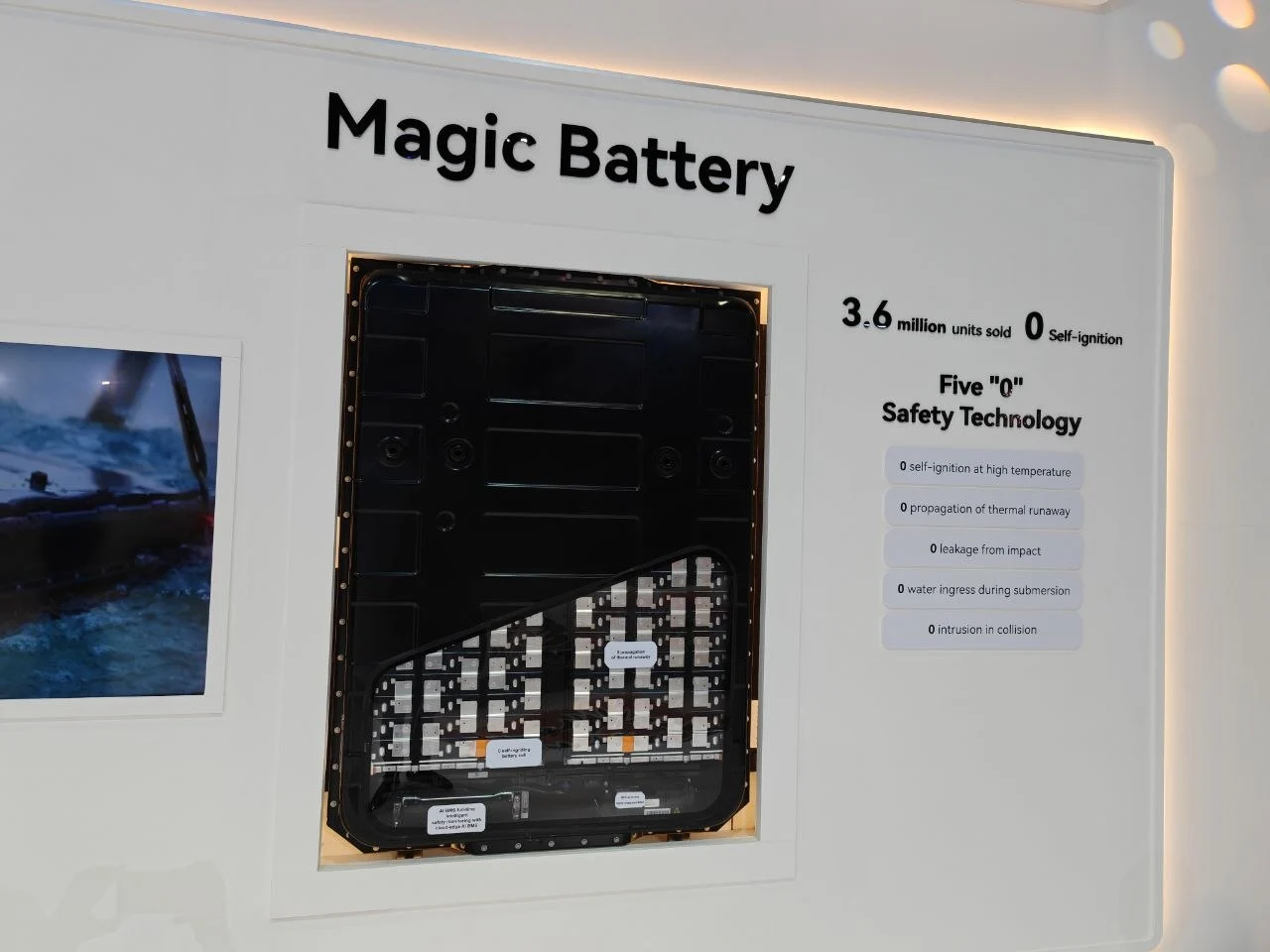
The timing is instructive. With first customer deliveries beginning in early 2026 and added standard ADAS equipment highlighted at handover, TQ Wuling appears to understand that Malaysian consumers view affordable EVs with caution. The inclusion of safety assists at this price tier signals an attempt to neutralize the perception that budget electric cars cut corners on occupant protection.
For all its pricing appeal, TQ Wuling currently brings only the Bingo EV to the Malaysian market. That narrow portfolio places pressure on the brand to expand its showroom beyond the city-car segment within the next product cycle. Malaysian buyers have shown appetite for electric mobility across multiple body styles, and a one-model lineup risks constraining Wuling to a niche that larger competitors can eventually undercut with their own entry-level variants. The question at KLIMS is less about what the Bingo EV offers today, and more about whether TQ Wuling intends to follow it with a broader product pipeline.
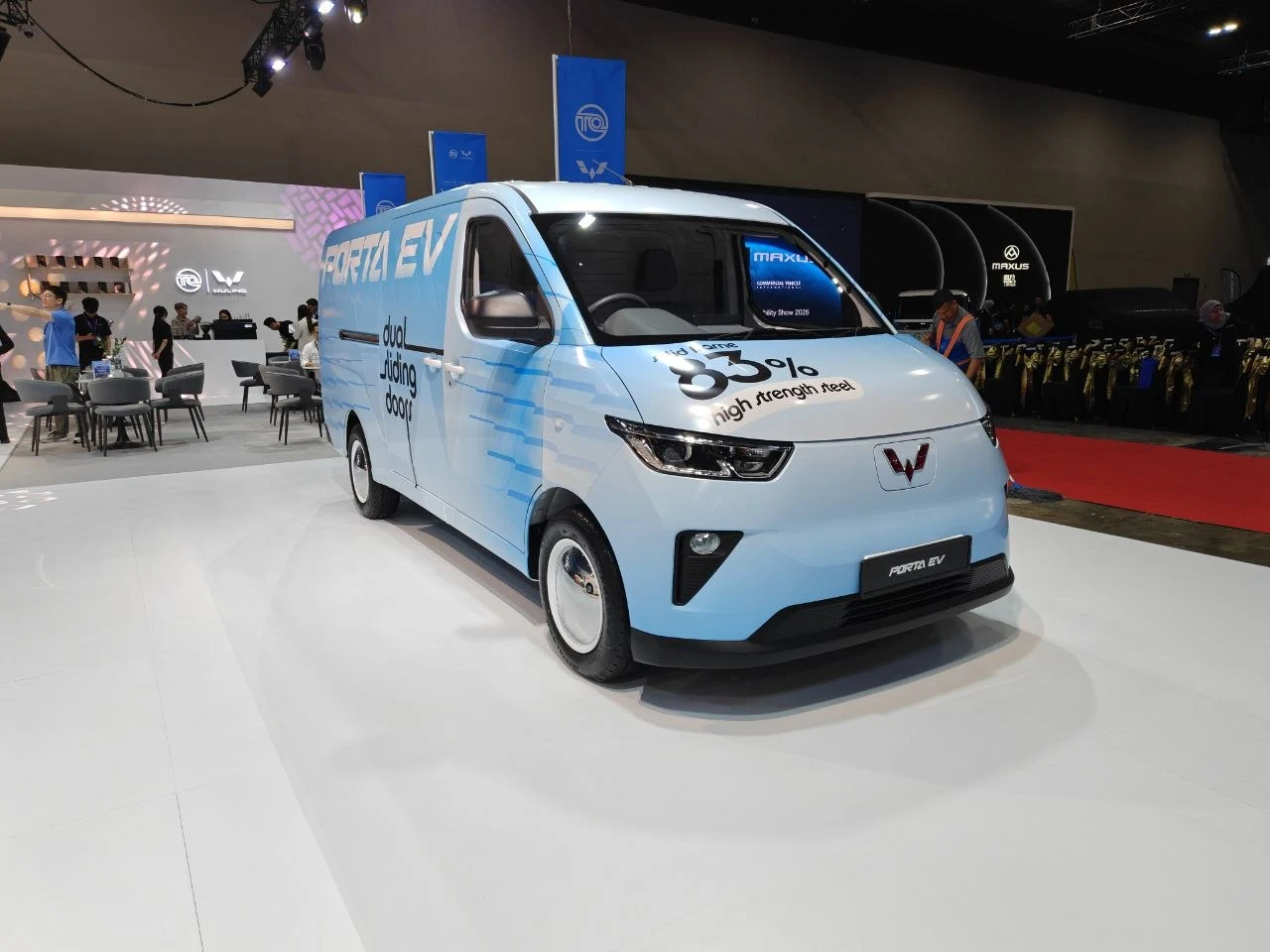
Ultimately, TQ Wuling’s challenge in Malaysia is not merely launching an inexpensive EV, but convincing buyers that low purchase price does not translate to high ownership risk. Residual value, service network density, and battery warranty confidence remain the silent variables that determine whether a budget EV becomes a market fixture or a temporary curiosity. If present at KLIMS 2026, the Bingo EV serves as a physical argument that affordable, locally assembled electric mobility has a viable addressable market. The task now is to prove that viability extends well beyond the showroom floor.


Your go-to source for all things automotive in Malaysia. 🚗 Latest reviews, breaking news, launches & industry trends.
+ Follow Kereta Rally Karamjit Singh & Proton Wira Schumacher Ada Sini! | HME Asia 2026
Hujung minggu dah tiba dan anda mencari sesuatu untuk cuci mata? Jemput datang ke Heritage Motor Exchange Asia 2026 yang berlangsung di Dewal Merdeka, World Trade Centre (WTC) Kuala Lumpur!
Berbeza dengan pameran biasa, acara ini memberi tumpuan khas kepada kenderaan-kenderaan warisan dan klasik yang menggamit memori. Antara daya tarikan utama yang dipamerkan termasuk:
🏎️ Kereta Rally Legenda: Kereta rally ikonik yang pernah dipandu oleh pemandu legenda negara, Karamjit Singh!
🏎️ Proton Wira Schumacher: Model Proton Wira penuh sejarah yang pernah dipandu oleh pelumba F1 legenda, Michael Schumacher!
🚘 Kereta Klasik & Mewah: Mercedes-Benz W111 Cabriolet (1960-an), Rolls-Royce Silver Cloud, Jaguar E-Type, dan pelbagai lagi model berprestasi tinggi.
Membawa tema "When Passion Meets Acquisition", pameran ini menghimpunkan lebih 50 buah kereta daripada pelbagai era. Ia turut memperkenalkan sistem penilaian Concours 100 mata serta kemudahan urusan pemeriksaan, insurans, dan cukai jalan bersama agensi seperti Puspakom dan JPJ di lokasi.
📅 Tarikh: 23 – 25 Oktober 2026
📍 Lokasi: Dewan Merdeka, WTC Kuala Lumpur
Tonton video ini sampai habis untuk lihat sendiri kehebatan jentera-jentera klasik ini! Jangan lupa untuk Like, Comment, dan Subscribe ke saluran BitAuto!
#HeritageMotorExchange #HMEAsia2026 #BitAuto #WTCKL #KeretaKlasik 1 day ago
Kereta Rally Karamjit Singh & Proton Wira Schumacher Ada Sini! | HME Asia 2026
Hujung minggu dah tiba dan anda mencari sesuatu untuk cuci mata? Jemput datang ke Heritage Motor Exchange Asia 2026 yang berlangsung di Dewal Merdeka, World Trade Centre (WTC) Kuala Lumpur!
Berbeza dengan pameran biasa, acara ini memberi tumpuan khas kepada kenderaan-kenderaan warisan dan klasik yang menggamit memori. Antara daya tarikan utama yang dipamerkan termasuk:
🏎️ Kereta Rally Legenda: Kereta rally ikonik yang pernah dipandu oleh pemandu legenda negara, Karamjit Singh!
🏎️ Proton Wira Schumacher: Model Proton Wira penuh sejarah yang pernah dipandu oleh pelumba F1 legenda, Michael Schumacher!
🚘 Kereta Klasik & Mewah: Mercedes-Benz W111 Cabriolet (1960-an), Rolls-Royce Silver Cloud, Jaguar E-Type, dan pelbagai lagi model berprestasi tinggi.
Membawa tema "When Passion Meets Acquisition", pameran ini menghimpunkan lebih 50 buah kereta daripada pelbagai era. Ia turut memperkenalkan sistem penilaian Concours 100 mata serta kemudahan urusan pemeriksaan, insurans, dan cukai jalan bersama agensi seperti Puspakom dan JPJ di lokasi.
📅 Tarikh: 23 – 25 Oktober 2026
📍 Lokasi: Dewan Merdeka, WTC Kuala Lumpur
Tonton video ini sampai habis untuk lihat sendiri kehebatan jentera-jentera klasik ini! Jangan lupa untuk Like, Comment, dan Subscribe ke saluran BitAuto!
#HeritageMotorExchange #HMEAsia2026 #BitAuto #WTCKL #KeretaKlasik 1 day ago  Rare cars, legendary icons and automotive dreams come alive at Heritage Motor Exchange Asia!
#HMEA #HeritageMotorExchangeAsia #ClassicCars #Supercars #CarCulture #MalaysiaCars 1 day ago
Rare cars, legendary icons and automotive dreams come alive at Heritage Motor Exchange Asia!
#HMEA #HeritageMotorExchangeAsia #ClassicCars #Supercars #CarCulture #MalaysiaCars 1 day ago  Waze could be banned?
IT seems like the Malaysian government may look into banning Waze, but only when local alternatives are ready. 1 day ago
Waze could be banned?
IT seems like the Malaysian government may look into banning Waze, but only when local alternatives are ready. 1 day ago Get the latest car news first!
Your go-to source for all things automotive in Malaysia. 🚗 Latest reviews, breaking news, launches & industry trends.
Kereta Rally Karamjit Singh & Proton Wira Schumacher Ada Sini! | HME Asia 2026
Hujung minggu dah tiba dan anda mencari sesuatu untuk cuci mata? Jemput datang ke Heritage Motor Exchange Asia 2026 yang berlangsung di Dewal Merdeka, World Trade Centre (WTC) Kuala Lumpur!
Berbeza dengan pameran biasa, acara ini memberi tumpuan khas kepada kenderaan-kenderaan warisan dan klasik yang menggamit memori. Antara daya tarikan utama yang dipamerkan termasuk:
🏎️ Kereta Rally Legenda: Kereta rally ikonik yang pernah dipandu oleh pemandu legenda negara, Karamjit Singh!
🏎️ Proton Wira Schumacher: Model Proton Wira penuh sejarah yang pernah dipandu oleh pelumba F1 legenda, Michael Schumacher!
🚘 Kereta Klasik & Mewah: Mercedes-Benz W111 Cabriolet (1960-an), Rolls-Royce Silver Cloud, Jaguar E-Type, dan pelbagai lagi model berprestasi tinggi.
Membawa tema "When Passion Meets Acquisition", pameran ini menghimpunkan lebih 50 buah kereta daripada pelbagai era. Ia turut memperkenalkan sistem penilaian Concours 100 mata serta kemudahan urusan pemeriksaan, insurans, dan cukai jalan bersama agensi seperti Puspakom dan JPJ di lokasi.
📅 Tarikh: 23 – 25 Oktober 2026
📍 Lokasi: Dewan Merdeka, WTC Kuala Lumpur
Tonton video ini sampai habis untuk lihat sendiri kehebatan jentera-jentera klasik ini! Jangan lupa untuk Like, Comment, dan Subscribe ke saluran BitAuto!
#HeritageMotorExchange #HMEAsia2026 #BitAuto #WTCKL #KeretaKlasik 1 day ago Rare cars, legendary icons and automotive dreams come alive at Heritage Motor Exchange Asia!
#HMEA #HeritageMotorExchangeAsia #ClassicCars #Supercars #CarCulture #MalaysiaCars 1 day ago Waze could be banned?
IT seems like the Malaysian government may look into banning Waze, but only when local alternatives are ready. 1 day ago © 2024 Bitauto.com. All Rights Reserved.
Bitauto (www.yiche.com and www.bitauto.com) is one of the most visited automotive websites in China. We provide detailed info on Chinese car brands available in your area. Please note that the information provided on this website is based on publicly available data and is for reference only. It may not be fully updated or accurate at all times.

Help us improve our website


