
Search History
Popular Searches
English
Dealer Login / Sign Up
At KLIMS 2026, MG's display should not be read only through its electric vehicles. The MG4 EV, ZS EV and S5 EV have already given the brand a clear electrified identity in Malaysia, especially after the S5 EV moved into local assembly. The QS plays a different role. It is a petrol-powered three-row SUV, and its main subjects are space, comfort, long-distance usability and family carrying capacity.
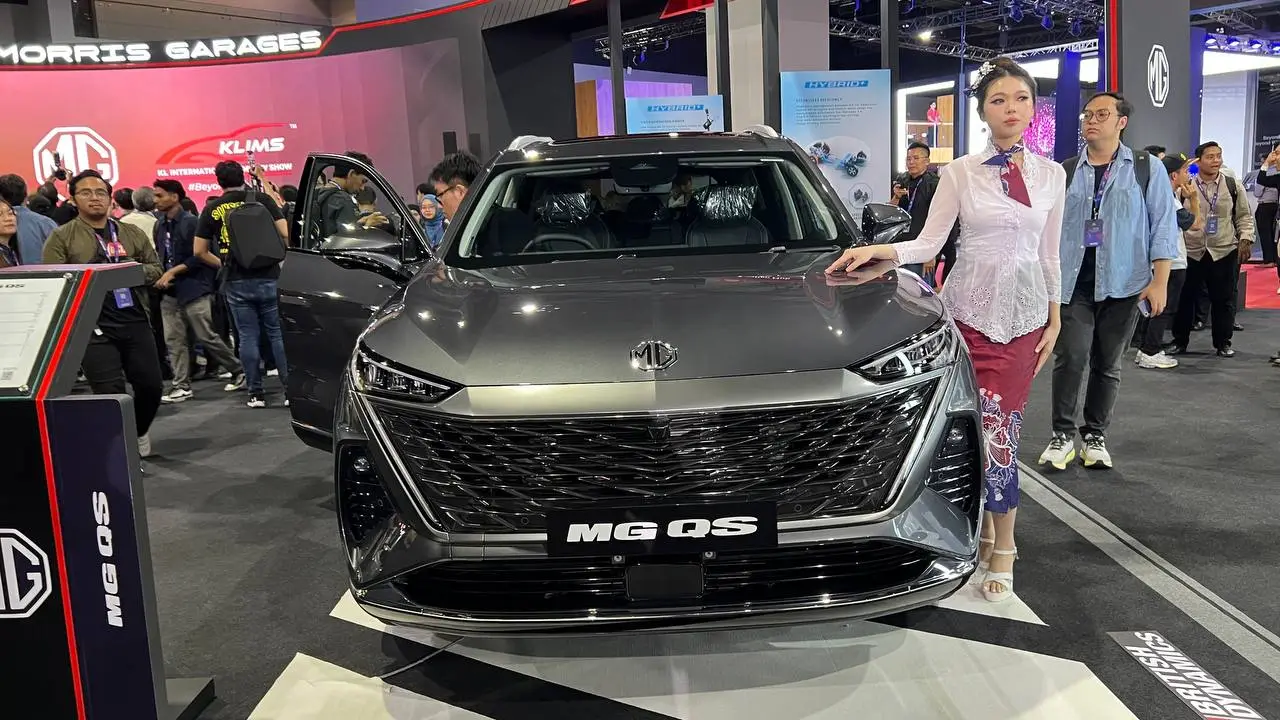
That makes the QS one of the more conventional but important vehicles in the MG line-up. Malaysia has steady demand for seven-seat SUVs and MPVs because family use often involves school runs, weekend shopping, interstate travel and balik kampung journeys. If the QS joins the local range, it would sit above the HS as a family-oriented flagship rather than as an alternative to the S5 EV.
The QS measures 4,983 mm long, 1,967 mm wide and 1,778 mm tall, with a 2,915 mm wheelbase and 180 mm of ground clearance. These dimensions place it beyond the compact SUV class and show that it is not simply a small SUV with two occasional rear seats. The long wheelbase supports second- and third-row space, while the wide body should help shoulder room across the cabin.
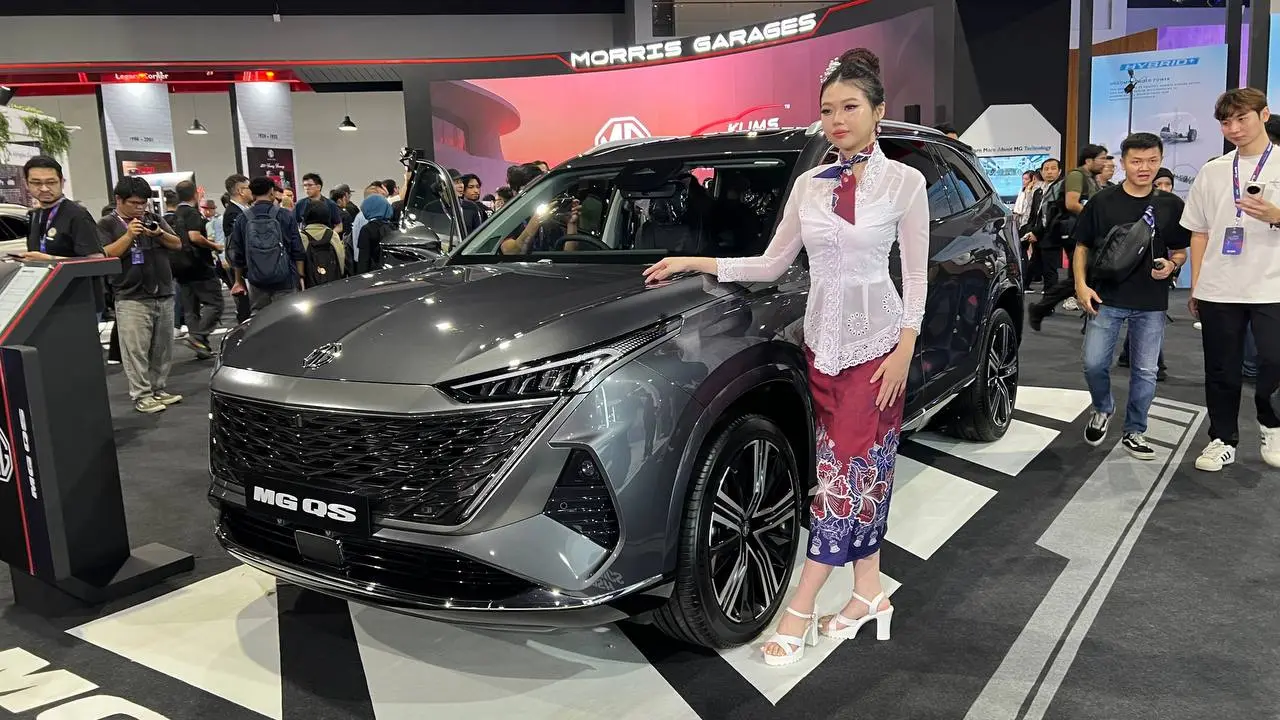
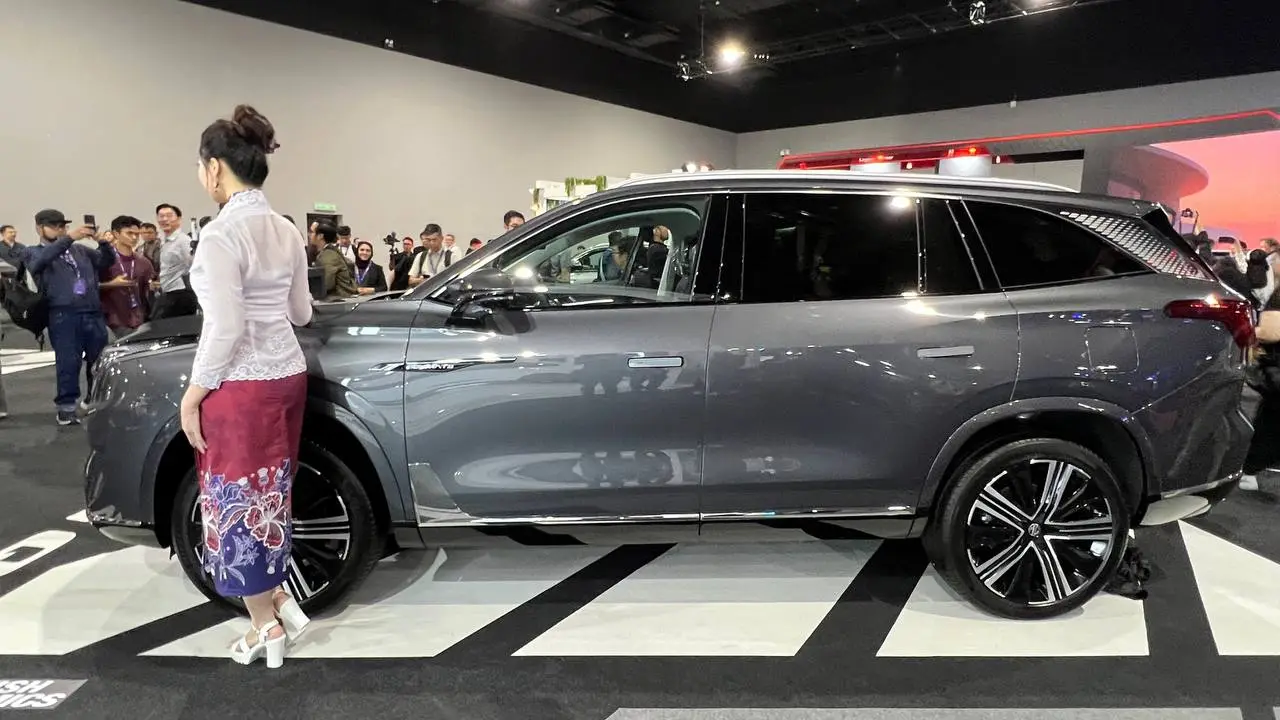
Luggage capacity is also central to the package. With all three rows in use, the QS offers 203 litres of boot space. Fold the third row and capacity increases to 517 litres. Fold the second and third rows and the figure rises to 1,052 litres. The second row is split 60/40, the third row 50/50, and the sliding second row allows occupants to trade between legroom and luggage space according to the journey.
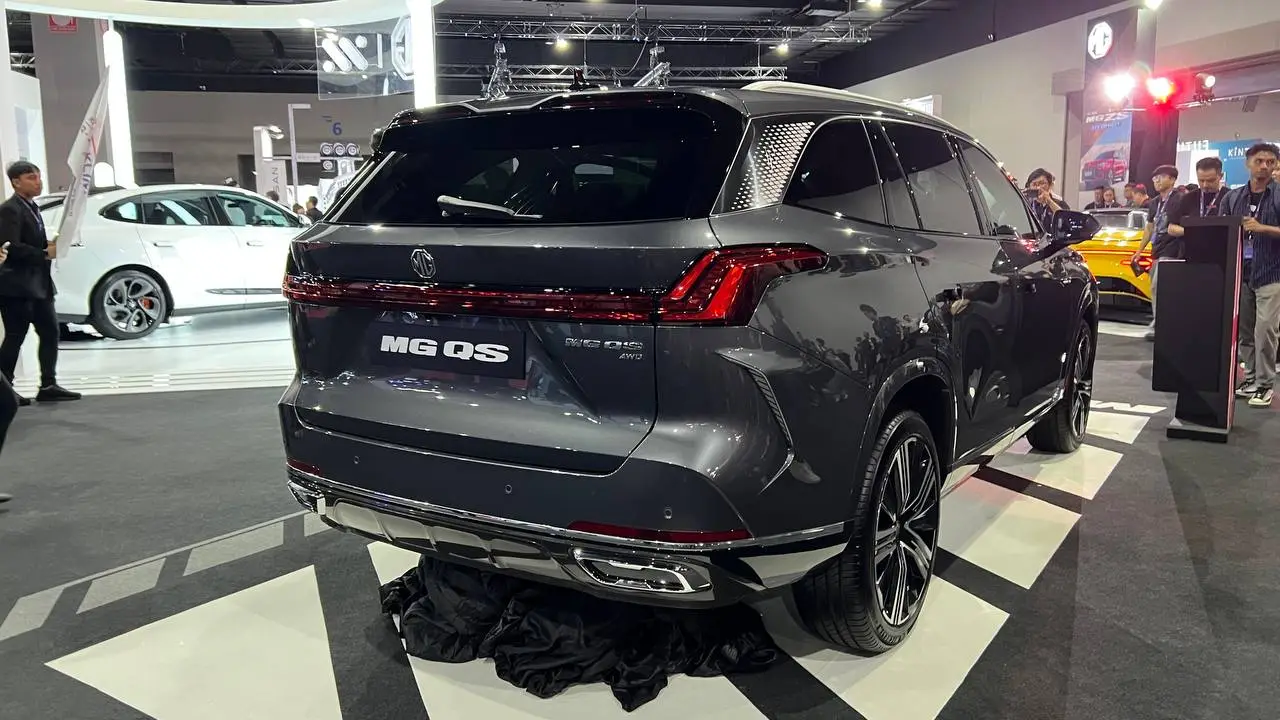
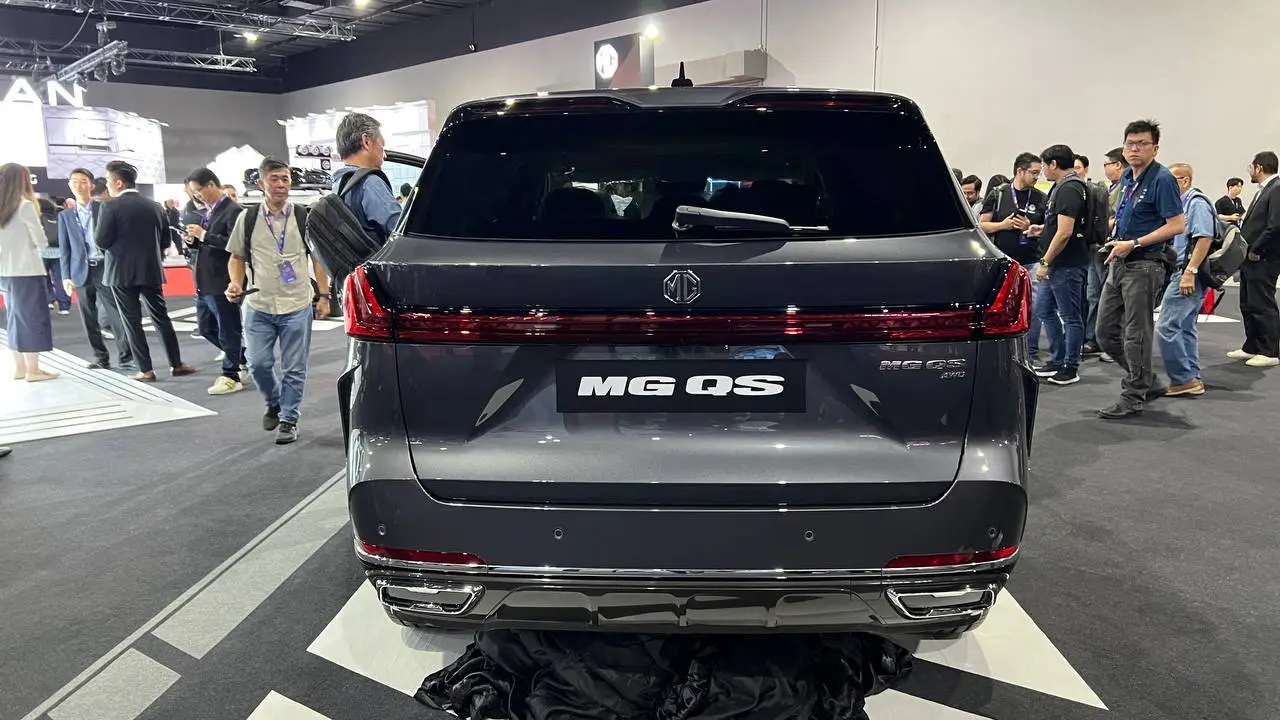
The QS is powered by a 1,986 cc 2.0-litre turbocharged petrol engine producing 153 kW and 360 Nm, paired with a nine-speed automatic transmission. The powertrain is not about headline performance. It is designed for the real tasks of a seven-seat SUV: moving away with passengers on board, cruising at highway speed, climbing hilly roads and covering long family trips.
The model can be configured with front-wheel drive or all-wheel drive. The front-wheel-drive version focuses on daily use and cost control, while the all-wheel-drive version is better suited to buyers who frequently carry a full load, drive in heavy rain or want more traction stability. The AWD model also adds electronically controlled adjustable suspension and a wider drive-mode menu: Normal, Snow, Offroad, Sport, Custom and Eco. The FWD version uses Normal, Sport and Eco. Reference combined fuel-use figures are 8.4 L/100 km for FWD and 8.8 L/100 km for AWD, with a 65-litre fuel tank and 95 RON petrol requirement.
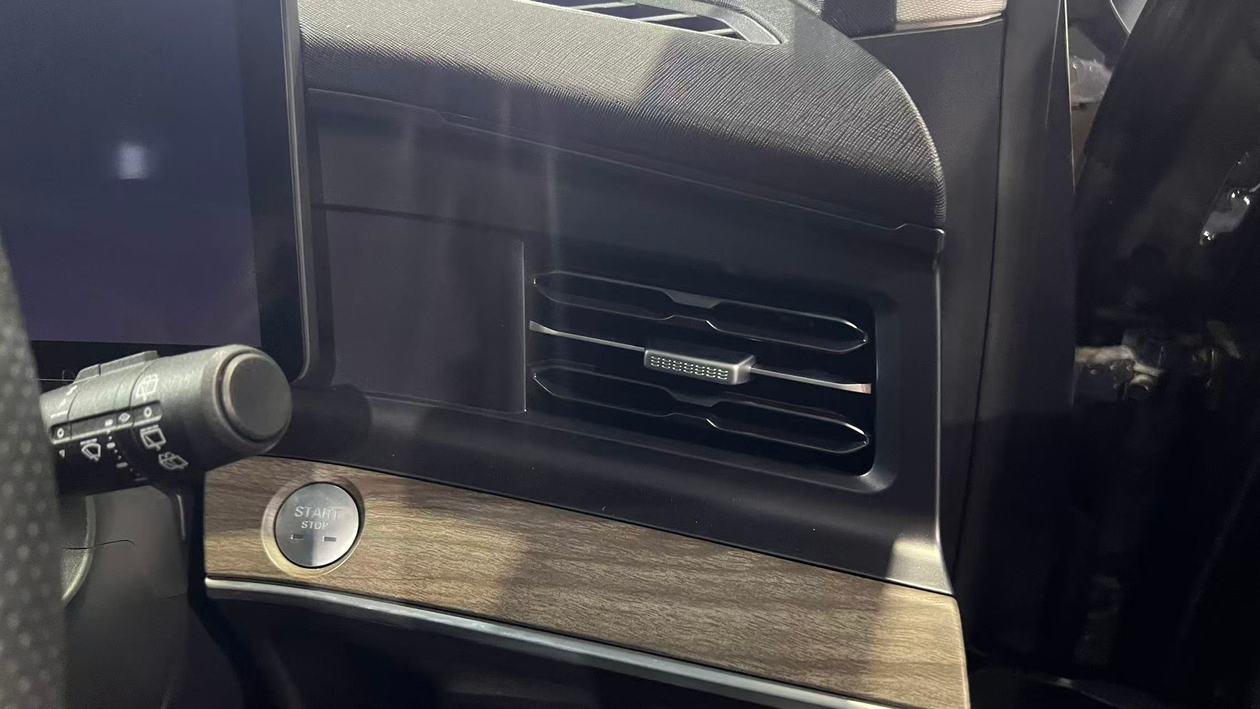
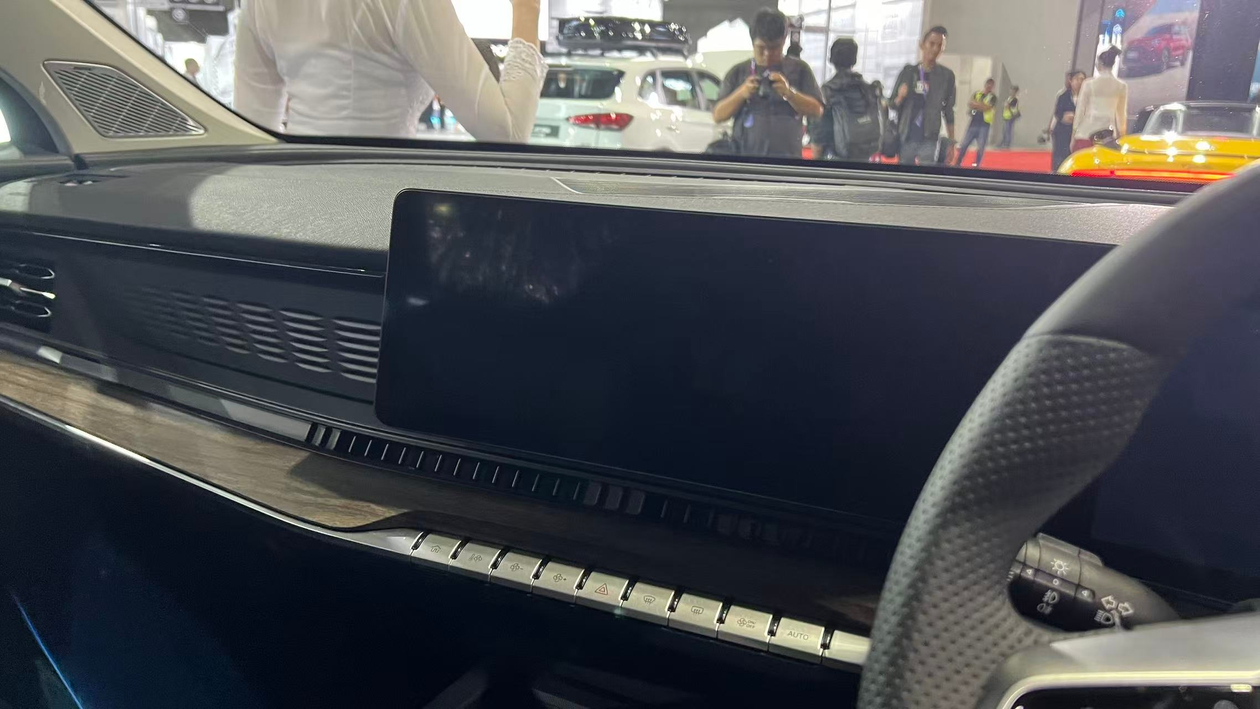
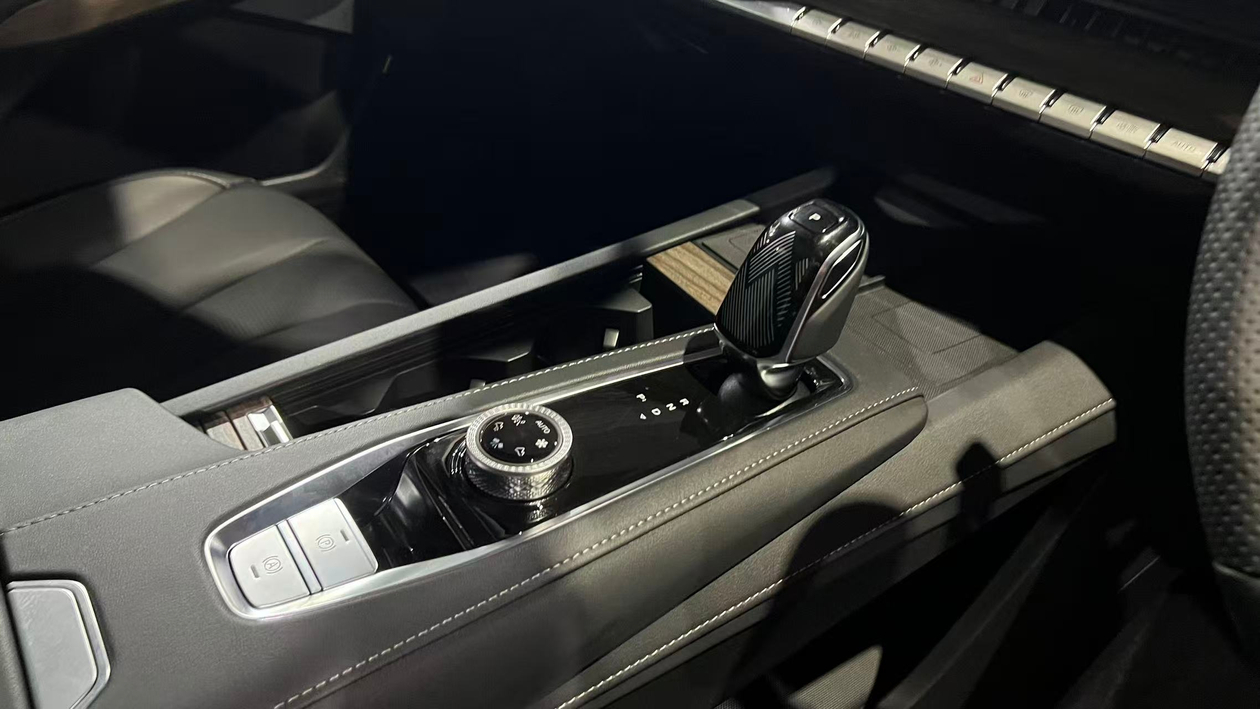
The QS cabin is equipped with family use in mind. Standard features include a panoramic sunroof, 256-colour ambient lighting, tri-zone climate control, air vents for the second and third rows, a 12.3-inch digital instrument cluster, a 12.3-inch infotainment display, wireless Apple CarPlay and Android Auto, satellite navigation, a 360-degree HD camera, tyre-pressure monitoring, an electric tailgate and flush-style door handles.
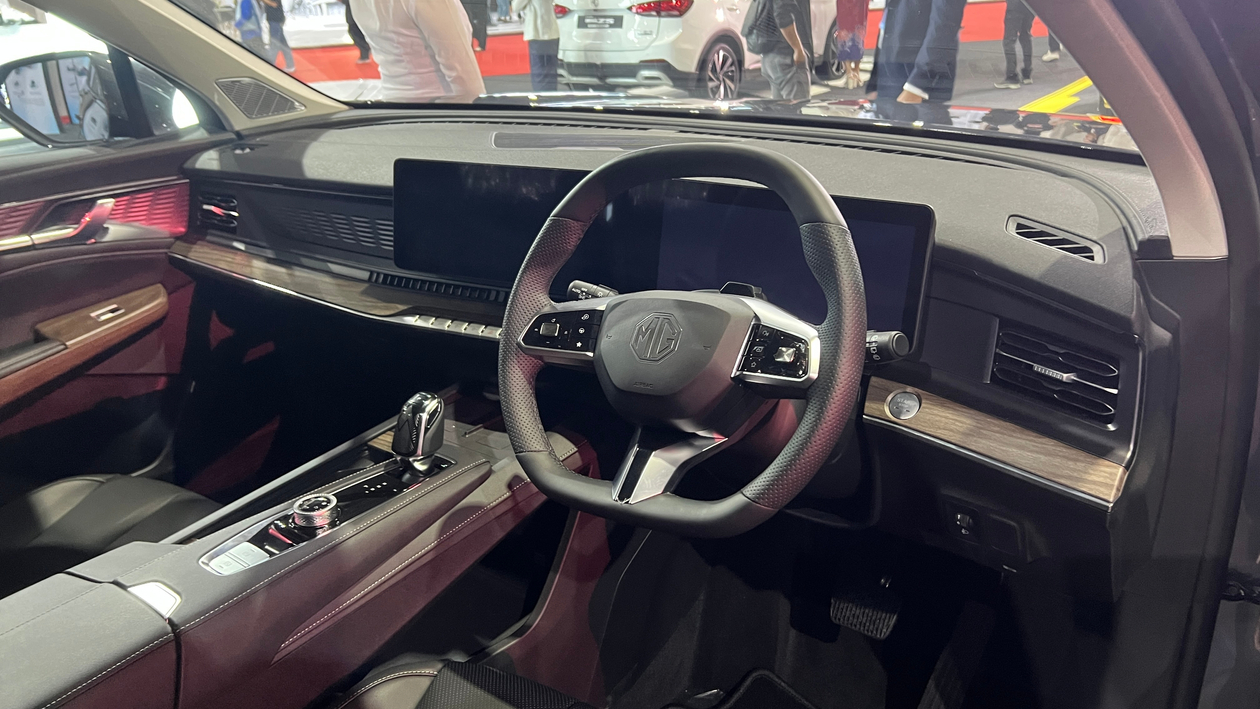
Wheel and tyre specifications differ by variant. The front-wheel-drive version uses 20-inch wheels with 245/50 R20 tyres, while the higher all-wheel-drive version uses 21-inch wheels with 255/45 R21 tyres. Higher equipment adds a 12-speaker Bose audio system, wireless phone charging, perforated leather seats, heated and ventilated front seats, driver memory, four-way powered lumbar support, an auto-dimming mirror, front parking sensors, automatic high beam and static cornering lights. In a three-row SUV, these items matter because they reduce fatigue during long drives and make the cabin easier to live with when several passengers are on board.
The QS is equipped with MG Pilot driver-assistance and safety functions. The list includes adaptive cruise control, autonomous emergency braking, lane keep assist, lane departure warning, emergency lane keeping, intelligent cruise assist, driver monitoring, speed-limit assistance, blind-spot detection, forward and rear collision warnings, door opening warning, rear cross-traffic alert and braking, plus direct tyre-pressure monitoring. Passive safety equipment includes front airbags, side airbags, curtain airbags and a far-side airbag.
Within MG's KLIMS 2026 line-up, the QS fills a gap that electric models alone cannot cover. It does not need to compete with the S5 EV for the electrification headline. Its purpose is to address buyers who still want petrol convenience, seven seats and long-distance flexibility. Its real Malaysian test will depend on final local specification, pricing, warranty terms and aftersales coverage. If those are handled well, the QS would give MG a broader showroom story: EVs for new-energy buyers, and a practical three-row SUV for conventional family users.


Your go-to source for all things automotive in Malaysia. 🚗 Latest reviews, breaking news, launches & industry trends.
+ Follow Kereta Rally Karamjit Singh & Proton Wira Schumacher Ada Sini! | HME Asia 2026
Hujung minggu dah tiba dan anda mencari sesuatu untuk cuci mata? Jemput datang ke Heritage Motor Exchange Asia 2026 yang berlangsung di Dewal Merdeka, World Trade Centre (WTC) Kuala Lumpur!
Berbeza dengan pameran biasa, acara ini memberi tumpuan khas kepada kenderaan-kenderaan warisan dan klasik yang menggamit memori. Antara daya tarikan utama yang dipamerkan termasuk:
🏎️ Kereta Rally Legenda: Kereta rally ikonik yang pernah dipandu oleh pemandu legenda negara, Karamjit Singh!
🏎️ Proton Wira Schumacher: Model Proton Wira penuh sejarah yang pernah dipandu oleh pelumba F1 legenda, Michael Schumacher!
🚘 Kereta Klasik & Mewah: Mercedes-Benz W111 Cabriolet (1960-an), Rolls-Royce Silver Cloud, Jaguar E-Type, dan pelbagai lagi model berprestasi tinggi.
Membawa tema "When Passion Meets Acquisition", pameran ini menghimpunkan lebih 50 buah kereta daripada pelbagai era. Ia turut memperkenalkan sistem penilaian Concours 100 mata serta kemudahan urusan pemeriksaan, insurans, dan cukai jalan bersama agensi seperti Puspakom dan JPJ di lokasi.
📅 Tarikh: 23 – 25 Oktober 2026
📍 Lokasi: Dewan Merdeka, WTC Kuala Lumpur
Tonton video ini sampai habis untuk lihat sendiri kehebatan jentera-jentera klasik ini! Jangan lupa untuk Like, Comment, dan Subscribe ke saluran BitAuto!
#HeritageMotorExchange #HMEAsia2026 #BitAuto #WTCKL #KeretaKlasik 1 day ago
Kereta Rally Karamjit Singh & Proton Wira Schumacher Ada Sini! | HME Asia 2026
Hujung minggu dah tiba dan anda mencari sesuatu untuk cuci mata? Jemput datang ke Heritage Motor Exchange Asia 2026 yang berlangsung di Dewal Merdeka, World Trade Centre (WTC) Kuala Lumpur!
Berbeza dengan pameran biasa, acara ini memberi tumpuan khas kepada kenderaan-kenderaan warisan dan klasik yang menggamit memori. Antara daya tarikan utama yang dipamerkan termasuk:
🏎️ Kereta Rally Legenda: Kereta rally ikonik yang pernah dipandu oleh pemandu legenda negara, Karamjit Singh!
🏎️ Proton Wira Schumacher: Model Proton Wira penuh sejarah yang pernah dipandu oleh pelumba F1 legenda, Michael Schumacher!
🚘 Kereta Klasik & Mewah: Mercedes-Benz W111 Cabriolet (1960-an), Rolls-Royce Silver Cloud, Jaguar E-Type, dan pelbagai lagi model berprestasi tinggi.
Membawa tema "When Passion Meets Acquisition", pameran ini menghimpunkan lebih 50 buah kereta daripada pelbagai era. Ia turut memperkenalkan sistem penilaian Concours 100 mata serta kemudahan urusan pemeriksaan, insurans, dan cukai jalan bersama agensi seperti Puspakom dan JPJ di lokasi.
📅 Tarikh: 23 – 25 Oktober 2026
📍 Lokasi: Dewan Merdeka, WTC Kuala Lumpur
Tonton video ini sampai habis untuk lihat sendiri kehebatan jentera-jentera klasik ini! Jangan lupa untuk Like, Comment, dan Subscribe ke saluran BitAuto!
#HeritageMotorExchange #HMEAsia2026 #BitAuto #WTCKL #KeretaKlasik 1 day ago  Rare cars, legendary icons and automotive dreams come alive at Heritage Motor Exchange Asia!
#HMEA #HeritageMotorExchangeAsia #ClassicCars #Supercars #CarCulture #MalaysiaCars 1 day ago
Rare cars, legendary icons and automotive dreams come alive at Heritage Motor Exchange Asia!
#HMEA #HeritageMotorExchangeAsia #ClassicCars #Supercars #CarCulture #MalaysiaCars 1 day ago  Waze could be banned?
IT seems like the Malaysian government may look into banning Waze, but only when local alternatives are ready. 1 day ago
Waze could be banned?
IT seems like the Malaysian government may look into banning Waze, but only when local alternatives are ready. 1 day ago Get the latest car news first!
Your go-to source for all things automotive in Malaysia. 🚗 Latest reviews, breaking news, launches & industry trends.
Kereta Rally Karamjit Singh & Proton Wira Schumacher Ada Sini! | HME Asia 2026
Hujung minggu dah tiba dan anda mencari sesuatu untuk cuci mata? Jemput datang ke Heritage Motor Exchange Asia 2026 yang berlangsung di Dewal Merdeka, World Trade Centre (WTC) Kuala Lumpur!
Berbeza dengan pameran biasa, acara ini memberi tumpuan khas kepada kenderaan-kenderaan warisan dan klasik yang menggamit memori. Antara daya tarikan utama yang dipamerkan termasuk:
🏎️ Kereta Rally Legenda: Kereta rally ikonik yang pernah dipandu oleh pemandu legenda negara, Karamjit Singh!
🏎️ Proton Wira Schumacher: Model Proton Wira penuh sejarah yang pernah dipandu oleh pelumba F1 legenda, Michael Schumacher!
🚘 Kereta Klasik & Mewah: Mercedes-Benz W111 Cabriolet (1960-an), Rolls-Royce Silver Cloud, Jaguar E-Type, dan pelbagai lagi model berprestasi tinggi.
Membawa tema "When Passion Meets Acquisition", pameran ini menghimpunkan lebih 50 buah kereta daripada pelbagai era. Ia turut memperkenalkan sistem penilaian Concours 100 mata serta kemudahan urusan pemeriksaan, insurans, dan cukai jalan bersama agensi seperti Puspakom dan JPJ di lokasi.
📅 Tarikh: 23 – 25 Oktober 2026
📍 Lokasi: Dewan Merdeka, WTC Kuala Lumpur
Tonton video ini sampai habis untuk lihat sendiri kehebatan jentera-jentera klasik ini! Jangan lupa untuk Like, Comment, dan Subscribe ke saluran BitAuto!
#HeritageMotorExchange #HMEAsia2026 #BitAuto #WTCKL #KeretaKlasik 1 day ago Rare cars, legendary icons and automotive dreams come alive at Heritage Motor Exchange Asia!
#HMEA #HeritageMotorExchangeAsia #ClassicCars #Supercars #CarCulture #MalaysiaCars 1 day ago Waze could be banned?
IT seems like the Malaysian government may look into banning Waze, but only when local alternatives are ready. 1 day ago © 2024 Bitauto.com. All Rights Reserved.
Bitauto (www.yiche.com and www.bitauto.com) is one of the most visited automotive websites in China. We provide detailed info on Chinese car brands available in your area. Please note that the information provided on this website is based on publicly available data and is for reference only. It may not be fully updated or accurate at all times.

Help us improve our website


