
Search History
Popular Searches
English
Dealer Login / Sign Up
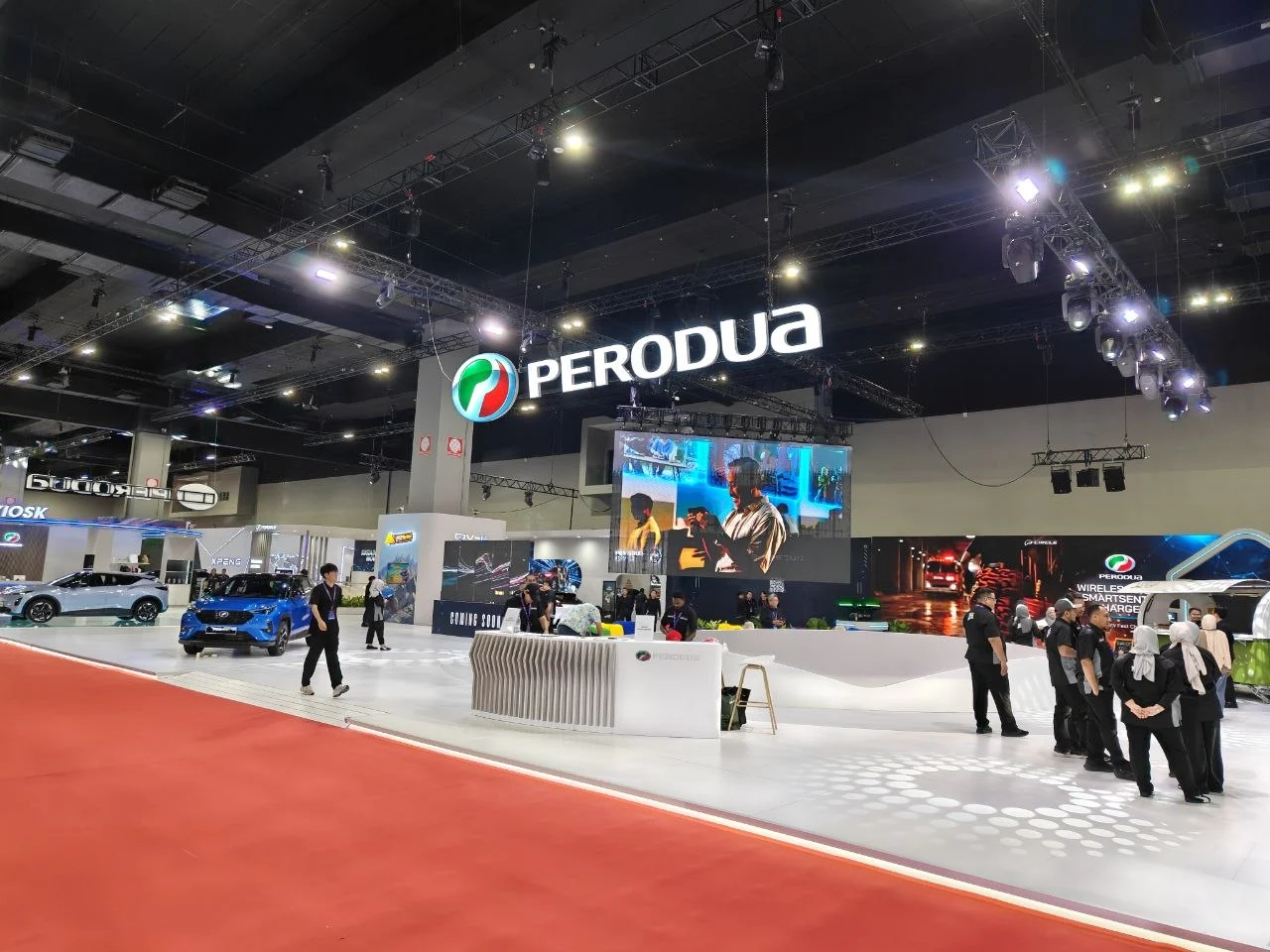
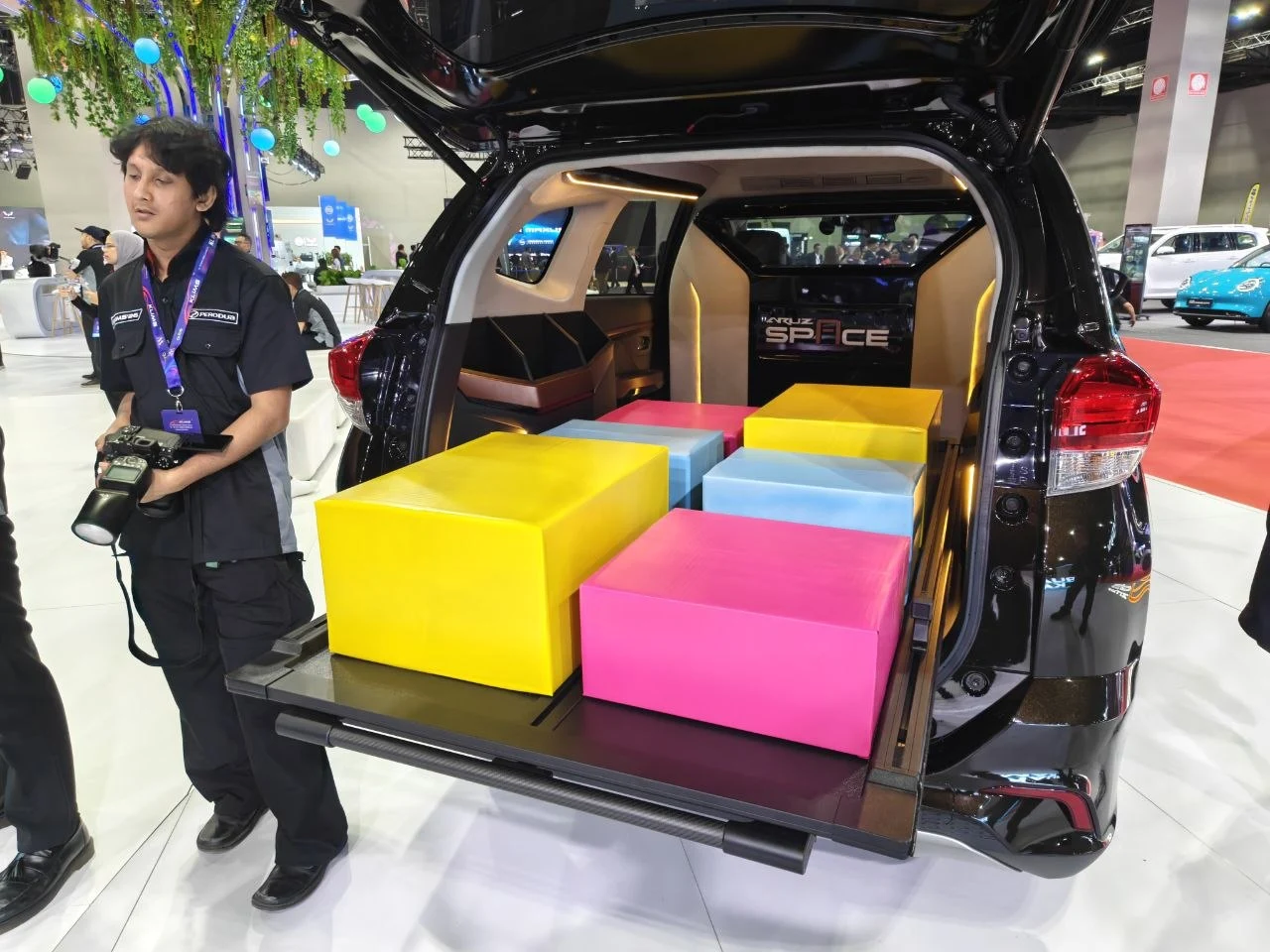
Perodua enters KLIMS 2026 as the reference point against which almost every other Malaysian automotive story is measured. With a 2025 sales performance that cleared 359,000 units, the national carmaker does not merely participate in the market—it defines the volume ceiling. At the show, the booth’s layout reflects this duality: the recently launched QV-E occupies the visual centre, yet the familiar silhouettes of the Axia, Bezza, Myvi, Ativa, Alza and Aruz remain firmly in place. The message is deliberate. Perodua is not replacing its internal-combustion foundation; it is adding an electric narrative without destabilising the revenue base that funds it.
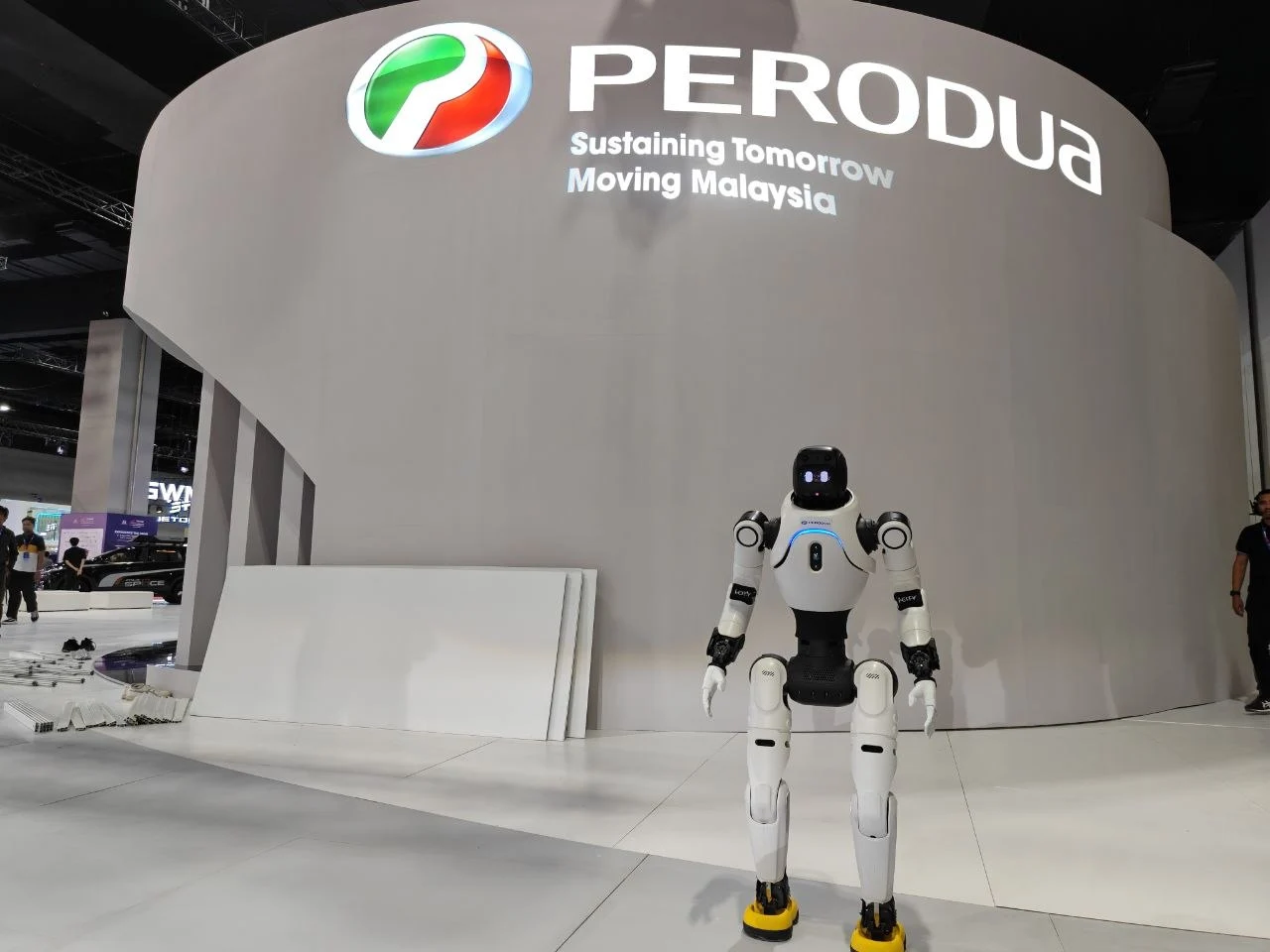
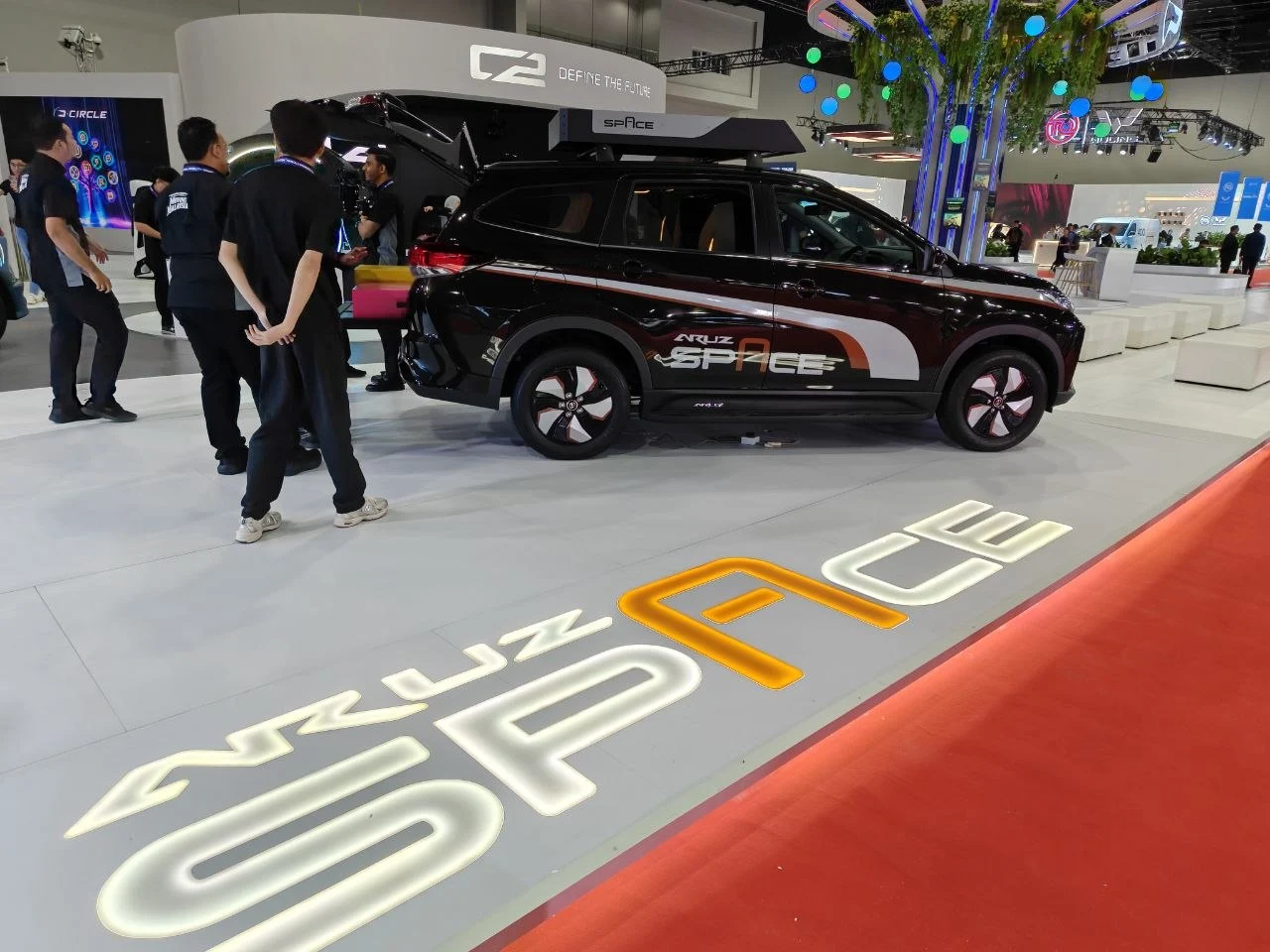
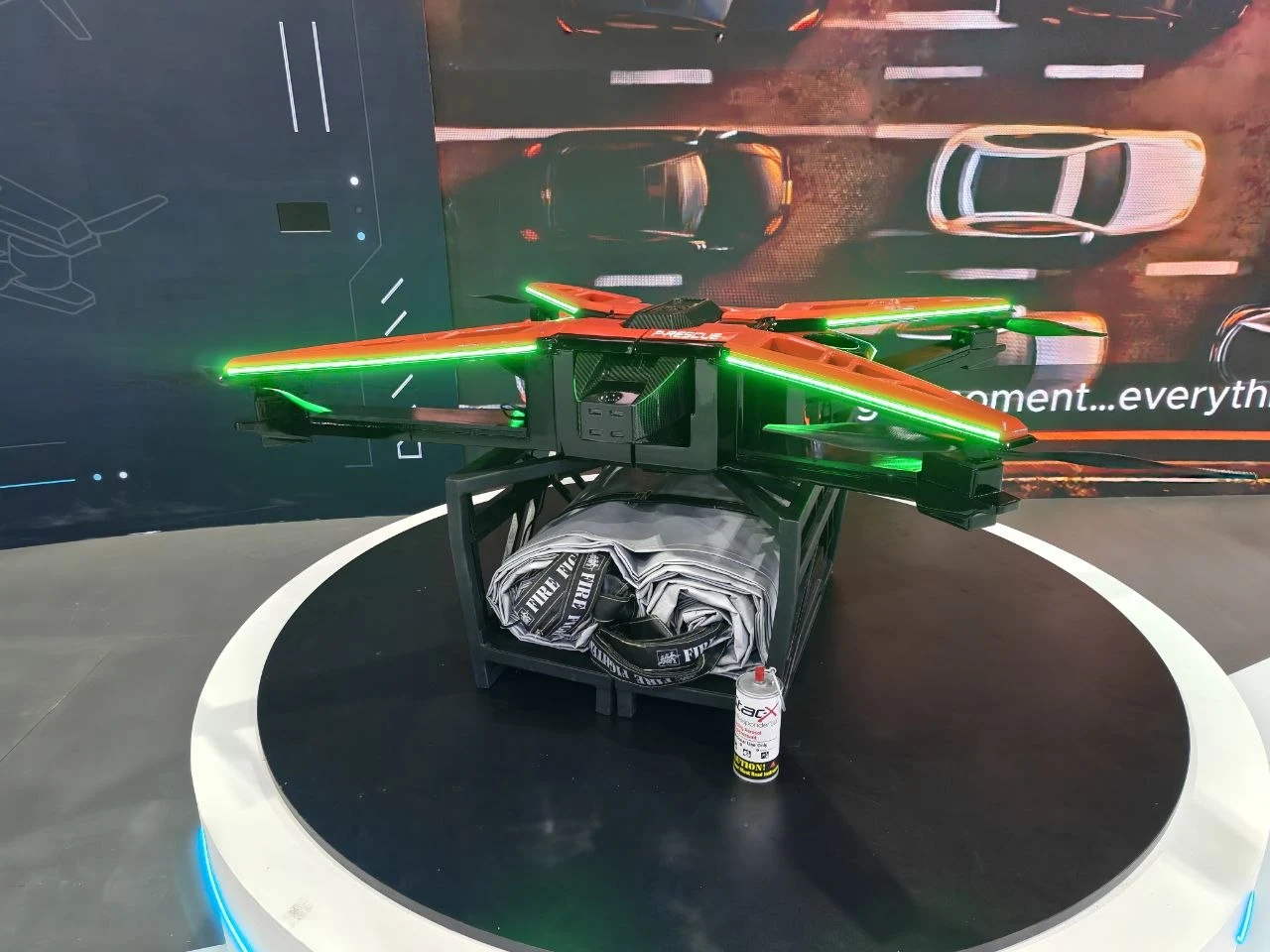
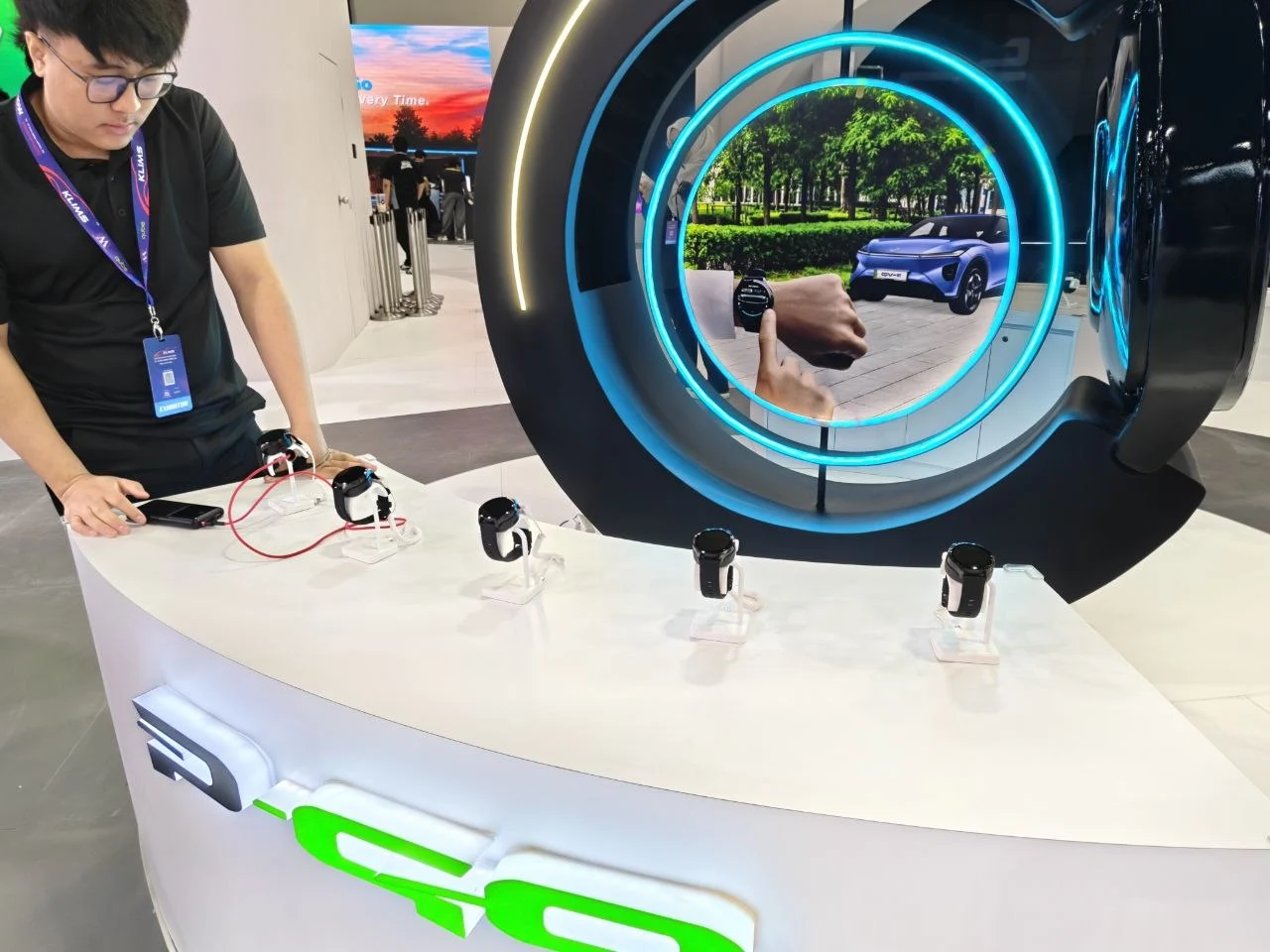
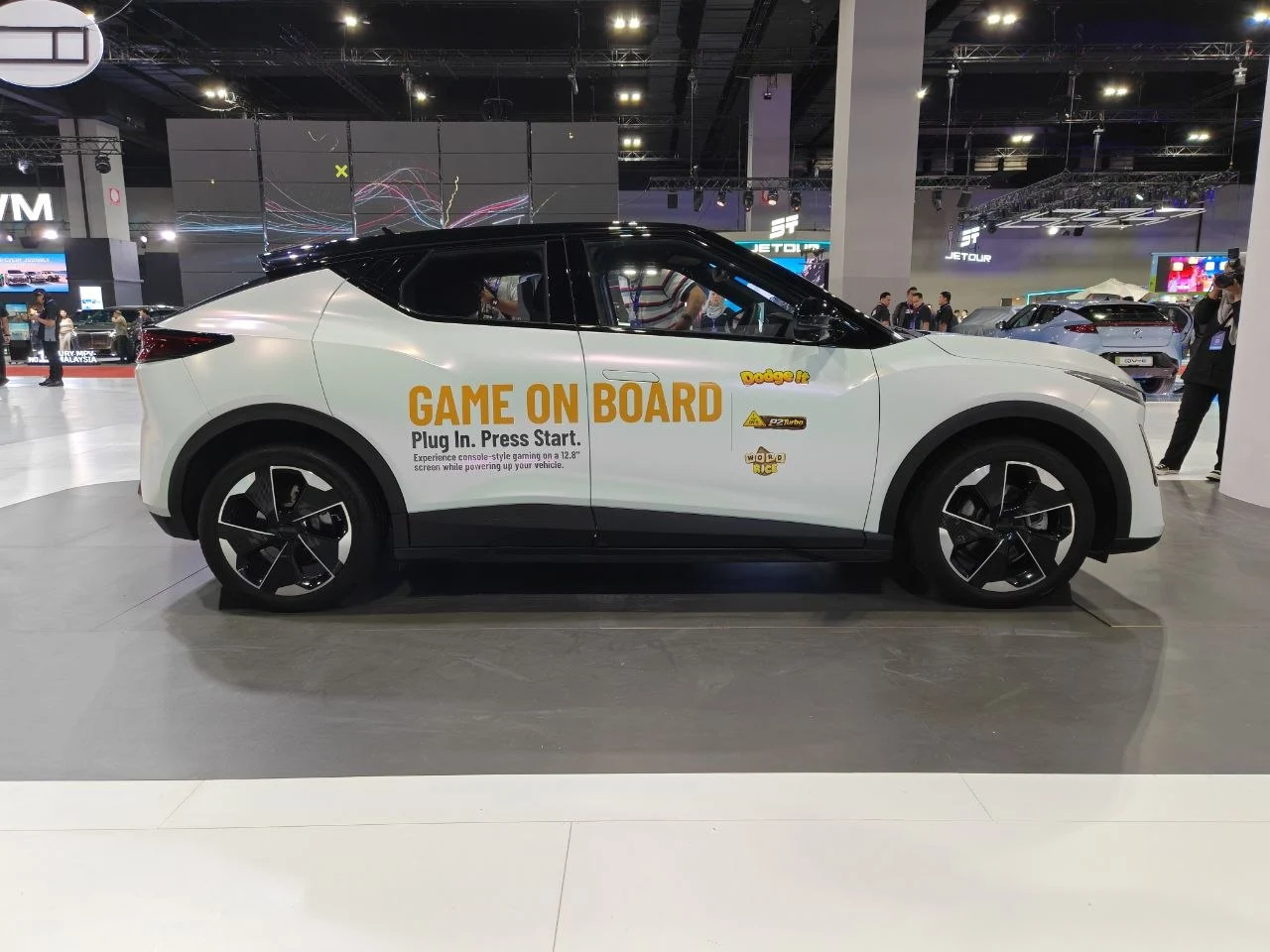
The QV-E arrives with a specific brief. Priced at RM80,000 and marketed as Malaysia’s first homegrown battery-electric vehicle, it targets buyers who would not otherwise consider an EV. Its claimed WLTP range of 370 kilometres from a 52.5 kWh lithium-iron-phosphate pack places it in the practical band for urban and inter-city use, but the real disruption lies in the battery subscription model. By separating the battery cost from the vehicle purchase, Perodua lowers the entry barrier to a level that competes directly with mainstream ICE hatchbacks and sedans. This is a calculated appeal to the cost-conscious household that has long formed the brand’s core constituency.
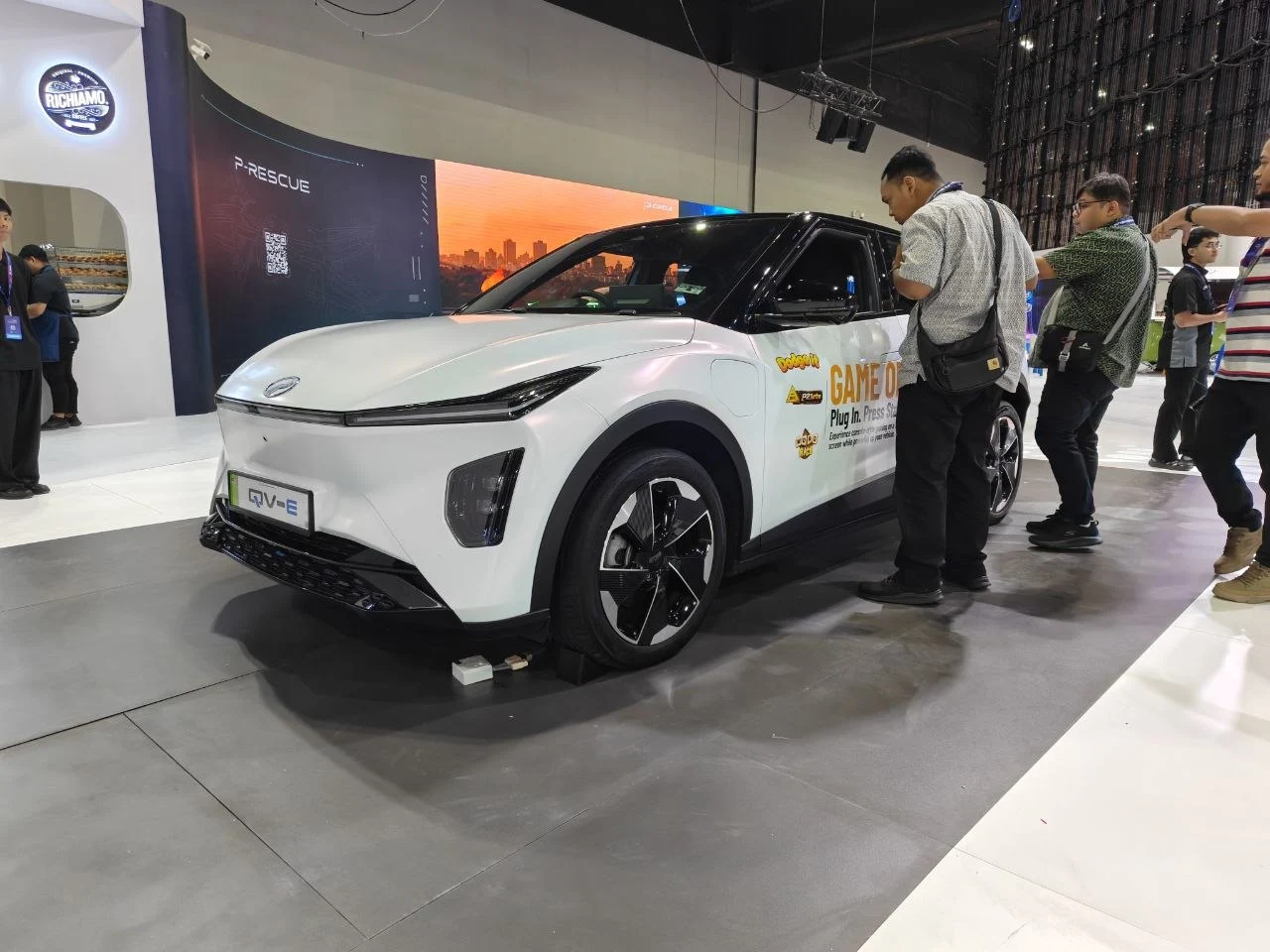
Strategically, the QV-E also repositions Perodua within the national EV conversation. Proton’s e.MAS line has already demonstrated that Malaysian families are willing to adopt locally positioned electrics, and BYD’s expanding CKD footprint raises the competitive temperature. Perodua’s response is to leverage its unmatched dealership density and service-network familiarity. The brand is essentially betting that buyers will trust Perodua’s electric transition because they have already trusted its mechanical simplicity for decades.
While the QV-E attracts headlines, the existing petrol-powered range performs the less glamorous but financially vital task of preserving market coverage. The Axia and Bezza continue to anchor the entry segment, the Myvi remains a default urban choice, and the Ativa, Alza and Aruz defend Perodua’s position against Proton’s SUV and MPV offensive as well as persistent pressure from Toyota and Honda. At KLIMS, their presence serves as a reassurance to conservative buyers and to the dealer network that the traditional business model is not being abandoned. In a market where monthly instalments and resale value still dominate purchase logic, this parallel ICE defence is not nostalgia; it is risk management.
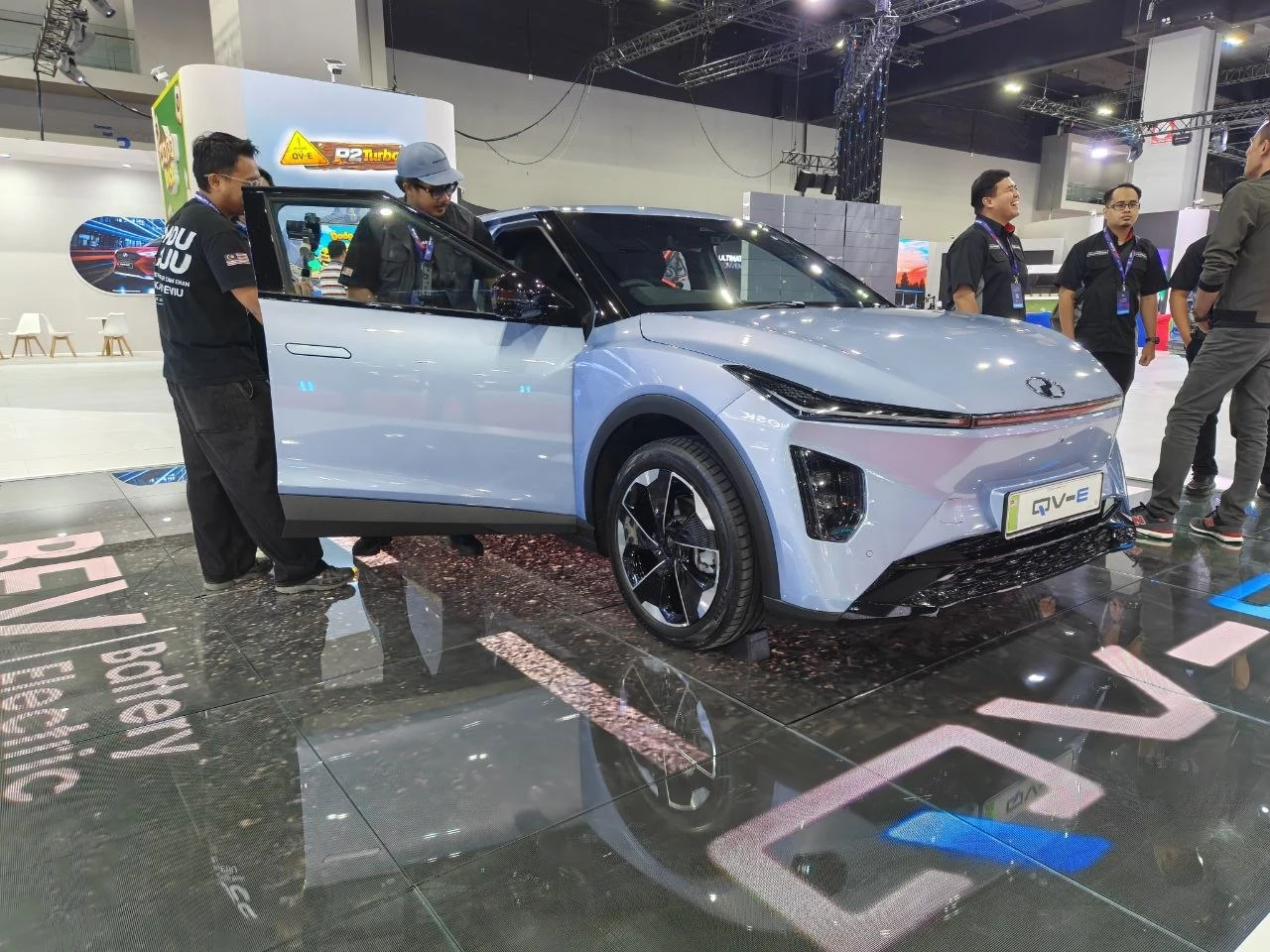
The QV-E’s battery leasing structure introduces a new mental accounting exercise for Malaysian consumers. On one hand, the lower upfront price brings EV ownership closer to the national carmaker’s traditional heartland. On the other hand, the ongoing subscription fee creates a long-term commitment that many Perodua buyers—accustomed to outright purchase and low maintenance costs—will weigh carefully. The brand’s challenge at KLIMS is to convince these shoppers that the total cost of ownership still aligns with the Perodua value promise. Early moves to expand booking outlets suggest confidence in demand, but the true test will be whether the subscription economics can withstand scrutiny from a demographic that compares every ringgit against fuel and service savings.
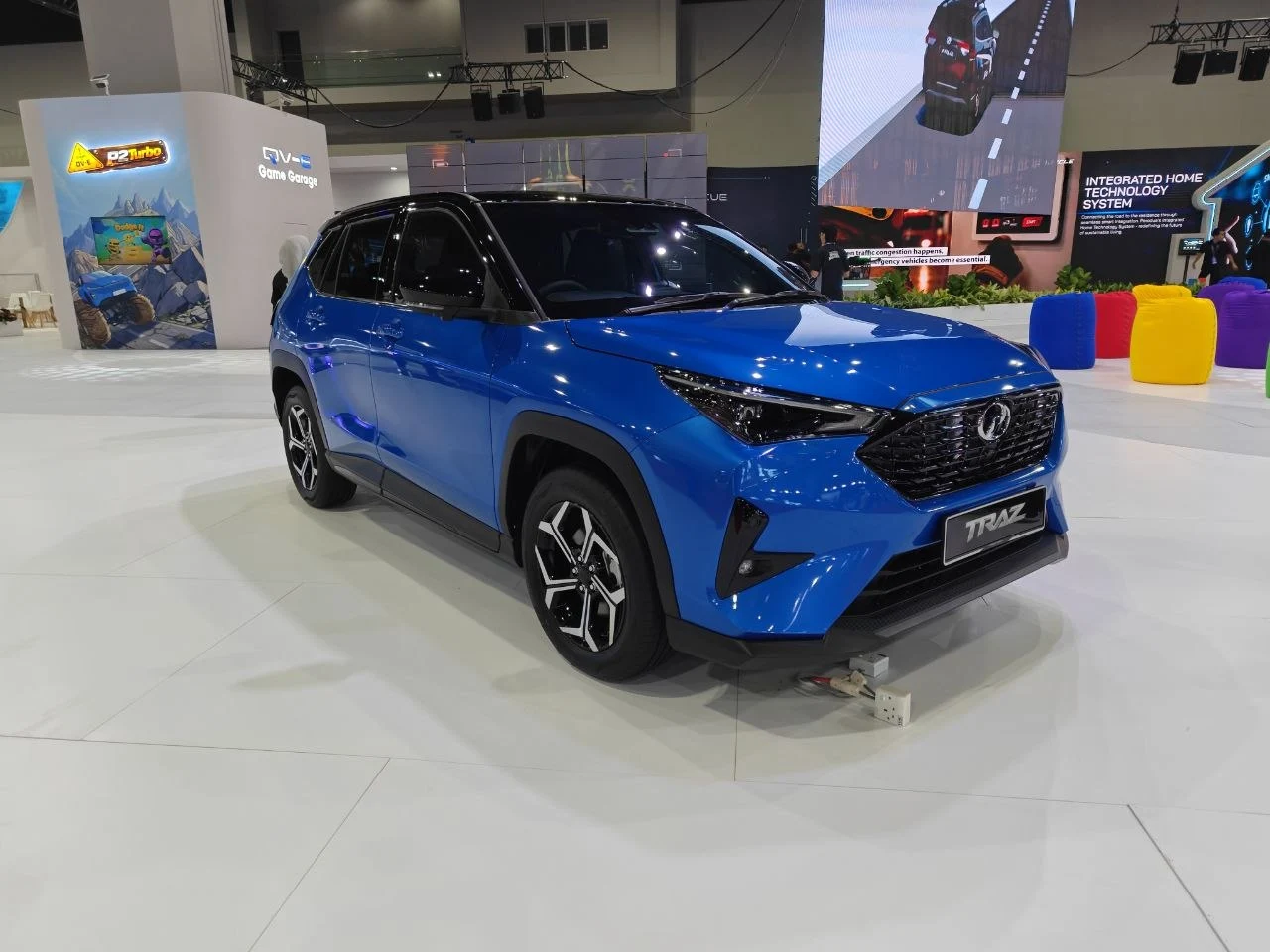
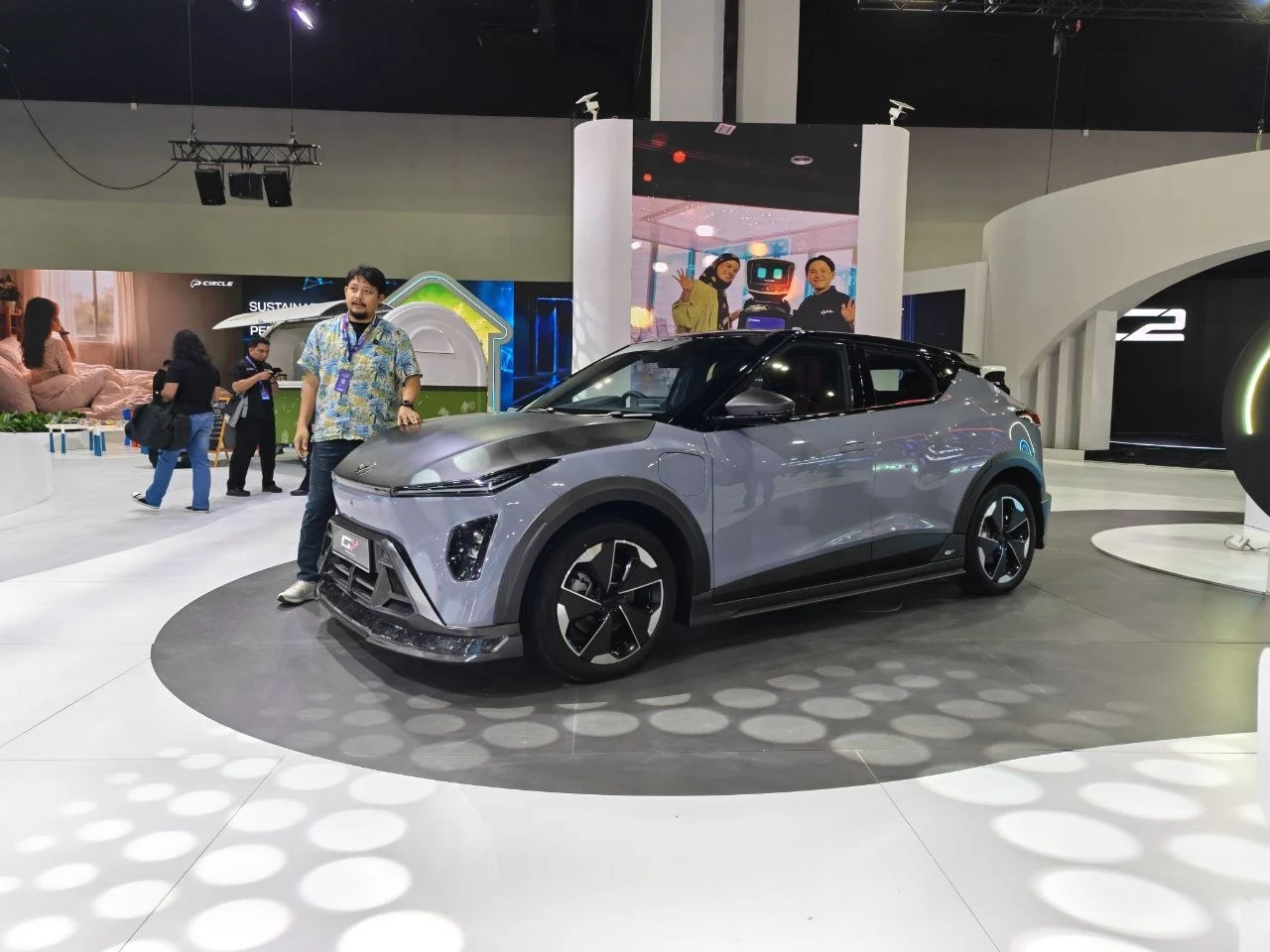
Perodua’s participation at KLIMS 2026 matters beyond its own sales ledger. When the country’s largest-volume manufacturer formally joins the battery-electric race, the EV shift moves from early-adopter territory into the national mainstream. The QV-E does not need to out-spec rivals on every metric; it needs to normalise electric mobility for the Malaysian mass market. By displaying the QV-E alongside its established ICE siblings, Perodua is signalling that electrification is no longer an alternative lifestyle choice but the next logical chapter in its national mobility story. Whether that story converts showroom interest into sustained market leadership will depend on how smoothly the 2026 production ramp-up translates into delivery credibility and after-sales confidence.

Your go-to source for all things automotive in Malaysia. 🚗 Latest reviews, breaking news, launches & industry trends.
+ Follow Kereta Rally Karamjit Singh & Proton Wira Schumacher Ada Sini! | HME Asia 2026
Hujung minggu dah tiba dan anda mencari sesuatu untuk cuci mata? Jemput datang ke Heritage Motor Exchange Asia 2026 yang berlangsung di Dewal Merdeka, World Trade Centre (WTC) Kuala Lumpur!
Berbeza dengan pameran biasa, acara ini memberi tumpuan khas kepada kenderaan-kenderaan warisan dan klasik yang menggamit memori. Antara daya tarikan utama yang dipamerkan termasuk:
🏎️ Kereta Rally Legenda: Kereta rally ikonik yang pernah dipandu oleh pemandu legenda negara, Karamjit Singh!
🏎️ Proton Wira Schumacher: Model Proton Wira penuh sejarah yang pernah dipandu oleh pelumba F1 legenda, Michael Schumacher!
🚘 Kereta Klasik & Mewah: Mercedes-Benz W111 Cabriolet (1960-an), Rolls-Royce Silver Cloud, Jaguar E-Type, dan pelbagai lagi model berprestasi tinggi.
Membawa tema "When Passion Meets Acquisition", pameran ini menghimpunkan lebih 50 buah kereta daripada pelbagai era. Ia turut memperkenalkan sistem penilaian Concours 100 mata serta kemudahan urusan pemeriksaan, insurans, dan cukai jalan bersama agensi seperti Puspakom dan JPJ di lokasi.
📅 Tarikh: 23 – 25 Oktober 2026
📍 Lokasi: Dewan Merdeka, WTC Kuala Lumpur
Tonton video ini sampai habis untuk lihat sendiri kehebatan jentera-jentera klasik ini! Jangan lupa untuk Like, Comment, dan Subscribe ke saluran BitAuto!
#HeritageMotorExchange #HMEAsia2026 #BitAuto #WTCKL #KeretaKlasik 1 day ago
Kereta Rally Karamjit Singh & Proton Wira Schumacher Ada Sini! | HME Asia 2026
Hujung minggu dah tiba dan anda mencari sesuatu untuk cuci mata? Jemput datang ke Heritage Motor Exchange Asia 2026 yang berlangsung di Dewal Merdeka, World Trade Centre (WTC) Kuala Lumpur!
Berbeza dengan pameran biasa, acara ini memberi tumpuan khas kepada kenderaan-kenderaan warisan dan klasik yang menggamit memori. Antara daya tarikan utama yang dipamerkan termasuk:
🏎️ Kereta Rally Legenda: Kereta rally ikonik yang pernah dipandu oleh pemandu legenda negara, Karamjit Singh!
🏎️ Proton Wira Schumacher: Model Proton Wira penuh sejarah yang pernah dipandu oleh pelumba F1 legenda, Michael Schumacher!
🚘 Kereta Klasik & Mewah: Mercedes-Benz W111 Cabriolet (1960-an), Rolls-Royce Silver Cloud, Jaguar E-Type, dan pelbagai lagi model berprestasi tinggi.
Membawa tema "When Passion Meets Acquisition", pameran ini menghimpunkan lebih 50 buah kereta daripada pelbagai era. Ia turut memperkenalkan sistem penilaian Concours 100 mata serta kemudahan urusan pemeriksaan, insurans, dan cukai jalan bersama agensi seperti Puspakom dan JPJ di lokasi.
📅 Tarikh: 23 – 25 Oktober 2026
📍 Lokasi: Dewan Merdeka, WTC Kuala Lumpur
Tonton video ini sampai habis untuk lihat sendiri kehebatan jentera-jentera klasik ini! Jangan lupa untuk Like, Comment, dan Subscribe ke saluran BitAuto!
#HeritageMotorExchange #HMEAsia2026 #BitAuto #WTCKL #KeretaKlasik 1 day ago  Rare cars, legendary icons and automotive dreams come alive at Heritage Motor Exchange Asia!
#HMEA #HeritageMotorExchangeAsia #ClassicCars #Supercars #CarCulture #MalaysiaCars 1 day ago
Rare cars, legendary icons and automotive dreams come alive at Heritage Motor Exchange Asia!
#HMEA #HeritageMotorExchangeAsia #ClassicCars #Supercars #CarCulture #MalaysiaCars 1 day ago  Waze could be banned?
IT seems like the Malaysian government may look into banning Waze, but only when local alternatives are ready. 1 day ago
Waze could be banned?
IT seems like the Malaysian government may look into banning Waze, but only when local alternatives are ready. 1 day ago Get the latest car news first!
Your go-to source for all things automotive in Malaysia. 🚗 Latest reviews, breaking news, launches & industry trends.
Kereta Rally Karamjit Singh & Proton Wira Schumacher Ada Sini! | HME Asia 2026
Hujung minggu dah tiba dan anda mencari sesuatu untuk cuci mata? Jemput datang ke Heritage Motor Exchange Asia 2026 yang berlangsung di Dewal Merdeka, World Trade Centre (WTC) Kuala Lumpur!
Berbeza dengan pameran biasa, acara ini memberi tumpuan khas kepada kenderaan-kenderaan warisan dan klasik yang menggamit memori. Antara daya tarikan utama yang dipamerkan termasuk:
🏎️ Kereta Rally Legenda: Kereta rally ikonik yang pernah dipandu oleh pemandu legenda negara, Karamjit Singh!
🏎️ Proton Wira Schumacher: Model Proton Wira penuh sejarah yang pernah dipandu oleh pelumba F1 legenda, Michael Schumacher!
🚘 Kereta Klasik & Mewah: Mercedes-Benz W111 Cabriolet (1960-an), Rolls-Royce Silver Cloud, Jaguar E-Type, dan pelbagai lagi model berprestasi tinggi.
Membawa tema "When Passion Meets Acquisition", pameran ini menghimpunkan lebih 50 buah kereta daripada pelbagai era. Ia turut memperkenalkan sistem penilaian Concours 100 mata serta kemudahan urusan pemeriksaan, insurans, dan cukai jalan bersama agensi seperti Puspakom dan JPJ di lokasi.
📅 Tarikh: 23 – 25 Oktober 2026
📍 Lokasi: Dewan Merdeka, WTC Kuala Lumpur
Tonton video ini sampai habis untuk lihat sendiri kehebatan jentera-jentera klasik ini! Jangan lupa untuk Like, Comment, dan Subscribe ke saluran BitAuto!
#HeritageMotorExchange #HMEAsia2026 #BitAuto #WTCKL #KeretaKlasik 1 day ago Rare cars, legendary icons and automotive dreams come alive at Heritage Motor Exchange Asia!
#HMEA #HeritageMotorExchangeAsia #ClassicCars #Supercars #CarCulture #MalaysiaCars 1 day ago Waze could be banned?
IT seems like the Malaysian government may look into banning Waze, but only when local alternatives are ready. 1 day ago © 2024 Bitauto.com. All Rights Reserved.
Bitauto (www.yiche.com and www.bitauto.com) is one of the most visited automotive websites in China. We provide detailed info on Chinese car brands available in your area. Please note that the information provided on this website is based on publicly available data and is for reference only. It may not be fully updated or accurate at all times.

Help us improve our website


