
Search History
Popular Searches
English
Dealer Login / Sign Up
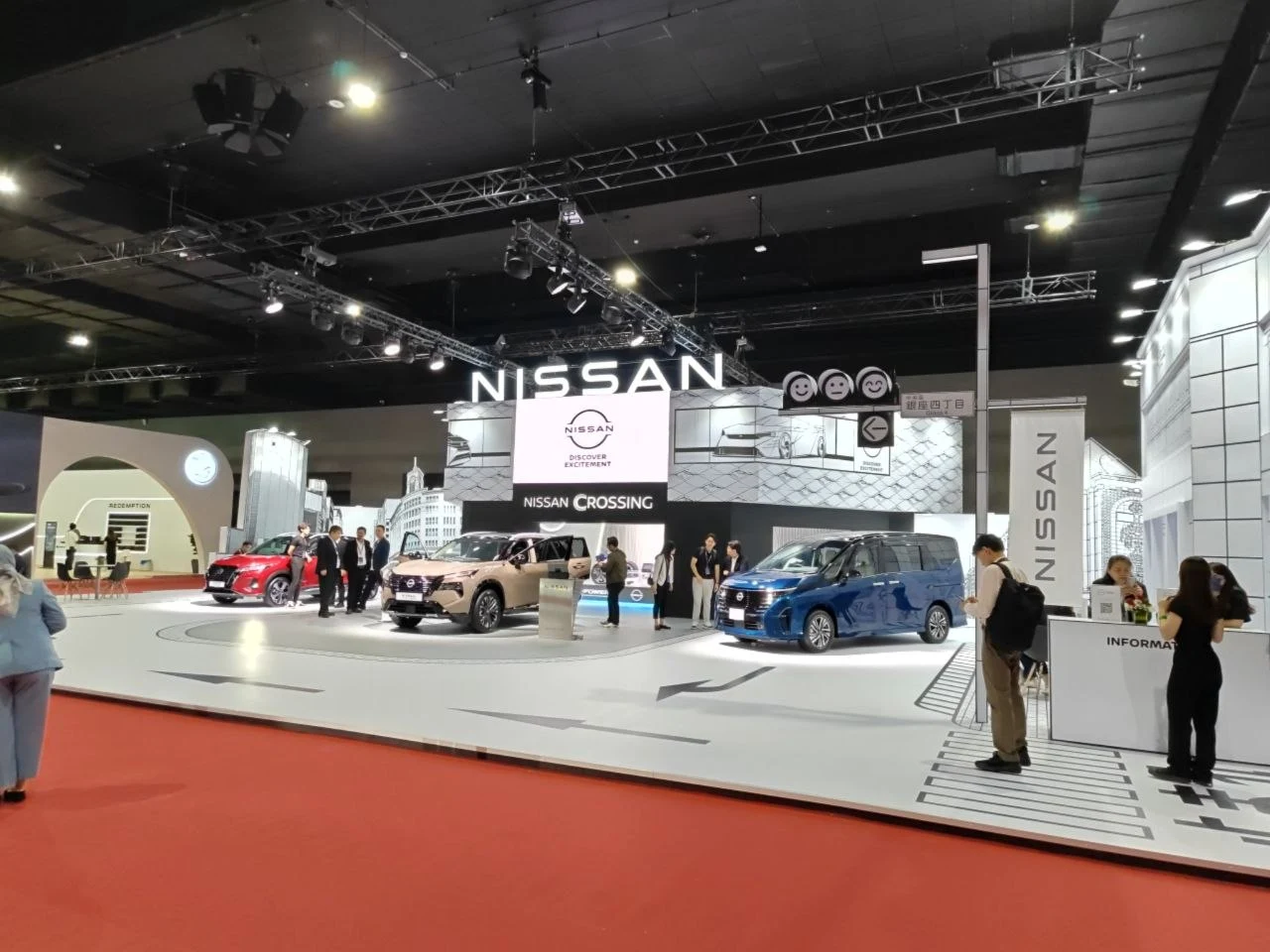
KLIMS 2026 is dominated by headlines about battery-electric disruption, aggressive pricing from newer brands, and the race to claim charging-network territory. At Nissan’s stand, the conversation takes a different turn. Instead of asking Malaysian buyers to abandon combustion entirely, the brand is pitching a more measured transition built around family practicality. The all-new Serena e-POWER is the clearest expression of that strategy, and it arrives at a moment when the market is crowded with full-EV promises but still short on mass-market charging peace of mind.
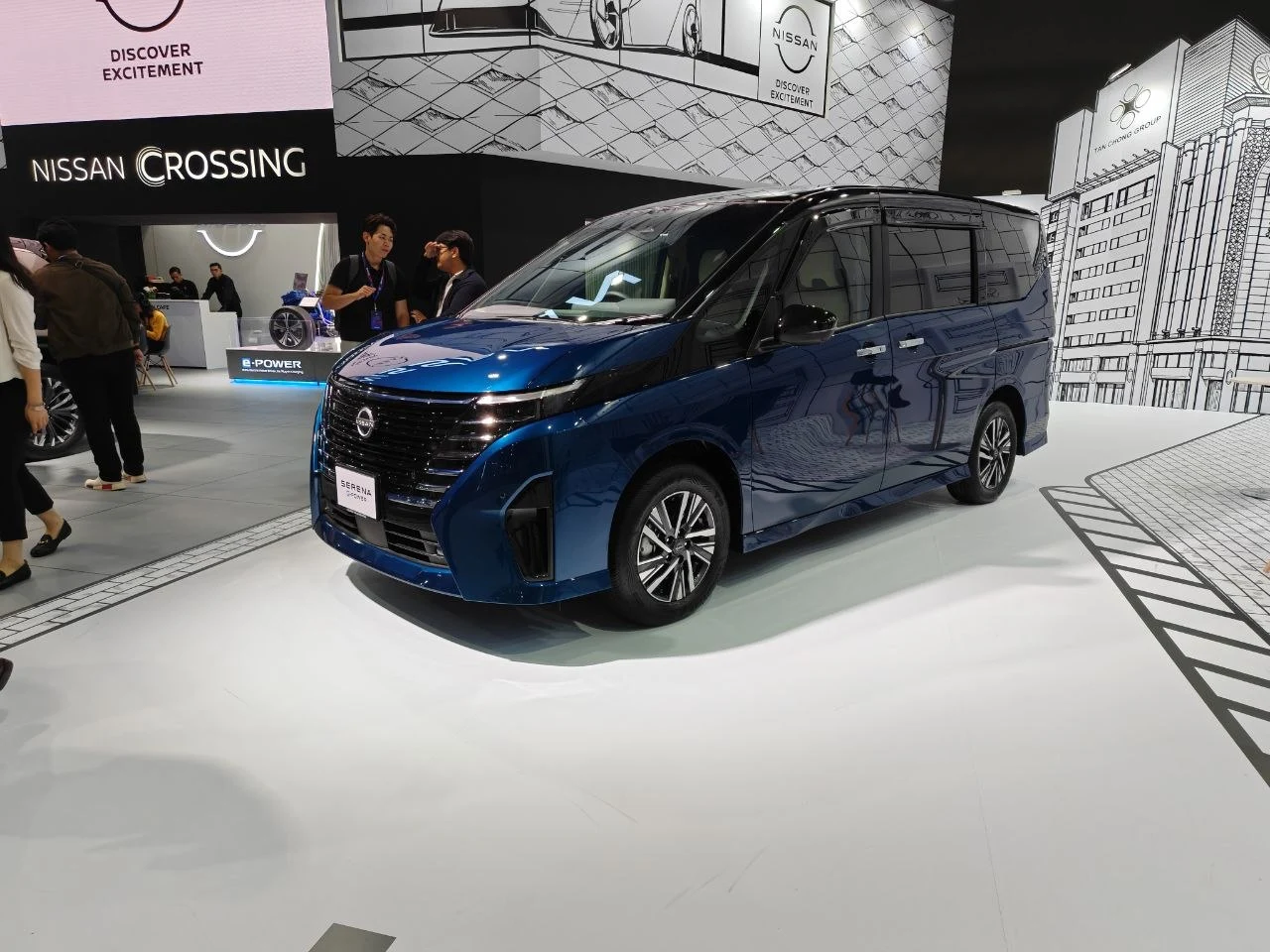
Launched locally in March 2026, the Serena e-POWER quickly became Nissan’s most talked-about model in years. By April, the electrified MPV had reportedly accumulated around 1,300 bookings, with initial customer deliveries already underway. Those figures suggest that Nissan has found a sweet spot in a segment where buyers need space, efficiency, and familiarity all at once. The Serena does not demand a lifestyle change; it offers seven-seat utility with an electric-drive feel while retaining the convenience of refuelling at any petrol station.
That proposition matters in Malaysia. Family buyers upgrading from a conventional MPV or sedan are often wary of range anxiety and the patchy public-charging infrastructure outside the Klang Valley. The Serena e-POWER’s series-hybrid approach sidesteps those concerns without giving up the refinement of near-silent electric propulsion. In a hall filled with battery-electric SUVs and premium EVs, Nissan’s people-mover stands out as a solution for buyers who want lower emissions but cannot yet bet their daily routine on a charging port.
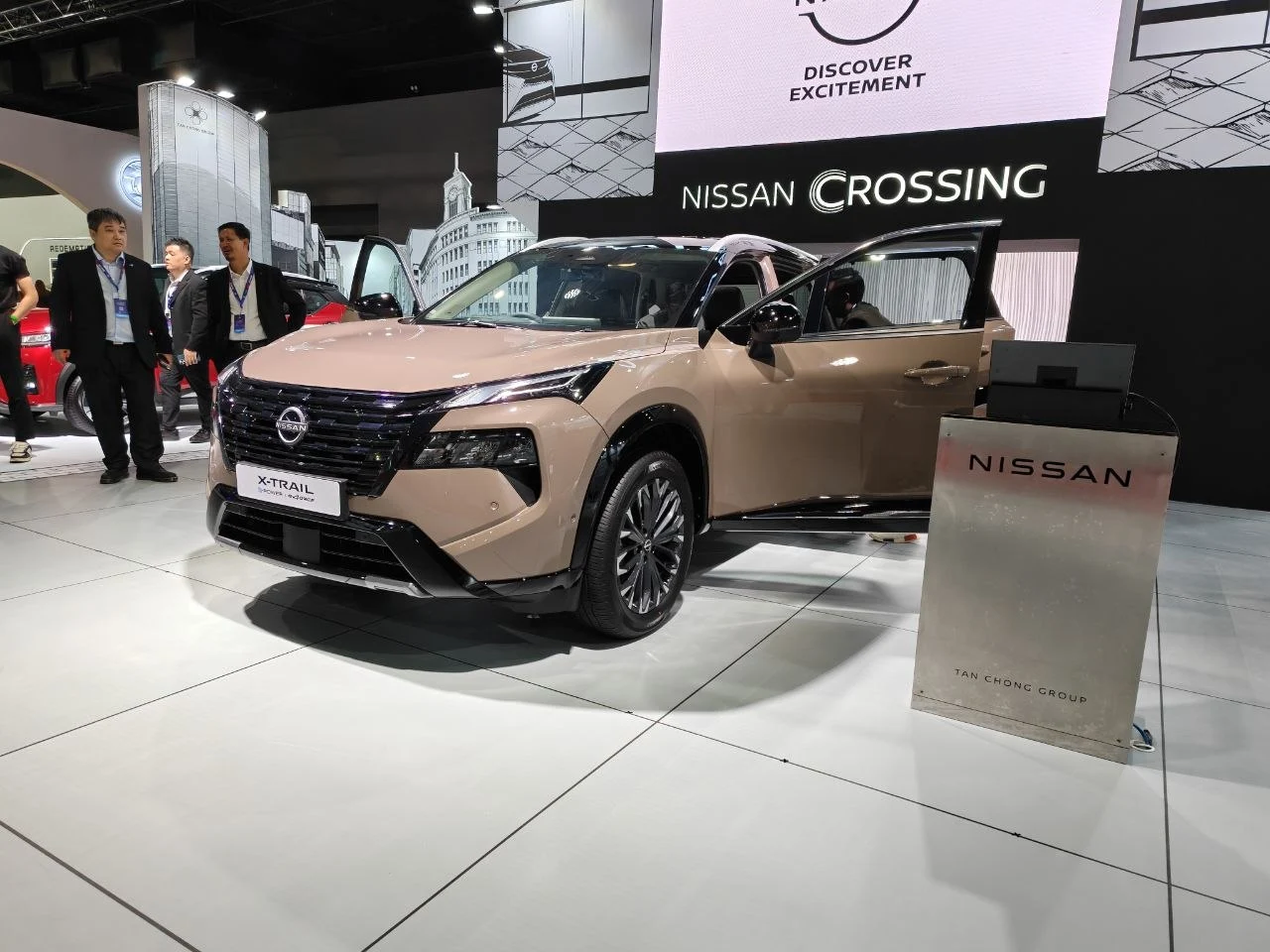
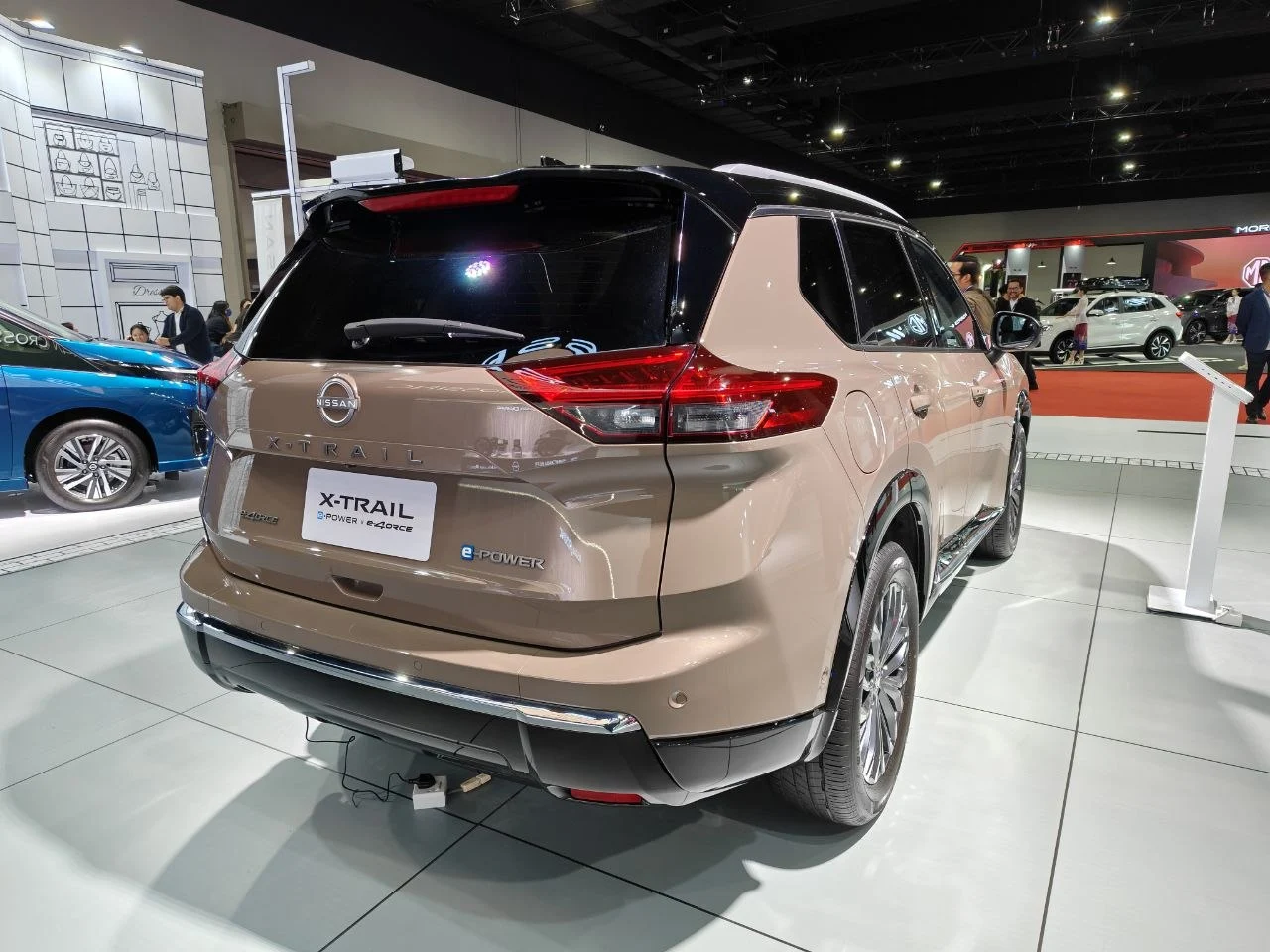
Nissan’s credibility in Malaysia rests heavily on its decades-long partnership with Tan Chong Motor Holdings. Through Edaran Tan Chong Motor, the brand retains a distribution and assembly footprint that few multinational marques can match for local depth. That relationship translates into showroom presence in secondary cities, a familiar after-sales network, and a level of trust that newer entrants are still spending heavily to build. For the Serena e-POWER, Tan Chong’s reach is a quiet but critical asset; it means the model is supported by a service infrastructure that family buyers expect when committing to a technologically complex vehicle.
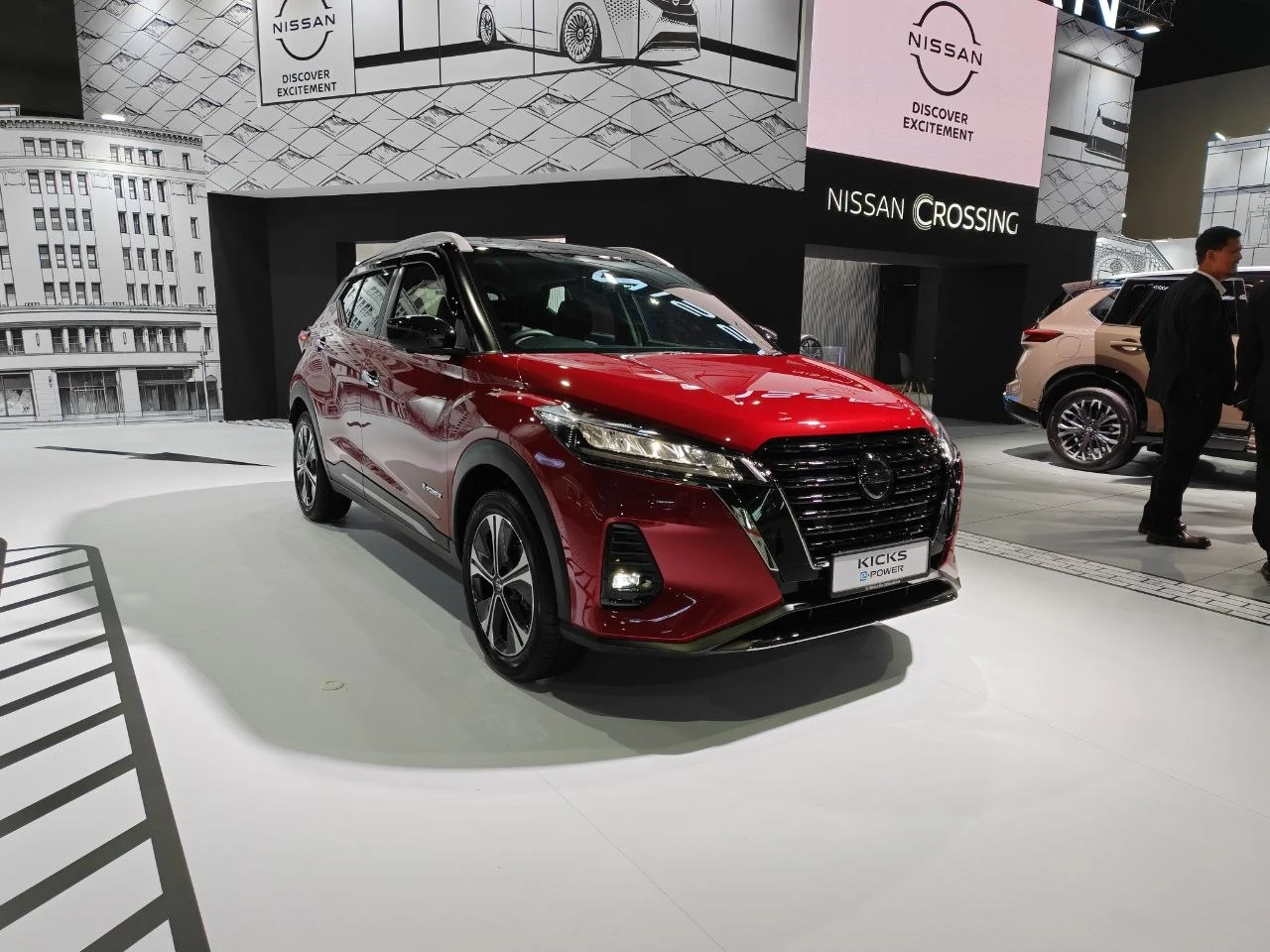
Malaysia’s automotive hierarchy is unforgiving. Perodua owns the value-driven volume ground, Toyota and Honda command mainstream loyalty, and BYD has established itself as the default reference point for anyone considering a battery-electric car. Nissan does not attempt to displace any of these pillars outright. Instead, it is occupying a narrower lane: the electrified family MPV for buyers who find Perodua’s offerings too basic, a full EV too risky, and a conventional Honda or Toyota too familiar to feel like an upgrade.
This positioning carries risk. The Serena e-POWER must prove that its e-POWER system delivers tangible fuel savings in local traffic, and it must convince buyers that a hybridized MPV is not merely a stopgap but a deliberate long-term choice. Still, the early booking momentum indicates that a significant pool of Malaysian families is receptive to the argument. They appear willing to embrace electrification provided it does not come at the cost of usability.
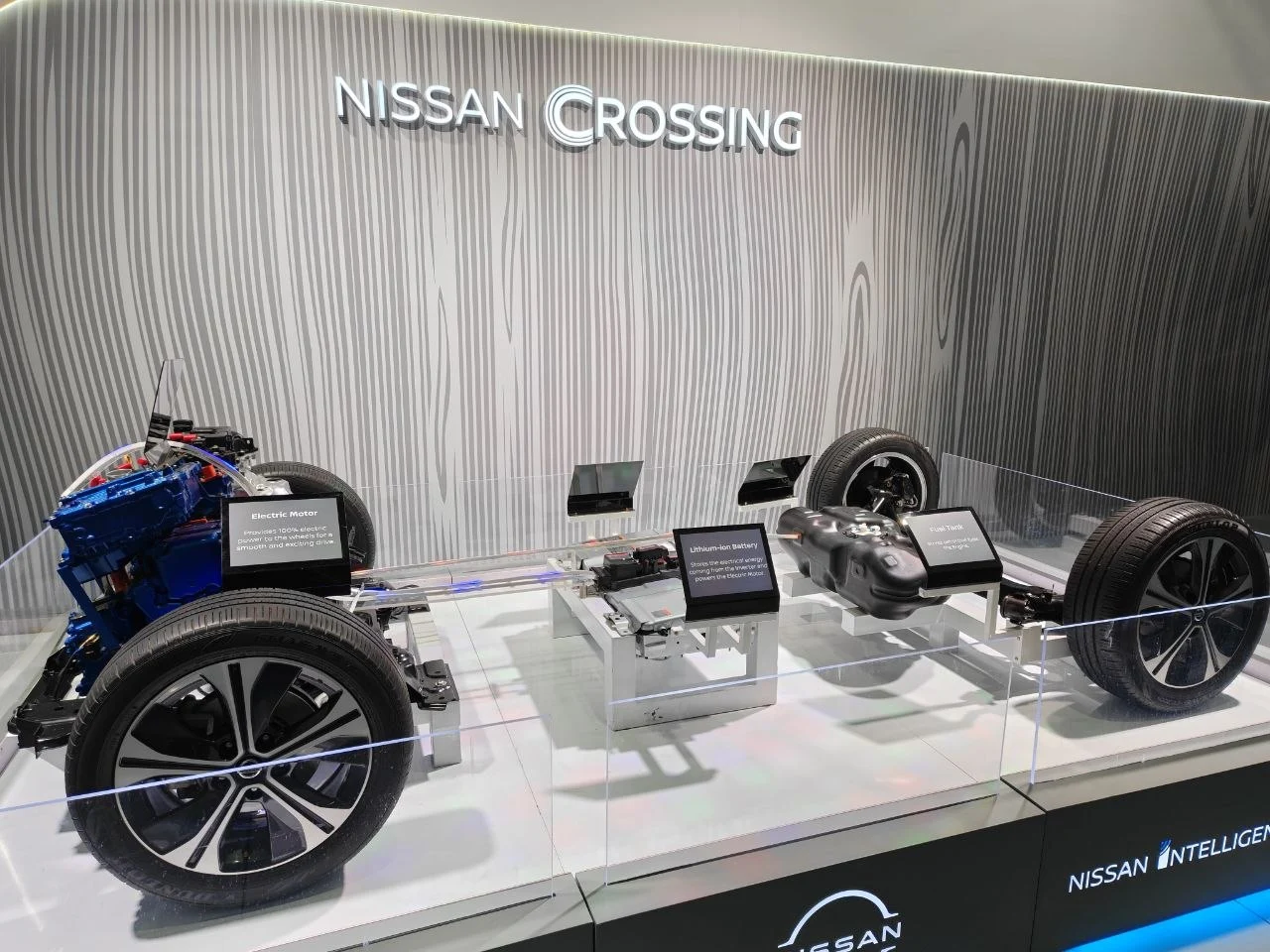
While the Serena e-POWER commands attention, Nissan’s broader Malaysian lineup continues to serve more traditional roles. The Almera remains a staple for buyers seeking an affordable sedan with straightforward running costs, and the Navara retains its following among private and commercial users who need a proven pickup platform. These models do not generate showroom buzz, but they sustain dealership traffic and brand visibility in segments where consistency matters more than novelty.
At KLIMS 2026, Nissan’s display ultimately reflects a brand that knows its place in the Malaysian ecosystem. It is not chasing shock-value pricing or spec-sheet dominance. It is leveraging Tan Chong’s established network, offering a technologically distinct family hauler, and betting that practicality will resonate more loudly than pure-electric hype. If the Serena e-POWER maintains its early momentum, Nissan may have demonstrated that the path to electrification in Malaysia need not be an all-or-nothing leap.

Your go-to source for all things automotive in Malaysia. 🚗 Latest reviews, breaking news, launches & industry trends.
+ Follow Kereta Rally Karamjit Singh & Proton Wira Schumacher Ada Sini! | HME Asia 2026
Hujung minggu dah tiba dan anda mencari sesuatu untuk cuci mata? Jemput datang ke Heritage Motor Exchange Asia 2026 yang berlangsung di Dewal Merdeka, World Trade Centre (WTC) Kuala Lumpur!
Berbeza dengan pameran biasa, acara ini memberi tumpuan khas kepada kenderaan-kenderaan warisan dan klasik yang menggamit memori. Antara daya tarikan utama yang dipamerkan termasuk:
🏎️ Kereta Rally Legenda: Kereta rally ikonik yang pernah dipandu oleh pemandu legenda negara, Karamjit Singh!
🏎️ Proton Wira Schumacher: Model Proton Wira penuh sejarah yang pernah dipandu oleh pelumba F1 legenda, Michael Schumacher!
🚘 Kereta Klasik & Mewah: Mercedes-Benz W111 Cabriolet (1960-an), Rolls-Royce Silver Cloud, Jaguar E-Type, dan pelbagai lagi model berprestasi tinggi.
Membawa tema "When Passion Meets Acquisition", pameran ini menghimpunkan lebih 50 buah kereta daripada pelbagai era. Ia turut memperkenalkan sistem penilaian Concours 100 mata serta kemudahan urusan pemeriksaan, insurans, dan cukai jalan bersama agensi seperti Puspakom dan JPJ di lokasi.
📅 Tarikh: 23 – 25 Oktober 2026
📍 Lokasi: Dewan Merdeka, WTC Kuala Lumpur
Tonton video ini sampai habis untuk lihat sendiri kehebatan jentera-jentera klasik ini! Jangan lupa untuk Like, Comment, dan Subscribe ke saluran BitAuto!
#HeritageMotorExchange #HMEAsia2026 #BitAuto #WTCKL #KeretaKlasik 1 day ago
Kereta Rally Karamjit Singh & Proton Wira Schumacher Ada Sini! | HME Asia 2026
Hujung minggu dah tiba dan anda mencari sesuatu untuk cuci mata? Jemput datang ke Heritage Motor Exchange Asia 2026 yang berlangsung di Dewal Merdeka, World Trade Centre (WTC) Kuala Lumpur!
Berbeza dengan pameran biasa, acara ini memberi tumpuan khas kepada kenderaan-kenderaan warisan dan klasik yang menggamit memori. Antara daya tarikan utama yang dipamerkan termasuk:
🏎️ Kereta Rally Legenda: Kereta rally ikonik yang pernah dipandu oleh pemandu legenda negara, Karamjit Singh!
🏎️ Proton Wira Schumacher: Model Proton Wira penuh sejarah yang pernah dipandu oleh pelumba F1 legenda, Michael Schumacher!
🚘 Kereta Klasik & Mewah: Mercedes-Benz W111 Cabriolet (1960-an), Rolls-Royce Silver Cloud, Jaguar E-Type, dan pelbagai lagi model berprestasi tinggi.
Membawa tema "When Passion Meets Acquisition", pameran ini menghimpunkan lebih 50 buah kereta daripada pelbagai era. Ia turut memperkenalkan sistem penilaian Concours 100 mata serta kemudahan urusan pemeriksaan, insurans, dan cukai jalan bersama agensi seperti Puspakom dan JPJ di lokasi.
📅 Tarikh: 23 – 25 Oktober 2026
📍 Lokasi: Dewan Merdeka, WTC Kuala Lumpur
Tonton video ini sampai habis untuk lihat sendiri kehebatan jentera-jentera klasik ini! Jangan lupa untuk Like, Comment, dan Subscribe ke saluran BitAuto!
#HeritageMotorExchange #HMEAsia2026 #BitAuto #WTCKL #KeretaKlasik 1 day ago  Rare cars, legendary icons and automotive dreams come alive at Heritage Motor Exchange Asia!
#HMEA #HeritageMotorExchangeAsia #ClassicCars #Supercars #CarCulture #MalaysiaCars 1 day ago
Rare cars, legendary icons and automotive dreams come alive at Heritage Motor Exchange Asia!
#HMEA #HeritageMotorExchangeAsia #ClassicCars #Supercars #CarCulture #MalaysiaCars 1 day ago  Waze could be banned?
IT seems like the Malaysian government may look into banning Waze, but only when local alternatives are ready. 1 day ago
Waze could be banned?
IT seems like the Malaysian government may look into banning Waze, but only when local alternatives are ready. 1 day ago Get the latest car news first!
Your go-to source for all things automotive in Malaysia. 🚗 Latest reviews, breaking news, launches & industry trends.
Kereta Rally Karamjit Singh & Proton Wira Schumacher Ada Sini! | HME Asia 2026
Hujung minggu dah tiba dan anda mencari sesuatu untuk cuci mata? Jemput datang ke Heritage Motor Exchange Asia 2026 yang berlangsung di Dewal Merdeka, World Trade Centre (WTC) Kuala Lumpur!
Berbeza dengan pameran biasa, acara ini memberi tumpuan khas kepada kenderaan-kenderaan warisan dan klasik yang menggamit memori. Antara daya tarikan utama yang dipamerkan termasuk:
🏎️ Kereta Rally Legenda: Kereta rally ikonik yang pernah dipandu oleh pemandu legenda negara, Karamjit Singh!
🏎️ Proton Wira Schumacher: Model Proton Wira penuh sejarah yang pernah dipandu oleh pelumba F1 legenda, Michael Schumacher!
🚘 Kereta Klasik & Mewah: Mercedes-Benz W111 Cabriolet (1960-an), Rolls-Royce Silver Cloud, Jaguar E-Type, dan pelbagai lagi model berprestasi tinggi.
Membawa tema "When Passion Meets Acquisition", pameran ini menghimpunkan lebih 50 buah kereta daripada pelbagai era. Ia turut memperkenalkan sistem penilaian Concours 100 mata serta kemudahan urusan pemeriksaan, insurans, dan cukai jalan bersama agensi seperti Puspakom dan JPJ di lokasi.
📅 Tarikh: 23 – 25 Oktober 2026
📍 Lokasi: Dewan Merdeka, WTC Kuala Lumpur
Tonton video ini sampai habis untuk lihat sendiri kehebatan jentera-jentera klasik ini! Jangan lupa untuk Like, Comment, dan Subscribe ke saluran BitAuto!
#HeritageMotorExchange #HMEAsia2026 #BitAuto #WTCKL #KeretaKlasik 1 day ago Rare cars, legendary icons and automotive dreams come alive at Heritage Motor Exchange Asia!
#HMEA #HeritageMotorExchangeAsia #ClassicCars #Supercars #CarCulture #MalaysiaCars 1 day ago Waze could be banned?
IT seems like the Malaysian government may look into banning Waze, but only when local alternatives are ready. 1 day ago © 2024 Bitauto.com. All Rights Reserved.
Bitauto (www.yiche.com and www.bitauto.com) is one of the most visited automotive websites in China. We provide detailed info on Chinese car brands available in your area. Please note that the information provided on this website is based on publicly available data and is for reference only. It may not be fully updated or accurate at all times.

Help us improve our website


