
Search History
Popular Searches
English
Dealer Login / Sign Up
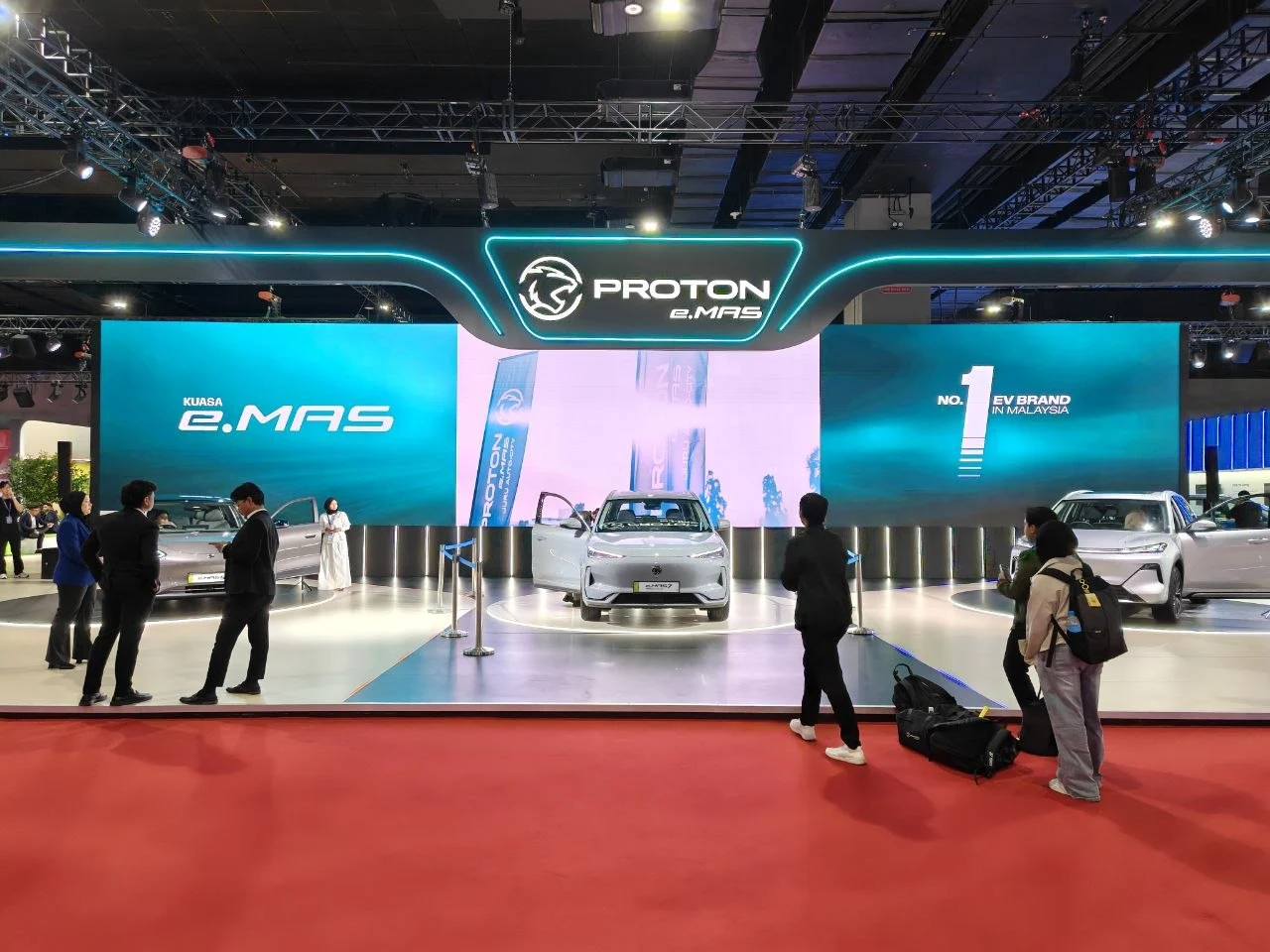
Proton eMAS arrives at KLIMS 2026 not as a tentative experiment but as a sub-brand already claiming market leadership. Operated by Proton New Energy Technology (PRO-NET), eMAS carries a unique burden: it must translate decades of national-car sentiment into a credible new-energy portfolio for ordinary Malaysian families. While startup EV brands can afford to serve niche early adopters, Proton eMAS is expected to democratise electric mobility across the country. That expectation is what makes its presence at KLIMS 2026 one of the most politically and commercially significant on the show floor.
The timing supports the ambition. The e.MAS 5 was reported as Malaysia’s best-selling EV in January 2026, and PRO-NET’s internal reckoning placed Proton eMAS as the nation’s number-one EV brand by March. Those milestones shift the conversation away from whether the national carmaker can build competitive EVs, and toward whether it can defend and expand that lead as the market matures.
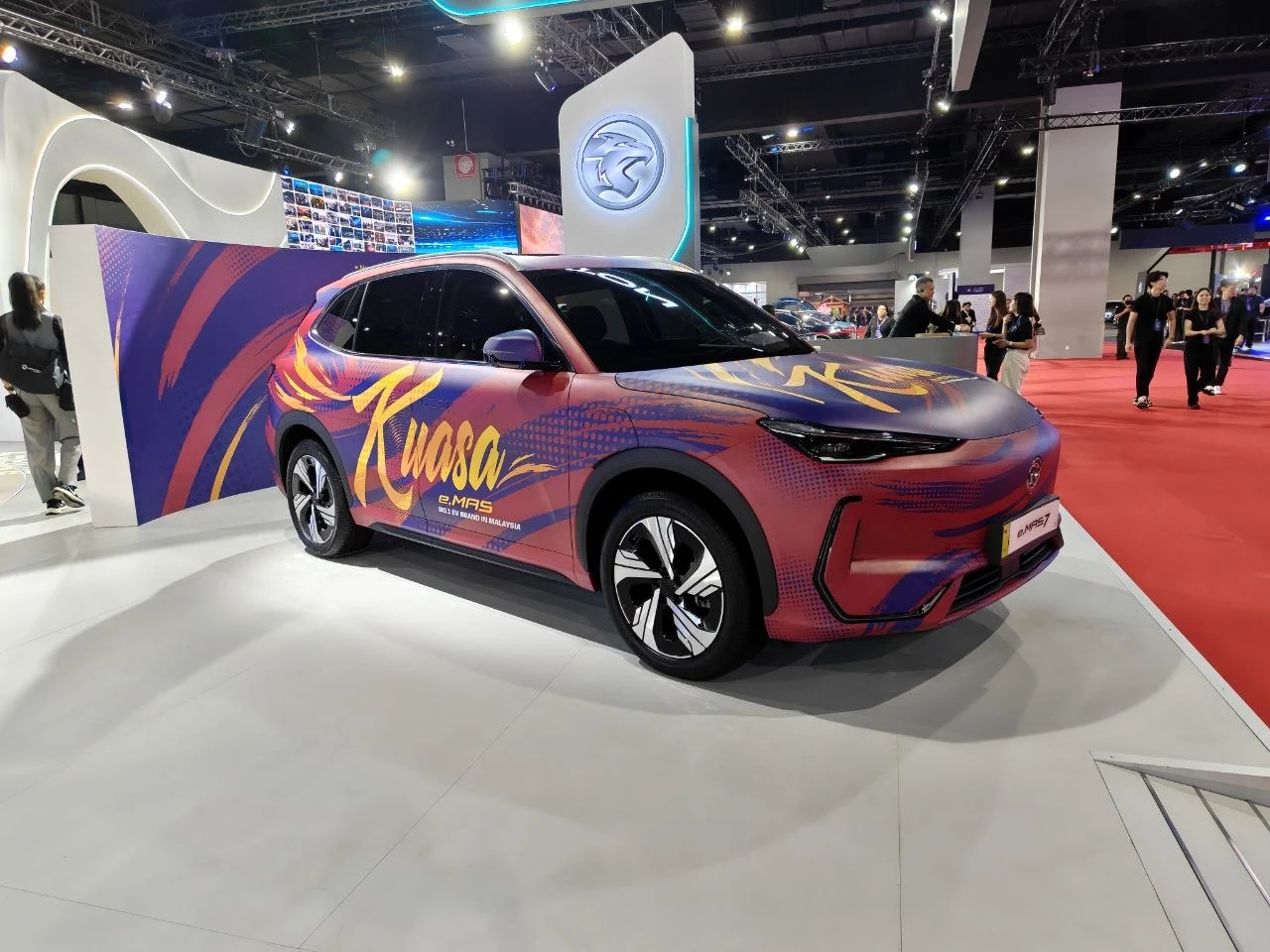
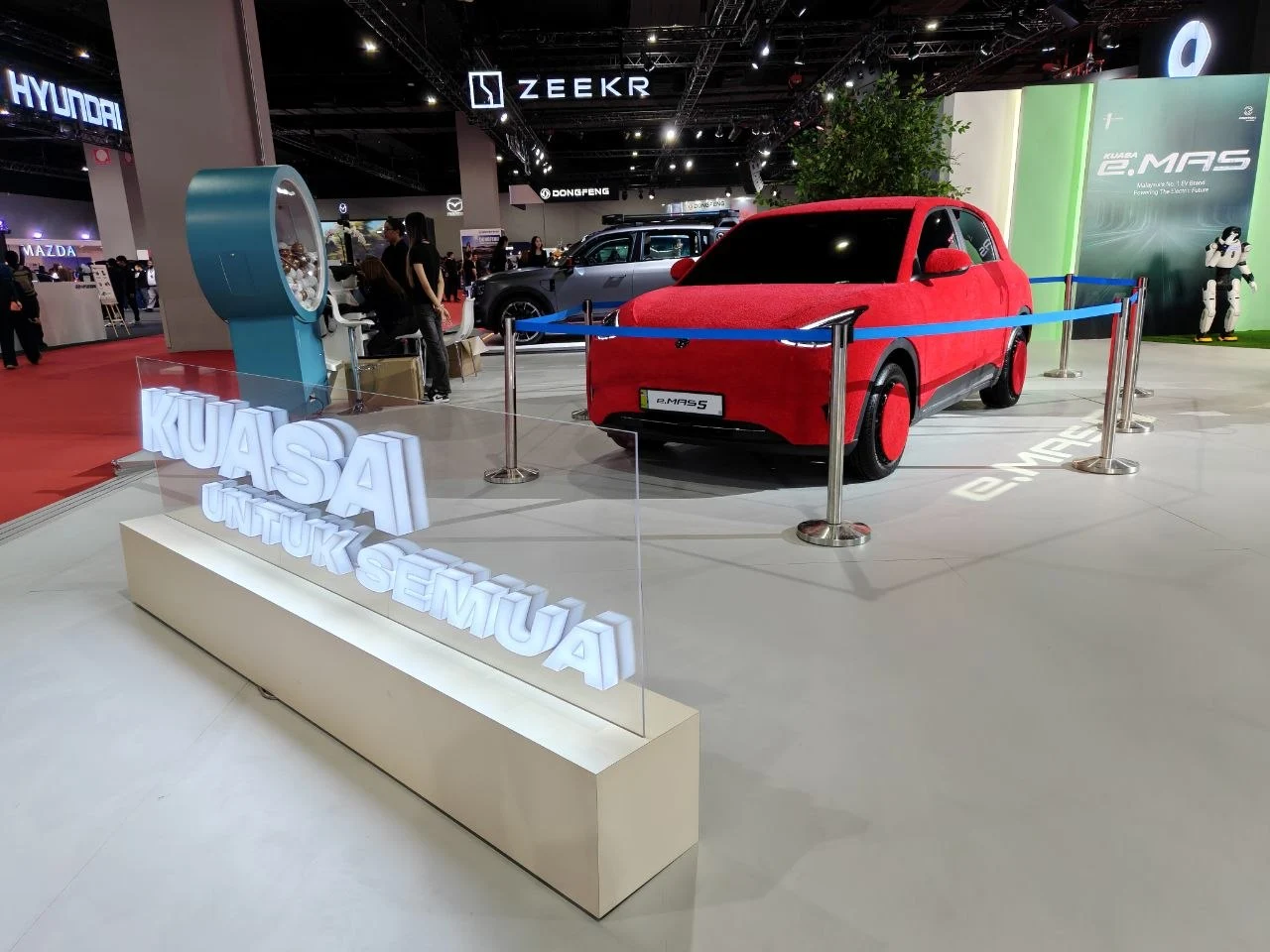
The e.MAS 5 is clearly the volume weapon. With deliveries surging past PRO-NET’s previous single-model records in early 2026, the hatchback appears to have found the pricing and packaging sweet spot for first-time EV buyers who previously regarded electric cars as foreign-made luxury items. Its success challenges the assumption that affordable Malaysian EVs must come from outside the national stable.
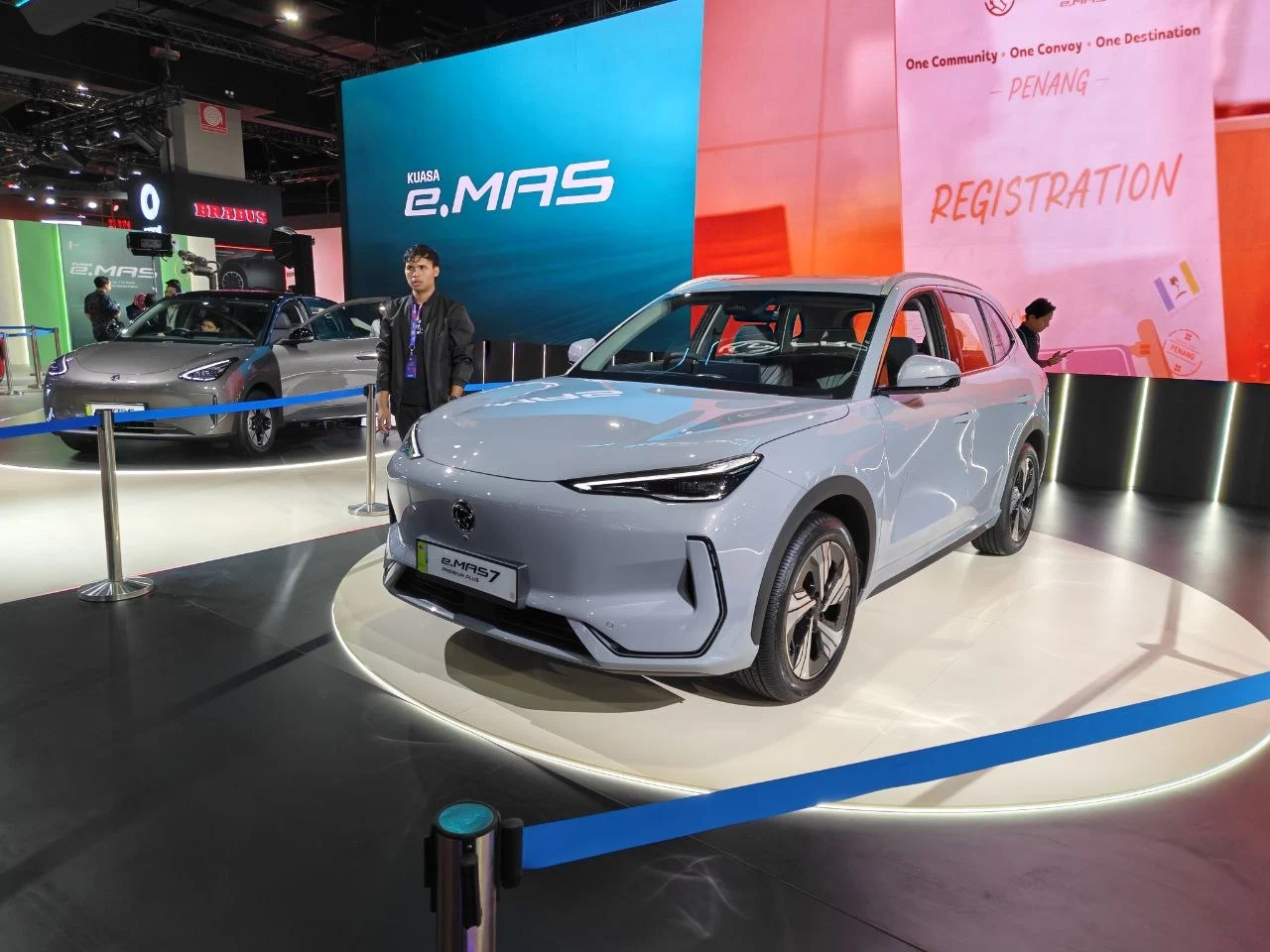
The e.MAS 7 plays a different game. Introduced as a locally produced 2026 model, the SUV targets families needing space and versatility. Local assembly matters beyond patriotism; it signals supply-chain commitment and gives PRO-NET greater control over cost structures and delivery timelines. Together, the e.MAS 5 and e.MAS 7 form a two-pronged base: one grabs entry-level volume, the other secures family buyers who might otherwise defect to established foreign SUVs.
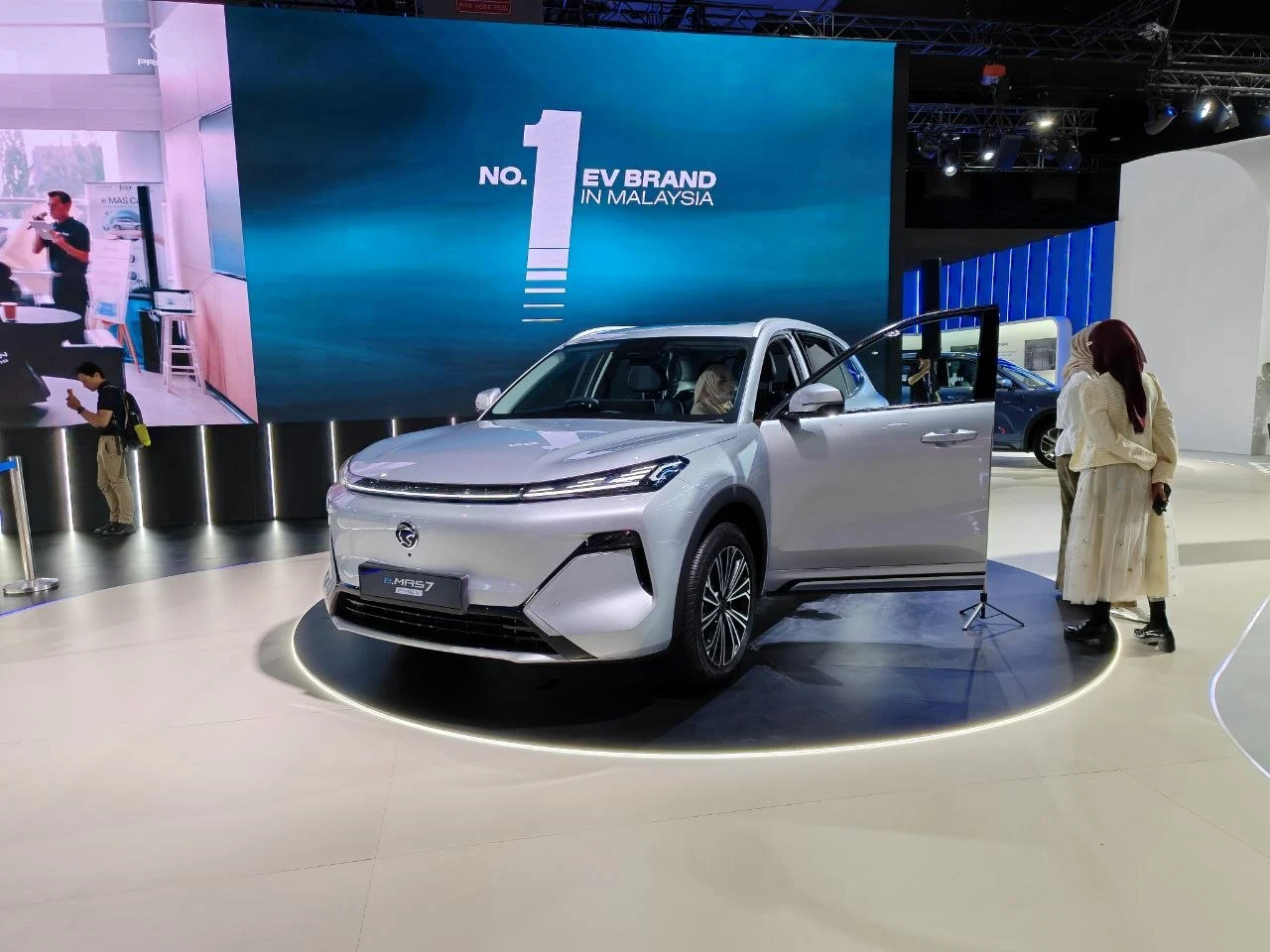
Hardware is only half the battle. PRO-NET’s real long-term bet is infrastructure and aftersales integration. By operating the eMAS retail network and simultaneously distributing smart EVs, PRO-NET is attempting to build a shared service ecosystem that covers both mainstream national-brand customers and premium urban buyers. Charging-app integration and a unified retail footprint matter because Malaysian consumers remain anxious about post-purchase support. PRO-NET’s scale could give it an advantage over newer entrants still scrambling to open service bays in key states.
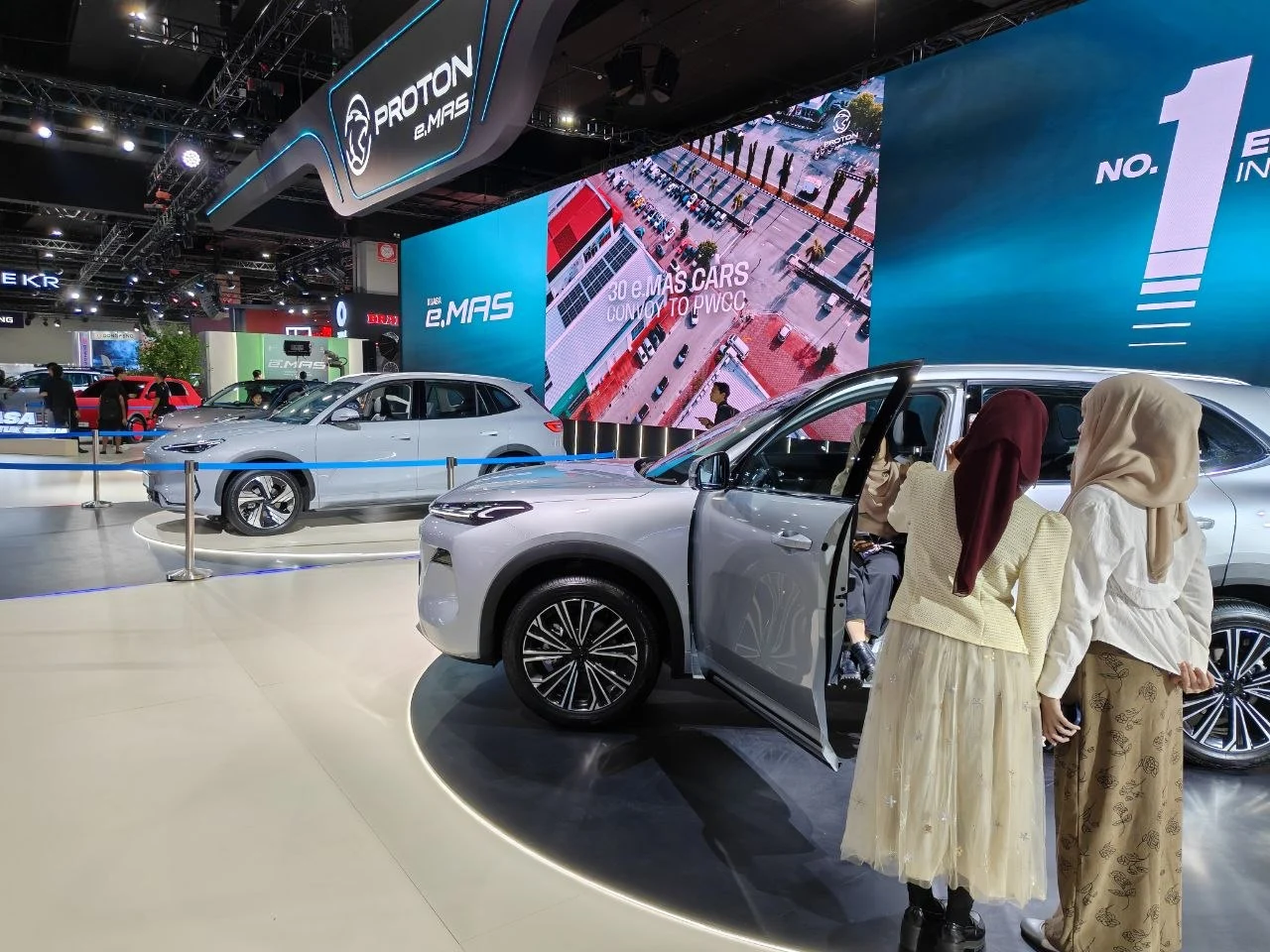
The early-2026 launch of the e.MAS 7 PHEV reveals a pragmatic reading of the Malaysian market. Pure-electric adoption is growing, but charging infrastructure remains uneven outside the Klang Valley and major urban centres. By offering a plug-in hybrid variant alongside the battery-electric SUV, Proton eMAS covers buyers who want silent daily commuting without surrendering the fuel-tank safety net for interstate travel. It is a hedge that broadens the brand’s geographic appeal beyond fully electrified postcodes.
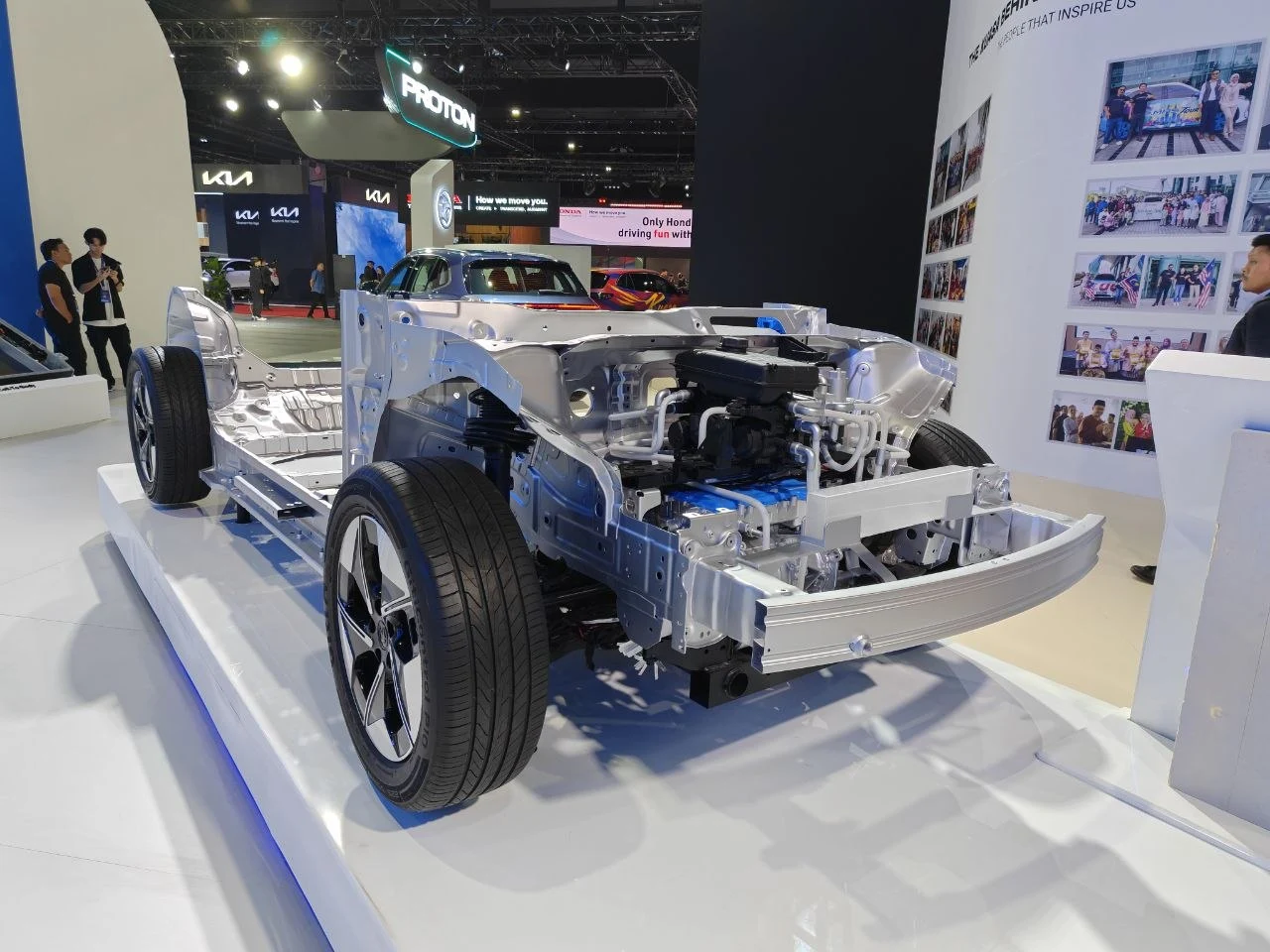
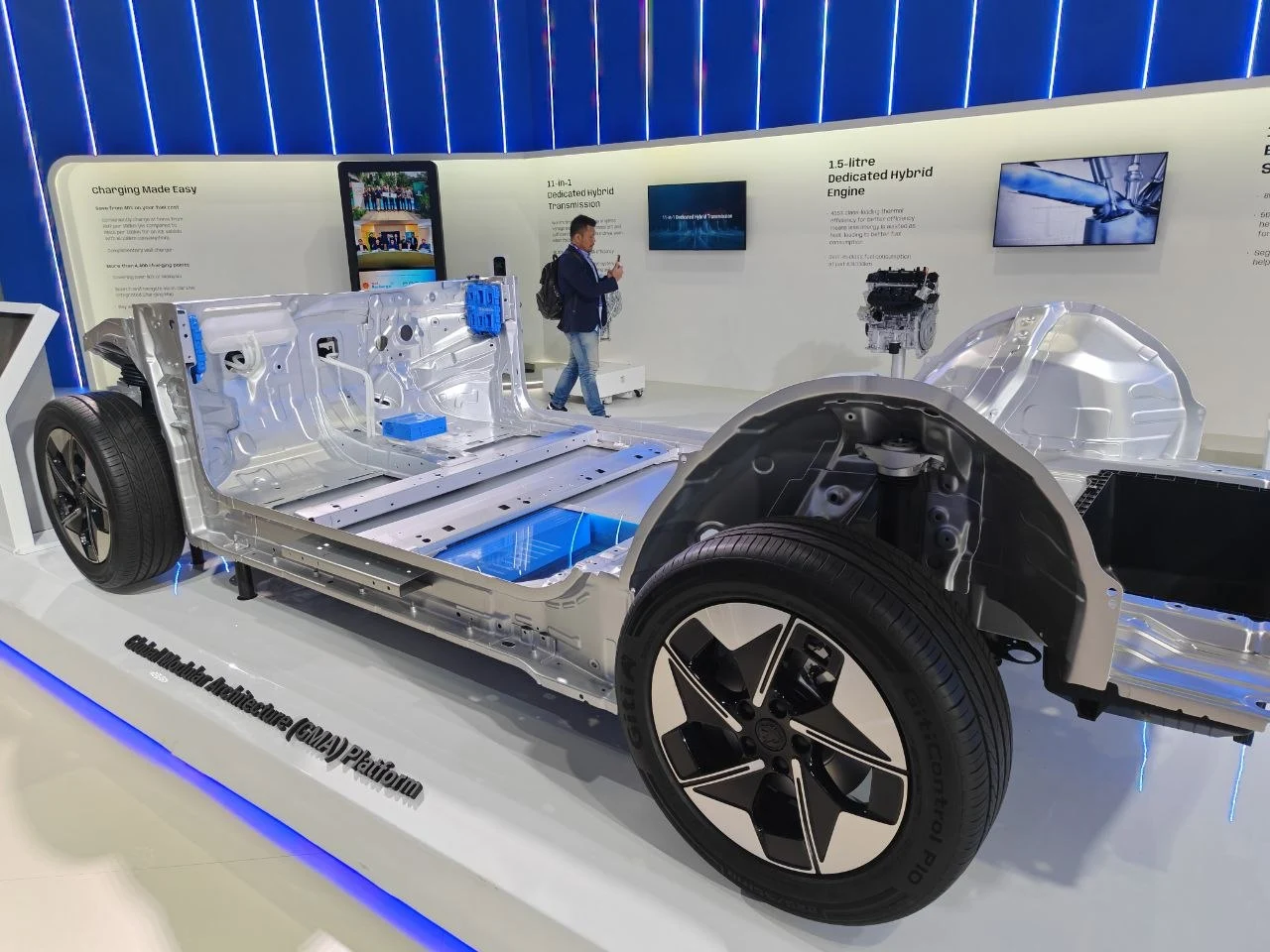
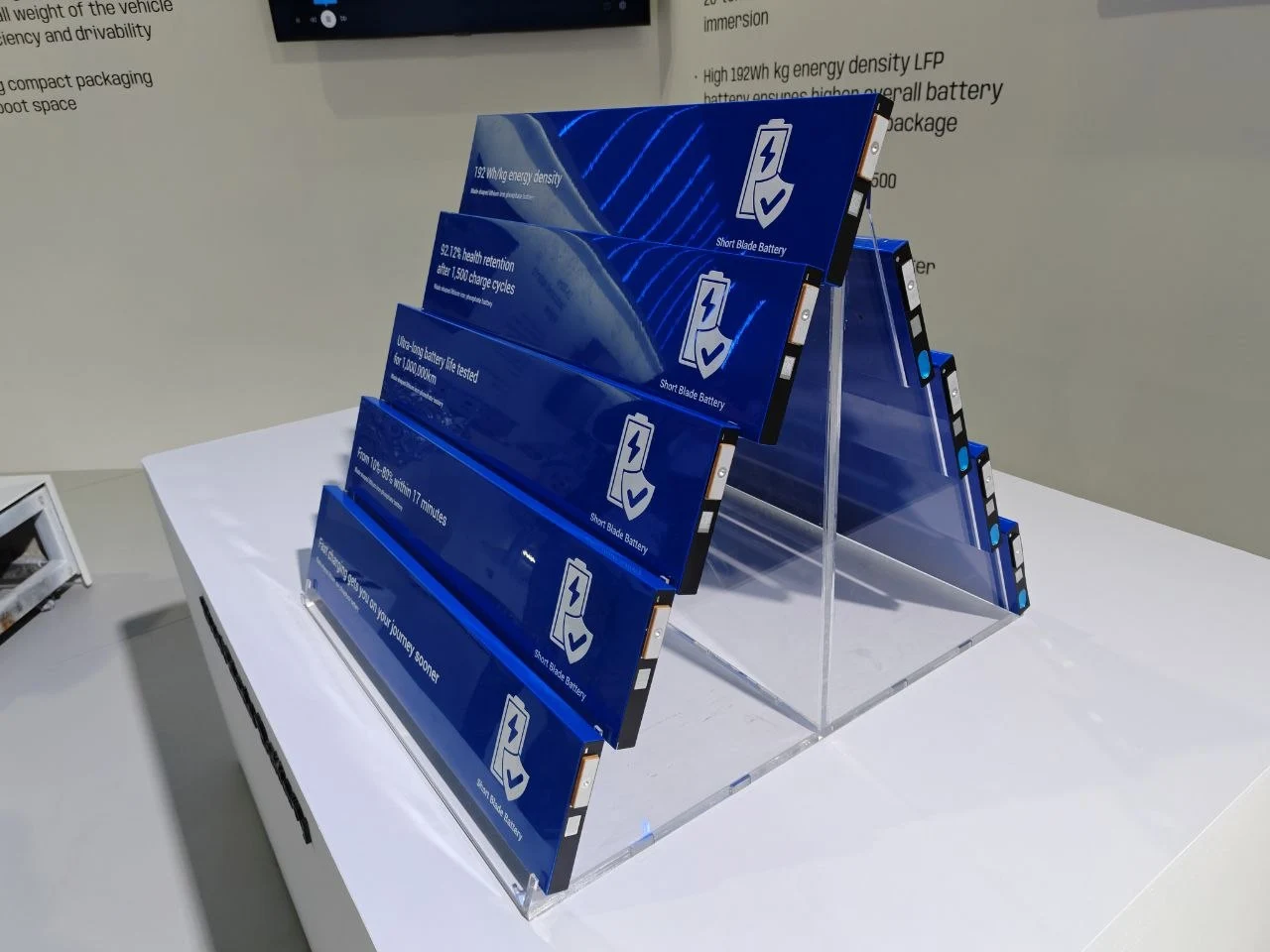
Volume spikes in early 2026 are encouraging, yet the competitive landscape is hardening. BYD is pushing toward local CKD assembly, and Perodua has entered the EV conversation with its own homegrown QV-E. Proton eMAS cannot rely indefinitely on national-brand goodwill; it must now prove consistency in service quality, software updates, and parts availability. The window for being Malaysia’s default EV choice is narrow, and every month brings a new competitor with aggressive pricing or larger battery claims.
KLIMS 2026 therefore functions as a public checkpoint. The brand must demonstrate that its ecosystem promises—charging partnerships, aftersales reach, and digital integration—match the ambition of its product rollout. If Proton eMAS can convert its early sales lead into durable consumer trust, it will secure more than a temporary chart position. It will establish itself as the structural backbone of Malaysia’s national EV transition.

Your go-to source for all things automotive in Malaysia. 🚗 Latest reviews, breaking news, launches & industry trends.
+ Follow Kereta Rally Karamjit Singh & Proton Wira Schumacher Ada Sini! | HME Asia 2026
Hujung minggu dah tiba dan anda mencari sesuatu untuk cuci mata? Jemput datang ke Heritage Motor Exchange Asia 2026 yang berlangsung di Dewal Merdeka, World Trade Centre (WTC) Kuala Lumpur!
Berbeza dengan pameran biasa, acara ini memberi tumpuan khas kepada kenderaan-kenderaan warisan dan klasik yang menggamit memori. Antara daya tarikan utama yang dipamerkan termasuk:
🏎️ Kereta Rally Legenda: Kereta rally ikonik yang pernah dipandu oleh pemandu legenda negara, Karamjit Singh!
🏎️ Proton Wira Schumacher: Model Proton Wira penuh sejarah yang pernah dipandu oleh pelumba F1 legenda, Michael Schumacher!
🚘 Kereta Klasik & Mewah: Mercedes-Benz W111 Cabriolet (1960-an), Rolls-Royce Silver Cloud, Jaguar E-Type, dan pelbagai lagi model berprestasi tinggi.
Membawa tema "When Passion Meets Acquisition", pameran ini menghimpunkan lebih 50 buah kereta daripada pelbagai era. Ia turut memperkenalkan sistem penilaian Concours 100 mata serta kemudahan urusan pemeriksaan, insurans, dan cukai jalan bersama agensi seperti Puspakom dan JPJ di lokasi.
📅 Tarikh: 23 – 25 Oktober 2026
📍 Lokasi: Dewan Merdeka, WTC Kuala Lumpur
Tonton video ini sampai habis untuk lihat sendiri kehebatan jentera-jentera klasik ini! Jangan lupa untuk Like, Comment, dan Subscribe ke saluran BitAuto!
#HeritageMotorExchange #HMEAsia2026 #BitAuto #WTCKL #KeretaKlasik 1 day ago
Kereta Rally Karamjit Singh & Proton Wira Schumacher Ada Sini! | HME Asia 2026
Hujung minggu dah tiba dan anda mencari sesuatu untuk cuci mata? Jemput datang ke Heritage Motor Exchange Asia 2026 yang berlangsung di Dewal Merdeka, World Trade Centre (WTC) Kuala Lumpur!
Berbeza dengan pameran biasa, acara ini memberi tumpuan khas kepada kenderaan-kenderaan warisan dan klasik yang menggamit memori. Antara daya tarikan utama yang dipamerkan termasuk:
🏎️ Kereta Rally Legenda: Kereta rally ikonik yang pernah dipandu oleh pemandu legenda negara, Karamjit Singh!
🏎️ Proton Wira Schumacher: Model Proton Wira penuh sejarah yang pernah dipandu oleh pelumba F1 legenda, Michael Schumacher!
🚘 Kereta Klasik & Mewah: Mercedes-Benz W111 Cabriolet (1960-an), Rolls-Royce Silver Cloud, Jaguar E-Type, dan pelbagai lagi model berprestasi tinggi.
Membawa tema "When Passion Meets Acquisition", pameran ini menghimpunkan lebih 50 buah kereta daripada pelbagai era. Ia turut memperkenalkan sistem penilaian Concours 100 mata serta kemudahan urusan pemeriksaan, insurans, dan cukai jalan bersama agensi seperti Puspakom dan JPJ di lokasi.
📅 Tarikh: 23 – 25 Oktober 2026
📍 Lokasi: Dewan Merdeka, WTC Kuala Lumpur
Tonton video ini sampai habis untuk lihat sendiri kehebatan jentera-jentera klasik ini! Jangan lupa untuk Like, Comment, dan Subscribe ke saluran BitAuto!
#HeritageMotorExchange #HMEAsia2026 #BitAuto #WTCKL #KeretaKlasik 1 day ago  Rare cars, legendary icons and automotive dreams come alive at Heritage Motor Exchange Asia!
#HMEA #HeritageMotorExchangeAsia #ClassicCars #Supercars #CarCulture #MalaysiaCars 1 day ago
Rare cars, legendary icons and automotive dreams come alive at Heritage Motor Exchange Asia!
#HMEA #HeritageMotorExchangeAsia #ClassicCars #Supercars #CarCulture #MalaysiaCars 1 day ago  Waze could be banned?
IT seems like the Malaysian government may look into banning Waze, but only when local alternatives are ready. 1 day ago
Waze could be banned?
IT seems like the Malaysian government may look into banning Waze, but only when local alternatives are ready. 1 day ago Get the latest car news first!
Your go-to source for all things automotive in Malaysia. 🚗 Latest reviews, breaking news, launches & industry trends.
Kereta Rally Karamjit Singh & Proton Wira Schumacher Ada Sini! | HME Asia 2026
Hujung minggu dah tiba dan anda mencari sesuatu untuk cuci mata? Jemput datang ke Heritage Motor Exchange Asia 2026 yang berlangsung di Dewal Merdeka, World Trade Centre (WTC) Kuala Lumpur!
Berbeza dengan pameran biasa, acara ini memberi tumpuan khas kepada kenderaan-kenderaan warisan dan klasik yang menggamit memori. Antara daya tarikan utama yang dipamerkan termasuk:
🏎️ Kereta Rally Legenda: Kereta rally ikonik yang pernah dipandu oleh pemandu legenda negara, Karamjit Singh!
🏎️ Proton Wira Schumacher: Model Proton Wira penuh sejarah yang pernah dipandu oleh pelumba F1 legenda, Michael Schumacher!
🚘 Kereta Klasik & Mewah: Mercedes-Benz W111 Cabriolet (1960-an), Rolls-Royce Silver Cloud, Jaguar E-Type, dan pelbagai lagi model berprestasi tinggi.
Membawa tema "When Passion Meets Acquisition", pameran ini menghimpunkan lebih 50 buah kereta daripada pelbagai era. Ia turut memperkenalkan sistem penilaian Concours 100 mata serta kemudahan urusan pemeriksaan, insurans, dan cukai jalan bersama agensi seperti Puspakom dan JPJ di lokasi.
📅 Tarikh: 23 – 25 Oktober 2026
📍 Lokasi: Dewan Merdeka, WTC Kuala Lumpur
Tonton video ini sampai habis untuk lihat sendiri kehebatan jentera-jentera klasik ini! Jangan lupa untuk Like, Comment, dan Subscribe ke saluran BitAuto!
#HeritageMotorExchange #HMEAsia2026 #BitAuto #WTCKL #KeretaKlasik 1 day ago Rare cars, legendary icons and automotive dreams come alive at Heritage Motor Exchange Asia!
#HMEA #HeritageMotorExchangeAsia #ClassicCars #Supercars #CarCulture #MalaysiaCars 1 day ago Waze could be banned?
IT seems like the Malaysian government may look into banning Waze, but only when local alternatives are ready. 1 day ago © 2024 Bitauto.com. All Rights Reserved.
Bitauto (www.yiche.com and www.bitauto.com) is one of the most visited automotive websites in China. We provide detailed info on Chinese car brands available in your area. Please note that the information provided on this website is based on publicly available data and is for reference only. It may not be fully updated or accurate at all times.

Help us improve our website


