
Search History
Popular Searches
English
Dealer Login / Sign Up
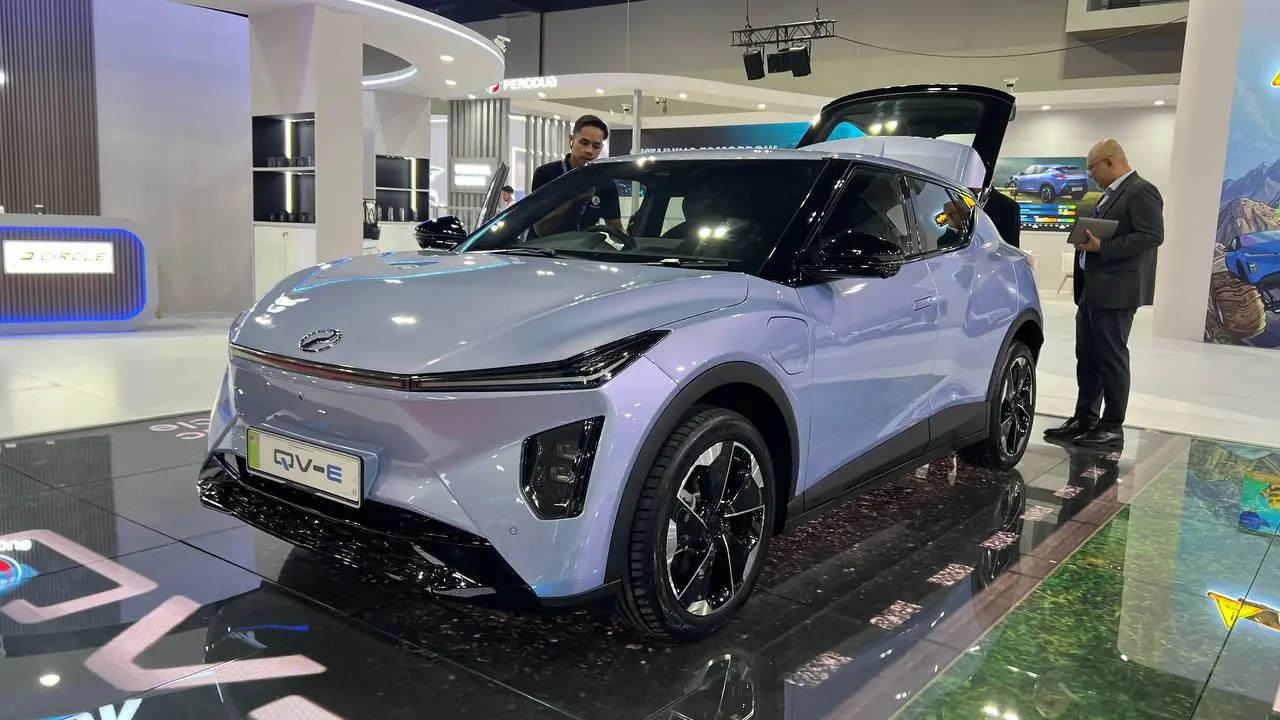
Perodua’s presence at KLIMS 2026 carries a weight that no other Malaysian marque can replicate. As the country’s dominant volume carmaker, Perodua has long defined the entry and mass-market segments with models like the Myvi, Axia and Bezza. The QV-E represents a fundamental shift in that narrative. Positioned as Malaysia’s first homegrown battery electric vehicle, it moves Perodua from an EV observer to an active participant in the country’s electrification race.
The stakes are high precisely because the brand controls the widest sales network and the deepest consumer trust among first-time car buyers. Unlike newer EV entrants that must build brand recognition from scratch, Perodua starts with a captive audience. The QV-E’s task is to convince that audience their next car can be electric without sacrificing the financial predictability they associate with the national brand.
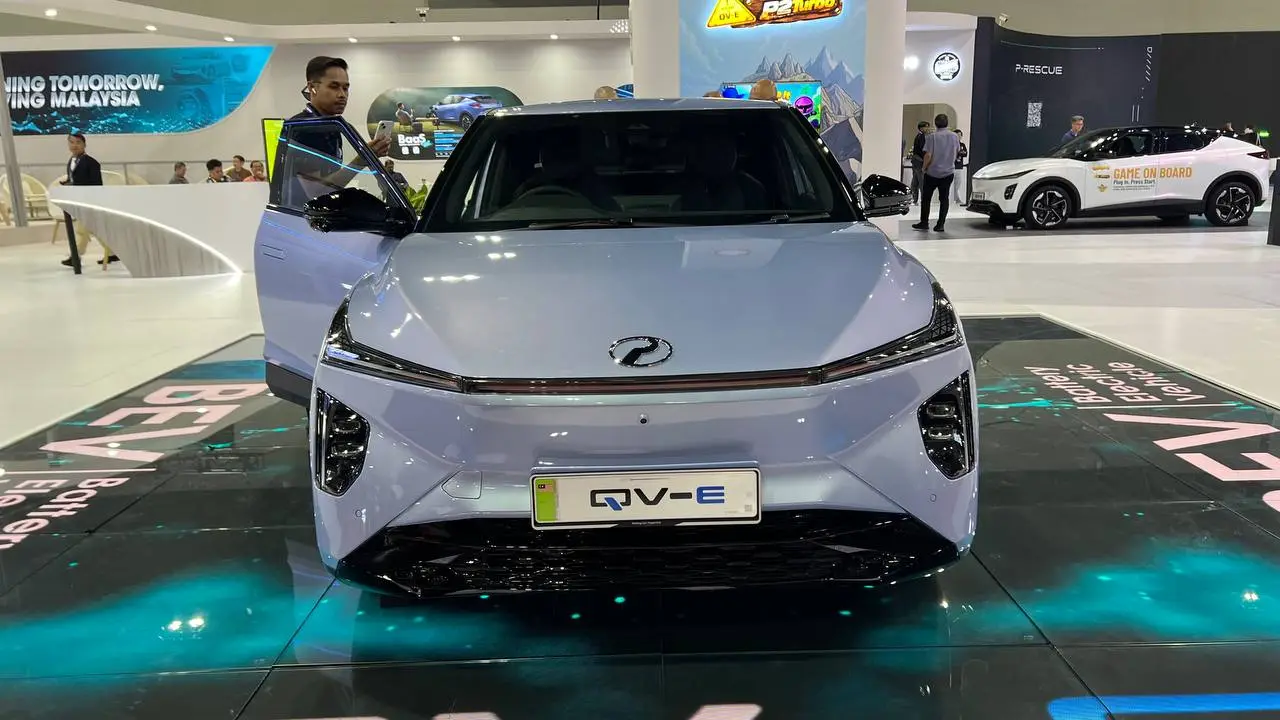
The QV-E arrives with a headline vehicle price of around RM80,000 paired with a battery subscription structure. This is arguably its most consequential market feature. By separating the battery cost from the vehicle purchase, Perodua is attempting to mirror the affordability formula that built its ICE empire. For a customer base historically sensitive to upfront cost, the approach lowers the entry barrier to EV ownership without forcing the brand to absorb the full expense of the 52.5 kWh LFP pack.
Whether Malaysian buyers will embrace ongoing subscription fees over conventional financing remains a central consumer question. The structure signals Perodua’s recognition that price accessibility matters more than spec-sheet leadership. If the monthly subscription lands within the fuel-and-maintenance budgets of a typical Myvi owner, the logic becomes compelling. If it creeps toward premium territory, the model risks alienating the very buyers it targets.
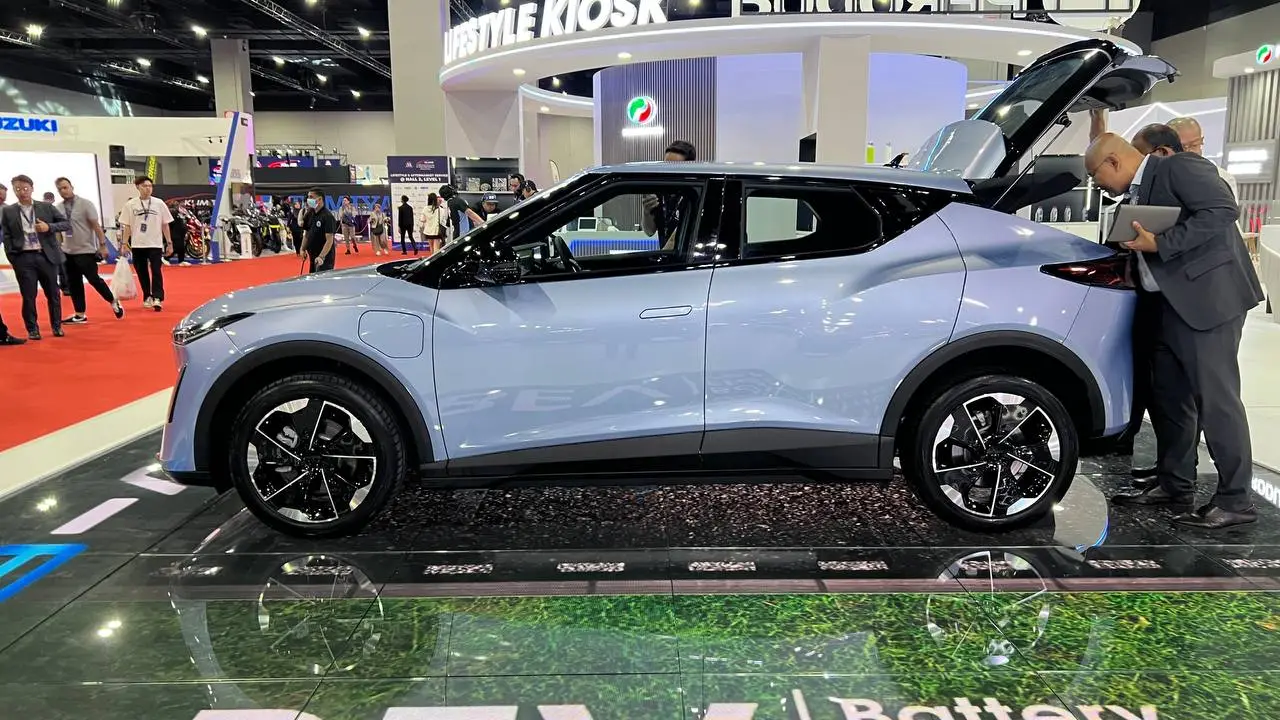
On paper, the QV-E offers a WLTP range of roughly 370 kilometres from its 52.5 kWh battery. That figure places it in the same conversation as the Proton e.MAS 5 and BYD ATTO 2, two rivals that have already begun capturing Malaysian EV registrations. The QV-E does not attempt to outclass these competitors on raw range; instead, it seems calibrated to meet the daily commuting and inter-city needs of its existing owner profile.
With an electric motor output of approximately 150 kW, the performance is competitive without being excessive. The real test will be whether Perodua can match the ecosystem confidence that BYD has built through its expanding local presence and charging partnerships. Range anxiety persists among Malaysian buyers less because of absolute numbers and more because of uncertainty around service support and battery longevity.
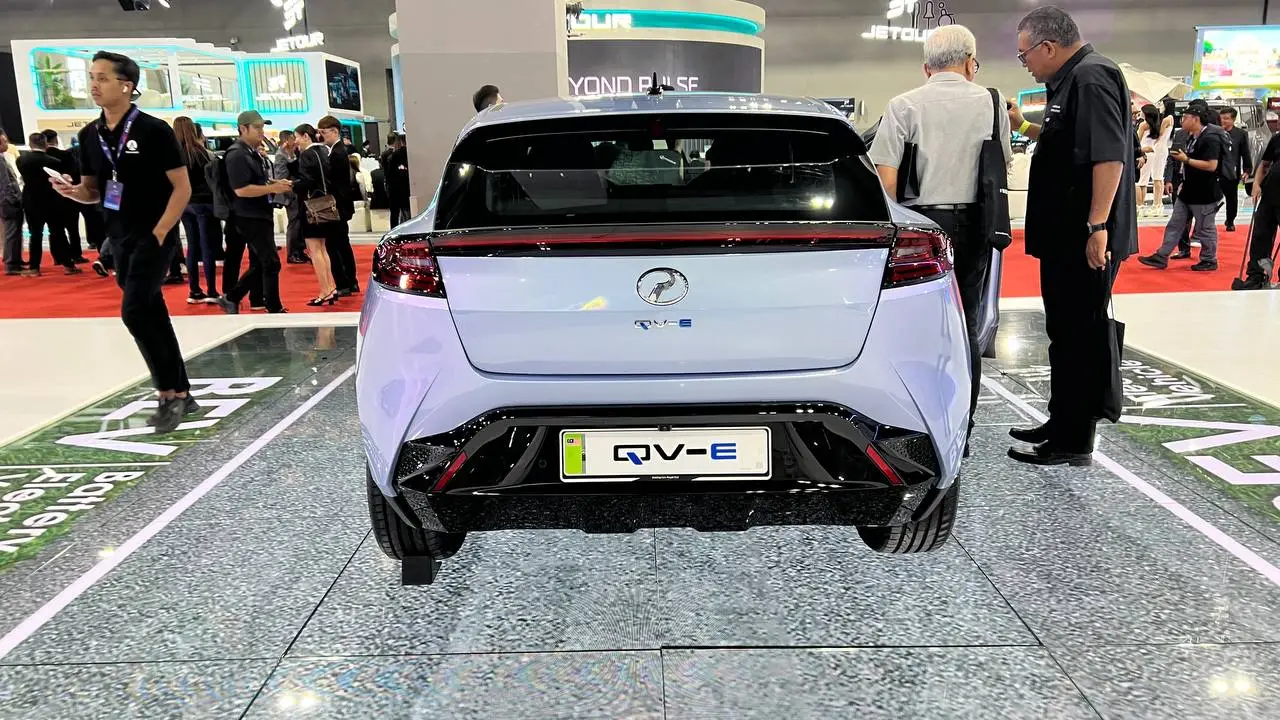
Perodua has indicated a production ramp-up through 2026, yet the model’s market timing faces scrutiny. While the brand expanded its booking outlets after the December 2025 launch, industry registration data from early 2026 suggests the QV-E had not yet appeared in volume delivery figures at that stage. This creates a narrative gap that Perodua must close quickly.
Proton’s e.MAS 5 has already demonstrated that Malaysian consumers are willing to buy local-brand EVs in large numbers, provided the supply chain and service infrastructure are ready. Perodua cannot afford to let its traditional sales dominance translate into an EV followership role. The window for claiming national-brand EV leadership is narrowing as Chinese marques scale up their local assembly plans.
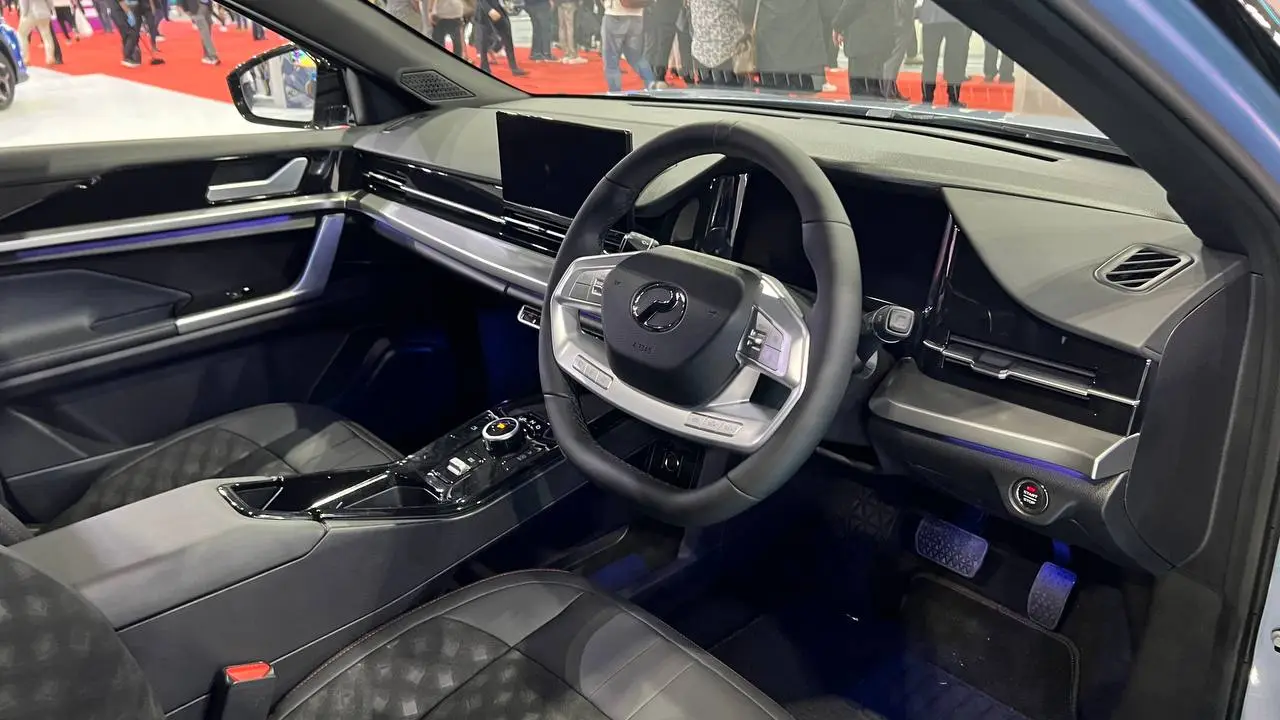
KLIMS 2026 reveals Perodua’s dual challenge. The brand must protect its ICE foundation, represented by the unchanged core lineup visible alongside the QV-E, while proving it can execute an entirely different powertrain business model. The QV-E is therefore not merely a product launch; it is a statement that Malaysia’s national champion intends to shape, not just observe, the low-carbon transition.
If Perodua leverages its Rawang manufacturing footprint and nationwide dealer density to deliver consistent service and transparent subscription terms, the QV-E could redefine what an affordable national-brand EV looks like in Southeast Asia. KLIMS is the stage where that promise is displayed, but the market will judge it on delivery reliability and total cost of ownership, not launch rhetoric.


Your go-to source for all things automotive in Malaysia. 🚗 Latest reviews, breaking news, launches & industry trends.
+ Follow Kereta Rally Karamjit Singh & Proton Wira Schumacher Ada Sini! | HME Asia 2026
Hujung minggu dah tiba dan anda mencari sesuatu untuk cuci mata? Jemput datang ke Heritage Motor Exchange Asia 2026 yang berlangsung di Dewal Merdeka, World Trade Centre (WTC) Kuala Lumpur!
Berbeza dengan pameran biasa, acara ini memberi tumpuan khas kepada kenderaan-kenderaan warisan dan klasik yang menggamit memori. Antara daya tarikan utama yang dipamerkan termasuk:
🏎️ Kereta Rally Legenda: Kereta rally ikonik yang pernah dipandu oleh pemandu legenda negara, Karamjit Singh!
🏎️ Proton Wira Schumacher: Model Proton Wira penuh sejarah yang pernah dipandu oleh pelumba F1 legenda, Michael Schumacher!
🚘 Kereta Klasik & Mewah: Mercedes-Benz W111 Cabriolet (1960-an), Rolls-Royce Silver Cloud, Jaguar E-Type, dan pelbagai lagi model berprestasi tinggi.
Membawa tema "When Passion Meets Acquisition", pameran ini menghimpunkan lebih 50 buah kereta daripada pelbagai era. Ia turut memperkenalkan sistem penilaian Concours 100 mata serta kemudahan urusan pemeriksaan, insurans, dan cukai jalan bersama agensi seperti Puspakom dan JPJ di lokasi.
📅 Tarikh: 23 – 25 Oktober 2026
📍 Lokasi: Dewan Merdeka, WTC Kuala Lumpur
Tonton video ini sampai habis untuk lihat sendiri kehebatan jentera-jentera klasik ini! Jangan lupa untuk Like, Comment, dan Subscribe ke saluran BitAuto!
#HeritageMotorExchange #HMEAsia2026 #BitAuto #WTCKL #KeretaKlasik 1 day ago
Kereta Rally Karamjit Singh & Proton Wira Schumacher Ada Sini! | HME Asia 2026
Hujung minggu dah tiba dan anda mencari sesuatu untuk cuci mata? Jemput datang ke Heritage Motor Exchange Asia 2026 yang berlangsung di Dewal Merdeka, World Trade Centre (WTC) Kuala Lumpur!
Berbeza dengan pameran biasa, acara ini memberi tumpuan khas kepada kenderaan-kenderaan warisan dan klasik yang menggamit memori. Antara daya tarikan utama yang dipamerkan termasuk:
🏎️ Kereta Rally Legenda: Kereta rally ikonik yang pernah dipandu oleh pemandu legenda negara, Karamjit Singh!
🏎️ Proton Wira Schumacher: Model Proton Wira penuh sejarah yang pernah dipandu oleh pelumba F1 legenda, Michael Schumacher!
🚘 Kereta Klasik & Mewah: Mercedes-Benz W111 Cabriolet (1960-an), Rolls-Royce Silver Cloud, Jaguar E-Type, dan pelbagai lagi model berprestasi tinggi.
Membawa tema "When Passion Meets Acquisition", pameran ini menghimpunkan lebih 50 buah kereta daripada pelbagai era. Ia turut memperkenalkan sistem penilaian Concours 100 mata serta kemudahan urusan pemeriksaan, insurans, dan cukai jalan bersama agensi seperti Puspakom dan JPJ di lokasi.
📅 Tarikh: 23 – 25 Oktober 2026
📍 Lokasi: Dewan Merdeka, WTC Kuala Lumpur
Tonton video ini sampai habis untuk lihat sendiri kehebatan jentera-jentera klasik ini! Jangan lupa untuk Like, Comment, dan Subscribe ke saluran BitAuto!
#HeritageMotorExchange #HMEAsia2026 #BitAuto #WTCKL #KeretaKlasik 1 day ago  Rare cars, legendary icons and automotive dreams come alive at Heritage Motor Exchange Asia!
#HMEA #HeritageMotorExchangeAsia #ClassicCars #Supercars #CarCulture #MalaysiaCars 1 day ago
Rare cars, legendary icons and automotive dreams come alive at Heritage Motor Exchange Asia!
#HMEA #HeritageMotorExchangeAsia #ClassicCars #Supercars #CarCulture #MalaysiaCars 1 day ago  Waze could be banned?
IT seems like the Malaysian government may look into banning Waze, but only when local alternatives are ready. 1 day ago
Waze could be banned?
IT seems like the Malaysian government may look into banning Waze, but only when local alternatives are ready. 1 day ago Get the latest car news first!
Your go-to source for all things automotive in Malaysia. 🚗 Latest reviews, breaking news, launches & industry trends.
Kereta Rally Karamjit Singh & Proton Wira Schumacher Ada Sini! | HME Asia 2026
Hujung minggu dah tiba dan anda mencari sesuatu untuk cuci mata? Jemput datang ke Heritage Motor Exchange Asia 2026 yang berlangsung di Dewal Merdeka, World Trade Centre (WTC) Kuala Lumpur!
Berbeza dengan pameran biasa, acara ini memberi tumpuan khas kepada kenderaan-kenderaan warisan dan klasik yang menggamit memori. Antara daya tarikan utama yang dipamerkan termasuk:
🏎️ Kereta Rally Legenda: Kereta rally ikonik yang pernah dipandu oleh pemandu legenda negara, Karamjit Singh!
🏎️ Proton Wira Schumacher: Model Proton Wira penuh sejarah yang pernah dipandu oleh pelumba F1 legenda, Michael Schumacher!
🚘 Kereta Klasik & Mewah: Mercedes-Benz W111 Cabriolet (1960-an), Rolls-Royce Silver Cloud, Jaguar E-Type, dan pelbagai lagi model berprestasi tinggi.
Membawa tema "When Passion Meets Acquisition", pameran ini menghimpunkan lebih 50 buah kereta daripada pelbagai era. Ia turut memperkenalkan sistem penilaian Concours 100 mata serta kemudahan urusan pemeriksaan, insurans, dan cukai jalan bersama agensi seperti Puspakom dan JPJ di lokasi.
📅 Tarikh: 23 – 25 Oktober 2026
📍 Lokasi: Dewan Merdeka, WTC Kuala Lumpur
Tonton video ini sampai habis untuk lihat sendiri kehebatan jentera-jentera klasik ini! Jangan lupa untuk Like, Comment, dan Subscribe ke saluran BitAuto!
#HeritageMotorExchange #HMEAsia2026 #BitAuto #WTCKL #KeretaKlasik 1 day ago Rare cars, legendary icons and automotive dreams come alive at Heritage Motor Exchange Asia!
#HMEA #HeritageMotorExchangeAsia #ClassicCars #Supercars #CarCulture #MalaysiaCars 1 day ago Waze could be banned?
IT seems like the Malaysian government may look into banning Waze, but only when local alternatives are ready. 1 day ago © 2024 Bitauto.com. All Rights Reserved.
Bitauto (www.yiche.com and www.bitauto.com) is one of the most visited automotive websites in China. We provide detailed info on Chinese car brands available in your area. Please note that the information provided on this website is based on publicly available data and is for reference only. It may not be fully updated or accurate at all times.

Help us improve our website


