
Search History
Popular Searches
English
Dealer Login / Sign Up
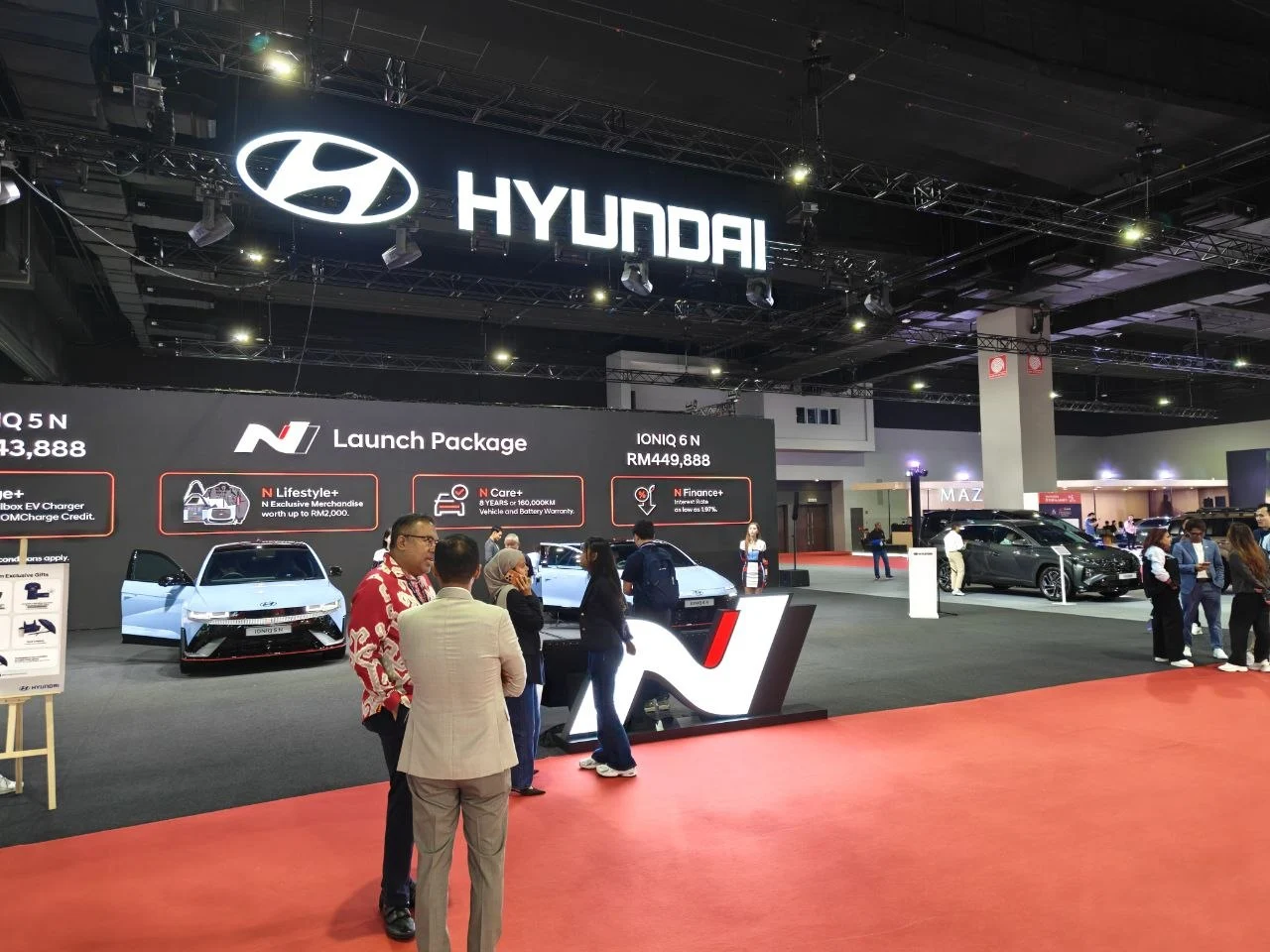
Hyundai's presence at KLIMS 2026 carries a narrative that is as much about corporate restructuring as it is about sheet metal. For years, the Korean marque navigated the Malaysian market through Hyundai-Sime Darby Motors, leveraging an assembly partnership at Inokom in Kulim that dates back to 2004. That industrial footprint remains relevant, but the narrative shifted in 2025 when Hyundai Motor Company established Hyundai Motor Malaysia as a direct local entity. The move signals an attempt to tighten pricing authority, brand messaging and after-sales consistency in a market where Chinese rivals have moved rapidly from novelty to volume.
The direct-entity model does not erase the Sime Motors relationship overnight, nor does it dismantle the Inokom assembly line. Instead, it creates a layered operational structure that Hyundai can use to align its global electrification push with local market needs. For Malaysian consumers, the practical implication is a clearer channel for product planning and warranty accountability at a time when new-energy buyers are increasingly sensitive to long-term service support.
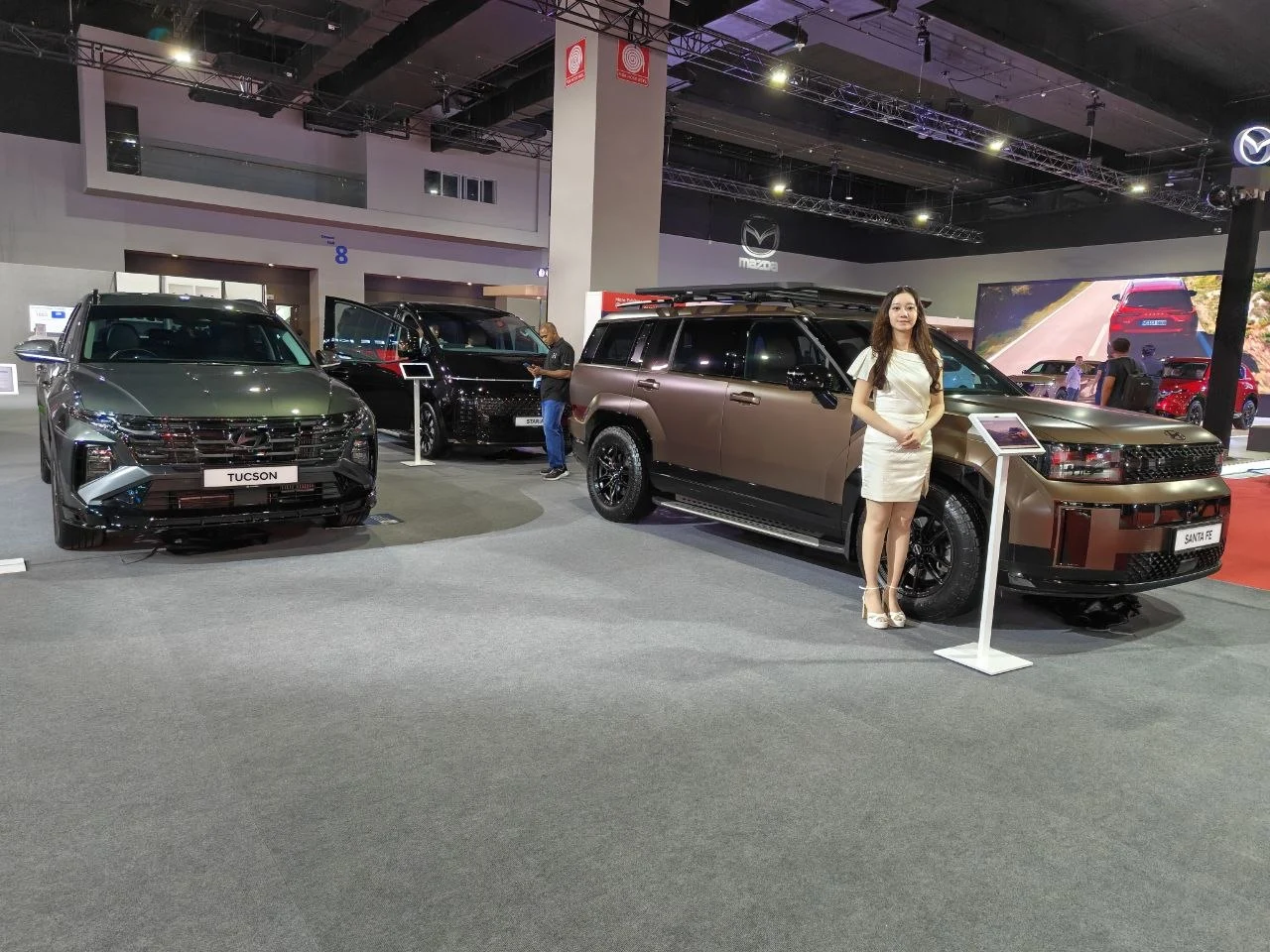
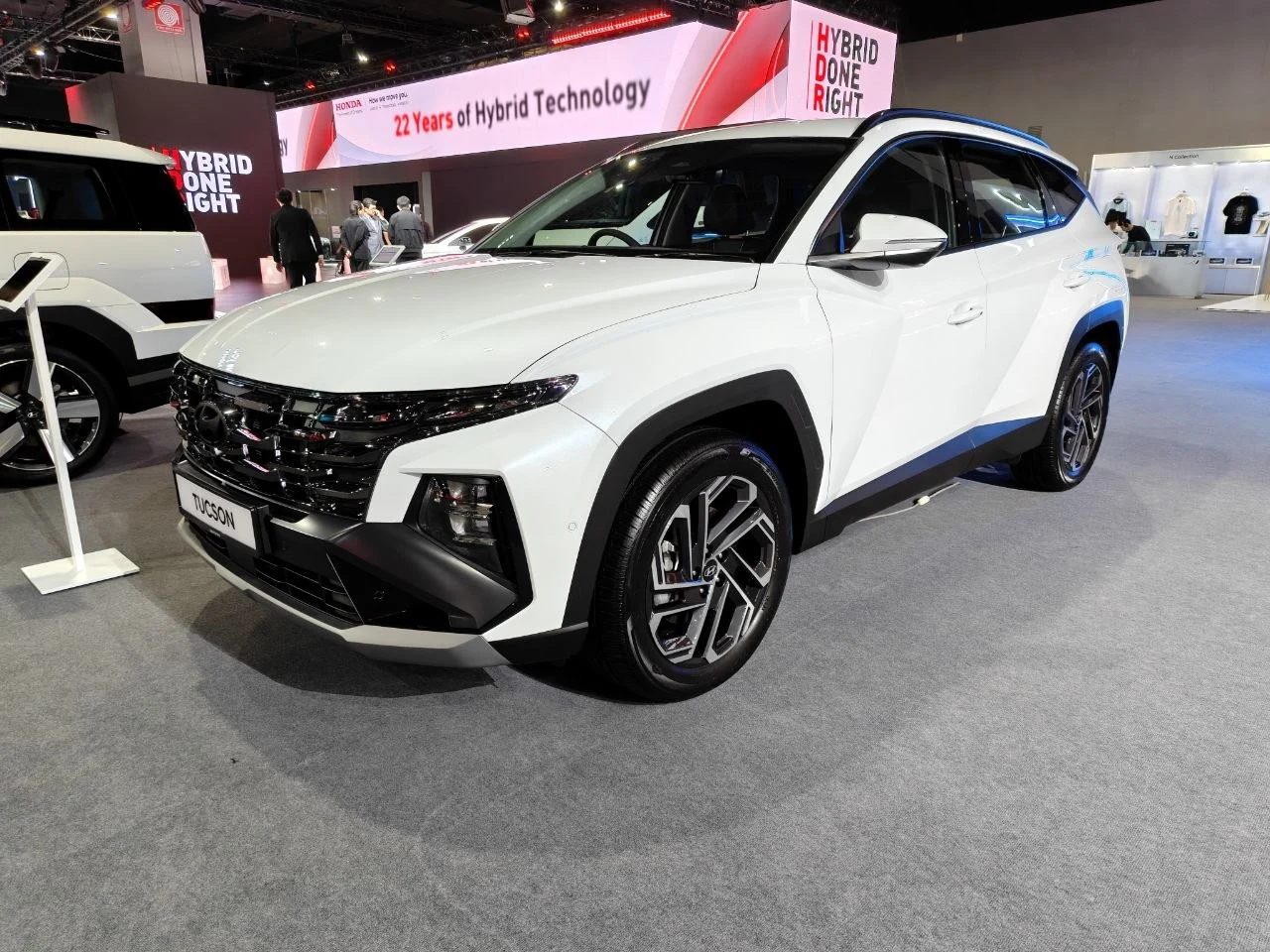
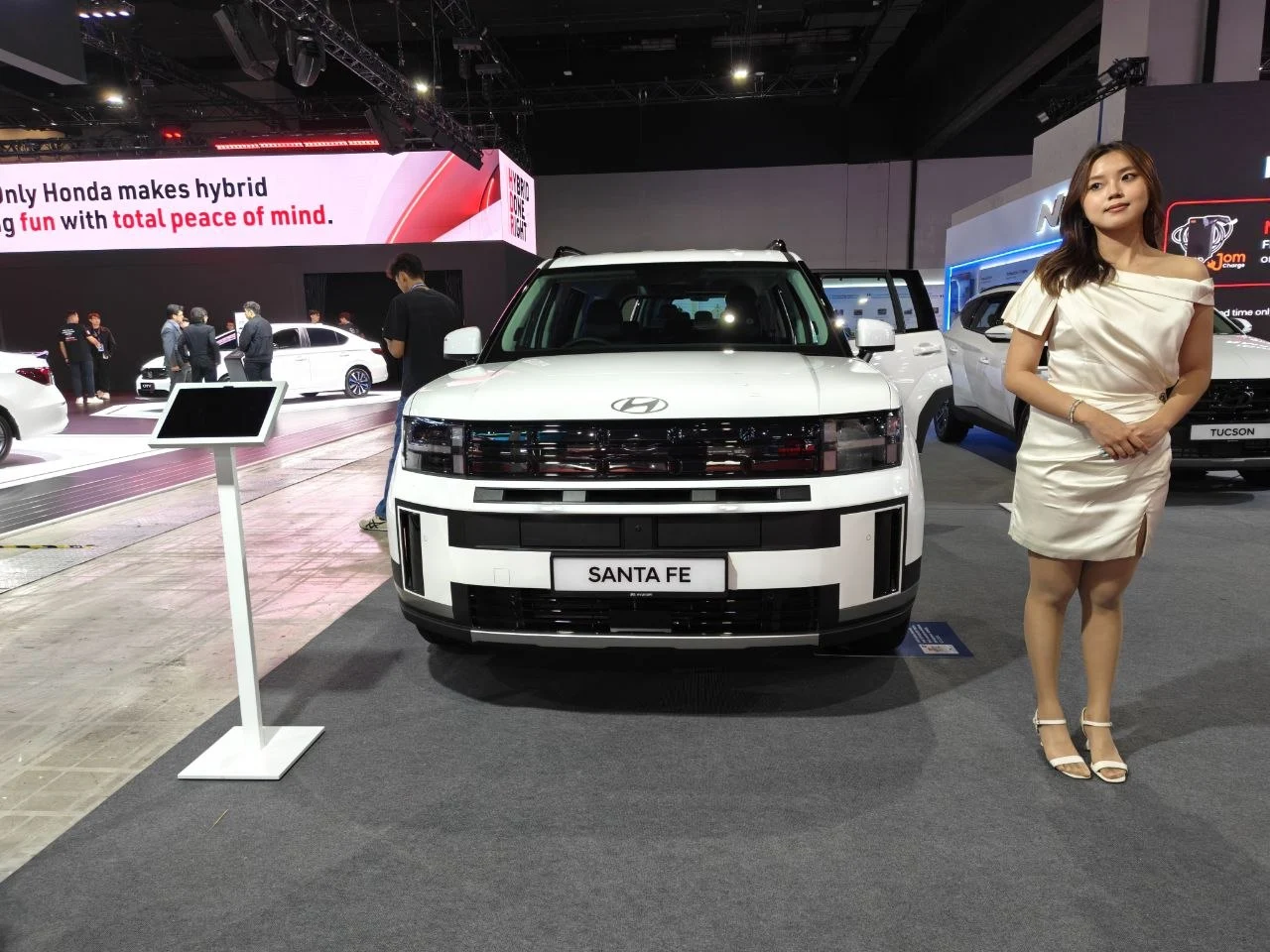
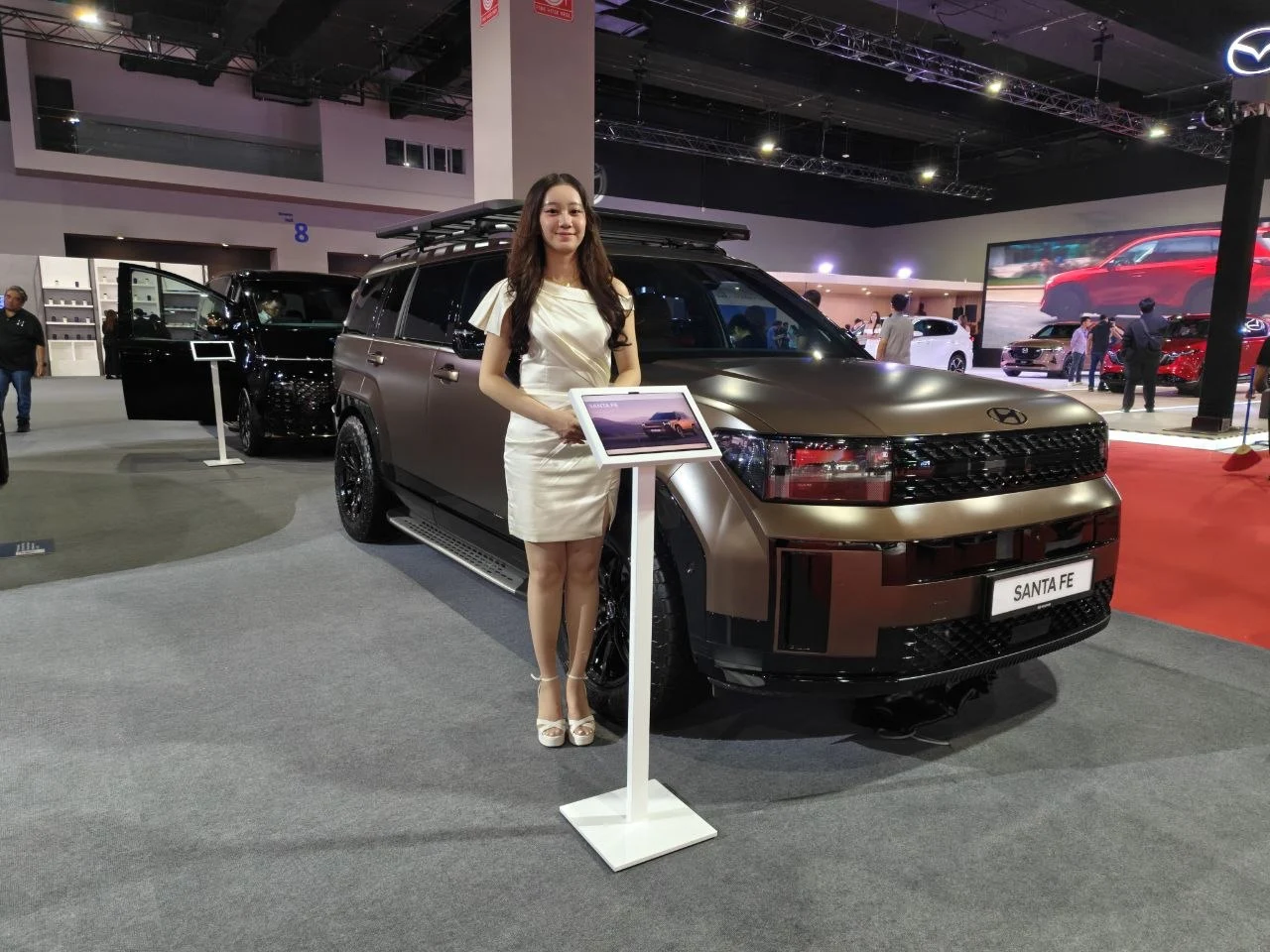
Amid the brand reset, product plans for 2026 point toward a reinforced commitment to local assembly. Hyundai is expected to pursue CKD programs for core SUVs such as the Tucson and Santa Fe, building on the existing Inokom relationship rather than starting from scratch. This matters because Malaysia’s mainstream family segment remains fiercely contested by Japanese stalwarts and increasingly aggressive Chinese crossovers. A locally assembled Tucson, in particular, could tighten Hyundai’s cost structure and place it back in the consideration set for mid-size SUV buyers who might otherwise default to Honda, Toyota or BYD’s growing showroom network.
The CKD angle also addresses a lingering consumer concern about parts availability and resale value for non-Japanese mainstream brands. By assembling in Kulim, Hyundai maintains a supply-chain anchor that should reassure fleet buyers and family users alike. It is a pragmatic route to competitiveness that does not rely on headline-grabbing subsidies or imported luxury positioning.
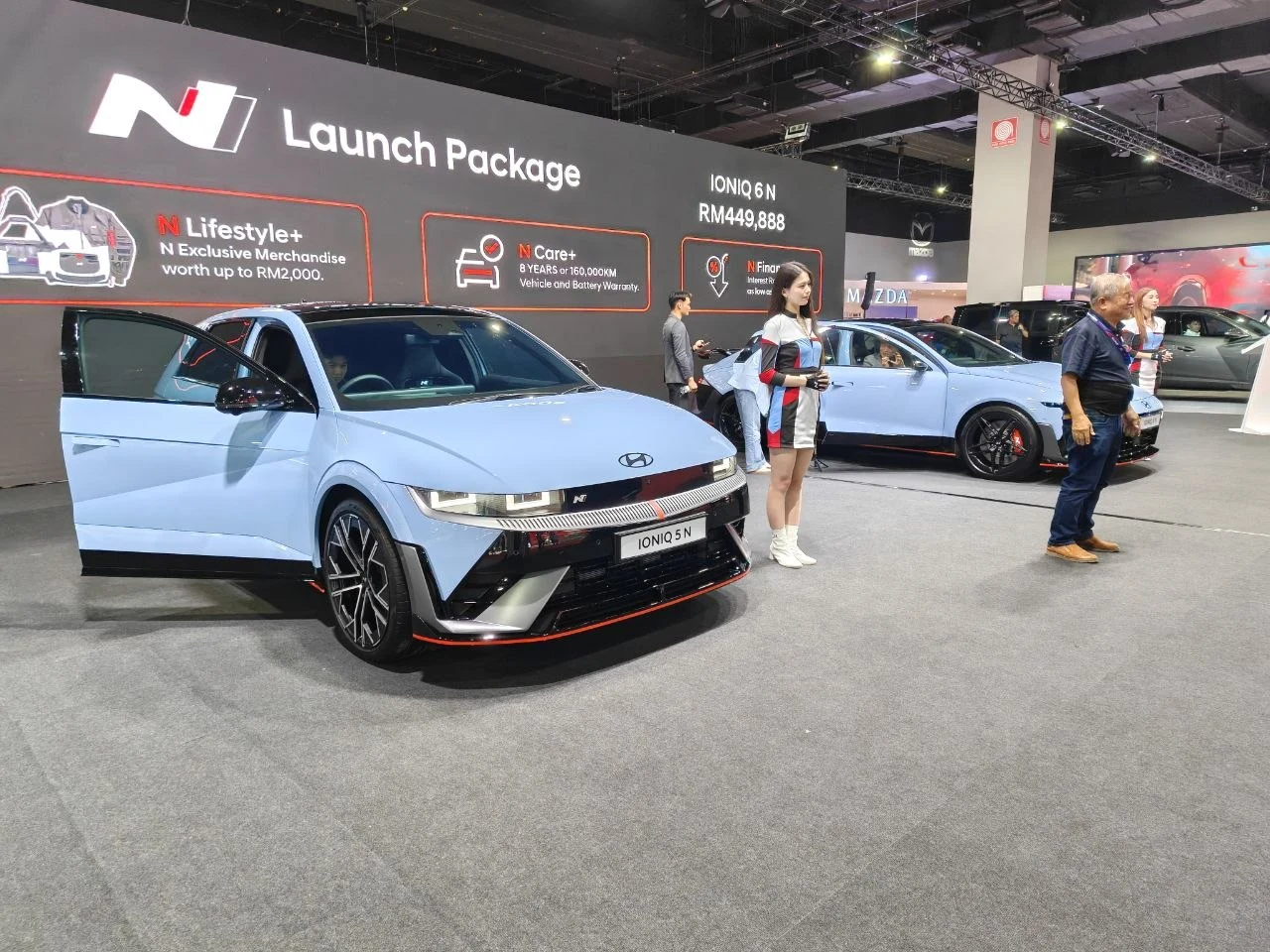
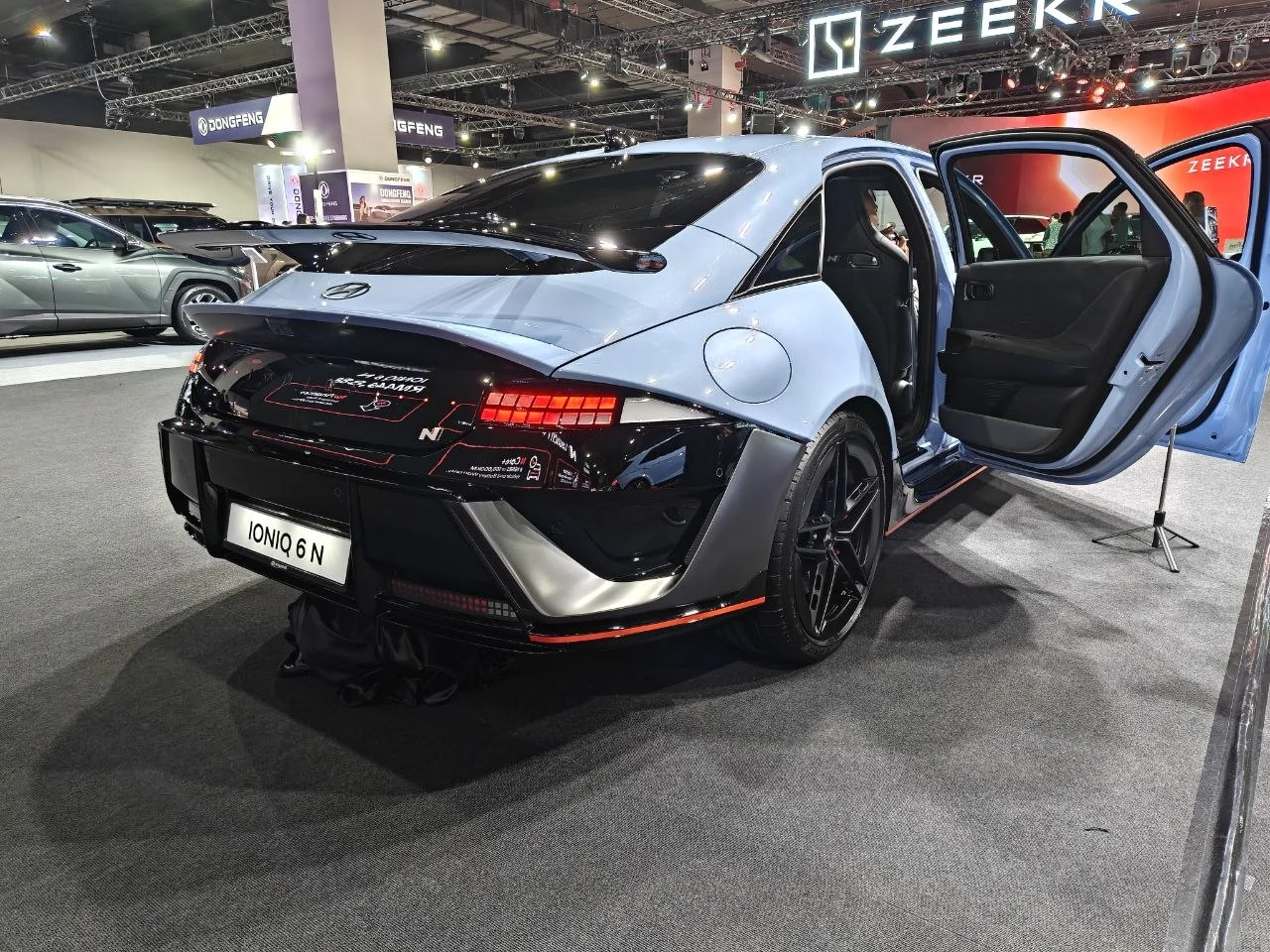
Where Hyundai seeks clear differentiation is in the electrified performance space. The anticipated arrival of the IONIQ 5 N and IONIQ 6 N gives the brand a legitimate track-to-road story that few competitors in Malaysia can match at this scale. While Chinese manufacturers dominate the mainstream battery-electric conversation with value-led propositions, Hyundai’s N division offers a driver-focused counterpoint aimed at enthusiasts who want EV acceleration without abandoning chassis dynamics.
The halo effect of the N badge extends beyond the performance niche. It reframes Hyundai from a sensible mainstream choice into a brand with engineering ambition, which is precisely the perception lift needed when showroom traffic is increasingly drawn to Chinese EVs with bold design and rapid feature cycles. Whether these models sell in large numbers matters less than the statement they make about Hyundai’s technical direction.
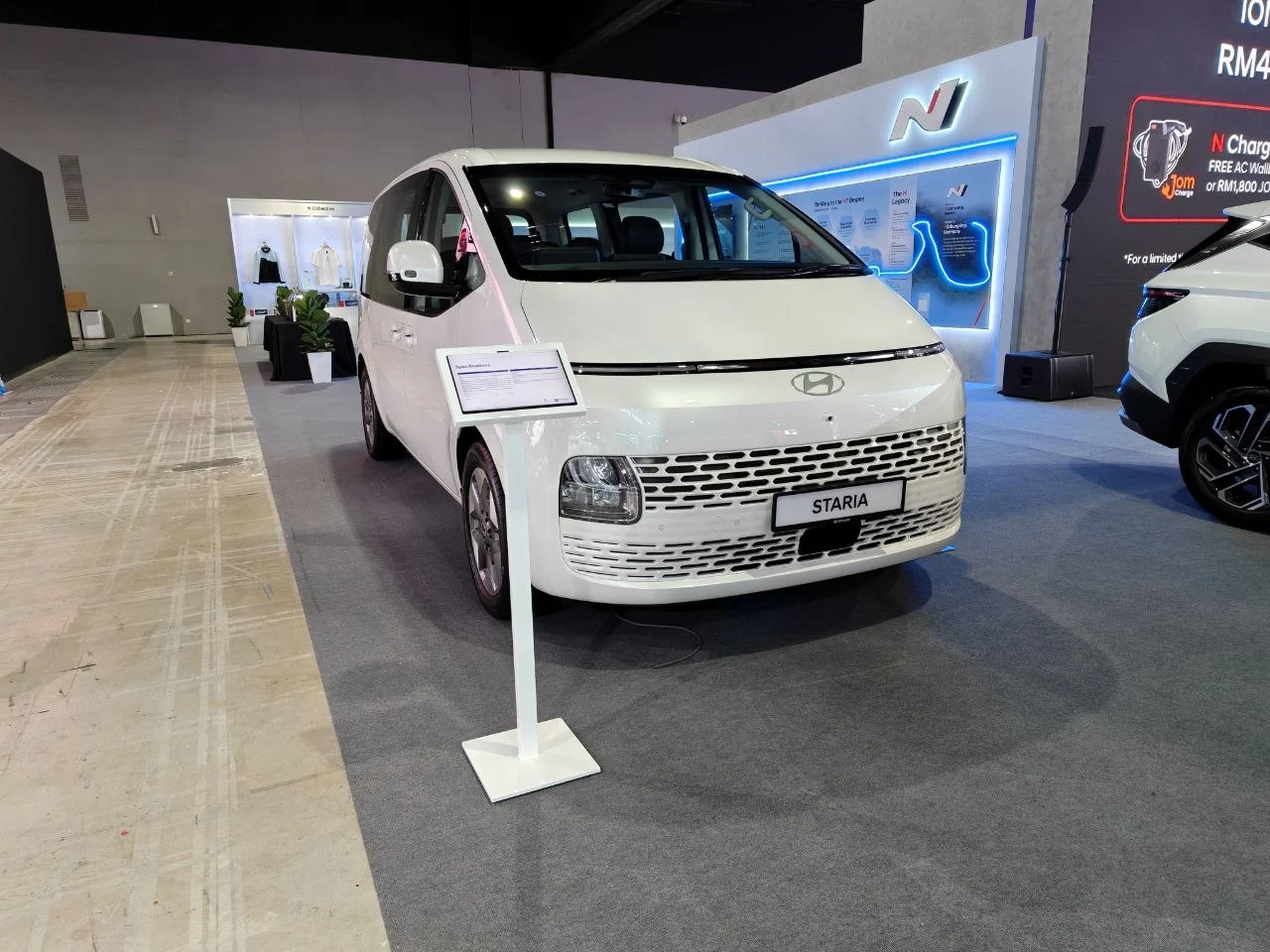
Beyond electrification, Hyundai’s 2026 pipeline reportedly includes a seven-seat B-MPV aimed at the Malaysian family buyer. This would complement an existing range that already spans the Kona, Tucson, Santa Fe and Palisade, giving the brand coverage from compact crossovers to large SUVs. In a market where multi-generational households often dictate purchase decisions, a practical people-mover with Hyundai’s current design language could carve space between budget MPVs and premium three-row SUVs.
The challenge for Hyundai at KLIMS 2026 is not simply to announce cars, but to convince Malaysian consumers that a legacy global brand can pivot quickly enough to match the feature sets, charging ecosystems and price positioning now set by Chinese EV leaders. The direct entity, the CKD push and the N-brand halo form a coherent three-part answer. Execution will determine whether Hyundai reclaims mainstream relevance or remains a respected but peripheral player in Malaysia’s new-energy transition.

Your go-to source for all things automotive in Malaysia. 🚗 Latest reviews, breaking news, launches & industry trends.
+ Follow Kereta Rally Karamjit Singh & Proton Wira Schumacher Ada Sini! | HME Asia 2026
Hujung minggu dah tiba dan anda mencari sesuatu untuk cuci mata? Jemput datang ke Heritage Motor Exchange Asia 2026 yang berlangsung di Dewal Merdeka, World Trade Centre (WTC) Kuala Lumpur!
Berbeza dengan pameran biasa, acara ini memberi tumpuan khas kepada kenderaan-kenderaan warisan dan klasik yang menggamit memori. Antara daya tarikan utama yang dipamerkan termasuk:
🏎️ Kereta Rally Legenda: Kereta rally ikonik yang pernah dipandu oleh pemandu legenda negara, Karamjit Singh!
🏎️ Proton Wira Schumacher: Model Proton Wira penuh sejarah yang pernah dipandu oleh pelumba F1 legenda, Michael Schumacher!
🚘 Kereta Klasik & Mewah: Mercedes-Benz W111 Cabriolet (1960-an), Rolls-Royce Silver Cloud, Jaguar E-Type, dan pelbagai lagi model berprestasi tinggi.
Membawa tema "When Passion Meets Acquisition", pameran ini menghimpunkan lebih 50 buah kereta daripada pelbagai era. Ia turut memperkenalkan sistem penilaian Concours 100 mata serta kemudahan urusan pemeriksaan, insurans, dan cukai jalan bersama agensi seperti Puspakom dan JPJ di lokasi.
📅 Tarikh: 23 – 25 Oktober 2026
📍 Lokasi: Dewan Merdeka, WTC Kuala Lumpur
Tonton video ini sampai habis untuk lihat sendiri kehebatan jentera-jentera klasik ini! Jangan lupa untuk Like, Comment, dan Subscribe ke saluran BitAuto!
#HeritageMotorExchange #HMEAsia2026 #BitAuto #WTCKL #KeretaKlasik 1 day ago
Kereta Rally Karamjit Singh & Proton Wira Schumacher Ada Sini! | HME Asia 2026
Hujung minggu dah tiba dan anda mencari sesuatu untuk cuci mata? Jemput datang ke Heritage Motor Exchange Asia 2026 yang berlangsung di Dewal Merdeka, World Trade Centre (WTC) Kuala Lumpur!
Berbeza dengan pameran biasa, acara ini memberi tumpuan khas kepada kenderaan-kenderaan warisan dan klasik yang menggamit memori. Antara daya tarikan utama yang dipamerkan termasuk:
🏎️ Kereta Rally Legenda: Kereta rally ikonik yang pernah dipandu oleh pemandu legenda negara, Karamjit Singh!
🏎️ Proton Wira Schumacher: Model Proton Wira penuh sejarah yang pernah dipandu oleh pelumba F1 legenda, Michael Schumacher!
🚘 Kereta Klasik & Mewah: Mercedes-Benz W111 Cabriolet (1960-an), Rolls-Royce Silver Cloud, Jaguar E-Type, dan pelbagai lagi model berprestasi tinggi.
Membawa tema "When Passion Meets Acquisition", pameran ini menghimpunkan lebih 50 buah kereta daripada pelbagai era. Ia turut memperkenalkan sistem penilaian Concours 100 mata serta kemudahan urusan pemeriksaan, insurans, dan cukai jalan bersama agensi seperti Puspakom dan JPJ di lokasi.
📅 Tarikh: 23 – 25 Oktober 2026
📍 Lokasi: Dewan Merdeka, WTC Kuala Lumpur
Tonton video ini sampai habis untuk lihat sendiri kehebatan jentera-jentera klasik ini! Jangan lupa untuk Like, Comment, dan Subscribe ke saluran BitAuto!
#HeritageMotorExchange #HMEAsia2026 #BitAuto #WTCKL #KeretaKlasik 1 day ago  Rare cars, legendary icons and automotive dreams come alive at Heritage Motor Exchange Asia!
#HMEA #HeritageMotorExchangeAsia #ClassicCars #Supercars #CarCulture #MalaysiaCars 1 day ago
Rare cars, legendary icons and automotive dreams come alive at Heritage Motor Exchange Asia!
#HMEA #HeritageMotorExchangeAsia #ClassicCars #Supercars #CarCulture #MalaysiaCars 1 day ago  Waze could be banned?
IT seems like the Malaysian government may look into banning Waze, but only when local alternatives are ready. 1 day ago
Waze could be banned?
IT seems like the Malaysian government may look into banning Waze, but only when local alternatives are ready. 1 day ago Get the latest car news first!
Your go-to source for all things automotive in Malaysia. 🚗 Latest reviews, breaking news, launches & industry trends.
Kereta Rally Karamjit Singh & Proton Wira Schumacher Ada Sini! | HME Asia 2026
Hujung minggu dah tiba dan anda mencari sesuatu untuk cuci mata? Jemput datang ke Heritage Motor Exchange Asia 2026 yang berlangsung di Dewal Merdeka, World Trade Centre (WTC) Kuala Lumpur!
Berbeza dengan pameran biasa, acara ini memberi tumpuan khas kepada kenderaan-kenderaan warisan dan klasik yang menggamit memori. Antara daya tarikan utama yang dipamerkan termasuk:
🏎️ Kereta Rally Legenda: Kereta rally ikonik yang pernah dipandu oleh pemandu legenda negara, Karamjit Singh!
🏎️ Proton Wira Schumacher: Model Proton Wira penuh sejarah yang pernah dipandu oleh pelumba F1 legenda, Michael Schumacher!
🚘 Kereta Klasik & Mewah: Mercedes-Benz W111 Cabriolet (1960-an), Rolls-Royce Silver Cloud, Jaguar E-Type, dan pelbagai lagi model berprestasi tinggi.
Membawa tema "When Passion Meets Acquisition", pameran ini menghimpunkan lebih 50 buah kereta daripada pelbagai era. Ia turut memperkenalkan sistem penilaian Concours 100 mata serta kemudahan urusan pemeriksaan, insurans, dan cukai jalan bersama agensi seperti Puspakom dan JPJ di lokasi.
📅 Tarikh: 23 – 25 Oktober 2026
📍 Lokasi: Dewan Merdeka, WTC Kuala Lumpur
Tonton video ini sampai habis untuk lihat sendiri kehebatan jentera-jentera klasik ini! Jangan lupa untuk Like, Comment, dan Subscribe ke saluran BitAuto!
#HeritageMotorExchange #HMEAsia2026 #BitAuto #WTCKL #KeretaKlasik 1 day ago Rare cars, legendary icons and automotive dreams come alive at Heritage Motor Exchange Asia!
#HMEA #HeritageMotorExchangeAsia #ClassicCars #Supercars #CarCulture #MalaysiaCars 1 day ago Waze could be banned?
IT seems like the Malaysian government may look into banning Waze, but only when local alternatives are ready. 1 day ago © 2024 Bitauto.com. All Rights Reserved.
Bitauto (www.yiche.com and www.bitauto.com) is one of the most visited automotive websites in China. We provide detailed info on Chinese car brands available in your area. Please note that the information provided on this website is based on publicly available data and is for reference only. It may not be fully updated or accurate at all times.

Help us improve our website


