
Search History
Popular Searches
English
Dealer Login / Sign Up
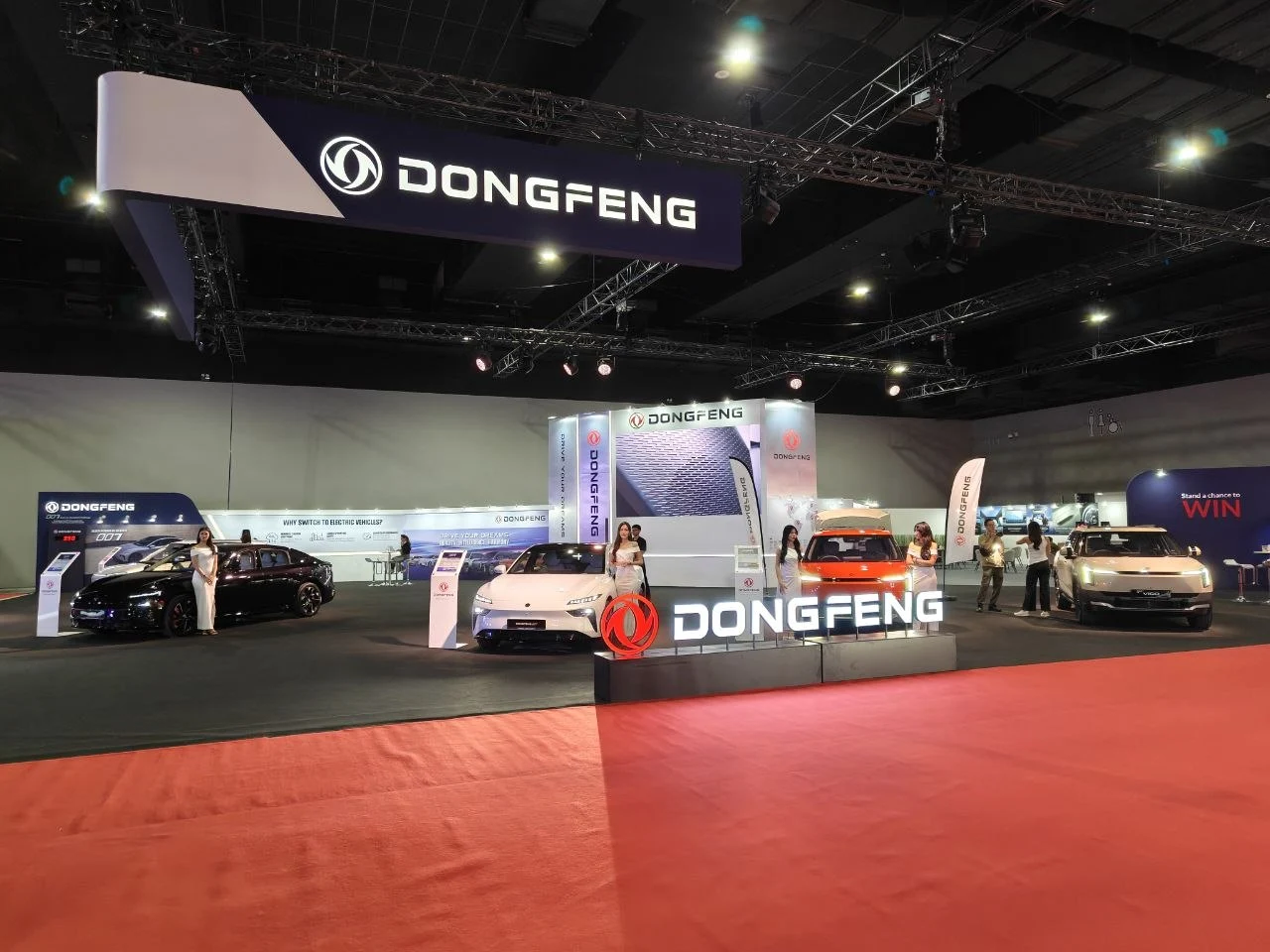
Dongfeng’s presence at KLIMS 2026 carries a different weight than that of a brand still debating its first market entry. Only months after the local launch of the 007 and Vigo, the company returns to Kuala Lumpur with a stand that mixes showroom reality with future ambition. That timing is not accidental. In a Malaysian EV landscape where consumer patience is thinning for vaporware announcements, Dongfeng is using the show to remind audiences that its cars are already on sale, serviced, and warrantied through local partners Volt Auto and Central Auto Distributors Berhad.
The February 2026 launch of the 007 and Vigo effectively skipped the prolonged teaser phase that defines so many new-energy entrants. By doing so, Dongfeng traded early hype for transactional credibility. Buyers could walk into a dealership, arrange financing, and take delivery rather than place a reservation and wait for homologation clarity. That approach aligns with the expectations of Malaysian consumers who have watched too many brands promise affordability only to revise pricing after customs duties and shipping costs intervened.
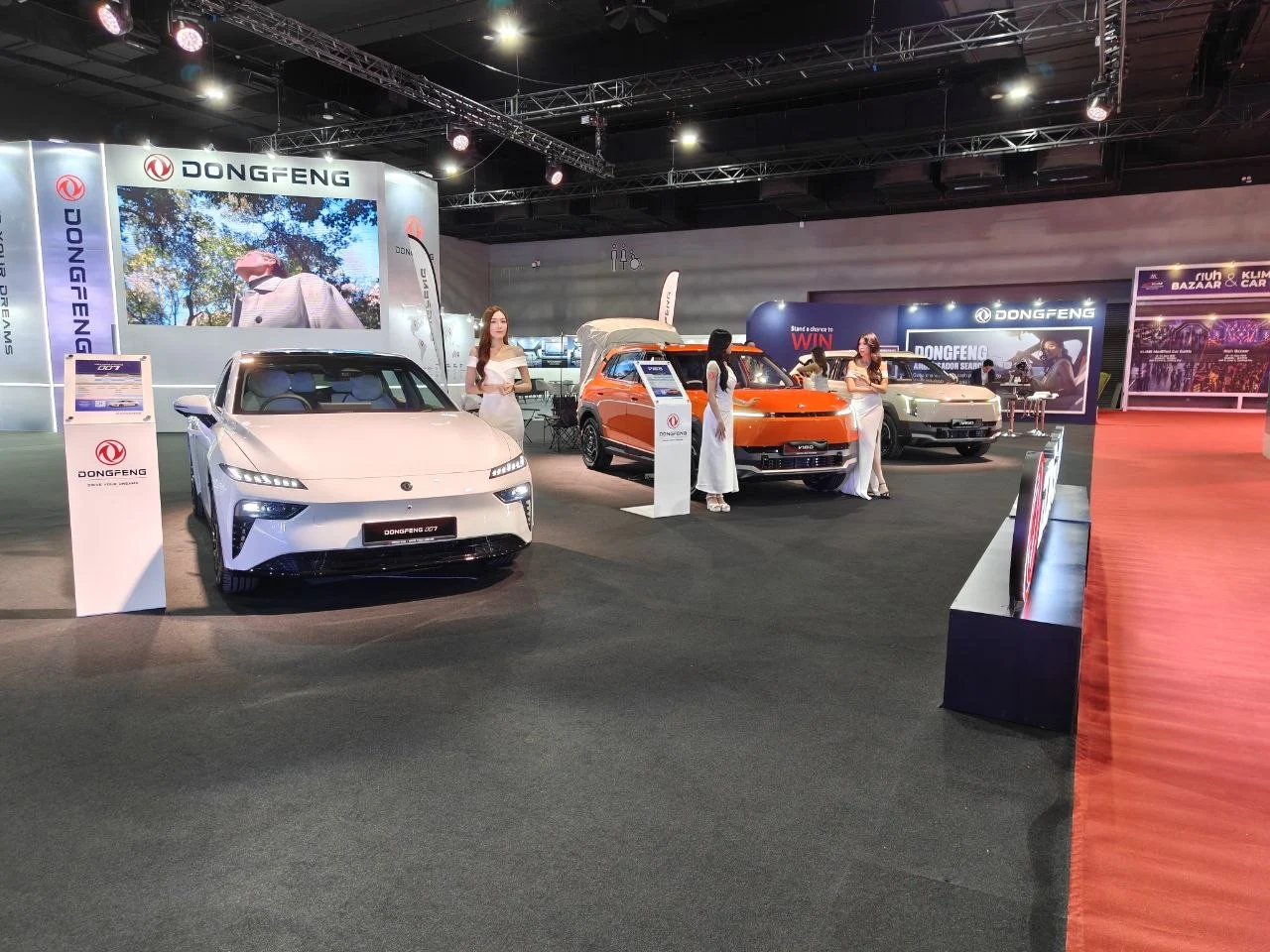
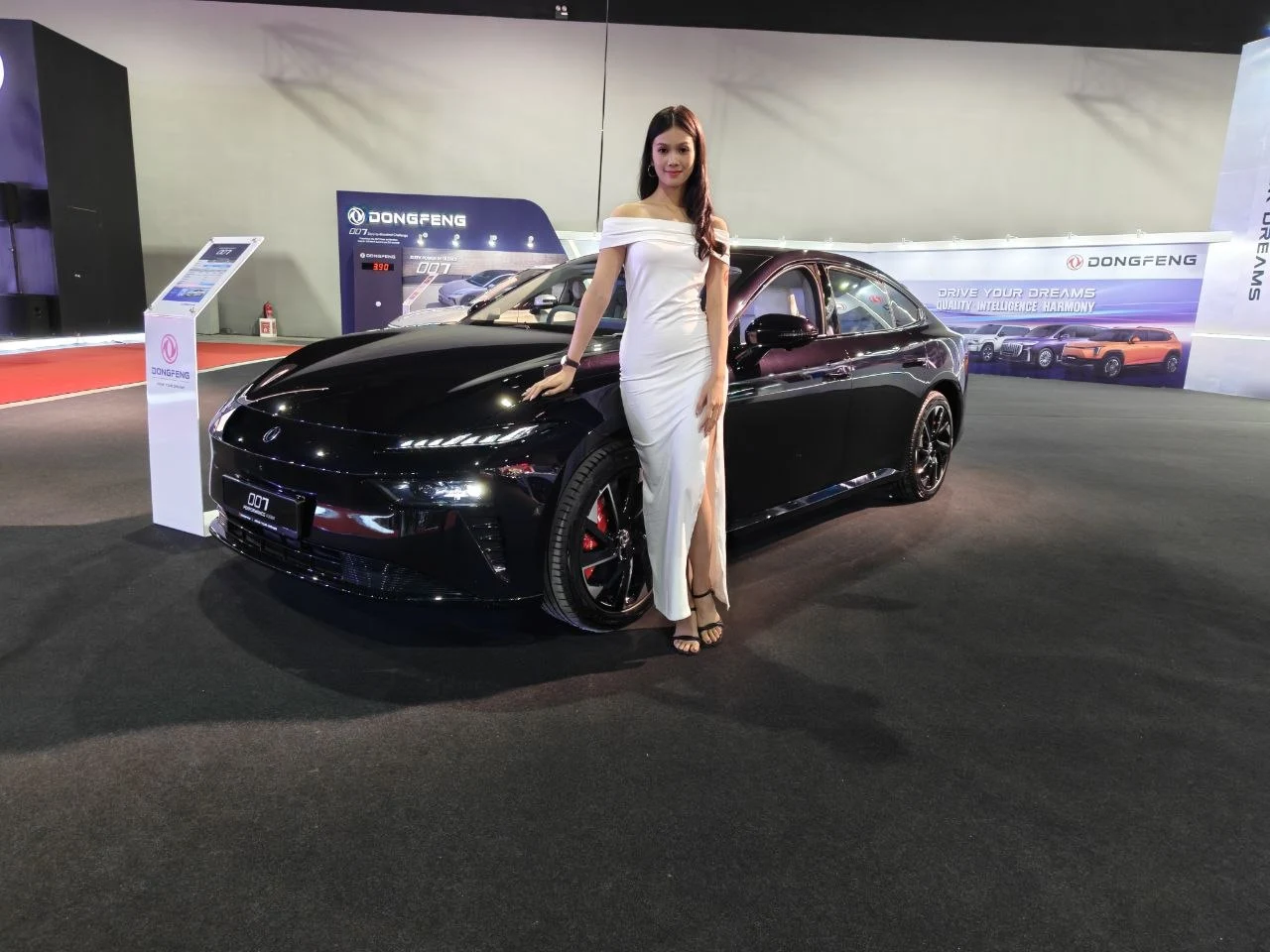
The 007 enters the D-segment electric fastback space with both rear- and all-wheel-drive variants, placing it in direct conversation with the BYD Seal, Xpeng G6, and Tesla Model 3. Rather than leaning on raw acceleration claims, Dongfeng appears to be pitching dimensional generosity and powertrain choice as its primary attractions. Malaysian sedan buyers migrating from established internal-combustion nameplates tend to prioritize rear-seat space, highway stability, and after-sales assurance over single-figure sprint times. The 007’s challenge is to prove that a newer Chinese badge can match the holistic ownership experience delivered by segment leaders without asking buyers to pay a brand premium.
Where the 007 must tread carefully is in the perception gap between imported EV hardware and long-term local support. Competitors like BYD have already begun CKD localization, while Tesla maintains its supercharger ecosystem and brand cachet. For Dongfeng, the 007 is therefore as much a statement of engineering intent as it is a test of whether its Malaysian distribution network can sustain the service expectations of a five-year ownership cycle.
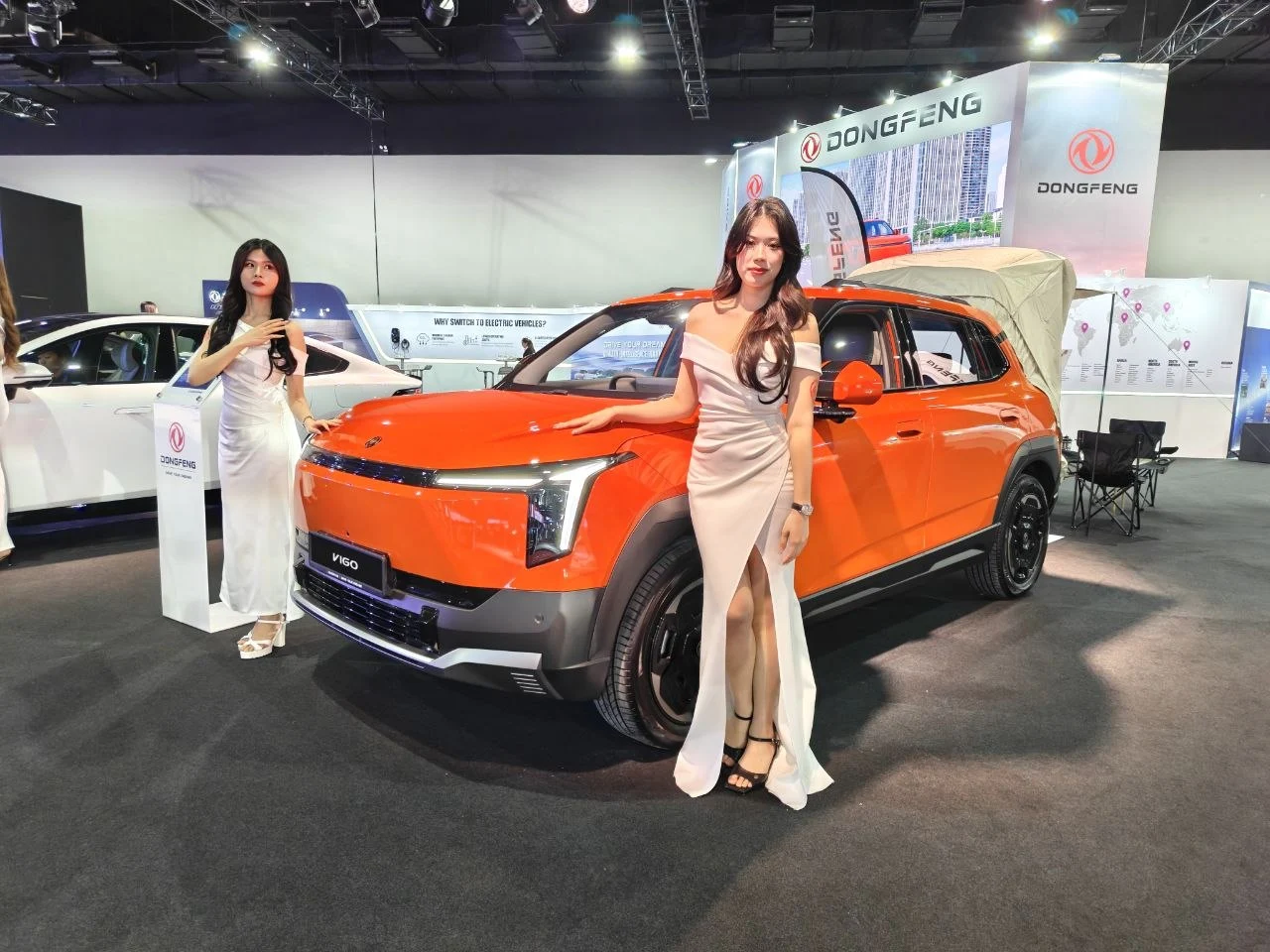
Below the flagship sedan, the Vigo carries the more commercially urgent brief of capturing the B-segment electric SUV buyer. Known as the Nammi 06 in China, the model lands in a Malaysian mainstream where the Proton e.MAS 5 and e.MAS 7 are redefining what a national-brand EV can offer, while the BYD Atto 3 and MG S5 EV continue to set the import standard. The Vigo’s proposition rests on packaging efficiency and urban maneuverability rather than legacy brand appeal. For households treating their first EV as a city runabout or a second family car, the Vigo occupies the practical middle ground where purchase risk needs to feel minimal.
The Vigo’s real test will be whether it can outrun the gravitational pull of Proton’s e.MAS range in the minds of price-sensitive buyers. Proton benefits from decades of service-network trust and financing familiarity. Dongfeng has no such heritage to leverage, which means the Vigo must compensate with tangible value, warranty transparency, and lower running costs. If it succeeds, it opens the door for Dongfeng to become a regular feature in Malaysian suburbia rather than a curiosity at auto shows.
KLIMS 2026 also serves as a preview stage for three models not yet counted in the Malaysian sales roster: the MHero II, Voyah Dream, and Dongfeng 008. Their appearance at the show is less about immediate conversion and more about signalling portfolio intent. The Voyah Dream suggests an eventual play in the premium electric MPV space, while the MHero II hints at a lifestyle-oriented, off-road-adjacent offering. Together, they indicate that Dongfeng is mapping Malaysia against its full global product spectrum rather than treating the market as a clearance outlet for two entry models.
For observant buyers, the presence of these previews answers a critical question about commitment. Brands that test multiple segments at a major auto show are typically preparing for a multi-year stay, not a quick volume grab. The transition from the 007 and Vigo to a broader range would give Dongfeng the portfolio density needed to survive the next wave of Chinese-brand consolidation that industry watchers expect across Southeast Asia.
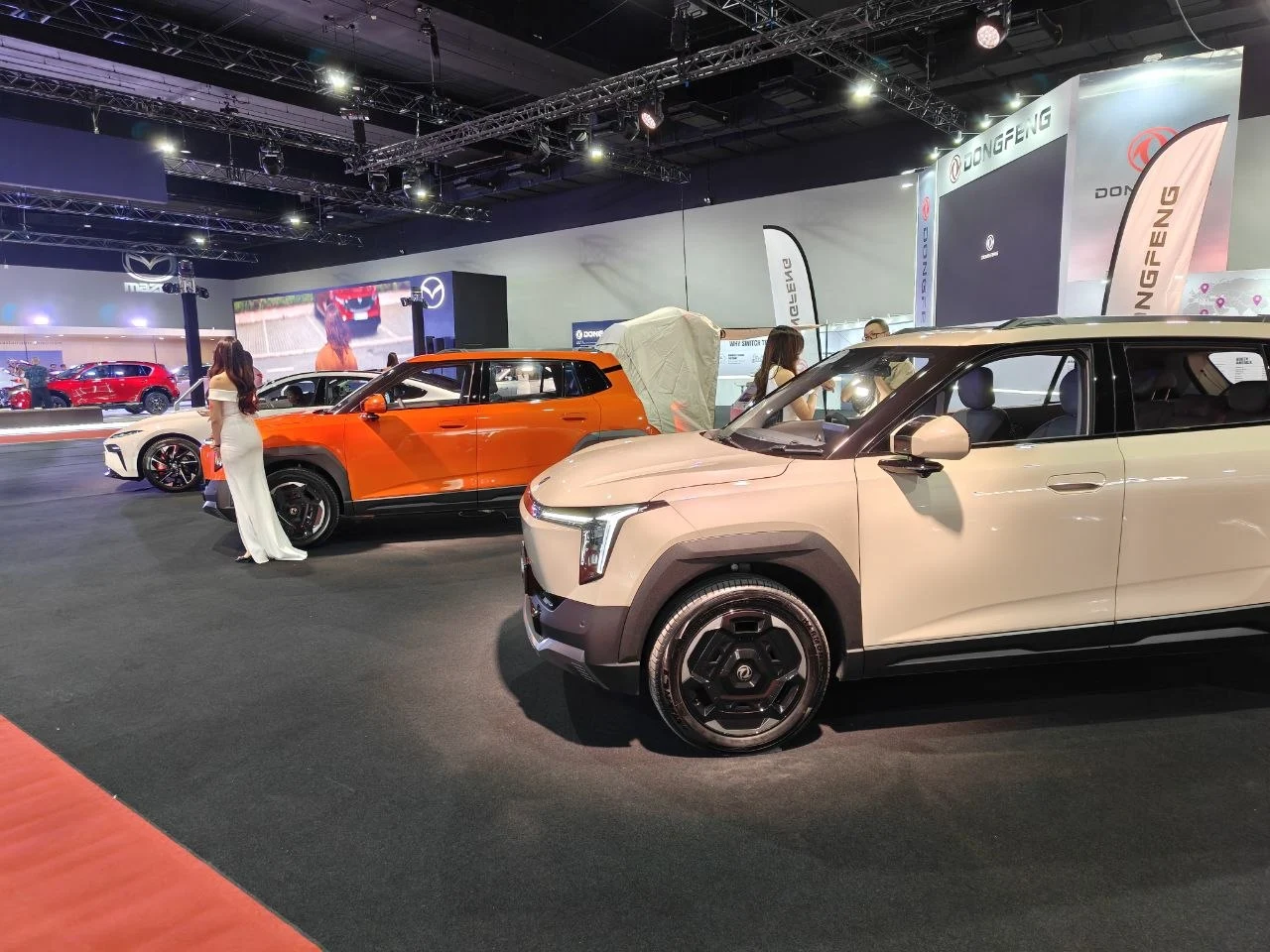
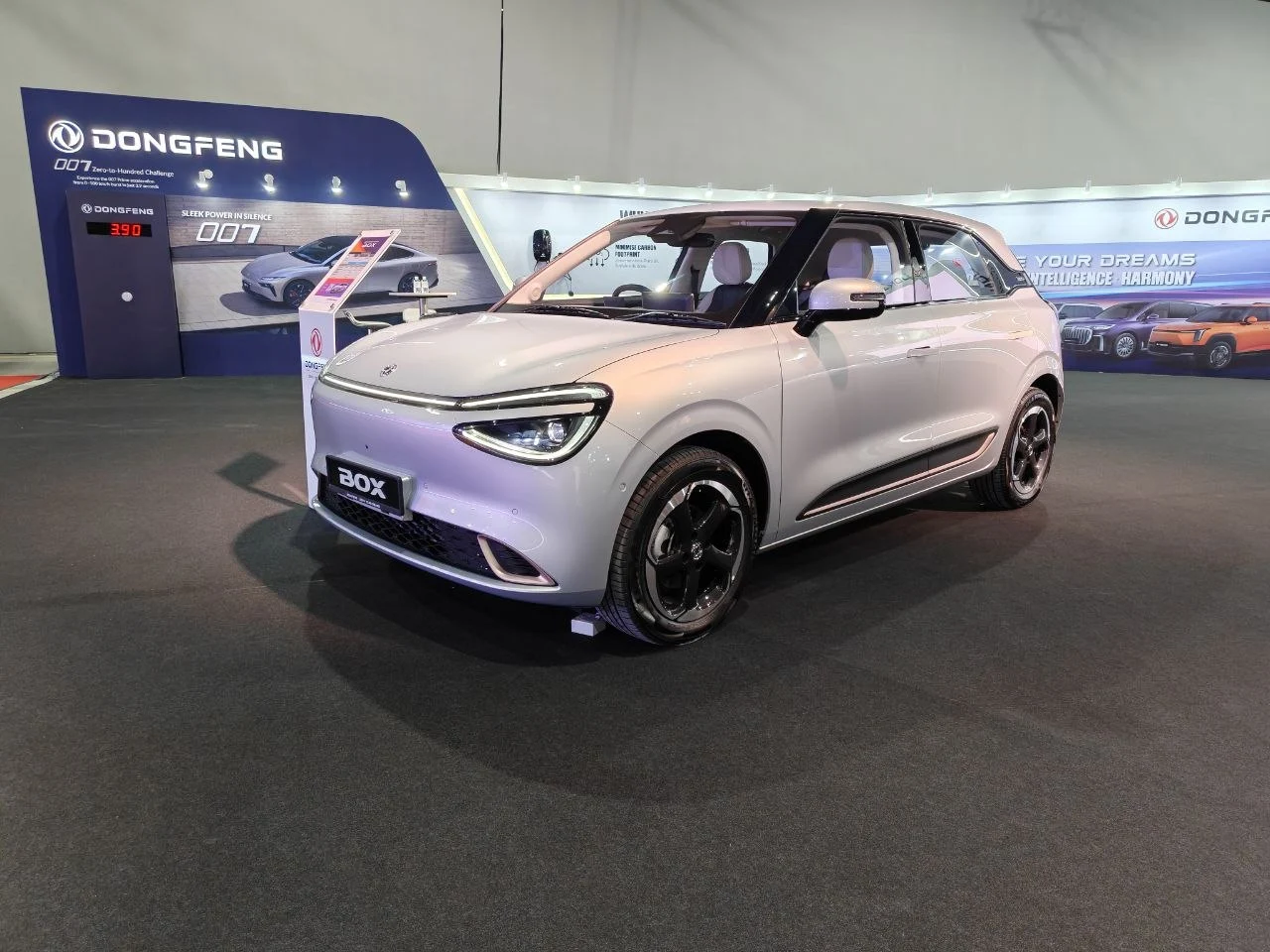
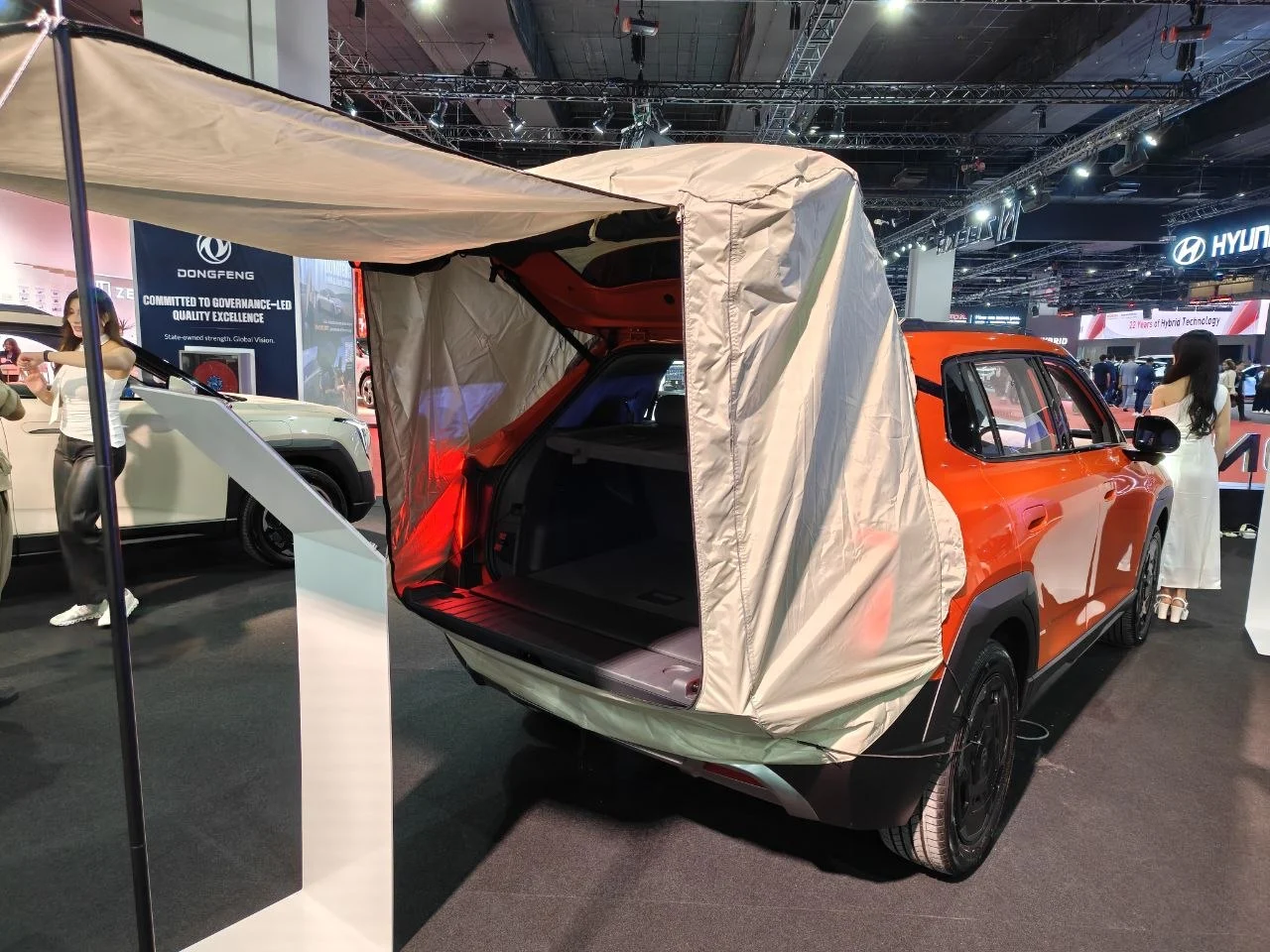
Reinforcing that long-term narrative is the reported exploration of local CKD assembly. In an environment where imported CBU electric vehicles face both tariff exposure and logistical lag, local assembly has shifted from a nice-to-have to a near-necessity for volume ambitions. Dongfeng’s study of Malaysian assembly, if executed, would place it alongside BYD and GWM in the localized-production tier and materially alter its cost structure. Until then, the brand’s KLIMS presence is a credible down payment on future relevance, provided the partnership with Volt Auto and CADB continues to deepen service coverage beyond the Klang Valley. The cars are here. The infrastructure is building. The remaining variable is whether Malaysian buyers will add Dongfeng to their shortlist before the next brand does.

Your go-to source for all things automotive in Malaysia. 🚗 Latest reviews, breaking news, launches & industry trends.
+ Follow Kereta Rally Karamjit Singh & Proton Wira Schumacher Ada Sini! | HME Asia 2026
Hujung minggu dah tiba dan anda mencari sesuatu untuk cuci mata? Jemput datang ke Heritage Motor Exchange Asia 2026 yang berlangsung di Dewal Merdeka, World Trade Centre (WTC) Kuala Lumpur!
Berbeza dengan pameran biasa, acara ini memberi tumpuan khas kepada kenderaan-kenderaan warisan dan klasik yang menggamit memori. Antara daya tarikan utama yang dipamerkan termasuk:
🏎️ Kereta Rally Legenda: Kereta rally ikonik yang pernah dipandu oleh pemandu legenda negara, Karamjit Singh!
🏎️ Proton Wira Schumacher: Model Proton Wira penuh sejarah yang pernah dipandu oleh pelumba F1 legenda, Michael Schumacher!
🚘 Kereta Klasik & Mewah: Mercedes-Benz W111 Cabriolet (1960-an), Rolls-Royce Silver Cloud, Jaguar E-Type, dan pelbagai lagi model berprestasi tinggi.
Membawa tema "When Passion Meets Acquisition", pameran ini menghimpunkan lebih 50 buah kereta daripada pelbagai era. Ia turut memperkenalkan sistem penilaian Concours 100 mata serta kemudahan urusan pemeriksaan, insurans, dan cukai jalan bersama agensi seperti Puspakom dan JPJ di lokasi.
📅 Tarikh: 23 – 25 Oktober 2026
📍 Lokasi: Dewan Merdeka, WTC Kuala Lumpur
Tonton video ini sampai habis untuk lihat sendiri kehebatan jentera-jentera klasik ini! Jangan lupa untuk Like, Comment, dan Subscribe ke saluran BitAuto!
#HeritageMotorExchange #HMEAsia2026 #BitAuto #WTCKL #KeretaKlasik 1 day ago
Kereta Rally Karamjit Singh & Proton Wira Schumacher Ada Sini! | HME Asia 2026
Hujung minggu dah tiba dan anda mencari sesuatu untuk cuci mata? Jemput datang ke Heritage Motor Exchange Asia 2026 yang berlangsung di Dewal Merdeka, World Trade Centre (WTC) Kuala Lumpur!
Berbeza dengan pameran biasa, acara ini memberi tumpuan khas kepada kenderaan-kenderaan warisan dan klasik yang menggamit memori. Antara daya tarikan utama yang dipamerkan termasuk:
🏎️ Kereta Rally Legenda: Kereta rally ikonik yang pernah dipandu oleh pemandu legenda negara, Karamjit Singh!
🏎️ Proton Wira Schumacher: Model Proton Wira penuh sejarah yang pernah dipandu oleh pelumba F1 legenda, Michael Schumacher!
🚘 Kereta Klasik & Mewah: Mercedes-Benz W111 Cabriolet (1960-an), Rolls-Royce Silver Cloud, Jaguar E-Type, dan pelbagai lagi model berprestasi tinggi.
Membawa tema "When Passion Meets Acquisition", pameran ini menghimpunkan lebih 50 buah kereta daripada pelbagai era. Ia turut memperkenalkan sistem penilaian Concours 100 mata serta kemudahan urusan pemeriksaan, insurans, dan cukai jalan bersama agensi seperti Puspakom dan JPJ di lokasi.
📅 Tarikh: 23 – 25 Oktober 2026
📍 Lokasi: Dewan Merdeka, WTC Kuala Lumpur
Tonton video ini sampai habis untuk lihat sendiri kehebatan jentera-jentera klasik ini! Jangan lupa untuk Like, Comment, dan Subscribe ke saluran BitAuto!
#HeritageMotorExchange #HMEAsia2026 #BitAuto #WTCKL #KeretaKlasik 1 day ago  Rare cars, legendary icons and automotive dreams come alive at Heritage Motor Exchange Asia!
#HMEA #HeritageMotorExchangeAsia #ClassicCars #Supercars #CarCulture #MalaysiaCars 1 day ago
Rare cars, legendary icons and automotive dreams come alive at Heritage Motor Exchange Asia!
#HMEA #HeritageMotorExchangeAsia #ClassicCars #Supercars #CarCulture #MalaysiaCars 1 day ago  Waze could be banned?
IT seems like the Malaysian government may look into banning Waze, but only when local alternatives are ready. 1 day ago
Waze could be banned?
IT seems like the Malaysian government may look into banning Waze, but only when local alternatives are ready. 1 day ago Get the latest car news first!
Your go-to source for all things automotive in Malaysia. 🚗 Latest reviews, breaking news, launches & industry trends.
Kereta Rally Karamjit Singh & Proton Wira Schumacher Ada Sini! | HME Asia 2026
Hujung minggu dah tiba dan anda mencari sesuatu untuk cuci mata? Jemput datang ke Heritage Motor Exchange Asia 2026 yang berlangsung di Dewal Merdeka, World Trade Centre (WTC) Kuala Lumpur!
Berbeza dengan pameran biasa, acara ini memberi tumpuan khas kepada kenderaan-kenderaan warisan dan klasik yang menggamit memori. Antara daya tarikan utama yang dipamerkan termasuk:
🏎️ Kereta Rally Legenda: Kereta rally ikonik yang pernah dipandu oleh pemandu legenda negara, Karamjit Singh!
🏎️ Proton Wira Schumacher: Model Proton Wira penuh sejarah yang pernah dipandu oleh pelumba F1 legenda, Michael Schumacher!
🚘 Kereta Klasik & Mewah: Mercedes-Benz W111 Cabriolet (1960-an), Rolls-Royce Silver Cloud, Jaguar E-Type, dan pelbagai lagi model berprestasi tinggi.
Membawa tema "When Passion Meets Acquisition", pameran ini menghimpunkan lebih 50 buah kereta daripada pelbagai era. Ia turut memperkenalkan sistem penilaian Concours 100 mata serta kemudahan urusan pemeriksaan, insurans, dan cukai jalan bersama agensi seperti Puspakom dan JPJ di lokasi.
📅 Tarikh: 23 – 25 Oktober 2026
📍 Lokasi: Dewan Merdeka, WTC Kuala Lumpur
Tonton video ini sampai habis untuk lihat sendiri kehebatan jentera-jentera klasik ini! Jangan lupa untuk Like, Comment, dan Subscribe ke saluran BitAuto!
#HeritageMotorExchange #HMEAsia2026 #BitAuto #WTCKL #KeretaKlasik 1 day ago Rare cars, legendary icons and automotive dreams come alive at Heritage Motor Exchange Asia!
#HMEA #HeritageMotorExchangeAsia #ClassicCars #Supercars #CarCulture #MalaysiaCars 1 day ago Waze could be banned?
IT seems like the Malaysian government may look into banning Waze, but only when local alternatives are ready. 1 day ago © 2024 Bitauto.com. All Rights Reserved.
Bitauto (www.yiche.com and www.bitauto.com) is one of the most visited automotive websites in China. We provide detailed info on Chinese car brands available in your area. Please note that the information provided on this website is based on publicly available data and is for reference only. It may not be fully updated or accurate at all times.

Help us improve our website


