
Search History
Popular Searches
English
Dealer Login / Sign Up
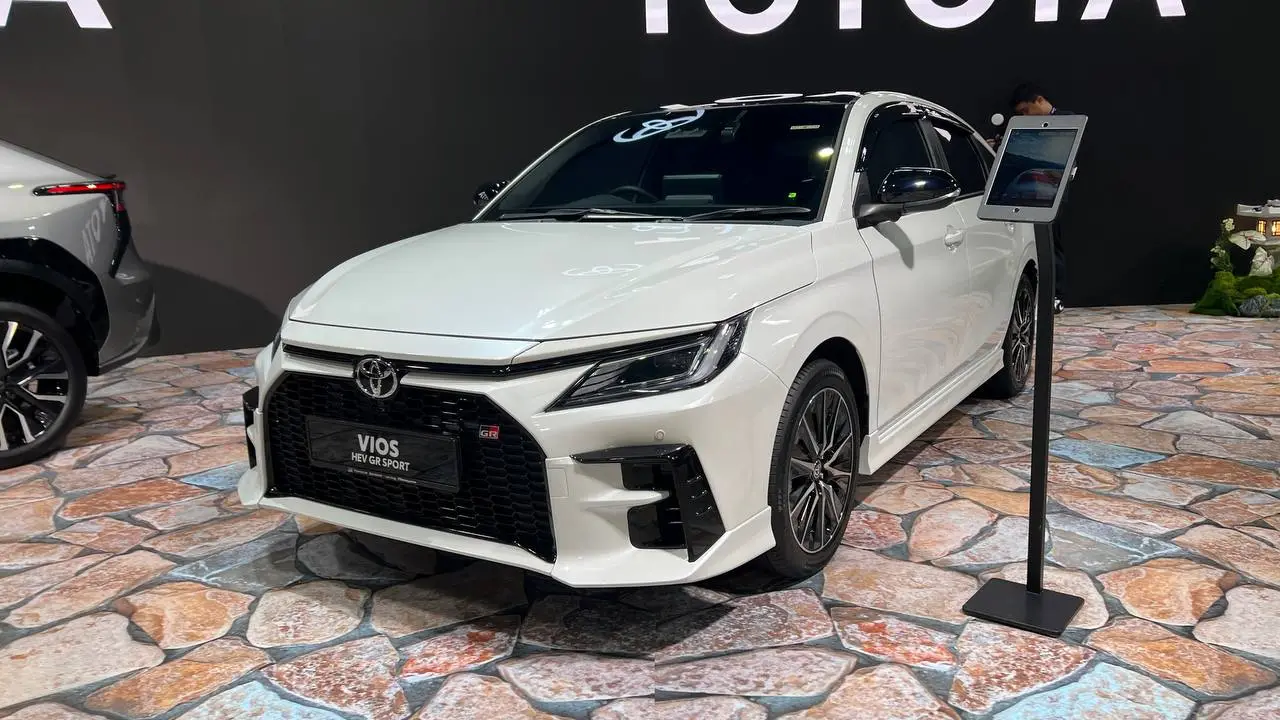
The Toyota Vios has long served as a default choice for Malaysian buyers seeking a practical B-segment sedan. At KLIMS 2026, however, the model steps into a slightly different spotlight. With the introduction of the Vios Hybrid earlier this year, Toyota is no longer relying solely on petrol variants to defend its share of the mainstream sedan market. The display underscores a deliberate shift: electrification is no longer reserved for the Corolla Cross or the Camry.
For UMW Toyota Motor, the Vios Hybrid represents a downward extension of the brand’s hybrid strategy. Where the Corolla Cross HEV established Toyota’s electrified credibility among family buyers, the Vios HEV targets younger professionals and small families who still want a traditional three-box sedan but are increasingly conscious of running costs and efficiency. It is a volume play with a technological twist.
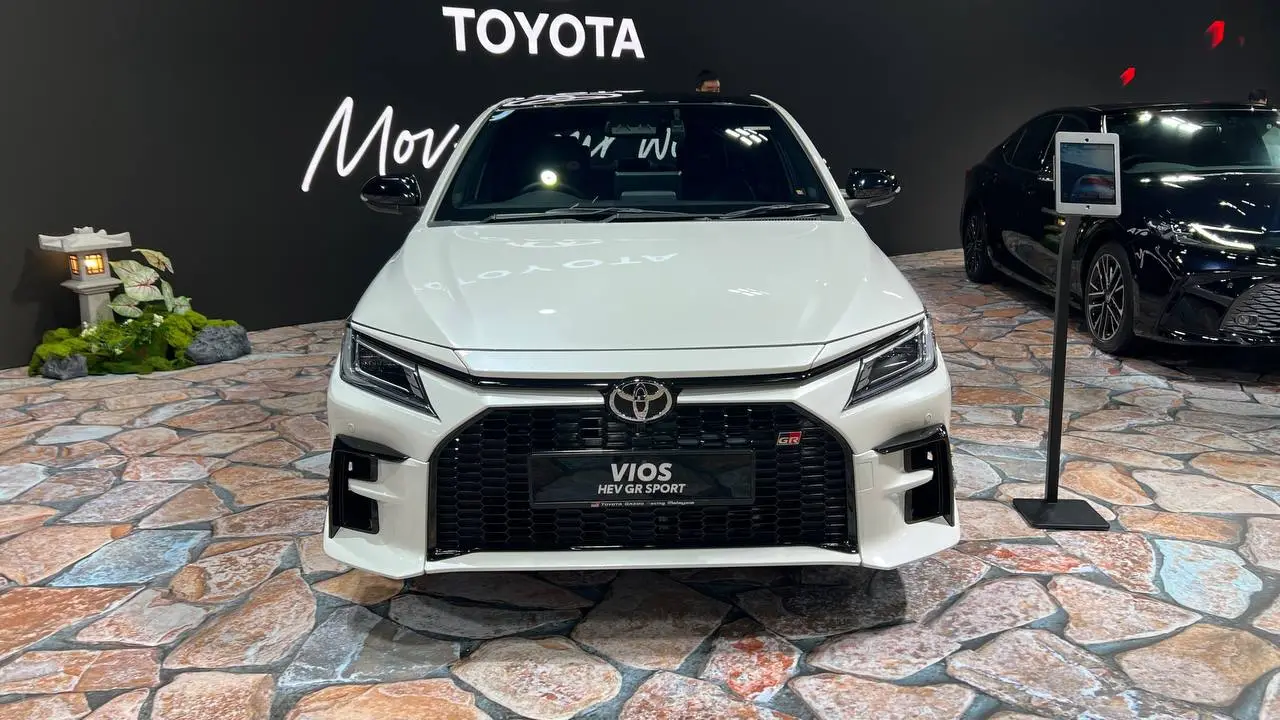
The Vios Hybrid’s business case is strengthened by local assembly. UMW Toyota assembles the model in Malaysia, with reports indicating that even the hybrid battery production takes place at the Bukit Raja facility. This local footprint matters in a market where pricing sensitivity remains acute. The petrol range opens at around RM89,600, while the Vios HEV is positioned at RM103,900 and the GR Sport variant at RM109,900. These figures place the hybrid squarely in the conversation with the Honda City e:HEV, its most obvious rival.
The GR Sport trim deserves particular attention. By pairing hybrid hardware with a sportier visual package, Toyota is attempting to elevate the Vios beyond pure utility. In a segment dominated by rational purchasing decisions, the GR Sport offers an emotional hook without abandoning the efficiency narrative. It is a calculated move to retain buyers who might otherwise be tempted by the crossover craze.
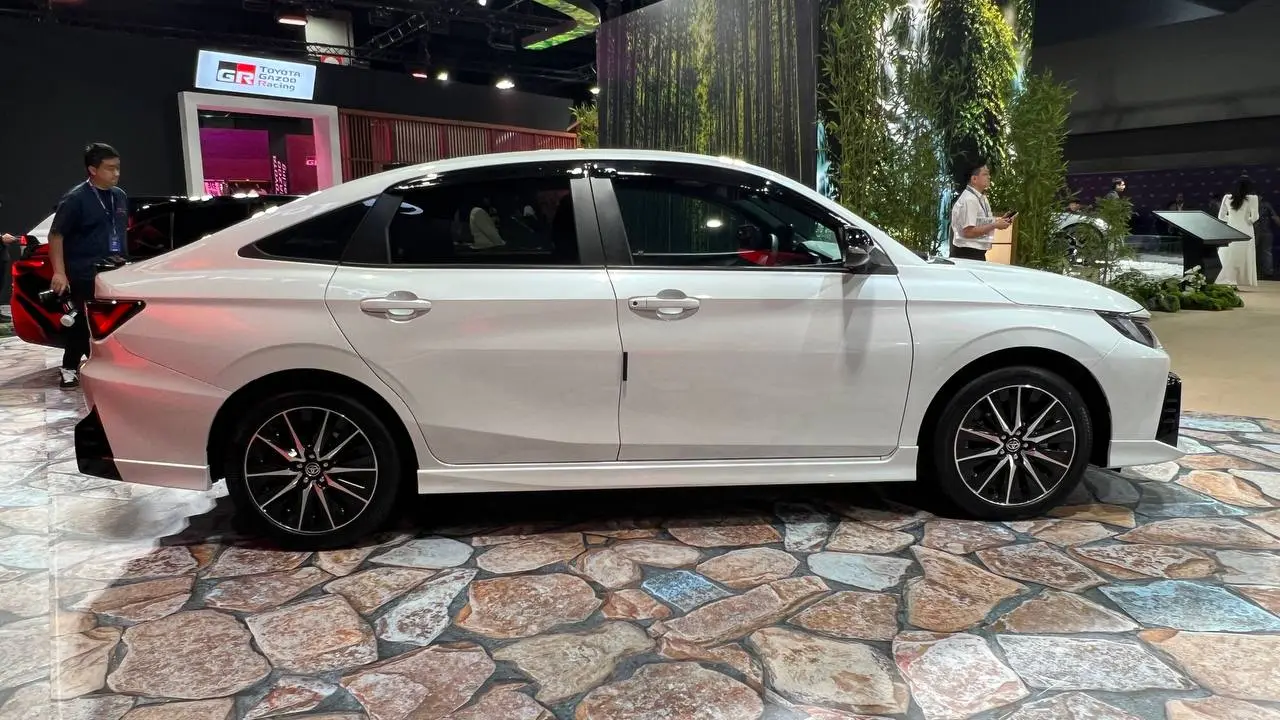
The Vios operates in an increasingly crowded space. The Proton S70 and Perodua Bezza continue to anchor the lower and middle reaches of the sedan market with aggressive pricing, while Toyota’s own Yaris Cross draws eyeballs toward a high-riding body style. Against this backdrop, the Vios HEV’s justification rests on technology rather than outright affordability. Buyers stepping up from national brands are precisely the audience Toyota hopes to convince with hybrid refinement and the promise of long-term reliability.
The Honda City e:HEV remains the unavoidable benchmark. Both cars pursue the same buyer: someone who wants a familiar Japanese sedan but is ready to pay a modest premium for electrified efficiency. Toyota’s counter is its reputation for durability and a service network that stretches across Peninsular and East Malaysia. For buyers who keep their cars for eight to ten years, those factors often outweigh modest differences in sticker price or specification.
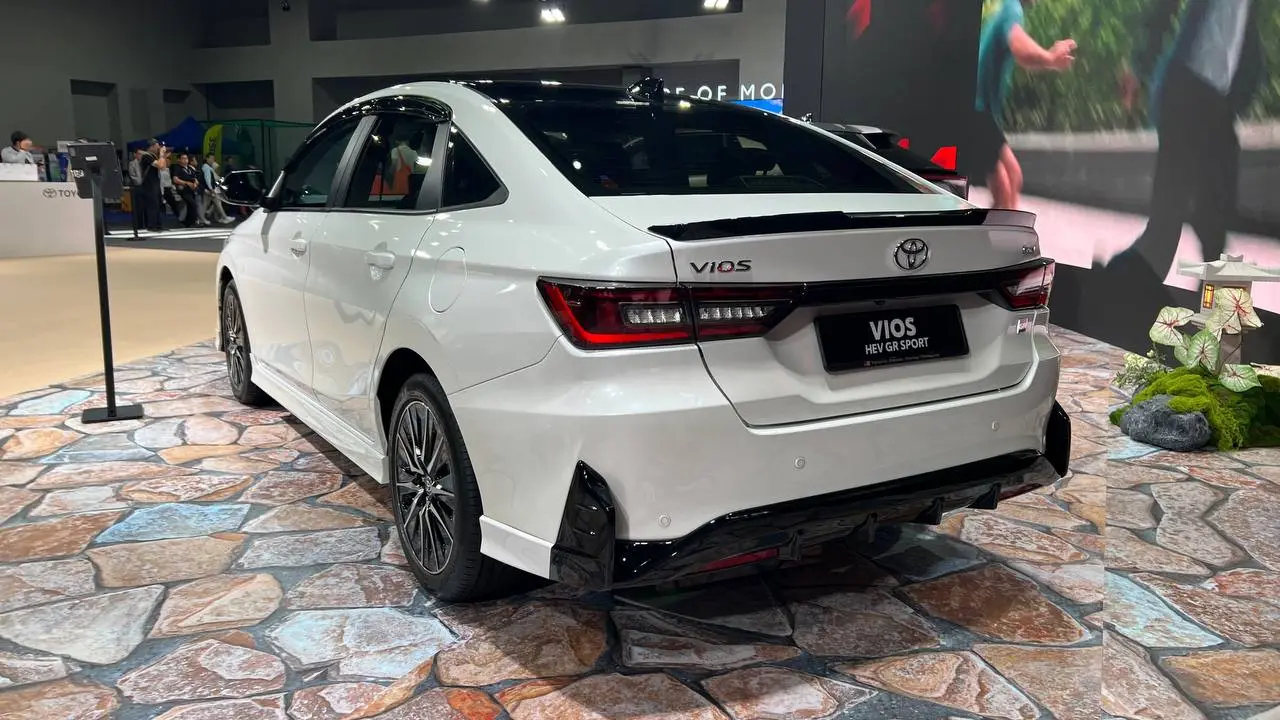
Toyota’s KLIMS 2026 presence emphasises choice rather than a single electrification route. While the bZ4X and Urban Cruiser EV signal the brand’s battery-electric intent, and the Hilux maintains its commercial stronghold, the Vios HEV handles the unglamorous but critical task of normalising hybrid tech in everyday motoring. It is not a concept car; it is a production model aimed at monthly loan repayments and fuel bills.
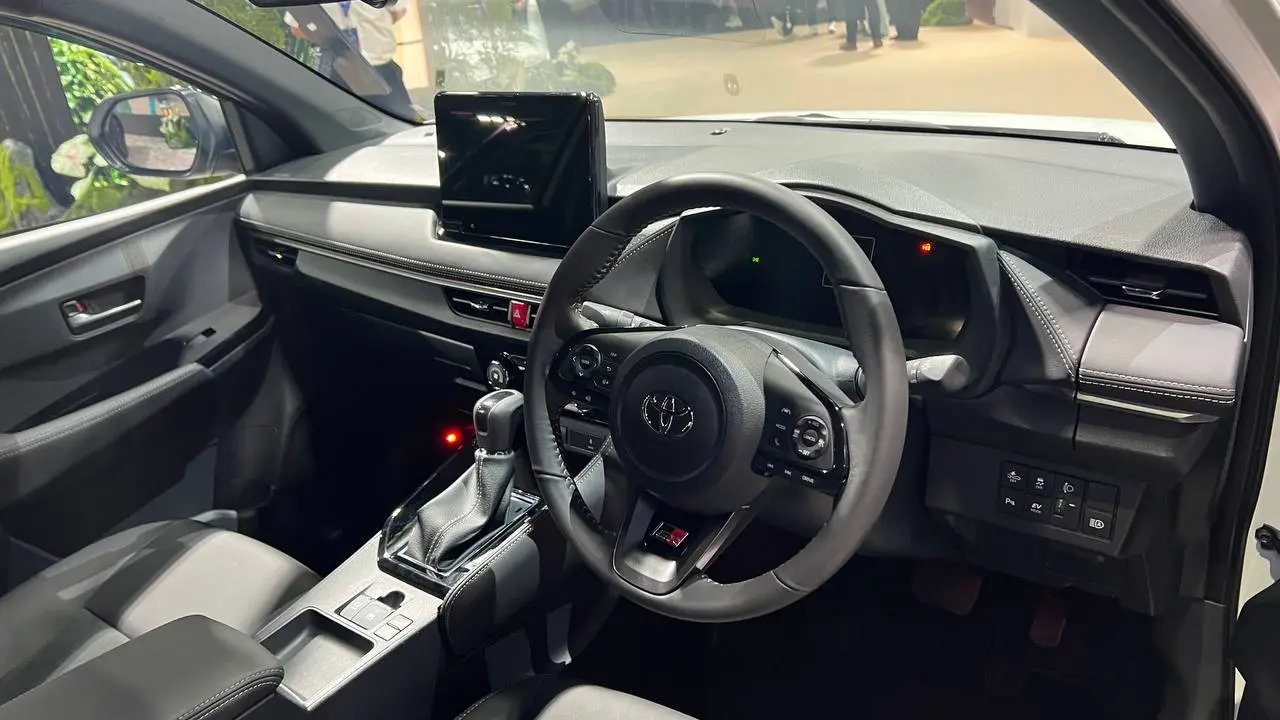
In that sense, the Vios Hybrid is perhaps Toyota’s most consequential 2026 update for the Malaysian mass market. It does not ask buyers to change their lifestyle, switch to an unfamiliar form factor, or gamble on charging infrastructure. It simply replaces the conventional powertrain in a familiar package with one that promises lower fuel consumption and smoother urban driving. For a market still weighing the practicality of full EV adoption, that proposition remains deeply relevant.


Your go-to source for all things automotive in Malaysia. 🚗 Latest reviews, breaking news, launches & industry trends.
+ Follow Kereta Rally Karamjit Singh & Proton Wira Schumacher Ada Sini! | HME Asia 2026
Hujung minggu dah tiba dan anda mencari sesuatu untuk cuci mata? Jemput datang ke Heritage Motor Exchange Asia 2026 yang berlangsung di Dewal Merdeka, World Trade Centre (WTC) Kuala Lumpur!
Berbeza dengan pameran biasa, acara ini memberi tumpuan khas kepada kenderaan-kenderaan warisan dan klasik yang menggamit memori. Antara daya tarikan utama yang dipamerkan termasuk:
🏎️ Kereta Rally Legenda: Kereta rally ikonik yang pernah dipandu oleh pemandu legenda negara, Karamjit Singh!
🏎️ Proton Wira Schumacher: Model Proton Wira penuh sejarah yang pernah dipandu oleh pelumba F1 legenda, Michael Schumacher!
🚘 Kereta Klasik & Mewah: Mercedes-Benz W111 Cabriolet (1960-an), Rolls-Royce Silver Cloud, Jaguar E-Type, dan pelbagai lagi model berprestasi tinggi.
Membawa tema "When Passion Meets Acquisition", pameran ini menghimpunkan lebih 50 buah kereta daripada pelbagai era. Ia turut memperkenalkan sistem penilaian Concours 100 mata serta kemudahan urusan pemeriksaan, insurans, dan cukai jalan bersama agensi seperti Puspakom dan JPJ di lokasi.
📅 Tarikh: 23 – 25 Oktober 2026
📍 Lokasi: Dewan Merdeka, WTC Kuala Lumpur
Tonton video ini sampai habis untuk lihat sendiri kehebatan jentera-jentera klasik ini! Jangan lupa untuk Like, Comment, dan Subscribe ke saluran BitAuto!
#HeritageMotorExchange #HMEAsia2026 #BitAuto #WTCKL #KeretaKlasik 1 day ago
Kereta Rally Karamjit Singh & Proton Wira Schumacher Ada Sini! | HME Asia 2026
Hujung minggu dah tiba dan anda mencari sesuatu untuk cuci mata? Jemput datang ke Heritage Motor Exchange Asia 2026 yang berlangsung di Dewal Merdeka, World Trade Centre (WTC) Kuala Lumpur!
Berbeza dengan pameran biasa, acara ini memberi tumpuan khas kepada kenderaan-kenderaan warisan dan klasik yang menggamit memori. Antara daya tarikan utama yang dipamerkan termasuk:
🏎️ Kereta Rally Legenda: Kereta rally ikonik yang pernah dipandu oleh pemandu legenda negara, Karamjit Singh!
🏎️ Proton Wira Schumacher: Model Proton Wira penuh sejarah yang pernah dipandu oleh pelumba F1 legenda, Michael Schumacher!
🚘 Kereta Klasik & Mewah: Mercedes-Benz W111 Cabriolet (1960-an), Rolls-Royce Silver Cloud, Jaguar E-Type, dan pelbagai lagi model berprestasi tinggi.
Membawa tema "When Passion Meets Acquisition", pameran ini menghimpunkan lebih 50 buah kereta daripada pelbagai era. Ia turut memperkenalkan sistem penilaian Concours 100 mata serta kemudahan urusan pemeriksaan, insurans, dan cukai jalan bersama agensi seperti Puspakom dan JPJ di lokasi.
📅 Tarikh: 23 – 25 Oktober 2026
📍 Lokasi: Dewan Merdeka, WTC Kuala Lumpur
Tonton video ini sampai habis untuk lihat sendiri kehebatan jentera-jentera klasik ini! Jangan lupa untuk Like, Comment, dan Subscribe ke saluran BitAuto!
#HeritageMotorExchange #HMEAsia2026 #BitAuto #WTCKL #KeretaKlasik 1 day ago  Rare cars, legendary icons and automotive dreams come alive at Heritage Motor Exchange Asia!
#HMEA #HeritageMotorExchangeAsia #ClassicCars #Supercars #CarCulture #MalaysiaCars 1 day ago
Rare cars, legendary icons and automotive dreams come alive at Heritage Motor Exchange Asia!
#HMEA #HeritageMotorExchangeAsia #ClassicCars #Supercars #CarCulture #MalaysiaCars 1 day ago  Waze could be banned?
IT seems like the Malaysian government may look into banning Waze, but only when local alternatives are ready. 1 day ago
Waze could be banned?
IT seems like the Malaysian government may look into banning Waze, but only when local alternatives are ready. 1 day ago Get the latest car news first!
Your go-to source for all things automotive in Malaysia. 🚗 Latest reviews, breaking news, launches & industry trends.
Kereta Rally Karamjit Singh & Proton Wira Schumacher Ada Sini! | HME Asia 2026
Hujung minggu dah tiba dan anda mencari sesuatu untuk cuci mata? Jemput datang ke Heritage Motor Exchange Asia 2026 yang berlangsung di Dewal Merdeka, World Trade Centre (WTC) Kuala Lumpur!
Berbeza dengan pameran biasa, acara ini memberi tumpuan khas kepada kenderaan-kenderaan warisan dan klasik yang menggamit memori. Antara daya tarikan utama yang dipamerkan termasuk:
🏎️ Kereta Rally Legenda: Kereta rally ikonik yang pernah dipandu oleh pemandu legenda negara, Karamjit Singh!
🏎️ Proton Wira Schumacher: Model Proton Wira penuh sejarah yang pernah dipandu oleh pelumba F1 legenda, Michael Schumacher!
🚘 Kereta Klasik & Mewah: Mercedes-Benz W111 Cabriolet (1960-an), Rolls-Royce Silver Cloud, Jaguar E-Type, dan pelbagai lagi model berprestasi tinggi.
Membawa tema "When Passion Meets Acquisition", pameran ini menghimpunkan lebih 50 buah kereta daripada pelbagai era. Ia turut memperkenalkan sistem penilaian Concours 100 mata serta kemudahan urusan pemeriksaan, insurans, dan cukai jalan bersama agensi seperti Puspakom dan JPJ di lokasi.
📅 Tarikh: 23 – 25 Oktober 2026
📍 Lokasi: Dewan Merdeka, WTC Kuala Lumpur
Tonton video ini sampai habis untuk lihat sendiri kehebatan jentera-jentera klasik ini! Jangan lupa untuk Like, Comment, dan Subscribe ke saluran BitAuto!
#HeritageMotorExchange #HMEAsia2026 #BitAuto #WTCKL #KeretaKlasik 1 day ago Rare cars, legendary icons and automotive dreams come alive at Heritage Motor Exchange Asia!
#HMEA #HeritageMotorExchangeAsia #ClassicCars #Supercars #CarCulture #MalaysiaCars 1 day ago Waze could be banned?
IT seems like the Malaysian government may look into banning Waze, but only when local alternatives are ready. 1 day ago © 2024 Bitauto.com. All Rights Reserved.
Bitauto (www.yiche.com and www.bitauto.com) is one of the most visited automotive websites in China. We provide detailed info on Chinese car brands available in your area. Please note that the information provided on this website is based on publicly available data and is for reference only. It may not be fully updated or accurate at all times.

Help us improve our website


