
Search History
Popular Searches
English
Dealer Login / Sign Up
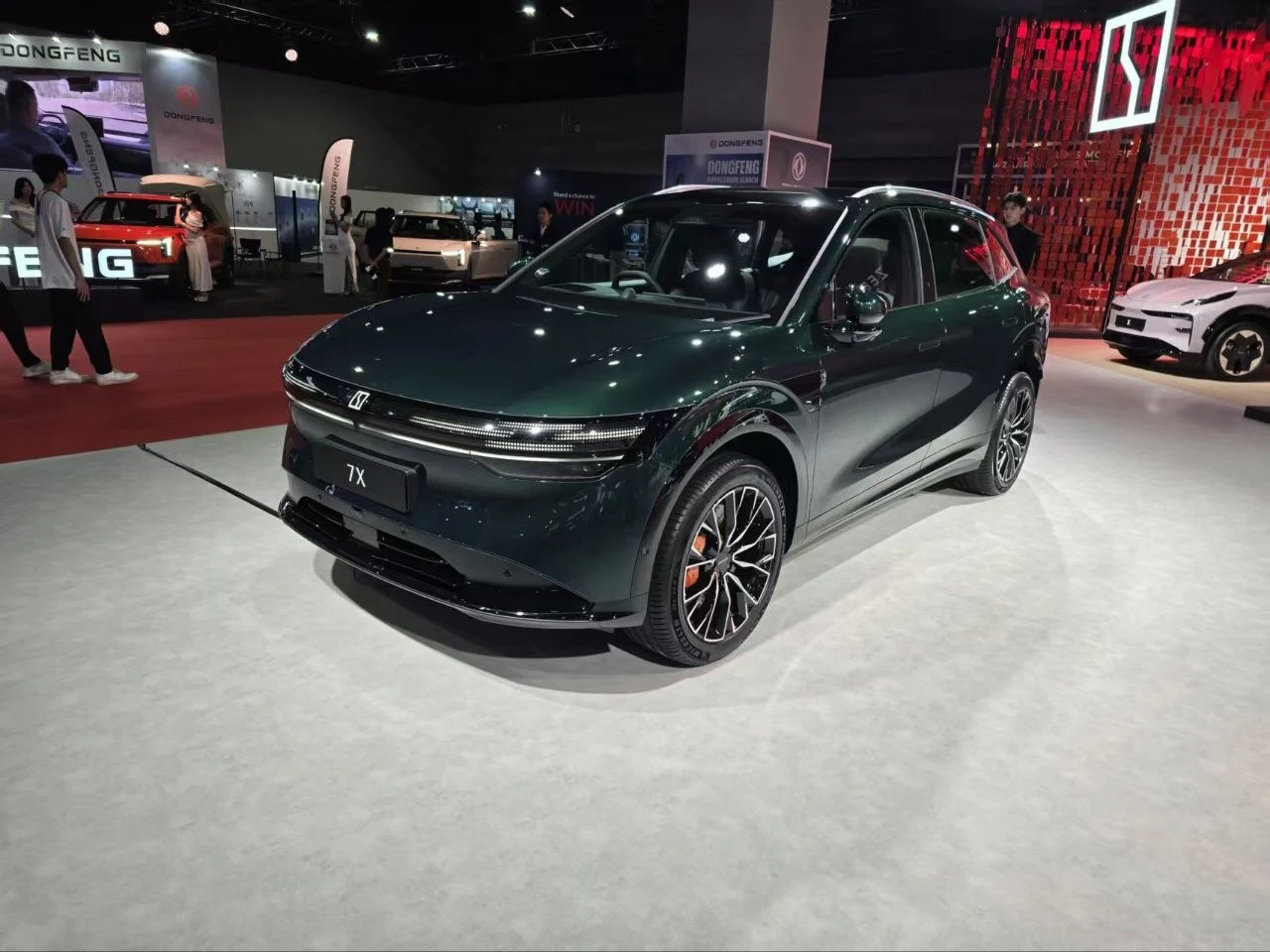
At KLIMS 2026, the Zeekr 7X carries a significance that extends well beyond its electric SUV silhouette. While the majority of Chinese EV brands in Malaysia still operate on a fully imported basis, Zeekr is actively positioning Malaysia as its first production hub outside China, with the 7X designated as the opening act of that local assembly plan. This reframes the model from a premium import into a vehicle with genuine long-term local investment behind it. The shift is particularly notable because it signals an intent to compete not just on specification, but on sustained market presence.
The reported involvement of Proton as the expected CKD partner adds another layer of practical reassurance. For Malaysian consumers weighing a relatively new premium EV badge, the prospect of local assembly under an established national manufacturer addresses lingering questions about after-sales infrastructure, parts availability and long-term service support. It is a structural advantage that pure CBU rivals cannot easily replicate, and it gives the 7X a distinct narrative at a show otherwise crowded with import-dependent newcomers.
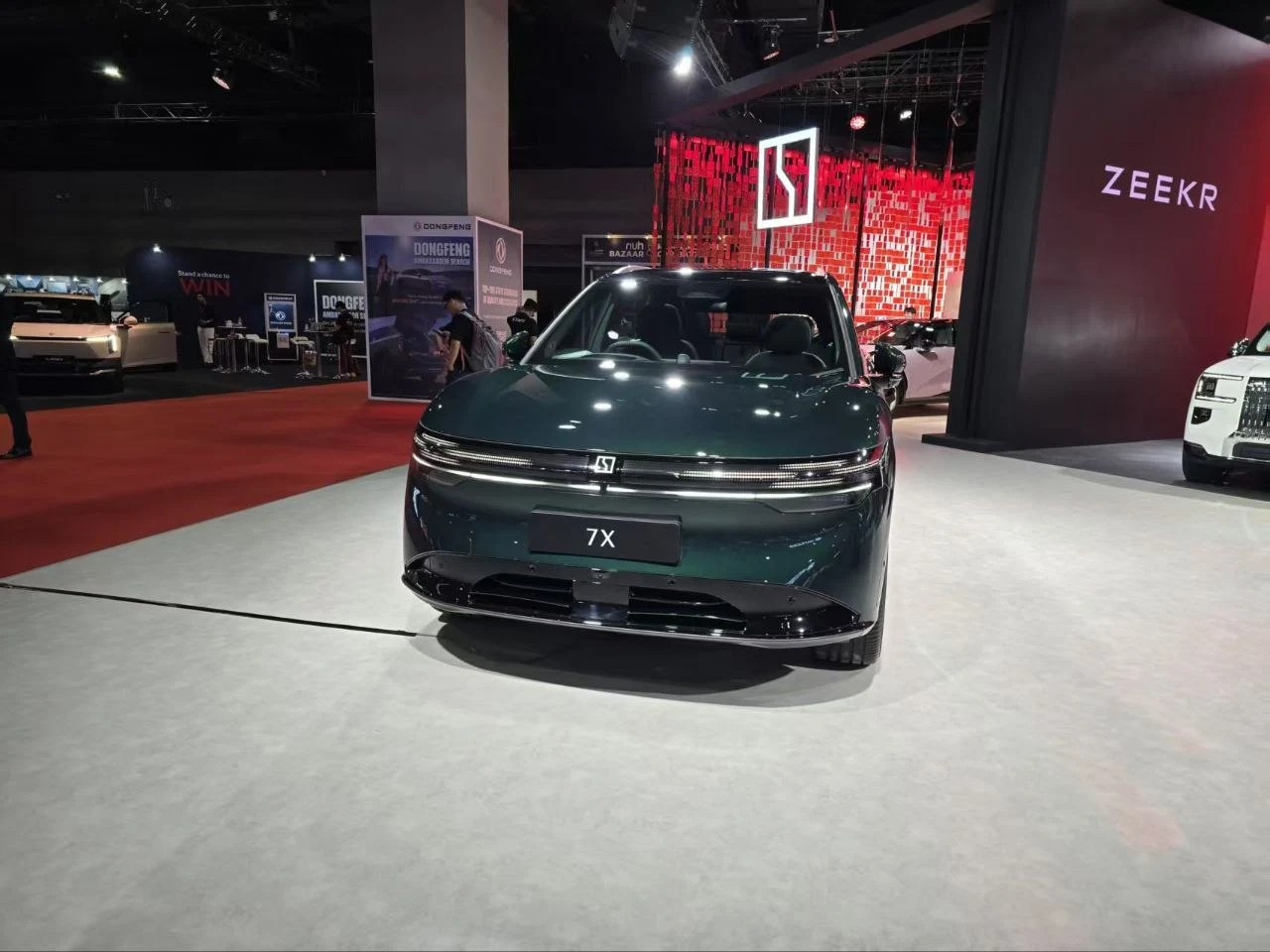
The 7X enters a premium electric SUV segment already occupied by the Tesla Model Y, BYD Sealion 7, Xpeng G6 and smart #5. With 2026 pricing spanning roughly RM183,000 to RM231,000 before insurance, the model sits in a band where Malaysian buyers compare spec sheets as closely as they weigh brand prestige. Zeekr’s task is to convince this audience that its badge belongs in the same consideration set as established American, European and Korean alternatives, rather than serving merely as a lower-cost substitute.
The three-variant lineup—RWD Standard, RWD Long Range and AWD Performance—suggests Zeekr understands the need to cover multiple use cases without forcing buyers into a single configuration. Whether the priority is daily commuting efficiency, inter-city range confidence or outright acceleration, the spread of options mirrors the tiered strategies already employed by more familiar competitors. It is a pragmatic admission that premium EV buyers in Malaysia expect choice, not compromise.
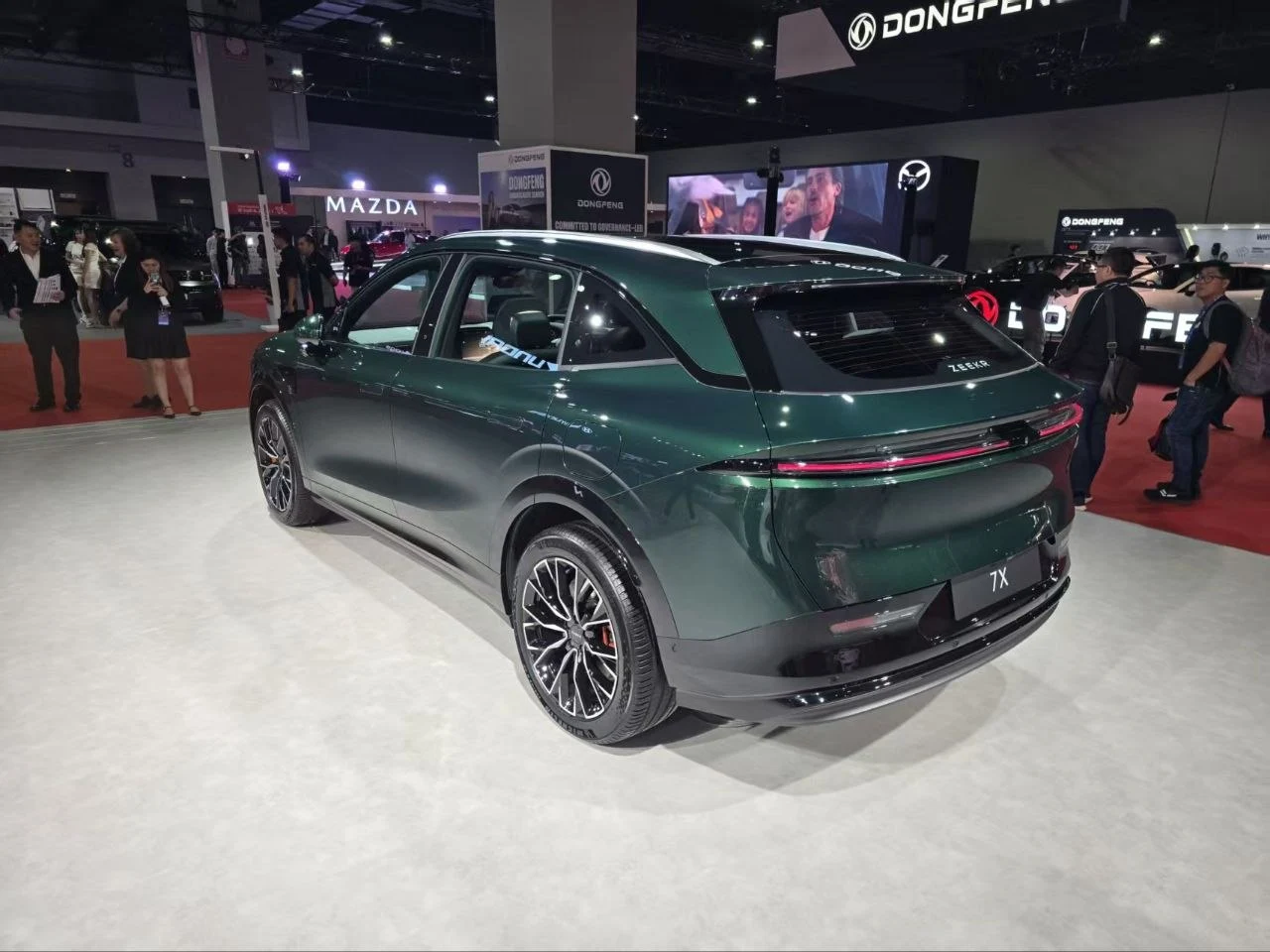
Zeekr is clearly aware that technical credibility in this segment demands headline numbers. The AWD Performance variant claims a 0-100 km/h sprint of 3.8 seconds, placing it in the company of performance-oriented EVs that traditionally command higher price tags. Meanwhile, the Long Range derivative is marketed with a WLTP-rated range of up to 615 kilometres, a figure designed to neutralise the persistent anxiety around high-speed highway consumption and interstate travel that still shapes Malaysian EV purchase decisions.
These specifications serve a purpose beyond showroom bragging rights. They give the 7X tangible ammunition against the Tesla Model Y and BYD Sealion 7 in side-by-side comparisons, and they position Zeekr as an engineering-led brand rather than a styling exercise. In a market where early Chinese EVs were often perceived as value plays, the 7X’s performance portfolio is a deliberate statement of premium intent.
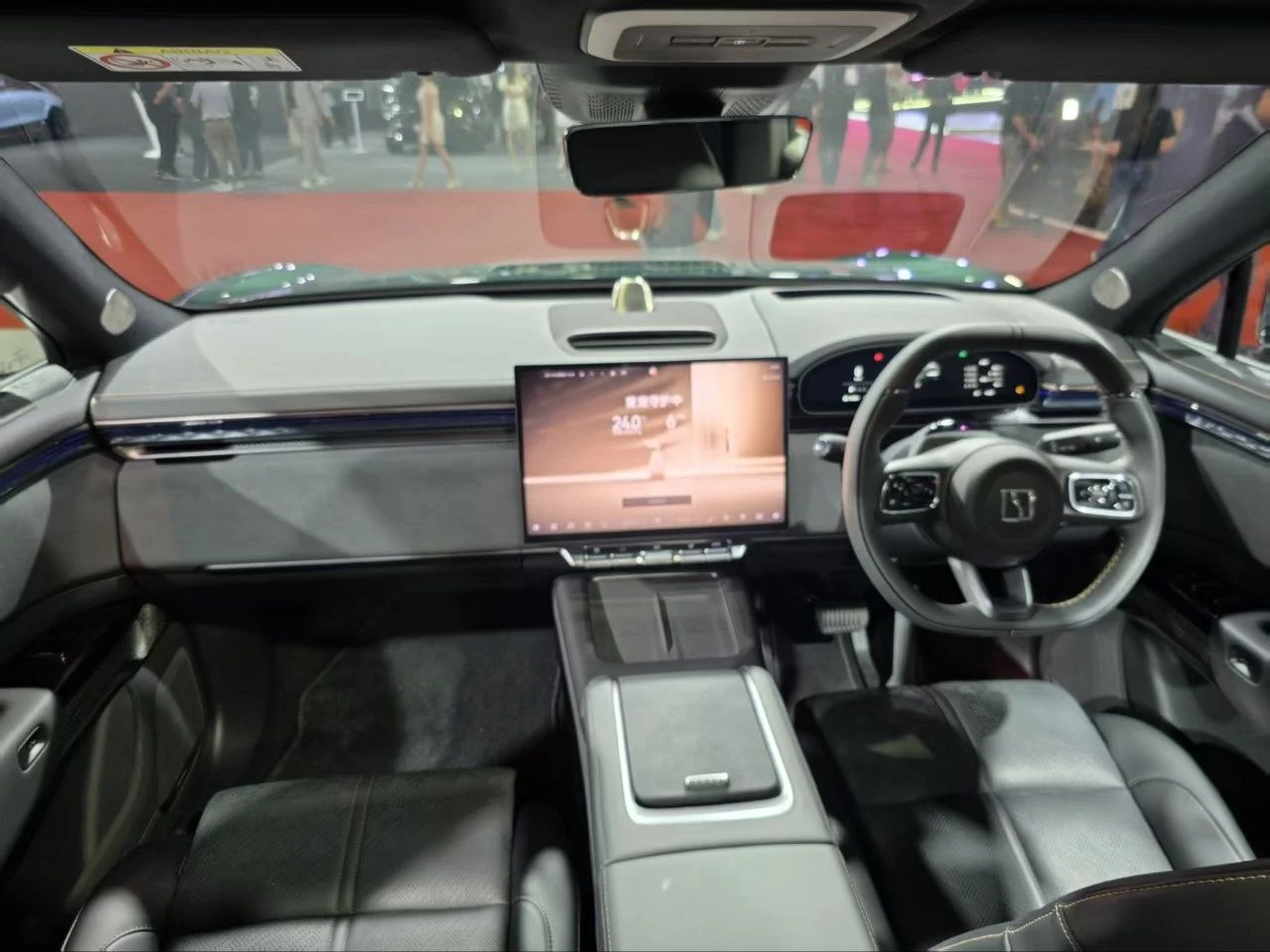
Despite the compelling hardware, Zeekr remains in the trust-building phase. The brand delivered 2,560 vehicles to Malaysian customers in its first full year of sales, a respectable start that nonetheless underscores the gap between early adoption and mainstream acceptance. The 7X therefore faces a market reality where purchase decisions are influenced as much by perceived longevity, software stability and network coverage as by acceleration times or interior finishes.
By advancing CKD plans and pricing the 7X squarely against similarly equipped rivals, Zeekr is asking Malaysian buyers to treat local production as a proxy for commitment. It is a calculated repositioning: instead of selling an imported product that might vanish with the next tariff adjustment, the brand is offering a vehicle physically rooted in the local automotive ecosystem. Whether that message fully resolves buyer caution remains to be seen, but it is arguably the strongest differentiator Zeekr currently holds.
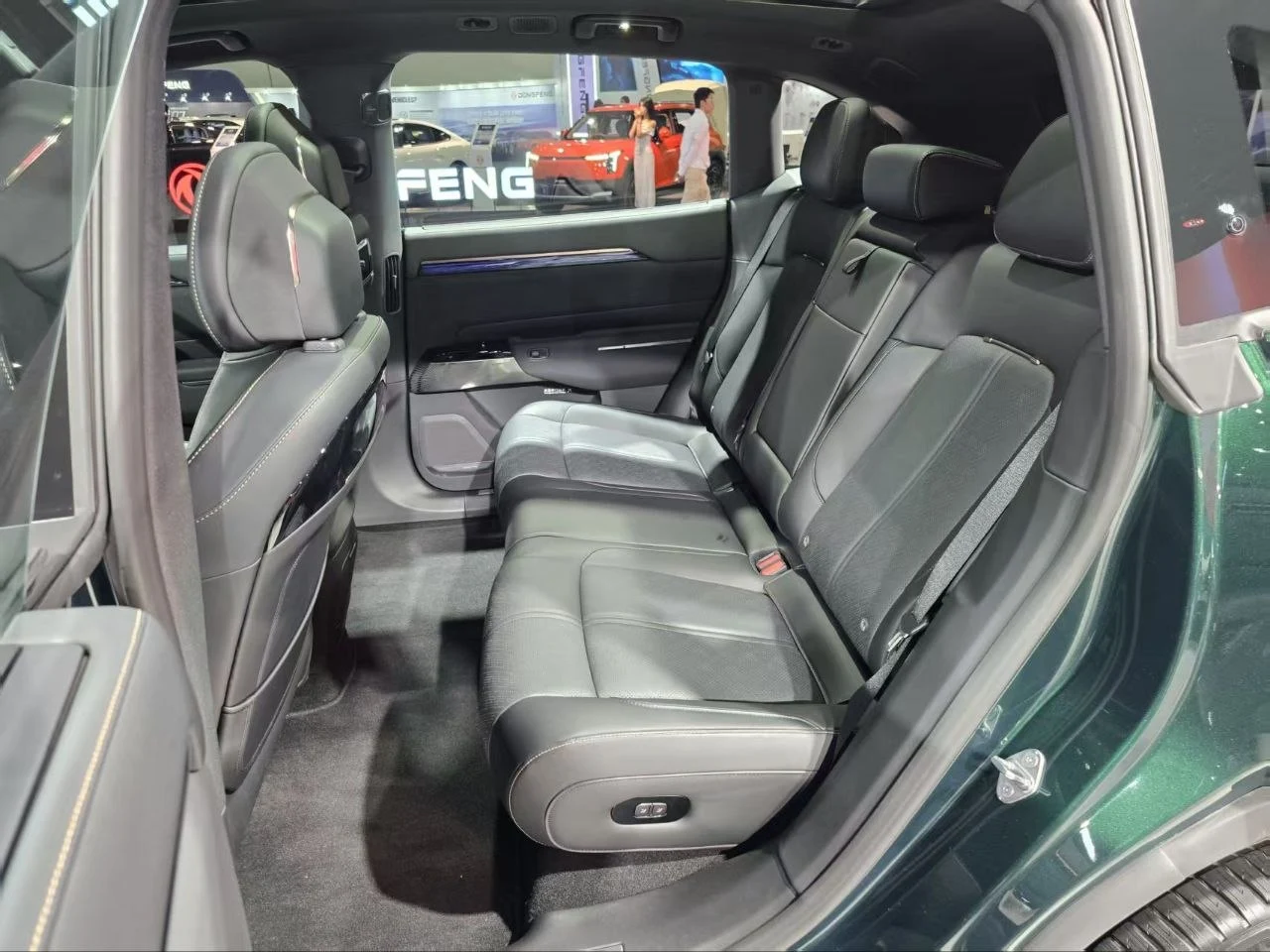
KLIMS 2026 arrives at a pivotal moment for the brand. Zeekr Malaysia has already flagged three new models for 2026, and the execution of the 7X’s local assembly timeline will likely determine whether the company graduates from niche entrant to sustained volume player. For now, the 7X stands as Zeekr’s most strategically significant statement: a premium electric SUV that arrives not merely to participate in Malaysia’s EV transition, but to anchor a manufacturing footprint that could outlast the initial wave of import-only competition. At KLIMS, that makes it one of the more consequential vehicles on display—not because it is the most expensive or the fastest, but because it represents a bet on Malaysia as a production base rather than just a sales destination.


Your go-to source for all things automotive in Malaysia. 🚗 Latest reviews, breaking news, launches & industry trends.
+ Follow Kereta Rally Karamjit Singh & Proton Wira Schumacher Ada Sini! | HME Asia 2026
Hujung minggu dah tiba dan anda mencari sesuatu untuk cuci mata? Jemput datang ke Heritage Motor Exchange Asia 2026 yang berlangsung di Dewal Merdeka, World Trade Centre (WTC) Kuala Lumpur!
Berbeza dengan pameran biasa, acara ini memberi tumpuan khas kepada kenderaan-kenderaan warisan dan klasik yang menggamit memori. Antara daya tarikan utama yang dipamerkan termasuk:
🏎️ Kereta Rally Legenda: Kereta rally ikonik yang pernah dipandu oleh pemandu legenda negara, Karamjit Singh!
🏎️ Proton Wira Schumacher: Model Proton Wira penuh sejarah yang pernah dipandu oleh pelumba F1 legenda, Michael Schumacher!
🚘 Kereta Klasik & Mewah: Mercedes-Benz W111 Cabriolet (1960-an), Rolls-Royce Silver Cloud, Jaguar E-Type, dan pelbagai lagi model berprestasi tinggi.
Membawa tema "When Passion Meets Acquisition", pameran ini menghimpunkan lebih 50 buah kereta daripada pelbagai era. Ia turut memperkenalkan sistem penilaian Concours 100 mata serta kemudahan urusan pemeriksaan, insurans, dan cukai jalan bersama agensi seperti Puspakom dan JPJ di lokasi.
📅 Tarikh: 23 – 25 Oktober 2026
📍 Lokasi: Dewan Merdeka, WTC Kuala Lumpur
Tonton video ini sampai habis untuk lihat sendiri kehebatan jentera-jentera klasik ini! Jangan lupa untuk Like, Comment, dan Subscribe ke saluran BitAuto!
#HeritageMotorExchange #HMEAsia2026 #BitAuto #WTCKL #KeretaKlasik 1 day ago
Kereta Rally Karamjit Singh & Proton Wira Schumacher Ada Sini! | HME Asia 2026
Hujung minggu dah tiba dan anda mencari sesuatu untuk cuci mata? Jemput datang ke Heritage Motor Exchange Asia 2026 yang berlangsung di Dewal Merdeka, World Trade Centre (WTC) Kuala Lumpur!
Berbeza dengan pameran biasa, acara ini memberi tumpuan khas kepada kenderaan-kenderaan warisan dan klasik yang menggamit memori. Antara daya tarikan utama yang dipamerkan termasuk:
🏎️ Kereta Rally Legenda: Kereta rally ikonik yang pernah dipandu oleh pemandu legenda negara, Karamjit Singh!
🏎️ Proton Wira Schumacher: Model Proton Wira penuh sejarah yang pernah dipandu oleh pelumba F1 legenda, Michael Schumacher!
🚘 Kereta Klasik & Mewah: Mercedes-Benz W111 Cabriolet (1960-an), Rolls-Royce Silver Cloud, Jaguar E-Type, dan pelbagai lagi model berprestasi tinggi.
Membawa tema "When Passion Meets Acquisition", pameran ini menghimpunkan lebih 50 buah kereta daripada pelbagai era. Ia turut memperkenalkan sistem penilaian Concours 100 mata serta kemudahan urusan pemeriksaan, insurans, dan cukai jalan bersama agensi seperti Puspakom dan JPJ di lokasi.
📅 Tarikh: 23 – 25 Oktober 2026
📍 Lokasi: Dewan Merdeka, WTC Kuala Lumpur
Tonton video ini sampai habis untuk lihat sendiri kehebatan jentera-jentera klasik ini! Jangan lupa untuk Like, Comment, dan Subscribe ke saluran BitAuto!
#HeritageMotorExchange #HMEAsia2026 #BitAuto #WTCKL #KeretaKlasik 1 day ago  Rare cars, legendary icons and automotive dreams come alive at Heritage Motor Exchange Asia!
#HMEA #HeritageMotorExchangeAsia #ClassicCars #Supercars #CarCulture #MalaysiaCars 1 day ago
Rare cars, legendary icons and automotive dreams come alive at Heritage Motor Exchange Asia!
#HMEA #HeritageMotorExchangeAsia #ClassicCars #Supercars #CarCulture #MalaysiaCars 1 day ago  Waze could be banned?
IT seems like the Malaysian government may look into banning Waze, but only when local alternatives are ready. 1 day ago
Waze could be banned?
IT seems like the Malaysian government may look into banning Waze, but only when local alternatives are ready. 1 day ago Get the latest car news first!
Your go-to source for all things automotive in Malaysia. 🚗 Latest reviews, breaking news, launches & industry trends.
Kereta Rally Karamjit Singh & Proton Wira Schumacher Ada Sini! | HME Asia 2026
Hujung minggu dah tiba dan anda mencari sesuatu untuk cuci mata? Jemput datang ke Heritage Motor Exchange Asia 2026 yang berlangsung di Dewal Merdeka, World Trade Centre (WTC) Kuala Lumpur!
Berbeza dengan pameran biasa, acara ini memberi tumpuan khas kepada kenderaan-kenderaan warisan dan klasik yang menggamit memori. Antara daya tarikan utama yang dipamerkan termasuk:
🏎️ Kereta Rally Legenda: Kereta rally ikonik yang pernah dipandu oleh pemandu legenda negara, Karamjit Singh!
🏎️ Proton Wira Schumacher: Model Proton Wira penuh sejarah yang pernah dipandu oleh pelumba F1 legenda, Michael Schumacher!
🚘 Kereta Klasik & Mewah: Mercedes-Benz W111 Cabriolet (1960-an), Rolls-Royce Silver Cloud, Jaguar E-Type, dan pelbagai lagi model berprestasi tinggi.
Membawa tema "When Passion Meets Acquisition", pameran ini menghimpunkan lebih 50 buah kereta daripada pelbagai era. Ia turut memperkenalkan sistem penilaian Concours 100 mata serta kemudahan urusan pemeriksaan, insurans, dan cukai jalan bersama agensi seperti Puspakom dan JPJ di lokasi.
📅 Tarikh: 23 – 25 Oktober 2026
📍 Lokasi: Dewan Merdeka, WTC Kuala Lumpur
Tonton video ini sampai habis untuk lihat sendiri kehebatan jentera-jentera klasik ini! Jangan lupa untuk Like, Comment, dan Subscribe ke saluran BitAuto!
#HeritageMotorExchange #HMEAsia2026 #BitAuto #WTCKL #KeretaKlasik 1 day ago Rare cars, legendary icons and automotive dreams come alive at Heritage Motor Exchange Asia!
#HMEA #HeritageMotorExchangeAsia #ClassicCars #Supercars #CarCulture #MalaysiaCars 1 day ago Waze could be banned?
IT seems like the Malaysian government may look into banning Waze, but only when local alternatives are ready. 1 day ago © 2024 Bitauto.com. All Rights Reserved.
Bitauto (www.yiche.com and www.bitauto.com) is one of the most visited automotive websites in China. We provide detailed info on Chinese car brands available in your area. Please note that the information provided on this website is based on publicly available data and is for reference only. It may not be fully updated or accurate at all times.

Help us improve our website


