
Search History
Popular Searches
English
Dealer Login / Sign Up
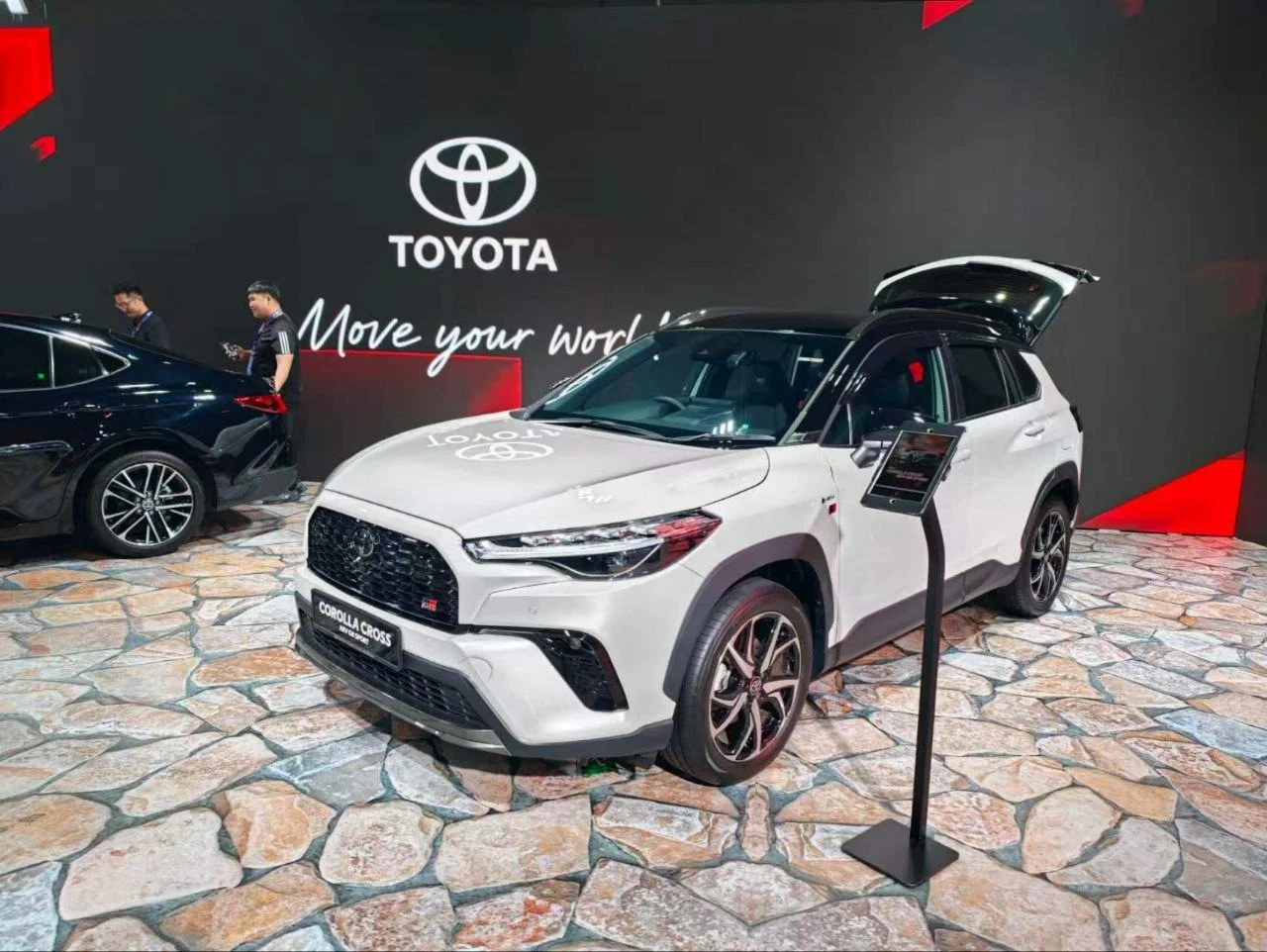
At KLIMS 2026, Toyota’s stand reinforces its multi-pathway strategy for Malaysia, balancing conventional internal-combustion options with hybrids and selected battery-electric previews. Within this lineup, the Corolla Cross HEV occupies a particularly important position. It is neither a future concept nor a response to the latest trend; it is a fully established, locally assembled hybrid SUV that already serves as a reference point for Malaysian families moving up from B-segment sedans or crossovers. While newer brands use the show to introduce electrified nameplates for the first time, Toyota uses the Corolla Cross to remind buyers that hybrid technology here is already mainstream.
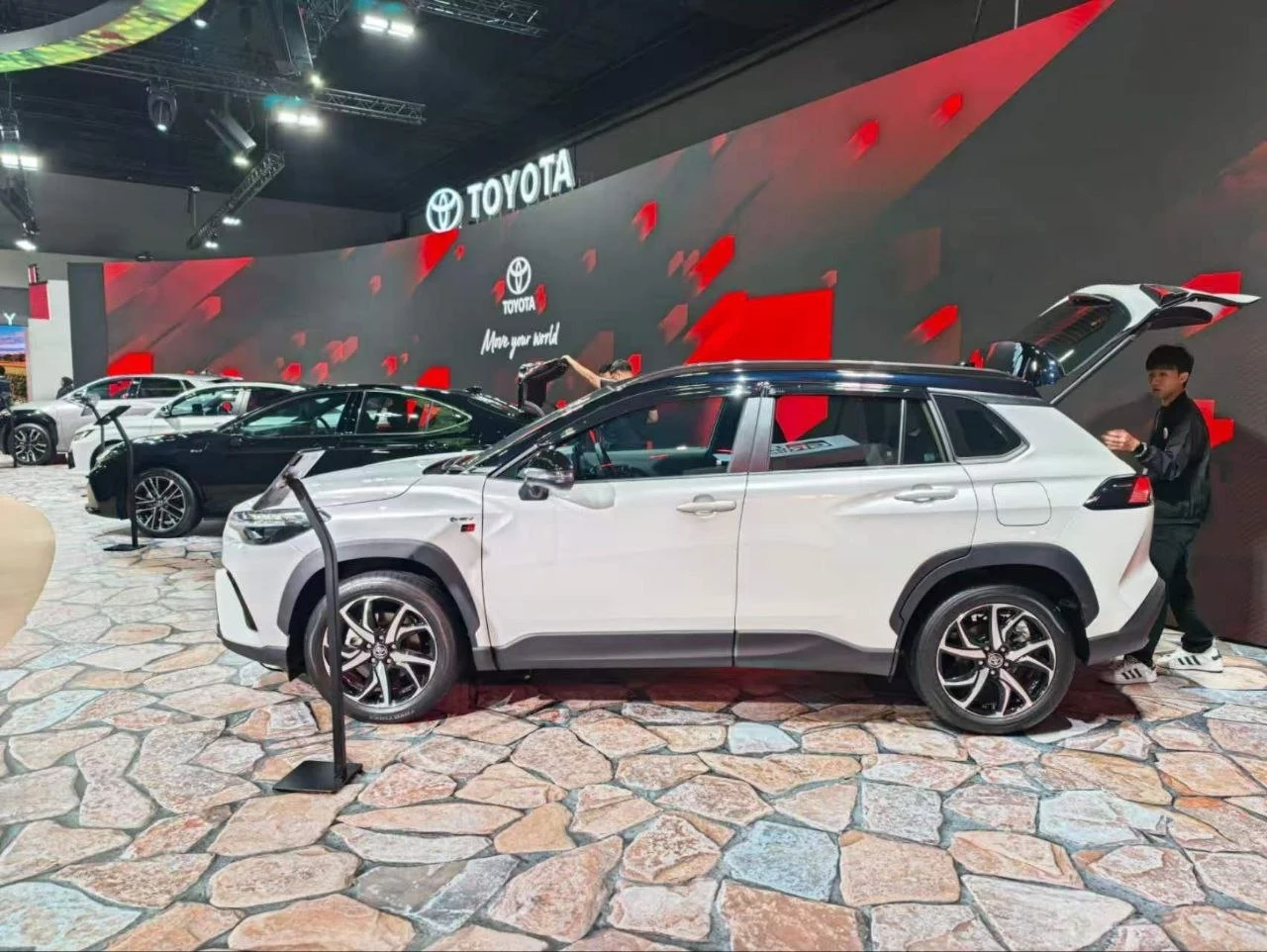
One of the Corolla Cross’s quieter strengths is its local assembly through Toyota’s Malaysian manufacturing ecosystem. Being built at Bukit Raja rather than imported as a fully built-up unit gives UMW Toyota Motor flexibility in supply and, more importantly, signals long-term commitment to after-sales support, parts availability and resale value. For a market where service network density and trade-in confidence still heavily influence purchase decisions, this local footprint matters as much as any onboard feature.
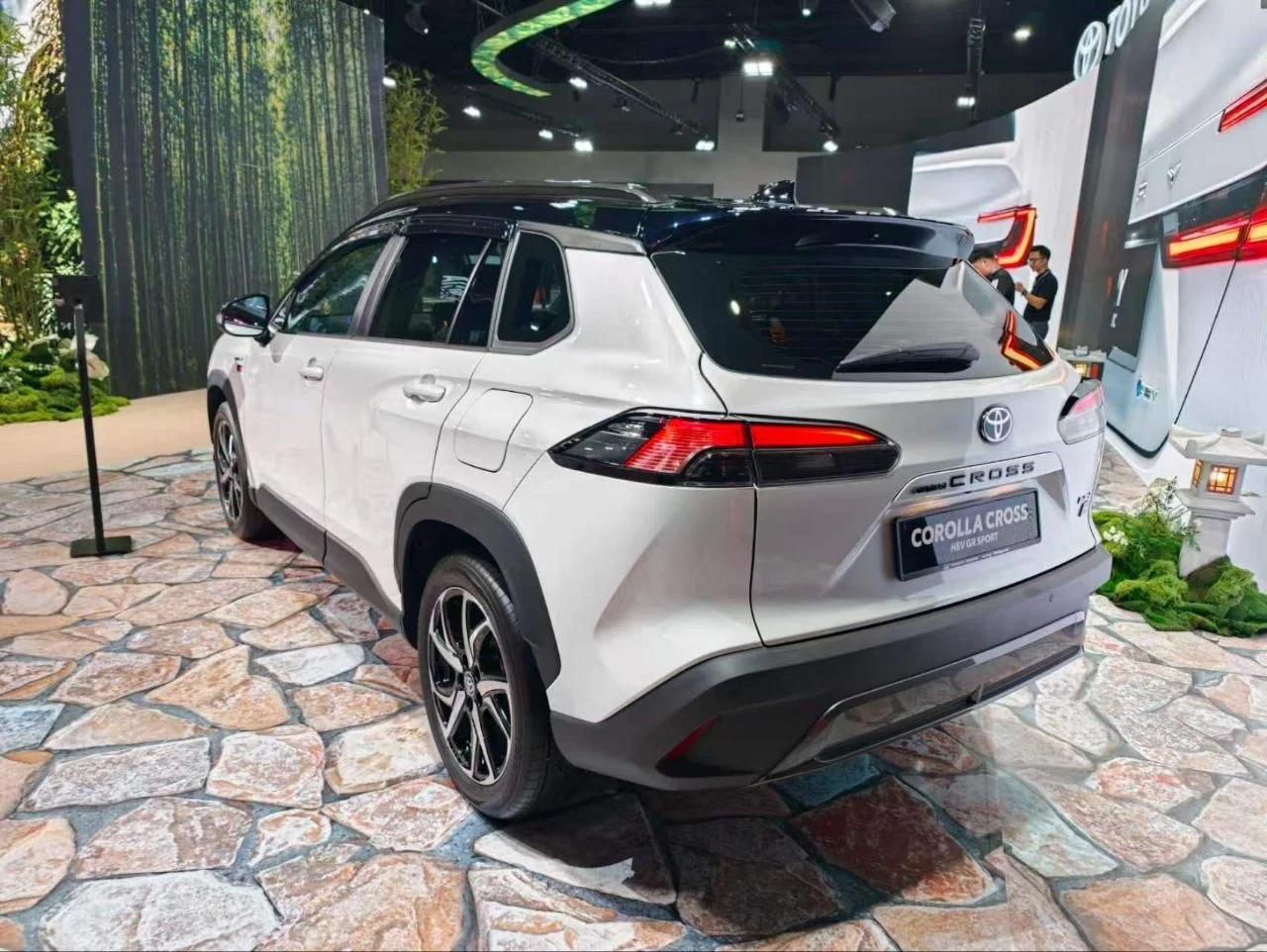
The 2026 Malaysian range spans three distinct grades: the petrol-driven 1.8V, the efficiency-focused 1.8 HEV and the visually sharper 1.8 HEV GR-S. The GR-S variant adds a sportier design hook without altering the underlying hybrid proposition, giving Toyota a way to attract younger or style-conscious buyers without asking them to pay for complexity they may not need. This layered approach acknowledges that not every Malaysian buyer is ready to plug in a car overnight, but many still want lower fuel bills and a smoother urban drive.
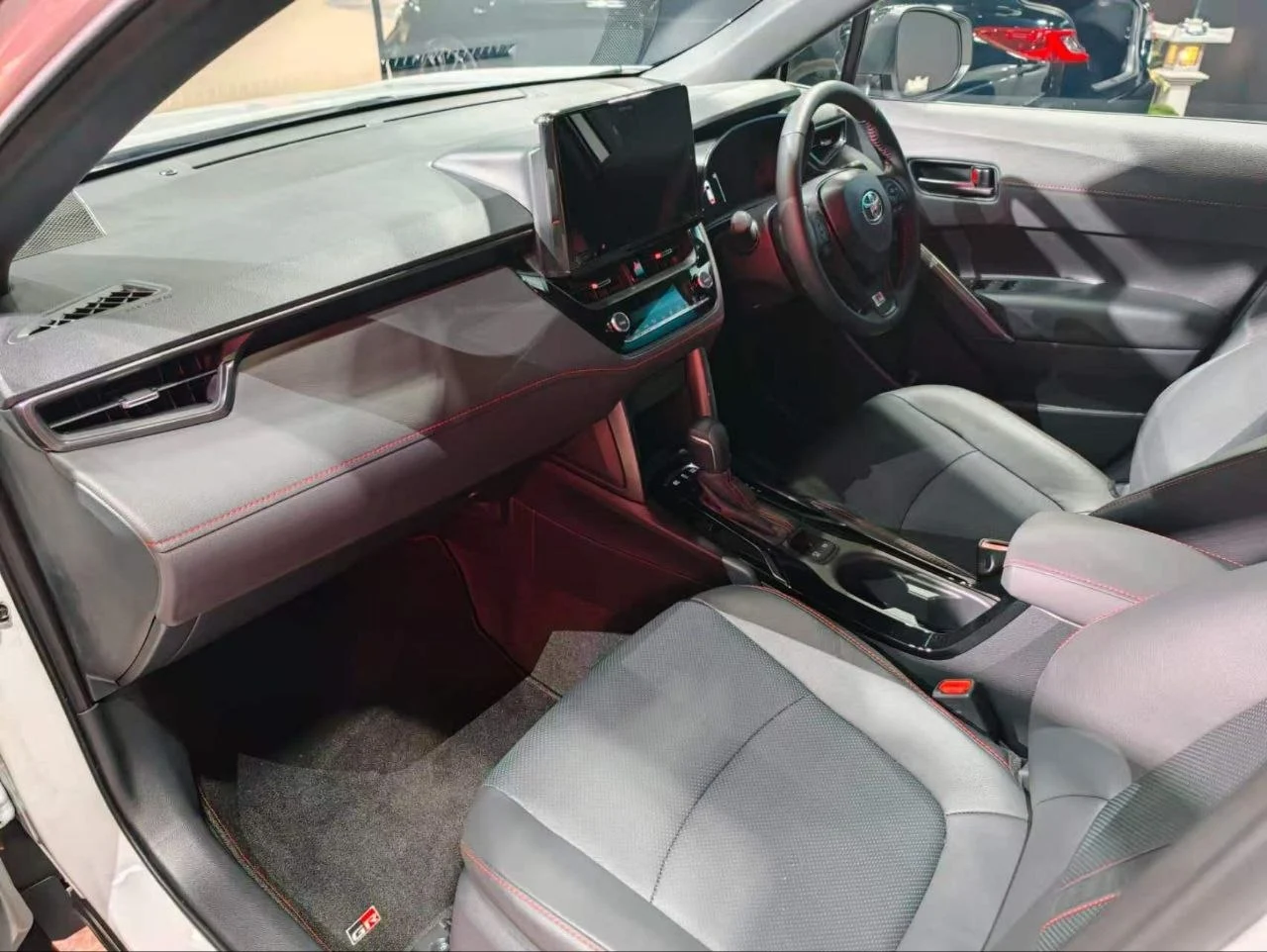
The Corolla Cross HEV does not operate in a vacuum. It competes directly with established Japanese SUVs such as the Honda CR-V and Mazda CX-5, while also fending off national-brand challengers like the Proton X70. More recently, the GWM Haval H6 HEV has emerged as a direct hybrid rival, and Toyota’s own Yaris Cross now offers a smaller, more affordable entry point into the brand’s electrified family. Against this backdrop, the Corolla Cross avoids a specifications arms race. Its appeal rests instead on the promise of familiarity: a hybrid system that has already proven itself in Malaysian traffic, backed by a dealer network that reaches into secondary towns.
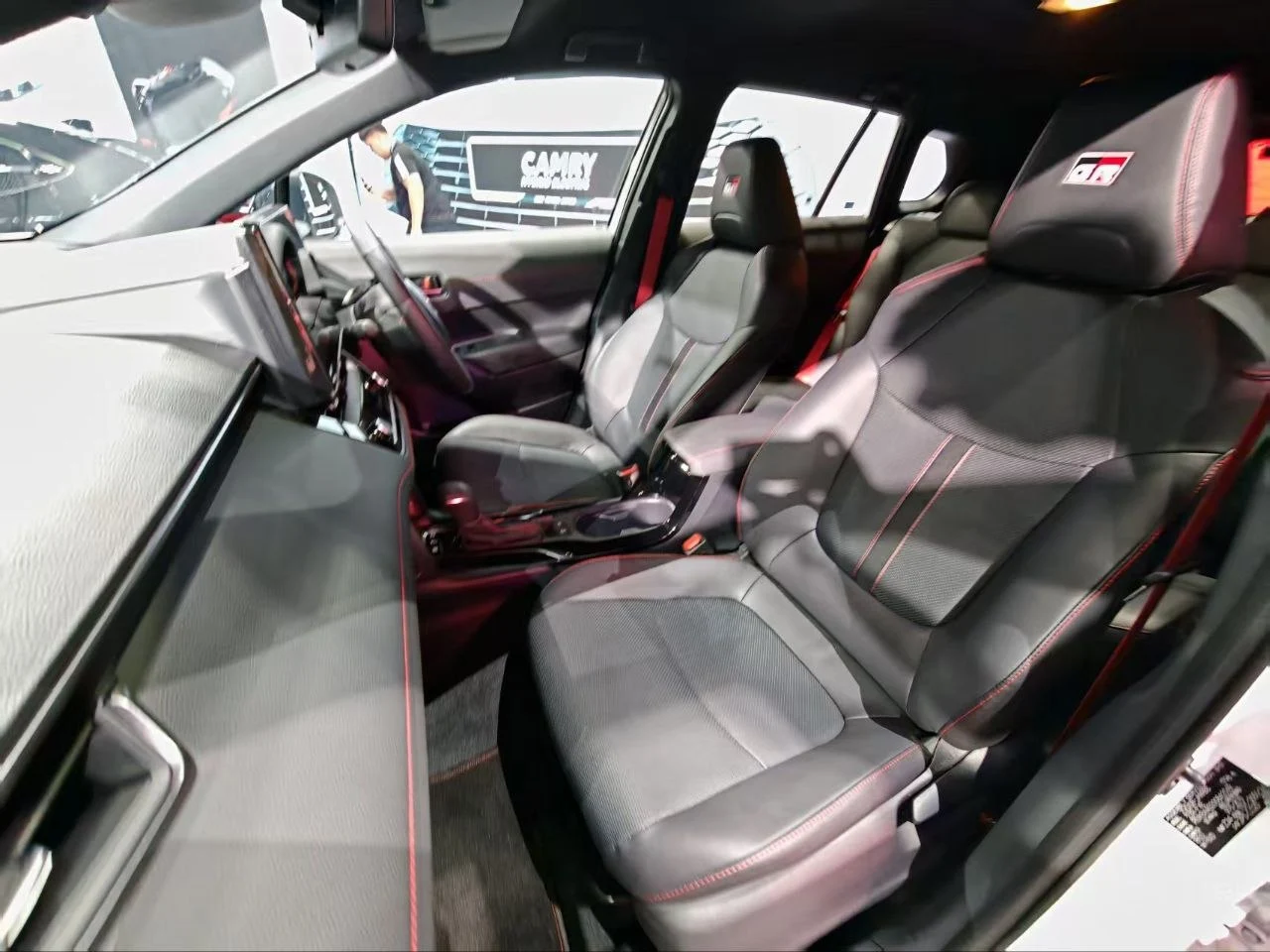
Walk across the KLIMS 2026 exhibition floor and the conversation is dominated by battery-electric SUVs, plug-in hybrids and ambitious range claims. The Corolla Cross HEV asks a different, quieter question: what do you need today? For buyers who remain concerned about public charging infrastructure, battery degradation over tropical heat cycles, or the resale volatility of newly imported EVs, the Corolla Cross represents a defensible middle ground. It is the vehicle against which many of these newer electrified SUVs will be measured, not because it is the most advanced, but because it is the most understood.


Your go-to source for all things automotive in Malaysia. 🚗 Latest reviews, breaking news, launches & industry trends.
+ Follow Kereta Rally Karamjit Singh & Proton Wira Schumacher Ada Sini! | HME Asia 2026
Hujung minggu dah tiba dan anda mencari sesuatu untuk cuci mata? Jemput datang ke Heritage Motor Exchange Asia 2026 yang berlangsung di Dewal Merdeka, World Trade Centre (WTC) Kuala Lumpur!
Berbeza dengan pameran biasa, acara ini memberi tumpuan khas kepada kenderaan-kenderaan warisan dan klasik yang menggamit memori. Antara daya tarikan utama yang dipamerkan termasuk:
🏎️ Kereta Rally Legenda: Kereta rally ikonik yang pernah dipandu oleh pemandu legenda negara, Karamjit Singh!
🏎️ Proton Wira Schumacher: Model Proton Wira penuh sejarah yang pernah dipandu oleh pelumba F1 legenda, Michael Schumacher!
🚘 Kereta Klasik & Mewah: Mercedes-Benz W111 Cabriolet (1960-an), Rolls-Royce Silver Cloud, Jaguar E-Type, dan pelbagai lagi model berprestasi tinggi.
Membawa tema "When Passion Meets Acquisition", pameran ini menghimpunkan lebih 50 buah kereta daripada pelbagai era. Ia turut memperkenalkan sistem penilaian Concours 100 mata serta kemudahan urusan pemeriksaan, insurans, dan cukai jalan bersama agensi seperti Puspakom dan JPJ di lokasi.
📅 Tarikh: 23 – 25 Oktober 2026
📍 Lokasi: Dewan Merdeka, WTC Kuala Lumpur
Tonton video ini sampai habis untuk lihat sendiri kehebatan jentera-jentera klasik ini! Jangan lupa untuk Like, Comment, dan Subscribe ke saluran BitAuto!
#HeritageMotorExchange #HMEAsia2026 #BitAuto #WTCKL #KeretaKlasik 1 day ago
Kereta Rally Karamjit Singh & Proton Wira Schumacher Ada Sini! | HME Asia 2026
Hujung minggu dah tiba dan anda mencari sesuatu untuk cuci mata? Jemput datang ke Heritage Motor Exchange Asia 2026 yang berlangsung di Dewal Merdeka, World Trade Centre (WTC) Kuala Lumpur!
Berbeza dengan pameran biasa, acara ini memberi tumpuan khas kepada kenderaan-kenderaan warisan dan klasik yang menggamit memori. Antara daya tarikan utama yang dipamerkan termasuk:
🏎️ Kereta Rally Legenda: Kereta rally ikonik yang pernah dipandu oleh pemandu legenda negara, Karamjit Singh!
🏎️ Proton Wira Schumacher: Model Proton Wira penuh sejarah yang pernah dipandu oleh pelumba F1 legenda, Michael Schumacher!
🚘 Kereta Klasik & Mewah: Mercedes-Benz W111 Cabriolet (1960-an), Rolls-Royce Silver Cloud, Jaguar E-Type, dan pelbagai lagi model berprestasi tinggi.
Membawa tema "When Passion Meets Acquisition", pameran ini menghimpunkan lebih 50 buah kereta daripada pelbagai era. Ia turut memperkenalkan sistem penilaian Concours 100 mata serta kemudahan urusan pemeriksaan, insurans, dan cukai jalan bersama agensi seperti Puspakom dan JPJ di lokasi.
📅 Tarikh: 23 – 25 Oktober 2026
📍 Lokasi: Dewan Merdeka, WTC Kuala Lumpur
Tonton video ini sampai habis untuk lihat sendiri kehebatan jentera-jentera klasik ini! Jangan lupa untuk Like, Comment, dan Subscribe ke saluran BitAuto!
#HeritageMotorExchange #HMEAsia2026 #BitAuto #WTCKL #KeretaKlasik 1 day ago  Rare cars, legendary icons and automotive dreams come alive at Heritage Motor Exchange Asia!
#HMEA #HeritageMotorExchangeAsia #ClassicCars #Supercars #CarCulture #MalaysiaCars 1 day ago
Rare cars, legendary icons and automotive dreams come alive at Heritage Motor Exchange Asia!
#HMEA #HeritageMotorExchangeAsia #ClassicCars #Supercars #CarCulture #MalaysiaCars 1 day ago  Waze could be banned?
IT seems like the Malaysian government may look into banning Waze, but only when local alternatives are ready. 1 day ago
Waze could be banned?
IT seems like the Malaysian government may look into banning Waze, but only when local alternatives are ready. 1 day ago Get the latest car news first!
Your go-to source for all things automotive in Malaysia. 🚗 Latest reviews, breaking news, launches & industry trends.
Kereta Rally Karamjit Singh & Proton Wira Schumacher Ada Sini! | HME Asia 2026
Hujung minggu dah tiba dan anda mencari sesuatu untuk cuci mata? Jemput datang ke Heritage Motor Exchange Asia 2026 yang berlangsung di Dewal Merdeka, World Trade Centre (WTC) Kuala Lumpur!
Berbeza dengan pameran biasa, acara ini memberi tumpuan khas kepada kenderaan-kenderaan warisan dan klasik yang menggamit memori. Antara daya tarikan utama yang dipamerkan termasuk:
🏎️ Kereta Rally Legenda: Kereta rally ikonik yang pernah dipandu oleh pemandu legenda negara, Karamjit Singh!
🏎️ Proton Wira Schumacher: Model Proton Wira penuh sejarah yang pernah dipandu oleh pelumba F1 legenda, Michael Schumacher!
🚘 Kereta Klasik & Mewah: Mercedes-Benz W111 Cabriolet (1960-an), Rolls-Royce Silver Cloud, Jaguar E-Type, dan pelbagai lagi model berprestasi tinggi.
Membawa tema "When Passion Meets Acquisition", pameran ini menghimpunkan lebih 50 buah kereta daripada pelbagai era. Ia turut memperkenalkan sistem penilaian Concours 100 mata serta kemudahan urusan pemeriksaan, insurans, dan cukai jalan bersama agensi seperti Puspakom dan JPJ di lokasi.
📅 Tarikh: 23 – 25 Oktober 2026
📍 Lokasi: Dewan Merdeka, WTC Kuala Lumpur
Tonton video ini sampai habis untuk lihat sendiri kehebatan jentera-jentera klasik ini! Jangan lupa untuk Like, Comment, dan Subscribe ke saluran BitAuto!
#HeritageMotorExchange #HMEAsia2026 #BitAuto #WTCKL #KeretaKlasik 1 day ago Rare cars, legendary icons and automotive dreams come alive at Heritage Motor Exchange Asia!
#HMEA #HeritageMotorExchangeAsia #ClassicCars #Supercars #CarCulture #MalaysiaCars 1 day ago Waze could be banned?
IT seems like the Malaysian government may look into banning Waze, but only when local alternatives are ready. 1 day ago © 2024 Bitauto.com. All Rights Reserved.
Bitauto (www.yiche.com and www.bitauto.com) is one of the most visited automotive websites in China. We provide detailed info on Chinese car brands available in your area. Please note that the information provided on this website is based on publicly available data and is for reference only. It may not be fully updated or accurate at all times.

Help us improve our website


