
Search History
Popular Searches
English
Dealer Login / Sign Up
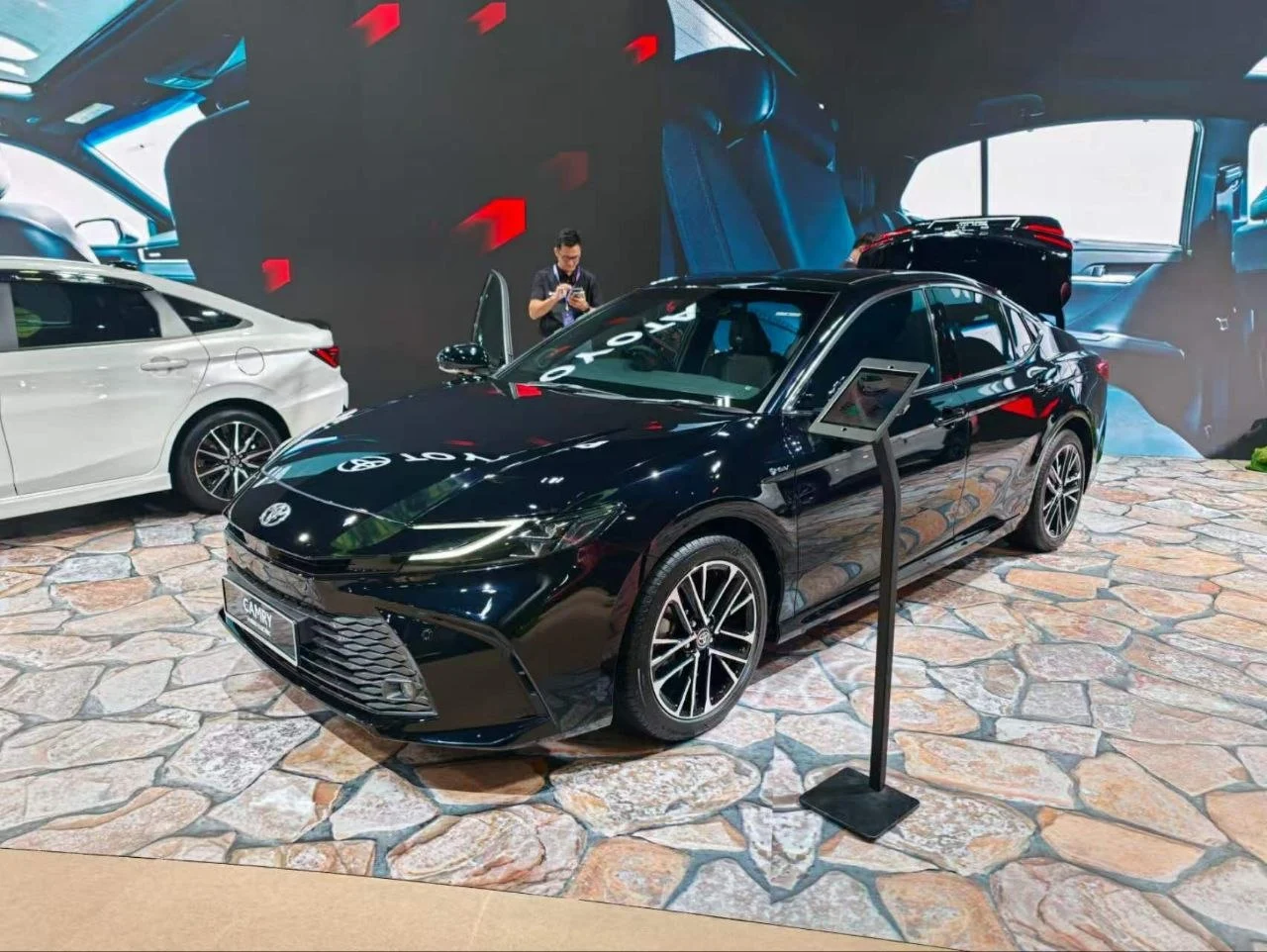
At KLIMS 2026, the Toyota Camry sits on the brand’s display with a confidence that does not rely on dramatic sheet-metal changes or headline-grabbing voltage figures. While much of the exhibition hall buzz surrounds battery-electric SUVs and hybrid crossovers, the Camry remains a visual reminder that the D-segment executive sedan still has a defined place in Malaysia’s automotive landscape. Its presence is less about generating instant showroom traffic and more about completing Toyota’s passenger-car narrative for buyers who have not yet found a reason to leave the three-box format behind.
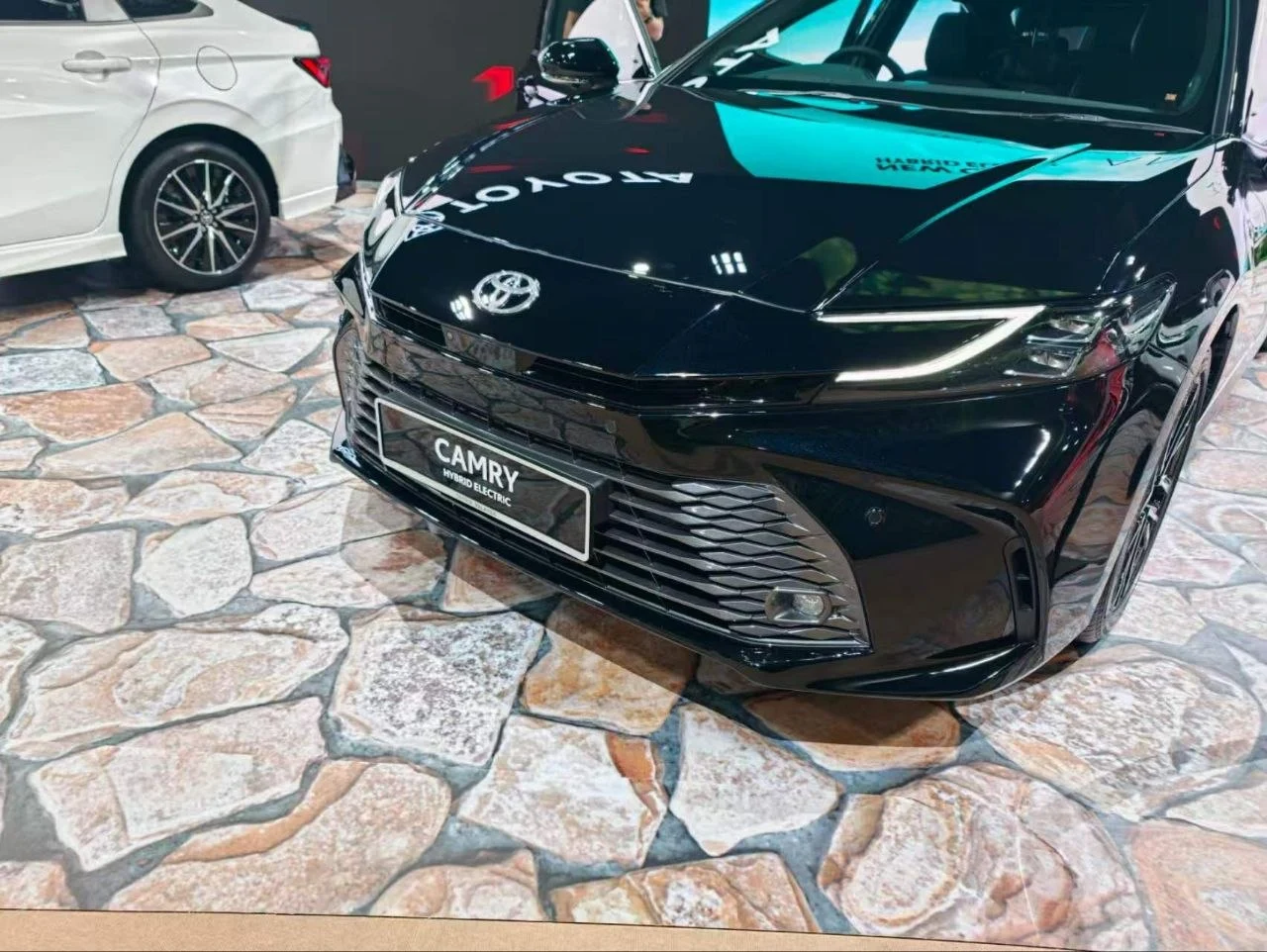
In Toyota’s Malaysian lineup, the Camry carries the brief of a premium-mainstream sedan, bridging the gap between the high-volume Corolla range and the semi-luxury import alternatives. This is a segment that has been squeezed from below by well-equipped C-segment models and from above by entry-level German executive cars, yet it refuses to disappear entirely. The Camry’s continued availability signals that UMW Toyota still sees a cohort of Malaysian buyers—corporate fleet managers, senior professionals, and long-standing Toyota loyalists—who prioritise rear-seat comfort, unobtrusive styling, and predictable running costs over the ride height and packaging fashion of an SUV.
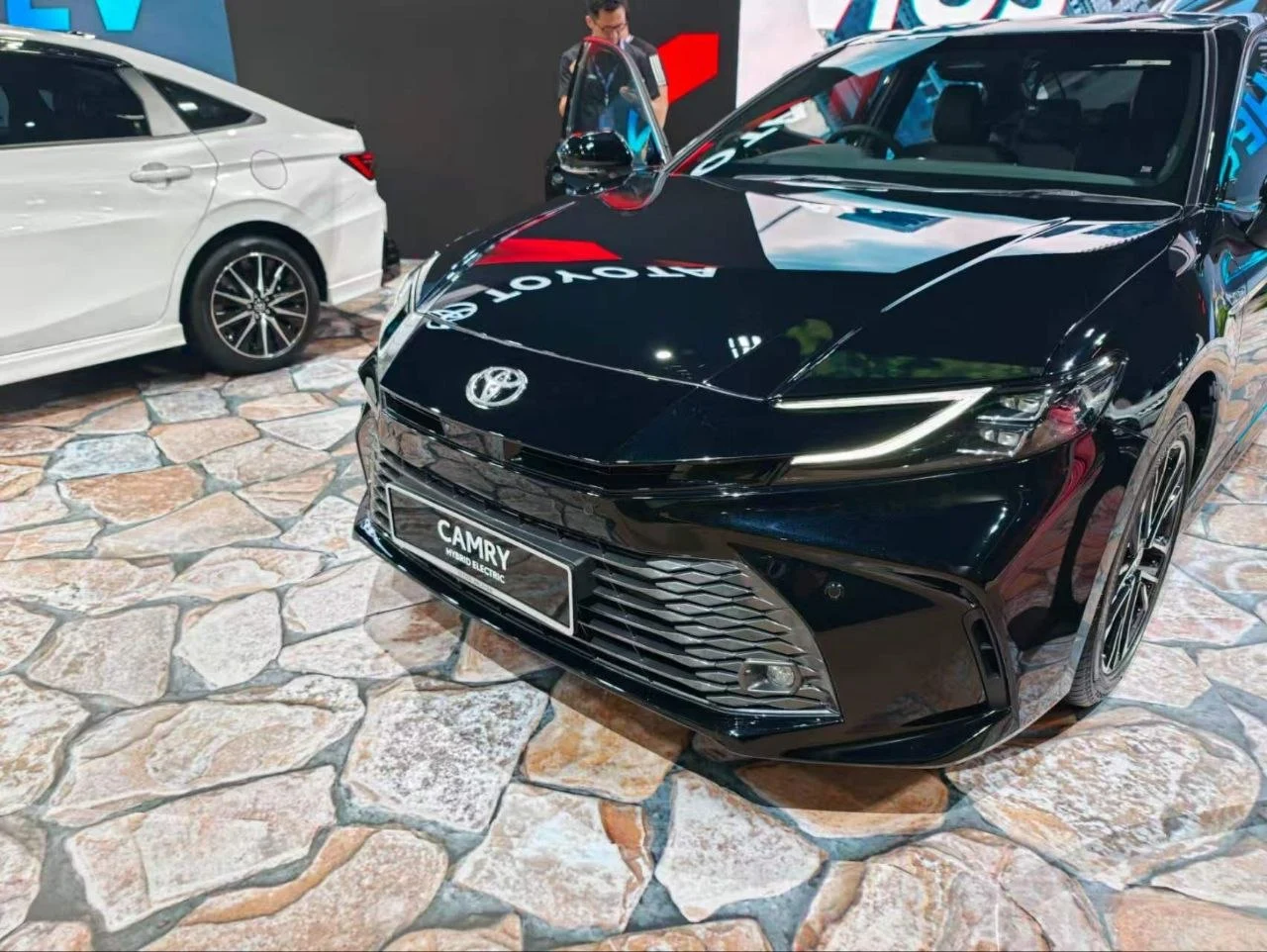
The competitive set around the Camry has evolved beyond the traditional Japanese sedan rivalry. The Honda Accord remains the most direct internal-combustion challenger, sharing a similar audience that values reliability and resale value. More recently, however, the conversation has been complicated by battery-electric newcomers such as the BYD Seal and the Dongfeng 007, which offer zero-emission motoring wrapped in sleek sedan silhouettes. Against these rivals, the Camry does not attempt to win on acceleration statistics or touchscreen acreage; instead, it leans on Toyota’s broader Malaysian reputation for after-sales coverage, parts availability, and a conservative approach to depreciation that still resonates with risk-averse executive buyers.
There is also the matter of consumer hesitation. Malaysian buyers considering an electrified shift continue to weigh charging infrastructure gaps, battery replacement anxieties, and the relatively thin secondary market for EVs. For this audience, the Camry represents a lower-friction proposition—an established nameplate with a service network that stretches from Kuala Lumpur to secondary cities, and a drivetrain philosophy that asks nothing new of its owner.
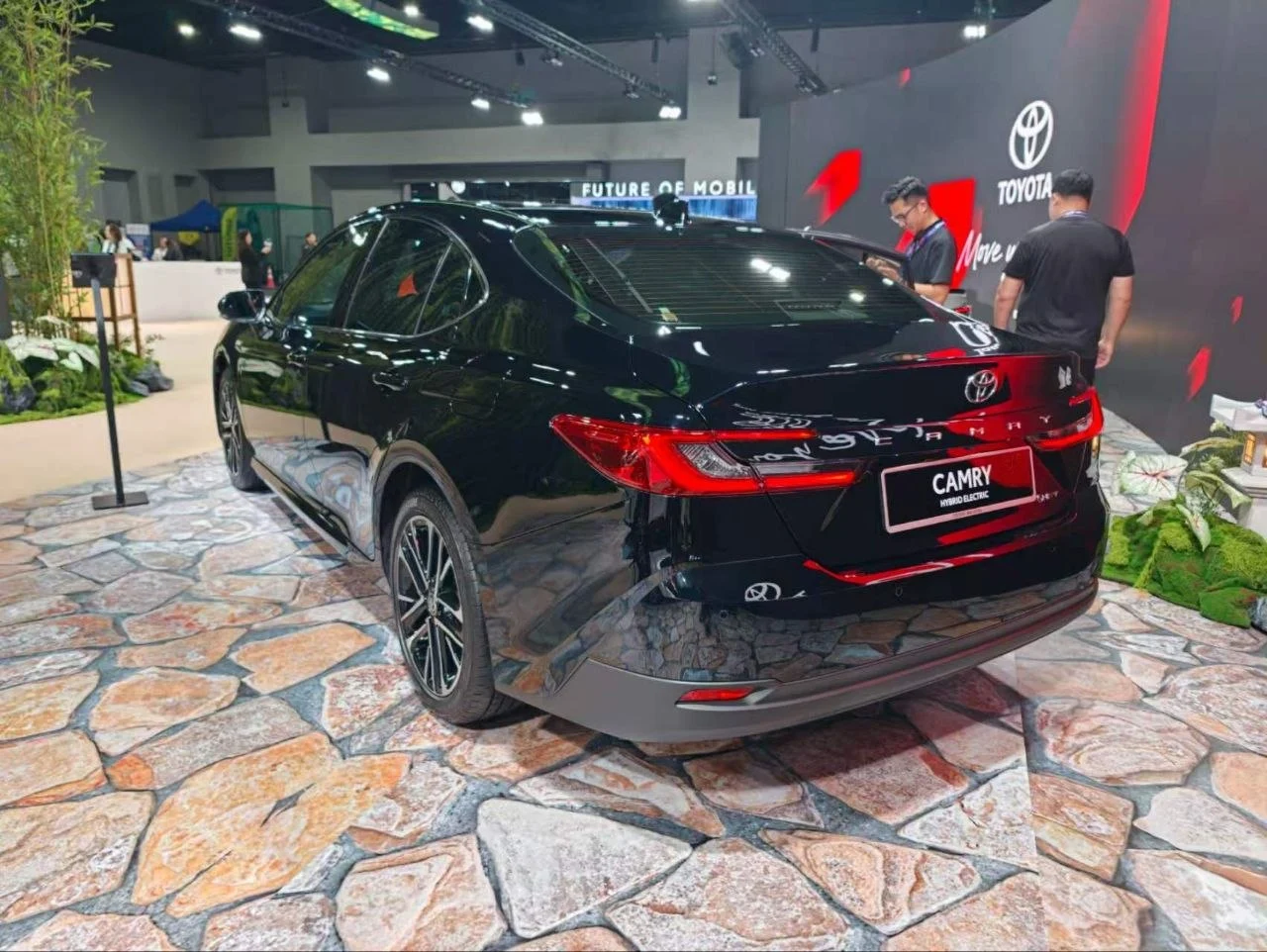
The Camry’s placement at KLIMS 2026 is best understood alongside the rest of Toyota’s stand. The 2026 Yaris Cross and Vios HEV address the growing demand for accessible hybrid technology in mainstream segments, while the bZ4X and Urban Cruiser EV hint at the brand’s electric future. The Hilux, ever the commercial backbone, reminds visitors of Toyota’s pickup dominance. In this context, the Camry serves as the traditionalist’s anchor—a petrol-powered or hybrid-assisted executive option that balances the portfolio. It prevents Toyota from becoming a brand that only speaks in the language of crossovers and kilowatt-hours, preserving credibility with buyers who view electrification as a complement rather than an immediate replacement for internal-combustion motoring.
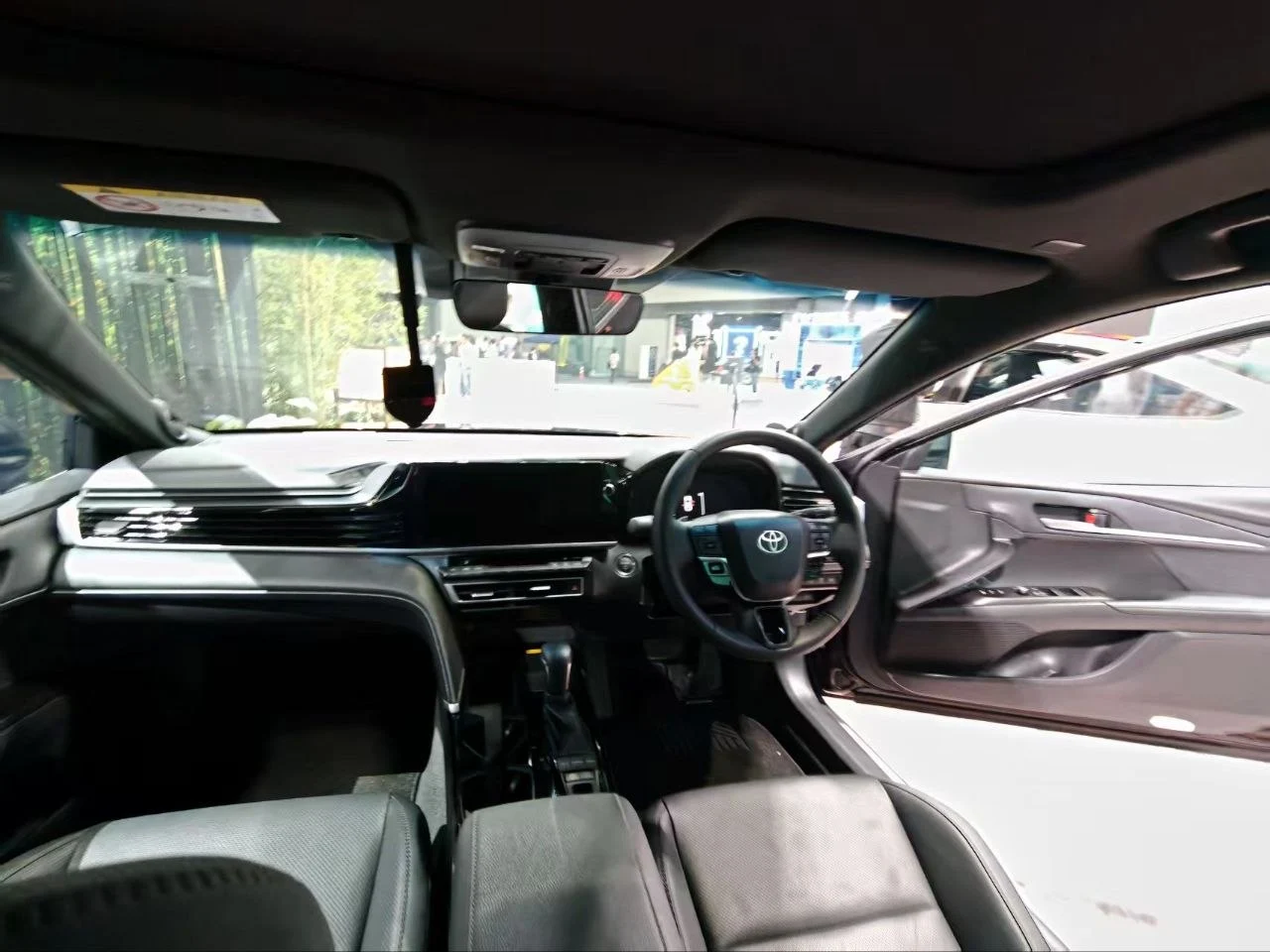
What the KLIMS display ultimately communicates is strategic patience. Toyota is not using the Camry to chase headlines; it is using it to protect a slice of the market that competitors are quietly abandoning as they rush toward SUV-only lineups. The sedan may no longer dominate Malaysian expressways, but it still fulfils a specific need for understated, spacious, and dependable transport. For the buyer who walks into KLIMS 2026 wondering whether any manufacturer still values the executive sedan format, the Camry provides an affirmative answer backed by decades of local presence. In a show defined by transformation, that sense of continuity is itself a market statement.


Your go-to source for all things automotive in Malaysia. 🚗 Latest reviews, breaking news, launches & industry trends.
+ Follow Kereta Rally Karamjit Singh & Proton Wira Schumacher Ada Sini! | HME Asia 2026
Hujung minggu dah tiba dan anda mencari sesuatu untuk cuci mata? Jemput datang ke Heritage Motor Exchange Asia 2026 yang berlangsung di Dewal Merdeka, World Trade Centre (WTC) Kuala Lumpur!
Berbeza dengan pameran biasa, acara ini memberi tumpuan khas kepada kenderaan-kenderaan warisan dan klasik yang menggamit memori. Antara daya tarikan utama yang dipamerkan termasuk:
🏎️ Kereta Rally Legenda: Kereta rally ikonik yang pernah dipandu oleh pemandu legenda negara, Karamjit Singh!
🏎️ Proton Wira Schumacher: Model Proton Wira penuh sejarah yang pernah dipandu oleh pelumba F1 legenda, Michael Schumacher!
🚘 Kereta Klasik & Mewah: Mercedes-Benz W111 Cabriolet (1960-an), Rolls-Royce Silver Cloud, Jaguar E-Type, dan pelbagai lagi model berprestasi tinggi.
Membawa tema "When Passion Meets Acquisition", pameran ini menghimpunkan lebih 50 buah kereta daripada pelbagai era. Ia turut memperkenalkan sistem penilaian Concours 100 mata serta kemudahan urusan pemeriksaan, insurans, dan cukai jalan bersama agensi seperti Puspakom dan JPJ di lokasi.
📅 Tarikh: 23 – 25 Oktober 2026
📍 Lokasi: Dewan Merdeka, WTC Kuala Lumpur
Tonton video ini sampai habis untuk lihat sendiri kehebatan jentera-jentera klasik ini! Jangan lupa untuk Like, Comment, dan Subscribe ke saluran BitAuto!
#HeritageMotorExchange #HMEAsia2026 #BitAuto #WTCKL #KeretaKlasik 1 day ago
Kereta Rally Karamjit Singh & Proton Wira Schumacher Ada Sini! | HME Asia 2026
Hujung minggu dah tiba dan anda mencari sesuatu untuk cuci mata? Jemput datang ke Heritage Motor Exchange Asia 2026 yang berlangsung di Dewal Merdeka, World Trade Centre (WTC) Kuala Lumpur!
Berbeza dengan pameran biasa, acara ini memberi tumpuan khas kepada kenderaan-kenderaan warisan dan klasik yang menggamit memori. Antara daya tarikan utama yang dipamerkan termasuk:
🏎️ Kereta Rally Legenda: Kereta rally ikonik yang pernah dipandu oleh pemandu legenda negara, Karamjit Singh!
🏎️ Proton Wira Schumacher: Model Proton Wira penuh sejarah yang pernah dipandu oleh pelumba F1 legenda, Michael Schumacher!
🚘 Kereta Klasik & Mewah: Mercedes-Benz W111 Cabriolet (1960-an), Rolls-Royce Silver Cloud, Jaguar E-Type, dan pelbagai lagi model berprestasi tinggi.
Membawa tema "When Passion Meets Acquisition", pameran ini menghimpunkan lebih 50 buah kereta daripada pelbagai era. Ia turut memperkenalkan sistem penilaian Concours 100 mata serta kemudahan urusan pemeriksaan, insurans, dan cukai jalan bersama agensi seperti Puspakom dan JPJ di lokasi.
📅 Tarikh: 23 – 25 Oktober 2026
📍 Lokasi: Dewan Merdeka, WTC Kuala Lumpur
Tonton video ini sampai habis untuk lihat sendiri kehebatan jentera-jentera klasik ini! Jangan lupa untuk Like, Comment, dan Subscribe ke saluran BitAuto!
#HeritageMotorExchange #HMEAsia2026 #BitAuto #WTCKL #KeretaKlasik 1 day ago  Rare cars, legendary icons and automotive dreams come alive at Heritage Motor Exchange Asia!
#HMEA #HeritageMotorExchangeAsia #ClassicCars #Supercars #CarCulture #MalaysiaCars 1 day ago
Rare cars, legendary icons and automotive dreams come alive at Heritage Motor Exchange Asia!
#HMEA #HeritageMotorExchangeAsia #ClassicCars #Supercars #CarCulture #MalaysiaCars 1 day ago  Waze could be banned?
IT seems like the Malaysian government may look into banning Waze, but only when local alternatives are ready. 1 day ago
Waze could be banned?
IT seems like the Malaysian government may look into banning Waze, but only when local alternatives are ready. 1 day ago Get the latest car news first!
Your go-to source for all things automotive in Malaysia. 🚗 Latest reviews, breaking news, launches & industry trends.
Kereta Rally Karamjit Singh & Proton Wira Schumacher Ada Sini! | HME Asia 2026
Hujung minggu dah tiba dan anda mencari sesuatu untuk cuci mata? Jemput datang ke Heritage Motor Exchange Asia 2026 yang berlangsung di Dewal Merdeka, World Trade Centre (WTC) Kuala Lumpur!
Berbeza dengan pameran biasa, acara ini memberi tumpuan khas kepada kenderaan-kenderaan warisan dan klasik yang menggamit memori. Antara daya tarikan utama yang dipamerkan termasuk:
🏎️ Kereta Rally Legenda: Kereta rally ikonik yang pernah dipandu oleh pemandu legenda negara, Karamjit Singh!
🏎️ Proton Wira Schumacher: Model Proton Wira penuh sejarah yang pernah dipandu oleh pelumba F1 legenda, Michael Schumacher!
🚘 Kereta Klasik & Mewah: Mercedes-Benz W111 Cabriolet (1960-an), Rolls-Royce Silver Cloud, Jaguar E-Type, dan pelbagai lagi model berprestasi tinggi.
Membawa tema "When Passion Meets Acquisition", pameran ini menghimpunkan lebih 50 buah kereta daripada pelbagai era. Ia turut memperkenalkan sistem penilaian Concours 100 mata serta kemudahan urusan pemeriksaan, insurans, dan cukai jalan bersama agensi seperti Puspakom dan JPJ di lokasi.
📅 Tarikh: 23 – 25 Oktober 2026
📍 Lokasi: Dewan Merdeka, WTC Kuala Lumpur
Tonton video ini sampai habis untuk lihat sendiri kehebatan jentera-jentera klasik ini! Jangan lupa untuk Like, Comment, dan Subscribe ke saluran BitAuto!
#HeritageMotorExchange #HMEAsia2026 #BitAuto #WTCKL #KeretaKlasik 1 day ago Rare cars, legendary icons and automotive dreams come alive at Heritage Motor Exchange Asia!
#HMEA #HeritageMotorExchangeAsia #ClassicCars #Supercars #CarCulture #MalaysiaCars 1 day ago Waze could be banned?
IT seems like the Malaysian government may look into banning Waze, but only when local alternatives are ready. 1 day ago © 2024 Bitauto.com. All Rights Reserved.
Bitauto (www.yiche.com and www.bitauto.com) is one of the most visited automotive websites in China. We provide detailed info on Chinese car brands available in your area. Please note that the information provided on this website is based on publicly available data and is for reference only. It may not be fully updated or accurate at all times.

Help us improve our website


