
Search History
Popular Searches
English
Dealer Login / Sign Up
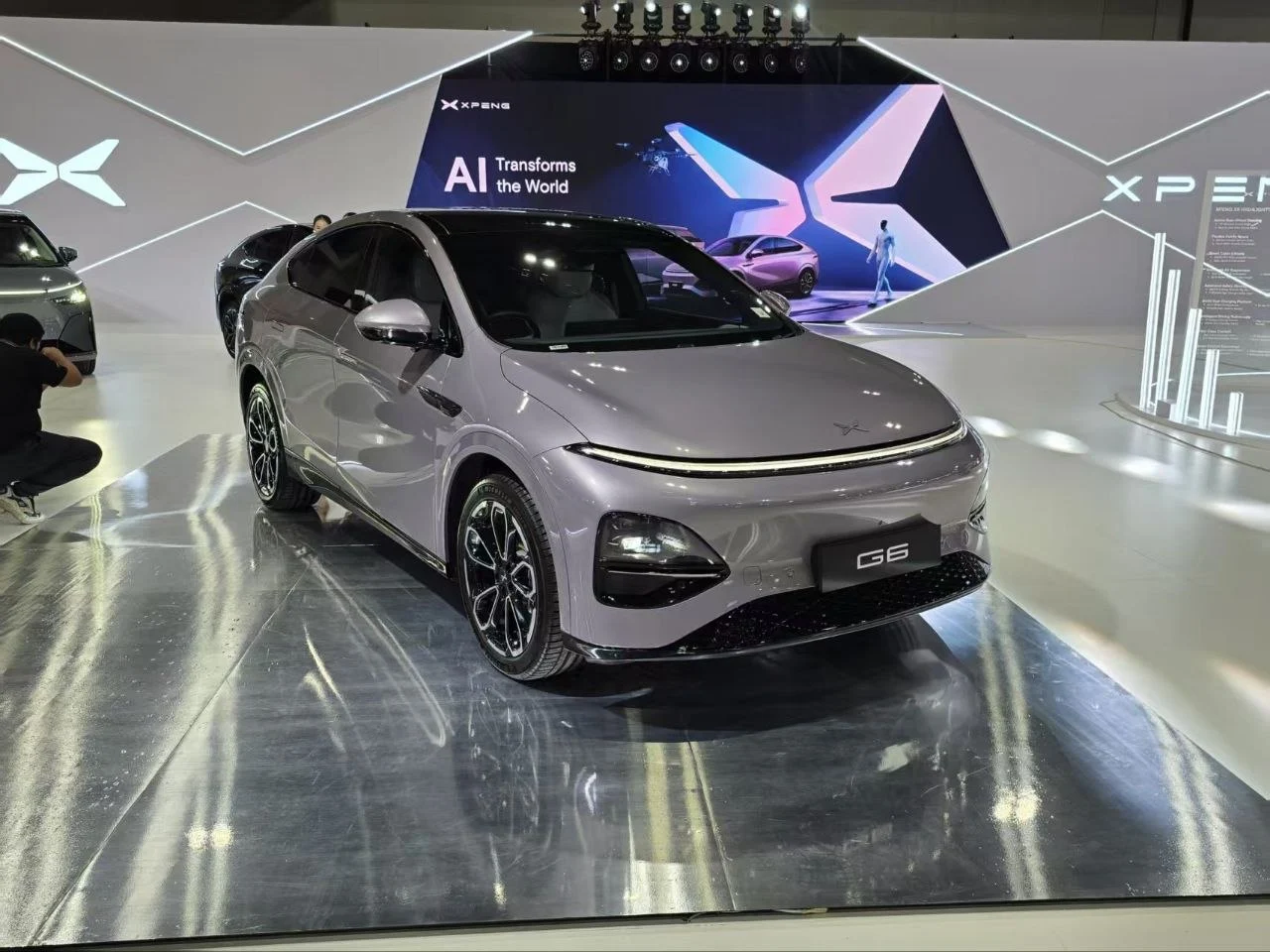
At KLIMS 2026, the Xpeng G6 enters a Malaysian electric-vehicle market that has moved past early-adopter curiosity into genuine mainstream competition. Tesla’s Model Y, BYD’s Sealion 7, Zeekr’s 7X and smart’s #5 are already fighting for the same middle-to-upper family-SUV space. Rather than joining a horsepower or battery-capacity race, Xpeng positions the G6 as a software-first smart EV. The logic is straightforward: when every rival offers competitive acceleration and a decent electric range, the everyday ownership experience will be decided by how intelligently the car interacts with its driver.
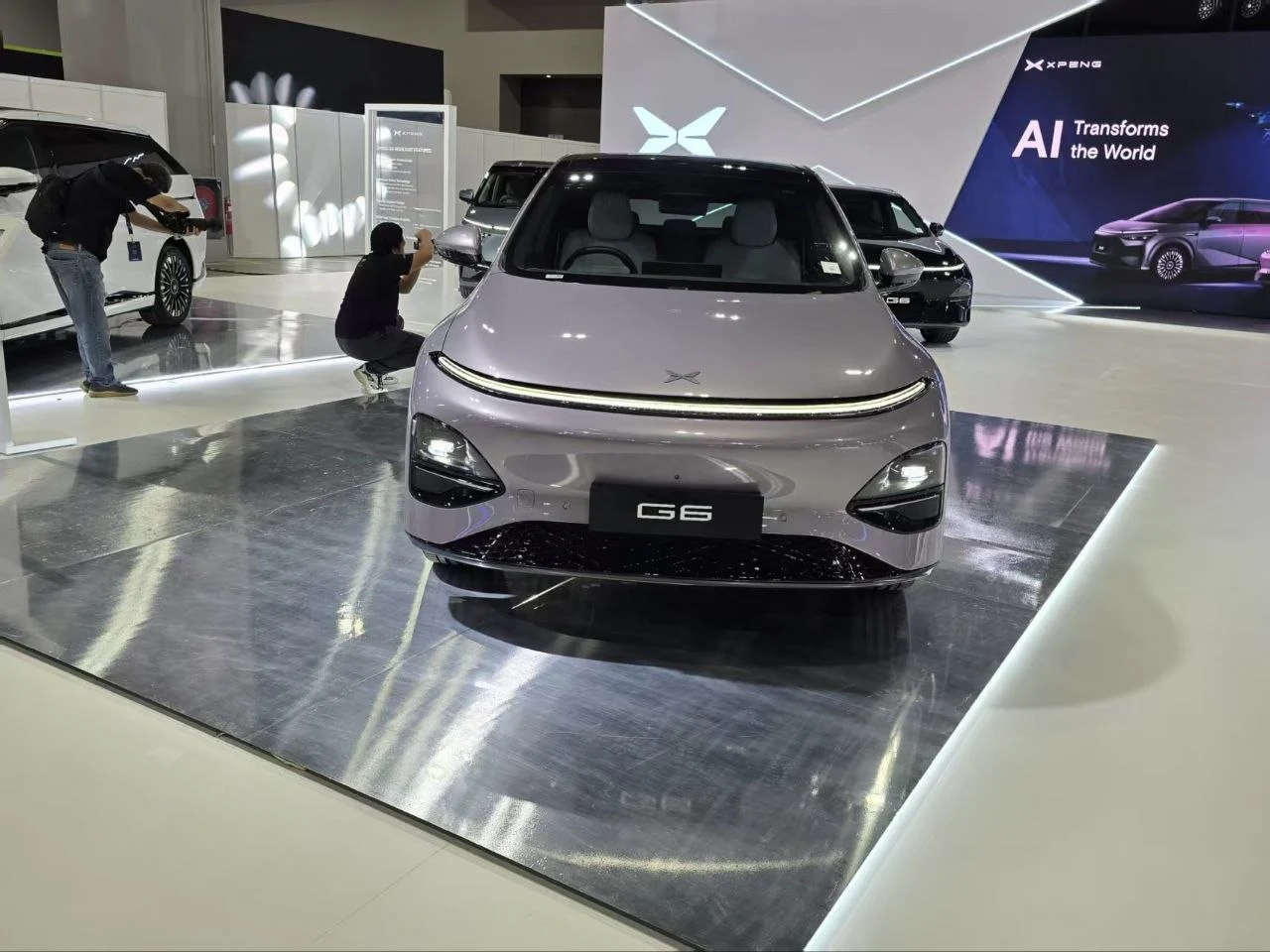
According to Bermaz’s January 2026 price list, the G6 opens at RM164,248 and extends to RM199,823 for the highest variant, placing it notably below several key competitors. That spread covers the RWD Standard Range, RWD Long Range, AWD Performance and the AWD Black Edition. By landing under the RM200,000 ceiling, Xpeng is not merely undercutting rivals; it is redefining what Malaysian buyers should expect to pay for a feature-rich electric SUV with semi-autonomous driving aids and over-the-air update capability.
Yet price alone cannot secure loyalty in this segment. Malaysian consumers are increasingly asking harder questions about resale value, service turnaround times and the longevity of software support. The G6’s value proposition therefore has to stretch beyond the initial purchase figure and convince buyers that Bermaz’s distribution network can deliver after-sales peace of mind.
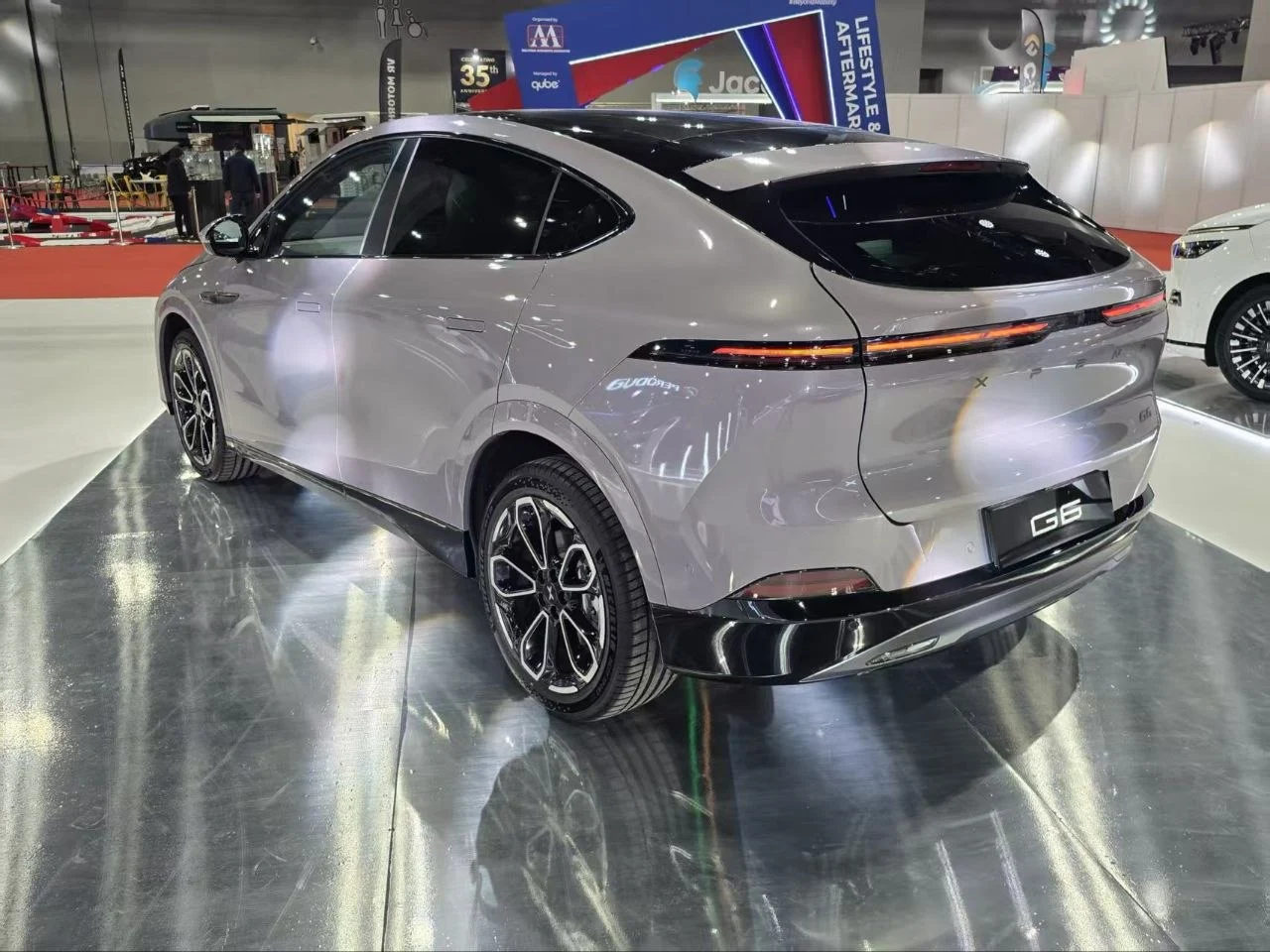
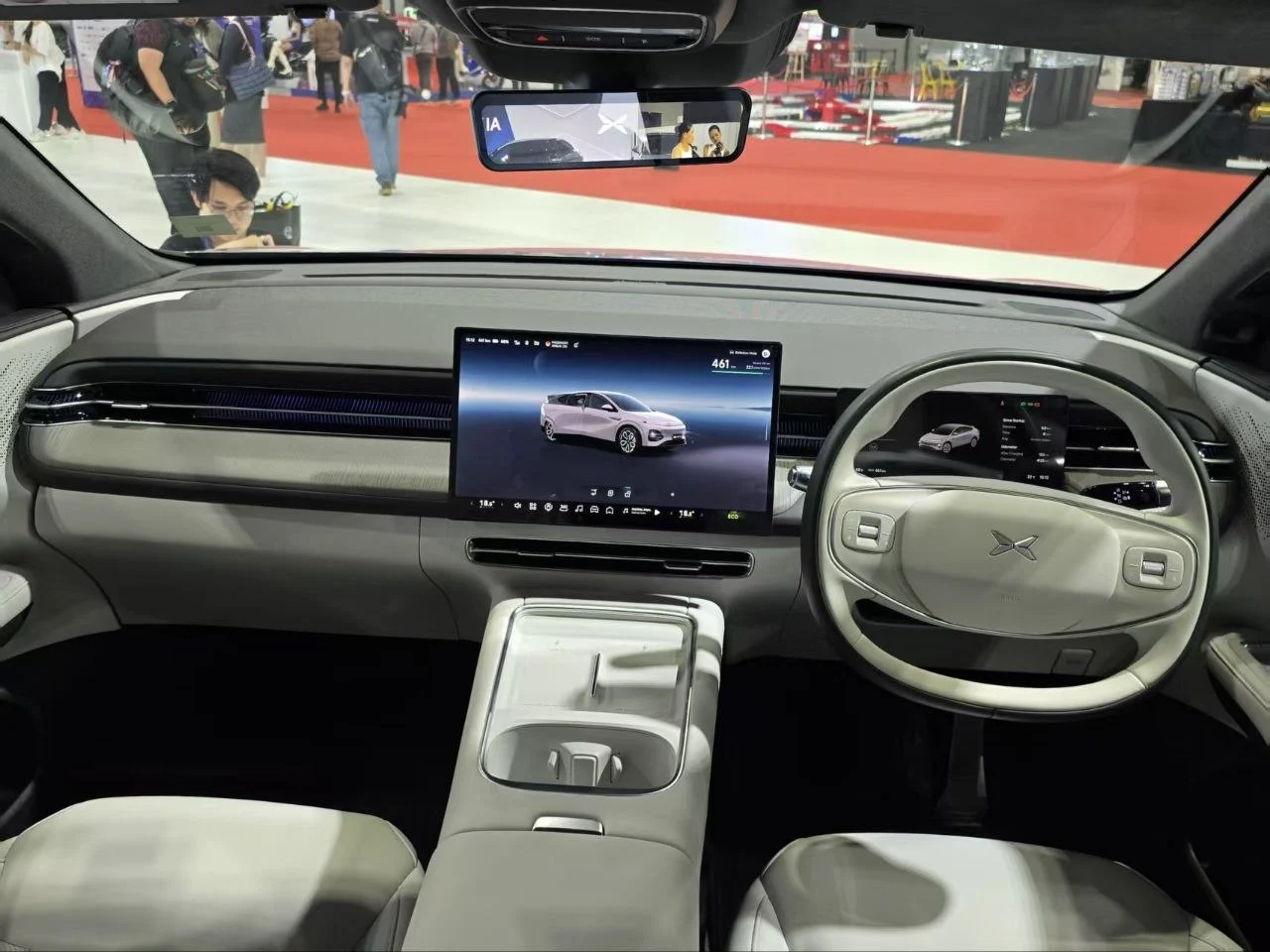
Xpeng’s core identity revolves around intelligent driving and connected cabin technology. Where some competitors lead with battery chemistry or chassis tuning, the G6 bets on advanced driver-assistance systems and a digitally integrated user interface. For Malaysian buyers who view their vehicles as long-term tech investments, this emphasis on continual improvement through over-the-air updates is a genuine differentiator. It suggests the car will evolve rather than depreciate purely on age.
The challenge, of course, is localisation. Features that impress in Shenzhen do not always translate seamlessly to Malaysian road markings, weather patterns or driving behaviour. Whether Xpeng’s assisted-driving systems can match local expectations without extensive regional calibration will determine whether its software story remains a showroom highlight or becomes a daily asset.
Beyond the vehicle itself, the most significant signal Xpeng sends at KLIMS 2026 is its partnership with EPMB to move from fully imported units to locally assembled production. This plan covers the G6, the X9 and eventually the X9 EREV, with a timeline pointing toward 2026. For a premium Chinese EV brand, local assembly is more than a cost exercise; it is a declaration of long-term commitment to the Malaysian market. It also hints at more stable parts supply and tighter integration with Bermaz’s existing service infrastructure.
For buyers cross-shopping the G6 against the Tesla Model Y or the BYD Sealion 7, the prospect of future CKD status introduces a practical variable that pure-import rivals struggle to match. Government policy incentives and the potential for faster spare-part availability both tilt the scale in favour of brands willing to localise.
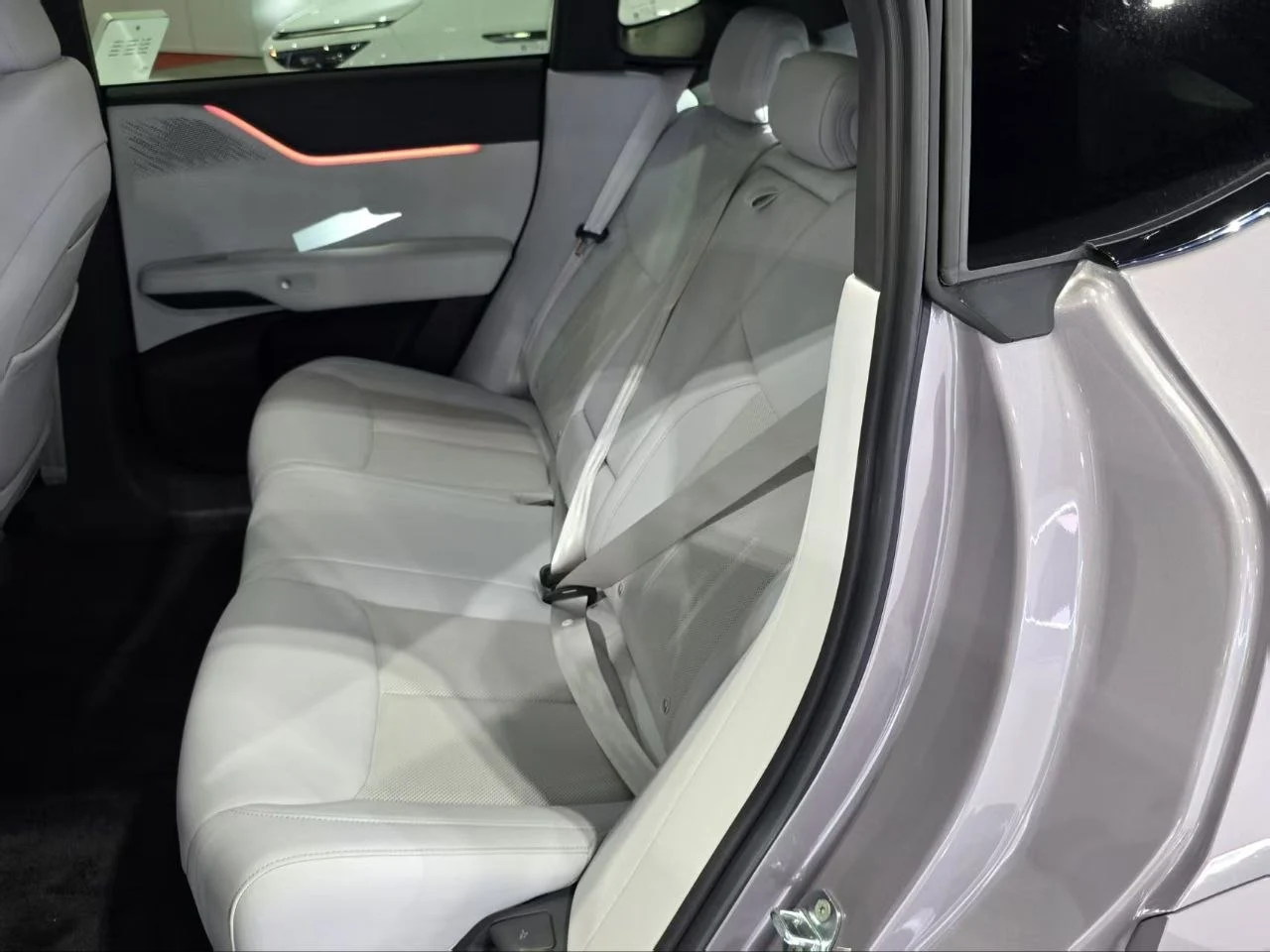
The Xpeng G6 does not attempt to be the fastest, largest or most flamboyant electric SUV at KLIMS 2026. Instead, it offers a carefully balanced package: a competitive entry price, a technology-heavy feature set and a credible roadmap toward local production. In a market where Chinese EV brands must fight not just each other but also consumer scepticism about long-term support, that combination may prove more persuasive than raw specifications. Whether the G6 can convert showroom interest into sustained sales will depend on how well Xpeng and Bermaz translate these promises into ownership reality over the next two years.


Your go-to source for all things automotive in Malaysia. 🚗 Latest reviews, breaking news, launches & industry trends.
+ Follow Kereta Rally Karamjit Singh & Proton Wira Schumacher Ada Sini! | HME Asia 2026
Hujung minggu dah tiba dan anda mencari sesuatu untuk cuci mata? Jemput datang ke Heritage Motor Exchange Asia 2026 yang berlangsung di Dewal Merdeka, World Trade Centre (WTC) Kuala Lumpur!
Berbeza dengan pameran biasa, acara ini memberi tumpuan khas kepada kenderaan-kenderaan warisan dan klasik yang menggamit memori. Antara daya tarikan utama yang dipamerkan termasuk:
🏎️ Kereta Rally Legenda: Kereta rally ikonik yang pernah dipandu oleh pemandu legenda negara, Karamjit Singh!
🏎️ Proton Wira Schumacher: Model Proton Wira penuh sejarah yang pernah dipandu oleh pelumba F1 legenda, Michael Schumacher!
🚘 Kereta Klasik & Mewah: Mercedes-Benz W111 Cabriolet (1960-an), Rolls-Royce Silver Cloud, Jaguar E-Type, dan pelbagai lagi model berprestasi tinggi.
Membawa tema "When Passion Meets Acquisition", pameran ini menghimpunkan lebih 50 buah kereta daripada pelbagai era. Ia turut memperkenalkan sistem penilaian Concours 100 mata serta kemudahan urusan pemeriksaan, insurans, dan cukai jalan bersama agensi seperti Puspakom dan JPJ di lokasi.
📅 Tarikh: 23 – 25 Oktober 2026
📍 Lokasi: Dewan Merdeka, WTC Kuala Lumpur
Tonton video ini sampai habis untuk lihat sendiri kehebatan jentera-jentera klasik ini! Jangan lupa untuk Like, Comment, dan Subscribe ke saluran BitAuto!
#HeritageMotorExchange #HMEAsia2026 #BitAuto #WTCKL #KeretaKlasik 1 day ago
Kereta Rally Karamjit Singh & Proton Wira Schumacher Ada Sini! | HME Asia 2026
Hujung minggu dah tiba dan anda mencari sesuatu untuk cuci mata? Jemput datang ke Heritage Motor Exchange Asia 2026 yang berlangsung di Dewal Merdeka, World Trade Centre (WTC) Kuala Lumpur!
Berbeza dengan pameran biasa, acara ini memberi tumpuan khas kepada kenderaan-kenderaan warisan dan klasik yang menggamit memori. Antara daya tarikan utama yang dipamerkan termasuk:
🏎️ Kereta Rally Legenda: Kereta rally ikonik yang pernah dipandu oleh pemandu legenda negara, Karamjit Singh!
🏎️ Proton Wira Schumacher: Model Proton Wira penuh sejarah yang pernah dipandu oleh pelumba F1 legenda, Michael Schumacher!
🚘 Kereta Klasik & Mewah: Mercedes-Benz W111 Cabriolet (1960-an), Rolls-Royce Silver Cloud, Jaguar E-Type, dan pelbagai lagi model berprestasi tinggi.
Membawa tema "When Passion Meets Acquisition", pameran ini menghimpunkan lebih 50 buah kereta daripada pelbagai era. Ia turut memperkenalkan sistem penilaian Concours 100 mata serta kemudahan urusan pemeriksaan, insurans, dan cukai jalan bersama agensi seperti Puspakom dan JPJ di lokasi.
📅 Tarikh: 23 – 25 Oktober 2026
📍 Lokasi: Dewan Merdeka, WTC Kuala Lumpur
Tonton video ini sampai habis untuk lihat sendiri kehebatan jentera-jentera klasik ini! Jangan lupa untuk Like, Comment, dan Subscribe ke saluran BitAuto!
#HeritageMotorExchange #HMEAsia2026 #BitAuto #WTCKL #KeretaKlasik 1 day ago  Rare cars, legendary icons and automotive dreams come alive at Heritage Motor Exchange Asia!
#HMEA #HeritageMotorExchangeAsia #ClassicCars #Supercars #CarCulture #MalaysiaCars 1 day ago
Rare cars, legendary icons and automotive dreams come alive at Heritage Motor Exchange Asia!
#HMEA #HeritageMotorExchangeAsia #ClassicCars #Supercars #CarCulture #MalaysiaCars 1 day ago  Waze could be banned?
IT seems like the Malaysian government may look into banning Waze, but only when local alternatives are ready. 1 day ago
Waze could be banned?
IT seems like the Malaysian government may look into banning Waze, but only when local alternatives are ready. 1 day ago Get the latest car news first!
Your go-to source for all things automotive in Malaysia. 🚗 Latest reviews, breaking news, launches & industry trends.
Kereta Rally Karamjit Singh & Proton Wira Schumacher Ada Sini! | HME Asia 2026
Hujung minggu dah tiba dan anda mencari sesuatu untuk cuci mata? Jemput datang ke Heritage Motor Exchange Asia 2026 yang berlangsung di Dewal Merdeka, World Trade Centre (WTC) Kuala Lumpur!
Berbeza dengan pameran biasa, acara ini memberi tumpuan khas kepada kenderaan-kenderaan warisan dan klasik yang menggamit memori. Antara daya tarikan utama yang dipamerkan termasuk:
🏎️ Kereta Rally Legenda: Kereta rally ikonik yang pernah dipandu oleh pemandu legenda negara, Karamjit Singh!
🏎️ Proton Wira Schumacher: Model Proton Wira penuh sejarah yang pernah dipandu oleh pelumba F1 legenda, Michael Schumacher!
🚘 Kereta Klasik & Mewah: Mercedes-Benz W111 Cabriolet (1960-an), Rolls-Royce Silver Cloud, Jaguar E-Type, dan pelbagai lagi model berprestasi tinggi.
Membawa tema "When Passion Meets Acquisition", pameran ini menghimpunkan lebih 50 buah kereta daripada pelbagai era. Ia turut memperkenalkan sistem penilaian Concours 100 mata serta kemudahan urusan pemeriksaan, insurans, dan cukai jalan bersama agensi seperti Puspakom dan JPJ di lokasi.
📅 Tarikh: 23 – 25 Oktober 2026
📍 Lokasi: Dewan Merdeka, WTC Kuala Lumpur
Tonton video ini sampai habis untuk lihat sendiri kehebatan jentera-jentera klasik ini! Jangan lupa untuk Like, Comment, dan Subscribe ke saluran BitAuto!
#HeritageMotorExchange #HMEAsia2026 #BitAuto #WTCKL #KeretaKlasik 1 day ago Rare cars, legendary icons and automotive dreams come alive at Heritage Motor Exchange Asia!
#HMEA #HeritageMotorExchangeAsia #ClassicCars #Supercars #CarCulture #MalaysiaCars 1 day ago Waze could be banned?
IT seems like the Malaysian government may look into banning Waze, but only when local alternatives are ready. 1 day ago © 2024 Bitauto.com. All Rights Reserved.
Bitauto (www.yiche.com and www.bitauto.com) is one of the most visited automotive websites in China. We provide detailed info on Chinese car brands available in your area. Please note that the information provided on this website is based on publicly available data and is for reference only. It may not be fully updated or accurate at all times.

Help us improve our website


