
Search History
Popular Searches
English
Dealer Login / Sign Up
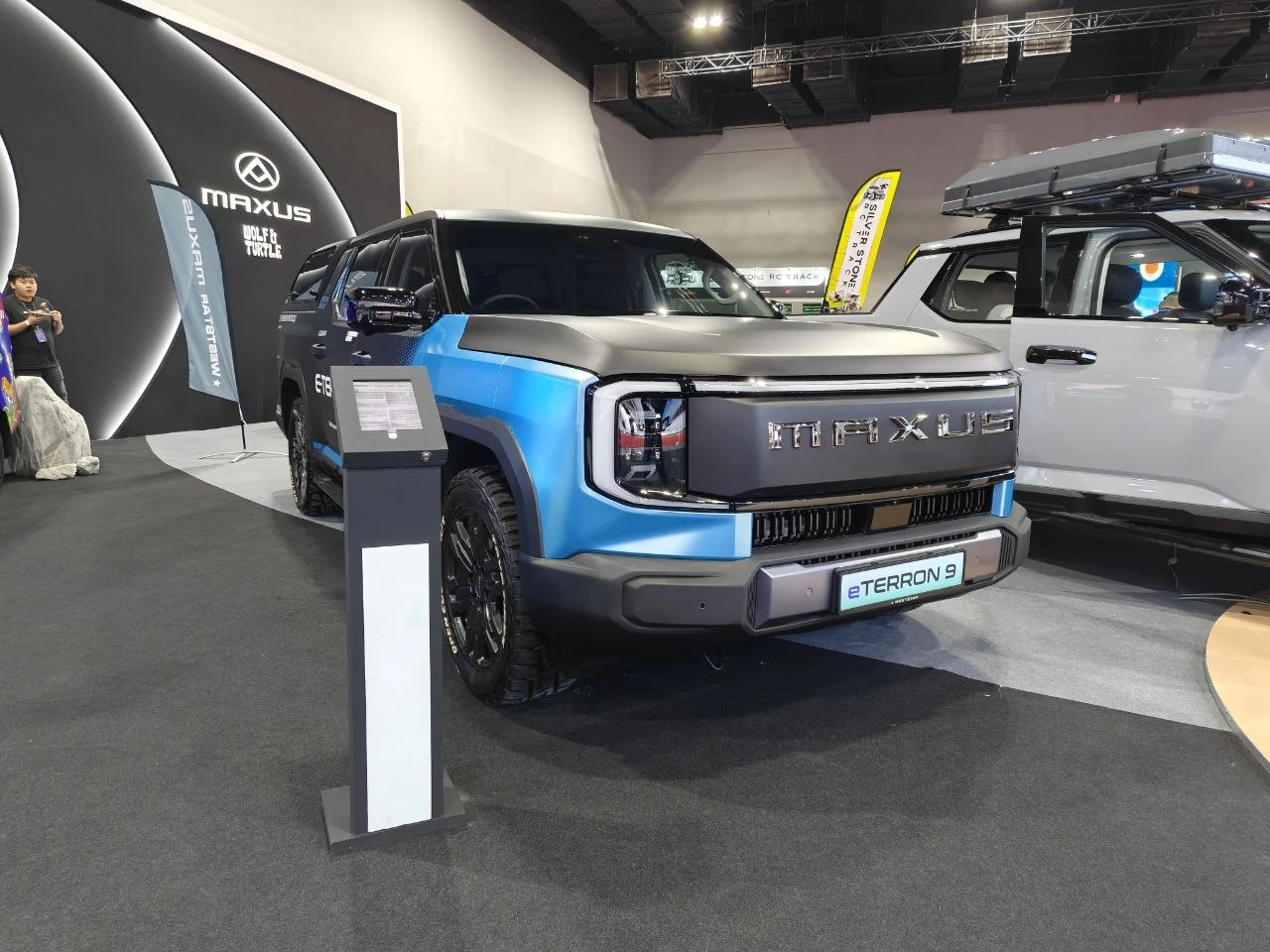
At KLIMS 2026, the Maxus eTerron 9 stands out because it does not treat the electric pickup idea as a purely urban lifestyle exercise. According to SAIC Maxus global material, the eTerron 9 is a 4x4 electric pickup built on a dedicated electric platform, with Europe positioned as one of its key launch markets. For Malaysia, this is not yet the kind of vehicle that will replace diesel pickups overnight, but it shows where Maxus wants its next generation of pickup technology to go.
That matters because Weststar Maxus is better known locally for commercial vans, fleet vehicles and work-oriented pickups. The eTerron 9 pushes the brand into a more demanding space, where EV efficiency has to coexist with towing, payload, all-terrain traction and long-term durability. It is not a direct successor to the T60. It is a technical statement about how Maxus sees the pickup category evolving.
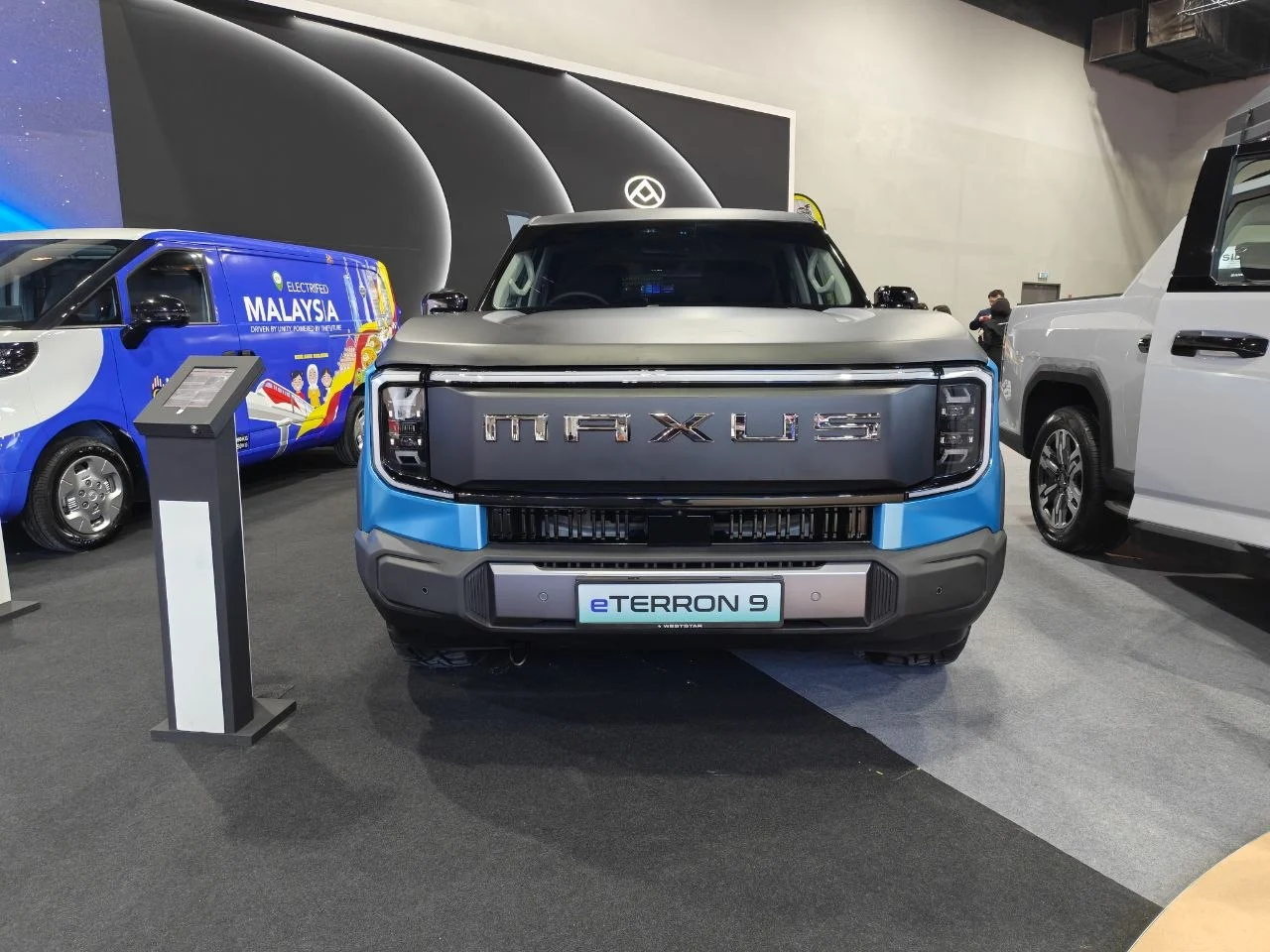
The core figures are clear. SAIC Maxus lists a 102 kWh battery, a WLTP-rated range of 430 km, dual permanent-magnet synchronous motors, a combined peak output of 325 kW and a 0-100 km/h time of 5.8 seconds. In a pickup, the point is not simply acceleration. The more important message is that an electric platform can deliver strong torque and 4WD traction while still carrying the functional expectations of the body style.
Maxus also quotes up to 3.5 tonnes of towing capacity and a maximum payload of 620 kg. In Malaysia, those figures are more relevant than the sprint time. Pickup buyers care about towing boats, carrying tools, reaching worksites and travelling long distances. The challenge for an electric pickup is therefore practical rather than theoretical. It can make sense as an urban-based lifestyle vehicle or a corporate image vehicle, but charging access and route planning will remain central to any serious ownership decision.
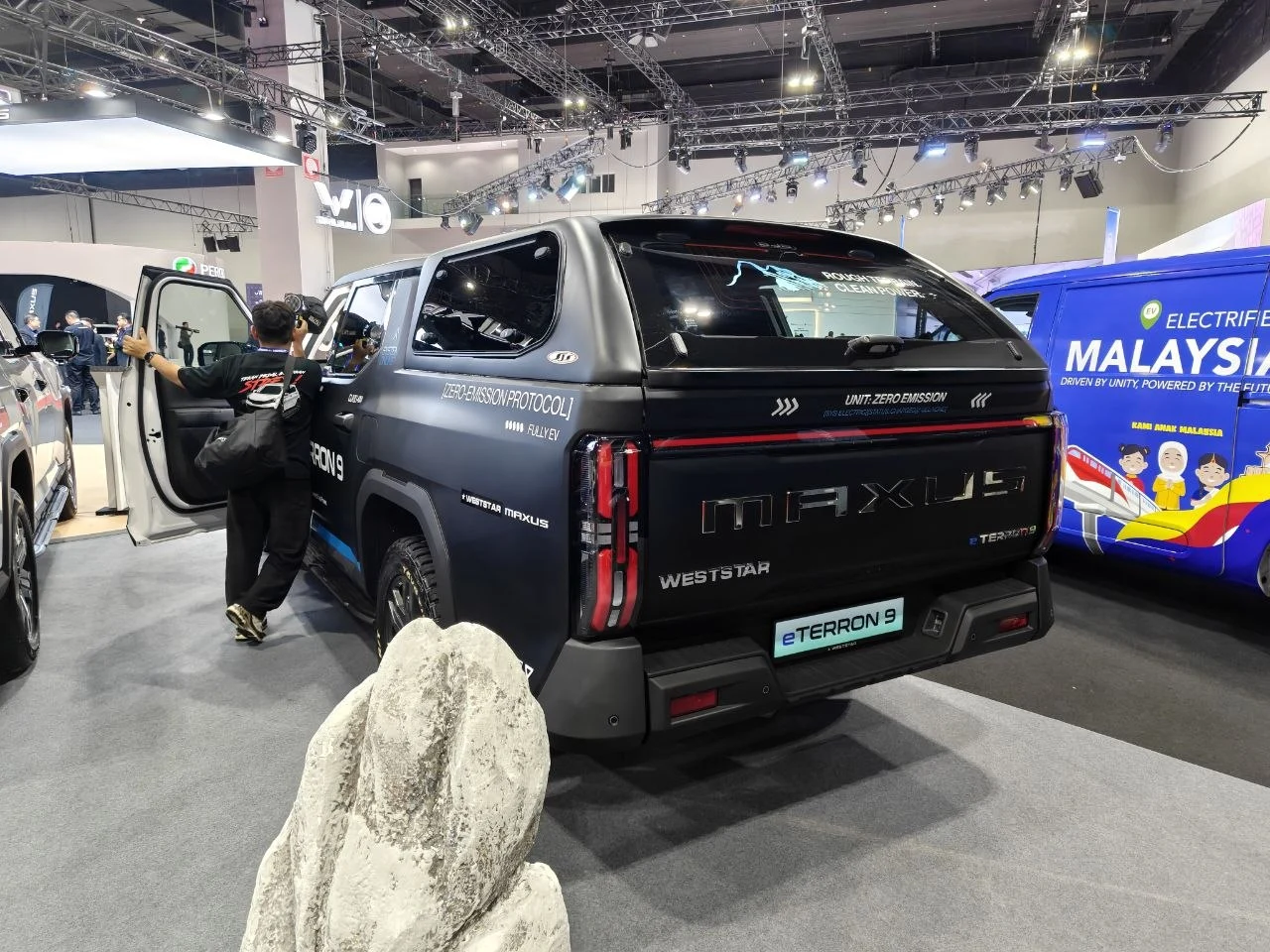
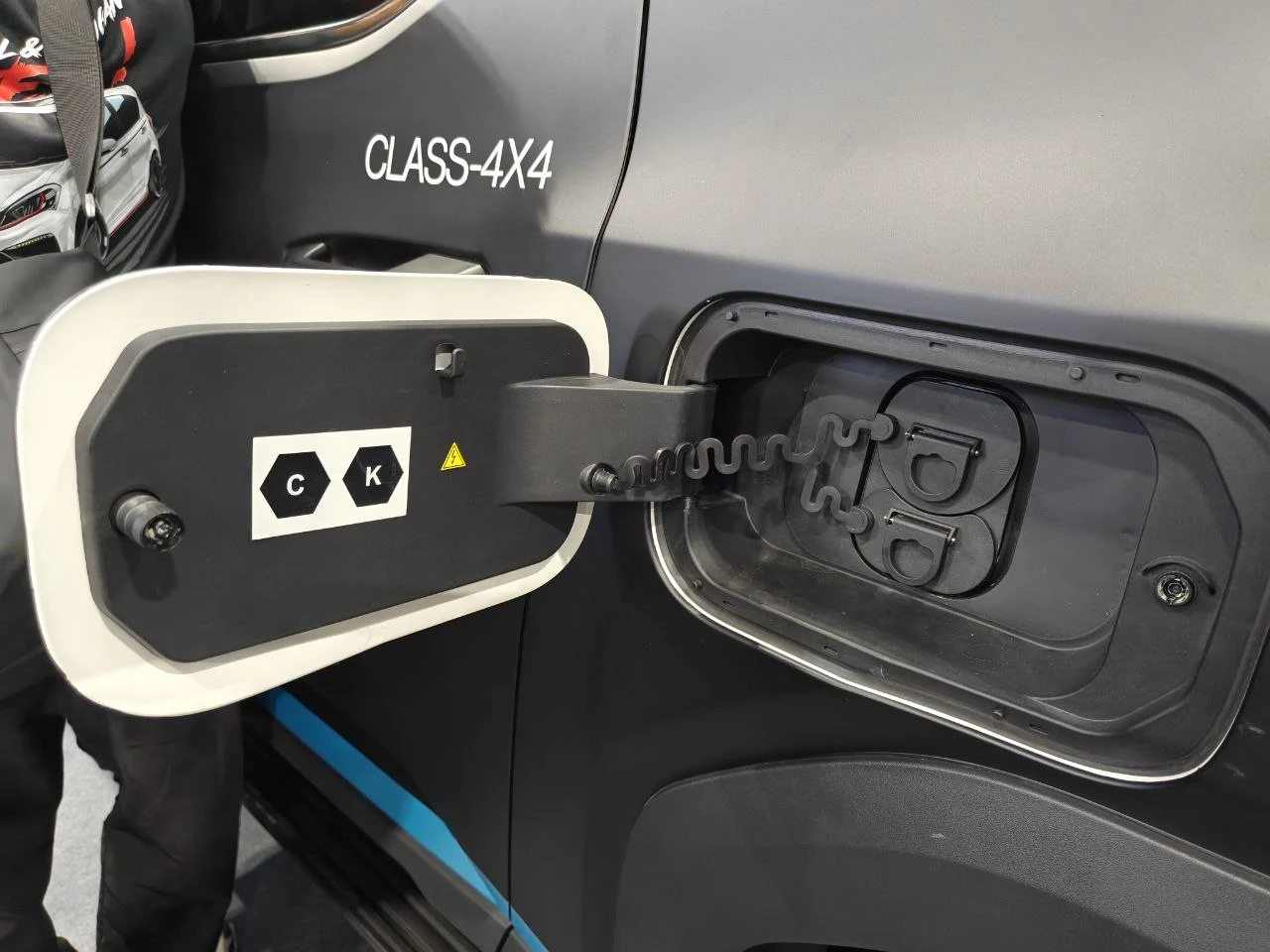
The eTerron 9 uses a semi-monocoque body and places heavy emphasis on battery protection and thermal management. SAIC Maxus describes a Tetris battery pack with a nine-cell protective framework, plus a thermal management system developed to improve cold-weather efficiency. Malaysia does not have that winter issue, but heat control still matters for sustained highway driving, heavy loads and fast charging.
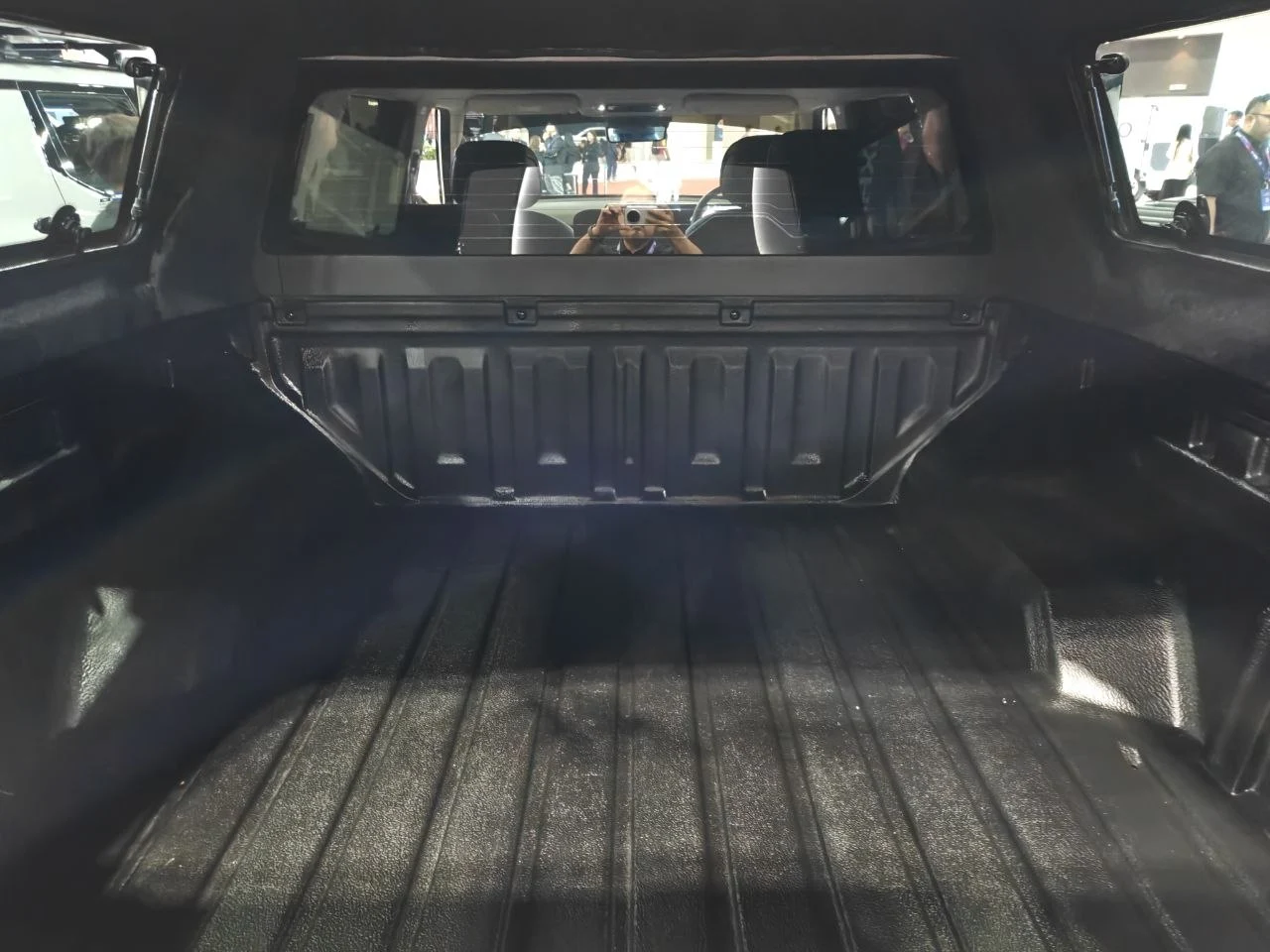
Its packaging is where the vehicle becomes more interesting. The eTerron 9 has a 236-litre front trunk, and the rear glass can be lowered to link the cabin with the load bed. Maxus says this creates a 2,400 mm usable space, enough for a 7 ft 10 in surfboard. China-market Star X reference material also points to a large-pickup footprint, with related models measuring around 5,500 mm long, 2,005 mm wide and 3,300 mm in wheelbase.
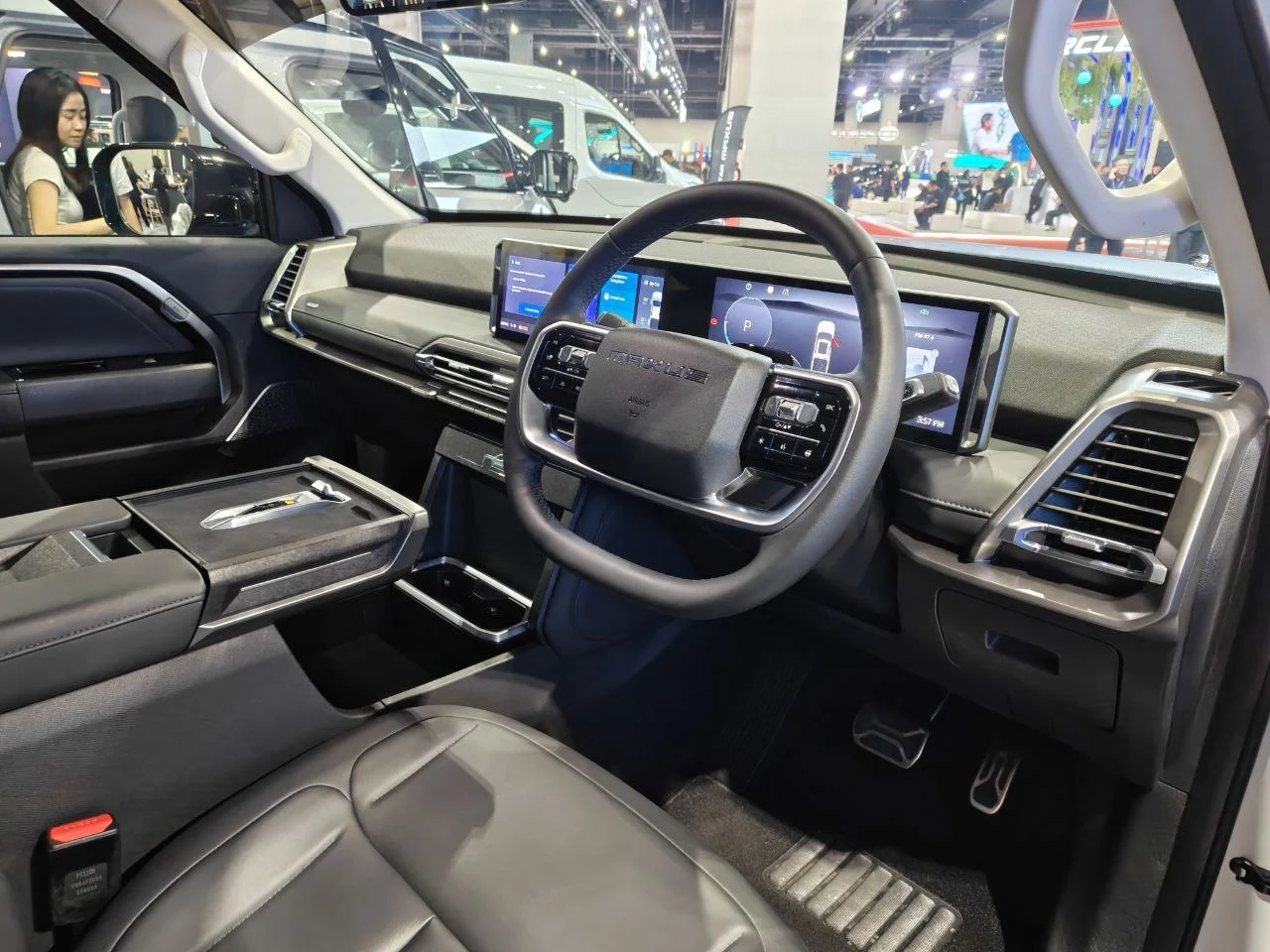
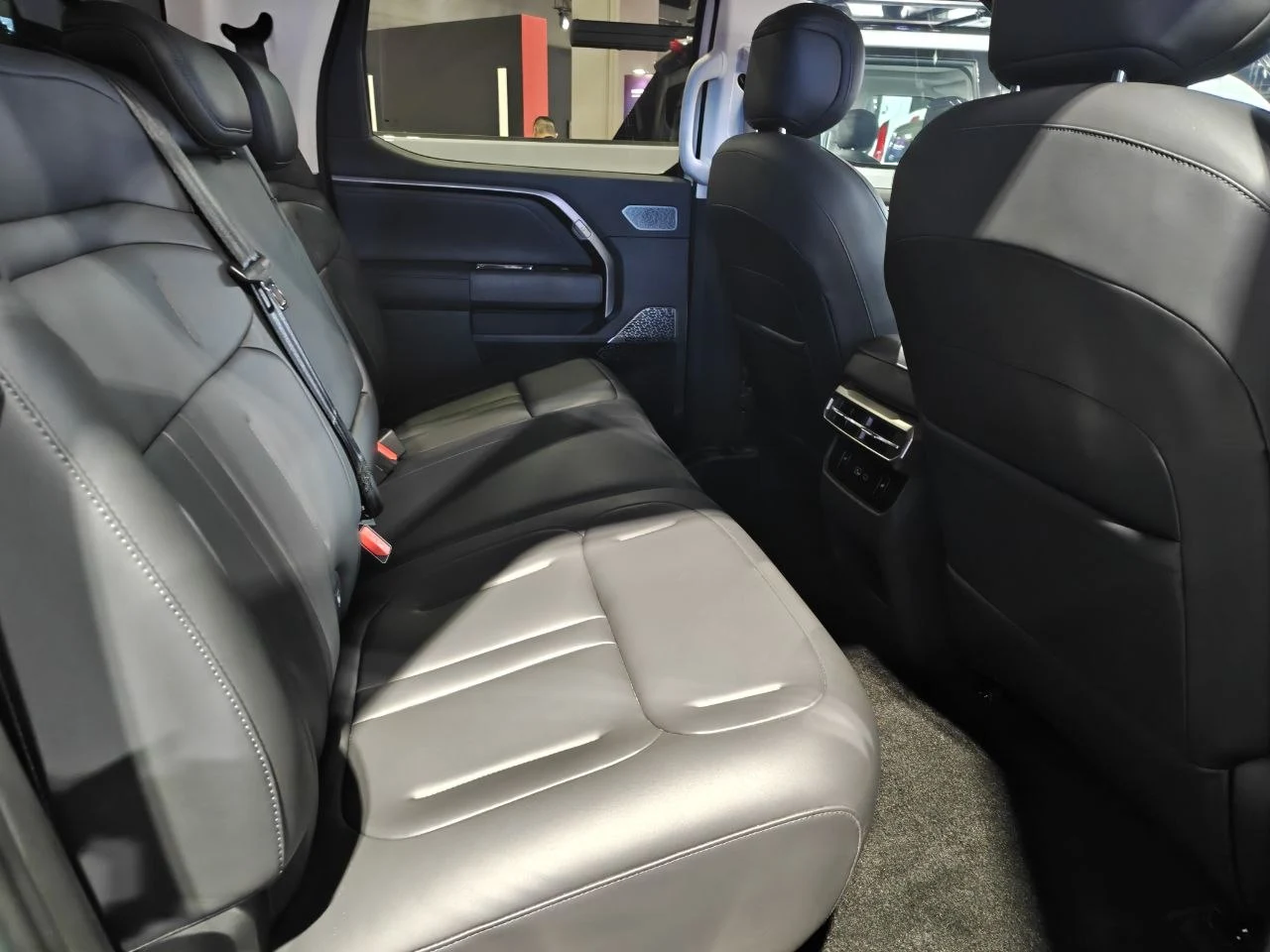
Maxus is not presenting the eTerron 9 as a bare electric work truck. The official description highlights soft leather trim, MPV-like comfort seats and the ATS all-terrain system, with several preset modes plus a custom setting. For an electric pickup, this calibration is important. Electric motors respond quickly, and the way torque is managed across wet roads, mud, gravel and steep climbs can determine whether the vehicle feels controlled or nervous.
Safety is also part of the pitch. SAIC Maxus says ultra-high-strength steel accounts for 73 percent of the structure, and the vehicle has been developed with a five-star Euro NCAP safety standard in mind. These points do not replace a Malaysian specification sheet, but they show that the eTerron 9 is being framed as a global product rather than a regional experiment.
If the eTerron 9 reaches Malaysia, it will enter a pickup culture dominated by proven diesel names such as the Toyota Hilux, Ford Ranger, Nissan Navara and Isuzu D-Max. Those models still hold the advantage for long-distance use, rural work and easy refuelling. The Maxus opportunity sits elsewhere: lifestyle buyers, corporate fleets with sustainability targets, urban outdoor users and customers who want pickup capability without a diesel engine.
At KLIMS 2026, the eTerron 9 therefore works as more than a new model display. It lets Maxus show that the pickup future does not have to be defined only by diesel torque and traditional ladder-frame formulas. Its Malaysian prospects will depend on pricing, charging support, warranty coverage and whether Weststar Maxus can extend its commercial-vehicle service base into high-voltage EV ownership.


Your go-to source for all things automotive in Malaysia. 🚗 Latest reviews, breaking news, launches & industry trends.
+ Follow Kereta Rally Karamjit Singh & Proton Wira Schumacher Ada Sini! | HME Asia 2026
Hujung minggu dah tiba dan anda mencari sesuatu untuk cuci mata? Jemput datang ke Heritage Motor Exchange Asia 2026 yang berlangsung di Dewal Merdeka, World Trade Centre (WTC) Kuala Lumpur!
Berbeza dengan pameran biasa, acara ini memberi tumpuan khas kepada kenderaan-kenderaan warisan dan klasik yang menggamit memori. Antara daya tarikan utama yang dipamerkan termasuk:
🏎️ Kereta Rally Legenda: Kereta rally ikonik yang pernah dipandu oleh pemandu legenda negara, Karamjit Singh!
🏎️ Proton Wira Schumacher: Model Proton Wira penuh sejarah yang pernah dipandu oleh pelumba F1 legenda, Michael Schumacher!
🚘 Kereta Klasik & Mewah: Mercedes-Benz W111 Cabriolet (1960-an), Rolls-Royce Silver Cloud, Jaguar E-Type, dan pelbagai lagi model berprestasi tinggi.
Membawa tema "When Passion Meets Acquisition", pameran ini menghimpunkan lebih 50 buah kereta daripada pelbagai era. Ia turut memperkenalkan sistem penilaian Concours 100 mata serta kemudahan urusan pemeriksaan, insurans, dan cukai jalan bersama agensi seperti Puspakom dan JPJ di lokasi.
📅 Tarikh: 23 – 25 Oktober 2026
📍 Lokasi: Dewan Merdeka, WTC Kuala Lumpur
Tonton video ini sampai habis untuk lihat sendiri kehebatan jentera-jentera klasik ini! Jangan lupa untuk Like, Comment, dan Subscribe ke saluran BitAuto!
#HeritageMotorExchange #HMEAsia2026 #BitAuto #WTCKL #KeretaKlasik 1 day ago
Kereta Rally Karamjit Singh & Proton Wira Schumacher Ada Sini! | HME Asia 2026
Hujung minggu dah tiba dan anda mencari sesuatu untuk cuci mata? Jemput datang ke Heritage Motor Exchange Asia 2026 yang berlangsung di Dewal Merdeka, World Trade Centre (WTC) Kuala Lumpur!
Berbeza dengan pameran biasa, acara ini memberi tumpuan khas kepada kenderaan-kenderaan warisan dan klasik yang menggamit memori. Antara daya tarikan utama yang dipamerkan termasuk:
🏎️ Kereta Rally Legenda: Kereta rally ikonik yang pernah dipandu oleh pemandu legenda negara, Karamjit Singh!
🏎️ Proton Wira Schumacher: Model Proton Wira penuh sejarah yang pernah dipandu oleh pelumba F1 legenda, Michael Schumacher!
🚘 Kereta Klasik & Mewah: Mercedes-Benz W111 Cabriolet (1960-an), Rolls-Royce Silver Cloud, Jaguar E-Type, dan pelbagai lagi model berprestasi tinggi.
Membawa tema "When Passion Meets Acquisition", pameran ini menghimpunkan lebih 50 buah kereta daripada pelbagai era. Ia turut memperkenalkan sistem penilaian Concours 100 mata serta kemudahan urusan pemeriksaan, insurans, dan cukai jalan bersama agensi seperti Puspakom dan JPJ di lokasi.
📅 Tarikh: 23 – 25 Oktober 2026
📍 Lokasi: Dewan Merdeka, WTC Kuala Lumpur
Tonton video ini sampai habis untuk lihat sendiri kehebatan jentera-jentera klasik ini! Jangan lupa untuk Like, Comment, dan Subscribe ke saluran BitAuto!
#HeritageMotorExchange #HMEAsia2026 #BitAuto #WTCKL #KeretaKlasik 1 day ago  Rare cars, legendary icons and automotive dreams come alive at Heritage Motor Exchange Asia!
#HMEA #HeritageMotorExchangeAsia #ClassicCars #Supercars #CarCulture #MalaysiaCars 1 day ago
Rare cars, legendary icons and automotive dreams come alive at Heritage Motor Exchange Asia!
#HMEA #HeritageMotorExchangeAsia #ClassicCars #Supercars #CarCulture #MalaysiaCars 1 day ago  Waze could be banned?
IT seems like the Malaysian government may look into banning Waze, but only when local alternatives are ready. 1 day ago
Waze could be banned?
IT seems like the Malaysian government may look into banning Waze, but only when local alternatives are ready. 1 day ago Get the latest car news first!
Your go-to source for all things automotive in Malaysia. 🚗 Latest reviews, breaking news, launches & industry trends.
Kereta Rally Karamjit Singh & Proton Wira Schumacher Ada Sini! | HME Asia 2026
Hujung minggu dah tiba dan anda mencari sesuatu untuk cuci mata? Jemput datang ke Heritage Motor Exchange Asia 2026 yang berlangsung di Dewal Merdeka, World Trade Centre (WTC) Kuala Lumpur!
Berbeza dengan pameran biasa, acara ini memberi tumpuan khas kepada kenderaan-kenderaan warisan dan klasik yang menggamit memori. Antara daya tarikan utama yang dipamerkan termasuk:
🏎️ Kereta Rally Legenda: Kereta rally ikonik yang pernah dipandu oleh pemandu legenda negara, Karamjit Singh!
🏎️ Proton Wira Schumacher: Model Proton Wira penuh sejarah yang pernah dipandu oleh pelumba F1 legenda, Michael Schumacher!
🚘 Kereta Klasik & Mewah: Mercedes-Benz W111 Cabriolet (1960-an), Rolls-Royce Silver Cloud, Jaguar E-Type, dan pelbagai lagi model berprestasi tinggi.
Membawa tema "When Passion Meets Acquisition", pameran ini menghimpunkan lebih 50 buah kereta daripada pelbagai era. Ia turut memperkenalkan sistem penilaian Concours 100 mata serta kemudahan urusan pemeriksaan, insurans, dan cukai jalan bersama agensi seperti Puspakom dan JPJ di lokasi.
📅 Tarikh: 23 – 25 Oktober 2026
📍 Lokasi: Dewan Merdeka, WTC Kuala Lumpur
Tonton video ini sampai habis untuk lihat sendiri kehebatan jentera-jentera klasik ini! Jangan lupa untuk Like, Comment, dan Subscribe ke saluran BitAuto!
#HeritageMotorExchange #HMEAsia2026 #BitAuto #WTCKL #KeretaKlasik 1 day ago Rare cars, legendary icons and automotive dreams come alive at Heritage Motor Exchange Asia!
#HMEA #HeritageMotorExchangeAsia #ClassicCars #Supercars #CarCulture #MalaysiaCars 1 day ago Waze could be banned?
IT seems like the Malaysian government may look into banning Waze, but only when local alternatives are ready. 1 day ago © 2024 Bitauto.com. All Rights Reserved.
Bitauto (www.yiche.com and www.bitauto.com) is one of the most visited automotive websites in China. We provide detailed info on Chinese car brands available in your area. Please note that the information provided on this website is based on publicly available data and is for reference only. It may not be fully updated or accurate at all times.

Help us improve our website


