
Search History
Popular Searches
English
Dealer Login / Sign Up
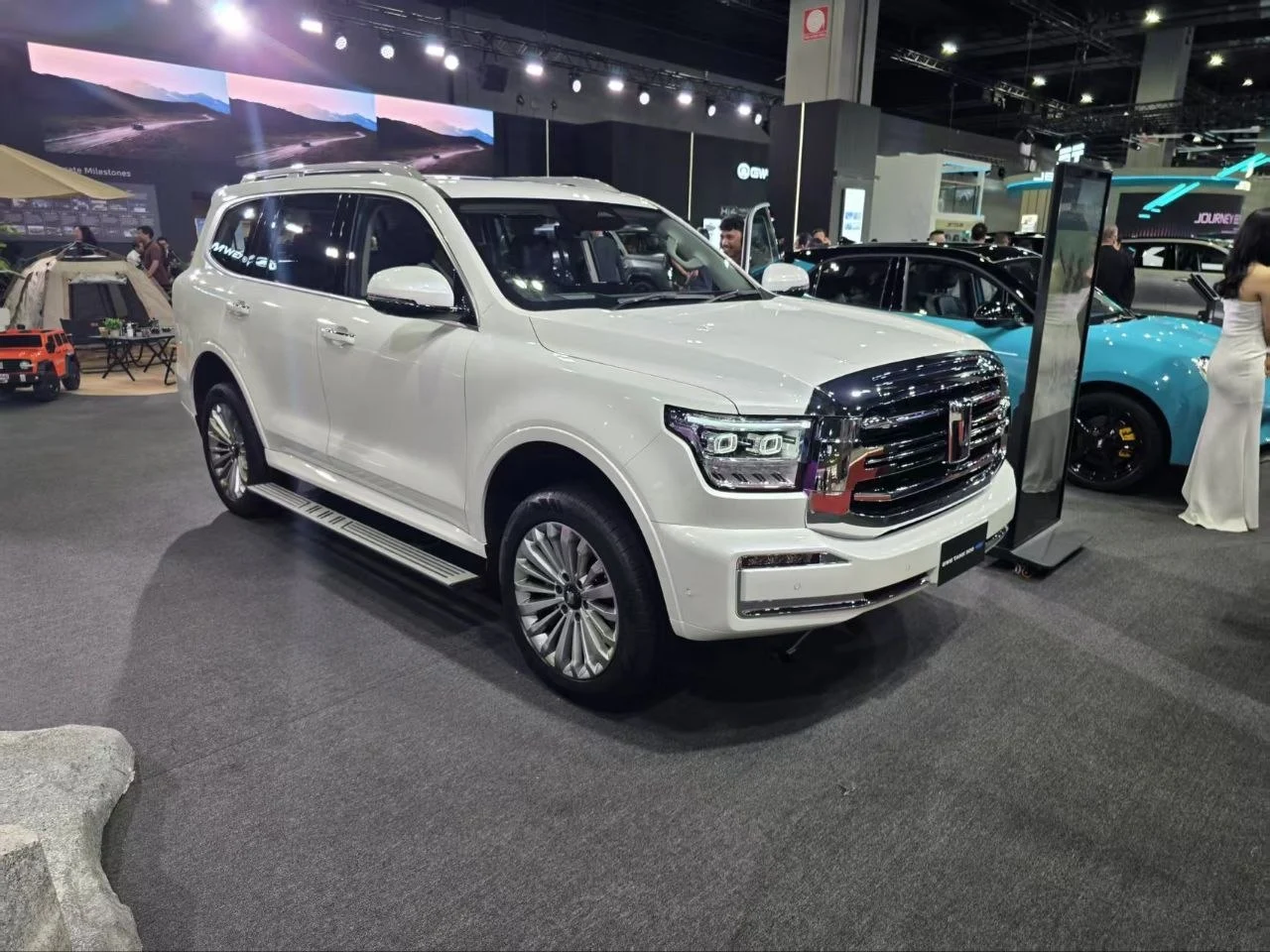
GWM’s stand at KLIMS 2026 makes one thing clear: the brand is no longer content with city-focused electric hatchbacks and mainstream hybrid crossovers. By bringing the Tank 500 into the Malaysian exhibition hall, GWM is signalling its intent to compete in the large, body-on-frame SUV space that has long been dominated by Japanese and American nameplates. The Tank 500 arrives not as a tentative experiment, but as the more substantial sibling to the Tank 300, designed to anchor the upper end of GWM’s off-road portfolio.
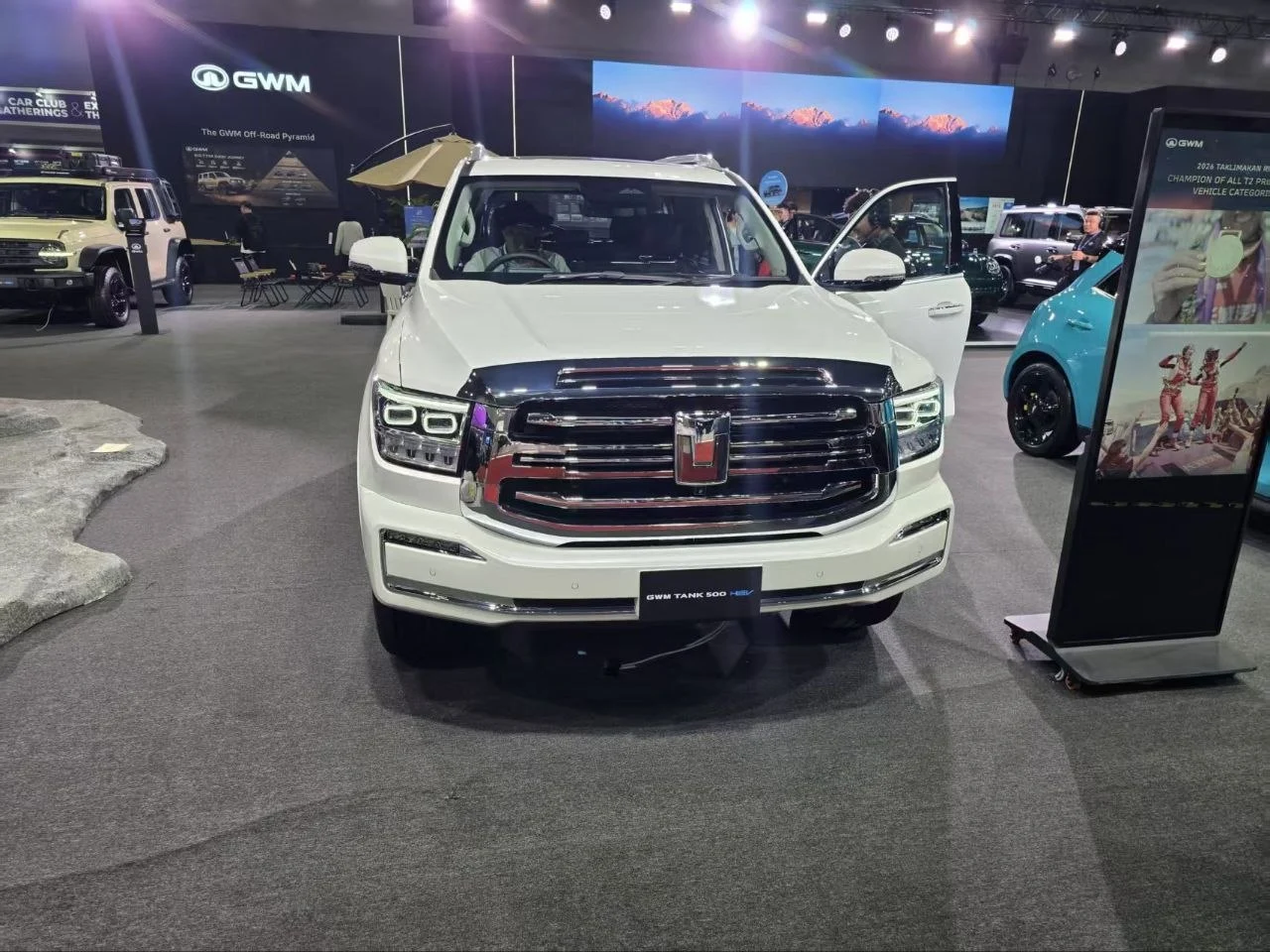
In Malaysia, the seven-seat rugged SUV segment has been defined for years by the Toyota Fortuner and Ford Everest. These are the vehicles buyers turn to when they need genuine towing capacity, high-ground-clearance hardware, and third-row space without surrendering road presence. The Tank 500 enters this conversation with a markedly different design language and cabin philosophy—one that blends traditional off-road architecture with the interior plushness and digital integration more commonly associated with premium urban SUVs.
For families who have outgrown compact crossovers but refuse to drive something anonymous, the Tank 500 offers a visibly distinct alternative. Its proportions and detailing suggest a vehicle designed to cover distance in comfort while retaining the hardware to handle logging roads, highland resorts, and flooded urban arteries with equal composure.
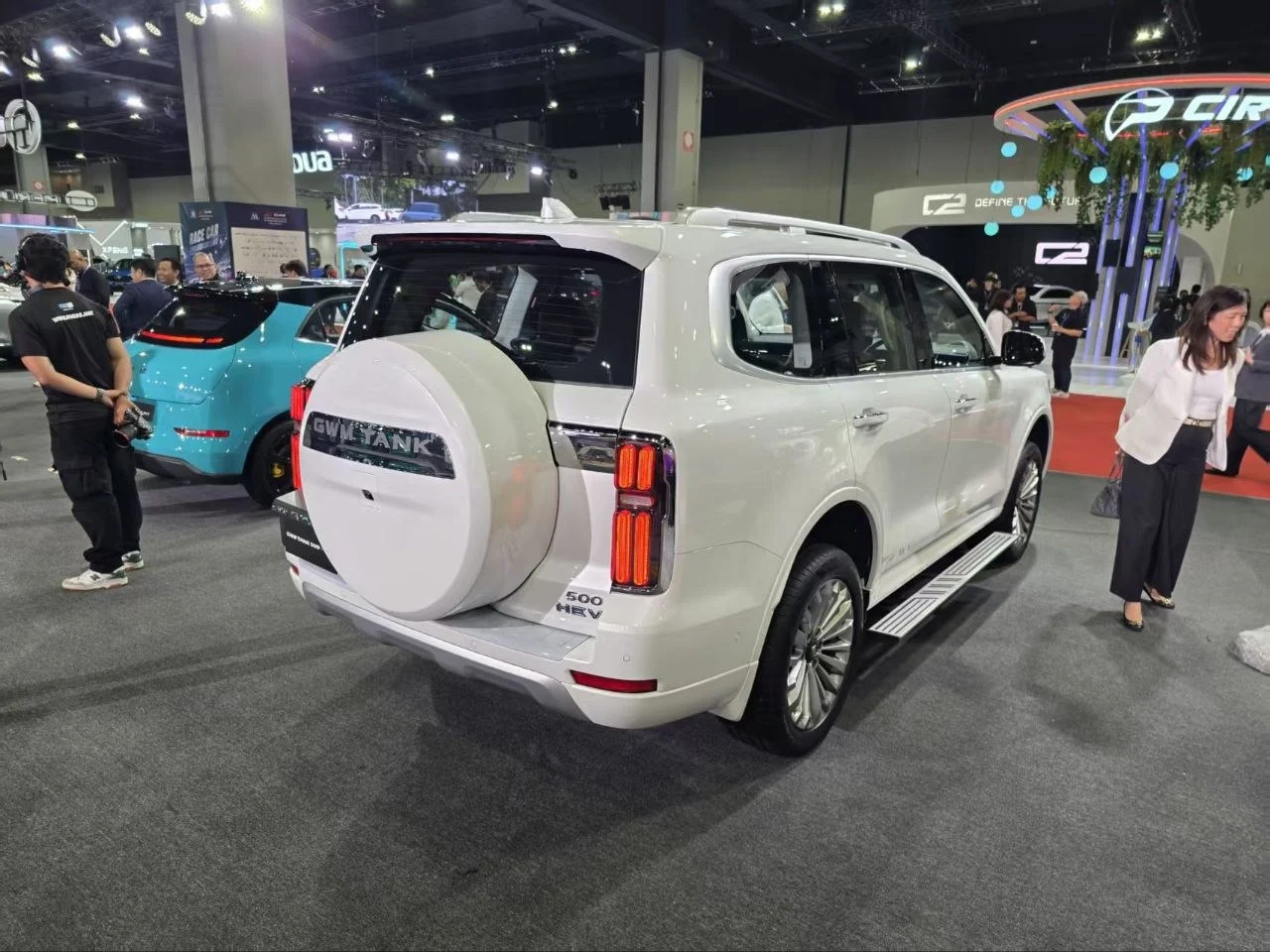
Where the Tank 300 carved out a niche as an accessible, retro-styled off-roader, the Tank 500 shoulders a more demanding brief. It must convince Malaysian buyers that a Chinese-built large SUV can match the long-distance refinement and durability expectations set by the Fortuner, while also justifying its footprint against newer rivals such as the Jetour T2 and other upcoming rugged SUVs from expanding brands.
GWM’s advantage lies in the fact that it already operates local assembly activity and has spent the past two years building consumer familiarity through the Haval H6 HEV and the WEY G9. The Tank 500 can therefore be presented as part of a coherent ecosystem rather than an isolated import. Buyers who have already visited a GWM showroom for a hybrid or an EV will find the same sales infrastructure and after-sales logic extended to the brand’s most capable utility vehicle yet.
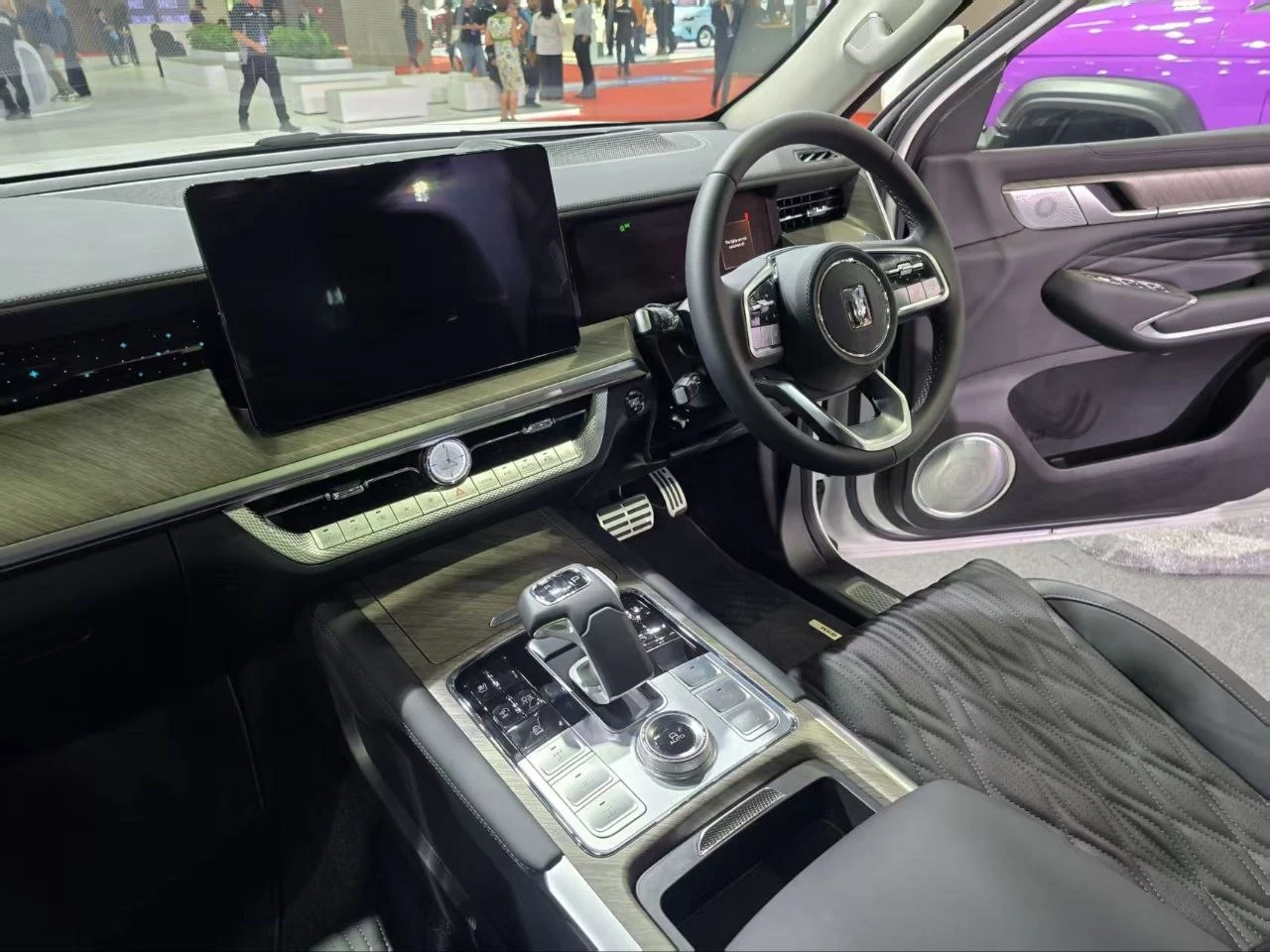
Regional variants of the Tank 500 have been observed with a turbocharged hybrid powertrain, a configuration that aligns neatly with GWM’s broader Malaysian strategy of pushing electrified technologies alongside its ORA electric range. If Malaysia were to receive a similar setup, the model would occupy a unique intersection: a proper four-wheel-drive chassis paired with hybrid efficiency. That combination matters in a market where diesel options are fading and buyers are beginning to ask whether a large SUV can deliver respectable running costs without shrinking in size or capability.
GWM has demonstrated the engineering vocabulary to answer that question across its Hi4-equipped models. What remains is whether local homologation and market positioning will align with Malaysian expectations for ownership costs and resale confidence. Large SUVs in this country are often purchased with decade-long horizons in mind, so powertrain provenance and parts availability will weigh as heavily as leather trim and screen size.
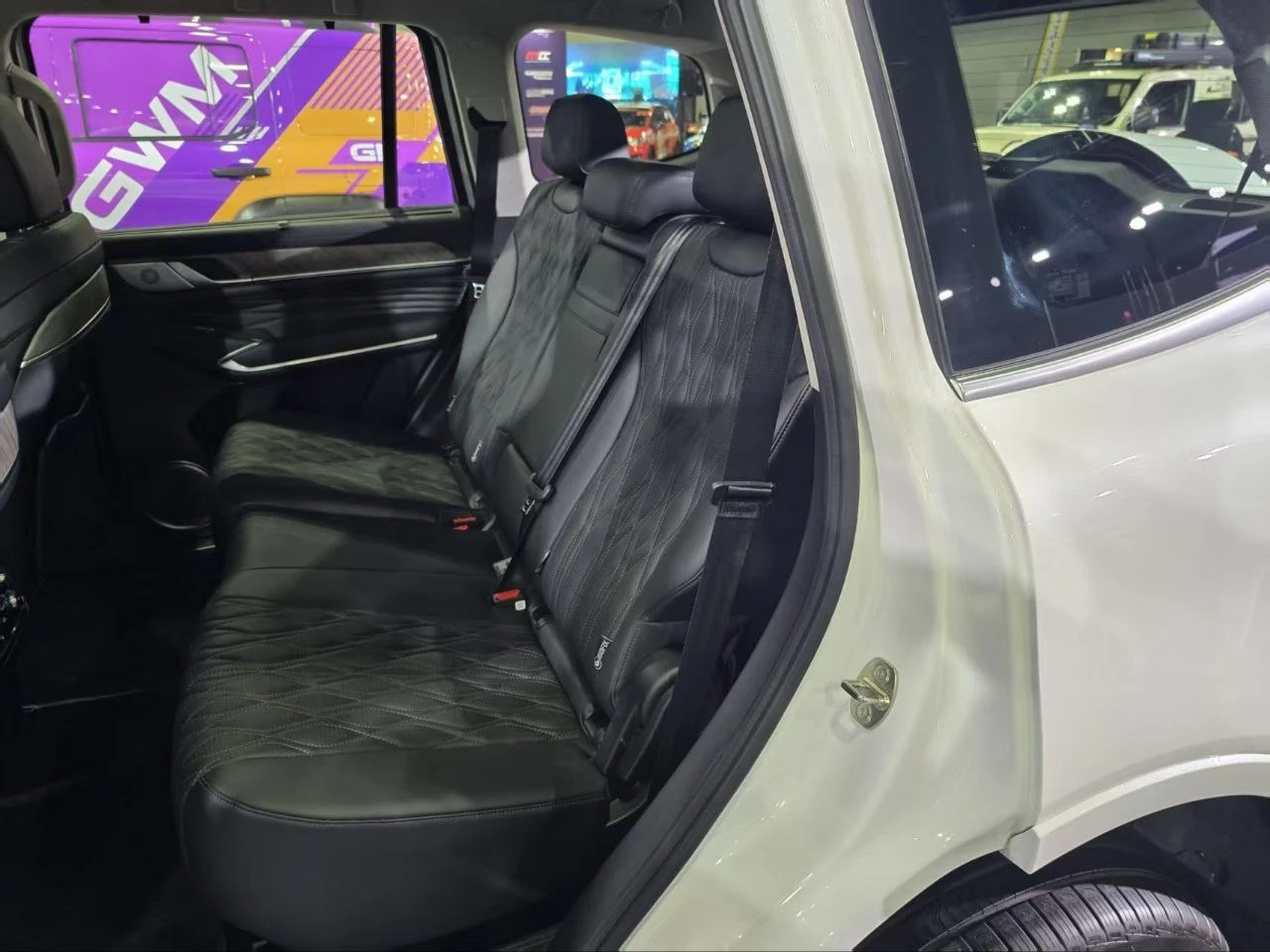
The inclusion of the Tank 500 at KLIMS 2026 completes a broader narrative arc for GWM in Malaysia. The brand now demonstrates a vehicle for nearly every stage of a buyer’s migration into new energy: an electric city car, a hybrid family SUV, a luxury plug-in MPV, and finally a large off-road flagship. This is not portfolio sprawl for its own sake; it is a deliberate effort to show that the brand can own the full spectrum of personal mobility, not merely the urban EV segment.
For prospective buyers weighing a Fortuner or Everest replacement, the Tank 500’s presence here is a signal that the off-road establishment may finally face a credible, technology-rich challenger from within GWM’s expanding local stable. Whether it ultimately reaches Malaysian showrooms as a direct rival or as a halo model that elevates the entire Tank line, its appearance at KLIMS is enough to place it firmly on the watchlist of anyone shopping for a serious seven-seat SUV in 2026.


Your go-to source for all things automotive in Malaysia. 🚗 Latest reviews, breaking news, launches & industry trends.
+ Follow Kereta Rally Karamjit Singh & Proton Wira Schumacher Ada Sini! | HME Asia 2026
Hujung minggu dah tiba dan anda mencari sesuatu untuk cuci mata? Jemput datang ke Heritage Motor Exchange Asia 2026 yang berlangsung di Dewal Merdeka, World Trade Centre (WTC) Kuala Lumpur!
Berbeza dengan pameran biasa, acara ini memberi tumpuan khas kepada kenderaan-kenderaan warisan dan klasik yang menggamit memori. Antara daya tarikan utama yang dipamerkan termasuk:
🏎️ Kereta Rally Legenda: Kereta rally ikonik yang pernah dipandu oleh pemandu legenda negara, Karamjit Singh!
🏎️ Proton Wira Schumacher: Model Proton Wira penuh sejarah yang pernah dipandu oleh pelumba F1 legenda, Michael Schumacher!
🚘 Kereta Klasik & Mewah: Mercedes-Benz W111 Cabriolet (1960-an), Rolls-Royce Silver Cloud, Jaguar E-Type, dan pelbagai lagi model berprestasi tinggi.
Membawa tema "When Passion Meets Acquisition", pameran ini menghimpunkan lebih 50 buah kereta daripada pelbagai era. Ia turut memperkenalkan sistem penilaian Concours 100 mata serta kemudahan urusan pemeriksaan, insurans, dan cukai jalan bersama agensi seperti Puspakom dan JPJ di lokasi.
📅 Tarikh: 23 – 25 Oktober 2026
📍 Lokasi: Dewan Merdeka, WTC Kuala Lumpur
Tonton video ini sampai habis untuk lihat sendiri kehebatan jentera-jentera klasik ini! Jangan lupa untuk Like, Comment, dan Subscribe ke saluran BitAuto!
#HeritageMotorExchange #HMEAsia2026 #BitAuto #WTCKL #KeretaKlasik 1 day ago
Kereta Rally Karamjit Singh & Proton Wira Schumacher Ada Sini! | HME Asia 2026
Hujung minggu dah tiba dan anda mencari sesuatu untuk cuci mata? Jemput datang ke Heritage Motor Exchange Asia 2026 yang berlangsung di Dewal Merdeka, World Trade Centre (WTC) Kuala Lumpur!
Berbeza dengan pameran biasa, acara ini memberi tumpuan khas kepada kenderaan-kenderaan warisan dan klasik yang menggamit memori. Antara daya tarikan utama yang dipamerkan termasuk:
🏎️ Kereta Rally Legenda: Kereta rally ikonik yang pernah dipandu oleh pemandu legenda negara, Karamjit Singh!
🏎️ Proton Wira Schumacher: Model Proton Wira penuh sejarah yang pernah dipandu oleh pelumba F1 legenda, Michael Schumacher!
🚘 Kereta Klasik & Mewah: Mercedes-Benz W111 Cabriolet (1960-an), Rolls-Royce Silver Cloud, Jaguar E-Type, dan pelbagai lagi model berprestasi tinggi.
Membawa tema "When Passion Meets Acquisition", pameran ini menghimpunkan lebih 50 buah kereta daripada pelbagai era. Ia turut memperkenalkan sistem penilaian Concours 100 mata serta kemudahan urusan pemeriksaan, insurans, dan cukai jalan bersama agensi seperti Puspakom dan JPJ di lokasi.
📅 Tarikh: 23 – 25 Oktober 2026
📍 Lokasi: Dewan Merdeka, WTC Kuala Lumpur
Tonton video ini sampai habis untuk lihat sendiri kehebatan jentera-jentera klasik ini! Jangan lupa untuk Like, Comment, dan Subscribe ke saluran BitAuto!
#HeritageMotorExchange #HMEAsia2026 #BitAuto #WTCKL #KeretaKlasik 1 day ago  Rare cars, legendary icons and automotive dreams come alive at Heritage Motor Exchange Asia!
#HMEA #HeritageMotorExchangeAsia #ClassicCars #Supercars #CarCulture #MalaysiaCars 1 day ago
Rare cars, legendary icons and automotive dreams come alive at Heritage Motor Exchange Asia!
#HMEA #HeritageMotorExchangeAsia #ClassicCars #Supercars #CarCulture #MalaysiaCars 1 day ago  Waze could be banned?
IT seems like the Malaysian government may look into banning Waze, but only when local alternatives are ready. 1 day ago
Waze could be banned?
IT seems like the Malaysian government may look into banning Waze, but only when local alternatives are ready. 1 day ago Get the latest car news first!
Your go-to source for all things automotive in Malaysia. 🚗 Latest reviews, breaking news, launches & industry trends.
Kereta Rally Karamjit Singh & Proton Wira Schumacher Ada Sini! | HME Asia 2026
Hujung minggu dah tiba dan anda mencari sesuatu untuk cuci mata? Jemput datang ke Heritage Motor Exchange Asia 2026 yang berlangsung di Dewal Merdeka, World Trade Centre (WTC) Kuala Lumpur!
Berbeza dengan pameran biasa, acara ini memberi tumpuan khas kepada kenderaan-kenderaan warisan dan klasik yang menggamit memori. Antara daya tarikan utama yang dipamerkan termasuk:
🏎️ Kereta Rally Legenda: Kereta rally ikonik yang pernah dipandu oleh pemandu legenda negara, Karamjit Singh!
🏎️ Proton Wira Schumacher: Model Proton Wira penuh sejarah yang pernah dipandu oleh pelumba F1 legenda, Michael Schumacher!
🚘 Kereta Klasik & Mewah: Mercedes-Benz W111 Cabriolet (1960-an), Rolls-Royce Silver Cloud, Jaguar E-Type, dan pelbagai lagi model berprestasi tinggi.
Membawa tema "When Passion Meets Acquisition", pameran ini menghimpunkan lebih 50 buah kereta daripada pelbagai era. Ia turut memperkenalkan sistem penilaian Concours 100 mata serta kemudahan urusan pemeriksaan, insurans, dan cukai jalan bersama agensi seperti Puspakom dan JPJ di lokasi.
📅 Tarikh: 23 – 25 Oktober 2026
📍 Lokasi: Dewan Merdeka, WTC Kuala Lumpur
Tonton video ini sampai habis untuk lihat sendiri kehebatan jentera-jentera klasik ini! Jangan lupa untuk Like, Comment, dan Subscribe ke saluran BitAuto!
#HeritageMotorExchange #HMEAsia2026 #BitAuto #WTCKL #KeretaKlasik 1 day ago Rare cars, legendary icons and automotive dreams come alive at Heritage Motor Exchange Asia!
#HMEA #HeritageMotorExchangeAsia #ClassicCars #Supercars #CarCulture #MalaysiaCars 1 day ago Waze could be banned?
IT seems like the Malaysian government may look into banning Waze, but only when local alternatives are ready. 1 day ago © 2024 Bitauto.com. All Rights Reserved.
Bitauto (www.yiche.com and www.bitauto.com) is one of the most visited automotive websites in China. We provide detailed info on Chinese car brands available in your area. Please note that the information provided on this website is based on publicly available data and is for reference only. It may not be fully updated or accurate at all times.

Help us improve our website


