
Search History
Popular Searches
English
Dealer Login / Sign Up
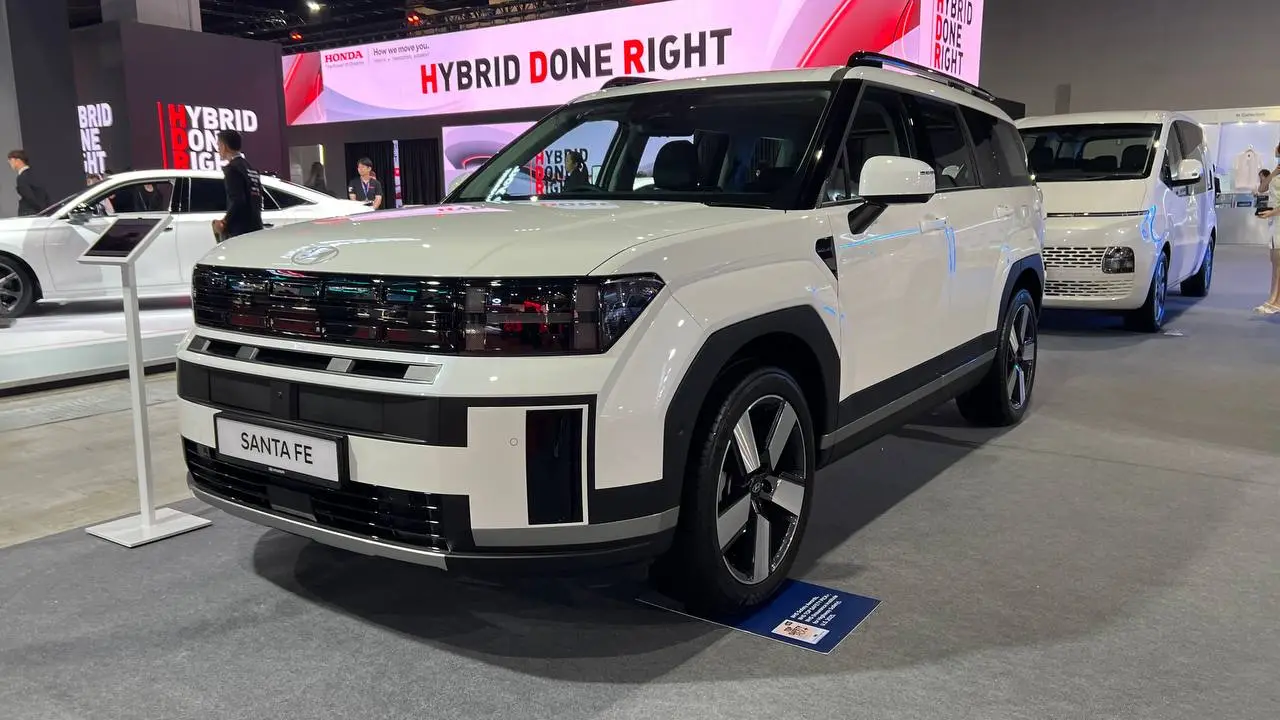
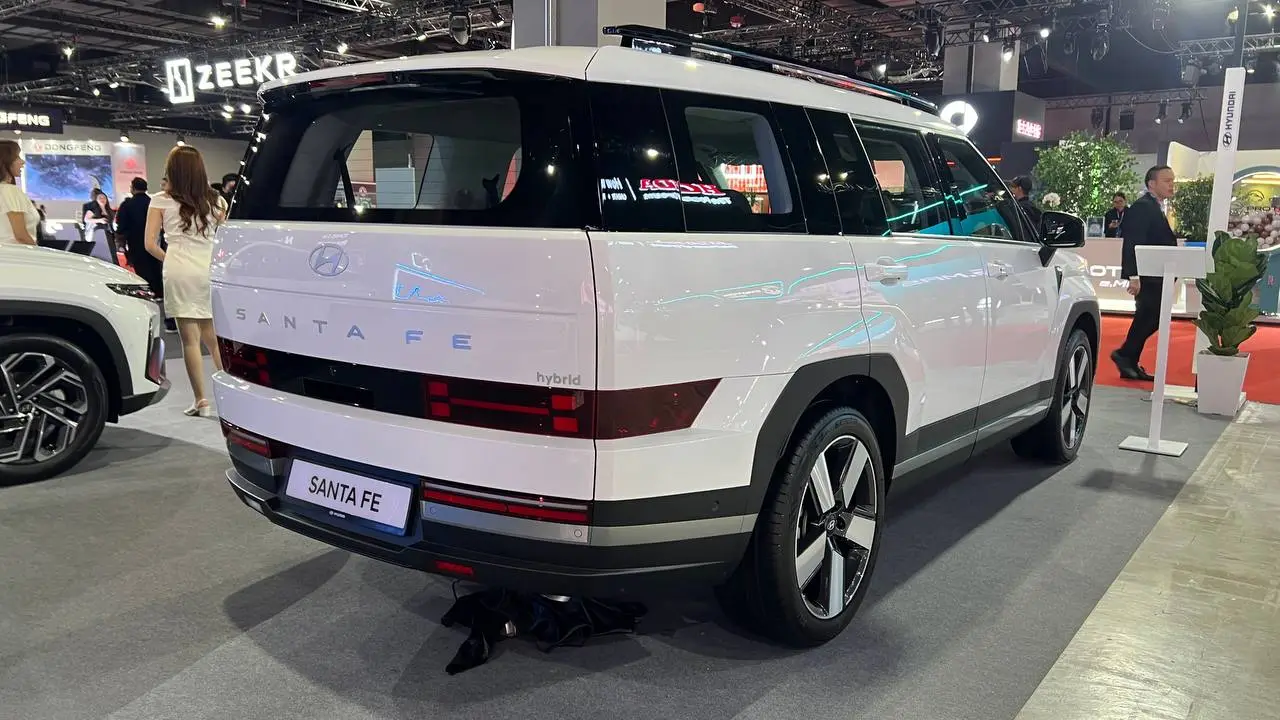
The Hyundai Santa Fe presented at KLIMS 2026 arrives at a moment when the Korean brand’s Malaysian operation is undergoing its most significant restructuring in years. With Hyundai Motor Malaysia now established as a direct local entity, yet still supported by the Sime Motors distribution network and Inokom’s assembly heritage in Kulim, the Santa Fe must perform the dual role of product and brand ambassador. Its squared-off proportions and vertical tail-lamp treatment signal a clean break from the previous generation’s softer aesthetics, aligning it with the rugged, quasi-off-road visual language that currently defines the segment. For local buyers, this is not simply a new model; it is the first Santa Fe to debut under Hyundai’s revised corporate architecture.
That context matters because the mid-size SUV segment in Malaysia has grown more crowded and more demanding since the last Santa Fe held consistent showroom relevance. Families now cross-shop between established Japanese nameplates and aggressively priced Chinese alternatives, leaving legacy Korean models with narrower margins for error. Hyundai’s booth presence at KLIMS 2026 acknowledges this reality by foregrounding the Santa Fe as a tangible reset rather than a routine replacement.
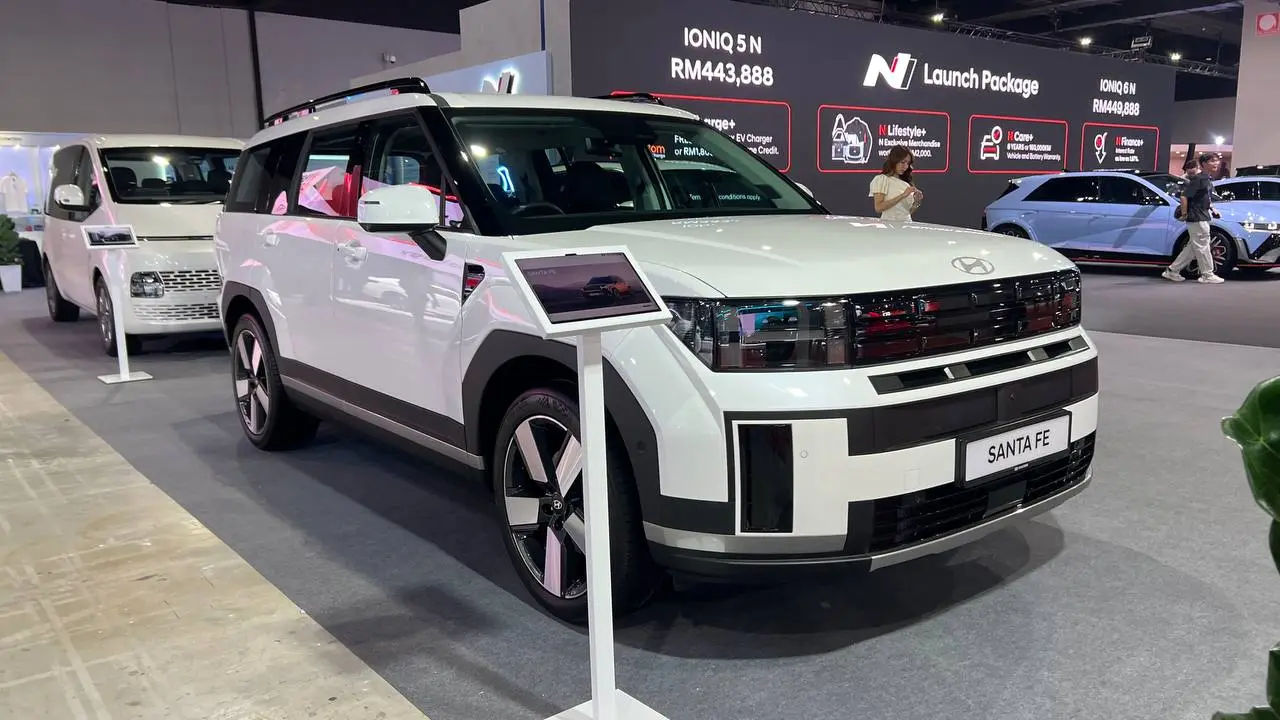
One of the most consequential questions surrounding the Santa Fe is whether it will join the reported CKD roadmap for 2026. Hyundai’s local product-plan coverage has suggested that both the Tucson and Santa Fe are candidates for local assembly, a move that would tap into two decades of Inokom production experience. Should CKD status be confirmed, the Santa Fe’s competitive position would shift dramatically, allowing Hyundai to challenge the Honda CR-V and other segment leaders on price without stripping equipment. For now, the model remains an import, which inevitably compresses its value proposition against rivals that already benefit from localised supply chains.
The importance of this transition cannot be overstated for Malaysian consumers. CKD assembly typically translates to faster delivery times, more competitive after-sales pricing, and stronger resale value in a market where origin of manufacture still influences buyer confidence. Hyundai’s KLIMS display serves as a strategic hint that the Santa Fe is being positioned for exactly this kind of mainstream volume play.
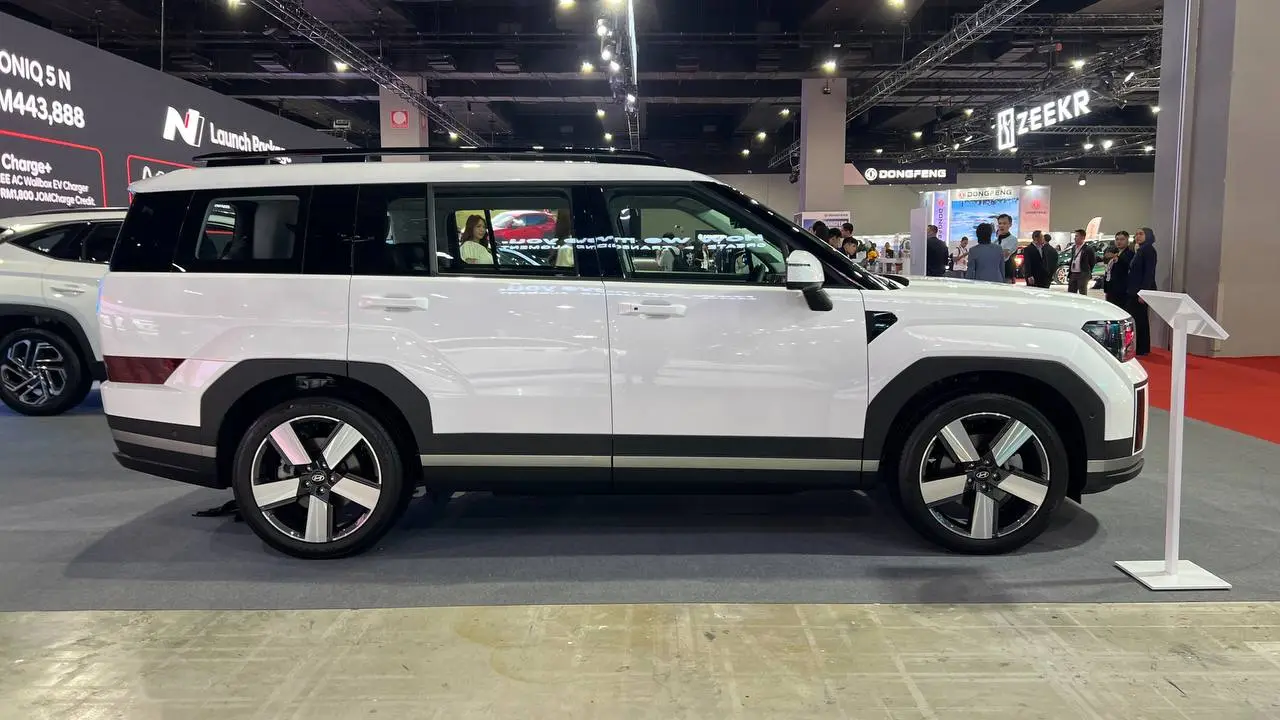
Malaysia’s powertrain landscape in 2026 remains stubbornly pluralistic. While Chinese brands push full battery-electric solutions and Japanese incumbents lean heavily on hybrid familiarity, the Santa Fe offers a more conventional route for buyers not yet prepared to abandon internal combustion. Available in both petrol and hybrid configurations, it targets suburban owners who require range certainty and nationwide refuelling convenience. The hybrid variant, in particular, addresses a growing cohort of consumers interested in electrification but wary of charging infrastructure gaps outside major urban centres. Hyundai’s decision to retain combustion-based options alongside its IONIQ EV offensive is a pragmatic admission that mid-size SUV buyers still move at a different pace from early adopters.
The Santa Fe enters a segment where loyalty is hard-won and easily lost. The Honda CR-V continues to set the benchmark for family SUV refinement, while newer Chinese entrants offer high equipment levels and electrified powertrains at disruptive price points. Hyundai must convince existing CR-V and CX-5 owners that the Santa Fe delivers comparable long-term durability and resale confidence, while also distinguishing itself from specification-heavy rivals that now dominate EV headlines. This is further complicated by Hyundai’s recent distributor transition; buyers familiar with the Sime Motors era need clear reassurance that service networks, spare parts logistics, and warranty execution will remain seamless under the direct-entity structure.
Design and technology alone will not resolve these concerns. The Santa Fe’s cabin architecture and infotainment interface represent a measurable step forward from Hyundai’s previous local offerings, but in 2026 Malaysian consumers are weighing total cost of ownership and brand stability more heavily than ever. The KLIMS exhibit must therefore be read as the opening move in a longer campaign to rebuild mainstream trust.
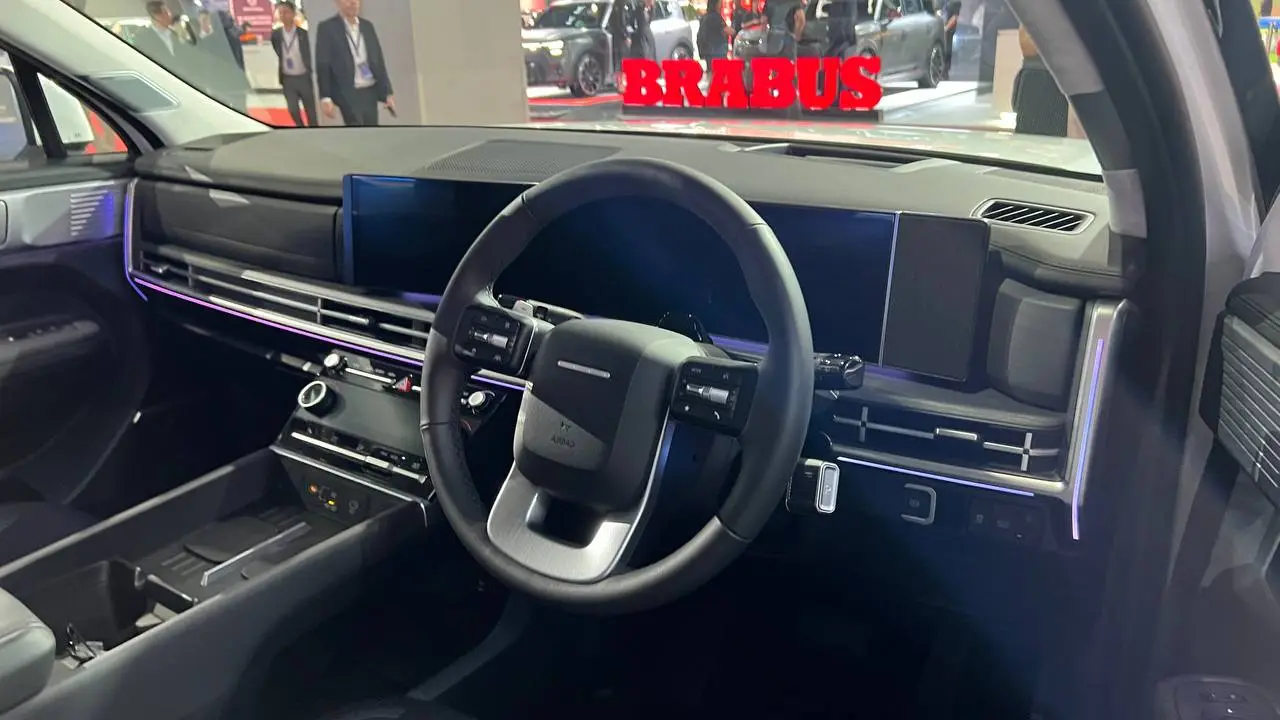
Viewed strictly as a product, the new Santa Fe brings the right formula for Malaysian conditions: generous interior space, available all-wheel drive, and a hybrid option that bridges the gap between tradition and transition. Its three-row configuration remains genuinely relevant for multi-generational families, a demographic that still forms the backbone of mid-size SUV demand here. Yet its commercial fate hinges on factors beyond the vehicle itself. Confirmation of CKD assembly, transparent pricing, and a clearly communicated service transition plan are the decisive variables that will determine whether the Santa Fe reclaims lost ground or remains a well-regarded alternative to the category leaders. At KLIMS 2026, Hyundai has put the hardware on display; the market is now waiting for the business case to follow.


Your go-to source for all things automotive in Malaysia. 🚗 Latest reviews, breaking news, launches & industry trends.
+ Follow Kereta Rally Karamjit Singh & Proton Wira Schumacher Ada Sini! | HME Asia 2026
Hujung minggu dah tiba dan anda mencari sesuatu untuk cuci mata? Jemput datang ke Heritage Motor Exchange Asia 2026 yang berlangsung di Dewal Merdeka, World Trade Centre (WTC) Kuala Lumpur!
Berbeza dengan pameran biasa, acara ini memberi tumpuan khas kepada kenderaan-kenderaan warisan dan klasik yang menggamit memori. Antara daya tarikan utama yang dipamerkan termasuk:
🏎️ Kereta Rally Legenda: Kereta rally ikonik yang pernah dipandu oleh pemandu legenda negara, Karamjit Singh!
🏎️ Proton Wira Schumacher: Model Proton Wira penuh sejarah yang pernah dipandu oleh pelumba F1 legenda, Michael Schumacher!
🚘 Kereta Klasik & Mewah: Mercedes-Benz W111 Cabriolet (1960-an), Rolls-Royce Silver Cloud, Jaguar E-Type, dan pelbagai lagi model berprestasi tinggi.
Membawa tema "When Passion Meets Acquisition", pameran ini menghimpunkan lebih 50 buah kereta daripada pelbagai era. Ia turut memperkenalkan sistem penilaian Concours 100 mata serta kemudahan urusan pemeriksaan, insurans, dan cukai jalan bersama agensi seperti Puspakom dan JPJ di lokasi.
📅 Tarikh: 23 – 25 Oktober 2026
📍 Lokasi: Dewan Merdeka, WTC Kuala Lumpur
Tonton video ini sampai habis untuk lihat sendiri kehebatan jentera-jentera klasik ini! Jangan lupa untuk Like, Comment, dan Subscribe ke saluran BitAuto!
#HeritageMotorExchange #HMEAsia2026 #BitAuto #WTCKL #KeretaKlasik 22 hours ago
Kereta Rally Karamjit Singh & Proton Wira Schumacher Ada Sini! | HME Asia 2026
Hujung minggu dah tiba dan anda mencari sesuatu untuk cuci mata? Jemput datang ke Heritage Motor Exchange Asia 2026 yang berlangsung di Dewal Merdeka, World Trade Centre (WTC) Kuala Lumpur!
Berbeza dengan pameran biasa, acara ini memberi tumpuan khas kepada kenderaan-kenderaan warisan dan klasik yang menggamit memori. Antara daya tarikan utama yang dipamerkan termasuk:
🏎️ Kereta Rally Legenda: Kereta rally ikonik yang pernah dipandu oleh pemandu legenda negara, Karamjit Singh!
🏎️ Proton Wira Schumacher: Model Proton Wira penuh sejarah yang pernah dipandu oleh pelumba F1 legenda, Michael Schumacher!
🚘 Kereta Klasik & Mewah: Mercedes-Benz W111 Cabriolet (1960-an), Rolls-Royce Silver Cloud, Jaguar E-Type, dan pelbagai lagi model berprestasi tinggi.
Membawa tema "When Passion Meets Acquisition", pameran ini menghimpunkan lebih 50 buah kereta daripada pelbagai era. Ia turut memperkenalkan sistem penilaian Concours 100 mata serta kemudahan urusan pemeriksaan, insurans, dan cukai jalan bersama agensi seperti Puspakom dan JPJ di lokasi.
📅 Tarikh: 23 – 25 Oktober 2026
📍 Lokasi: Dewan Merdeka, WTC Kuala Lumpur
Tonton video ini sampai habis untuk lihat sendiri kehebatan jentera-jentera klasik ini! Jangan lupa untuk Like, Comment, dan Subscribe ke saluran BitAuto!
#HeritageMotorExchange #HMEAsia2026 #BitAuto #WTCKL #KeretaKlasik 22 hours ago  Rare cars, legendary icons and automotive dreams come alive at Heritage Motor Exchange Asia!
#HMEA #HeritageMotorExchangeAsia #ClassicCars #Supercars #CarCulture #MalaysiaCars 1 day ago
Rare cars, legendary icons and automotive dreams come alive at Heritage Motor Exchange Asia!
#HMEA #HeritageMotorExchangeAsia #ClassicCars #Supercars #CarCulture #MalaysiaCars 1 day ago  Waze could be banned?
IT seems like the Malaysian government may look into banning Waze, but only when local alternatives are ready. 1 day ago
Waze could be banned?
IT seems like the Malaysian government may look into banning Waze, but only when local alternatives are ready. 1 day ago Get the latest car news first!
Your go-to source for all things automotive in Malaysia. 🚗 Latest reviews, breaking news, launches & industry trends.
Kereta Rally Karamjit Singh & Proton Wira Schumacher Ada Sini! | HME Asia 2026
Hujung minggu dah tiba dan anda mencari sesuatu untuk cuci mata? Jemput datang ke Heritage Motor Exchange Asia 2026 yang berlangsung di Dewal Merdeka, World Trade Centre (WTC) Kuala Lumpur!
Berbeza dengan pameran biasa, acara ini memberi tumpuan khas kepada kenderaan-kenderaan warisan dan klasik yang menggamit memori. Antara daya tarikan utama yang dipamerkan termasuk:
🏎️ Kereta Rally Legenda: Kereta rally ikonik yang pernah dipandu oleh pemandu legenda negara, Karamjit Singh!
🏎️ Proton Wira Schumacher: Model Proton Wira penuh sejarah yang pernah dipandu oleh pelumba F1 legenda, Michael Schumacher!
🚘 Kereta Klasik & Mewah: Mercedes-Benz W111 Cabriolet (1960-an), Rolls-Royce Silver Cloud, Jaguar E-Type, dan pelbagai lagi model berprestasi tinggi.
Membawa tema "When Passion Meets Acquisition", pameran ini menghimpunkan lebih 50 buah kereta daripada pelbagai era. Ia turut memperkenalkan sistem penilaian Concours 100 mata serta kemudahan urusan pemeriksaan, insurans, dan cukai jalan bersama agensi seperti Puspakom dan JPJ di lokasi.
📅 Tarikh: 23 – 25 Oktober 2026
📍 Lokasi: Dewan Merdeka, WTC Kuala Lumpur
Tonton video ini sampai habis untuk lihat sendiri kehebatan jentera-jentera klasik ini! Jangan lupa untuk Like, Comment, dan Subscribe ke saluran BitAuto!
#HeritageMotorExchange #HMEAsia2026 #BitAuto #WTCKL #KeretaKlasik 22 hours ago Rare cars, legendary icons and automotive dreams come alive at Heritage Motor Exchange Asia!
#HMEA #HeritageMotorExchangeAsia #ClassicCars #Supercars #CarCulture #MalaysiaCars 1 day ago Waze could be banned?
IT seems like the Malaysian government may look into banning Waze, but only when local alternatives are ready. 1 day ago © 2024 Bitauto.com. All Rights Reserved.
Bitauto (www.yiche.com and www.bitauto.com) is one of the most visited automotive websites in China. We provide detailed info on Chinese car brands available in your area. Please note that the information provided on this website is based on publicly available data and is for reference only. It may not be fully updated or accurate at all times.

Help us improve our website


