
Search History
Popular Searches
English
Dealer Login / Sign Up
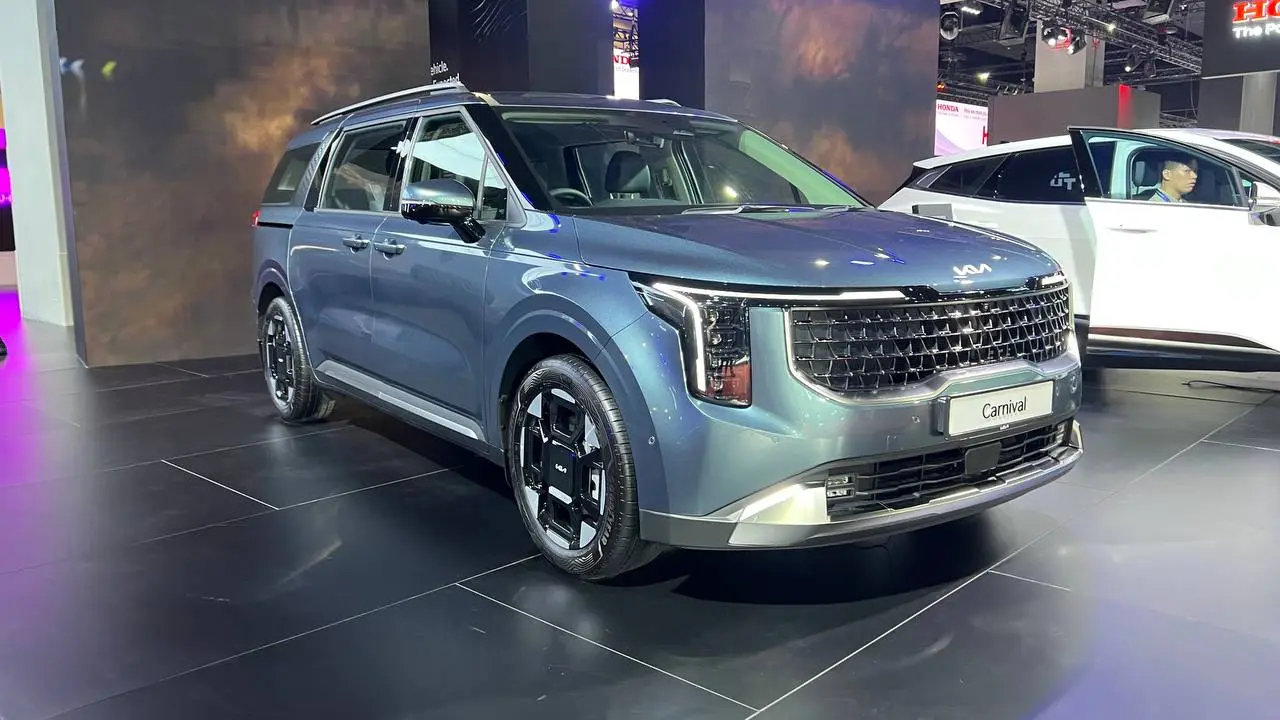
Kia Sales Malaysia took over local operations on 1 January 2026, and the Carnival facelift arrived the same month as one of the first products launched under this principal-led structure. That timing is no coincidence. While the EV9 acts as the brand’s technology flagship and the Sportage handles the high-volume SUV fight, the Carnival serves as the practical proof point that Kia intends to compete seriously in family transport. For a brand rebuilding dealer confidence and customer trust, a large MPV with a clear job description is exactly what the showroom floor needs.
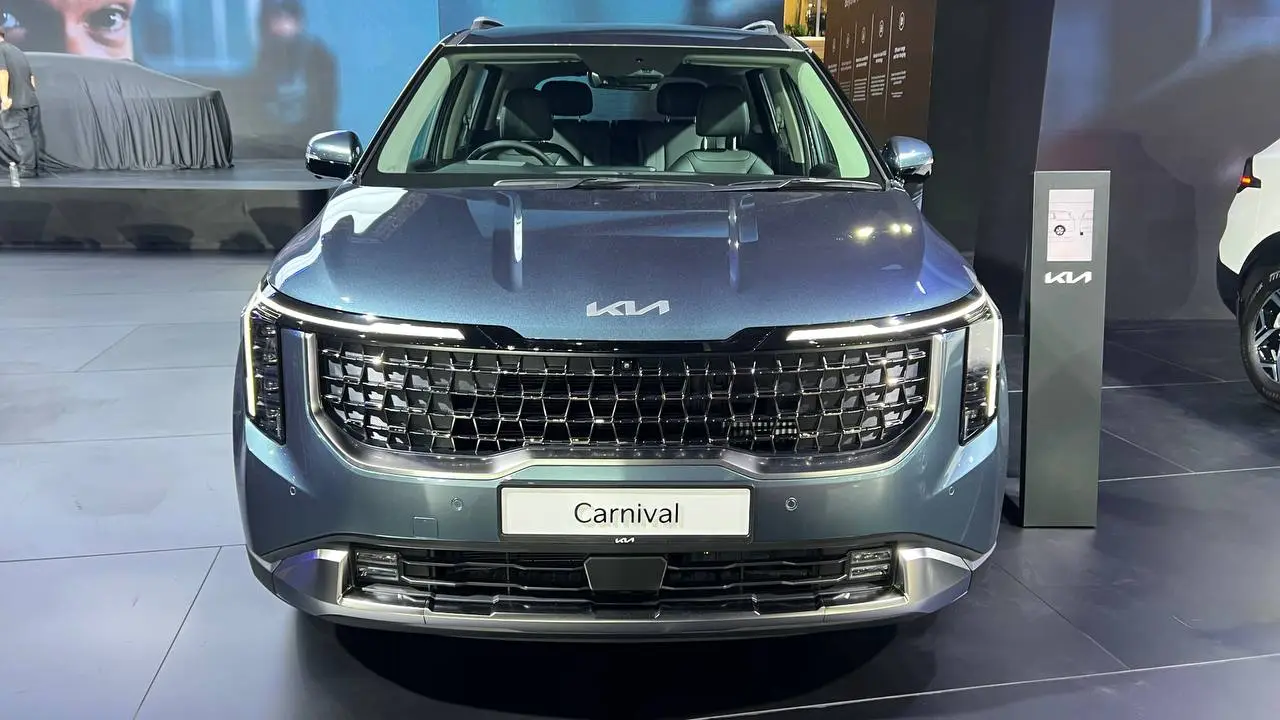
The 2026 Carnival remains a CKD, 2.2-litre diesel MPV offered in 11-seat and 7-seat forms, priced from RM188,888. That formula sounds almost conservative against the KLIMS backdrop of PHEV and BEV people-carriers such as the GWM WEY G9, Maxus MIFA 9 and Nissan Serena e-POWER. Yet conservatism here reads as clarity. Malaysian large-family buyers still face uneven public charging infrastructure outside the Klang Valley, and diesel’s refuelling speed and highway efficiency remain relevant for cross-state travel. Kia is not ignoring electrification—the EV9 is right there on the same stand—but the Carnival defends a segment that values cabin space and range certainty over plug-in novelty.
It also helps that the Carnival is locally assembled. CKD status historically translates to more competitive pricing and easier access to replacement panels and consumables, which matters when a vehicle is expected to clock high annual mileage. In the current economic climate, that local footprint is a subtle but meaningful reassurance.
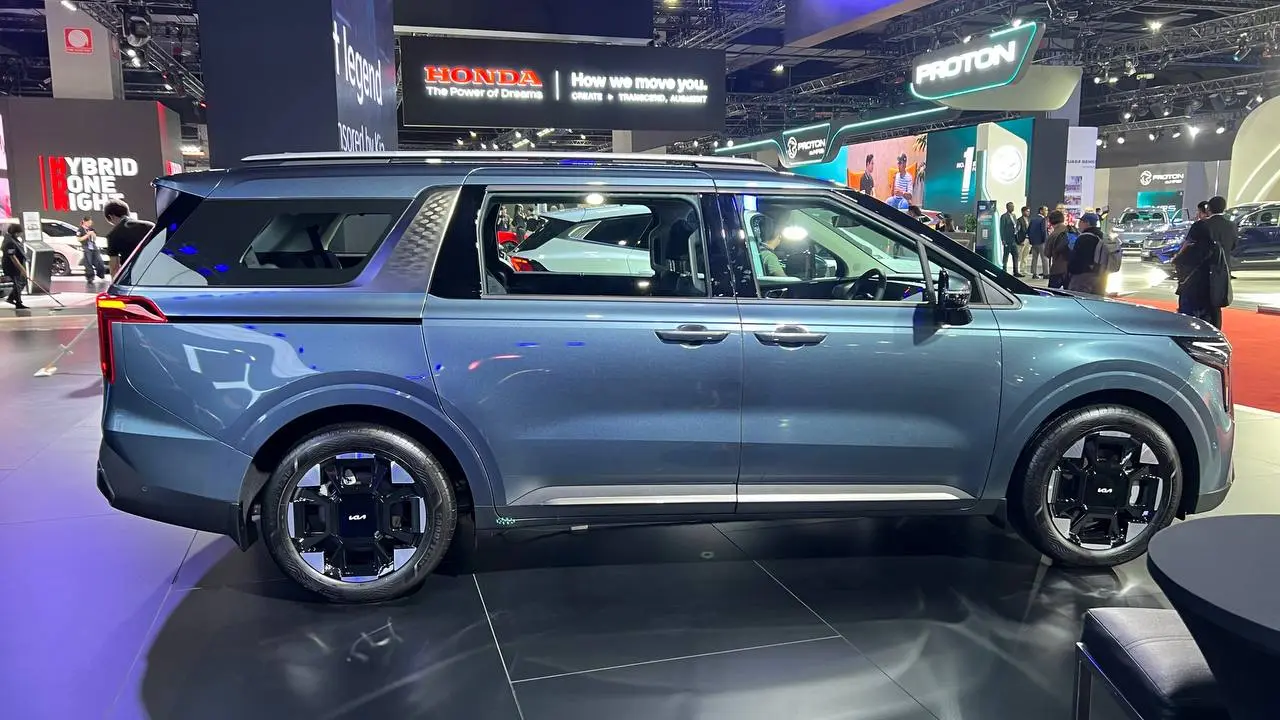
Splitting the lineup into an 11-seater and a 7-seater allows Kia to speak to two different budgets without engineering two different vehicles. The entry variant at RM188,888 targets schools, shuttle operators and extended families who need maximum occupancy per ringgit. The RM248,888 seven-seater moves toward premium private use, where second-row comfort and lower NVH expectations matter more than absolute capacity. It is a clever way to bracket the market without diluting the model’s identity.
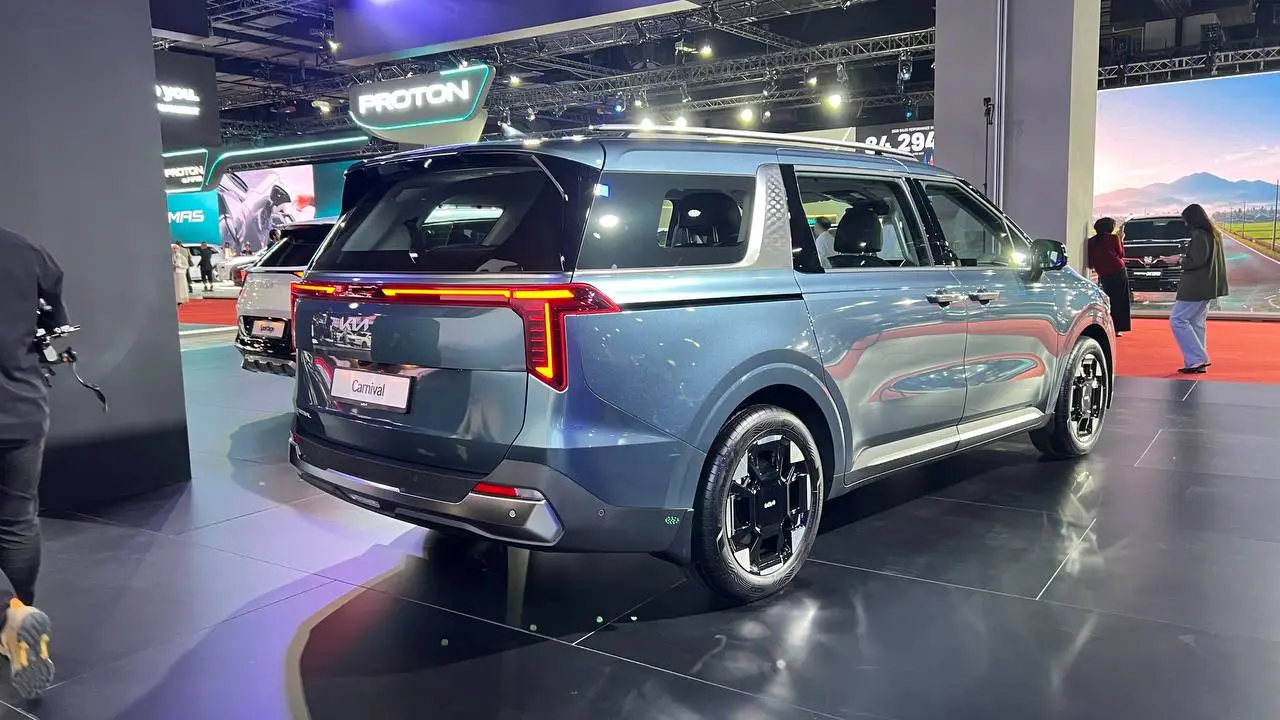
Rivals are multiplying fast. The Toyota Alphard and Vellfire continue to dominate the luxury end with their hybrid powertrains and resale confidence. The Hyundai Staria, built on related corporate underpinnings, offers a more van-like silhouette and similarly flexible seating. Against this field, the Carnival’s case rests on its blend of car-like driving manners, outright seat count and a price that undercuts the Japanese luxury hybrids significantly. The new electrified Chinese entrants bring impressive spec sheets, but they also ask buyers to bet on unproven local service networks. Kia’s challenge is to prove that its rebuilt aftersales structure can out-support the newcomers while matching them on value.
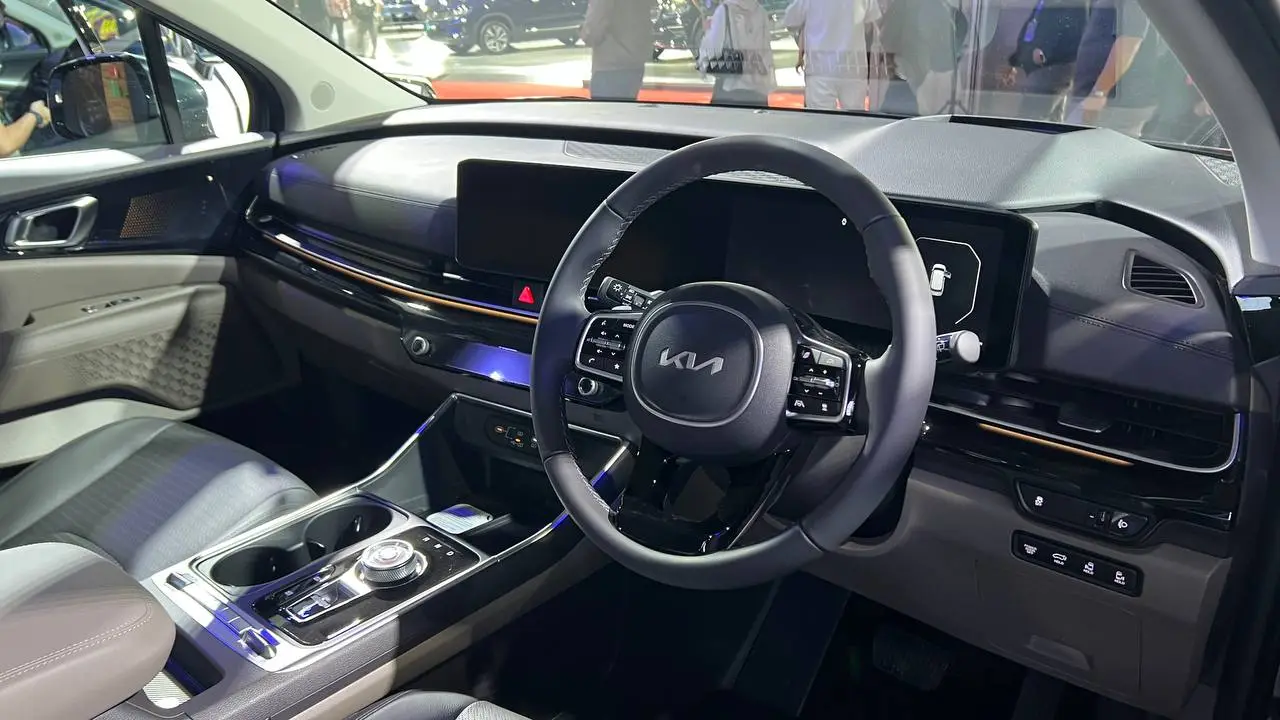
Kia Sales Malaysia has publicly committed to lower parts prices, Kia-branded insurance and a loyalty programme. For a Carnival buyer, those are not marketing flourishes; they are purchase criteria. MPVs in this class are typically kept for long cycles and subjected to heavy use, so service costs and parts availability directly affect total cost of ownership. If KSM can deliver on these promises, the Carnival becomes more than a metal-and-leather proposition. It becomes the vehicle that convinces skeptical Malaysian families that Kia’s relaunch is permanent.


Your go-to source for all things automotive in Malaysia. 🚗 Latest reviews, breaking news, launches & industry trends.
+ Follow The funky looks you see isn't just...for looks, but it serves a purpose as the VW Mission Efficiency is designed to be the most EFFICIENT EV.
It managed to cover 1,278 km, travelling from Wolfsburg to Vienna with just one charge. Even so, upon reaching Vienna, the estimated range is at 164 km.
#Volkswagen 1 minute ago
The funky looks you see isn't just...for looks, but it serves a purpose as the VW Mission Efficiency is designed to be the most EFFICIENT EV.
It managed to cover 1,278 km, travelling from Wolfsburg to Vienna with just one charge. Even so, upon reaching Vienna, the estimated range is at 164 km.
#Volkswagen 1 minute ago  From now till 2030, Volvo is planning to launch no less than 13 new models.
There might even be sedans and wagons - two of Volvo's most popular bodystyles.
#Volvo 3 hours ago
From now till 2030, Volvo is planning to launch no less than 13 new models.
There might even be sedans and wagons - two of Volvo's most popular bodystyles.
#Volvo 3 hours ago  Hyundai Stargazer launching soon?
The first 300 units of the CBU Hyundai Stargazer have arrived in Malaysia, ready for their owners.
#hyundai #HyundaiStargazer 6 hours ago
Hyundai Stargazer launching soon?
The first 300 units of the CBU Hyundai Stargazer have arrived in Malaysia, ready for their owners.
#hyundai #HyundaiStargazer 6 hours ago Get the latest car news first!
Your go-to source for all things automotive in Malaysia. 🚗 Latest reviews, breaking news, launches & industry trends.
The funky looks you see isn't just...for looks, but it serves a purpose as the VW Mission Efficiency is designed to be the most EFFICIENT EV.
It managed to cover 1,278 km, travelling from Wolfsburg to Vienna with just one charge. Even so, upon reaching Vienna, the estimated range is at 164 km.
#Volkswagen 1 minute ago From now till 2030, Volvo is planning to launch no less than 13 new models.
There might even be sedans and wagons - two of Volvo's most popular bodystyles.
#Volvo 3 hours ago Hyundai Stargazer launching soon?
The first 300 units of the CBU Hyundai Stargazer have arrived in Malaysia, ready for their owners.
#hyundai #HyundaiStargazer 6 hours ago  ProtonGWMVolkswagenJAECOOVolvoPeroduaToyotaHondaTESLAMitsubishiMazdaJetourCheryBYDLexusBMWMercedes-BenziCAURZeekrIsuzuNissanLeapmotorPorscheFordOMODAMINIMGSuzukiXPengHyundaiWulingKiaSubaruDenzaGACLand RoverDongfengCAMAudiPeugeotFotonMAXUSsmartDaihatsuJACJMCMaseratiLotusAlfa RomeoRenaultGolden DragonKaiceneSeresLamborghiniFerrariJeepRolls-RoyceLepasAston MartinMcLarenChevroletBentleyFiatBAICForthingGeelyRoeweAeolusChanganARCFOXDeepalExeedHongqiVoyahJaguarKGMBuforiAcuraCadillacDodgeAbarthINEOSMHEROJMEVFreelander
 © 2024 Bitauto.com. All Rights Reserved.
Bitauto (www.yiche.com and www.bitauto.com) is one of the most visited automotive websites in China. We provide detailed info on Chinese car brands available in your area. Please note that the information provided on this website is based on publicly available data and is for reference only. It may not be fully updated or accurate at all times.
Help us improve our website


