
Search History
Popular Searches
English
Dealer Login / Sign Up
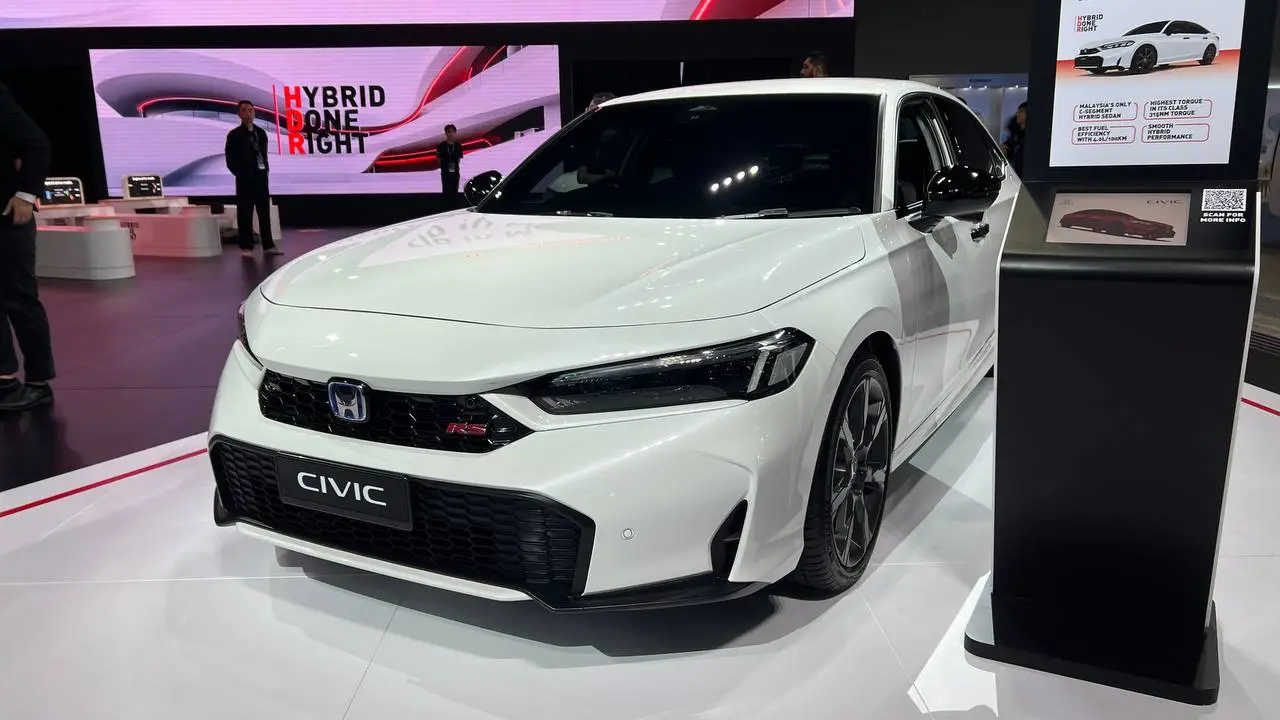
The KLIMS 2026 floor is crowded with new-energy nameplates, yet the Honda Civic arrives with no need for reintroduction. It remains one of the defining C-segment sedans in Malaysia, a status earned through decades of local assembly and consistent mainstream presence. While this year’s headlines tilt toward battery-electric newcomers, the Civic’s display reminds visitors that the traditional sedan class still has a fully mature incumbent with both petrol-turbo and hybrid options in its range.
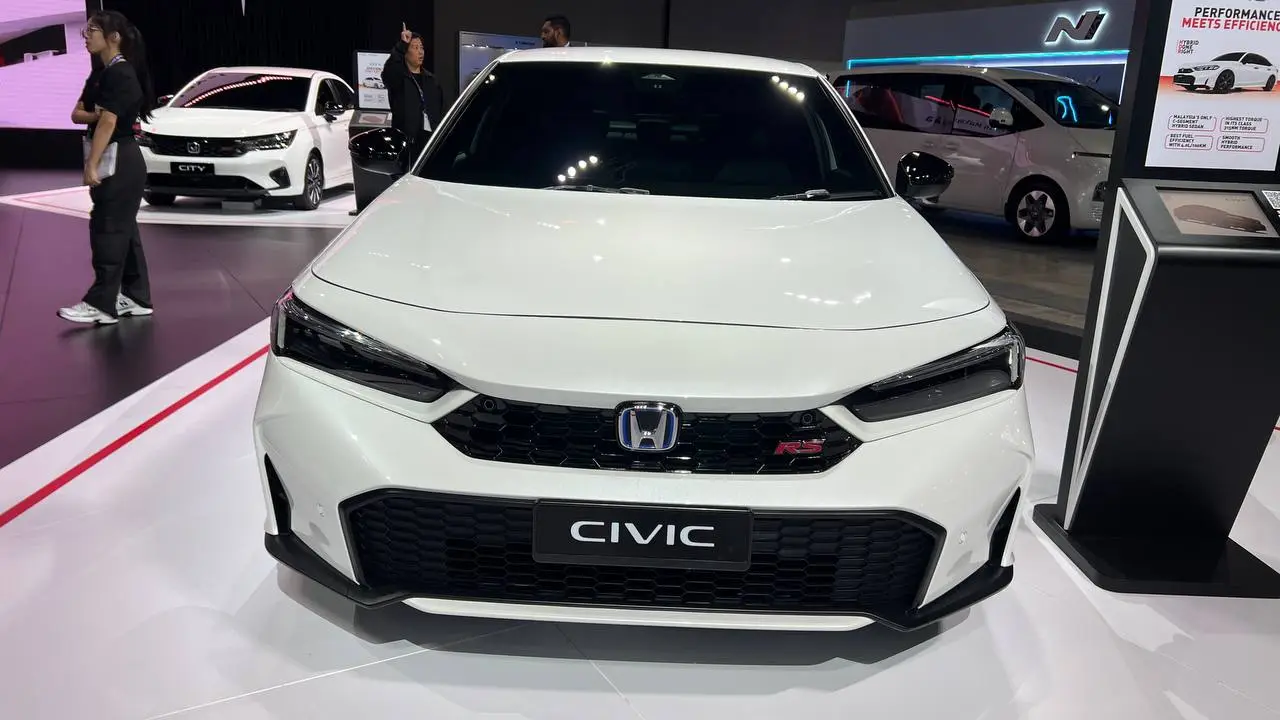
Honda Malaysia has signalled that its 2026 priority is hybrid expansion rather than a sudden electric overhaul. The Civic lineup already includes the 2.0L e:HEV RS, a variant that fits neatly into the same strategy now visible in the updated CR-V e:HEV. For buyers who want reduced fuel consumption and electric-assisted refinement without restructuring their lives around charging infrastructure, this powertrain offers a practical compromise. It addresses the environmental and efficiency pressures of the moment while respecting the infrastructure reality that many Malaysian households still face.
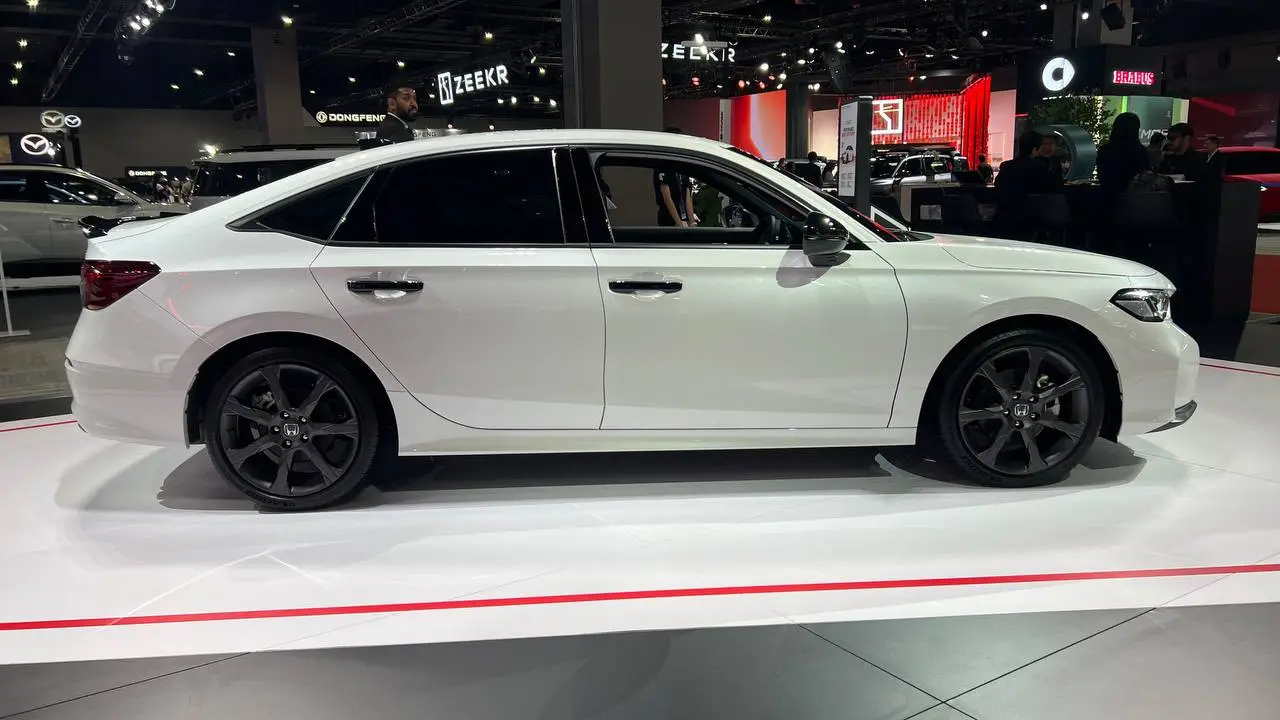
The Civic’s traditional rival remains the Toyota Corolla, but the competitive map has widened dramatically. Chinese electric fastbacks such as the BYD Seal and Dongfeng 007 now compete for the same buyer attention with instant torque and technology-focused cabins. From below, the Proton S70 captures sedan shoppers who prioritise value. Against this spectrum, the Civic does not win on pure specification or the lowest price; its defence is completeness. Established service networks, predictable resale value and suspension tuned for local road surfaces remain tangible assets that specification sheets do not always capture.
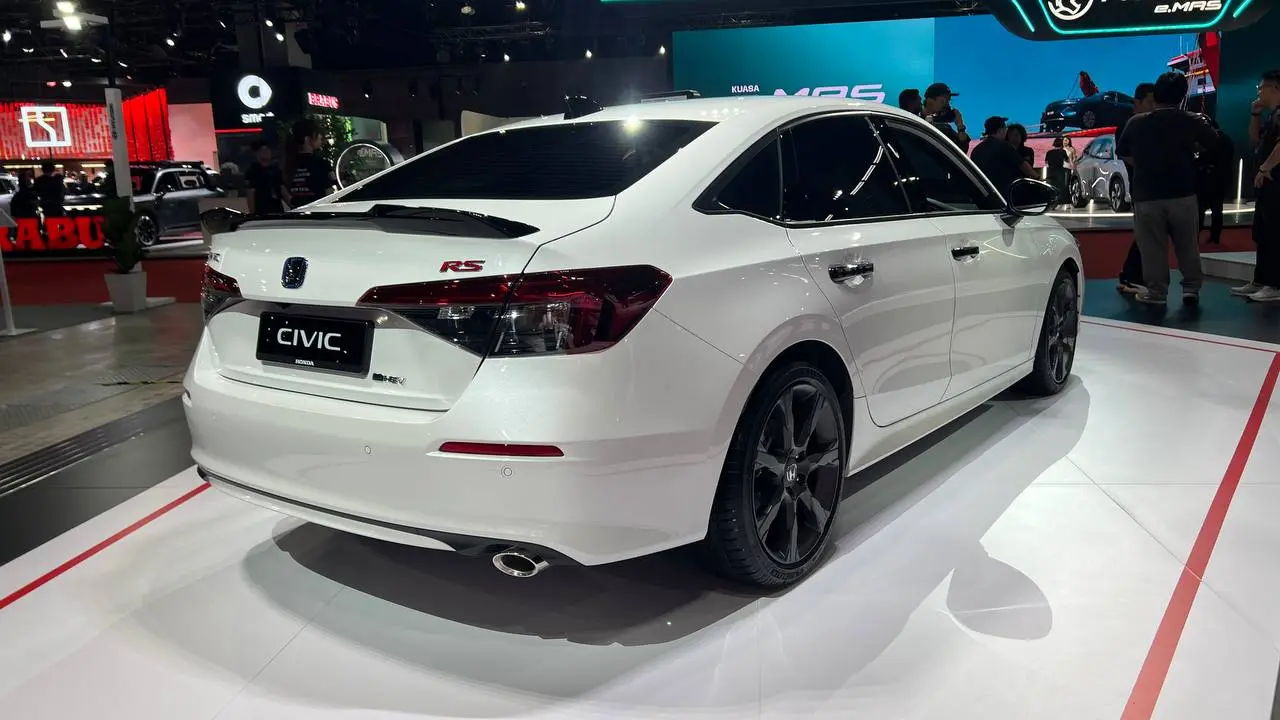
With listed pricing spanning RM133,900 to RM167,900 across the 1.5L E, V, RS and 2.0L e:HEV RS variants, the Civic occupies a band that requires deliberate buyer commitment. It is not the budget entry, yet it avoids the premium positioning of full-import European sedans. In today’s market, that price range frames the Civic as a considered step up for existing City owners, and as a rational alternative for buyers who admire electric sedans but remain cautious about first-generation resale curves and battery replacement costs. Honda’s extensive CKD history in Malaysia reinforces the impression that the car is anchored in a local pricing and support ecosystem.
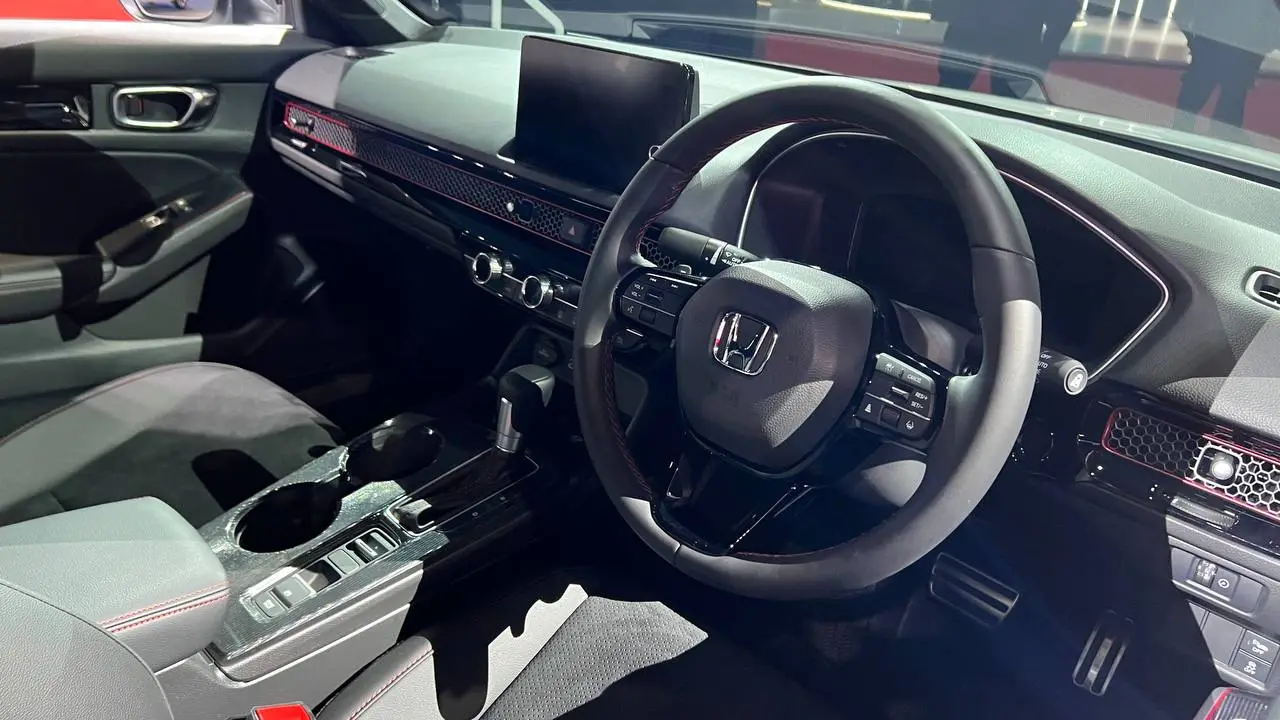
Chinese brands at KLIMS 2026 are winning attention with bold performance claims and expansive touchscreen dashboards. The Civic counters with institutional memory. Malaysian buyers have watched this nameplate evolve through multiple generations of local assembly, creating a reservoir of trust that reduces perceived purchase risk. The e:HEV RS variant adds modern efficiency credentials without forcing owners into the all-electric unknown.
For Honda Malaysia, the Civic is more than a volume contributor; it is the sedan anchor that defines brand aspiration. Even as the company pursues six new model launches in 2026, the Civic remains the quiet reference point for what a mainstream Honda sedan should deliver. Its continued presence in showrooms and at major exhibitions signals stability at a time when consumer choice is fragmenting across powertrain types and national origins.
KLIMS 2026 will be remembered as the year Malaysia’s new-energy market diversified dramatically. The Honda Civic does not pretend to be the flashiest exhibit on the floor, but it offers something equally valuable: a known quantity with a hybrid option, a local support network, and a price position that respects buyer caution. In a segment increasingly populated by first-generation electric challengers, that sense of measured confidence may be the Civic’s strongest selling point.


Your go-to source for all things automotive in Malaysia. 🚗 Latest reviews, breaking news, launches & industry trends.
+ Follow This weekend is your chance to own a Volvo Selekt Certified Used Car, priced from just RM 148,000.
What are you waiting for?
#volvo 1 minute ago
This weekend is your chance to own a Volvo Selekt Certified Used Car, priced from just RM 148,000.
What are you waiting for?
#volvo 1 minute ago  We saw this accident this morning, and here’s a reminder to everyone: please drive safe. 2 days ago
  The G50 BMW 3 series is now here, adopting much of the i3's design elements.
So, where's the BMW M3?
#bmw #BMW3Series 4 days ago
The G50 BMW 3 series is now here, adopting much of the i3's design elements.
So, where's the BMW M3?
#bmw #BMW3Series 4 days ago Get the latest car news first!
Your go-to source for all things automotive in Malaysia. 🚗 Latest reviews, breaking news, launches & industry trends.
This weekend is your chance to own a Volvo Selekt Certified Used Car, priced from just RM 148,000.
What are you waiting for?
#volvo 1 minute ago We saw this accident this morning, and here’s a reminder to everyone: please drive safe. 2 days ago The G50 BMW 3 series is now here, adopting much of the i3's design elements.
So, where's the BMW M3?
#bmw #BMW3Series 4 days ago  ProtonGWMVolkswagenJAECOOVolvoPeroduaToyotaHondaTESLAMitsubishiMazdaJetourCheryBYDLexusBMWMercedes-BenziCAURZeekrIsuzuNissanLeapmotorPorscheFordOMODAMINIMGSuzukiXPengHyundaiWulingKiaSubaruDenzaGACLand RoverDongfengCAMAudiPeugeotFotonMAXUSsmartDaihatsuJACJMCMaseratiLotusAlfa RomeoRenaultGolden DragonKaiceneSeresLamborghiniFerrariJeepRolls-RoyceLepasAston MartinMcLarenChevroletBentleyFiatBAICForthingGeelyRoeweAeolusChanganARCFOXDeepalExeedHongqiVoyahJaguarKGMBuforiAcuraCadillacDodgeAbarthINEOSMHEROJMEVFreelander
 © 2024 Bitauto.com. All Rights Reserved.
Bitauto (www.yiche.com and www.bitauto.com) is one of the most visited automotive websites in China. We provide detailed info on Chinese car brands available in your area. Please note that the information provided on this website is based on publicly available data and is for reference only. It may not be fully updated or accurate at all times.
Help us improve our website


