
Search History
Popular Searches
English
Dealer Login / Sign Up
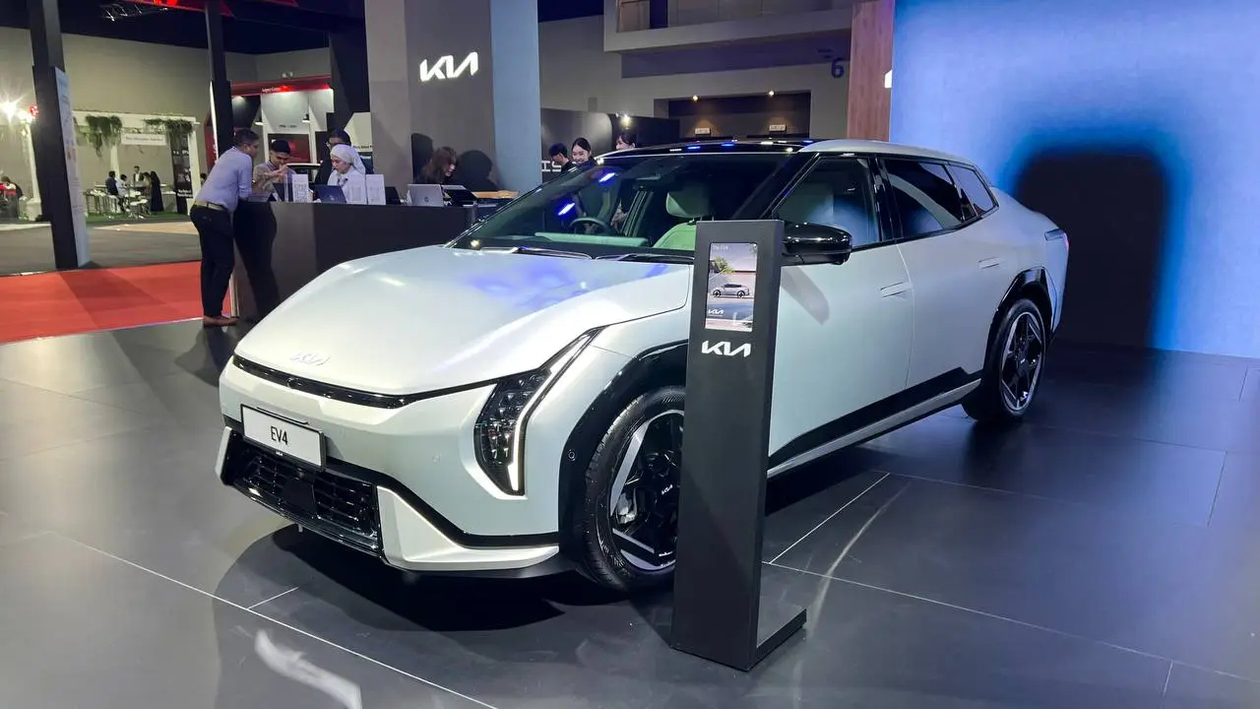
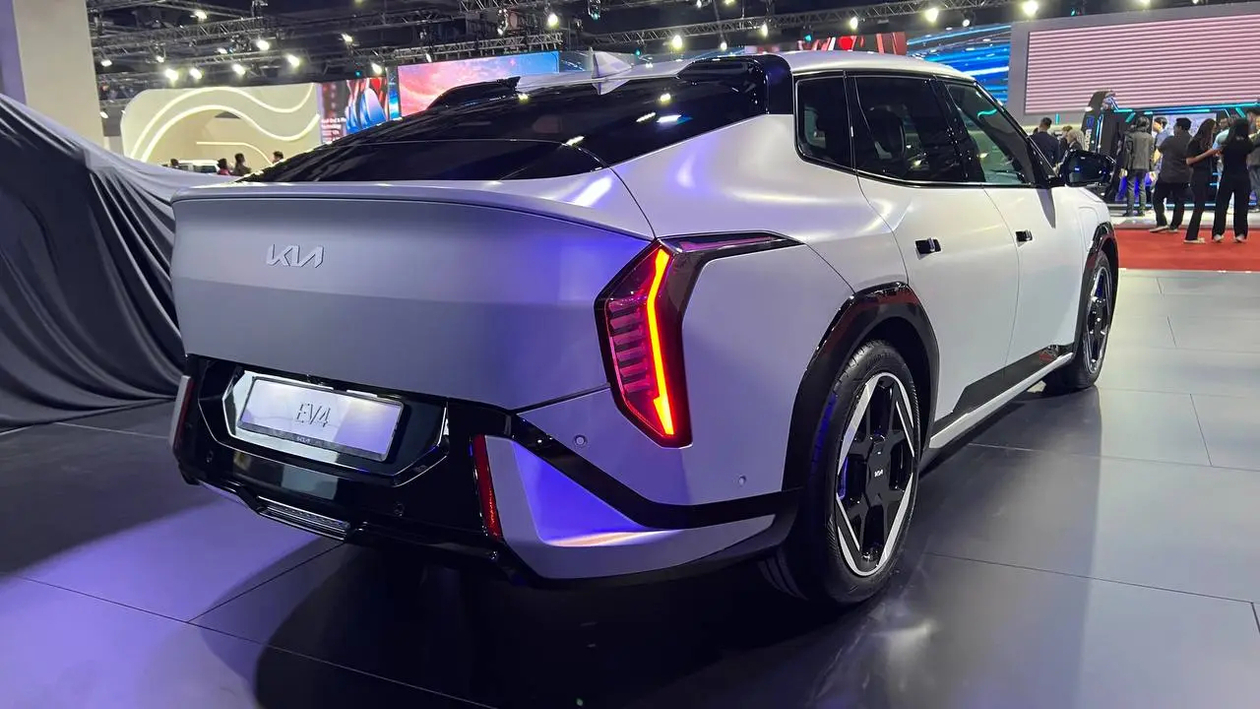
The Kia EV4 is important not because it is larger or more premium than the EV9, but because it brings Kia's electric portfolio closer to mainstream buyers. According to Kia Europe's release, the EV4 is the brand's first all-electric hatchback, built on the E-GMP platform and offered in Hatchback and Fastback body styles. In a KLIMS 2026 context, its role would be very different from the EV9. The EV9 is a technology flagship. The EV4 is the kind of car that could put Kia into the everyday EV shopping list.
The distinction matters for Malaysia. Kia has been rebuilding its local business through Kia Sales Malaysia, with the Sportage, Carnival and EV9 serving different parts of the range. A future EV4 would give the brand a more accessible electric product, one aimed less at statement-making and more at practical daily ownership. Kia has not announced Malaysian pricing, variants or launch timing for the EV4, so it should be treated as a future-facing model rather than a confirmed local showroom car.
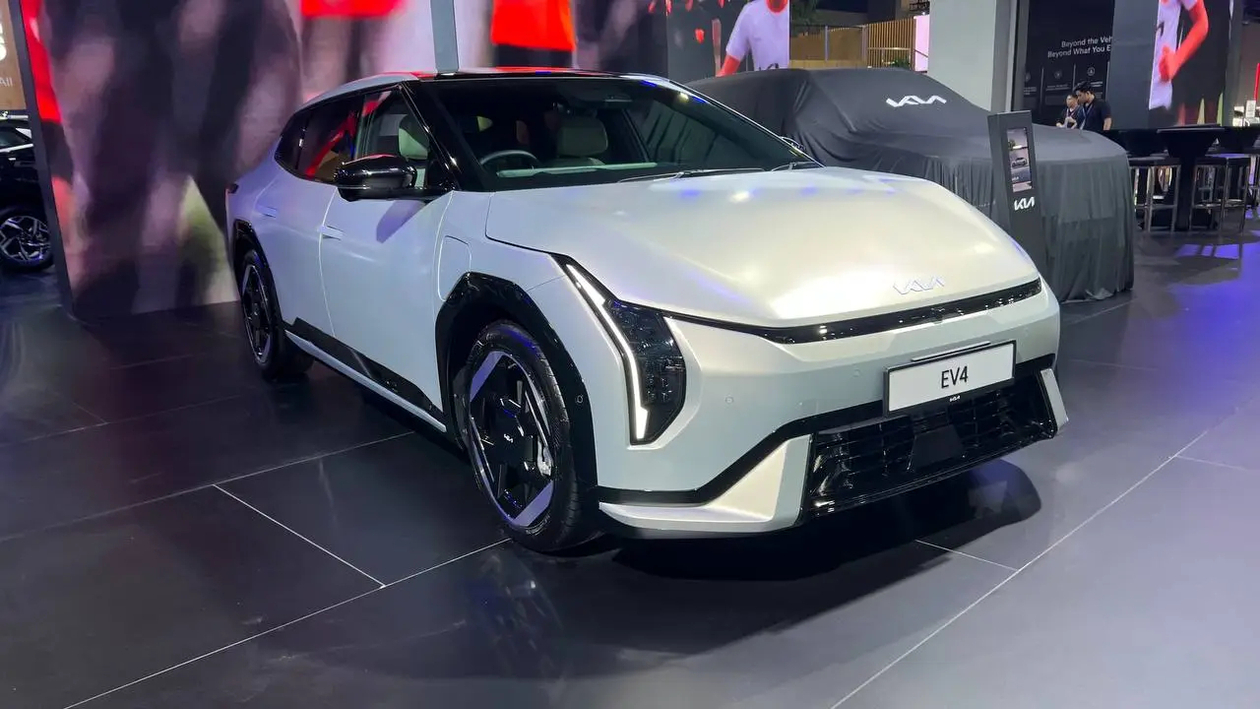
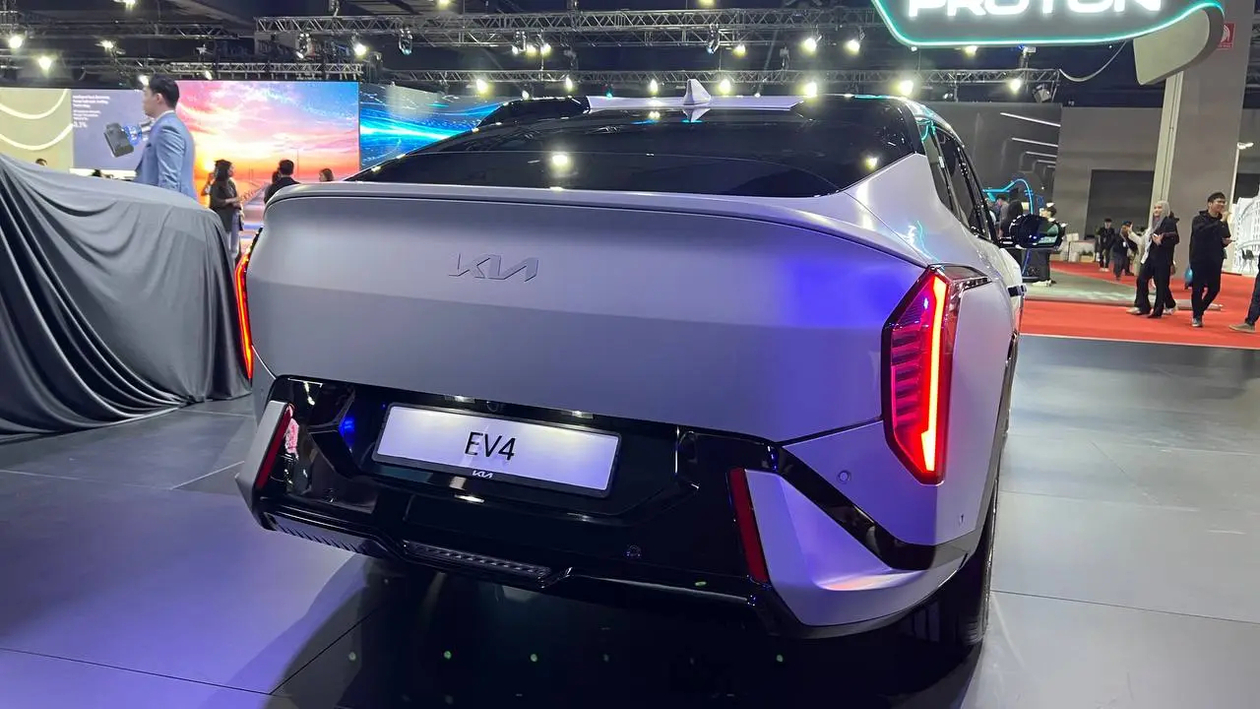
The EV4 comes in Hatchback and Fastback forms. The Hatchback is produced at Kia AutoLand Slovakia in Žilina, making it a major step in Kia's European EV manufacturing plan. The Fastback is produced at the Gwangmyeong EVO Plant in Korea. Both share the same battery and motor choices, but they communicate different priorities. The Hatchback feels more urban and versatile, while the Fastback leans on its longer tail and sleeker silhouette for efficiency and visual refinement.
The Hatchback measures 4,430 mm long, or 4,450 mm in GT-Line form, 1,860 mm wide and 1,485 mm tall, with a 2,820 mm wheelbase and 435 litres of luggage capacity. The Fastback is longer at 4,730 mm, with the same 1,860 mm width and 2,820 mm wheelbase, and a larger 490-litre boot. This dual-body strategy gives Kia a wider reach: one car for buyers who want a compact electric hatch, another for those who still prefer a sedan-like long-tail profile.
The hardware is deliberately straightforward. Every EV4 uses a front-mounted motor producing 150 kW, with a top speed of 170 km/h. Battery choices comprise a 58.3 kWh standard pack and an 81.4 kWh long-range pack. The standard-battery version accelerates from 0-100 km/h in 7.4 seconds, while the long-range version takes 7.7 seconds. This is not a performance EV. It is tuned around efficiency, range and everyday response.
The range figures are where the EV4 becomes more convincing. Kia Europe lists up to 440 km for the Hatchback standard-battery version and up to 625 km for the Hatchback long-range version. The Fastback improves those figures to 456 km and 633 km respectively. DC fast charging from 10-80% takes around 29 minutes with the standard battery and 31 minutes with the long-range battery. If a future Malaysian version can retain numbers close to these, the EV4 would have a strong case among buyers who still worry about intercity EV use.
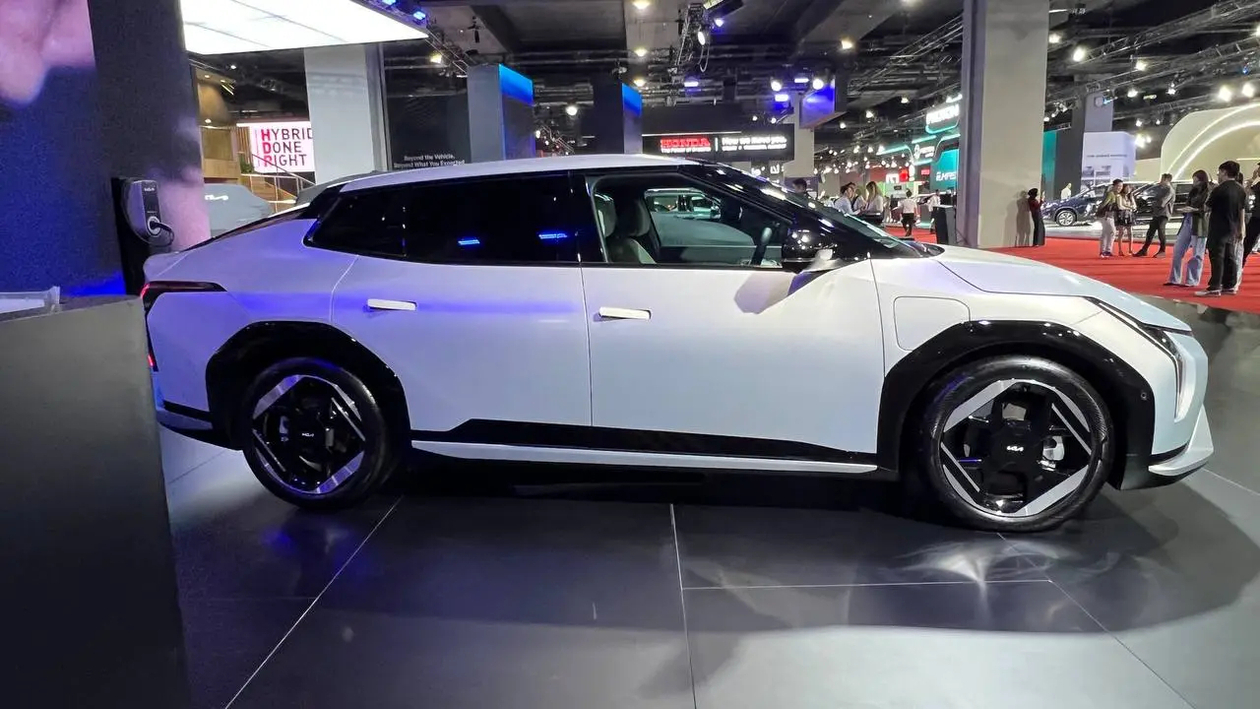
One of the more interesting parts of Kia's release is the engineering work behind the ride and handling. Engineers at Hyundai Motor Europe Technical Centre in Rüsselsheim tuned the EV4 for European roads, focusing on stable handling, precise cornering, balanced weight distribution and high-speed confidence. The chassis uses a MacPherson strut front suspension and multi-link rear setup, supported by third-generation frequency-responsive dampers and hydro-G suspension bushings to reduce noise, vibration and harshness.
This matters in Malaysia because the local EV market is increasingly crowded with cars that can quote strong range figures and large screens. Long-term ownership, however, is shaped by steering feel, suspension comfort, tyre noise and body control. If the EV4 can preserve this more mature chassis character in regional specifications, it could give Kia a useful point of difference against rivals that compete mainly on equipment and price.
Kia also places emphasis on the EV4's fourth-generation battery system, with advanced thermal management and optimised coolant distribution. The release refers to a 110,000 km accelerated public-road simulation and a 10,000 km Nürburgring campaign, the latter run at up to 95% of maximum output with repeated high-power charging sessions. After testing, engineers confirmed a battery State-of-Health of 95%.
That detail is more valuable than a single range claim. Malaysian buyers are becoming more open to EVs, but battery degradation, long-term repair cost and residual value remain major concerns. If Kia eventually brings the EV4 here, it will need to translate those durability claims into clear local warranty terms, battery diagnostic support and high-voltage service capability. Without that, even a technically strong EV can struggle to win conservative family buyers.
The EV4's European specification includes a broad ADAS list: Forward Collision-Avoidance Assist 2, Lane Keeping Assist, Blind-Spot Collision-Avoidance Assist, Smart Cruise Control 2, Navigation-based Smart Cruise Control, Lane Following Assist 2, Highway Driving Assist 2, Rear Cross-Traffic Collision-Avoidance Assist, Blind-spot View Monitor, Surround View Monitor and Parking Collision-Avoidance Assist. Kia also highlights structural safety around the battery, including multi-load paths, a roof designed to withstand more than five times the vehicle's weight and a multi-rib rocker panel for side-impact protection.
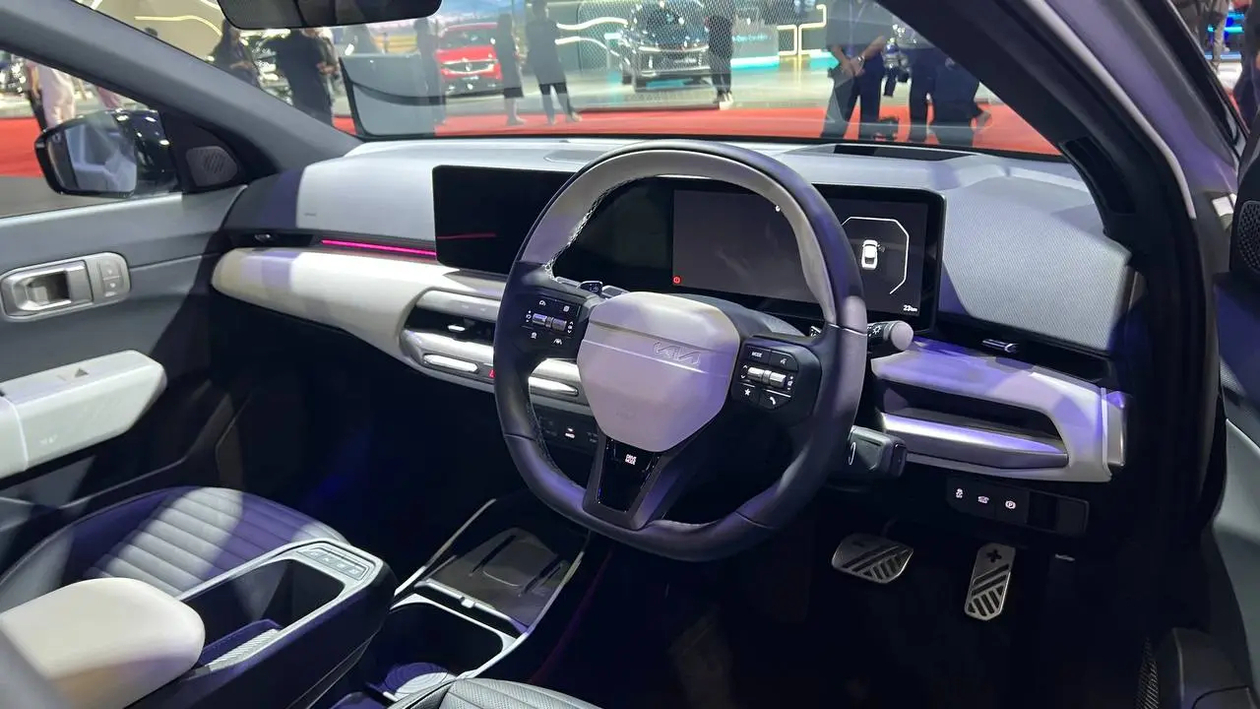
On the technology side, the EV4 supports the Kia App, over-the-air updates, Digital Key 2, Vehicle-to-Load and Vehicle-to-Grid. European material also mentions route planning, public charging integration and in-car entertainment services, though those functions would depend on local software and charging partnerships if the car comes to Malaysia. For local buyers, the most useful functions will be the practical ones: finding chargers, managing charging remotely, checking vehicle health and receiving software improvements after purchase.
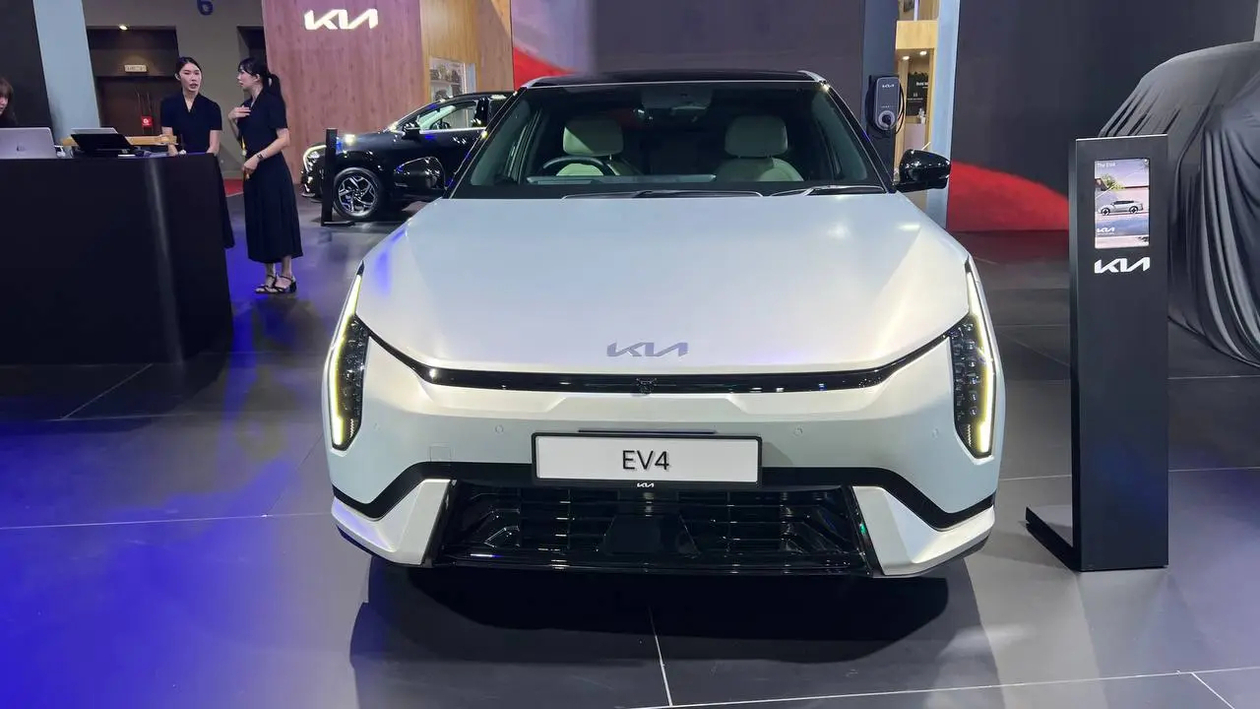
Kia Sales Malaysia does not need a larger catalogue for its own sake. It needs products that rebuild confidence. The Sportage and Carnival cover family needs, the EV9 lifts the electric image, and the PV5 points toward fleet and mobility services. The EV4 would fill the missing mainstream EV slot: compact enough for daily use, long-legged enough for highway trips and technical enough to justify Kia's global EV credentials.
The competitive field would be difficult. Malaysian EV buyers are already comparing BYD, MG, GWM, Proton e.MAS and other value-led options. The EV4's opportunity would not come from simply adding more features. It would need to combine the E-GMP platform, European tuning, battery durability and a stronger Kia aftersales structure into one credible ownership proposition. If Kia can price it sensibly and support it properly, the EV4 could do more for the brand's local EV relevance than a flagship alone.

Your go-to source for all things automotive in Malaysia. 🚗 Latest reviews, breaking news, launches & industry trends.
+ Follow We saw this accident this morning, and here’s a reminder to everyone: please drive safe. 2 days ago
  The G50 BMW 3 series is now here, adopting much of the i3's design elements.
So, where's the BMW M3?
#bmw #BMW3Series 4 days ago
The G50 BMW 3 series is now here, adopting much of the i3's design elements.
So, where's the BMW M3?
#bmw #BMW3Series 4 days ago  DRIFT PARTY in Malaysia! Can the Xiaomi SU7, Yangwang U8 mix it up against JDM favourites in KL?
Our adventure with the Xiaomi SU7 and Yangwang U8 brings us to APDCrew circuit as we give witness a drift show. With pro drifters and fan-favourites - RX7s, S15s, Skylines, Supras, and more - in the mix, can our Xiaomi SU7 and Yangwang U8 hold their own?
It's also a quick look at Malaysian car culture, including some wildly modified minivans, and more!
#drift #malaysia #xiaomisu7 #yangwangu8 #larrychen #drifting #JDM跑車 4 days ago
DRIFT PARTY in Malaysia! Can the Xiaomi SU7, Yangwang U8 mix it up against JDM favourites in KL?
Our adventure with the Xiaomi SU7 and Yangwang U8 brings us to APDCrew circuit as we give witness a drift show. With pro drifters and fan-favourites - RX7s, S15s, Skylines, Supras, and more - in the mix, can our Xiaomi SU7 and Yangwang U8 hold their own?
It's also a quick look at Malaysian car culture, including some wildly modified minivans, and more!
#drift #malaysia #xiaomisu7 #yangwangu8 #larrychen #drifting #JDM跑車 4 days ago Get the latest car news first!
Your go-to source for all things automotive in Malaysia. 🚗 Latest reviews, breaking news, launches & industry trends.
We saw this accident this morning, and here’s a reminder to everyone: please drive safe. 2 days ago The G50 BMW 3 series is now here, adopting much of the i3's design elements.
So, where's the BMW M3?
#bmw #BMW3Series 4 days ago DRIFT PARTY in Malaysia! Can the Xiaomi SU7, Yangwang U8 mix it up against JDM favourites in KL?
Our adventure with the Xiaomi SU7 and Yangwang U8 brings us to APDCrew circuit as we give witness a drift show. With pro drifters and fan-favourites - RX7s, S15s, Skylines, Supras, and more - in the mix, can our Xiaomi SU7 and Yangwang U8 hold their own?
It's also a quick look at Malaysian car culture, including some wildly modified minivans, and more!
#drift #malaysia #xiaomisu7 #yangwangu8 #larrychen #drifting #JDM跑車 4 days ago  ProtonGWMVolkswagenJAECOOVolvoPeroduaToyotaHondaTESLAMitsubishiMazdaJetourCheryBYDLexusBMWMercedes-BenziCAURZeekrIsuzuNissanLeapmotorPorscheFordOMODAMINIMGSuzukiXPengHyundaiWulingKiaSubaruDenzaGACLand RoverDongfengCAMAudiPeugeotFotonMAXUSsmartDaihatsuJACJMCMaseratiLotusAlfa RomeoRenaultGolden DragonKaiceneSeresLamborghiniFerrariJeepRolls-RoyceLepasAston MartinMcLarenChevroletBentleyFiatBAICForthingGeelyRoeweAeolusChanganARCFOXDeepalExeedHongqiVoyahJaguarKGMBuforiAcuraCadillacDodgeAbarthINEOSMHEROJMEVFreelander
 © 2024 Bitauto.com. All Rights Reserved.
Bitauto (www.yiche.com and www.bitauto.com) is one of the most visited automotive websites in China. We provide detailed info on Chinese car brands available in your area. Please note that the information provided on this website is based on publicly available data and is for reference only. It may not be fully updated or accurate at all times.
Help us improve our website


