
Search History
Popular Searches
English
Dealer Login / Sign Up
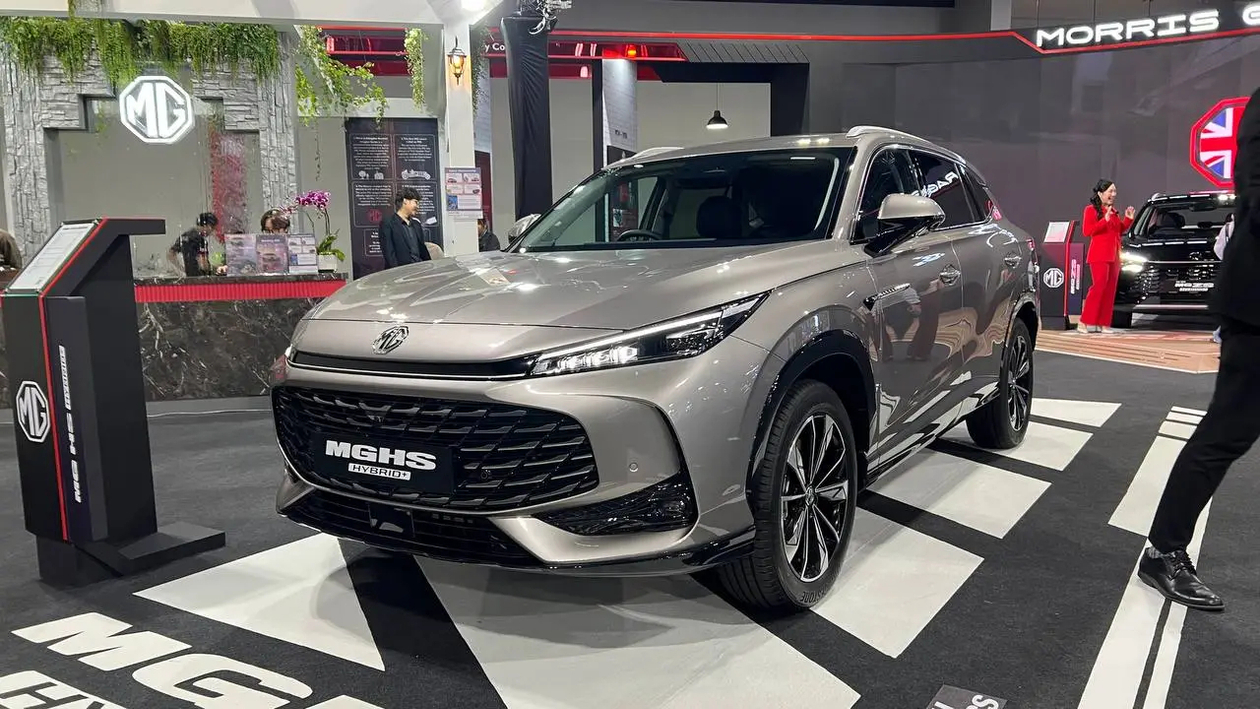
MG’s presence at KLIMS 2026 is understandably dominated by the rollout of its first locally assembled EV, the S5 EV, which emerged from the Melaka plant earlier this year. Yet walk the floor and the MG HS remains a fixture of the stand, serving as a reminder that the brand’s Malaysian ambitions rest on more than a single electrified launch. As SAIC Motor Malaysia accelerates its CKD localisation strategy, the HS carries the weight of MG’s earlier market entry, anchoring the petrol SUV side of a portfolio that now straddles two very different energy eras.
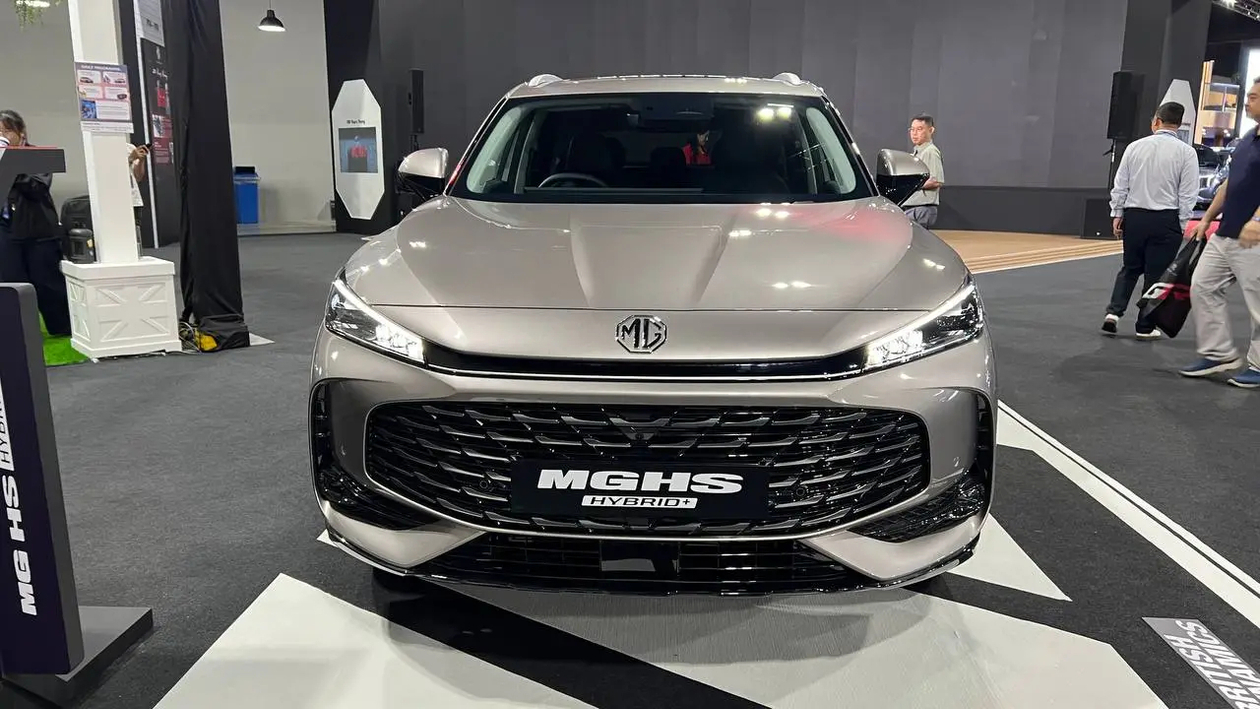
The MG S5 EV has rightly captured headlines. Assembled in Melaka and positioned around the RM120,000 mark, it gives MG a defensible position against the BYD Atto 3, the Proton eMAS 7, and the upcoming Perodua QV-E. It is the proof point that MG is serious about local value and manufacturing scale. Against that backdrop, the petrol-powered HS might seem like a quieter proposition, but it fills a necessary gap. Not every Malaysian buyer at this stage is prepared to switch to a battery-electric powertrain, whether due to charging infrastructure concerns, apartment-dwelling constraints, or simply the preference for a familiar internal-combustion drivetrain on long interstate runs.
The HS, therefore, acts as a bridge. It keeps MG relevant in the broader C-segment SUV conversation while the brand’s dealer networks absorb the lessons of local assembly and EV aftersales. In a market where Perodua and Proton still dominate total volume, and where Toyota and Honda trade on decades of service trust, a Chinese brand needs showroom traffic from multiple entry points. The HS provides exactly that: a conventional SUV alternative that does not ask the buyer to recalibrate their ownership habits.
Without confirmed local pricing or variant detail for the HS on display, it is more useful to examine its competitive set by role rather than by spec sheet. The Malaysian SUV space is now crowded with Chinese entrants—Chery’s Omoda and Tiggo lines, GWM’s Haval series, and Jaecoo’s rising SUVs—each fighting for share against the entrenched Proton X70 and the persistent Honda ecosystem. The HS does not need to outmuscle any of them on paper to earn its keep; it needs to persuade cross-shoppers that MG’s design language, cabin tech, and SAIC-backed engineering offer a coherent package at the value end of the spectrum.
Where the S5 EV pitches MG as a forward-looking, locally invested EV player, the HS reinforces the idea that the brand still understands the mainstream petrol buyer. That dual presence matters. Malaysian consumers are famously pragmatic; they will buy an EV when the total cost and convenience equation clears, but many families still want one petrol SUV in the driveway. MG’s stand implicitly acknowledges this by giving the HS visibility alongside its electric sibling.
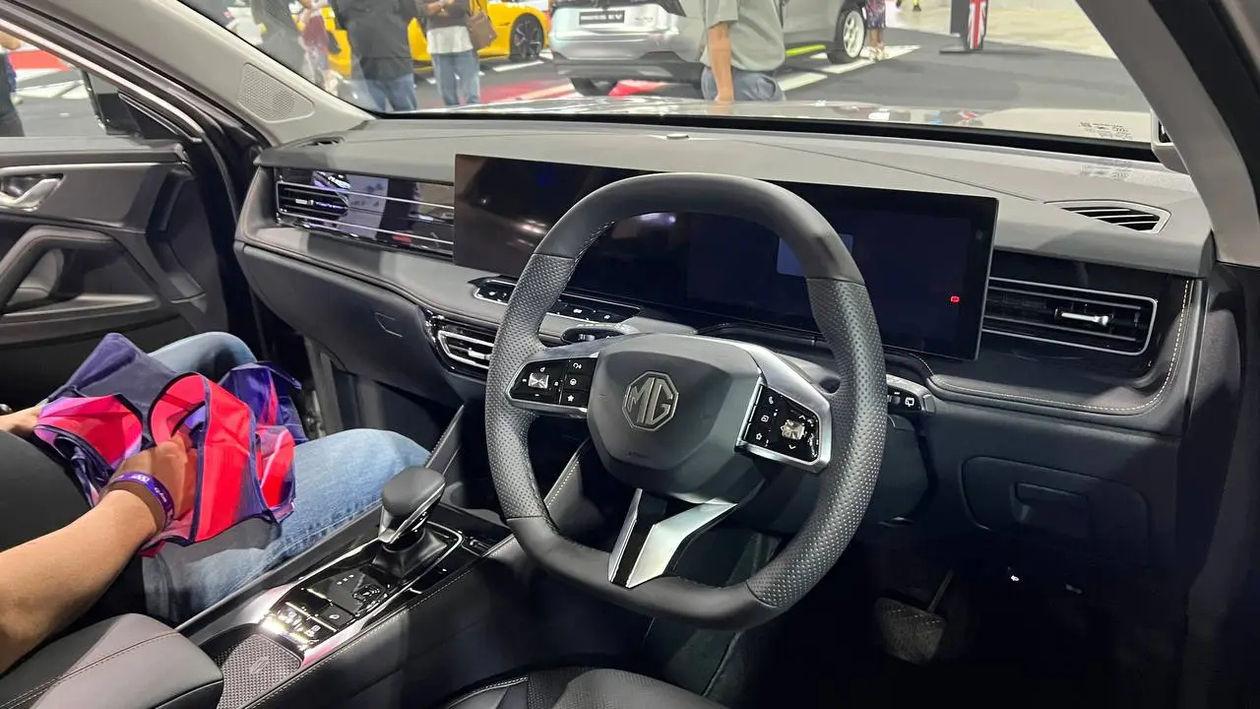
For a relatively young brand in Malaysia, the barriers to purchase are rarely about horsepower or torque figures. They centre on aftersales coverage, spare parts availability, and resale confidence. The HS, if it continues its local run, is the model that lives or dies by those metrics. Buyers considering MG are not just comparing equipment lists; they are calculating whether the dealer network can handle routine service without drama and whether the brand will still be loudly present in three to five years.
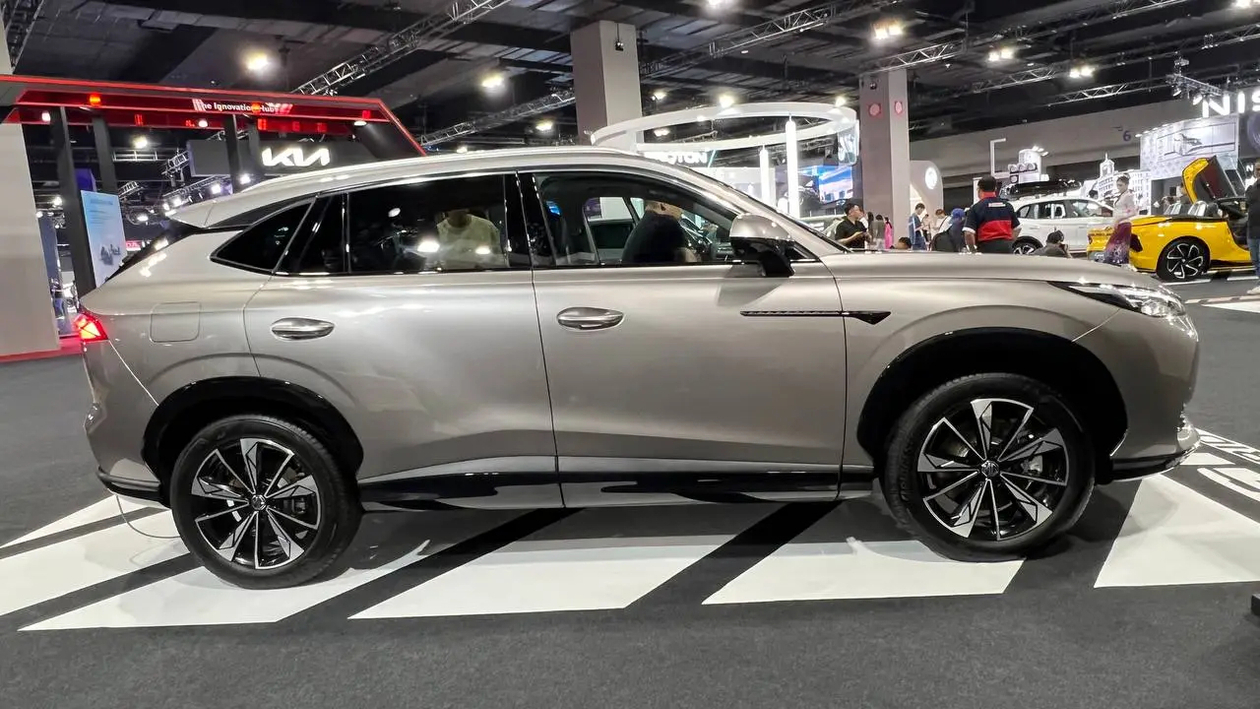
This is where SAIC’s global scale becomes relevant background, even if the Malaysia story must stay rooted in local reality. The Melaka CKD investment for the S5 EV sends a signal that MG is not treating Malaysia as a transient export stop. That signal rubs off on the HS. Prospective owners can interpret the local assembly commitment as evidence of long-term parts warehousing, technician training, and warranty honouring across the range.
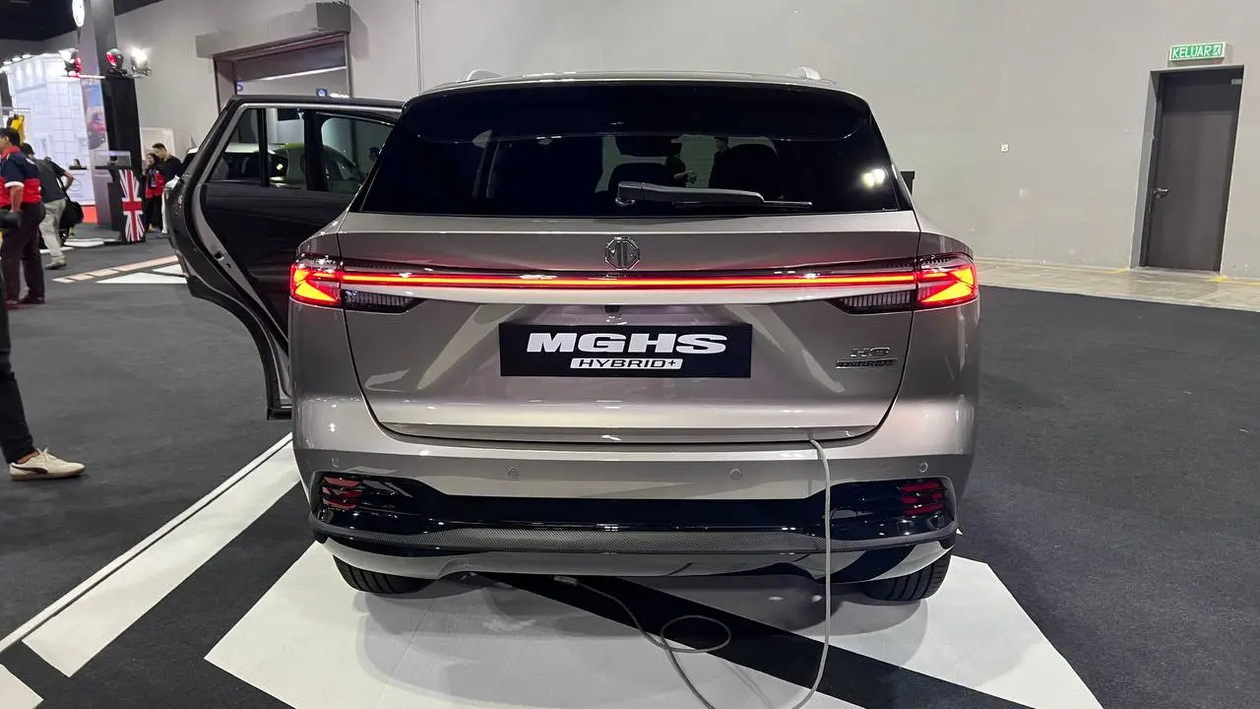
KLIMS 2026 is not a coronation for the MG HS. It is, instead, a checkpoint. The model must demonstrate that MG’s petrol SUV line remains polished and competitive even as the company’s treasury of attention pours into the S5 EV. If the HS feels like an afterthought on the stand, it risks undermining the very volume foundation that helps fund broader brand recognition. If it holds its own, it validates MG’s two-track approach: electrification for the early adopters, and refined conventional SUVs for the migration wave that follows.
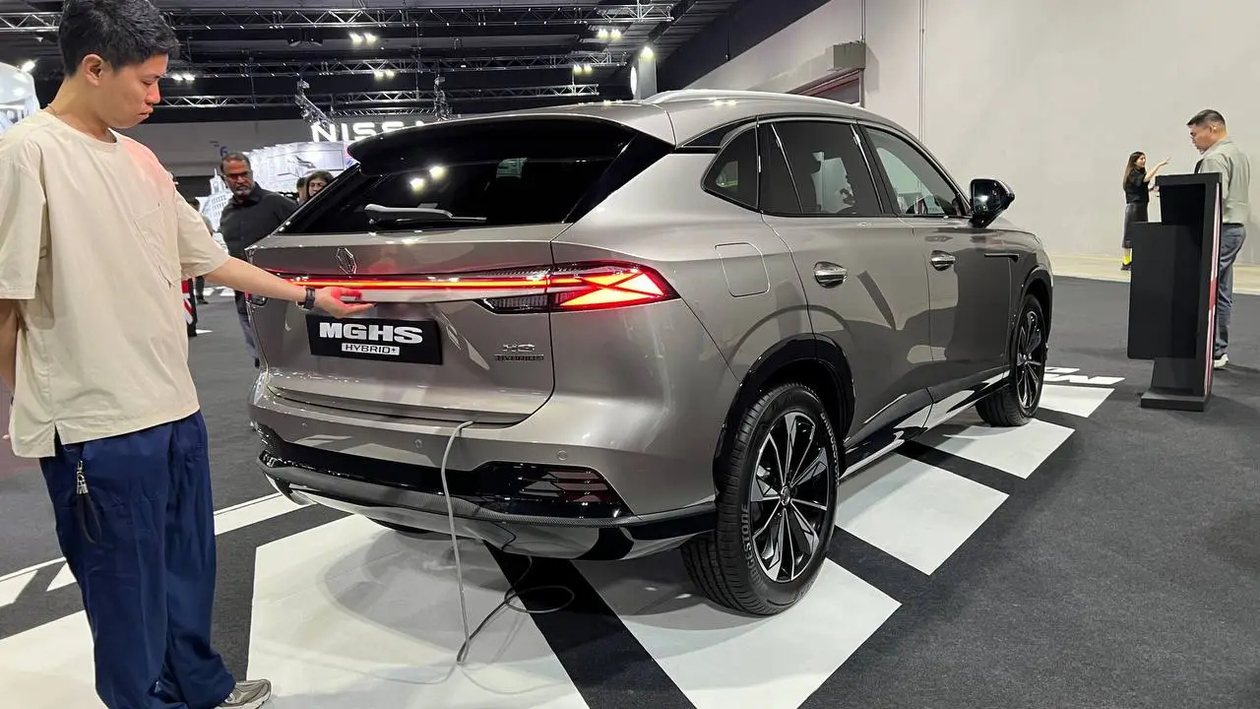
Looked at from the market rather than the showroom, the HS is MG’s insurance policy. Malaysia’s transition to electrified mobility is accelerating but uneven, split between urban early adopters and suburban conservatives. By keeping a petrol SUV in the conversation, MG hedges its bets without diluting its EV narrative. The HS may not be the headline, but at KLIMS 2026 it is a necessary paragraph in a longer story about a Chinese brand learning to build cars in Malaysia, not merely ship them here.

Your go-to source for all things automotive in Malaysia. 🚗 Latest reviews, breaking news, launches & industry trends.
+ Follow We saw this accident this morning, and here’s a reminder to everyone: please drive safe. 2 days ago
  The G50 BMW 3 series is now here, adopting much of the i3's design elements.
So, where's the BMW M3?
#bmw #BMW3Series 4 days ago
The G50 BMW 3 series is now here, adopting much of the i3's design elements.
So, where's the BMW M3?
#bmw #BMW3Series 4 days ago  DRIFT PARTY in Malaysia! Can the Xiaomi SU7, Yangwang U8 mix it up against JDM favourites in KL?
Our adventure with the Xiaomi SU7 and Yangwang U8 brings us to APDCrew circuit as we give witness a drift show. With pro drifters and fan-favourites - RX7s, S15s, Skylines, Supras, and more - in the mix, can our Xiaomi SU7 and Yangwang U8 hold their own?
It's also a quick look at Malaysian car culture, including some wildly modified minivans, and more!
#drift #malaysia #xiaomisu7 #yangwangu8 #larrychen #drifting #JDM跑車 4 days ago
DRIFT PARTY in Malaysia! Can the Xiaomi SU7, Yangwang U8 mix it up against JDM favourites in KL?
Our adventure with the Xiaomi SU7 and Yangwang U8 brings us to APDCrew circuit as we give witness a drift show. With pro drifters and fan-favourites - RX7s, S15s, Skylines, Supras, and more - in the mix, can our Xiaomi SU7 and Yangwang U8 hold their own?
It's also a quick look at Malaysian car culture, including some wildly modified minivans, and more!
#drift #malaysia #xiaomisu7 #yangwangu8 #larrychen #drifting #JDM跑車 4 days ago Get the latest car news first!
Your go-to source for all things automotive in Malaysia. 🚗 Latest reviews, breaking news, launches & industry trends.
We saw this accident this morning, and here’s a reminder to everyone: please drive safe. 2 days ago The G50 BMW 3 series is now here, adopting much of the i3's design elements.
So, where's the BMW M3?
#bmw #BMW3Series 4 days ago DRIFT PARTY in Malaysia! Can the Xiaomi SU7, Yangwang U8 mix it up against JDM favourites in KL?
Our adventure with the Xiaomi SU7 and Yangwang U8 brings us to APDCrew circuit as we give witness a drift show. With pro drifters and fan-favourites - RX7s, S15s, Skylines, Supras, and more - in the mix, can our Xiaomi SU7 and Yangwang U8 hold their own?
It's also a quick look at Malaysian car culture, including some wildly modified minivans, and more!
#drift #malaysia #xiaomisu7 #yangwangu8 #larrychen #drifting #JDM跑車 4 days ago  ProtonGWMVolkswagenJAECOOVolvoPeroduaToyotaHondaTESLAMitsubishiMazdaJetourCheryBYDLexusBMWMercedes-BenziCAURZeekrIsuzuNissanLeapmotorPorscheFordOMODAMINIMGSuzukiXPengHyundaiWulingKiaSubaruDenzaGACLand RoverDongfengCAMAudiPeugeotFotonMAXUSsmartDaihatsuJACJMCMaseratiLotusAlfa RomeoRenaultGolden DragonKaiceneSeresLamborghiniFerrariJeepRolls-RoyceLepasAston MartinMcLarenChevroletBentleyFiatBAICForthingGeelyRoeweAeolusChanganARCFOXDeepalExeedHongqiVoyahJaguarKGMBuforiAcuraCadillacDodgeAbarthINEOSMHEROJMEVFreelander
 © 2024 Bitauto.com. All Rights Reserved.
Bitauto (www.yiche.com and www.bitauto.com) is one of the most visited automotive websites in China. We provide detailed info on Chinese car brands available in your area. Please note that the information provided on this website is based on publicly available data and is for reference only. It may not be fully updated or accurate at all times.
Help us improve our website


