
Search History
Popular Searches
English
Dealer Login / Sign Up
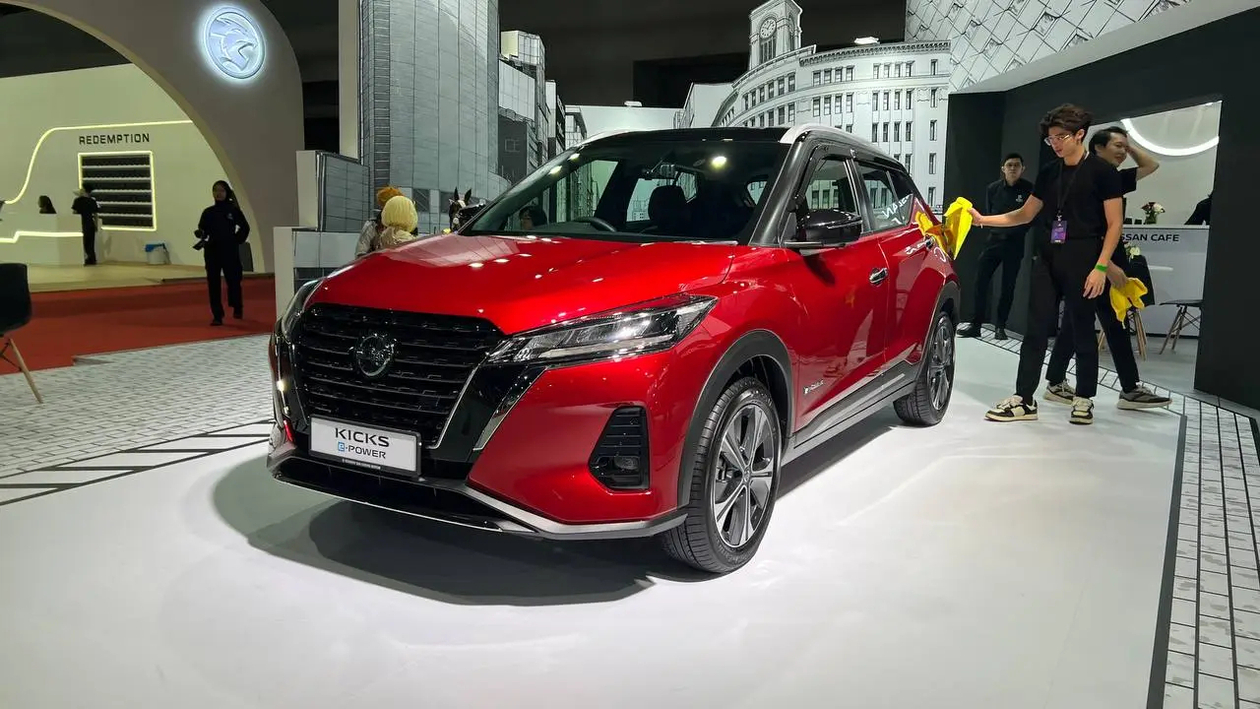
Nissan's presence in Malaysia has long been anchored by Edaran Tan Chong Motor's established service network rather than aggressive sales surges. At KLIMS 2026, the Kicks e-Power does not arrive with claims of chart-topping volume. Instead, it serves as a strategic placeholder, introducing the brand's e-Power series-hybrid architecture to a market where charging infrastructure remains a persistent concern for apartment dwellers.
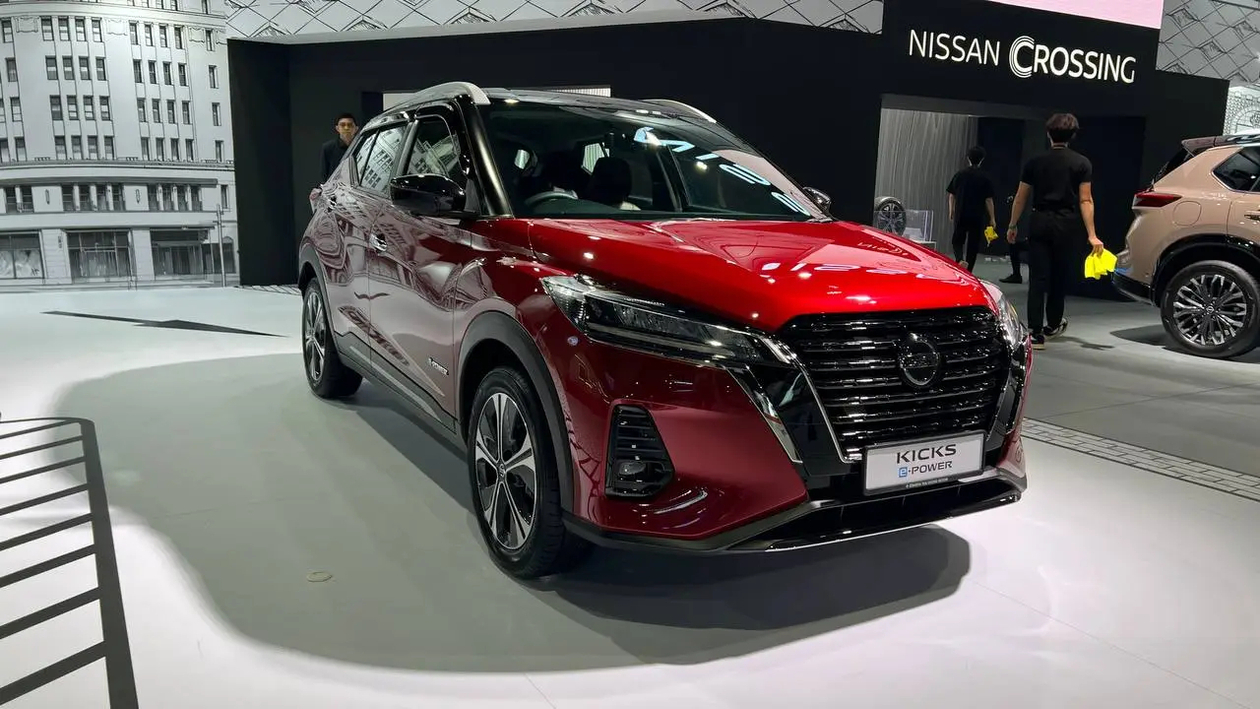
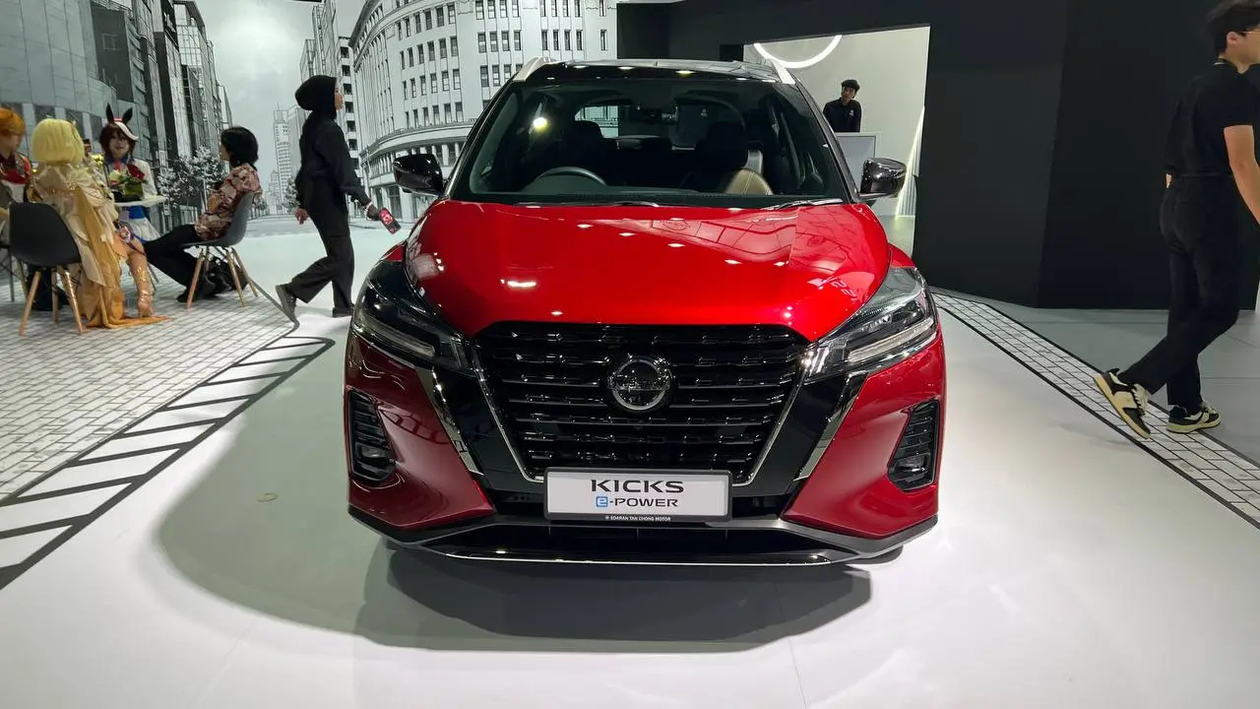
The Malaysian B-SUV segment is crowded with established names. The Perodua Ativa dominates the entry point, the Proton X50 attracts first-time buyers with kit and turbo performance, while the Honda HR-V and Toyota Corolla Cross split the middle ground between young families and conservative upgraders. The Kicks e-Power is not priced to undercut them, nor does it aim to convert BYD or GWM EV buyers. Its target is the Toyota and Honda faithful who want a quieter, more responsive drive without altering their refuelling routine.
The e-Power system uses a petrol engine solely as a generator, delivering electric-motor propulsion without plug-in dependency. For Malaysian users in high-rise residences without dedicated charge points, this removes the primary friction of EV ownership. The powertrain offers sharper response than a conventional CVT and runs with the refuelling convenience of a standard petrol vehicle.
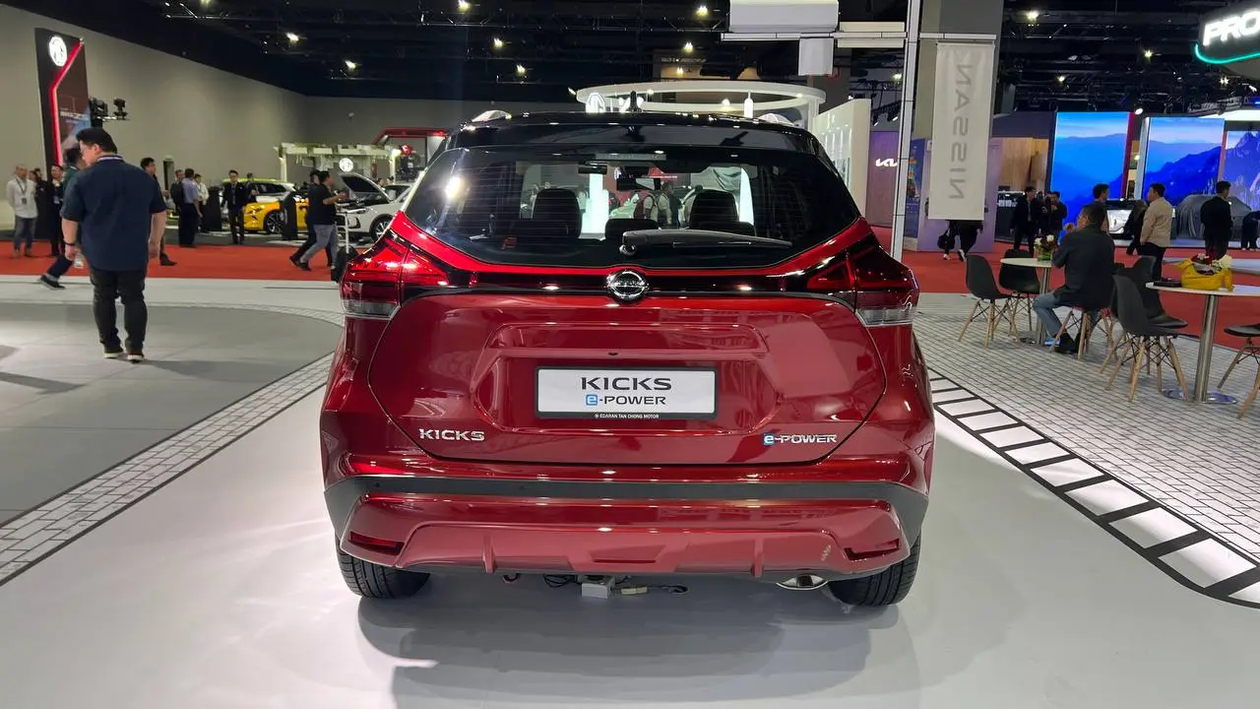
Its cabin priorities centre on practicality, aligning with Nissan's established reputation in Malaysia for straightforward ownership and transparent maintenance costs.
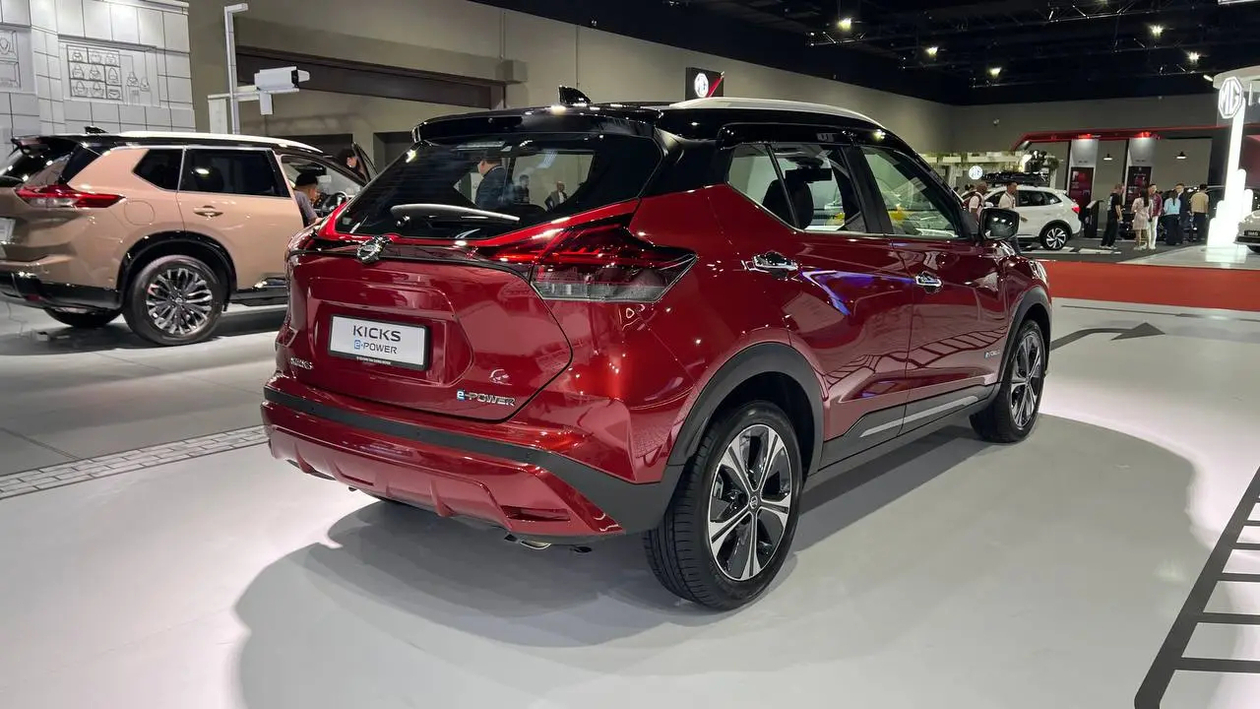
Unlike newer entrants who must build aftersales confidence from scratch, Nissan benefits from decades of local parts availability and technician familiarity through ETCM. That existing infrastructure is the Kicks e-Power's most immediate advantage. However, consumer questions will likely centre on long-term battery durability in tropical heat, replacement costs, and whether warranty coverage can match the benchmarks set by Toyota's Hybrid Electric offerings in Malaysia.
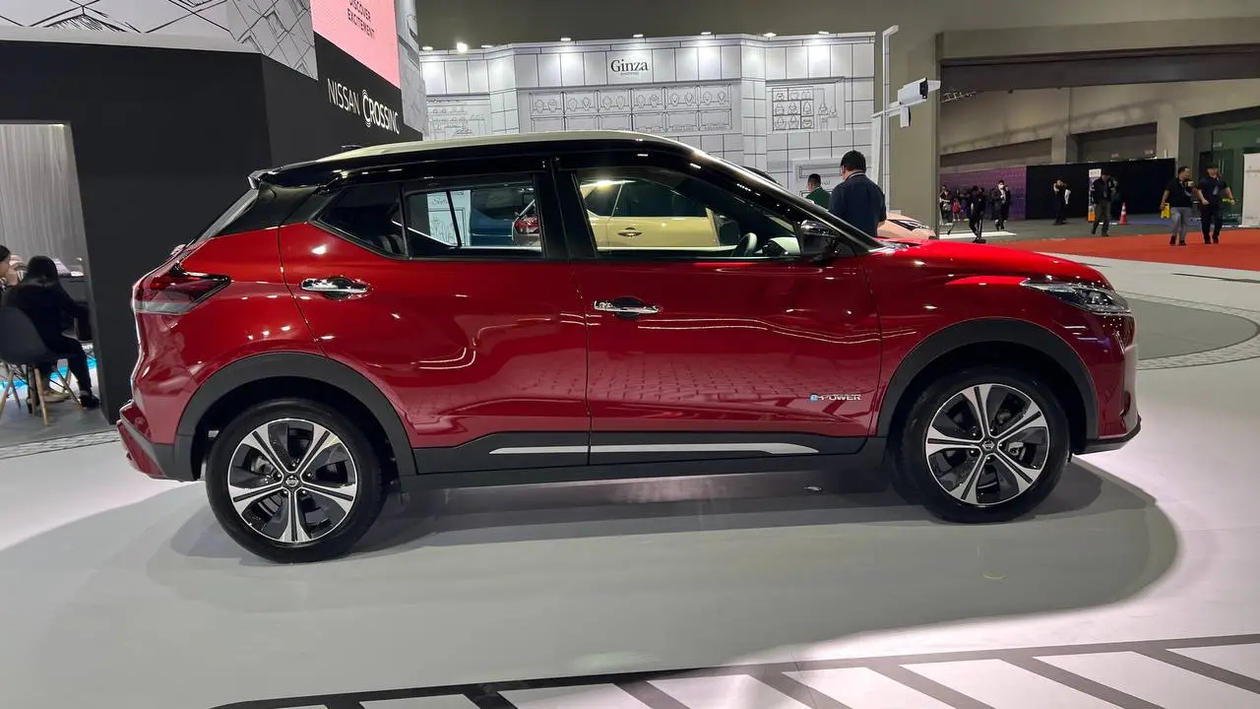
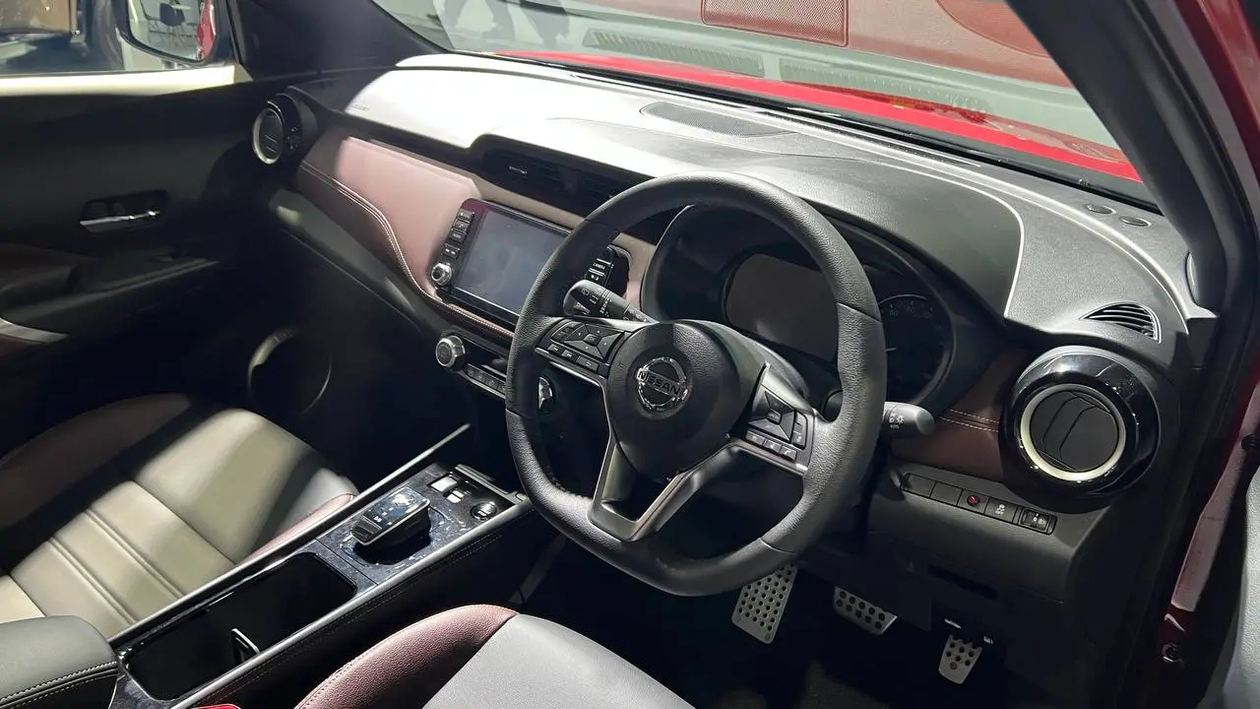
On the KLIMS 2026 stand, the Kicks e-Power functions as a technology messenger rather than a volume hero. It signals that Nissan still intends to compete in Malaysia's mainstream electrification conversation with a distinctly different formula from full BEVs or conventional HEVs. Whether it moves from showroom curiosity to serious purchase consideration depends on how aggressively ETCM prices it against the Honda HR-V and Toyota Corolla Cross, and how transparently it addresses e-Power servicing costs over a typical ownership cycle.

Your go-to source for all things automotive in Malaysia. 🚗 Latest reviews, breaking news, launches & industry trends.
+ Follow We saw this accident this morning, and here’s a reminder to everyone: please drive safe. 2 days ago
  The G50 BMW 3 series is now here, adopting much of the i3's design elements.
So, where's the BMW M3?
#bmw #BMW3Series 4 days ago
The G50 BMW 3 series is now here, adopting much of the i3's design elements.
So, where's the BMW M3?
#bmw #BMW3Series 4 days ago  DRIFT PARTY in Malaysia! Can the Xiaomi SU7, Yangwang U8 mix it up against JDM favourites in KL?
Our adventure with the Xiaomi SU7 and Yangwang U8 brings us to APDCrew circuit as we give witness a drift show. With pro drifters and fan-favourites - RX7s, S15s, Skylines, Supras, and more - in the mix, can our Xiaomi SU7 and Yangwang U8 hold their own?
It's also a quick look at Malaysian car culture, including some wildly modified minivans, and more!
#drift #malaysia #xiaomisu7 #yangwangu8 #larrychen #drifting #JDM跑車 4 days ago
DRIFT PARTY in Malaysia! Can the Xiaomi SU7, Yangwang U8 mix it up against JDM favourites in KL?
Our adventure with the Xiaomi SU7 and Yangwang U8 brings us to APDCrew circuit as we give witness a drift show. With pro drifters and fan-favourites - RX7s, S15s, Skylines, Supras, and more - in the mix, can our Xiaomi SU7 and Yangwang U8 hold their own?
It's also a quick look at Malaysian car culture, including some wildly modified minivans, and more!
#drift #malaysia #xiaomisu7 #yangwangu8 #larrychen #drifting #JDM跑車 4 days ago Get the latest car news first!
Your go-to source for all things automotive in Malaysia. 🚗 Latest reviews, breaking news, launches & industry trends.
We saw this accident this morning, and here’s a reminder to everyone: please drive safe. 2 days ago The G50 BMW 3 series is now here, adopting much of the i3's design elements.
So, where's the BMW M3?
#bmw #BMW3Series 4 days ago DRIFT PARTY in Malaysia! Can the Xiaomi SU7, Yangwang U8 mix it up against JDM favourites in KL?
Our adventure with the Xiaomi SU7 and Yangwang U8 brings us to APDCrew circuit as we give witness a drift show. With pro drifters and fan-favourites - RX7s, S15s, Skylines, Supras, and more - in the mix, can our Xiaomi SU7 and Yangwang U8 hold their own?
It's also a quick look at Malaysian car culture, including some wildly modified minivans, and more!
#drift #malaysia #xiaomisu7 #yangwangu8 #larrychen #drifting #JDM跑車 4 days ago  ProtonGWMVolkswagenJAECOOVolvoPeroduaToyotaHondaTESLAMitsubishiMazdaJetourCheryBYDLexusBMWMercedes-BenziCAURZeekrIsuzuNissanLeapmotorPorscheFordOMODAMINIMGSuzukiXPengHyundaiWulingKiaSubaruDenzaGACLand RoverDongfengCAMAudiPeugeotFotonMAXUSsmartDaihatsuJACJMCMaseratiLotusAlfa RomeoRenaultGolden DragonKaiceneSeresLamborghiniFerrariJeepRolls-RoyceLepasAston MartinMcLarenChevroletBentleyFiatBAICForthingGeelyRoeweAeolusChanganARCFOXDeepalExeedHongqiVoyahJaguarKGMBuforiAcuraCadillacDodgeAbarthINEOSMHEROJMEVFreelander
 © 2024 Bitauto.com. All Rights Reserved.
Bitauto (www.yiche.com and www.bitauto.com) is one of the most visited automotive websites in China. We provide detailed info on Chinese car brands available in your area. Please note that the information provided on this website is based on publicly available data and is for reference only. It may not be fully updated or accurate at all times.
Help us improve our website


