
Search History
Popular Searches
English
Dealer Login / Sign Up
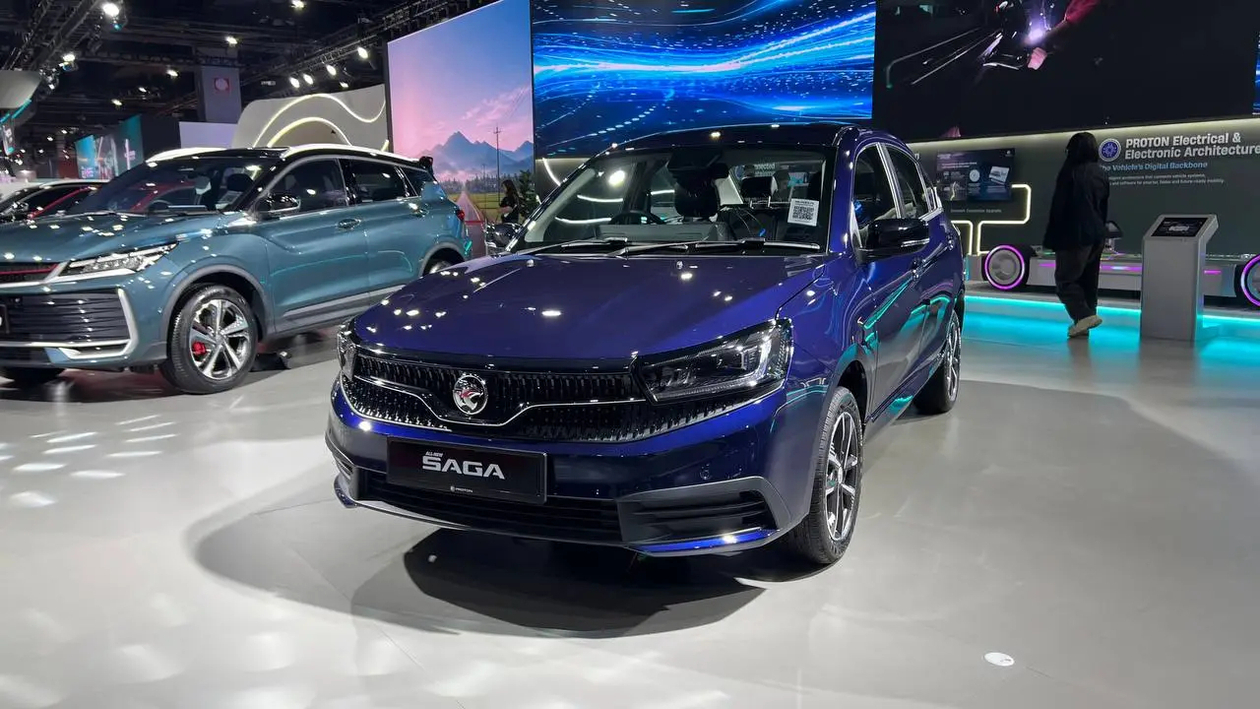
KLIMS 2026 is dominated by electrification headlines and SUV launches, yet the Proton Saga remains a fixture on the national carmaker's stand. While media attention gravitates toward the recently updated S70 sedan and the expanding Proton eMAS electric sub-brand, the Saga occupies a quieter but strategically vital position. It represents the most accessible rung of Proton's internal-combustion range, anchoring a segment that still moves significant volume despite market chatter shifting toward crossovers and battery-electric vehicles.
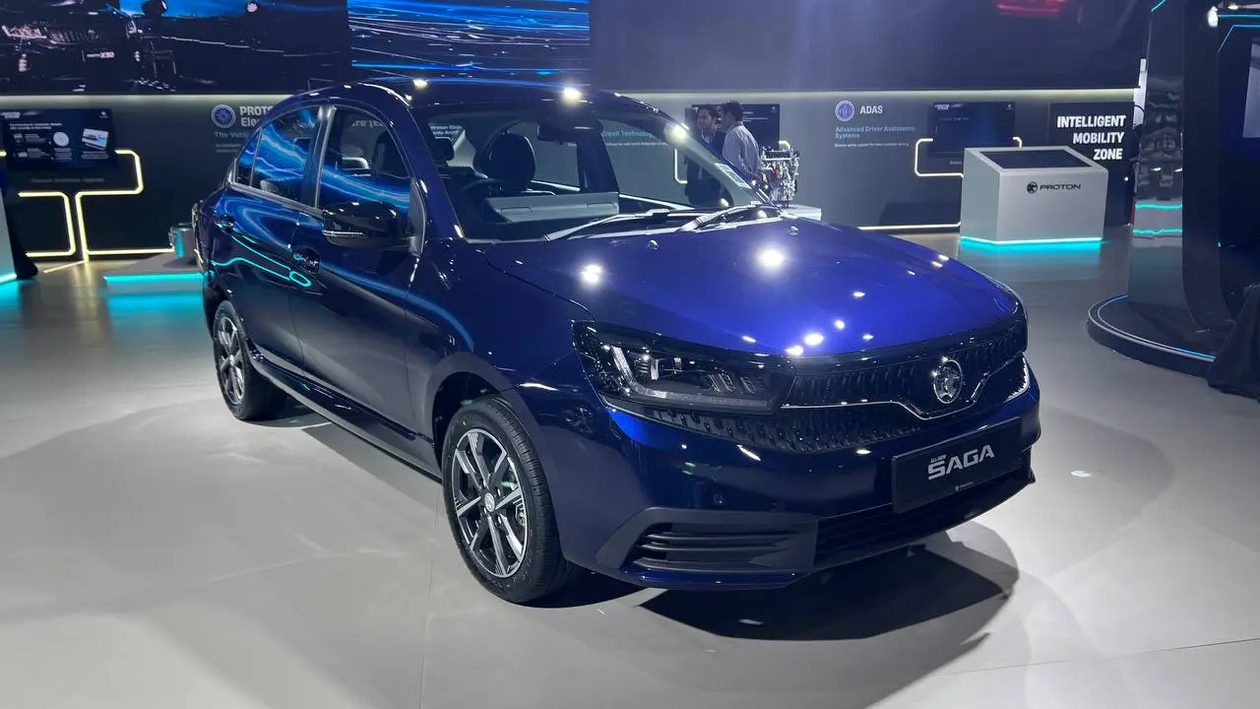
The Proton stand at KLIMS 2026 naturally spotlights newer metal. The 2026 S70, introduced earlier in the year with its four-cylinder i-GT turbo engine, gives Proton a sportier sedan narrative, while the eMAS sub-brand handles the electric conversation. Against this backdrop, the Saga’s presence is a statement of continuity. It signals that Proton has not abandoned the bottom end of the private-car market in its pursuit of higher-margin SUVs and electrified offerings. For a brand targeting an ambitious annual sales volume, retaining an accessible sedan is less about prestige and more about maintaining the broadest possible customer funnel.
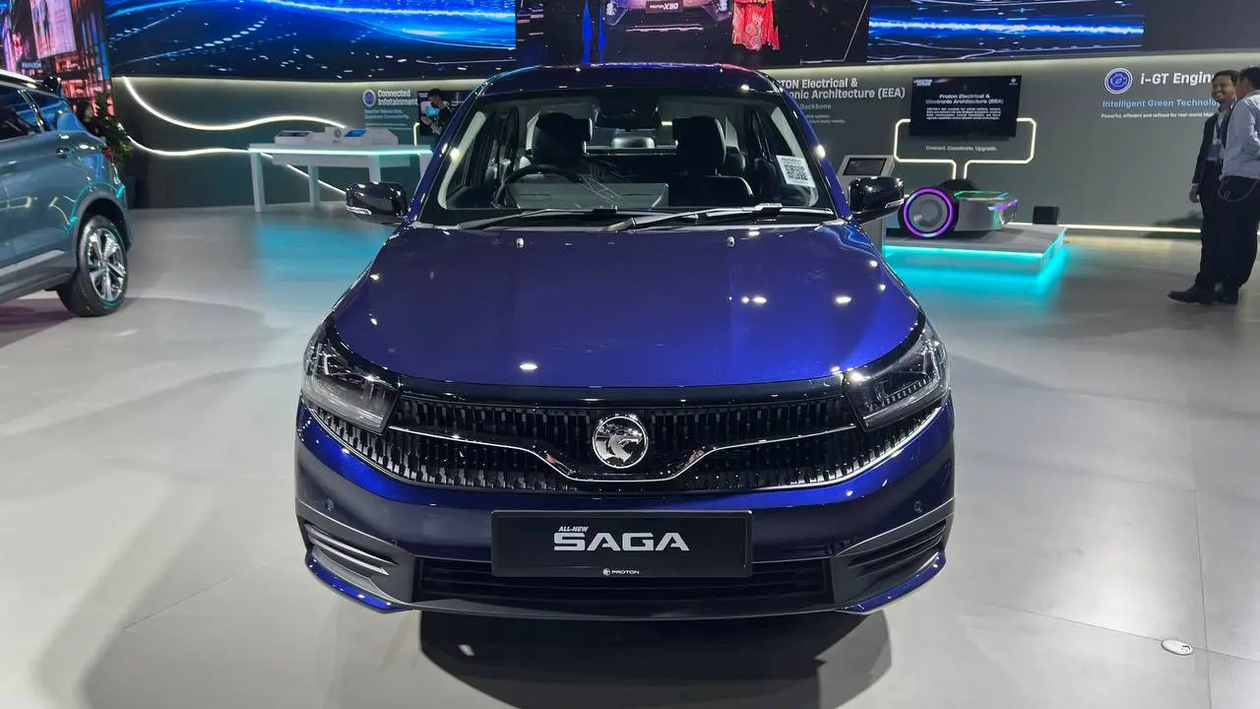
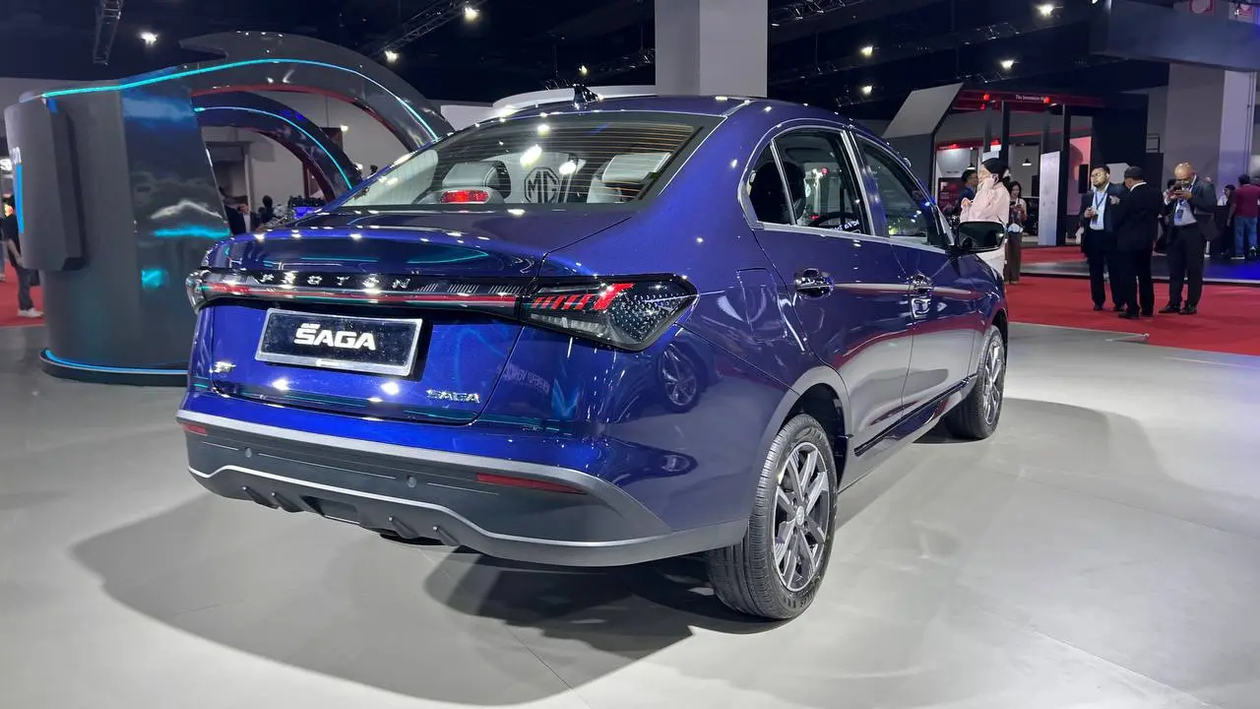
The Saga’s natural rivals sit in the same affordable sedan and compact hatchback space, a battlefield where value-for-money and running costs outweigh technology showcases. With Perodua’s Axia and Bezza providing formidable competition, the Saga must differentiate through Proton’s national-brand heritage and its nationwide dealership presence. Rather than engaging in specification wars it cannot win on paper, the model leans into familiarity and ownership economics. This is a pragmatic approach in a segment where purchase decisions are often dictated by monthly installment affordability and service accessibility rather than screen size or turbocharged output.
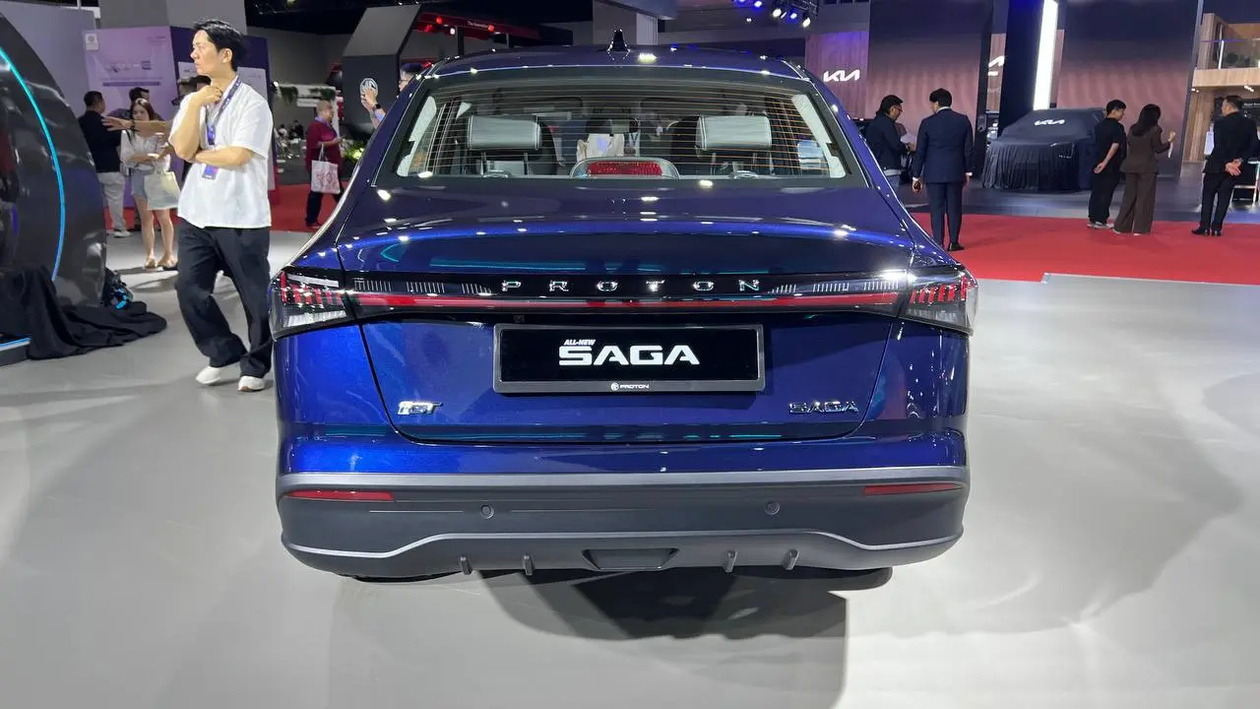
Malaysia’s automotive discourse in 2026 is increasingly framed around CKD electric-vehicle plans, charging infrastructure, and battery-leasing schemes. Yet the transition is not instantaneous. A significant portion of Malaysian buyers remain outside the EV consideration set due to apartment-dwelling constraints, rural driving patterns, or simply conservative fiscal habits. The Saga, as a petrol-powered proposition, serves this transitional majority. It is not the future Proton wants to telegraph, but it is the present the company cannot afford to ignore. Its continued availability allows Proton to monetise internal-combustion expertise while Tanjung Malim prepares for next-generation platform rollouts.
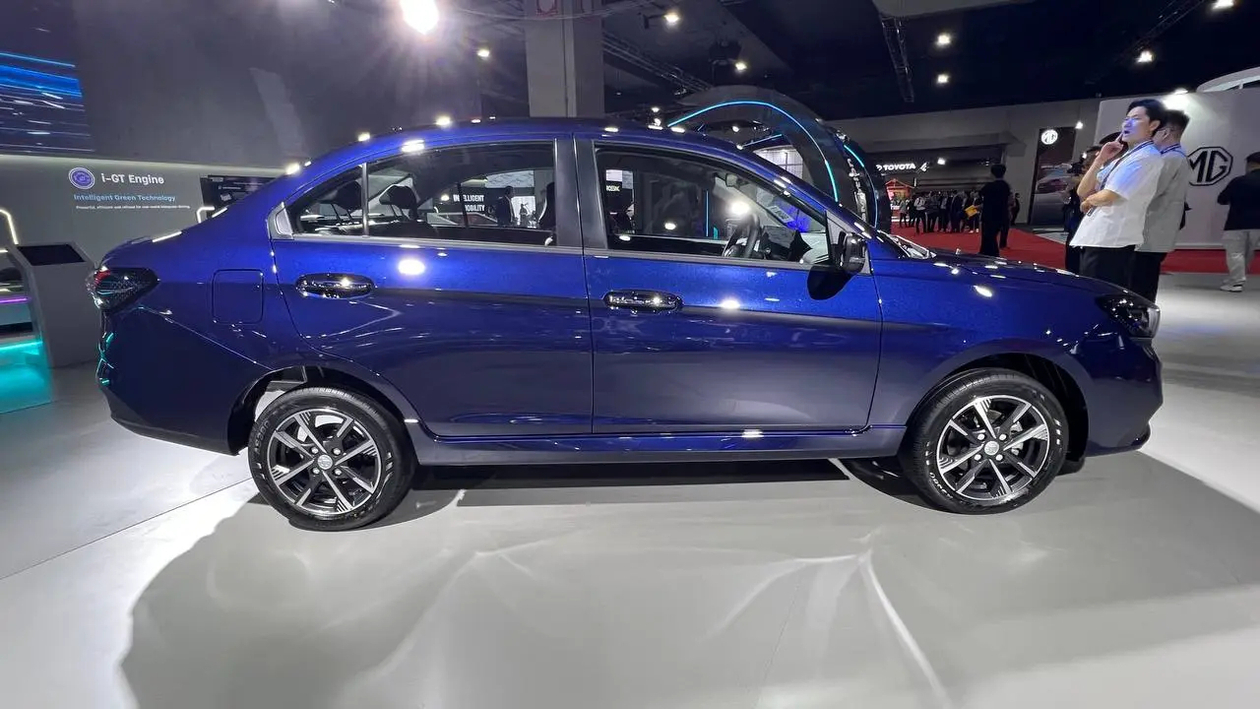
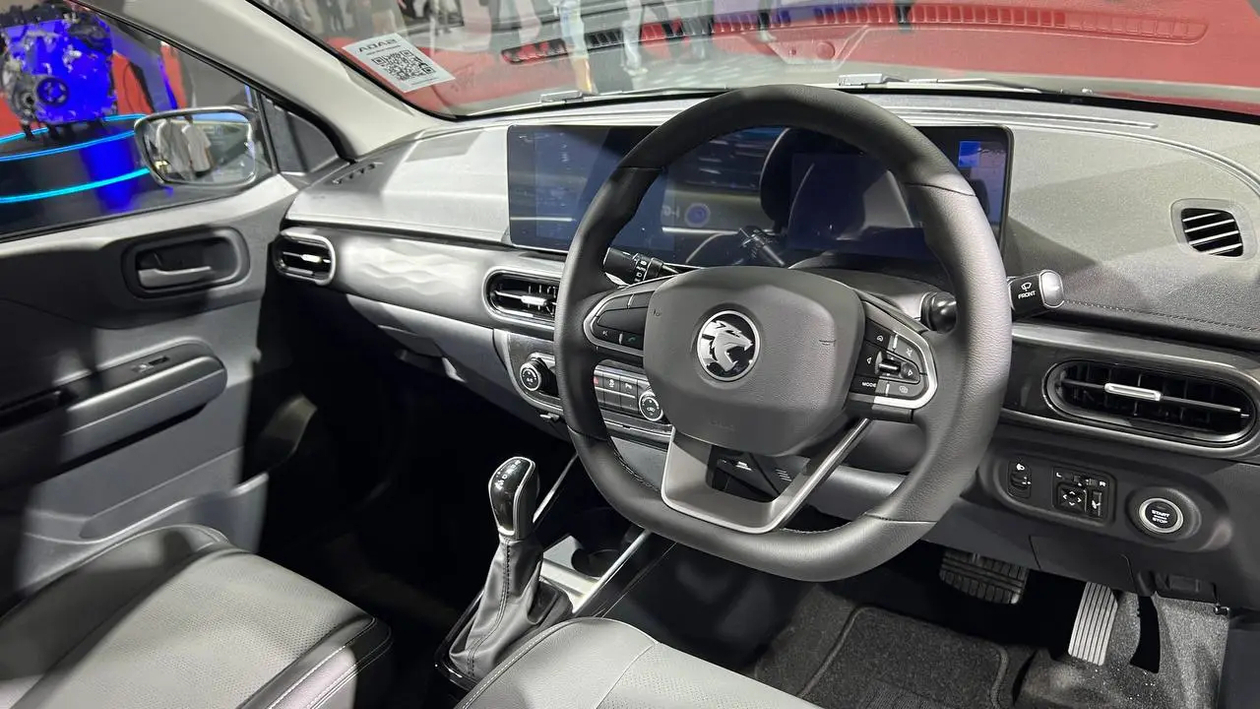
Ultimately, the Saga at KLIMS 2026 functions as a barometer for Proton’s balancing act. The brand must simultaneously pursue Geely-linked platform development, scale up eMAS electrification, and defend its existing volume base. The Saga’s presence confirms that Proton still views the entry sedan as essential infrastructure for its retail network. It may not generate the social media buzz of an EV debut, but its market role is no less consequential. For every headline devoted to Proton’s volume ambition and future AMA-based models, there is a practical reality: a substantial slice of that target still depends on moving affordable, straightforward internal-combustion cars like the Saga.

Your go-to source for all things automotive in Malaysia. 🚗 Latest reviews, breaking news, launches & industry trends.
+ Follow We saw this accident this morning, and here’s a reminder to everyone: please drive safe. 2 days ago
  The G50 BMW 3 series is now here, adopting much of the i3's design elements.
So, where's the BMW M3?
#bmw #BMW3Series 4 days ago
The G50 BMW 3 series is now here, adopting much of the i3's design elements.
So, where's the BMW M3?
#bmw #BMW3Series 4 days ago  DRIFT PARTY in Malaysia! Can the Xiaomi SU7, Yangwang U8 mix it up against JDM favourites in KL?
Our adventure with the Xiaomi SU7 and Yangwang U8 brings us to APDCrew circuit as we give witness a drift show. With pro drifters and fan-favourites - RX7s, S15s, Skylines, Supras, and more - in the mix, can our Xiaomi SU7 and Yangwang U8 hold their own?
It's also a quick look at Malaysian car culture, including some wildly modified minivans, and more!
#drift #malaysia #xiaomisu7 #yangwangu8 #larrychen #drifting #JDM跑車 4 days ago
DRIFT PARTY in Malaysia! Can the Xiaomi SU7, Yangwang U8 mix it up against JDM favourites in KL?
Our adventure with the Xiaomi SU7 and Yangwang U8 brings us to APDCrew circuit as we give witness a drift show. With pro drifters and fan-favourites - RX7s, S15s, Skylines, Supras, and more - in the mix, can our Xiaomi SU7 and Yangwang U8 hold their own?
It's also a quick look at Malaysian car culture, including some wildly modified minivans, and more!
#drift #malaysia #xiaomisu7 #yangwangu8 #larrychen #drifting #JDM跑車 4 days ago Get the latest car news first!
Your go-to source for all things automotive in Malaysia. 🚗 Latest reviews, breaking news, launches & industry trends.
We saw this accident this morning, and here’s a reminder to everyone: please drive safe. 2 days ago The G50 BMW 3 series is now here, adopting much of the i3's design elements.
So, where's the BMW M3?
#bmw #BMW3Series 4 days ago DRIFT PARTY in Malaysia! Can the Xiaomi SU7, Yangwang U8 mix it up against JDM favourites in KL?
Our adventure with the Xiaomi SU7 and Yangwang U8 brings us to APDCrew circuit as we give witness a drift show. With pro drifters and fan-favourites - RX7s, S15s, Skylines, Supras, and more - in the mix, can our Xiaomi SU7 and Yangwang U8 hold their own?
It's also a quick look at Malaysian car culture, including some wildly modified minivans, and more!
#drift #malaysia #xiaomisu7 #yangwangu8 #larrychen #drifting #JDM跑車 4 days ago  ProtonGWMVolkswagenJAECOOVolvoPeroduaToyotaHondaTESLAMitsubishiMazdaJetourCheryBYDLexusBMWMercedes-BenziCAURZeekrIsuzuNissanLeapmotorPorscheFordOMODAMINIMGSuzukiXPengHyundaiWulingKiaSubaruDenzaGACLand RoverDongfengCAMAudiPeugeotFotonMAXUSsmartDaihatsuJACJMCMaseratiLotusAlfa RomeoRenaultGolden DragonKaiceneSeresLamborghiniFerrariJeepRolls-RoyceLepasAston MartinMcLarenChevroletBentleyFiatBAICForthingGeelyRoeweAeolusChanganARCFOXDeepalExeedHongqiVoyahJaguarKGMBuforiAcuraCadillacDodgeAbarthINEOSMHEROJMEVFreelander
 © 2024 Bitauto.com. All Rights Reserved.
Bitauto (www.yiche.com and www.bitauto.com) is one of the most visited automotive websites in China. We provide detailed info on Chinese car brands available in your area. Please note that the information provided on this website is based on publicly available data and is for reference only. It may not be fully updated or accurate at all times.
Help us improve our website


