
Search History
Popular Searches
English
Dealer Login / Sign Up
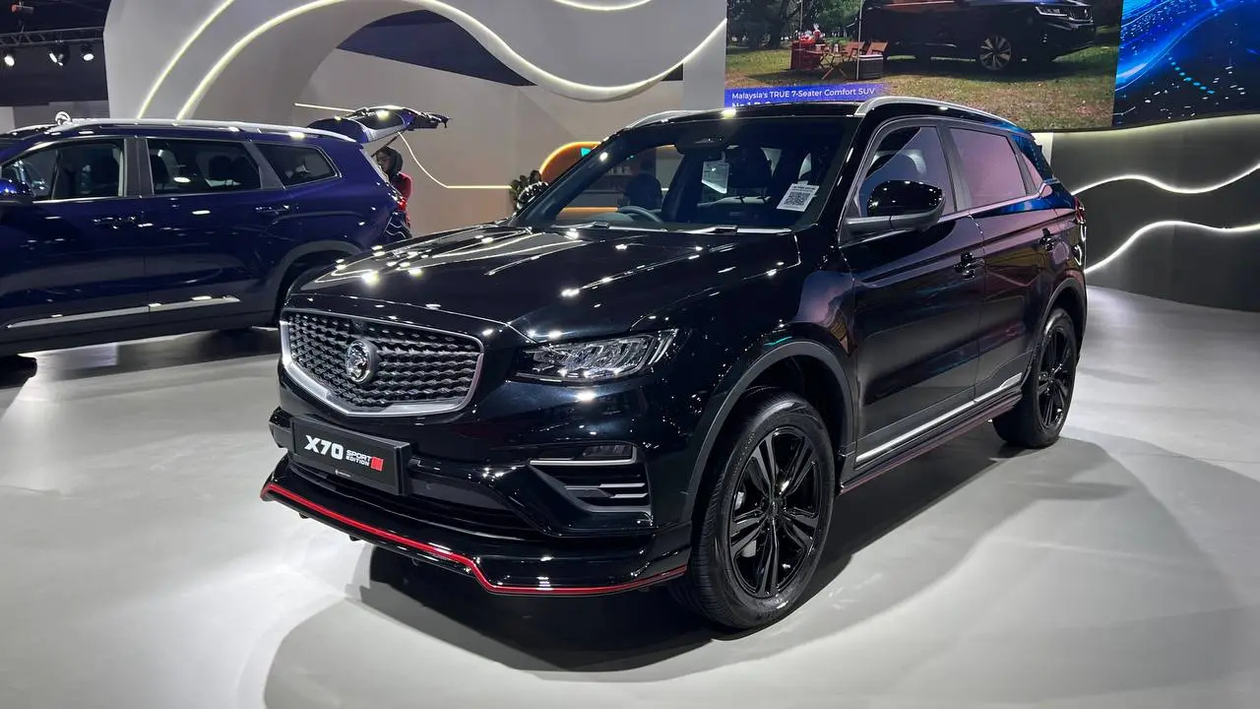
At KLIMS 2026, the Proton X70 occupies a position that is less about spectacle and more about continuity. While attention across the exhibition hall gravitates toward battery-electric newcomers and sub-brand launches, the X70 remains the tangible representation of Proton’s current SUV competence. It is the model that has carried the marque’s presence in the upper mainstream segment through years of market turbulence, and its display here underscores a simple commercial reality: before any platform revolution or electrification pivot takes hold, Proton still needs to move metal in the heartland of Malaysian family motoring.
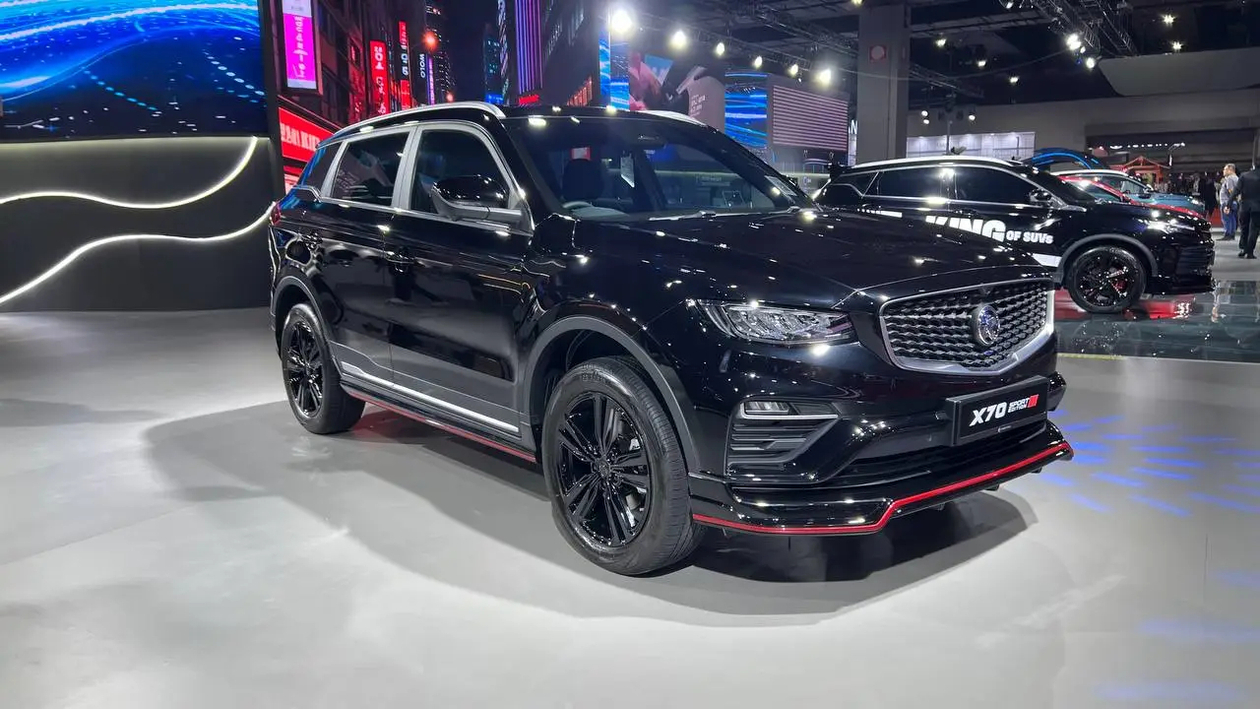
Proton’s 2026 narrative is deliberately split. On one side sits Proton eMAS, the new-energy sub-brand tasked with capturing EV registrations and challenging the market share built by BYD and early Chinese entrants. On the other sits the core Proton brand, anchored by the Saga, Persona, S70, X50, X70 and X90. The February 2026 arrival of the updated S70, armed with a new four-cylinder turbocharged petrol engine, signals that Proton is still investing combustion-engine credibility even as it chases an ambitious annual sales target.
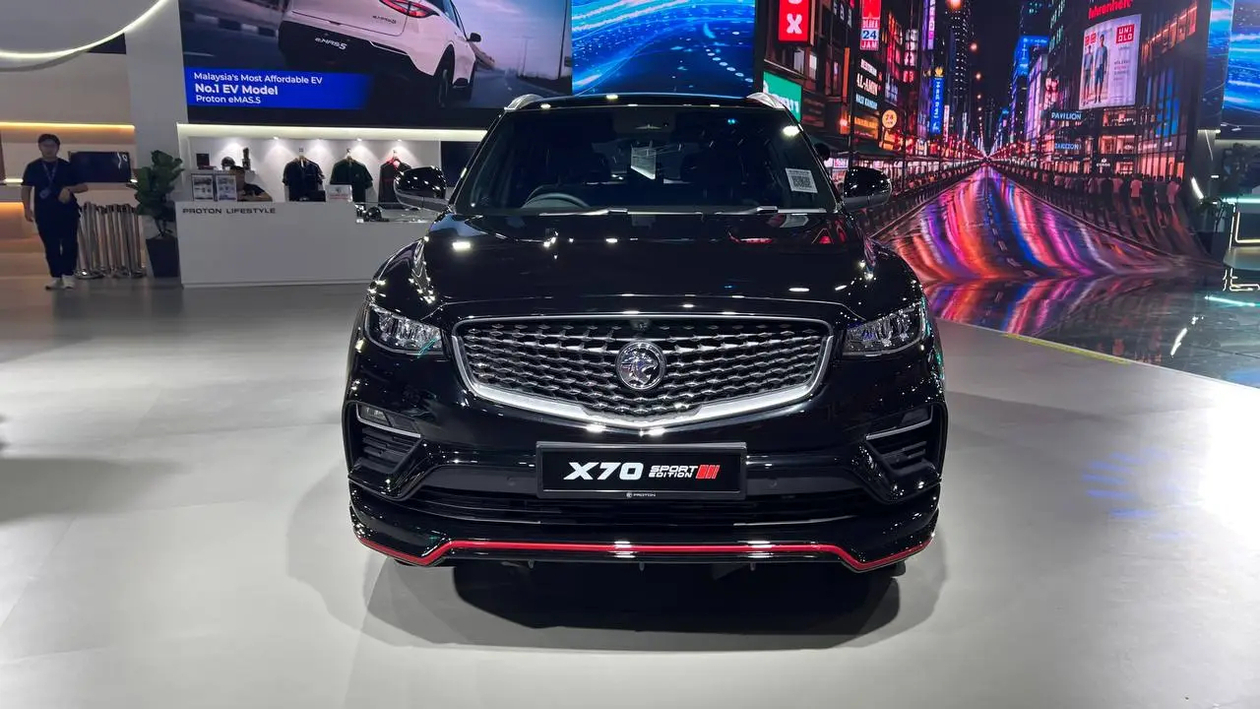
The X70, positioned above the X50 and below the three-row X90, serves as the range’s logical midpoint for buyers who need space and refinement without stepping into larger MPV or premium SUV territory. Its presence at KLIMS is a reminder that the national carmaker’s immediate revenue base remains firmly rooted in conventional powertrains.
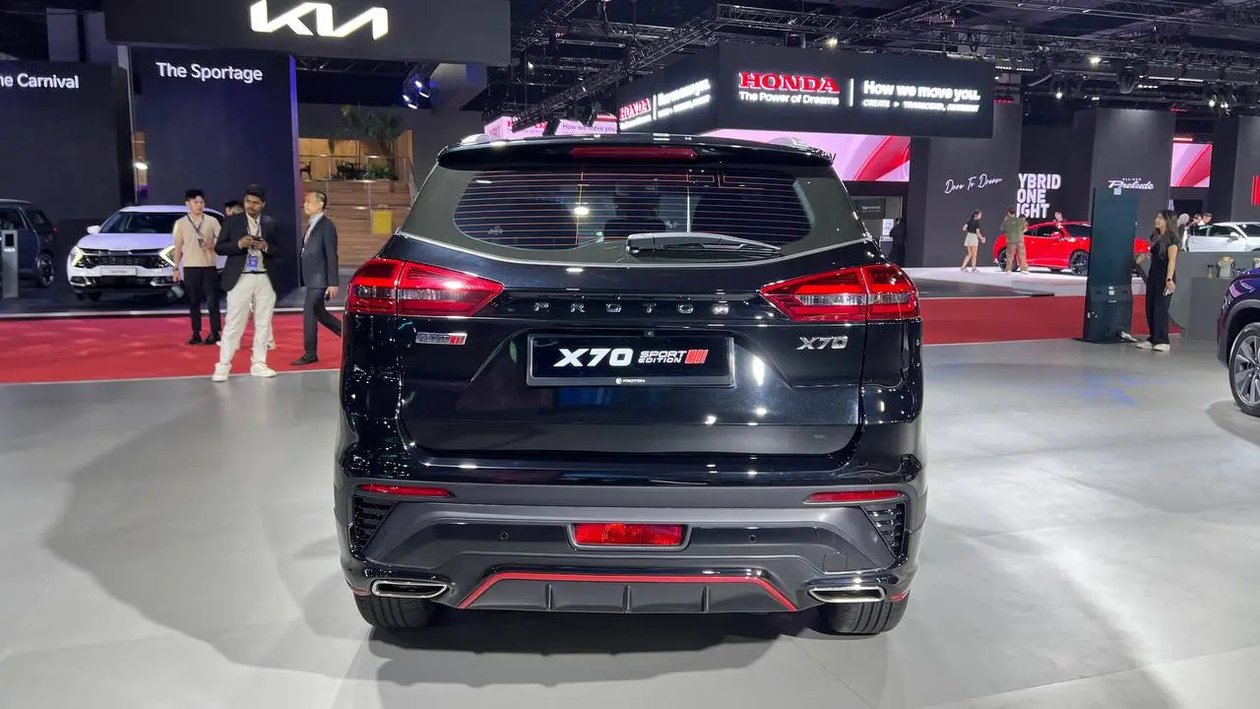
Proton’s strategic partnership with Geely has long allowed the Malaysian brand to access architectures and powertrain technologies that would otherwise require decades of independent development. For the X70, this relationship translates into a vehicle that offers equipment levels and cabin execution once associated with more expensive imported rivals. Buyers are not simply purchasing a badge; they are buying into a supply chain and engineering validation system that links Tanjung Malim with global component standards. That distinction matters in a market where Chinese marques now offer aggressive feature lists, because Proton can counter with a locally assembled product backed by a nationwide service footprint.
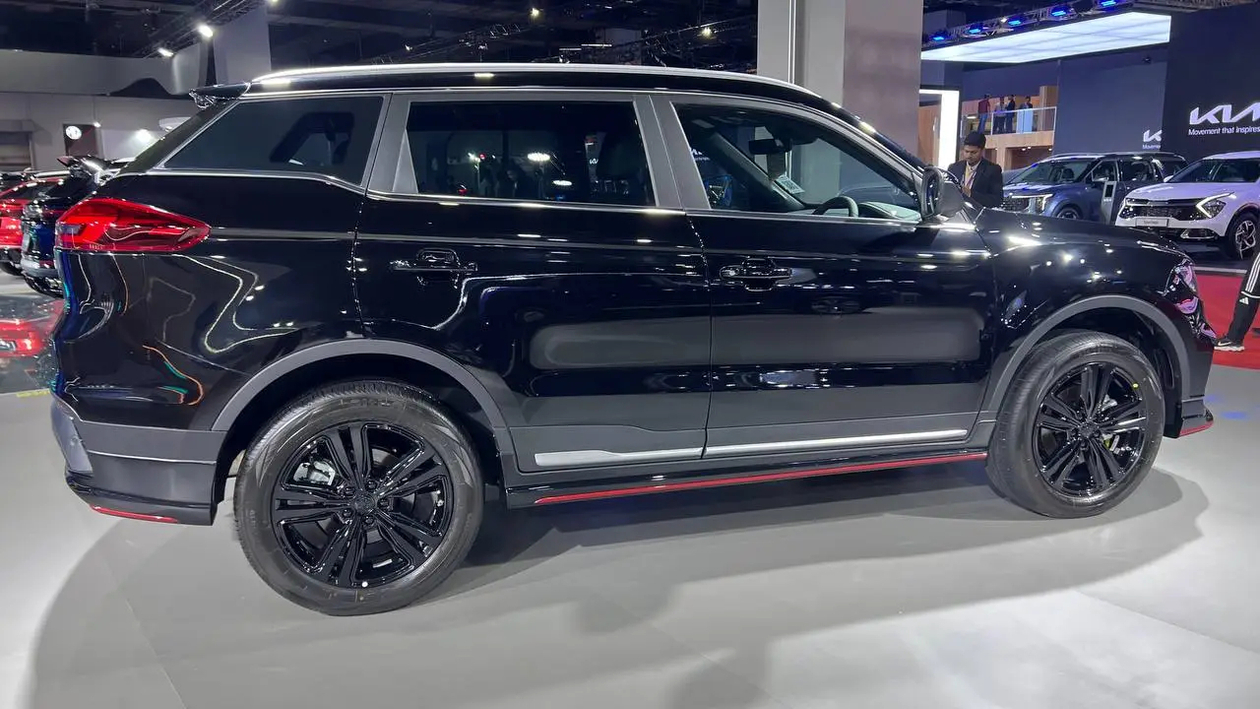
The Malaysian SUV segment has become fiercely contested. Perodua dominates the volume base, while Chinese brands such as Chery, GWM and Jaecoo have flooded the mid-market with crossovers that lean heavily on digital cockpits and turbocharged efficiency. The X70 does not win on novelty alone; it wins on familiarity. For families upgrading from a Saga or Persona, or for loyalists who have waited out the early teething issues of newer rivals, the X70 represents a calculated safe harbour. It carries the weight of being a known quantity in a year when Proton itself is asking consumers to trust an entirely new eMAS ecosystem.
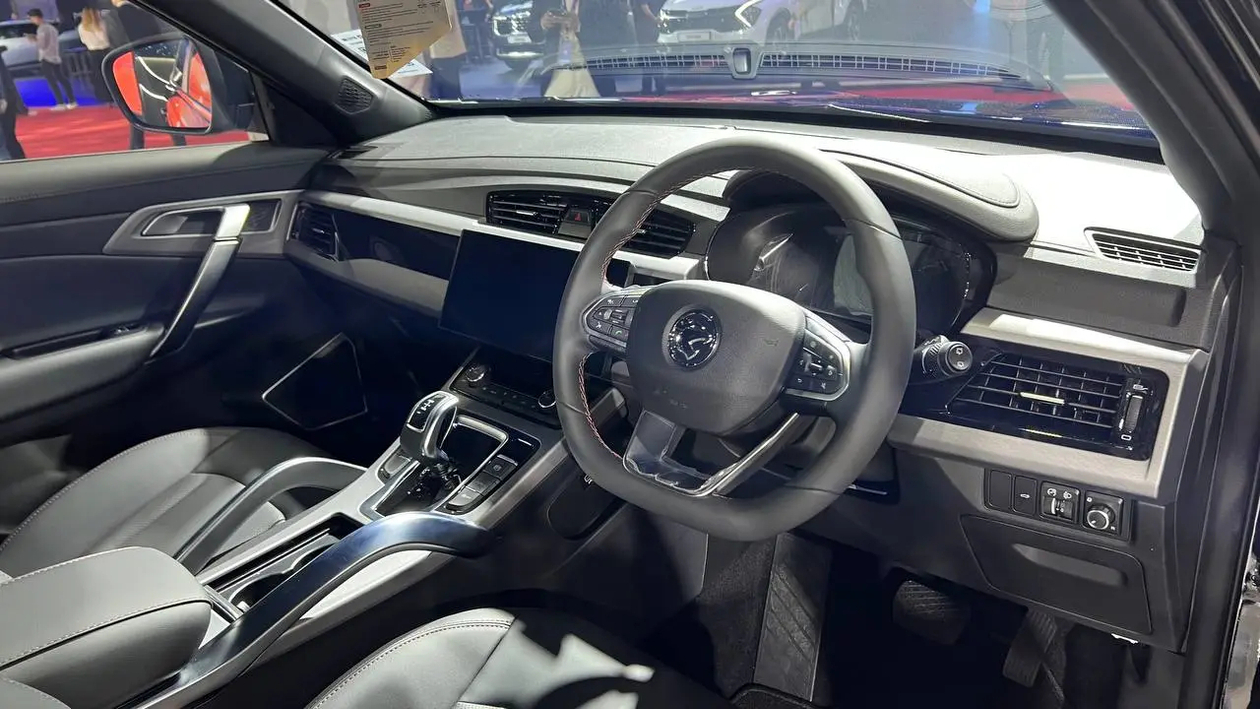
This creates a delicate balance. Proton needs the X70 and its ICE siblings to fund the transition toward AMA-based and GMA-based products, yet it cannot allow the model to feel like a lame duck beside fresher showroom rivals. The KLIMS display therefore functions as a statement of ongoing relevance rather than nostalgia.
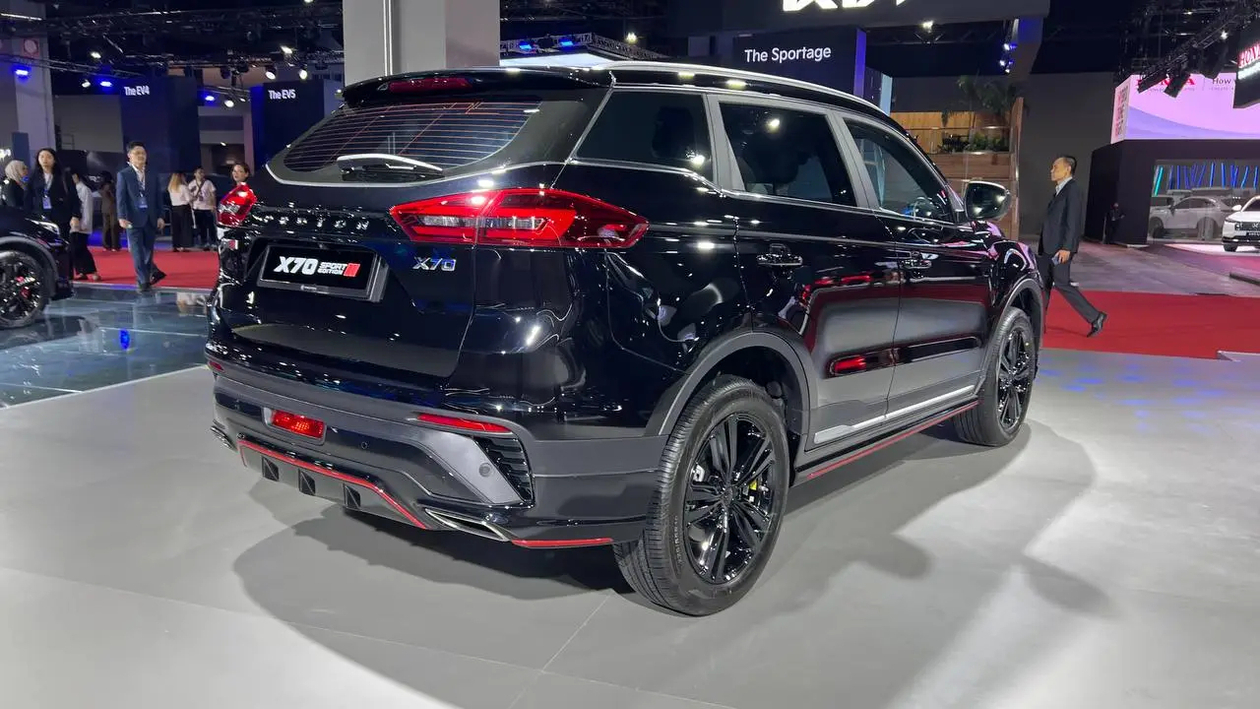
Visitors to the Proton stand at KLIMS 2026 are witnessing a brand in mid-transition. The eMAS vehicles may point to the future, but the X70 represents the present commercial engine. Its continued availability, local assembly credentials and established dealer support form the defensive wall that allows Proton to experiment elsewhere. In a market where every brand is racing to define the next powertrain standard, the X70’s quiet job is to remind Malaysian buyers that the national carmaker still understands the value of a straightforward, well-equipped family SUV.

Your go-to source for all things automotive in Malaysia. 🚗 Latest reviews, breaking news, launches & industry trends.
+ Follow We saw this accident this morning, and here’s a reminder to everyone: please drive safe. 2 days ago
  The G50 BMW 3 series is now here, adopting much of the i3's design elements.
So, where's the BMW M3?
#bmw #BMW3Series 4 days ago
The G50 BMW 3 series is now here, adopting much of the i3's design elements.
So, where's the BMW M3?
#bmw #BMW3Series 4 days ago  DRIFT PARTY in Malaysia! Can the Xiaomi SU7, Yangwang U8 mix it up against JDM favourites in KL?
Our adventure with the Xiaomi SU7 and Yangwang U8 brings us to APDCrew circuit as we give witness a drift show. With pro drifters and fan-favourites - RX7s, S15s, Skylines, Supras, and more - in the mix, can our Xiaomi SU7 and Yangwang U8 hold their own?
It's also a quick look at Malaysian car culture, including some wildly modified minivans, and more!
#drift #malaysia #xiaomisu7 #yangwangu8 #larrychen #drifting #JDM跑車 4 days ago
DRIFT PARTY in Malaysia! Can the Xiaomi SU7, Yangwang U8 mix it up against JDM favourites in KL?
Our adventure with the Xiaomi SU7 and Yangwang U8 brings us to APDCrew circuit as we give witness a drift show. With pro drifters and fan-favourites - RX7s, S15s, Skylines, Supras, and more - in the mix, can our Xiaomi SU7 and Yangwang U8 hold their own?
It's also a quick look at Malaysian car culture, including some wildly modified minivans, and more!
#drift #malaysia #xiaomisu7 #yangwangu8 #larrychen #drifting #JDM跑車 4 days ago Get the latest car news first!
Your go-to source for all things automotive in Malaysia. 🚗 Latest reviews, breaking news, launches & industry trends.
We saw this accident this morning, and here’s a reminder to everyone: please drive safe. 2 days ago The G50 BMW 3 series is now here, adopting much of the i3's design elements.
So, where's the BMW M3?
#bmw #BMW3Series 4 days ago DRIFT PARTY in Malaysia! Can the Xiaomi SU7, Yangwang U8 mix it up against JDM favourites in KL?
Our adventure with the Xiaomi SU7 and Yangwang U8 brings us to APDCrew circuit as we give witness a drift show. With pro drifters and fan-favourites - RX7s, S15s, Skylines, Supras, and more - in the mix, can our Xiaomi SU7 and Yangwang U8 hold their own?
It's also a quick look at Malaysian car culture, including some wildly modified minivans, and more!
#drift #malaysia #xiaomisu7 #yangwangu8 #larrychen #drifting #JDM跑車 4 days ago  ProtonGWMVolkswagenJAECOOVolvoPeroduaToyotaHondaTESLAMitsubishiMazdaJetourCheryBYDLexusBMWMercedes-BenziCAURZeekrIsuzuNissanLeapmotorPorscheFordOMODAMINIMGSuzukiXPengHyundaiWulingKiaSubaruDenzaGACLand RoverDongfengCAMAudiPeugeotFotonMAXUSsmartDaihatsuJACJMCMaseratiLotusAlfa RomeoRenaultGolden DragonKaiceneSeresLamborghiniFerrariJeepRolls-RoyceLepasAston MartinMcLarenChevroletBentleyFiatBAICForthingGeelyRoeweAeolusChanganARCFOXDeepalExeedHongqiVoyahJaguarKGMBuforiAcuraCadillacDodgeAbarthINEOSMHEROJMEVFreelander
 © 2024 Bitauto.com. All Rights Reserved.
Bitauto (www.yiche.com and www.bitauto.com) is one of the most visited automotive websites in China. We provide detailed info on Chinese car brands available in your area. Please note that the information provided on this website is based on publicly available data and is for reference only. It may not be fully updated or accurate at all times.
Help us improve our website


