
Search History
Popular Searches
English
Dealer Login / Sign Up
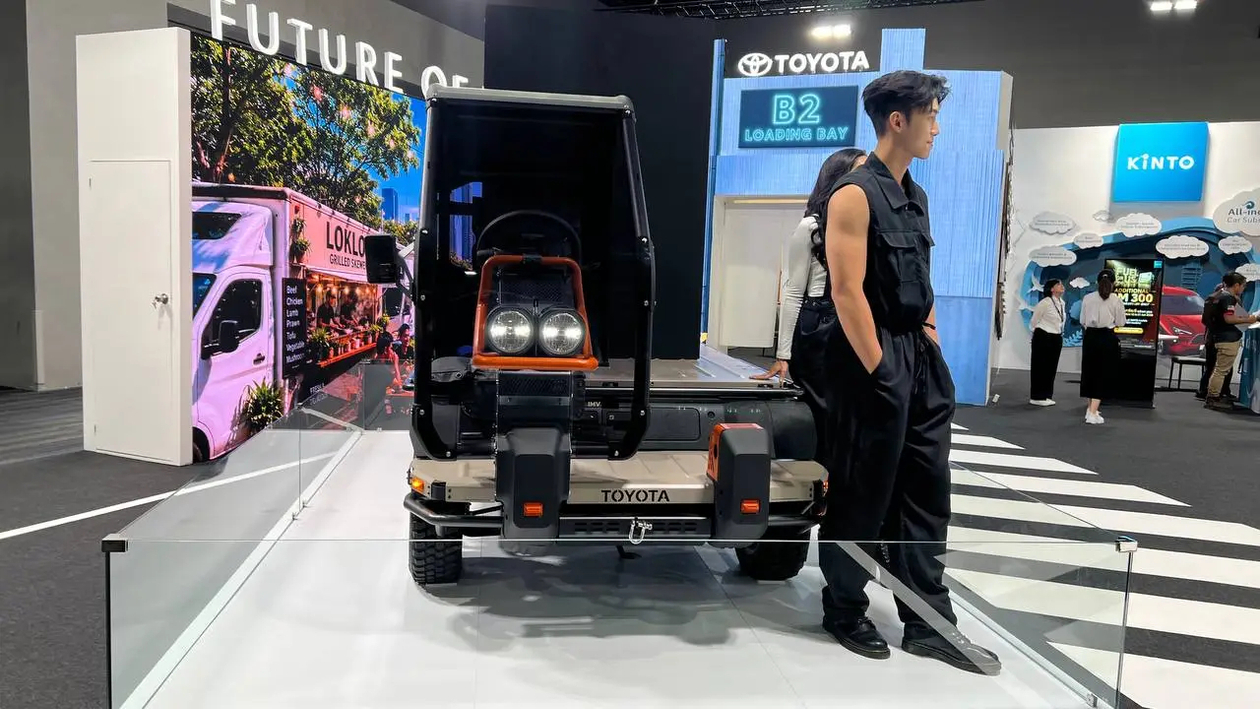
In Malaysia, the price of a pickup or body-on-frame SUV has never been just a sticker figure. It is a bet on residual value, finance accessibility, and how quickly the vehicle can be moved in the used market five years later. The Toyota IMV Origin at KLIMS 2026 demands attention because it sits at the center of the country’s most entrenched commercial and family-offroad ecosystem—one built over two decades by the IMV platform that underpins the Hilux and Fortuner.
Presented as a design and architectural statement rather than a finished production car, the IMV Origin shifts the spotlight back to the platform itself. With electrification and hybridisation accelerating across every segment, the question is whether this architecture—historically the default choice for small-business owners and rural families—can carry its trust advantage into the next powertrain era.
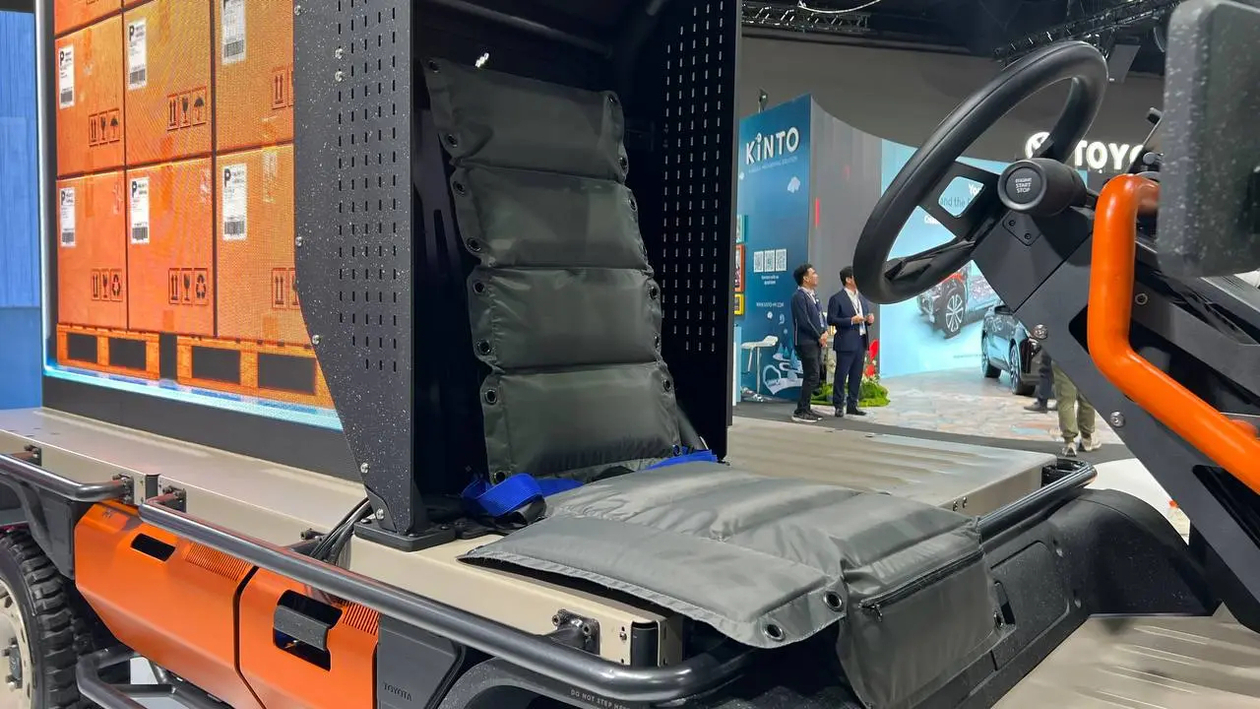
The Toyota Hilux remains the reference point in Malaysian pickup sales, while the Fortuner holds a uniquely stable position in the non-national SUV resale market. The IMV Origin does not arrive as a standalone challenger; it reads as a preview of where the IMV family heads next.
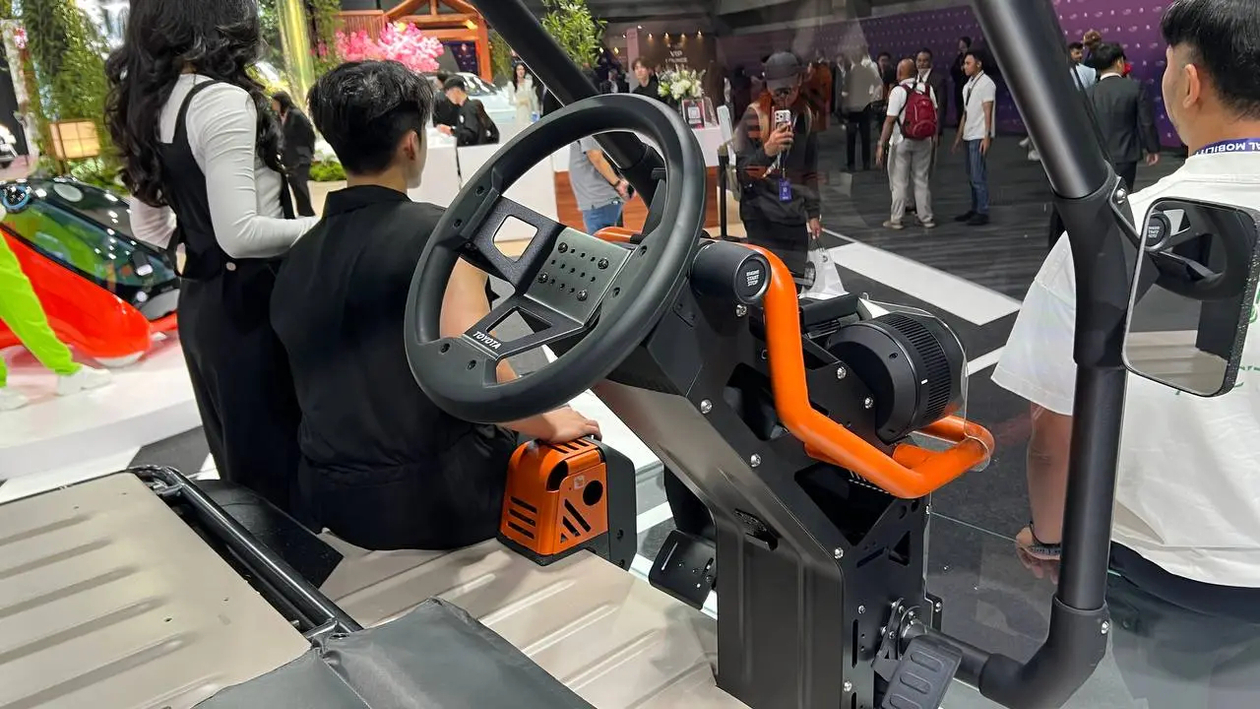
Its real competition is not another concept vehicle on the show floor, but the mental shortlist of Malaysian buyers who treat a workhorse as a capital expenditure. For decades, that list has started with the Hilux. Now, with battery-electric and plug-in hybrid utilities beginning to test the RM150,000 to RM250,000 band, Toyota needs a narrative that migrates existing loyalty into the transition period. The IMV Origin is that bridge.
The display around the IMV Origin emphasizes durability genes and modular possibilities rather than output figures. For buyers familiar with Toyota’s Malaysian CKD operations, the more important clue is whether the underlying architecture will remain compatible with local assembly lines and the current nationwide service infrastructure.
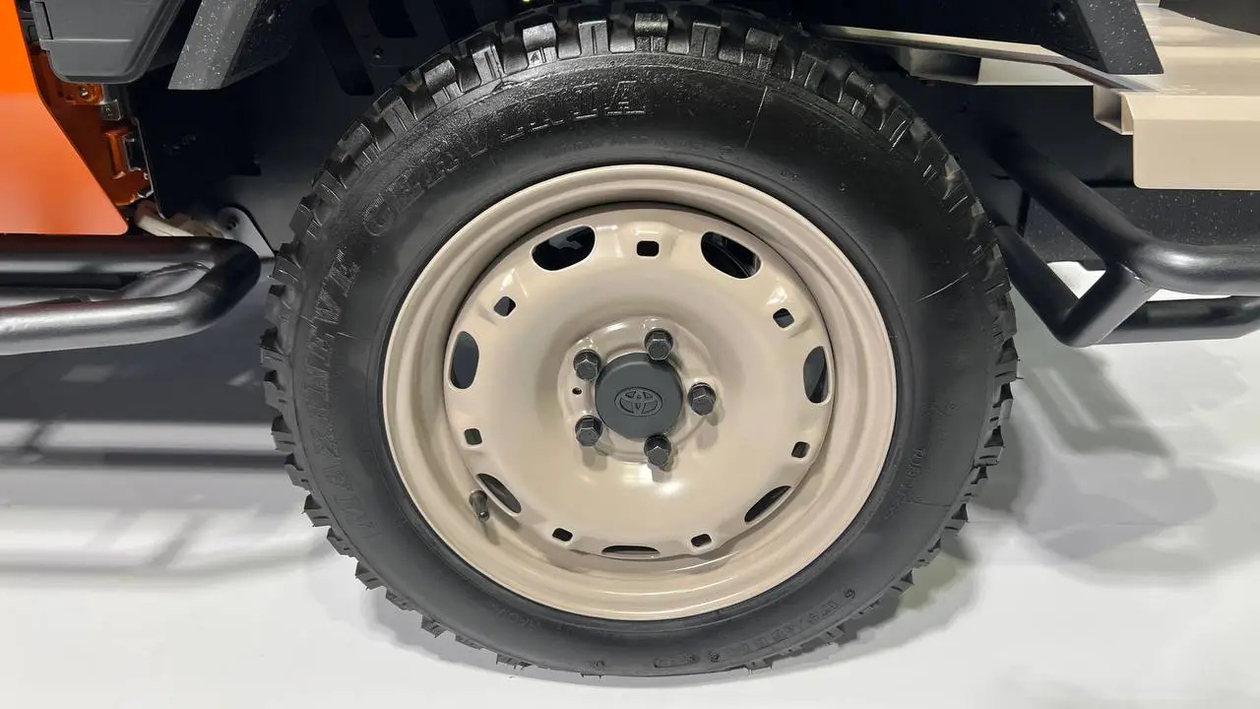
Malaysia is a key Southeast Asian production hub for the IMV series. Any structural change ripples through parts stocking, technician training, and insurance classifications. If the exhibit hints at continued deepening of local supply chains, its commercial impact will outlast any styling debate.
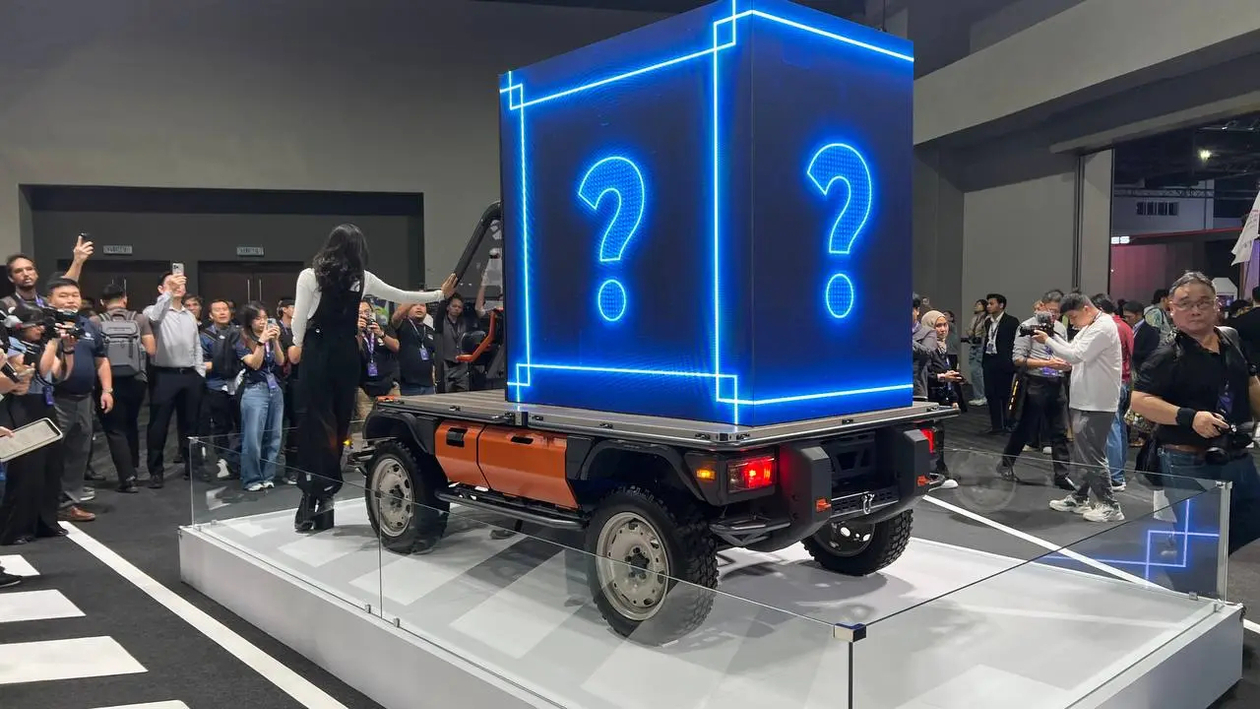
For current Hilux owners and fleet operators, the friction in moving toward electrification is rarely range; it is the ability to repair the vehicle in a remote workshop and the certainty of its second-hand value. Toyota’s dealer network across Peninsular and East Malaysia remains an asset that newer entrants cannot replicate overnight.
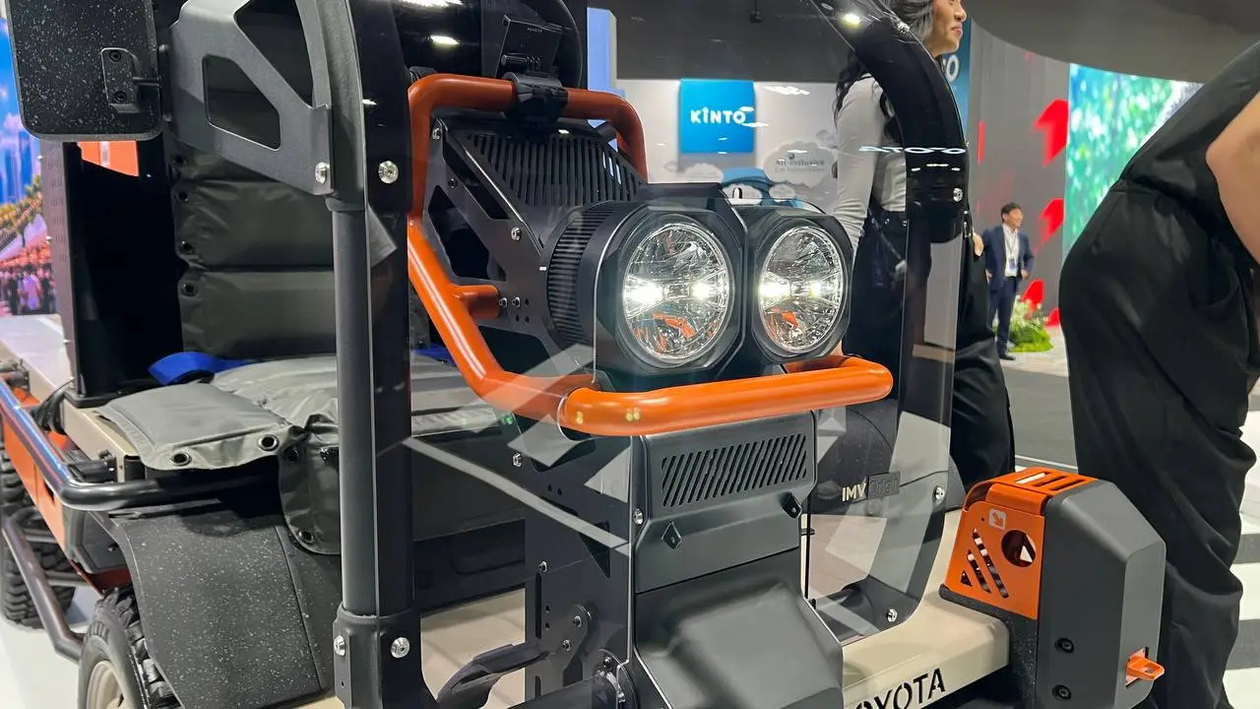
If the IMV Origin preserves the ladder-frame toughness and mechanical accessibility that define the platform—regardless of whether the final powertrain is hybrid, plug-in hybrid, or updated internal combustion—it directly addresses the hesitation that keeps commercial buyers from switching brands. The KLIMS display is useful not for its exact spec sheet, but for the reassurance that the underpinnings remain familiar.
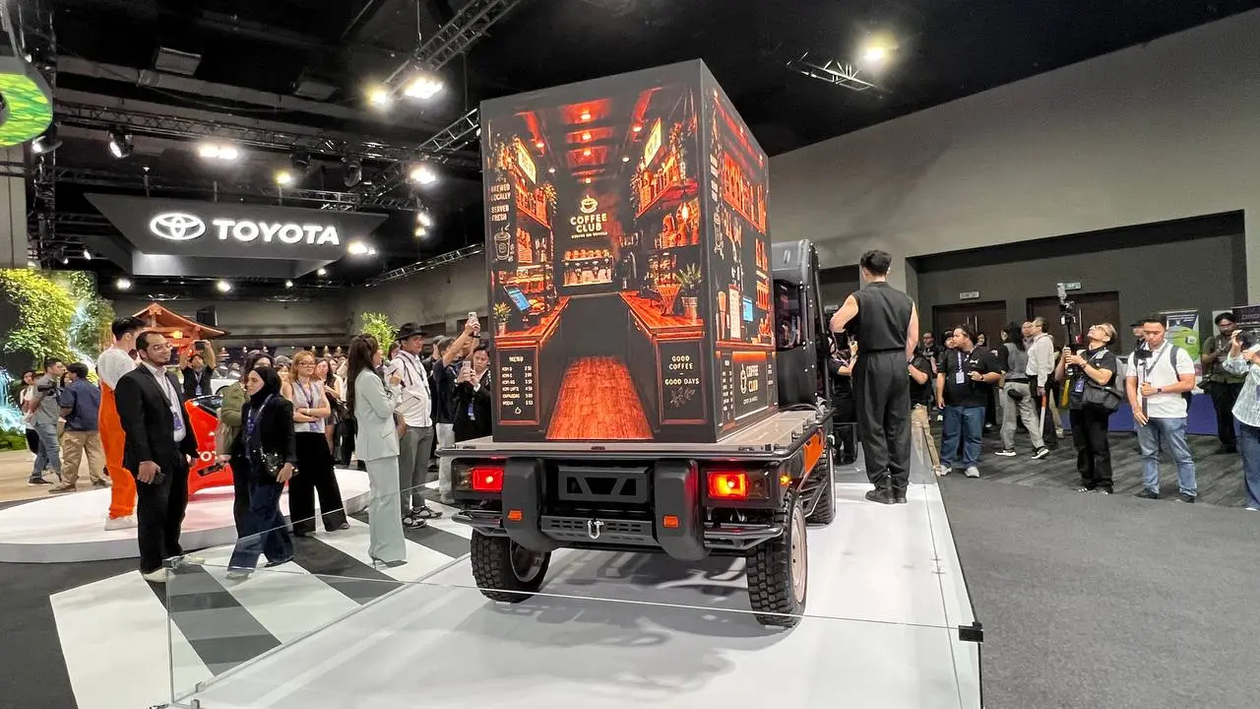
Toyota does not need to disrupt its own pickup foundation at KLIMS. It needs to demonstrate that the foundation still holds as the market electrifies. The IMV Origin’s core task is to convert two decades of Hilux and Fortuner trust into forward buying inertia.
Should a production version follow the established CKD path and price ladder, it will continue to narrow the gap that Chinese-brand hybrids and electric utilities are trying to open. If the pricing logic or after-sales structure breaks, the same gap becomes an opportunity for rivals. On the KLIMS stand, the IMV Origin is less a product launch than a public statement of continuity.

Your go-to source for all things automotive in Malaysia. 🚗 Latest reviews, breaking news, launches & industry trends.
+ Follow We saw this accident this morning, and here’s a reminder to everyone: please drive safe. 2 days ago
  The G50 BMW 3 series is now here, adopting much of the i3's design elements.
So, where's the BMW M3?
#bmw #BMW3Series 4 days ago
The G50 BMW 3 series is now here, adopting much of the i3's design elements.
So, where's the BMW M3?
#bmw #BMW3Series 4 days ago  DRIFT PARTY in Malaysia! Can the Xiaomi SU7, Yangwang U8 mix it up against JDM favourites in KL?
Our adventure with the Xiaomi SU7 and Yangwang U8 brings us to APDCrew circuit as we give witness a drift show. With pro drifters and fan-favourites - RX7s, S15s, Skylines, Supras, and more - in the mix, can our Xiaomi SU7 and Yangwang U8 hold their own?
It's also a quick look at Malaysian car culture, including some wildly modified minivans, and more!
#drift #malaysia #xiaomisu7 #yangwangu8 #larrychen #drifting #JDM跑車 4 days ago
DRIFT PARTY in Malaysia! Can the Xiaomi SU7, Yangwang U8 mix it up against JDM favourites in KL?
Our adventure with the Xiaomi SU7 and Yangwang U8 brings us to APDCrew circuit as we give witness a drift show. With pro drifters and fan-favourites - RX7s, S15s, Skylines, Supras, and more - in the mix, can our Xiaomi SU7 and Yangwang U8 hold their own?
It's also a quick look at Malaysian car culture, including some wildly modified minivans, and more!
#drift #malaysia #xiaomisu7 #yangwangu8 #larrychen #drifting #JDM跑車 4 days ago Get the latest car news first!
Your go-to source for all things automotive in Malaysia. 🚗 Latest reviews, breaking news, launches & industry trends.
We saw this accident this morning, and here’s a reminder to everyone: please drive safe. 2 days ago The G50 BMW 3 series is now here, adopting much of the i3's design elements.
So, where's the BMW M3?
#bmw #BMW3Series 4 days ago DRIFT PARTY in Malaysia! Can the Xiaomi SU7, Yangwang U8 mix it up against JDM favourites in KL?
Our adventure with the Xiaomi SU7 and Yangwang U8 brings us to APDCrew circuit as we give witness a drift show. With pro drifters and fan-favourites - RX7s, S15s, Skylines, Supras, and more - in the mix, can our Xiaomi SU7 and Yangwang U8 hold their own?
It's also a quick look at Malaysian car culture, including some wildly modified minivans, and more!
#drift #malaysia #xiaomisu7 #yangwangu8 #larrychen #drifting #JDM跑車 4 days ago  ProtonGWMVolkswagenJAECOOVolvoPeroduaToyotaHondaTESLAMitsubishiMazdaJetourCheryBYDLexusBMWMercedes-BenziCAURZeekrIsuzuNissanLeapmotorPorscheFordOMODAMINIMGSuzukiXPengHyundaiWulingKiaSubaruDenzaGACLand RoverDongfengCAMAudiPeugeotFotonMAXUSsmartDaihatsuJACJMCMaseratiLotusAlfa RomeoRenaultGolden DragonKaiceneSeresLamborghiniFerrariJeepRolls-RoyceLepasAston MartinMcLarenChevroletBentleyFiatBAICForthingGeelyRoeweAeolusChanganARCFOXDeepalExeedHongqiVoyahJaguarKGMBuforiAcuraCadillacDodgeAbarthINEOSMHEROJMEVFreelander
 © 2024 Bitauto.com. All Rights Reserved.
Bitauto (www.yiche.com and www.bitauto.com) is one of the most visited automotive websites in China. We provide detailed info on Chinese car brands available in your area. Please note that the information provided on this website is based on publicly available data and is for reference only. It may not be fully updated or accurate at all times.
Help us improve our website


