In March 2026, Nissan officially launched the sixth-generation Serena e-Power in Malaysia. As an evergreen in the local family MPV market, the new model features a 1.4L e-Power drivetrain, with prices starting from RM154,800.
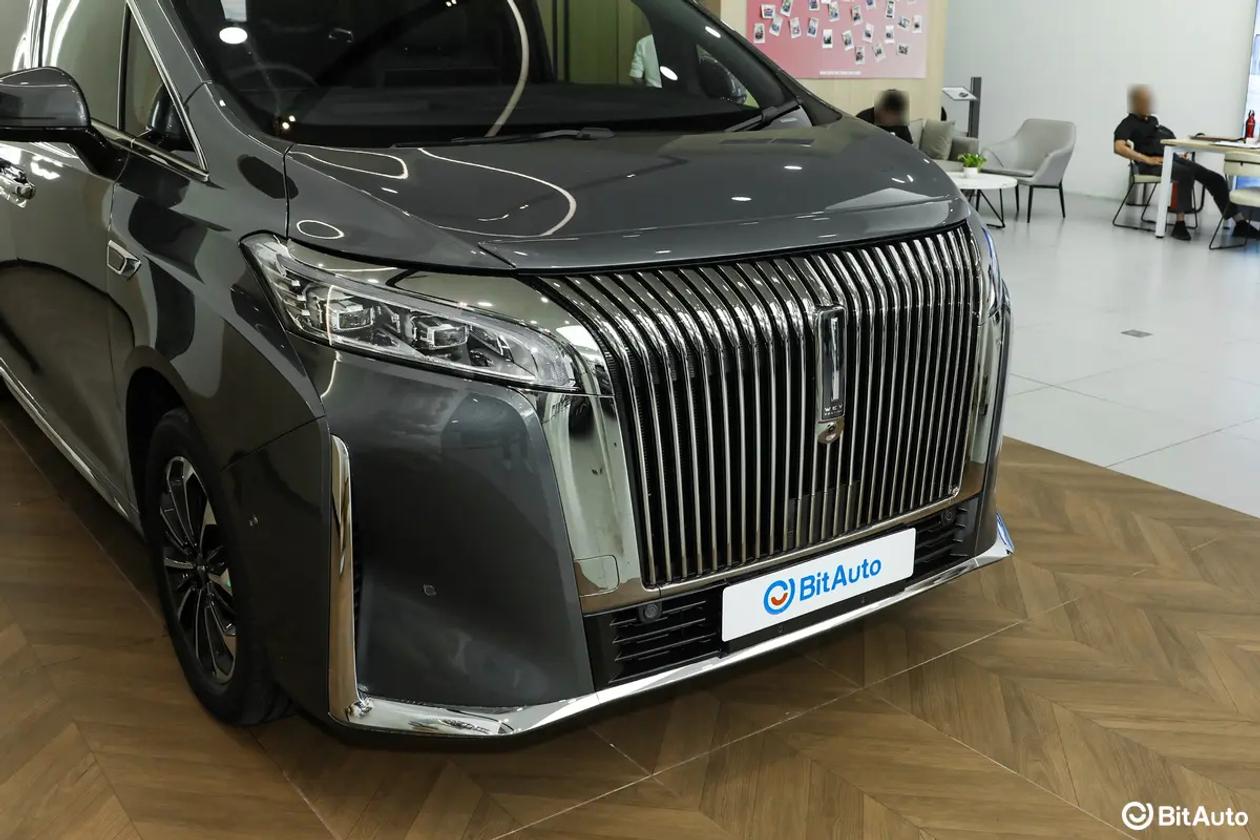
In January of the same year, GWM Malaysia introduced the WEY G9 Hi4 PHEV, priced at RM269,800. As the debut MPV from GWM's premium brand, WEY, it boasts a combined output of 442 PS and an all-electric range of 170 km.
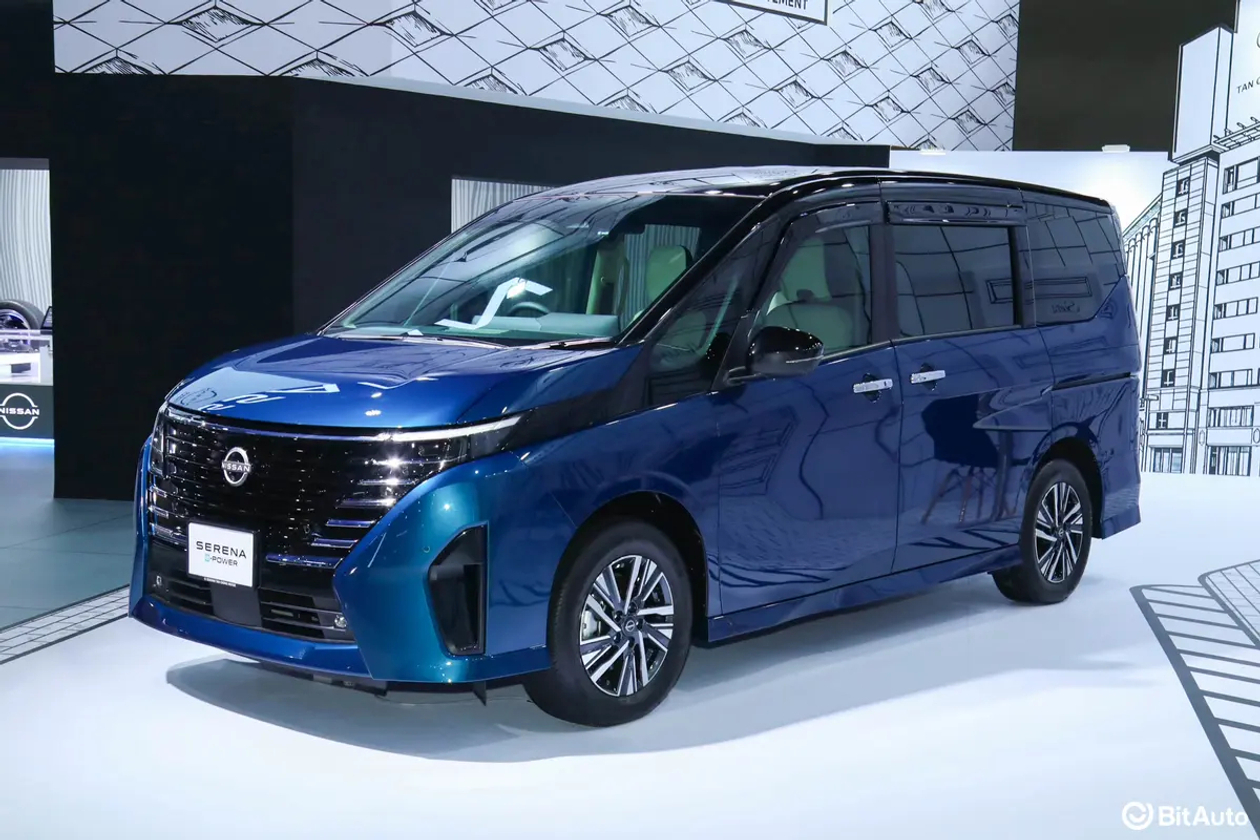
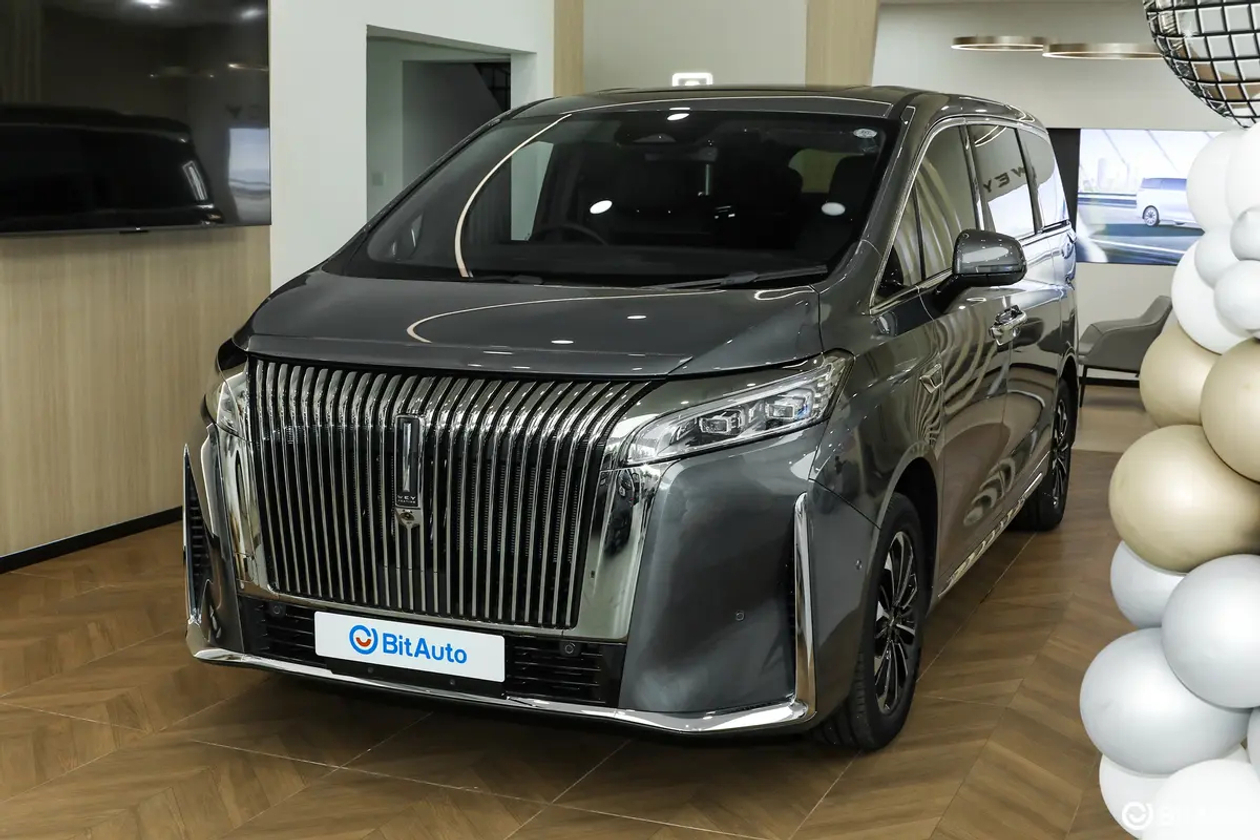
One represents the practical Japanese MPV school of thought, while the other is a newcomer in the Chinese luxury plug-in hybrid MPV segment.
With the latter costing twice as much, does it offer a matching step-up in experience? Today, we compare both side-by-side to see what your hard-earned money actually buys.
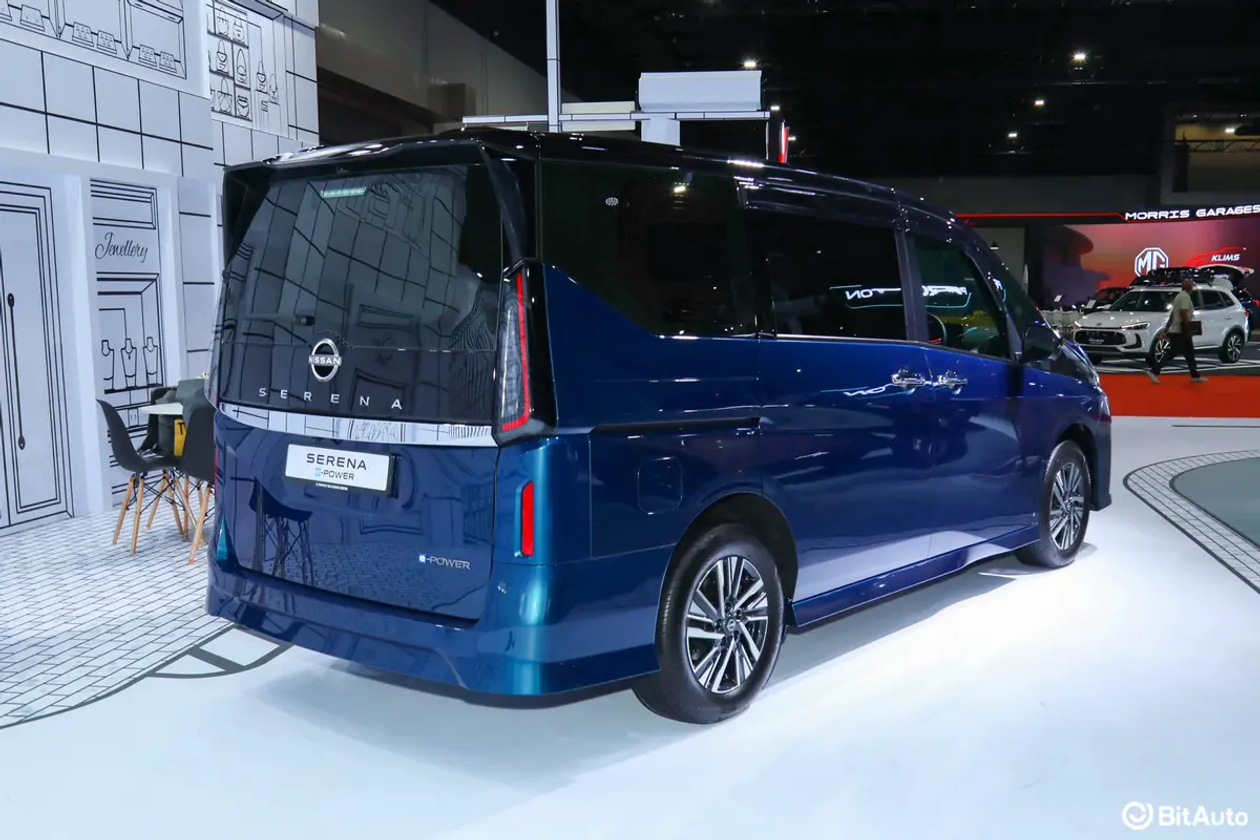
The Serena e-Power caters to various budgets in Malaysia, offering five variants right off the bat.
The X variant is priced at RM154,800, the X Plus at RM159,800, the Highway Star at RM169,800, the Premium Highway Star at RM174,800, and the range-topping Shiro Premium Highway Star at RM179,800.
From launch, ETCM is offering a RM5,000 early bird cash rebate, along with a genuine accessories package worth RM8,000 (excluding the X variant). This brings the actual starting price down to as low as RM149,800.
All five variants are locally assembled (CKD) at the Tan Chong Motor Assemblies plant in Serendah, Selangor.
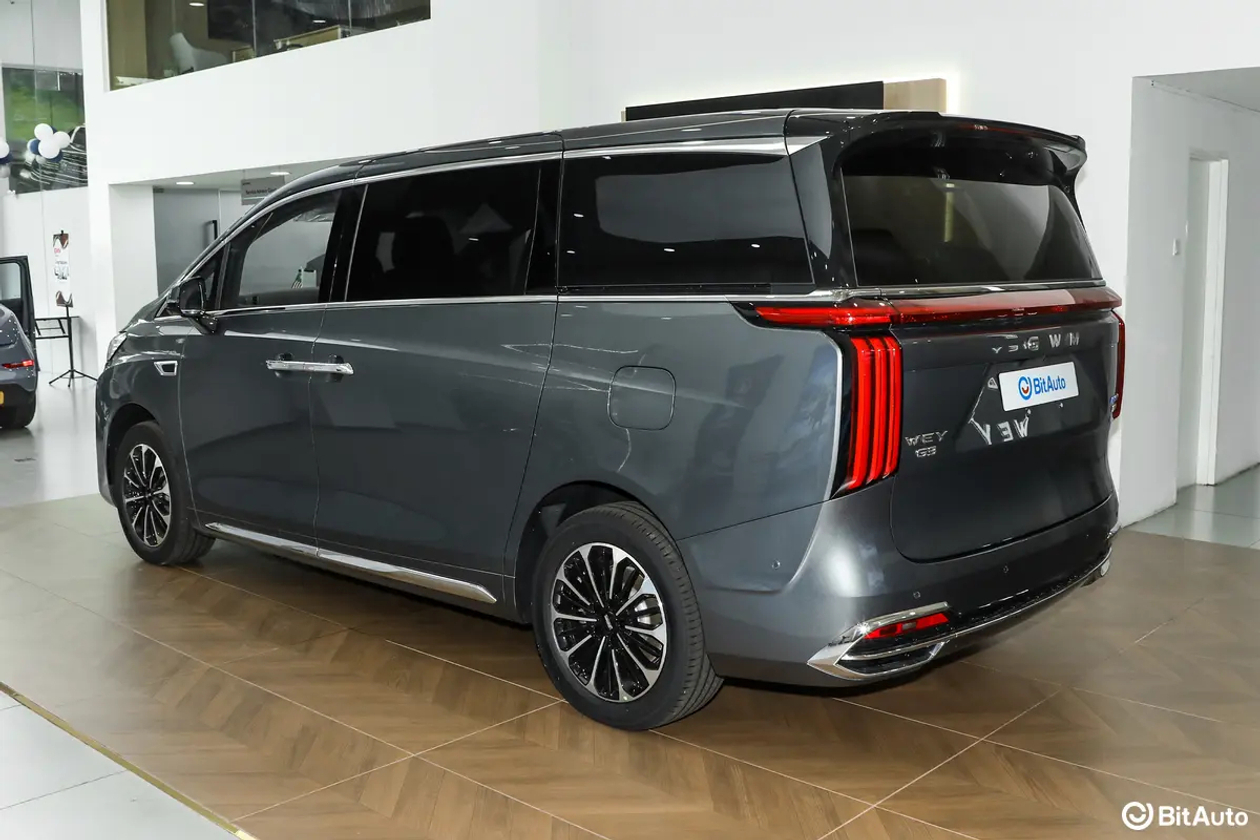
The WEY G9 line-up is much simpler. It comes in a sole variant priced at RM269,800.
Three body colours are available: Wisdom Grey, Aurora White, and Nebula Black. It is locally assembled (CKD) at the EP Manufacturing plant in Pegoh, Melaka, and exports to Thailand have already commenced.
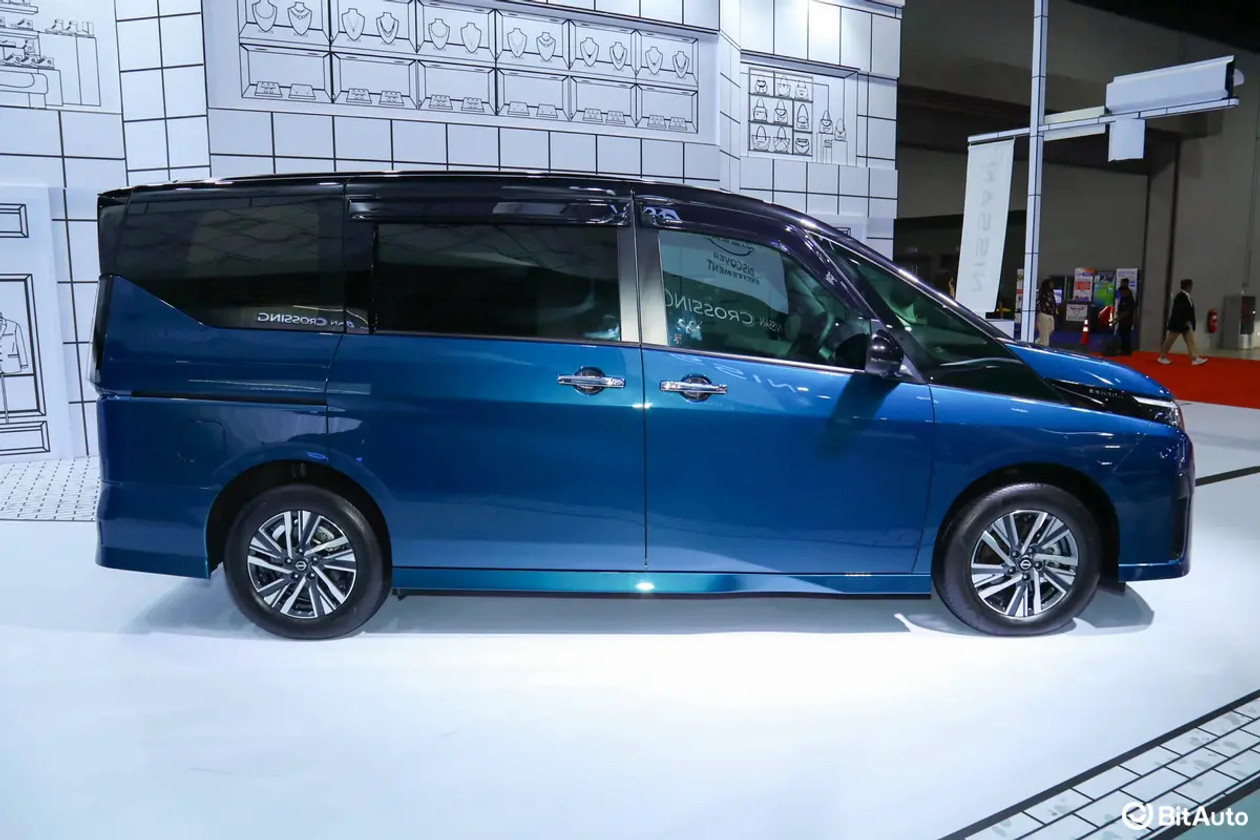
Comparing the base Serena X variant (RM154,800) with the G9 (RM269,800), the price gap is a massive RM115,000. Even comparing the top-spec Serena Shiro Premium Highway Star (RM179,800) against the G9, there is still a RM90,000 difference.
A single G9 could buy you nearly one-and-a-half units of the top-spec Serena, or almost two units of the base Serena.
This is the most fundamental difference between the two cars, representing a head-on clash between two technological routes: "electric drive" and "plug-in hybrid".
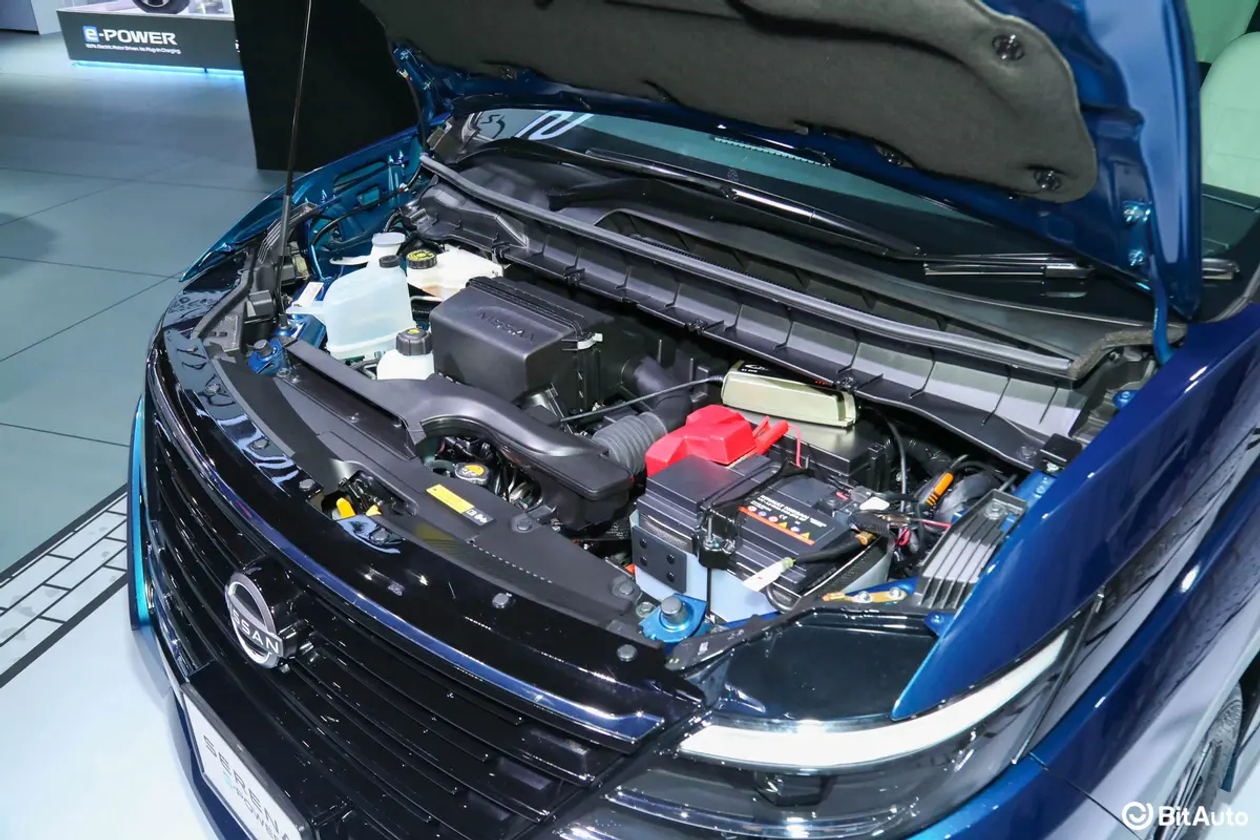
The Serena e-Power is powered by a 1.4-litre three-cylinder naturally aspirated petrol engine (HR14DDe) producing 98 PS and 123 Nm.
Crucially, this engine does not drive the wheels directly; it functions solely as a generator. The generated energy is stored in a 1.77 kWh lithium-ion battery, which then feeds a front-mounted electric motor putting out 163 PS and 315 Nm to drive the front wheels.
Simply put, the Serena is an "engine-powered EV". You will never need to hunt for a charging station, yet it delivers a pure EV driving experience—quiet, smooth, and punchy off the line.
The official fuel consumption is rated at 18.5 km/L (NEDC), yielding a range of nearly 1,000 km from its 52-litre fuel tank.
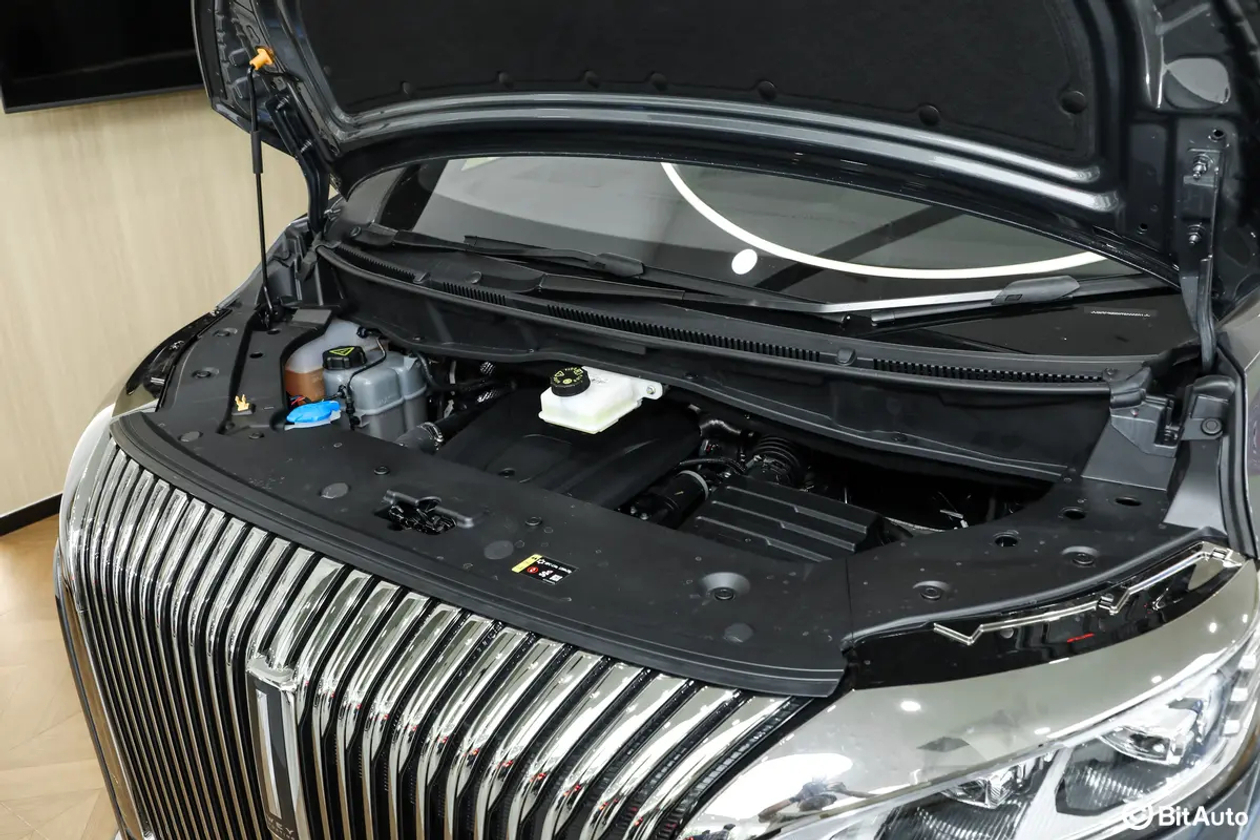
The WEY G9 Hi4 PHEV takes a different approach.
It pairs a 1.5-litre turbocharged engine (148 hp, 240 Nm) with dual electric motors (288 hp, 402 Nm) and a 44.2 kWh NMC battery pack. This setup delivers a combined system output of 442 PS and 642 Nm of torque, enabling a 0-100 km/h sprint in just 5.7 seconds.
The all-electric range is rated at 170 km (NEDC), with a total cruising range exceeding 1,000 km. It supports 6.6 kW AC slow charging and 60 kW DC fast charging, while also featuring a 3.3 kW V2L (vehicle-to-load) power output function.
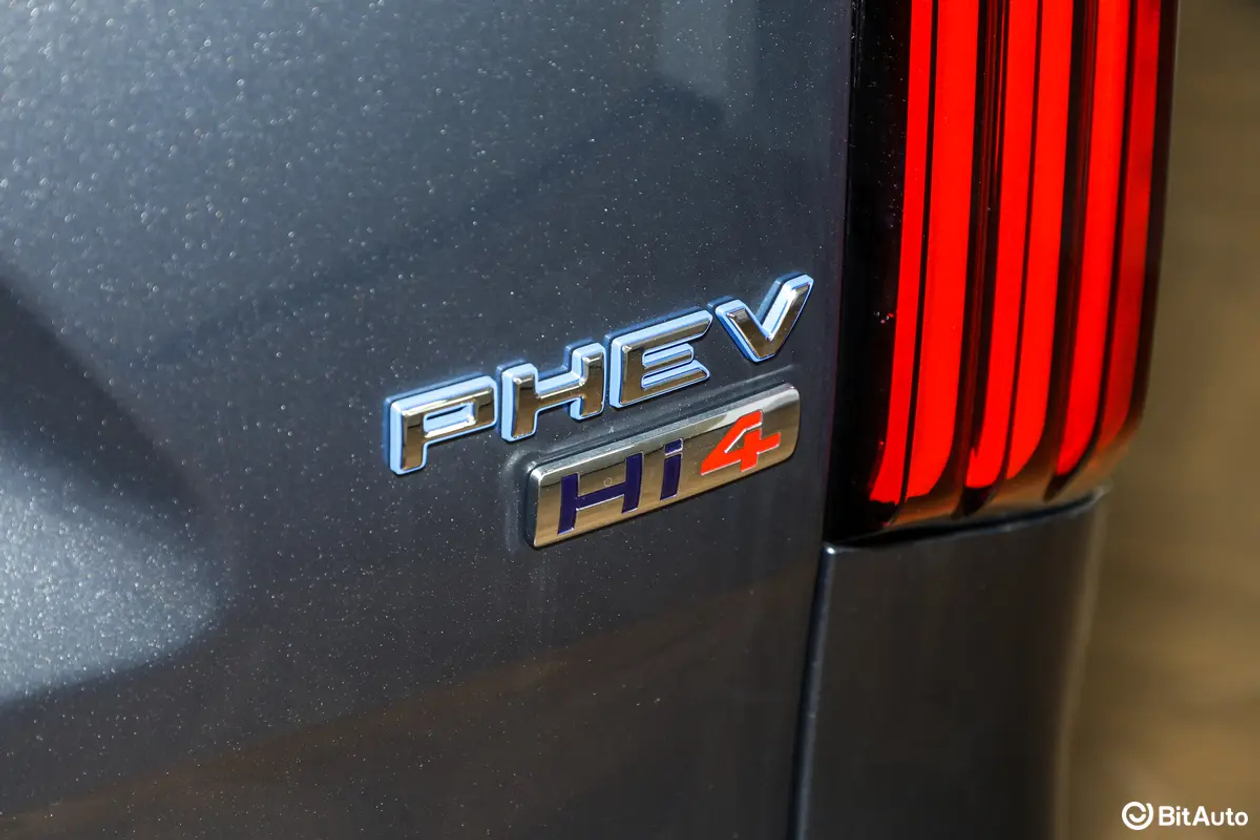
The G9 is a true plug-in hybrid that can be plugged in, driven on pure electricity, or run on petrol, with seamless transitions between modes.
For daily commutes, you can run it entirely as an EV, as the 170 km electric range is more than enough for most daily routines. On long-distance interstate drives, the petrol engine takes over, eliminating range anxiety.
Conversely, the Serena is an "EV that does not need charging", sparing you the hassle of hunting for chargers, though it lacks a dedicated pure electric driving mode.
These are two distinct concepts with no absolute winner; it boils down to your driving habits.
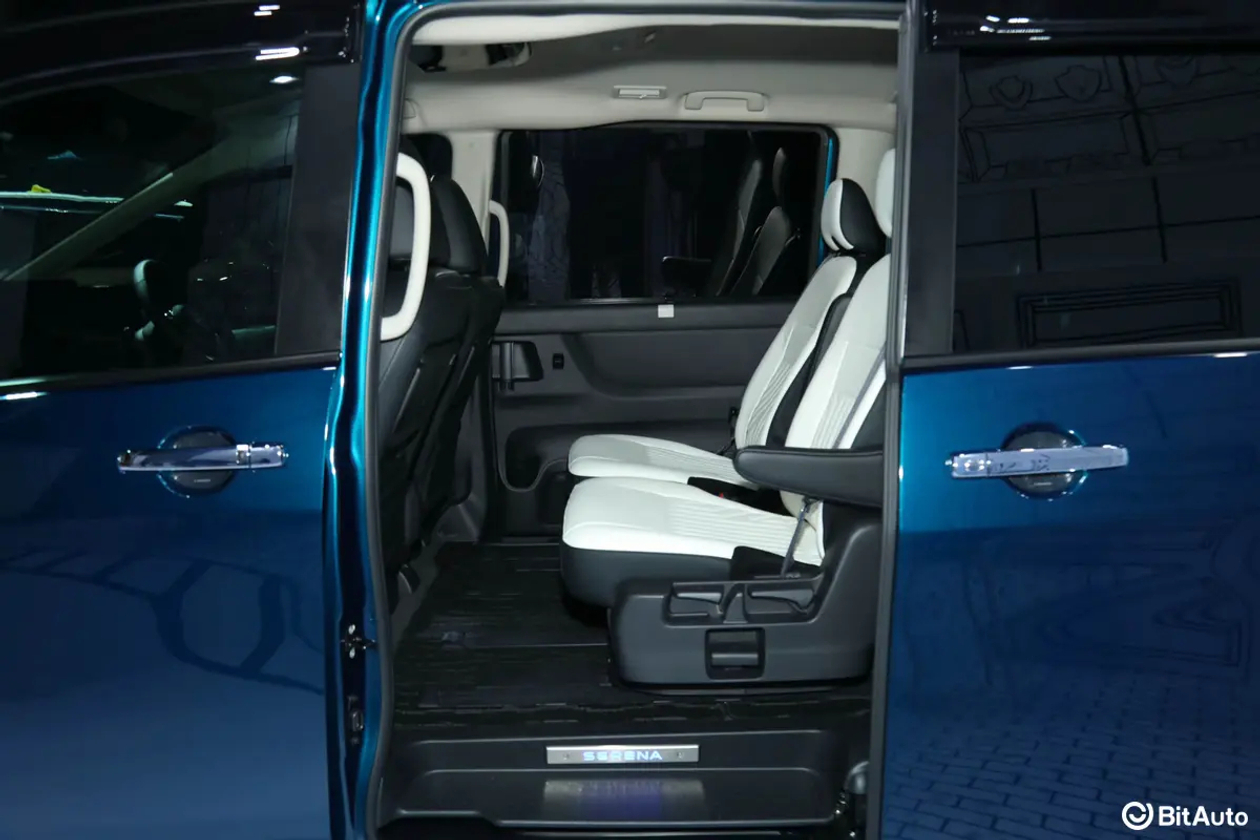
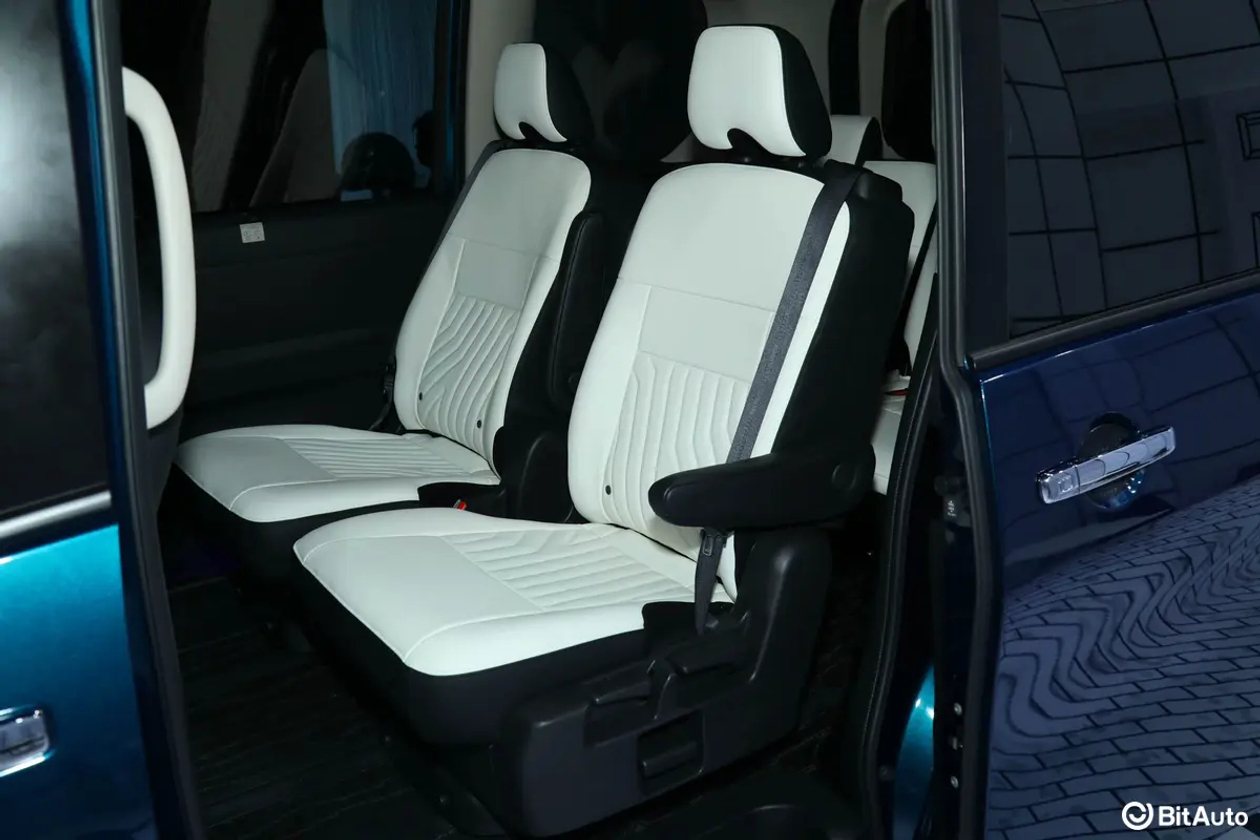
The Serena measures 4,765 mm long, 1,885 mm wide, and 1,715 mm tall, with a 2,870 mm wheelbase. Inside, it features a 2+2+3 seven-seater layout.
The second row consists of two individual captain seats that can slide forwards, backwards, and sideways, complete with individual armrests. Boot capacity stands at 280 litres.
The Highway Star and higher variants come equipped with dual power-sliding doors.
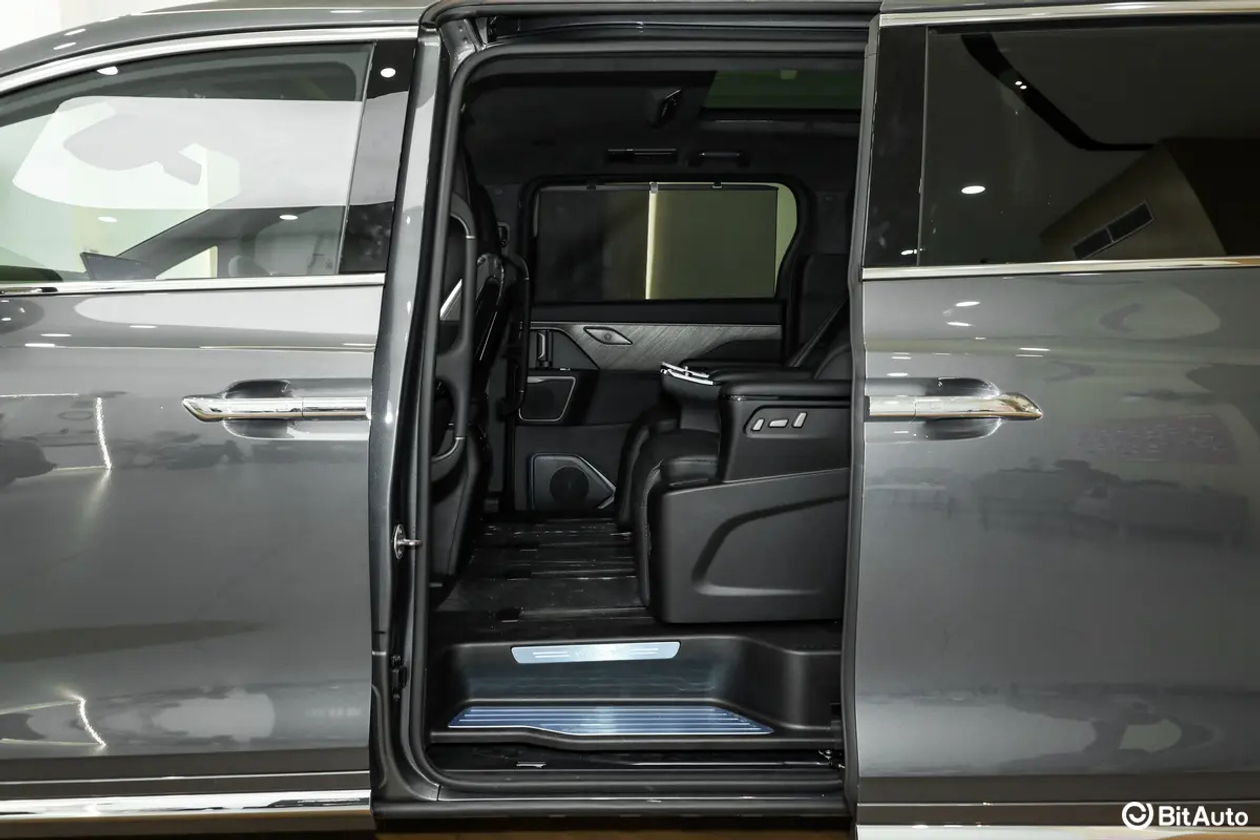
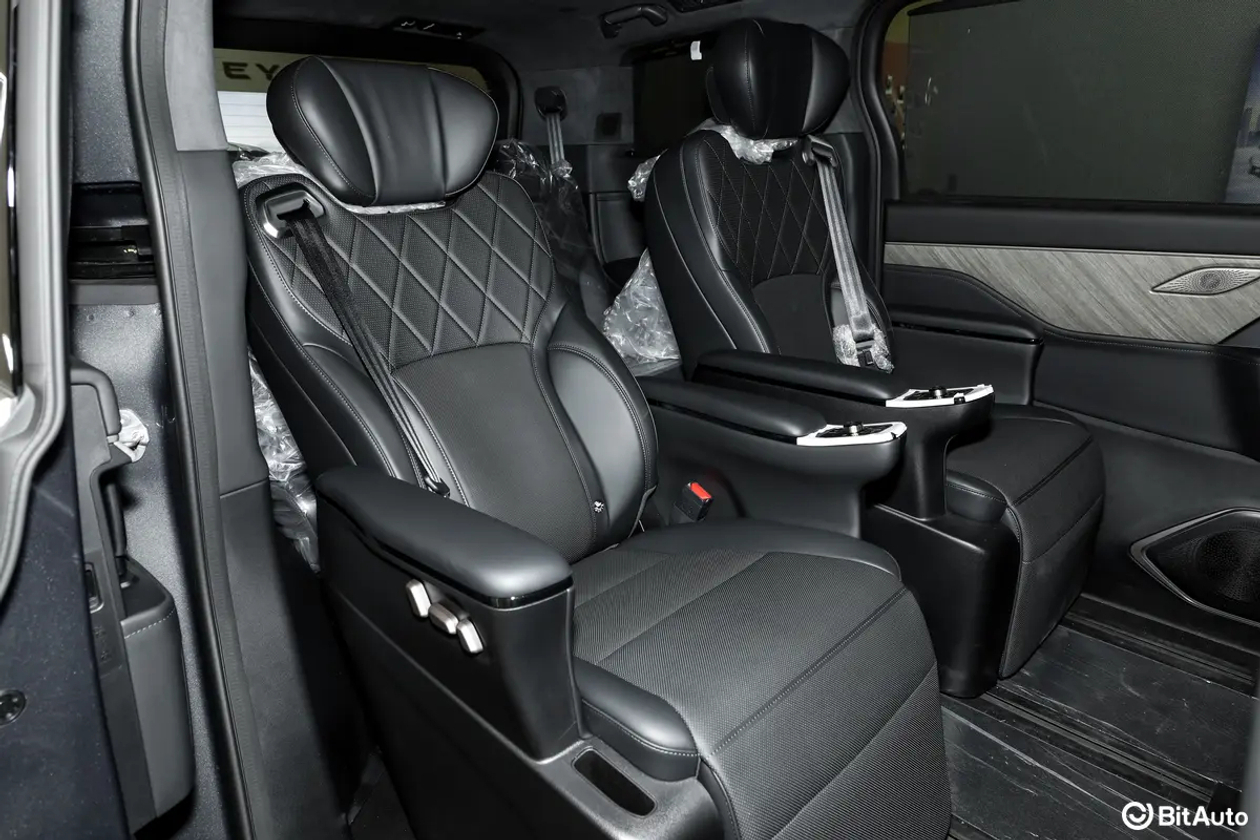
The WEY G9 is a size larger, measuring 5,050 mm long, 1,985 mm wide, and 1,900 mm tall, with a 3,085 mm wheelbase. It tips the scales at 2,803 kg.
It also features a 2+2+3 seven-seater configuration, but the second row is upgraded to "zero-gravity seats" equipped with massage and ventilation functions.
Boot space is slightly smaller at 233 litres. Dual power-sliding doors are standard across the range.
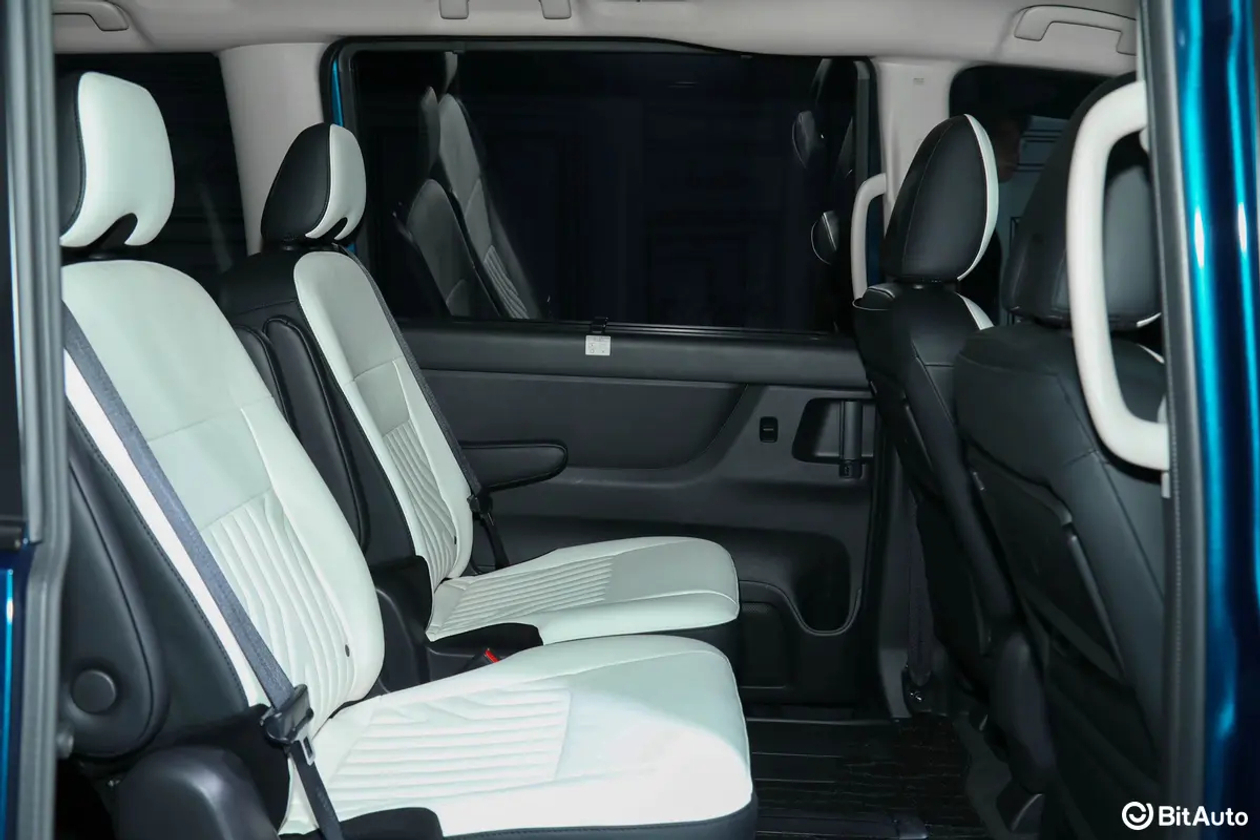
The G9 is 285 mm longer, 100 mm wider, and has a 215 mm longer wheelbase than the Serena. This translates to a significantly more spacious cabin, especially in terms of second-row legroom and shoulder room.
However, the Serena's narrower footprint and shorter body make it much easier to park and navigate through tight city alleys.
At nearly two metres wide, the G9 might prove a handful in some of KL's older shopping mall multi-storey car parks.
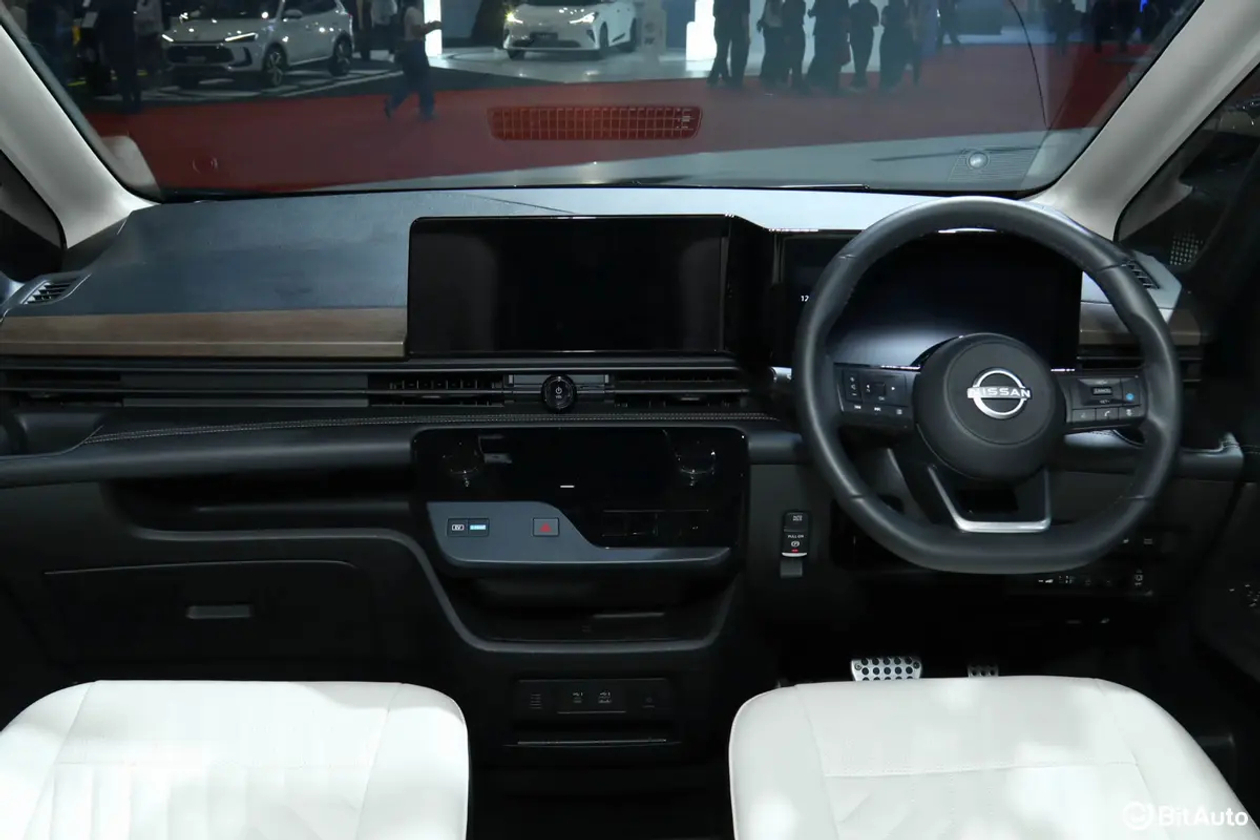
The equipment levels for the Serena vary significantly depending on the variant.
The entry-level X variant comes with full LED headlamps, a single-sided power-sliding door on the left, 16-inch wheels, a 9-inch screen, and manual fabric seats. Active safety features include AEB, BSM, and LDW.
The ProPilot suite (featuring ACC and lane centering), dual power-sliding doors, a 12.3-inch screen, a 12.3-inch fully digital instrument cluster, and a 360-degree camera system only kick in from the Highway Star variant onwards.
The top-spec Shiro Premium Highway Star adds a power tailgate and a 14-inch rear roof-mounted entertainment screen.
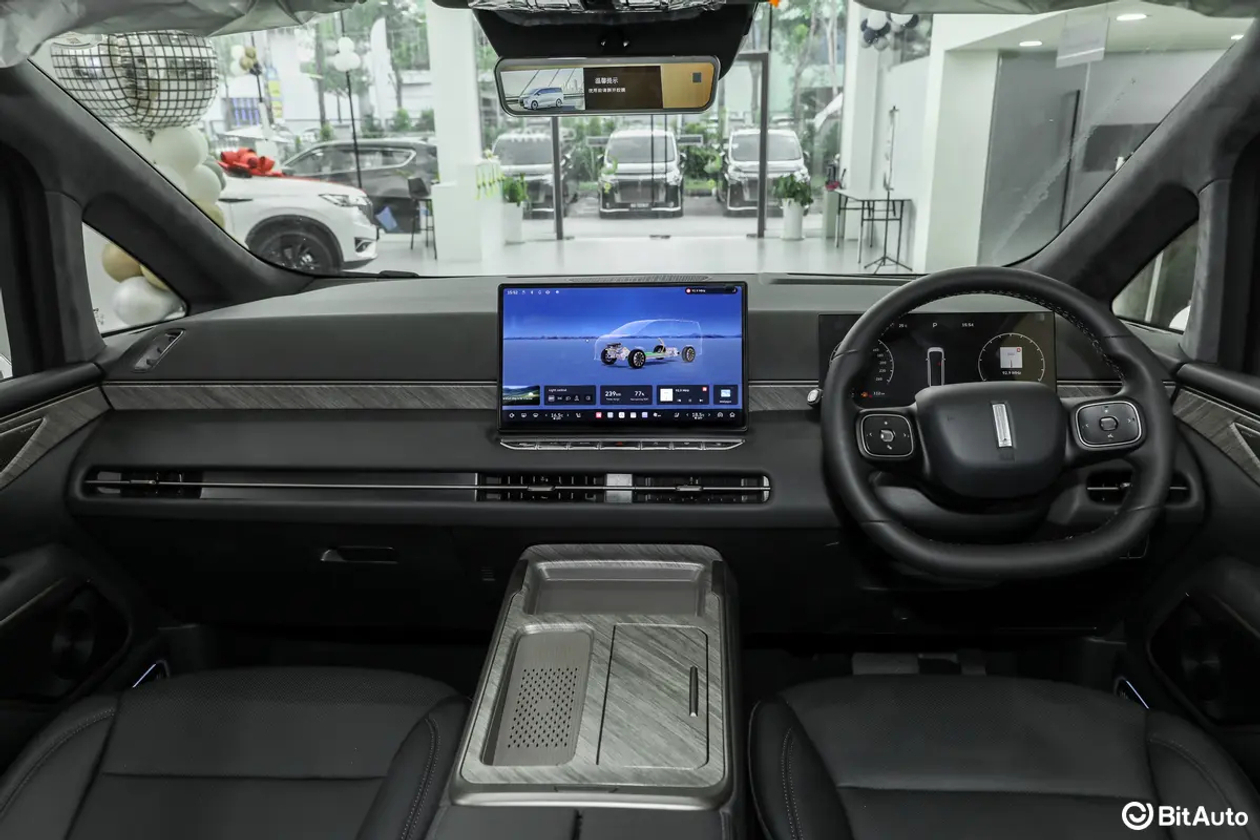
Over on the WEY G9, the sole variant comes fully loaded.
It boasts a massive 15.6-inch infotainment touchscreen, powered front seats with memory and ventilation, a driver's seat massage function, second-row zero-gravity seats with massage and ventilation, a panoramic sunroof, a 15.6-inch rear entertainment screen, a 50W wireless charger, and up to 11 USB ports throughout the cabin.
Safety-wise, it is packed with seven three-point seatbelts, Autonomous Emergency Braking (AEB), Blind Spot Monitoring (BSM), and Lane Keeping Assist (LKA).
Placing the top-spec Serena next to the G9 highlights a stark contrast in equipment. The G9's spec sheet essentially has everything thrown in.
While the Serena's ProPilot system is already highly competitive in the MPV segment, the G9 simply takes "spec-sheet loading" to a whole new level.
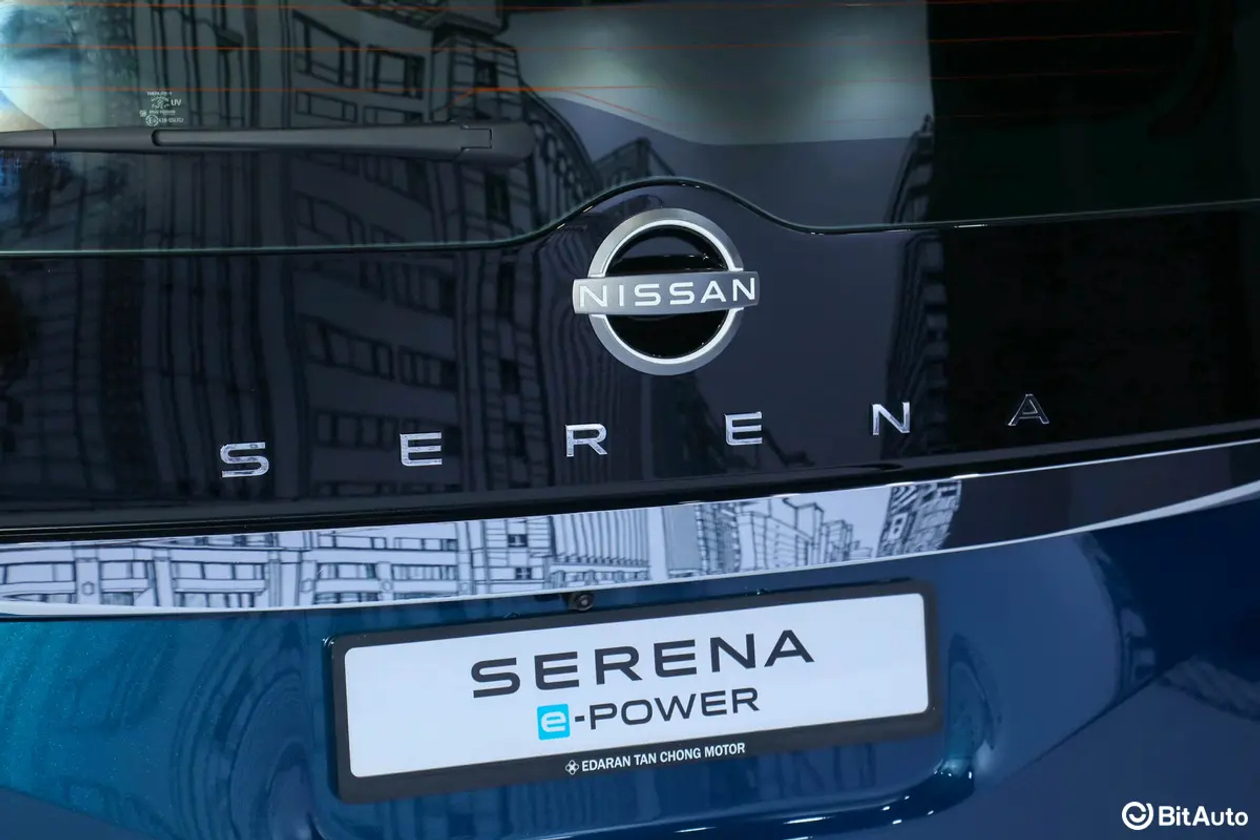
The Serena e-Power claims an official fuel consumption of 18.5 km/L (approx. 5.4 L/100km). Theoretically, its 52-litre fuel tank can deliver a range of nearly 1,000 km. While real-world urban consumption might be slightly higher, it remains exceptionally efficient for an MPV.
On the warranty front, the Serena comes with a 5-year/100,000 km vehicle warranty, alongside an 8-year/160,000 km warranty covering the e-Power battery and electric motor.
For the WEY G9, fuel economy depends on how you use it.
With a fully charged battery, the official NEDC fuel consumption is rated as low as 1.2 L/100km. Once the battery is depleted, the fuel consumption rises to around 6.2 L/100km, drawing from a 58-litre fuel tank.
If you charge it daily, running costs will be minimal. Even if you run it solely on petrol for extended periods, 6.2 L/100km is highly respectable for a 2.8-tonne MPV.
Warranty-wise, the G9 is backed by a 6-year/unlimited-mileage vehicle warranty and an 8-year/180,000 km warranty for the high-voltage system (battery, motor, and control unit).
In terms of resale value, the Serena's long-standing presence in the Malaysian market ensures its second-hand value remains relatively stable.
Conversely, as a new entrant from a Chinese premium brand, the G9's long-term depreciation and resale value have yet to be proven.
The Serena e-Power and the WEY G9 represent two very different takes on the seven-seater MPV formula, with the latter costing twice as much and targeting a completely different demographic.
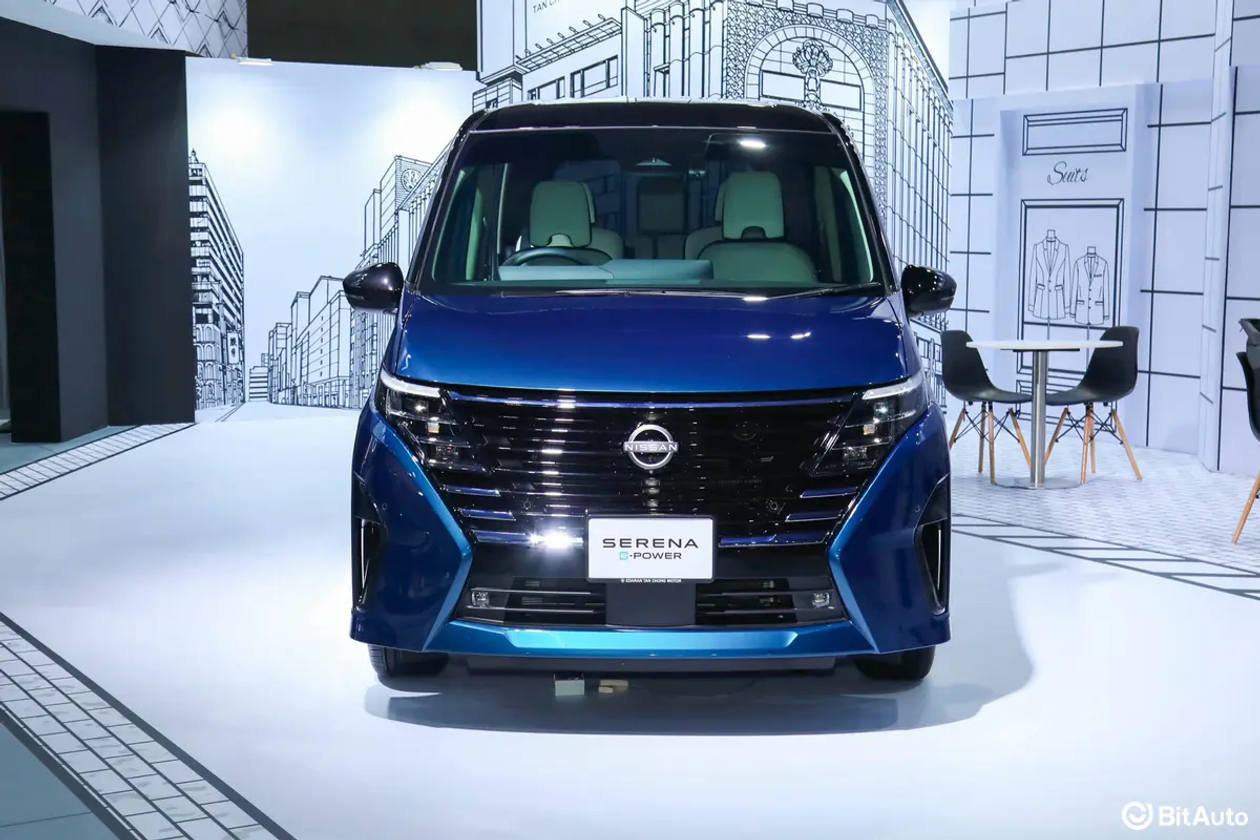
Go with the Serena e-Power and you get the backing of a tried-and-tested Japanese MPV badge, a plug-in-free electric drive experience, class-leading fuel economy, easy manoeuvrability in tight city spots, and a wide selection of variants spanning the RM150,000 to RM180,000 bracket to suit your budget.
The trade-offs are more modest performance (163 PS), a simpler cabin, and a brand positioning that prioritises practicality over premium luxury.
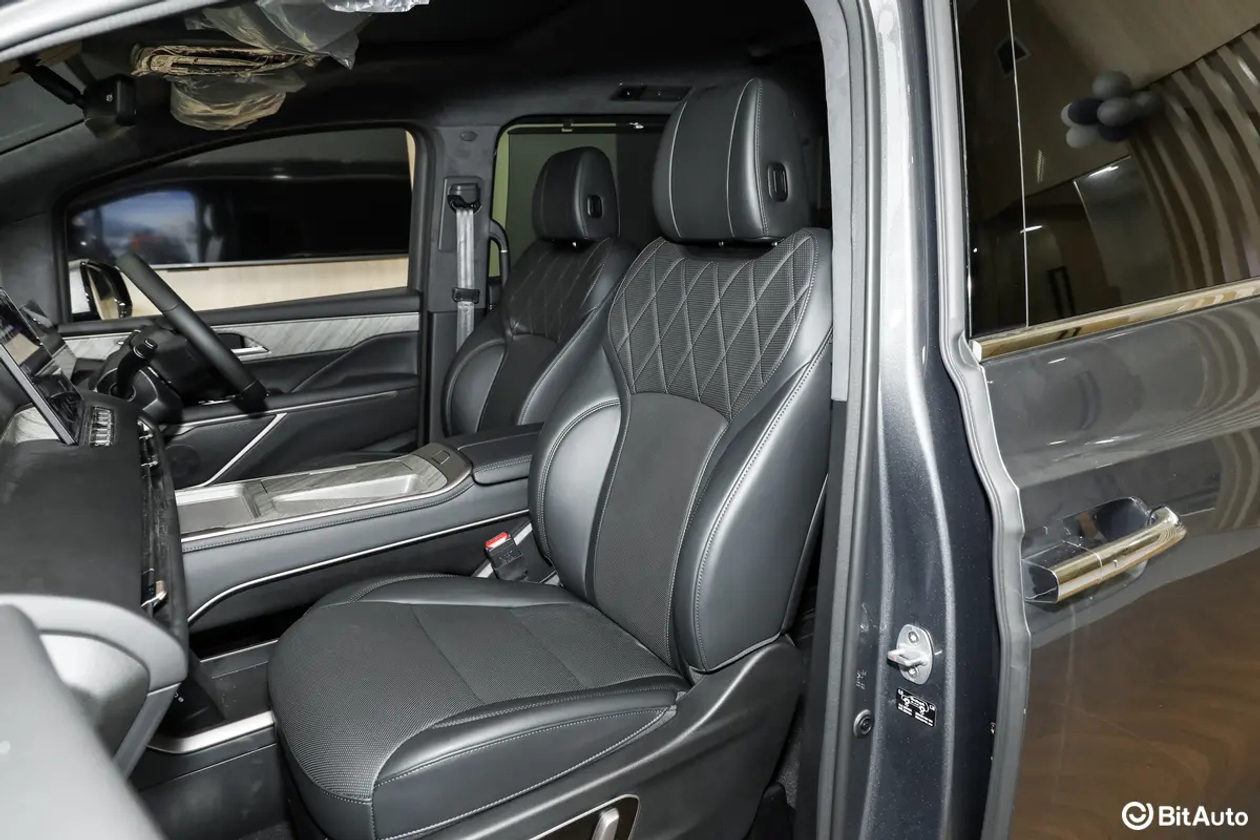
Opt for the WEY G9 and you are rewarded with a lavish equipment list (zero-gravity seats with massage and ventilation, 15.6-inch rear entertainment display), sports car-like acceleration (442 PS and 0-100 km/h in 5.7 seconds), PHEV flexibility (170 km electric range), a much larger cabin, and a commanding road presence.
The drawbacks, however, are a price tag that is twice as high, a bulkier footprint that makes parking tricky, and an unproven resale value.
Both are capable MPVs, but they cater to entirely different buyers.
If you are a practical family-oriented buyer on a budget, want to avoid the hassle of public chargers, drive mostly in the city, and prioritise trouble-free ownership and low running costs, the Serena e-Power is the sensible choice.
However, if you have a larger budget to spend, crave premium luxury and driving dynamics, have access to home charging, and do not mind piloting a larger vehicle, the WEY G9 offers a level of sophistication the Serena simply cannot match.


Your go-to source for all things automotive in Malaysia. 🚗 Latest reviews, breaking news, launches & industry trends.
+ Follow This weekend is your chance to own a Volvo Selekt Certified Used Car, priced from just RM 148,000.
What are you waiting for?
#volvo 1 minute ago
This weekend is your chance to own a Volvo Selekt Certified Used Car, priced from just RM 148,000.
What are you waiting for?
#volvo 1 minute ago  We saw this accident this morning, and here’s a reminder to everyone: please drive safe. 2 days ago
  The G50 BMW 3 series is now here, adopting much of the i3's design elements.
So, where's the BMW M3?
#bmw #BMW3Series 4 days ago
The G50 BMW 3 series is now here, adopting much of the i3's design elements.
So, where's the BMW M3?
#bmw #BMW3Series 4 days ago Get the latest car news first!
Your go-to source for all things automotive in Malaysia. 🚗 Latest reviews, breaking news, launches & industry trends.
This weekend is your chance to own a Volvo Selekt Certified Used Car, priced from just RM 148,000.
What are you waiting for?
#volvo 1 minute ago We saw this accident this morning, and here’s a reminder to everyone: please drive safe. 2 days ago The G50 BMW 3 series is now here, adopting much of the i3's design elements.
So, where's the BMW M3?
#bmw #BMW3Series 4 days ago  ProtonGWMVolkswagenJAECOOVolvoPeroduaToyotaHondaTESLAMitsubishiMazdaJetourCheryBYDLexusBMWMercedes-BenziCAURZeekrIsuzuNissanLeapmotorPorscheFordOMODAMINIMGSuzukiXPengHyundaiWulingKiaSubaruDenzaGACLand RoverDongfengCAMAudiPeugeotFotonMAXUSsmartDaihatsuJACJMCMaseratiLotusAlfa RomeoRenaultGolden DragonKaiceneSeresLamborghiniFerrariJeepRolls-RoyceLepasAston MartinMcLarenChevroletBentleyFiatBAICForthingGeelyRoeweAeolusChanganARCFOXDeepalExeedHongqiVoyahJaguarKGMBuforiAcuraCadillacDodgeAbarthINEOSMHEROJMEVFreelander
© 2024 Bitauto.com. All Rights Reserved.
Bitauto (www.yiche.com and www.bitauto.com) is one of the most visited automotive websites in China. We provide detailed info on Chinese car brands available in your area. Please note that the information provided on this website is based on publicly available data and is for reference only. It may not be fully updated or accurate at all times.
Help us improve our website


