
Search History
Popular Searches
English
Dealer Login / Sign Up
If you’ve driven around Klang Valley, Penang, or Johor Bahru, you already know the pattern: roughly one in every three cars on Malaysian roads is a Perodua. This isn’t by chance—it’s the result of over 30 years of shaping Malaysia’s automotive landscape. Since its founding in 1993, Perodua has not just grown; it has dominated. In 2024–2025, its market share comfortably stayed above 40%, a level no other brand can match.
Unlike Proton, which went through years of uncertainty and global partnerships before its restructuring by Geely, Perodua’s journey has been defined by quiet, consistent pragmatism. This report breaks down how the once smaller national carmaker evolved from Daihatsu’s technical partner into the undisputed leader of Malaysia’s auto industry.
The Second National Car (1993–2000)
When Perodua started in 1993, Proton was already Malaysia’s flagship national car, backed by strong government vision to compete with global automakers. Proton focused on larger, more complex sedans as a symbol of national industrial pride.
Perodua was created as the second national car project, positioned to serve a different market. To avoid competing directly with Proton, it focused on compact, affordable vehicles below 1.0L, partnering with Japan’s Daihatsu for technology and platforms.
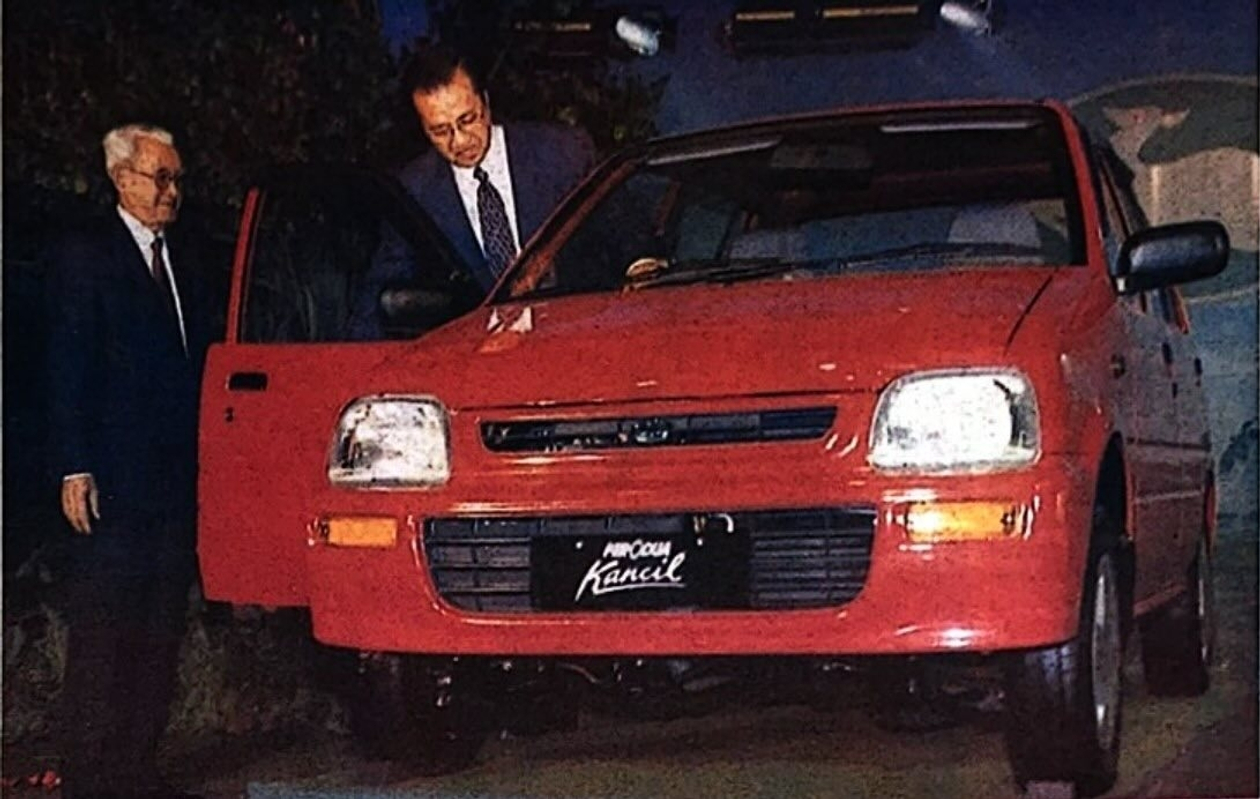
Its first model, the Perodua Kancil—launched in 1994, based on the Daihatsu Mira—became an instant icon. Affordable, fuel-efficient, and easy to park, the Kancil revolutionized Malaysian mobility. It turned thousands of motorcycle riders into first-time car owners, kickstarting Malaysia’s mass motorization era.
2005 – The Myvi Changed Everything
The real turning point came in 2005, with the launch of the Perodua Myvi. Built on the Daihatsu Boon but fully localized for Malaysian needs, the Myvi redefined what a small car could be. It offered better space, reliability, and even a sporty drive—all at an accessible price.
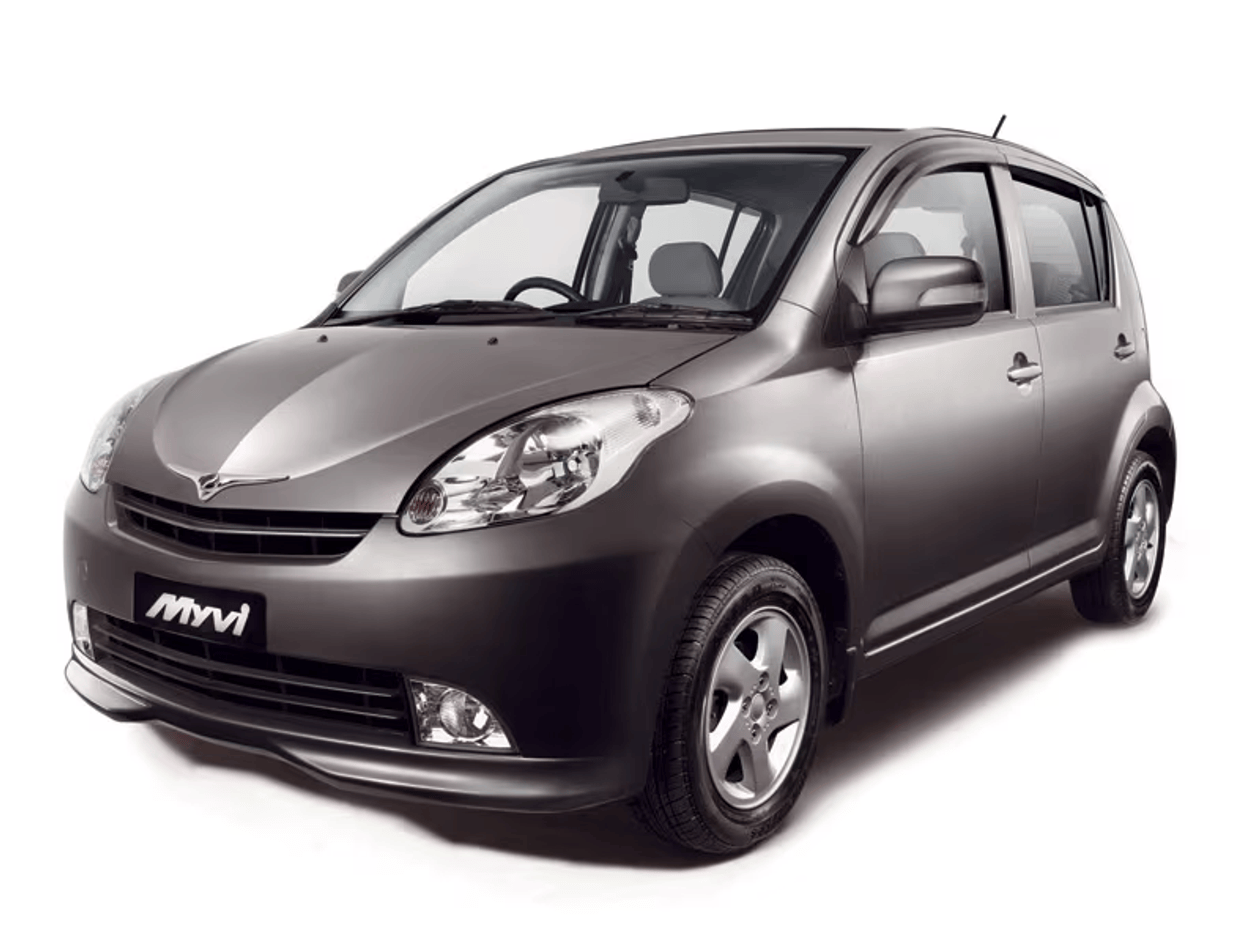
The Myvi quickly became more than just a car; it became a cultural symbol. It held the title of Malaysia’s best-selling vehicle for 15 straight years, earning the nickname “King of the Road.” Between 2005 and 2010, Perodua’s annual sales jumped from 139,000 to 188,000 units, and for the first time, Perodua overtook Proton in key segments. The Myvi’s legendary reliability and practicality built the foundation of Perodua’s unshakable public trust.
Why Perodua’s 40% Moat Is Unbreakable
Even with a revitalized Proton and fast-growing Chinese EV brands such as BYD, Chery, and GWM, Perodua remains untouchable for four key reasons:
1. Price & Affordability
Perodua’s lineup is perfectly calibrated for Malaysian budgets:
Axia: RM25k–35k
Bezza: RM35k–50k
Myvi: RM45k–60k
Ativa: RM60k–70k
Monthly instalments range from just RM300 to RM800—ideal for fresh graduates, delivery riders, young families, and middle-class Malaysians. Perodua doesn’t just sell cars; it sells stress-free ownership.
2.Japanese Technology, Local Brand
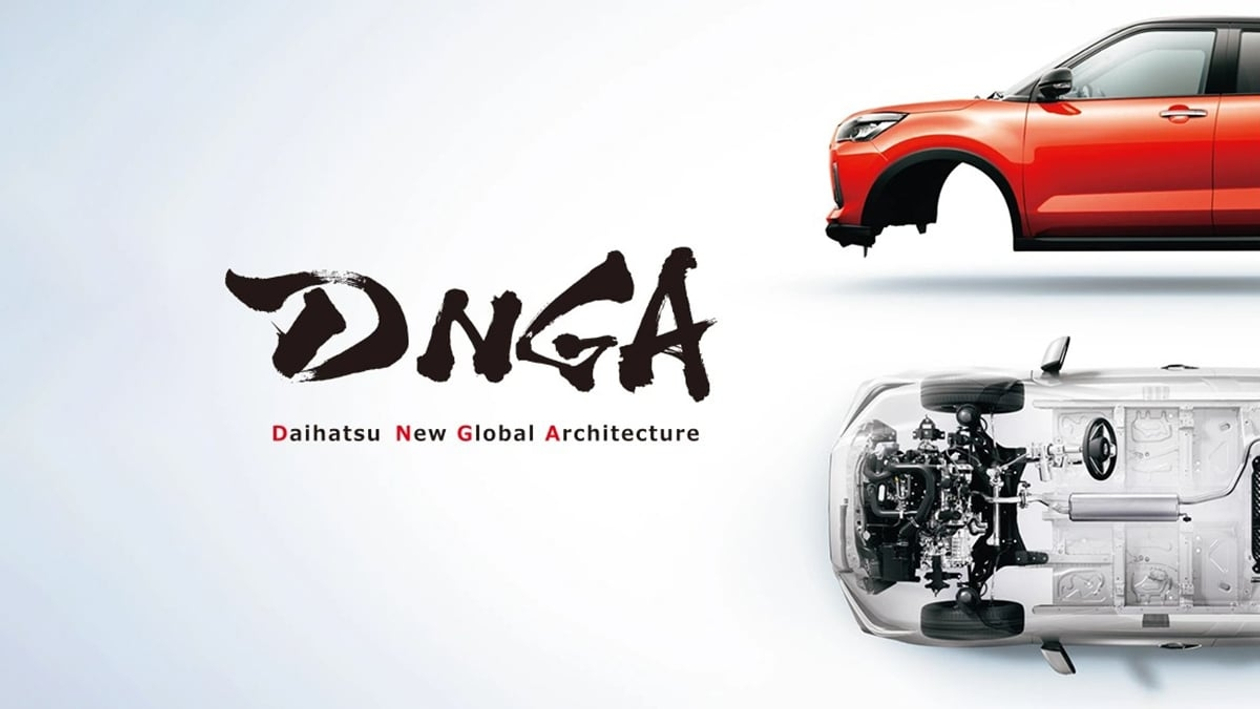
Daihatsu (and its parent company Toyota) owns roughly 30% of Perodua, giving it full access to Japanese platforms like the DNGA architecture. For Malaysian buyers, Perodua means Japanese quality under a national badge—a powerful combination in a market that highly values reliability and durability.
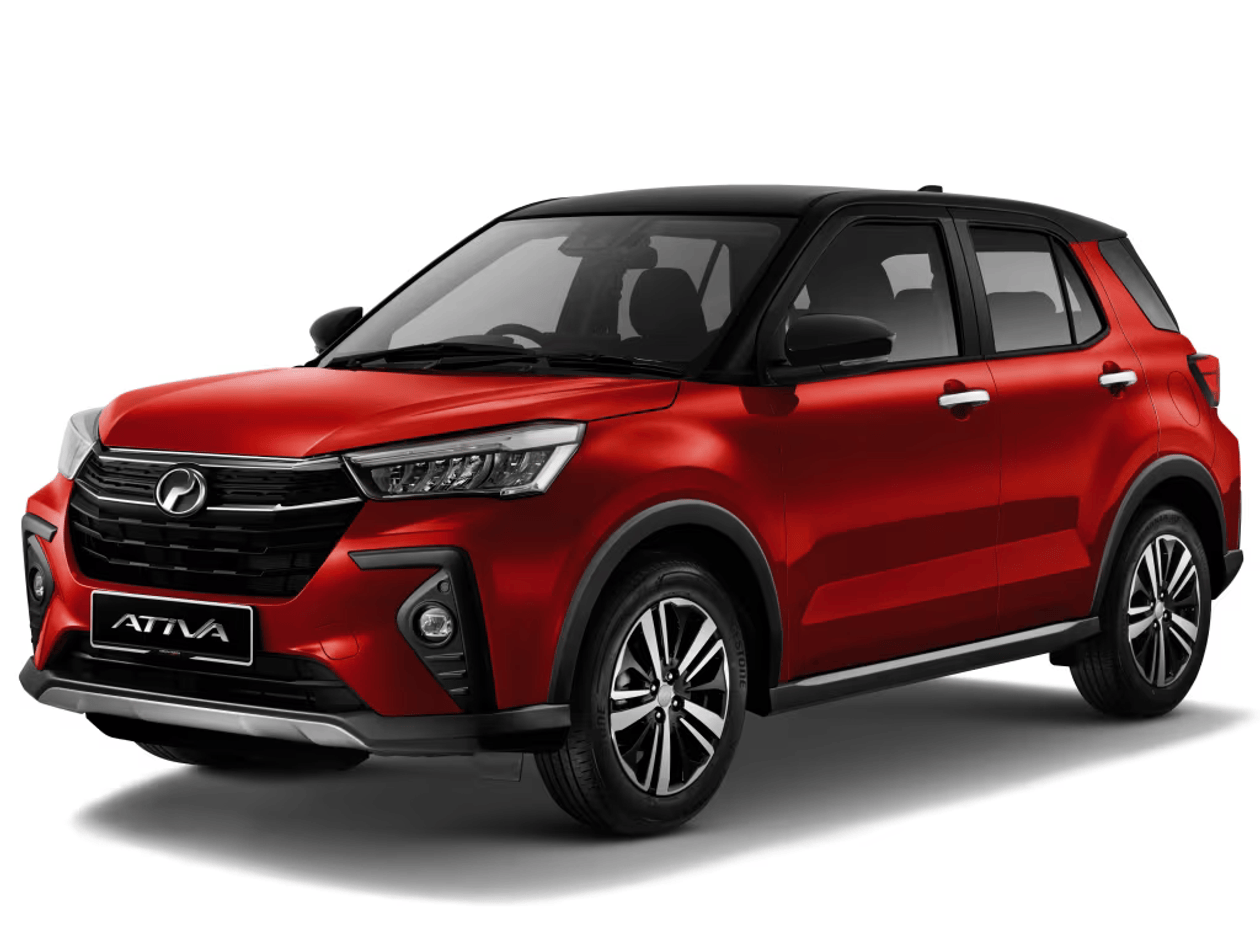
3. Industry-Leading Resale Value
Perodua cars hold value exceptionally well. Most models retain over 60% of their value after five years, far better than many foreign alternatives. A 2018 Myvi often sells faster and easier than some European cars of the same age. For most Malaysians, a Perodua isn’t just transport—it’s a safe, practical investment.
4. Nationwide Service Network
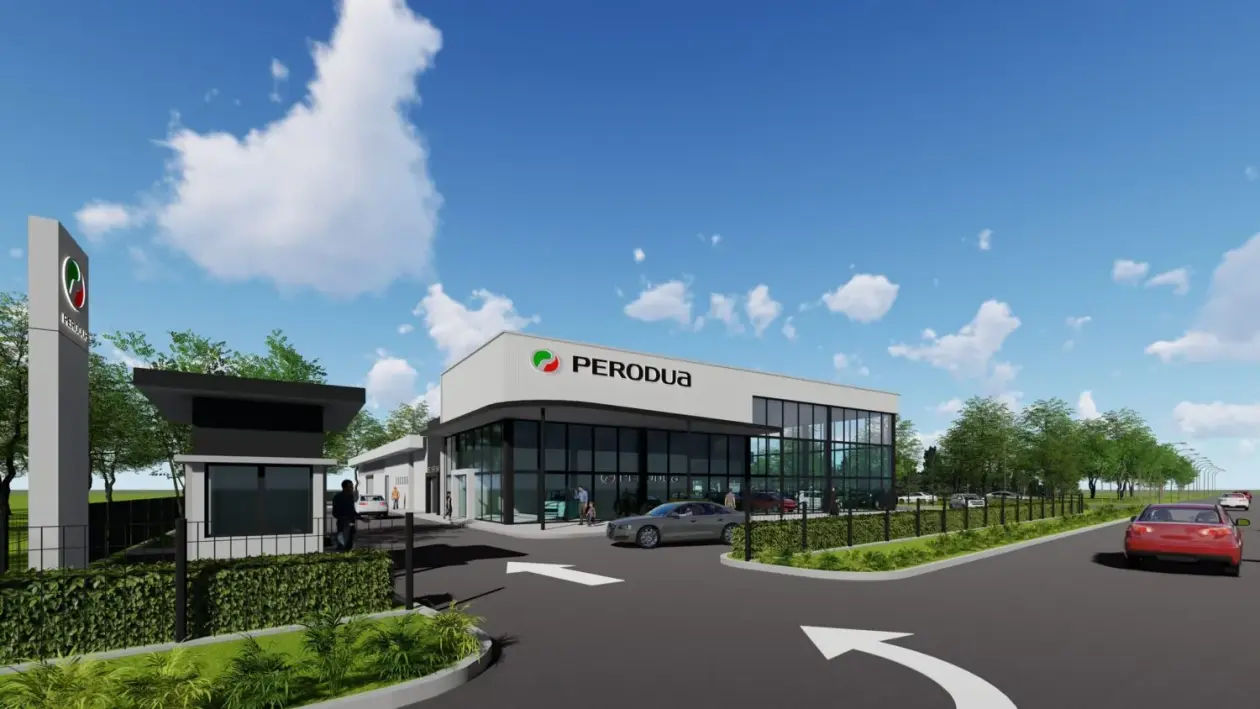
With over 180 service centres across Peninsular and East Malaysia, Perodua’s reach is unmatched. Even in smaller towns and rural areas—from Terengganu to Kelantan to Sarawak—parts and service are widely available. You may struggle to service an EV or imported car in rural Malaysia, but you can always fix a Perodua.
Rakan Niaga – The Hidden Strength in Data
Deep analysis of 2024 vehicle registration data shows another layer of Perodua’s dominance: its control over the sales network. Under the Rakan Niaga (dealer pre-registration) scheme, Perodua held a 47.46% share—far above competitors.
This strong dealer support allows Perodua to stabilise sales during slow market periods, manage inventory efficiently, and maintain economies of scale that smaller brands simply cannot match.
The EV Challenge From China
Since 2023, Chinese automakers such as BYD, Chery, and Great Wall Motors have entered the Malaysian market one after another. Leveraging their generational advantages in "intelligence" and "electrification", they have brought unprecedented impact to Perodua, which has long dominated the market, with more advanced configurations and lower operating costs. At the same time, the popularity of Malaysia's electric vehicle (EV) market has grown far beyond expectations. As of January 2026, the EV penetration rate has reached 9.2%, nearly twice the expected value in 2025. The transition to electrification has become an irreversible trend, which has also forced Perodua to accelerate its layout in the new energy track. Its first local electric vehicle, the QV-E, has emerged as a core measure to respond to market changes.
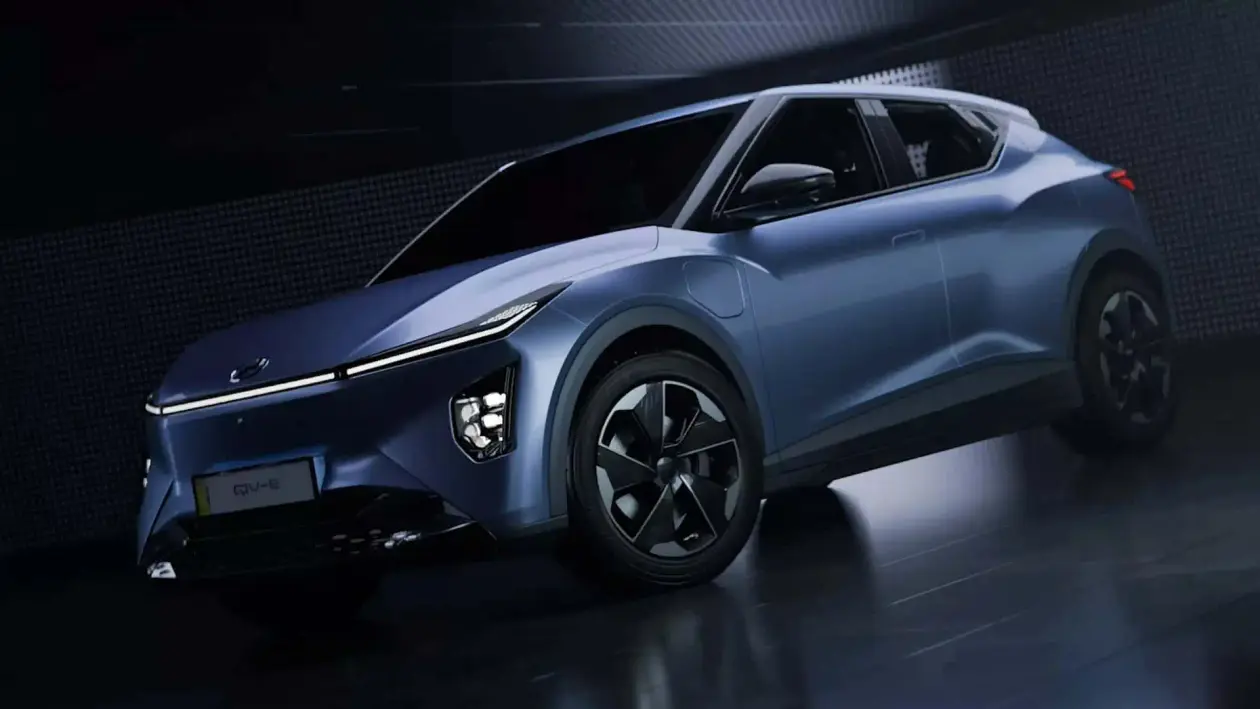
However, Perodua's response has continued its consistent pragmatic style: instead of blindly following the trend to launch high-end electric vehicles, it has combined its positioning as a national car to build the QV-E into an entry-level electric vehicle that meets the needs of ordinary Malaysian consumers, while continuing to hold its fuel-powered vehicle position and consolidate the core market with classic models such as the Axia and Bezza.
Different from the product routes of Chinese brands and Proton's e.MAS 5 (overseas version of Geely Geometry Panda), the QV-E adopts a unique "Battery as a Service" (BaaS) leasing model, attempting to lower the purchase threshold for consumers. However, its current actual price, which is higher than that of competitors, has become a potential obstacle to its acceptance in the mass market, leading to a relatively slow start. Perodua is well aware that the current charging infrastructure in Malaysia has not yet covered every village, and most consumers still value cost-effectiveness and convenience for their first car. Therefore, the launch of the QV-E is not eager to seize the electrification market share, but to lay out step by step, forming a complement to the fuel-powered vehicle matrix and safeguarding its core moat.
The Pragmatic Champion
Perodua’s success is not about becoming a global automotive giant. It is about understanding Malaysians better than anyone else.
A 40% market share is not the end goal—it is proof of Perodua’s deep connection to the people. Whether navigating city traffic, travelling between towns, or working in rural areas, Perodua has built a “national fortress” that will remain hard to conquer.


Your go-to source for all things automotive in Malaysia. 🚗 Latest reviews, breaking news, launches & industry trends.
+ Follow Kereta Rally Karamjit Singh & Proton Wira Schumacher Ada Sini! | HME Asia 2026
Hujung minggu dah tiba dan anda mencari sesuatu untuk cuci mata? Jemput datang ke Heritage Motor Exchange Asia 2026 yang berlangsung di Dewal Merdeka, World Trade Centre (WTC) Kuala Lumpur!
Berbeza dengan pameran biasa, acara ini memberi tumpuan khas kepada kenderaan-kenderaan warisan dan klasik yang menggamit memori. Antara daya tarikan utama yang dipamerkan termasuk:
🏎️ Kereta Rally Legenda: Kereta rally ikonik yang pernah dipandu oleh pemandu legenda negara, Karamjit Singh!
🏎️ Proton Wira Schumacher: Model Proton Wira penuh sejarah yang pernah dipandu oleh pelumba F1 legenda, Michael Schumacher!
🚘 Kereta Klasik & Mewah: Mercedes-Benz W111 Cabriolet (1960-an), Rolls-Royce Silver Cloud, Jaguar E-Type, dan pelbagai lagi model berprestasi tinggi.
Membawa tema "When Passion Meets Acquisition", pameran ini menghimpunkan lebih 50 buah kereta daripada pelbagai era. Ia turut memperkenalkan sistem penilaian Concours 100 mata serta kemudahan urusan pemeriksaan, insurans, dan cukai jalan bersama agensi seperti Puspakom dan JPJ di lokasi.
📅 Tarikh: 23 – 25 Oktober 2026
📍 Lokasi: Dewan Merdeka, WTC Kuala Lumpur
Tonton video ini sampai habis untuk lihat sendiri kehebatan jentera-jentera klasik ini! Jangan lupa untuk Like, Comment, dan Subscribe ke saluran BitAuto!
#HeritageMotorExchange #HMEAsia2026 #BitAuto #WTCKL #KeretaKlasik 1 day ago
Kereta Rally Karamjit Singh & Proton Wira Schumacher Ada Sini! | HME Asia 2026
Hujung minggu dah tiba dan anda mencari sesuatu untuk cuci mata? Jemput datang ke Heritage Motor Exchange Asia 2026 yang berlangsung di Dewal Merdeka, World Trade Centre (WTC) Kuala Lumpur!
Berbeza dengan pameran biasa, acara ini memberi tumpuan khas kepada kenderaan-kenderaan warisan dan klasik yang menggamit memori. Antara daya tarikan utama yang dipamerkan termasuk:
🏎️ Kereta Rally Legenda: Kereta rally ikonik yang pernah dipandu oleh pemandu legenda negara, Karamjit Singh!
🏎️ Proton Wira Schumacher: Model Proton Wira penuh sejarah yang pernah dipandu oleh pelumba F1 legenda, Michael Schumacher!
🚘 Kereta Klasik & Mewah: Mercedes-Benz W111 Cabriolet (1960-an), Rolls-Royce Silver Cloud, Jaguar E-Type, dan pelbagai lagi model berprestasi tinggi.
Membawa tema "When Passion Meets Acquisition", pameran ini menghimpunkan lebih 50 buah kereta daripada pelbagai era. Ia turut memperkenalkan sistem penilaian Concours 100 mata serta kemudahan urusan pemeriksaan, insurans, dan cukai jalan bersama agensi seperti Puspakom dan JPJ di lokasi.
📅 Tarikh: 23 – 25 Oktober 2026
📍 Lokasi: Dewan Merdeka, WTC Kuala Lumpur
Tonton video ini sampai habis untuk lihat sendiri kehebatan jentera-jentera klasik ini! Jangan lupa untuk Like, Comment, dan Subscribe ke saluran BitAuto!
#HeritageMotorExchange #HMEAsia2026 #BitAuto #WTCKL #KeretaKlasik 1 day ago  Rare cars, legendary icons and automotive dreams come alive at Heritage Motor Exchange Asia!
#HMEA #HeritageMotorExchangeAsia #ClassicCars #Supercars #CarCulture #MalaysiaCars 1 day ago
Rare cars, legendary icons and automotive dreams come alive at Heritage Motor Exchange Asia!
#HMEA #HeritageMotorExchangeAsia #ClassicCars #Supercars #CarCulture #MalaysiaCars 1 day ago  Waze could be banned?
IT seems like the Malaysian government may look into banning Waze, but only when local alternatives are ready. 1 day ago
Waze could be banned?
IT seems like the Malaysian government may look into banning Waze, but only when local alternatives are ready. 1 day ago Get the latest car news first!
Your go-to source for all things automotive in Malaysia. 🚗 Latest reviews, breaking news, launches & industry trends.
Kereta Rally Karamjit Singh & Proton Wira Schumacher Ada Sini! | HME Asia 2026
Hujung minggu dah tiba dan anda mencari sesuatu untuk cuci mata? Jemput datang ke Heritage Motor Exchange Asia 2026 yang berlangsung di Dewal Merdeka, World Trade Centre (WTC) Kuala Lumpur!
Berbeza dengan pameran biasa, acara ini memberi tumpuan khas kepada kenderaan-kenderaan warisan dan klasik yang menggamit memori. Antara daya tarikan utama yang dipamerkan termasuk:
🏎️ Kereta Rally Legenda: Kereta rally ikonik yang pernah dipandu oleh pemandu legenda negara, Karamjit Singh!
🏎️ Proton Wira Schumacher: Model Proton Wira penuh sejarah yang pernah dipandu oleh pelumba F1 legenda, Michael Schumacher!
🚘 Kereta Klasik & Mewah: Mercedes-Benz W111 Cabriolet (1960-an), Rolls-Royce Silver Cloud, Jaguar E-Type, dan pelbagai lagi model berprestasi tinggi.
Membawa tema "When Passion Meets Acquisition", pameran ini menghimpunkan lebih 50 buah kereta daripada pelbagai era. Ia turut memperkenalkan sistem penilaian Concours 100 mata serta kemudahan urusan pemeriksaan, insurans, dan cukai jalan bersama agensi seperti Puspakom dan JPJ di lokasi.
📅 Tarikh: 23 – 25 Oktober 2026
📍 Lokasi: Dewan Merdeka, WTC Kuala Lumpur
Tonton video ini sampai habis untuk lihat sendiri kehebatan jentera-jentera klasik ini! Jangan lupa untuk Like, Comment, dan Subscribe ke saluran BitAuto!
#HeritageMotorExchange #HMEAsia2026 #BitAuto #WTCKL #KeretaKlasik 1 day ago Rare cars, legendary icons and automotive dreams come alive at Heritage Motor Exchange Asia!
#HMEA #HeritageMotorExchangeAsia #ClassicCars #Supercars #CarCulture #MalaysiaCars 1 day ago Waze could be banned?
IT seems like the Malaysian government may look into banning Waze, but only when local alternatives are ready. 1 day ago © 2024 Bitauto.com. All Rights Reserved.
Bitauto (www.yiche.com and www.bitauto.com) is one of the most visited automotive websites in China. We provide detailed info on Chinese car brands available in your area. Please note that the information provided on this website is based on publicly available data and is for reference only. It may not be fully updated or accurate at all times.

Help us improve our website


