
Search History
Popular Searches
English
Dealer Login / Sign Up
[Kuala Lumpur, March 10] Malaysia's Road Transport Department (JPJ) has announced the new car registration data for February 2026. The data shows that Perodua still leads the market with a clear advantage, while another local brand, Proton, ranks second with a disadvantage of more than 10,000 units. Chinese brands are making efforts on multiple fronts, with several brands under the Chery Group ranking among the top, and the overall auto market presents a distinct pattern of "local duopoly dominance and multi-brand breakthroughs."
Data shows that the total number of new car registrations in Malaysia in February 2026 reached 50,430 units (summarized based on the sales data of various brands released by JPJ), showing a seasonal fluctuation affected by the reduction in working days and slowdown in delivery rhythm caused by the Spring Festival holiday.
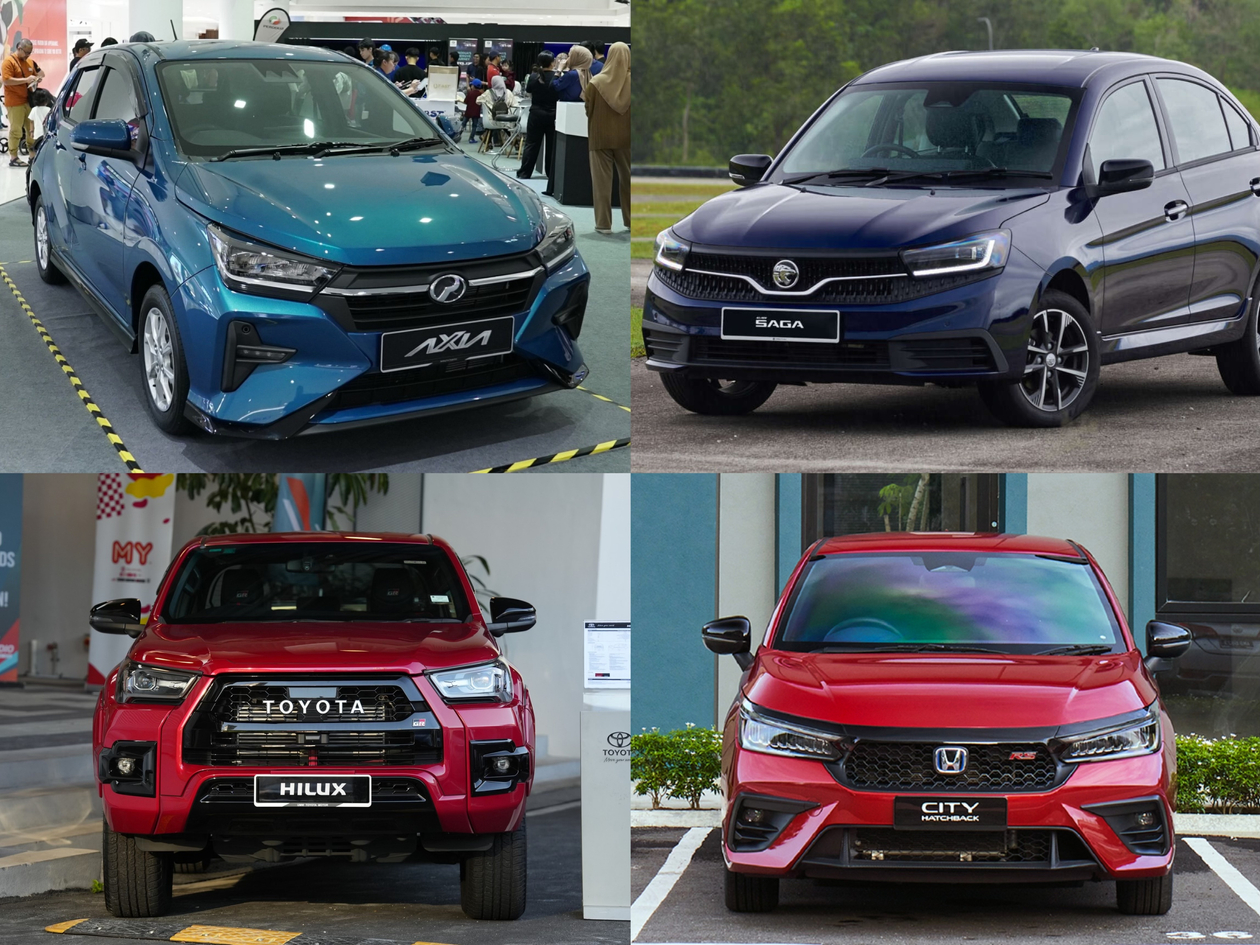
From the perspective of the brand pattern, local brands still occupy an absolute dominant position. Perodua and Proton, as the only two car brands in the country that can stably achieve a monthly sales volume of five digits, account for more than 70% of the total market share, firmly holding the right to speak in the market, while the monthly sales volume of other brands has long remained at the four-digit level.
The top 10 car brand sales rankings in Malaysia in February 2026 (Source: Officially released by Malaysia's Road Transport Department JPJ) are as follows. The rankings are intuitive and clear, accurately presenting the market performance of each brand in the current month:
|
Ranking |
Brand |
February Sales (Units) |
Market Share |
|
1 |
Perodua |
23,575 |
46.7% |
|
2 |
Proton |
13,447 |
26.7% |
|
3 |
Toyota |
6,993 |
13.9% |
|
4 |
Honda |
3,379 |
6.7% |
|
5 |
Chery |
938 |
1.9% |
|
6 |
Omoda|Jaecoo |
901 |
1.8% |
|
7 |
Mitsubishi |
889 |
1.8% |
|
8 |
Mercedes-Benz |
659 |
1.3% |
|
9 |
Isuzu |
527 |
1.0% |
|
10 |
BYD |
469 |
0.9% |
From the rankings and specific performance, Perodua ranks first with 23,575 new car registrations and a 46.7% market share, with an extremely obvious advantage, continuing its long-term dominant position in the market. Its entry-level family models have continuously gained the favor of Malaysian consumers by virtue of their high cost performance and product characteristics adapted to local needs, becoming the core force supporting the brand's high sales volume.
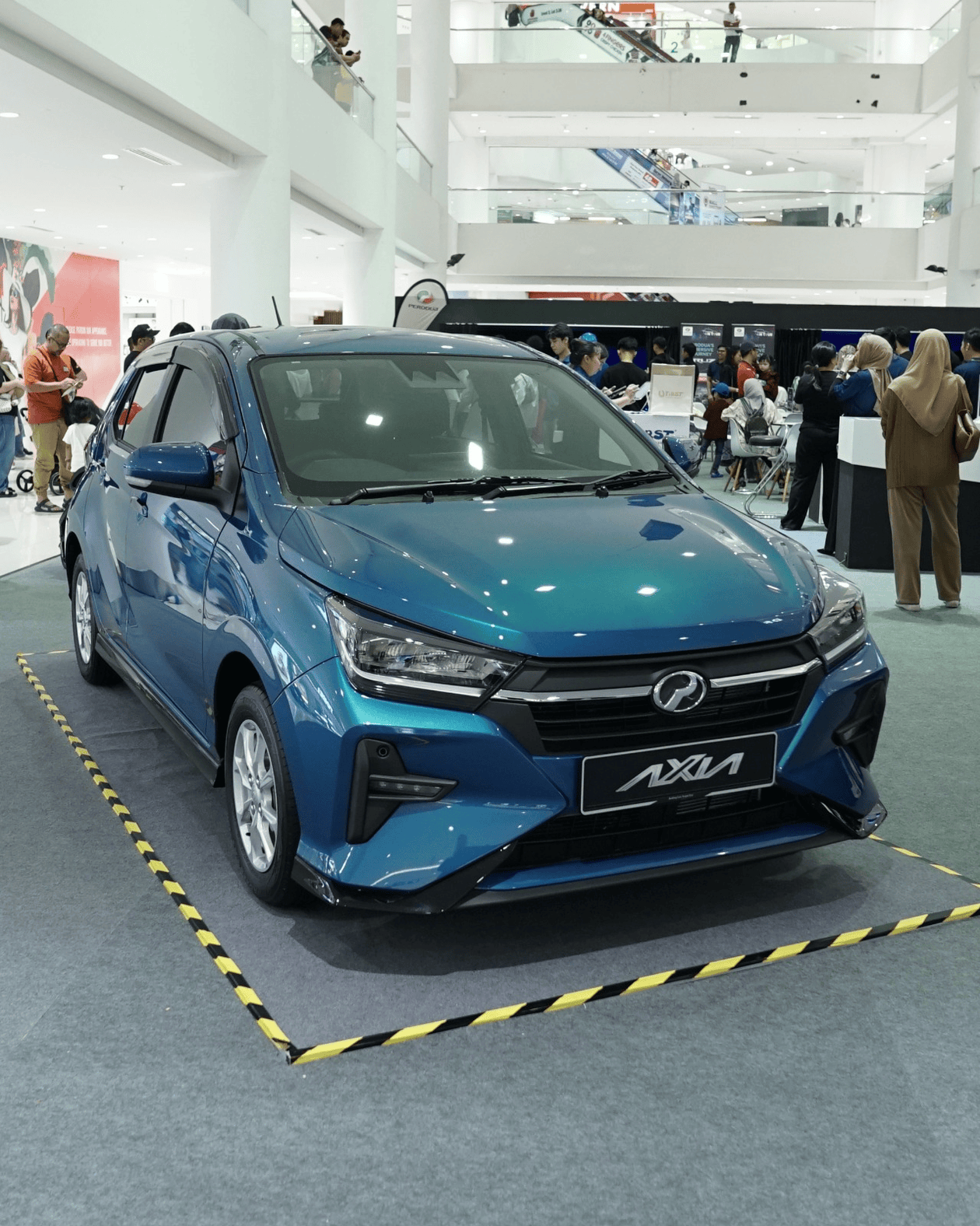
Proton ranks second with 13,447 sales and a 26.7% market share, a disadvantage of more than 10,000 units compared with Perodua. Nevertheless, it is still one of the only two brands in Malaysia that can stably achieve a monthly sales volume of five digits. Its national car Saga still performs strongly, becoming the core model supporting the brand's sales by virtue of its high cost performance and characteristics that meet local consumer needs, which is also consistent with the product upgrade trend of Proton after its cooperation with Geely.
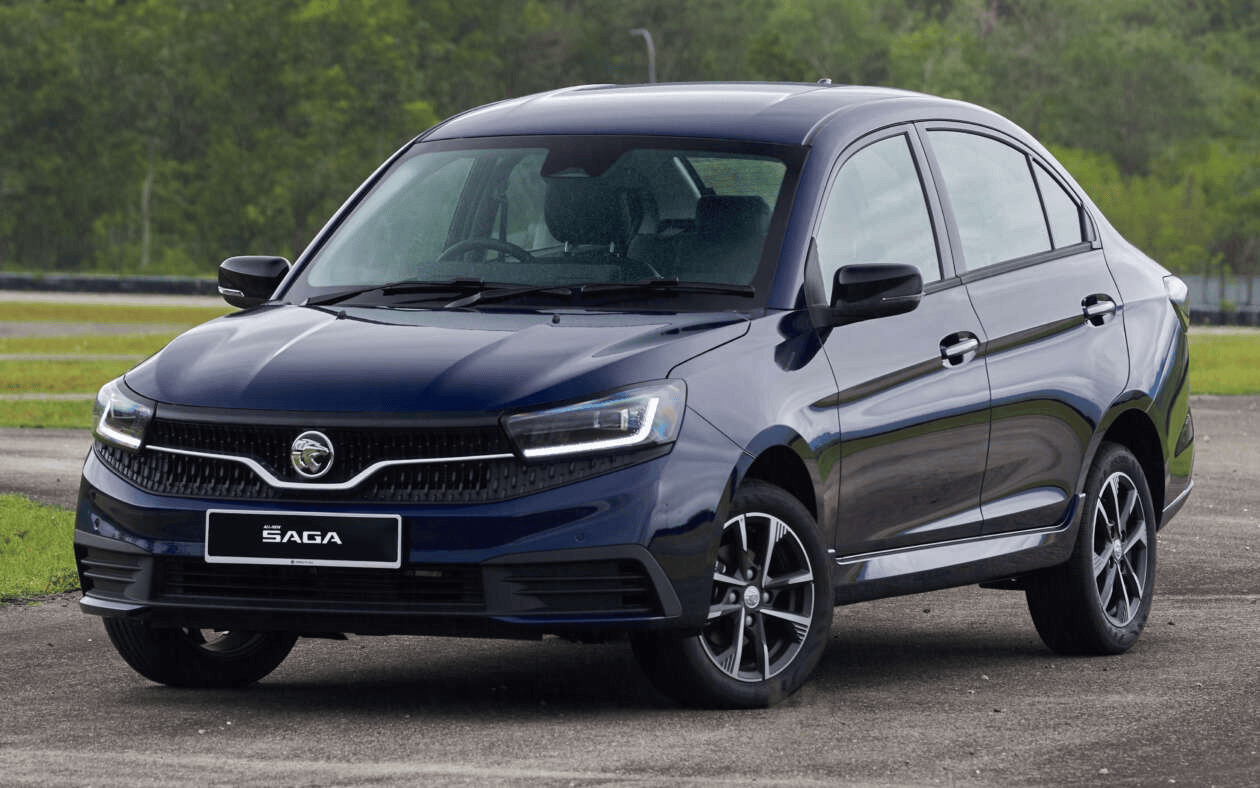
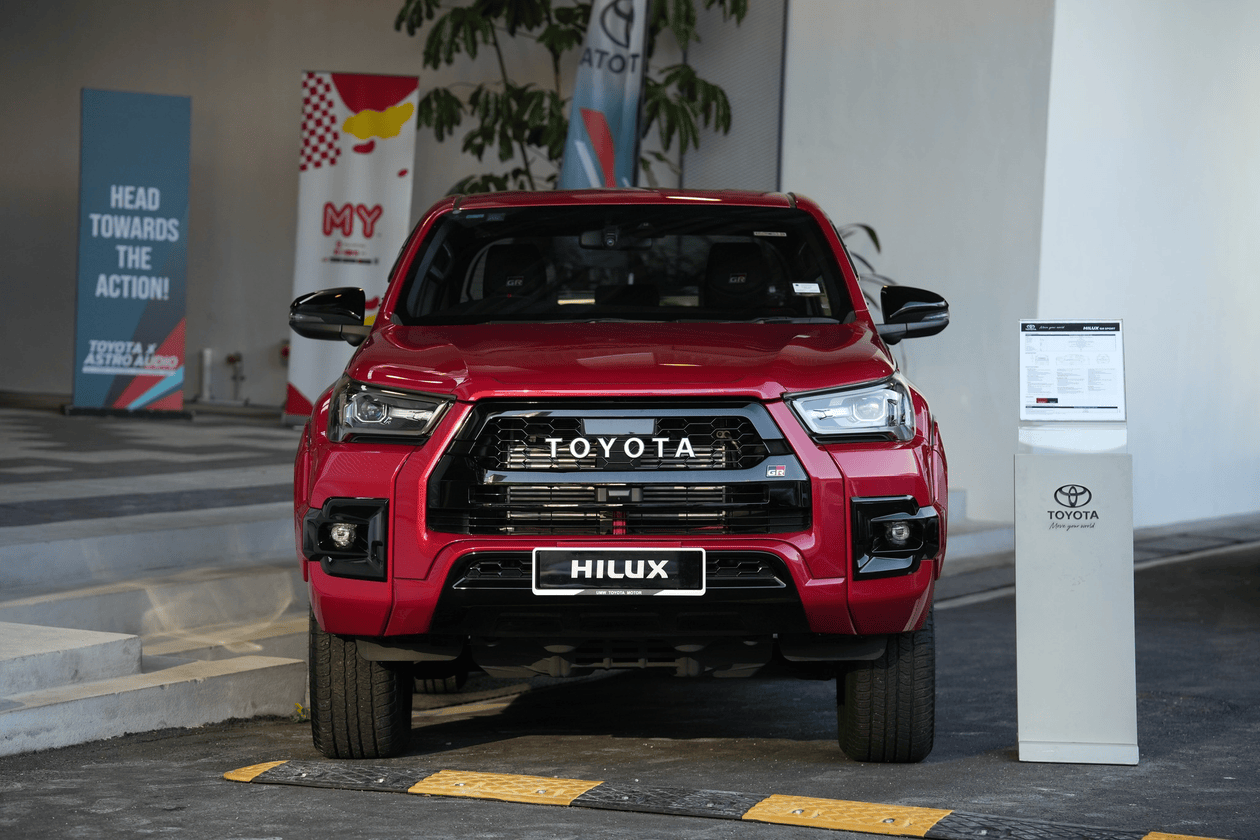
Japanese brands remain an important supplementary force in Malaysia's auto market, with Toyota and Honda ranking third and fourth respectively. Among them, Toyota, with 6,993 sales, is the leader of Japanese brands, occupying a considerable market share with its mature product system and extensive channel layout; Honda's sales reached 3,379 units, and its models meet local consumer needs and still have a stable user group. The two major Japanese brands together constitute the core force outside the local duopoly.
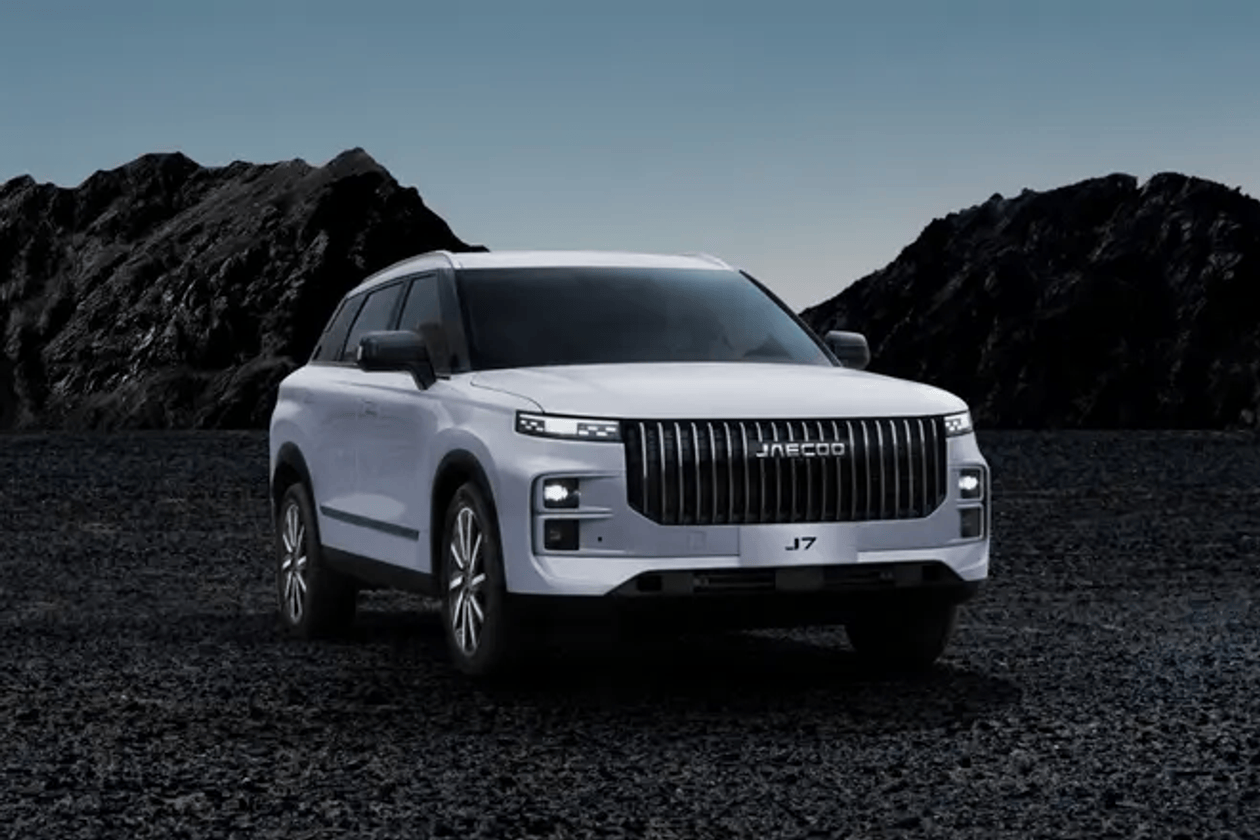
Chinese brands are making efforts on multiple fronts in the Malaysian market, among which the Chery Group performs particularly prominently. Chery ranks fifth with 938 sales, followed by Omoda|Jaecoo, which belongs to the same Chery Group, ranking sixth.
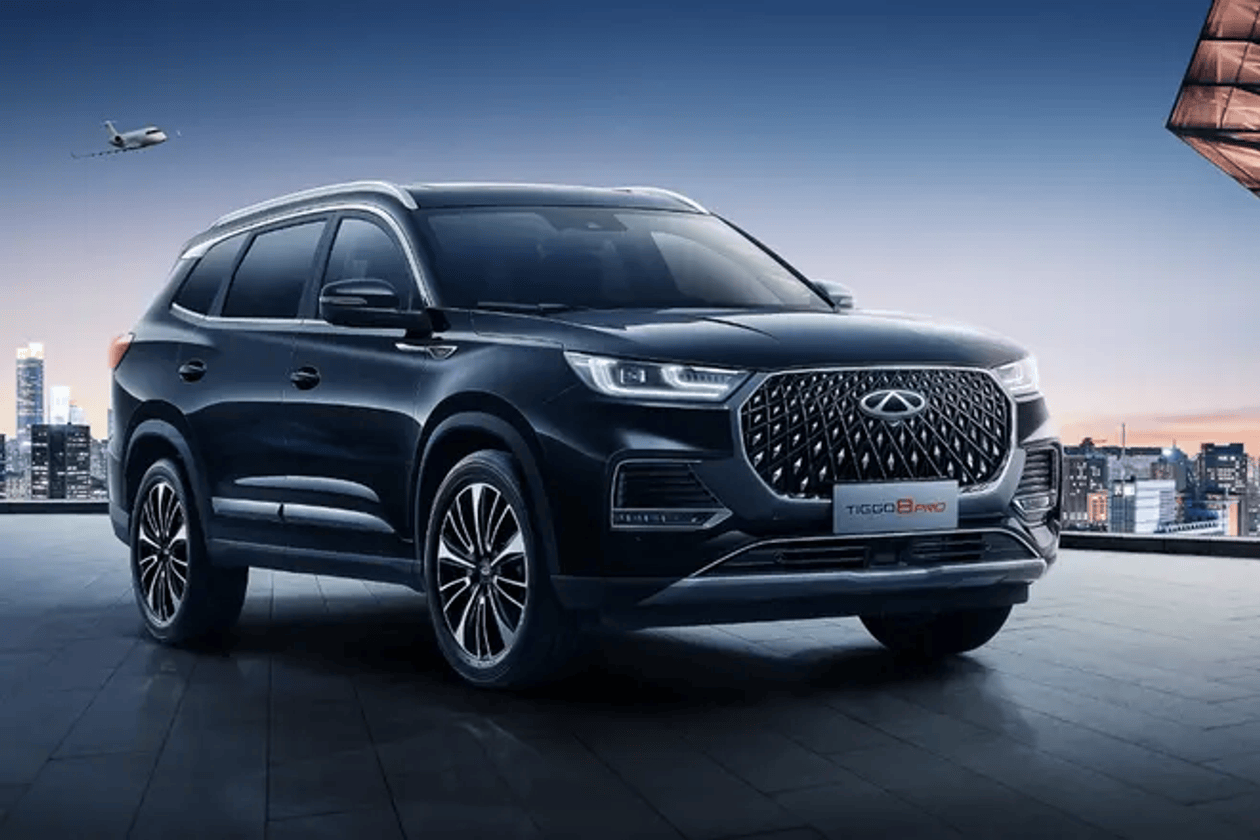
It is worth noting that although Chery, Omoda and Jaecoo belong to the same group, they emphasize to the outside world in the Malaysian market that they are different enterprises, have no subordinate relationship, and do not share sales and after-sales service systems, so their sales are calculated separately .
In addition, Jetour and iCaur (overseas version of icar), also under the Chery Group, successfully entered the top 20 sales list in the current month, ranking 15th and 16th with 297 and 294 sales respectively, showing the comprehensive layout advantage of the Chery Group in the Malaysian market. Among them, Omoda models have achieved local assembly in the local area, further enhancing market competitiveness [5]. BYD ranks 10th with 469 sales, continuing to make efforts in the new energy segment, and gradually expanding its market influence with mature electrification technology accumulation.
Brands ranked 7th to 10th are all overseas brands. Mitsubishi, Mercedes-Benz, Isuzu and BYD have sales of 889, 659, 527 and 469 units respectively, with market shares between 1.0% and 1.8%, showing steady performance.
Industry insiders analyzed that the fluctuation in car market sales in February was mainly affected by the seasonal factor of the Spring Festival holiday, and the overall market fundamentals remained stable. From the perspective of market trends, the dominant position of the local duopoly is difficult to shake in the short term, while the multi-brand layout of the Chery Group, the steady efforts of Japanese brands, and the gradual penetration of Chinese new energy-related brands will promote the pattern of Malaysia's auto market to develop in a more diversified direction. In the future, with the launch of more new cars and the advancement of local production, the auto market is expected to gradually recover, and consumers' demand for cost-effective models will remain the core driving force for market growth.
A relevant person in charge of the Malaysian Automotive Association (MAA) said that although car sales in February fluctuated due to seasonal factors, the annual auto market is still expected to maintain stable development, and sales in March are expected to rebound due to delivery demand before the Eid al-Fitr holiday. Based on Malaysia's auto sales of 820,752 units in 2025, the total annual sales are expected to approach the previously predicted level of 790,000 units, continuing the stable development trend of the market, and local production will become the core keyword for the future development of the auto market.

Your go-to source for all things automotive in Malaysia. 🚗 Latest reviews, breaking news, launches & industry trends.
+ Follow We saw this accident this morning, and here’s a reminder to everyone: please drive safe. 2 days ago
  The G50 BMW 3 series is now here, adopting much of the i3's design elements.
So, where's the BMW M3?
#bmw #BMW3Series 4 days ago
The G50 BMW 3 series is now here, adopting much of the i3's design elements.
So, where's the BMW M3?
#bmw #BMW3Series 4 days ago  DRIFT PARTY in Malaysia! Can the Xiaomi SU7, Yangwang U8 mix it up against JDM favourites in KL?
Our adventure with the Xiaomi SU7 and Yangwang U8 brings us to APDCrew circuit as we give witness a drift show. With pro drifters and fan-favourites - RX7s, S15s, Skylines, Supras, and more - in the mix, can our Xiaomi SU7 and Yangwang U8 hold their own?
It's also a quick look at Malaysian car culture, including some wildly modified minivans, and more!
#drift #malaysia #xiaomisu7 #yangwangu8 #larrychen #drifting #JDM跑車 4 days ago
DRIFT PARTY in Malaysia! Can the Xiaomi SU7, Yangwang U8 mix it up against JDM favourites in KL?
Our adventure with the Xiaomi SU7 and Yangwang U8 brings us to APDCrew circuit as we give witness a drift show. With pro drifters and fan-favourites - RX7s, S15s, Skylines, Supras, and more - in the mix, can our Xiaomi SU7 and Yangwang U8 hold their own?
It's also a quick look at Malaysian car culture, including some wildly modified minivans, and more!
#drift #malaysia #xiaomisu7 #yangwangu8 #larrychen #drifting #JDM跑車 4 days ago Get the latest car news first!
Your go-to source for all things automotive in Malaysia. 🚗 Latest reviews, breaking news, launches & industry trends.
We saw this accident this morning, and here’s a reminder to everyone: please drive safe. 2 days ago The G50 BMW 3 series is now here, adopting much of the i3's design elements.
So, where's the BMW M3?
#bmw #BMW3Series 4 days ago DRIFT PARTY in Malaysia! Can the Xiaomi SU7, Yangwang U8 mix it up against JDM favourites in KL?
Our adventure with the Xiaomi SU7 and Yangwang U8 brings us to APDCrew circuit as we give witness a drift show. With pro drifters and fan-favourites - RX7s, S15s, Skylines, Supras, and more - in the mix, can our Xiaomi SU7 and Yangwang U8 hold their own?
It's also a quick look at Malaysian car culture, including some wildly modified minivans, and more!
#drift #malaysia #xiaomisu7 #yangwangu8 #larrychen #drifting #JDM跑車 4 days ago  ProtonGWMVolkswagenJAECOOVolvoPeroduaToyotaHondaTESLAMitsubishiMazdaJetourCheryBYDLexusBMWMercedes-BenziCAURZeekrIsuzuNissanLeapmotorPorscheFordOMODAMINIMGSuzukiXPengHyundaiWulingKiaSubaruDenzaGACLand RoverDongfengCAMAudiPeugeotFotonMAXUSsmartDaihatsuJACJMCMaseratiLotusAlfa RomeoRenaultGolden DragonKaiceneSeresLamborghiniFerrariJeepRolls-RoyceLepasAston MartinMcLarenChevroletBentleyFiatBAICForthingGeelyRoeweAeolusChanganARCFOXDeepalExeedHongqiVoyahJaguarKGMBuforiAcuraCadillacDodgeAbarthINEOSMHEROJMEVFreelander
 © 2024 Bitauto.com. All Rights Reserved.
Bitauto (www.yiche.com and www.bitauto.com) is one of the most visited automotive websites in China. We provide detailed info on Chinese car brands available in your area. Please note that the information provided on this website is based on publicly available data and is for reference only. It may not be fully updated or accurate at all times.
Help us improve our website


