
Search History
Popular Searches
English
Dealer Login / Sign Up
In response to intense global competition and mounting financial pressure, Nissan has officially announced its latest long-term strategic vision. To stem heavy losses and return to sustainable growth, the Japanese automaker will adopt a "leaner" strategy, reducing its global model lineup from 56 to 45 vehicles and reallocating resources to high-potential segments.
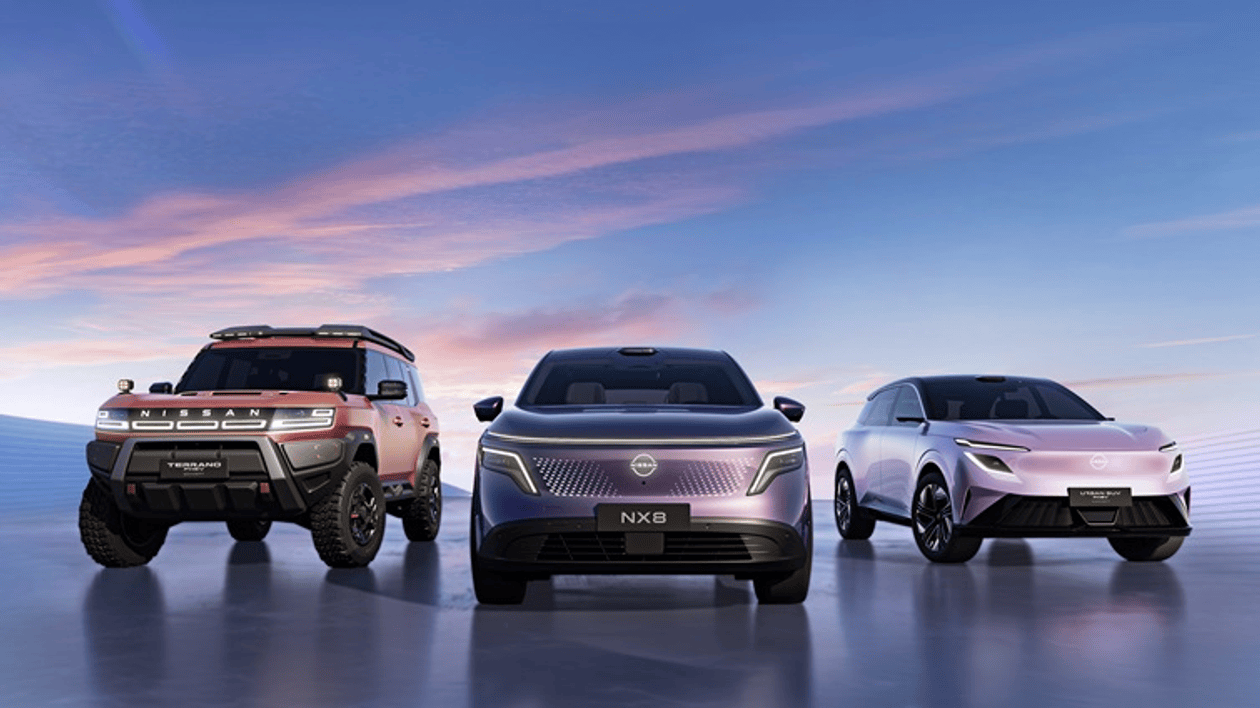
Nissan will now concentrate its product development on four strategic categories.
The company has set an ambitious target: 80% of future sales will come from just three "Core Model Families". By focusing resources, Nissan aims to shorten development cycles and increase average per-unit sales volume by more than 30%.
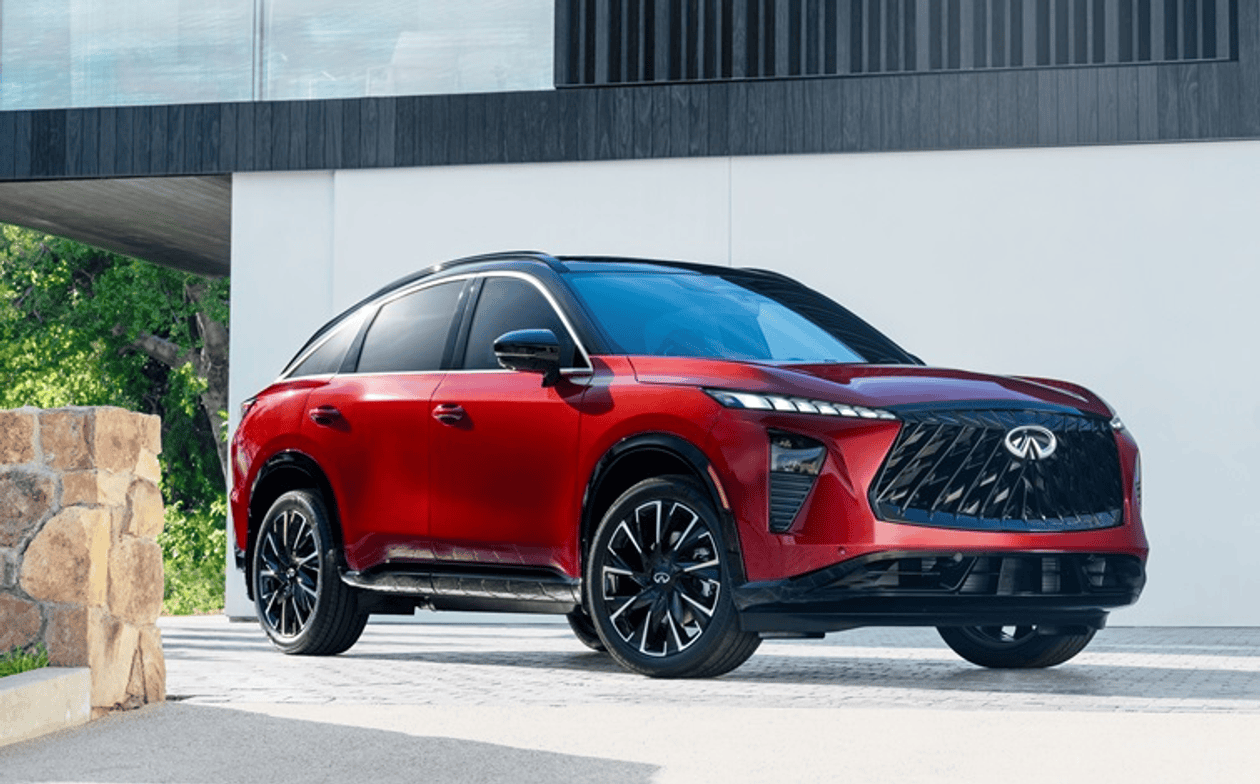
In the premium segment, Infiniti will play a key role in Nissan's recovery. The all-new 2027 QX65 SUV is scheduled to debut this spring. Infiniti also confirmed plans to launch:
Nissan has identified Japan, the United States, and China as its three core markets.
Japan: Target of 550,000 annual sales by FY2030, with focus on compact cars
United States: Aim to return to the 1 million-unit annual sales club by FY2030
China: Despite sales dropping sharply to around 650,000 units in 2025 (halved from its peak), Nissan plans to transform its China operations into a global export hub, leveraging local R&D capabilities and cost advantages to achieve 1 million units annually by FY2030.
According to Nissan's Q3 FY2025 financial report, the company's situation remains critical.
Nissan attributed the heavy losses to declining sales, restructuring costs from mass layoffs, and the impact of US tariff policies.
Although Nissan's strategy focuses primarily on China, the US, and Japan, the significant streamlining of its global lineup will inevitably impact the Malaysian market.
Currently, Nissan's Malaysian lineup (distributed by Tan Chong Motor) is relatively limited. As the company shifts its focus toward e-POWER hybrids and electrified vehicles, the introduction of new models in Malaysia will likely depend on the success of its China export strategy. If Nissan can effectively reduce costs for its New Energy Vehicles in China, Malaysian consumers may benefit from more competitively priced electrified Nissans in the coming years.
Nissan is currently undergoing a painful but necessary "survival of the fittest" restructuring. The key question remains: Can this veteran Japanese automaker successfully stage a comeback with a significantly leaner lineup of just 45 models while facing fierce competition from aggressive brands?

Your go-to source for all things automotive in Malaysia. 🚗 Latest reviews, breaking news, launches & industry trends.
+ Follow Bookings are now opened for the upcoming 2027 GWM Ora 5 HEV!
RM 115k estimated? That's quite a deal, don't you think? 1 minute ago
Bookings are now opened for the upcoming 2027 GWM Ora 5 HEV!
RM 115k estimated? That's quite a deal, don't you think? 1 minute ago  This weekend is your chance to own a Volvo Selekt Certified Used Car, priced from just RM 148,000.
What are you waiting for?
#volvo 1 minute ago
This weekend is your chance to own a Volvo Selekt Certified Used Car, priced from just RM 148,000.
What are you waiting for?
#volvo 1 minute ago  We saw this accident this morning, and here’s a reminder to everyone: please drive safe. 3 days ago
 Get the latest car news first!
Your go-to source for all things automotive in Malaysia. 🚗 Latest reviews, breaking news, launches & industry trends.
Bookings are now opened for the upcoming 2027 GWM Ora 5 HEV!
RM 115k estimated? That's quite a deal, don't you think? 1 minute ago This weekend is your chance to own a Volvo Selekt Certified Used Car, priced from just RM 148,000.
What are you waiting for?
#volvo 1 minute ago We saw this accident this morning, and here’s a reminder to everyone: please drive safe. 3 days ago  ProtonGWMVolkswagenJAECOOVolvoPeroduaToyotaHondaTESLAMitsubishiMazdaJetourCheryBYDLexusBMWMercedes-BenziCAURZeekrIsuzuNissanLeapmotorPorscheFordOMODAMINIMGSuzukiXPengHyundaiWulingKiaSubaruDenzaGACLand RoverDongfengCAMAudiPeugeotFotonMAXUSsmartDaihatsuJACJMCMaseratiLotusAlfa RomeoRenaultGolden DragonKaiceneSeresLamborghiniFerrariJeepRolls-RoyceLepasAston MartinMcLarenChevroletBentleyFiatBAICForthingGeelyRoeweAeolusChanganARCFOXDeepalExeedHongqiVoyahJaguarKGMBuforiAcuraCadillacDodgeAbarthINEOSMHEROJMEVFreelander
 © 2024 Bitauto.com. All Rights Reserved.
Bitauto (www.yiche.com and www.bitauto.com) is one of the most visited automotive websites in China. We provide detailed info on Chinese car brands available in your area. Please note that the information provided on this website is based on publicly available data and is for reference only. It may not be fully updated or accurate at all times.
Help us improve our website


