
Search History
Popular Searches
English
Dealer Login / Sign Up
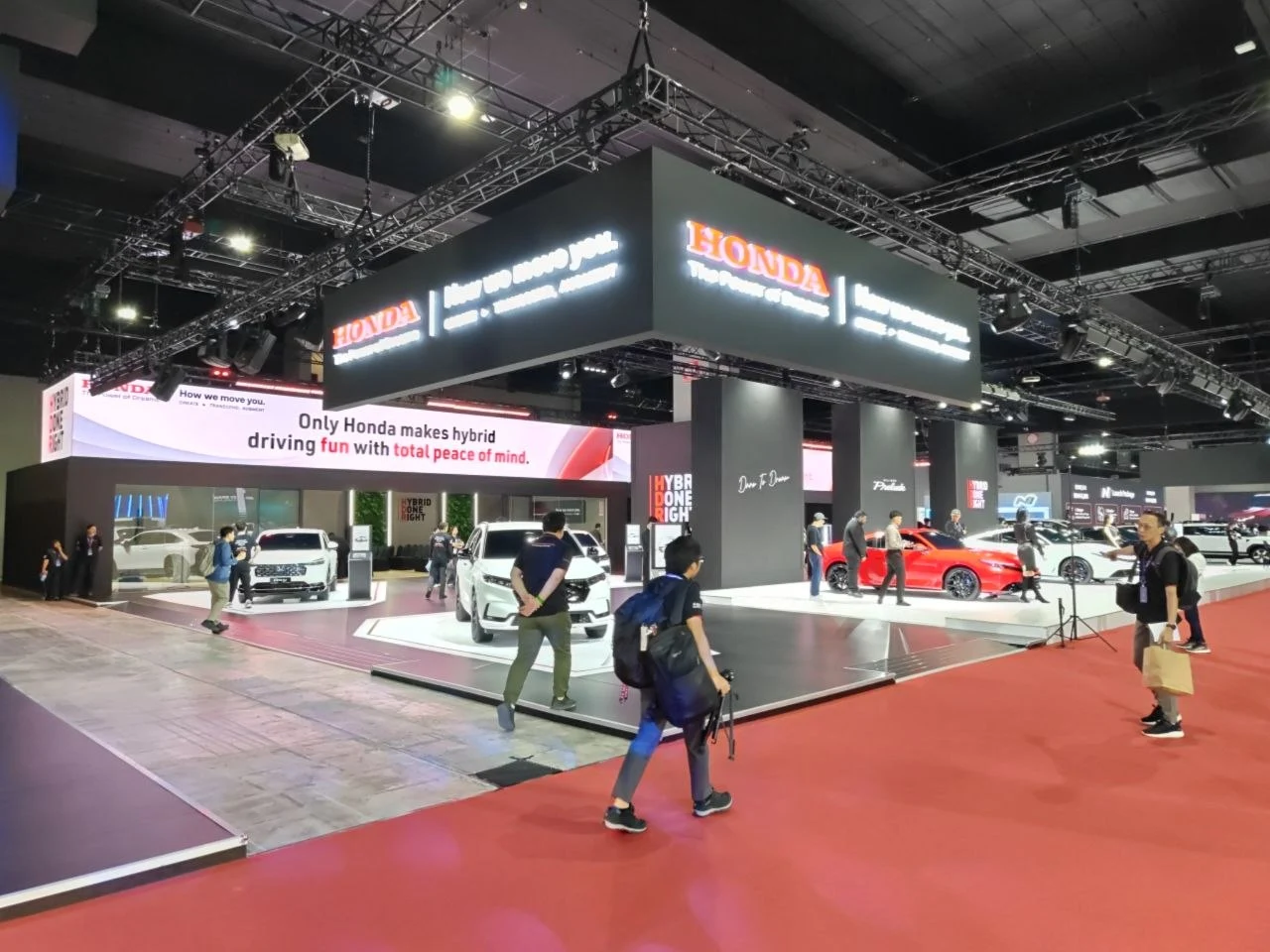
Honda arrives at KLIMS 2026 with the momentum of a major product refresh already in market. The updated CR-V, launched locally in March, now leads the brand's SUV charge with expanded e:HEV hybrid representation across the range. By replacing the outgoing LaneWatch system with Blind Spot Information on the updated model, Honda signals a shift toward conventional active-safety packaging that Malaysian families increasingly expect in the upper mainstream SUV segment.
The CR-V's role is no longer simply to defend Honda's turf against traditional Japanese rivals; it now serves as a direct mainstream benchmark for the recent wave of Chinese electrified crossovers. Where newer competitors lead on battery size and digital cabin concepts, Honda counters with the familiarity of its hybrid drivetrain and a cabin philosophy that prioritises family ergonomics over novelty.
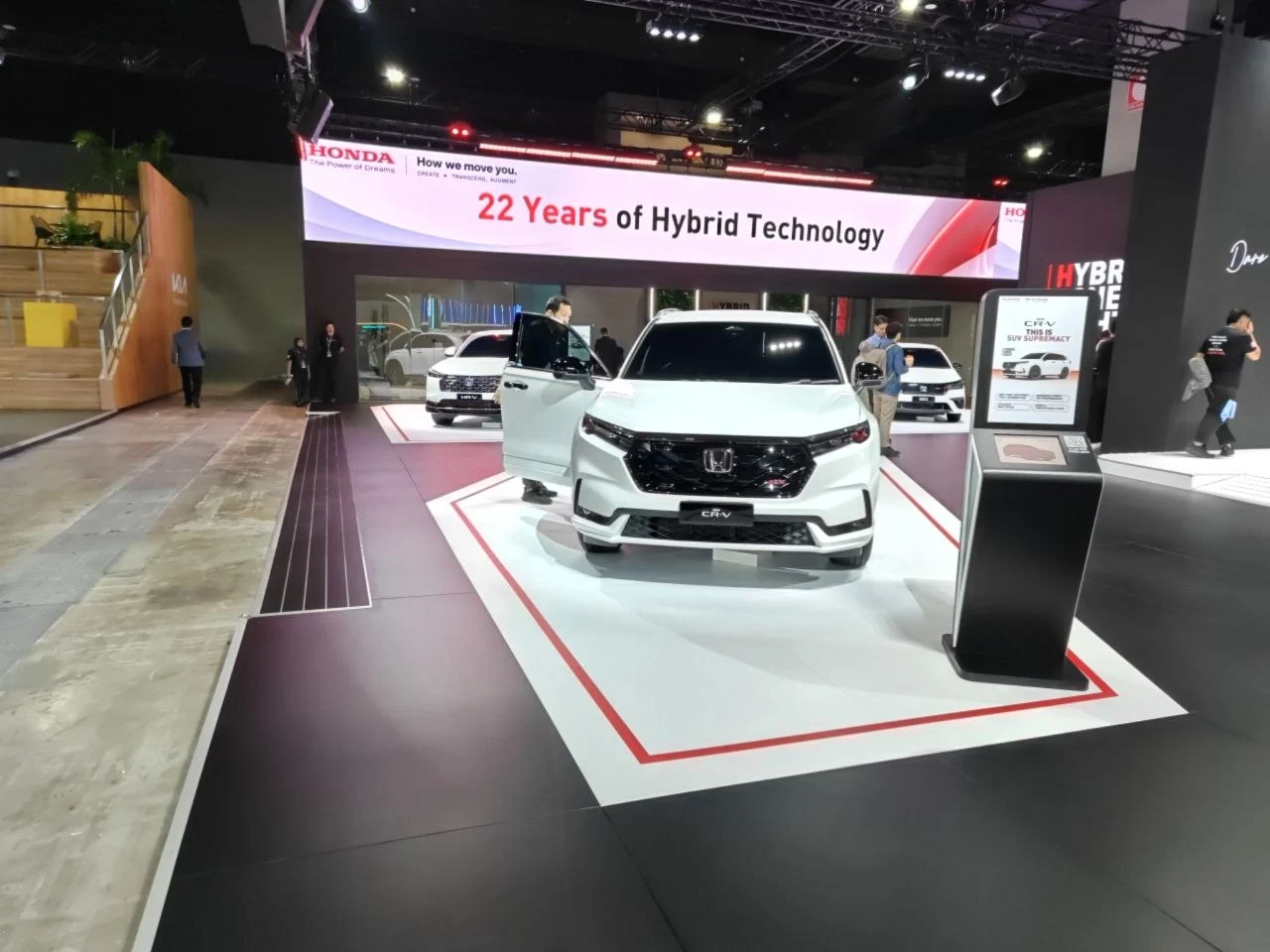
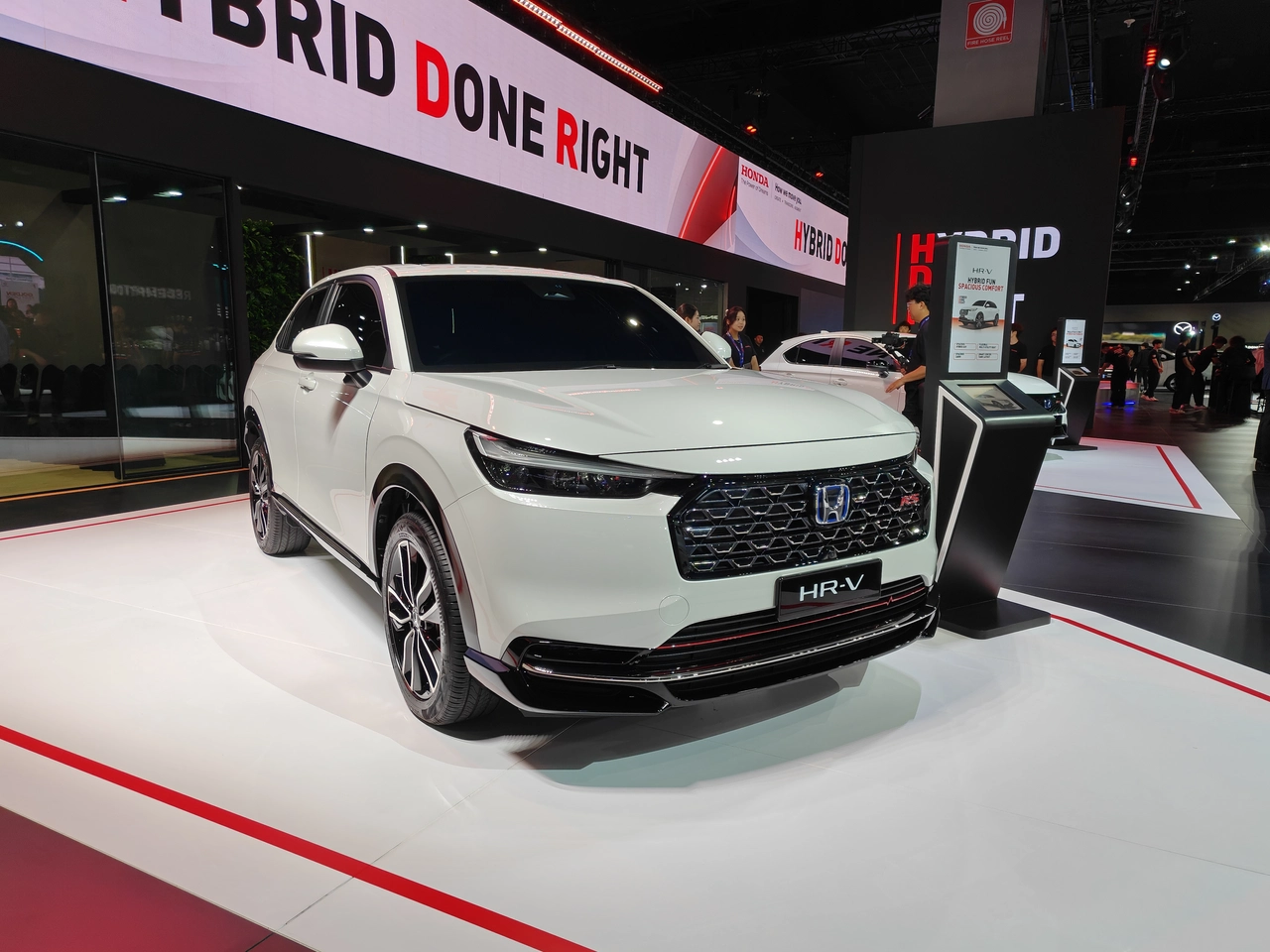
While several KLIMS exhibitors race to stake claims in the full-electric space, Honda Malaysia's 2026 narrative centres on hybrid proliferation. The company has outlined six new model introductions for the year and debuted its S+ Shift hybrid technology, reinforcing a powertrain strategy that leans on petrol-electric efficiency without asking buyers to rewire their garage or recalibrate their driving habits for charging infrastructure.
This is a calculated market choice. In a year when Proton eMAS and BYD are normalising battery-electric ownership at the entry level, Honda is betting that a significant slice of Malaysian upgraders still prefer the flexibility of a self-charging hybrid for interstate travel and urban commuting alike. The absence of a fully electric Honda in the local lineup is therefore less a gap than a statement of priority.
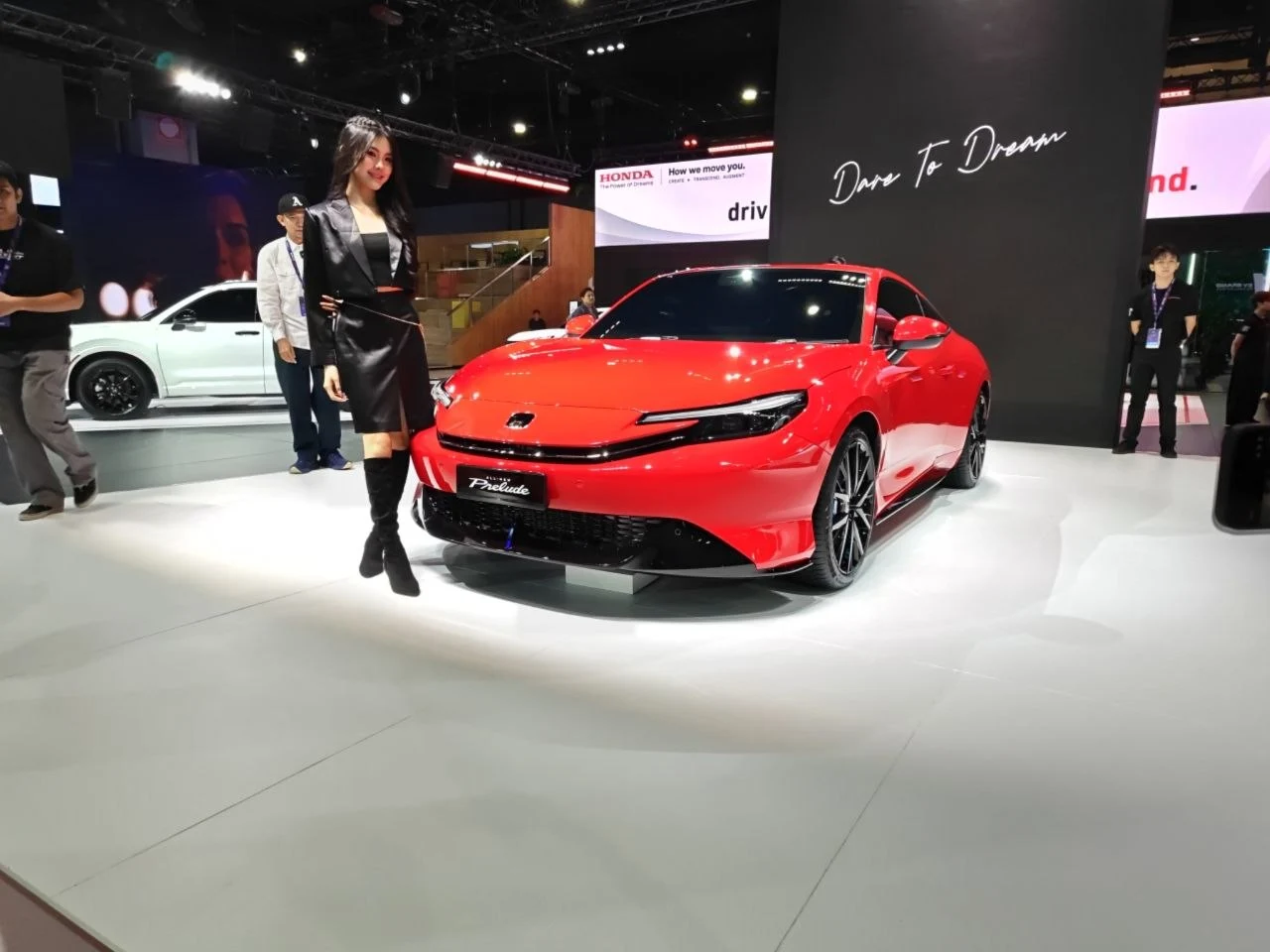
Beyond the CR-V, Honda's showroom breadth remains defined by the City, Civic, HR-V and WR-V. These nameplates continue to deliver the brand's volume and attract a younger family demographic that values resale predictability and low-cost maintenance. At KLIMS, the presence of these models underscores Honda's refusal to let the spotlight drift entirely toward flagship SUVs.
The Civic in particular retains a cultural foothold among Malaysian enthusiasts that few compact sedans from newer brands can replicate, while the HR-V remains a default consideration for buyers stepping up from a first national-brand car into the non-national segment. Together, they form a defensive wall that protects Honda's relevance in the mass-market heartland where most young families shop for their next upgrade.
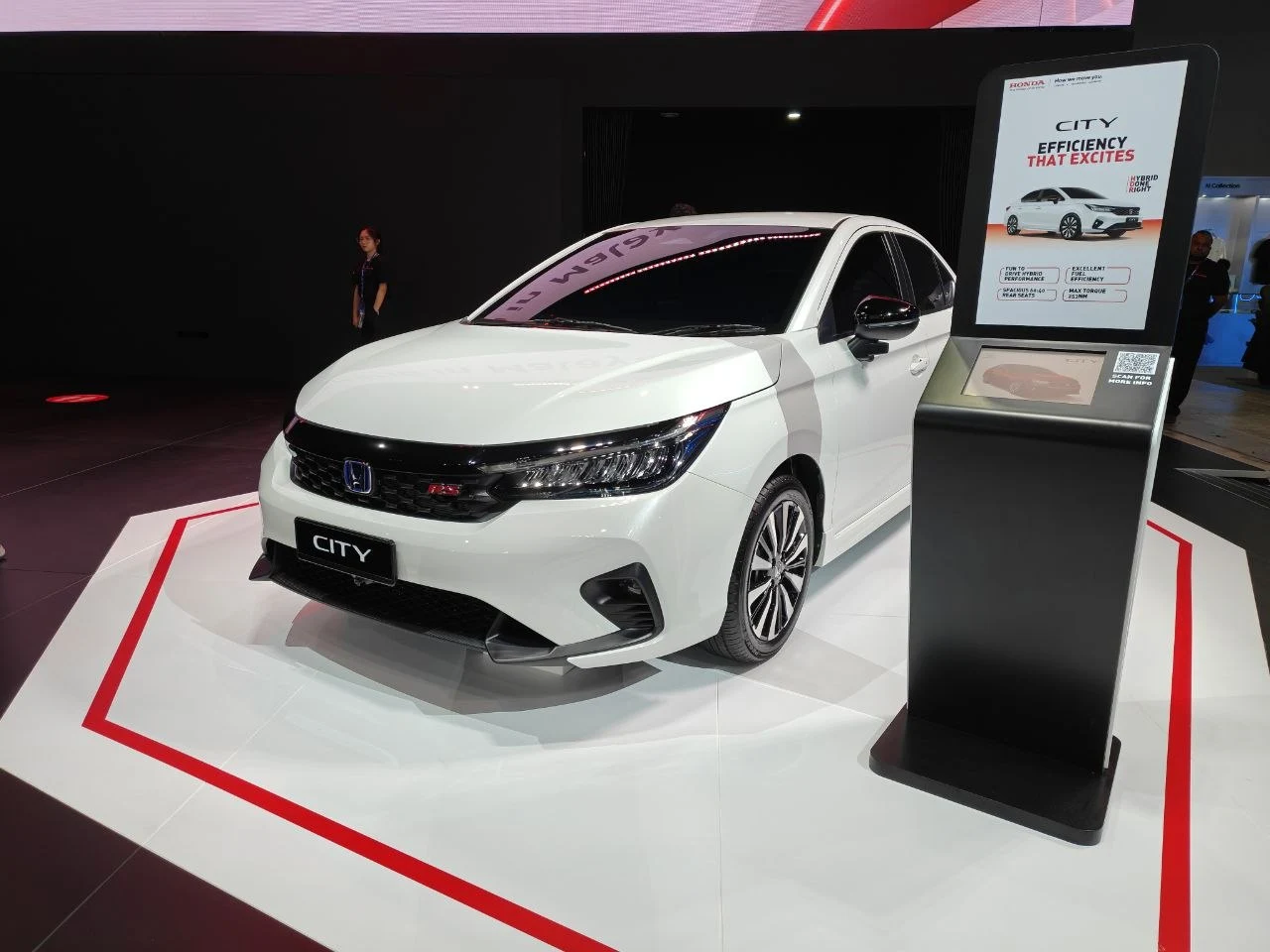
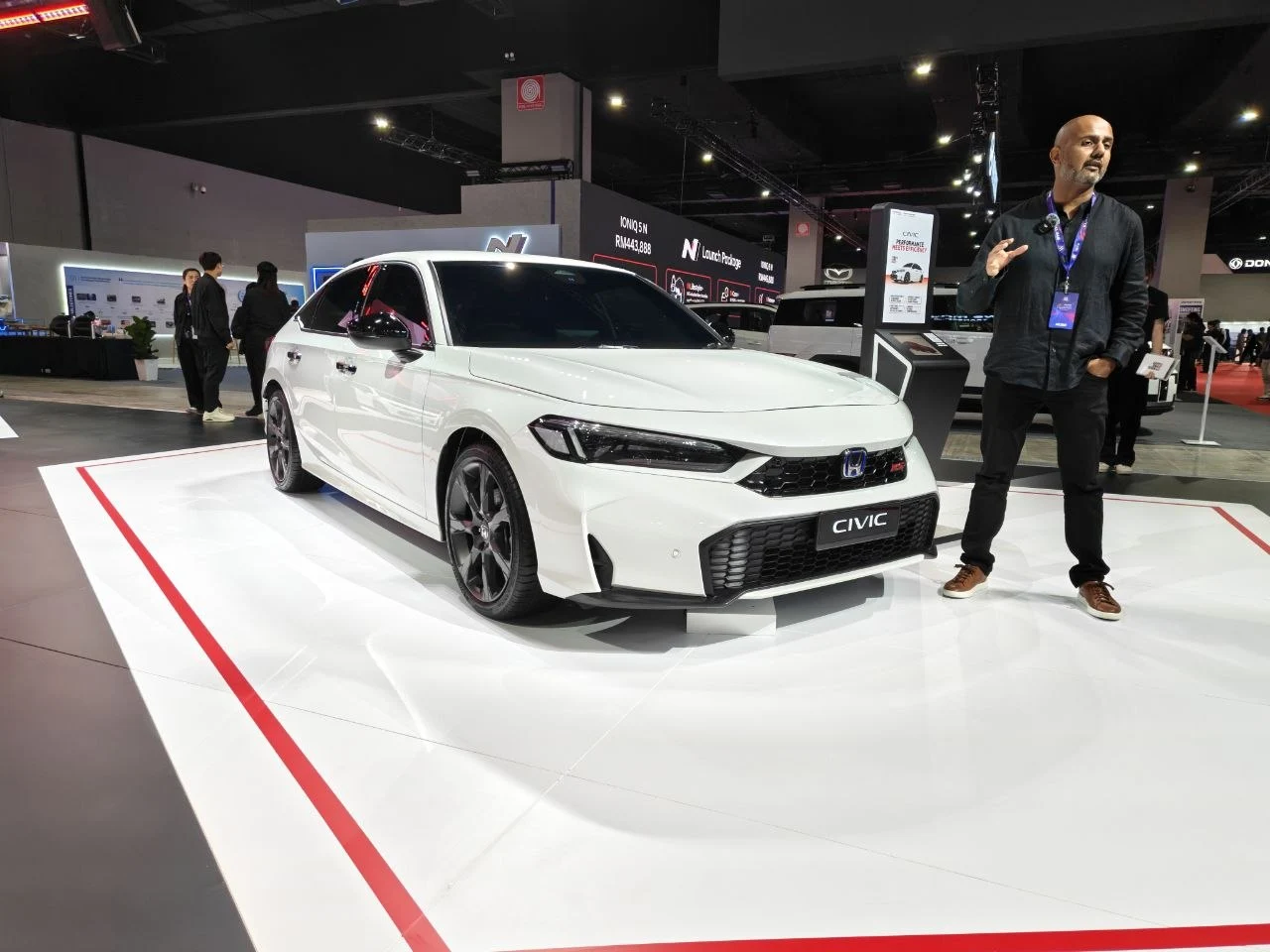
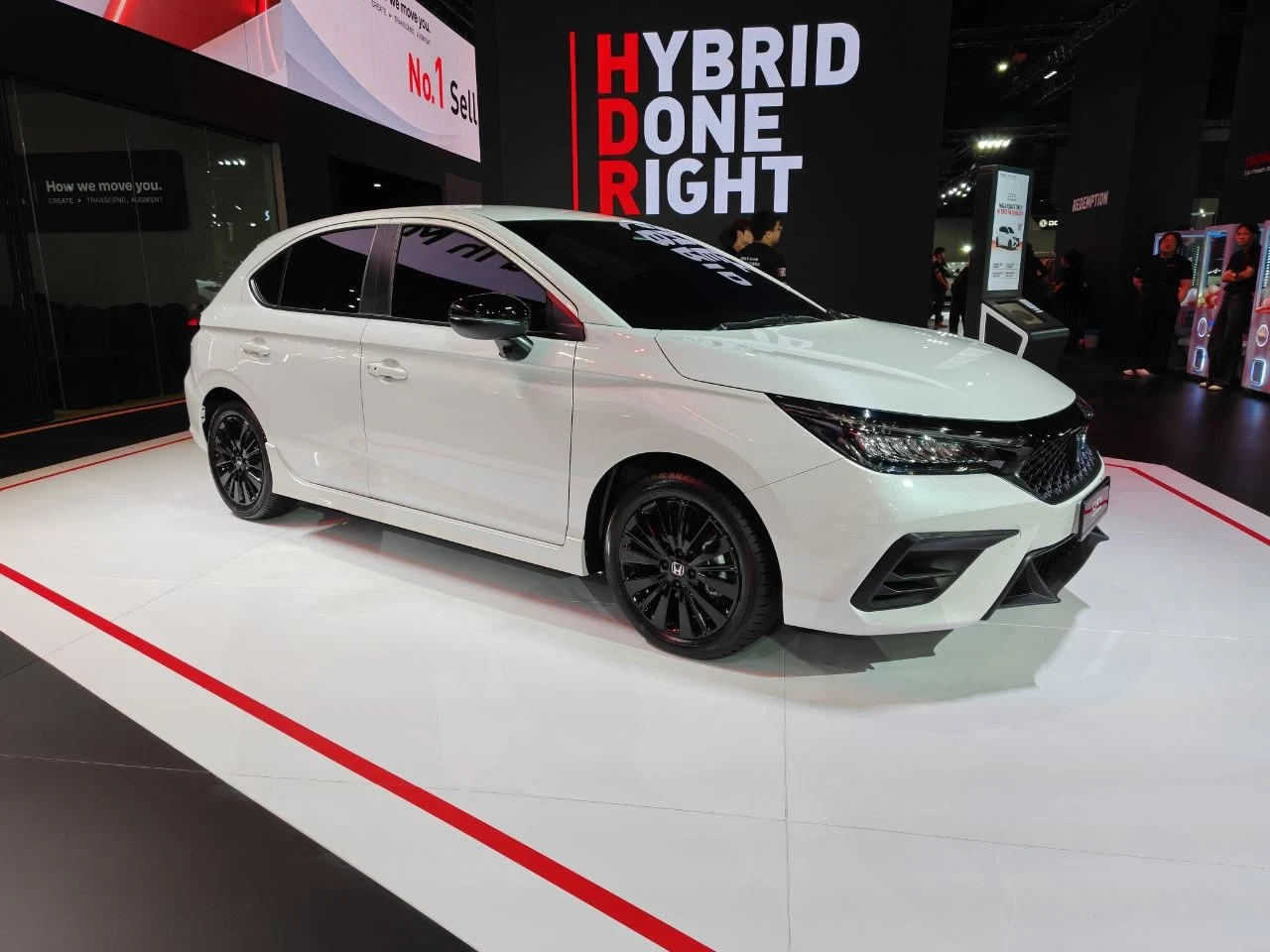
Honda's long-standing CKD operations in Malaysia give it a structural advantage that purely imported newcomers struggle to match. Local manufacturing has historically allowed Honda Malaysia to tune pricing and specification for domestic tastes, and that relationship with the market matters as Chinese rivals establish their own CKD footprints. The assembly presence also underpins after-sales confidence; for a mainstream buyer comparing a Honda hybrid against an electrified alternative from a brand that arrived only recently, the knowledge that parts, trained technicians and a dense dealer network already exist often tips the decision.
KLIMS 2026 places Honda in an unusual position: it is simultaneously the establishment and the party under scrutiny. With Perodua and Proton locking down the value-conscious base, and with BYD, GWM and Denza rapidly expanding their electrified offerings above that base, Honda must prove that its blend of hybrid technology, segment experience and local manufacturing still defines the rational middle ground.
The brand is not attempting to out-spec rivals on sheer battery range or acceleration figures, nor is it retreating to nostalgia. Instead, Honda's display communicates continuity—an argument that measured electrification, delivered through familiar nameplates and supported by decades of local presence, remains a defensible and desirable choice even as the market's definition of new energy grows louder around it.

Your go-to source for all things automotive in Malaysia. 🚗 Latest reviews, breaking news, launches & industry trends.
+ Follow Kereta Rally Karamjit Singh & Proton Wira Schumacher Ada Sini! | HME Asia 2026
Hujung minggu dah tiba dan anda mencari sesuatu untuk cuci mata? Jemput datang ke Heritage Motor Exchange Asia 2026 yang berlangsung di Dewal Merdeka, World Trade Centre (WTC) Kuala Lumpur!
Berbeza dengan pameran biasa, acara ini memberi tumpuan khas kepada kenderaan-kenderaan warisan dan klasik yang menggamit memori. Antara daya tarikan utama yang dipamerkan termasuk:
🏎️ Kereta Rally Legenda: Kereta rally ikonik yang pernah dipandu oleh pemandu legenda negara, Karamjit Singh!
🏎️ Proton Wira Schumacher: Model Proton Wira penuh sejarah yang pernah dipandu oleh pelumba F1 legenda, Michael Schumacher!
🚘 Kereta Klasik & Mewah: Mercedes-Benz W111 Cabriolet (1960-an), Rolls-Royce Silver Cloud, Jaguar E-Type, dan pelbagai lagi model berprestasi tinggi.
Membawa tema "When Passion Meets Acquisition", pameran ini menghimpunkan lebih 50 buah kereta daripada pelbagai era. Ia turut memperkenalkan sistem penilaian Concours 100 mata serta kemudahan urusan pemeriksaan, insurans, dan cukai jalan bersama agensi seperti Puspakom dan JPJ di lokasi.
📅 Tarikh: 23 – 25 Oktober 2026
📍 Lokasi: Dewan Merdeka, WTC Kuala Lumpur
Tonton video ini sampai habis untuk lihat sendiri kehebatan jentera-jentera klasik ini! Jangan lupa untuk Like, Comment, dan Subscribe ke saluran BitAuto!
#HeritageMotorExchange #HMEAsia2026 #BitAuto #WTCKL #KeretaKlasik 1 day ago
Kereta Rally Karamjit Singh & Proton Wira Schumacher Ada Sini! | HME Asia 2026
Hujung minggu dah tiba dan anda mencari sesuatu untuk cuci mata? Jemput datang ke Heritage Motor Exchange Asia 2026 yang berlangsung di Dewal Merdeka, World Trade Centre (WTC) Kuala Lumpur!
Berbeza dengan pameran biasa, acara ini memberi tumpuan khas kepada kenderaan-kenderaan warisan dan klasik yang menggamit memori. Antara daya tarikan utama yang dipamerkan termasuk:
🏎️ Kereta Rally Legenda: Kereta rally ikonik yang pernah dipandu oleh pemandu legenda negara, Karamjit Singh!
🏎️ Proton Wira Schumacher: Model Proton Wira penuh sejarah yang pernah dipandu oleh pelumba F1 legenda, Michael Schumacher!
🚘 Kereta Klasik & Mewah: Mercedes-Benz W111 Cabriolet (1960-an), Rolls-Royce Silver Cloud, Jaguar E-Type, dan pelbagai lagi model berprestasi tinggi.
Membawa tema "When Passion Meets Acquisition", pameran ini menghimpunkan lebih 50 buah kereta daripada pelbagai era. Ia turut memperkenalkan sistem penilaian Concours 100 mata serta kemudahan urusan pemeriksaan, insurans, dan cukai jalan bersama agensi seperti Puspakom dan JPJ di lokasi.
📅 Tarikh: 23 – 25 Oktober 2026
📍 Lokasi: Dewan Merdeka, WTC Kuala Lumpur
Tonton video ini sampai habis untuk lihat sendiri kehebatan jentera-jentera klasik ini! Jangan lupa untuk Like, Comment, dan Subscribe ke saluran BitAuto!
#HeritageMotorExchange #HMEAsia2026 #BitAuto #WTCKL #KeretaKlasik 1 day ago  Rare cars, legendary icons and automotive dreams come alive at Heritage Motor Exchange Asia!
#HMEA #HeritageMotorExchangeAsia #ClassicCars #Supercars #CarCulture #MalaysiaCars 1 day ago
Rare cars, legendary icons and automotive dreams come alive at Heritage Motor Exchange Asia!
#HMEA #HeritageMotorExchangeAsia #ClassicCars #Supercars #CarCulture #MalaysiaCars 1 day ago  Waze could be banned?
IT seems like the Malaysian government may look into banning Waze, but only when local alternatives are ready. 1 day ago
Waze could be banned?
IT seems like the Malaysian government may look into banning Waze, but only when local alternatives are ready. 1 day ago Get the latest car news first!
Your go-to source for all things automotive in Malaysia. 🚗 Latest reviews, breaking news, launches & industry trends.
Kereta Rally Karamjit Singh & Proton Wira Schumacher Ada Sini! | HME Asia 2026
Hujung minggu dah tiba dan anda mencari sesuatu untuk cuci mata? Jemput datang ke Heritage Motor Exchange Asia 2026 yang berlangsung di Dewal Merdeka, World Trade Centre (WTC) Kuala Lumpur!
Berbeza dengan pameran biasa, acara ini memberi tumpuan khas kepada kenderaan-kenderaan warisan dan klasik yang menggamit memori. Antara daya tarikan utama yang dipamerkan termasuk:
🏎️ Kereta Rally Legenda: Kereta rally ikonik yang pernah dipandu oleh pemandu legenda negara, Karamjit Singh!
🏎️ Proton Wira Schumacher: Model Proton Wira penuh sejarah yang pernah dipandu oleh pelumba F1 legenda, Michael Schumacher!
🚘 Kereta Klasik & Mewah: Mercedes-Benz W111 Cabriolet (1960-an), Rolls-Royce Silver Cloud, Jaguar E-Type, dan pelbagai lagi model berprestasi tinggi.
Membawa tema "When Passion Meets Acquisition", pameran ini menghimpunkan lebih 50 buah kereta daripada pelbagai era. Ia turut memperkenalkan sistem penilaian Concours 100 mata serta kemudahan urusan pemeriksaan, insurans, dan cukai jalan bersama agensi seperti Puspakom dan JPJ di lokasi.
📅 Tarikh: 23 – 25 Oktober 2026
📍 Lokasi: Dewan Merdeka, WTC Kuala Lumpur
Tonton video ini sampai habis untuk lihat sendiri kehebatan jentera-jentera klasik ini! Jangan lupa untuk Like, Comment, dan Subscribe ke saluran BitAuto!
#HeritageMotorExchange #HMEAsia2026 #BitAuto #WTCKL #KeretaKlasik 1 day ago Rare cars, legendary icons and automotive dreams come alive at Heritage Motor Exchange Asia!
#HMEA #HeritageMotorExchangeAsia #ClassicCars #Supercars #CarCulture #MalaysiaCars 1 day ago Waze could be banned?
IT seems like the Malaysian government may look into banning Waze, but only when local alternatives are ready. 1 day ago © 2024 Bitauto.com. All Rights Reserved.
Bitauto (www.yiche.com and www.bitauto.com) is one of the most visited automotive websites in China. We provide detailed info on Chinese car brands available in your area. Please note that the information provided on this website is based on publicly available data and is for reference only. It may not be fully updated or accurate at all times.

Help us improve our website


