
Search History
Popular Searches
English
Dealer Login / Sign Up
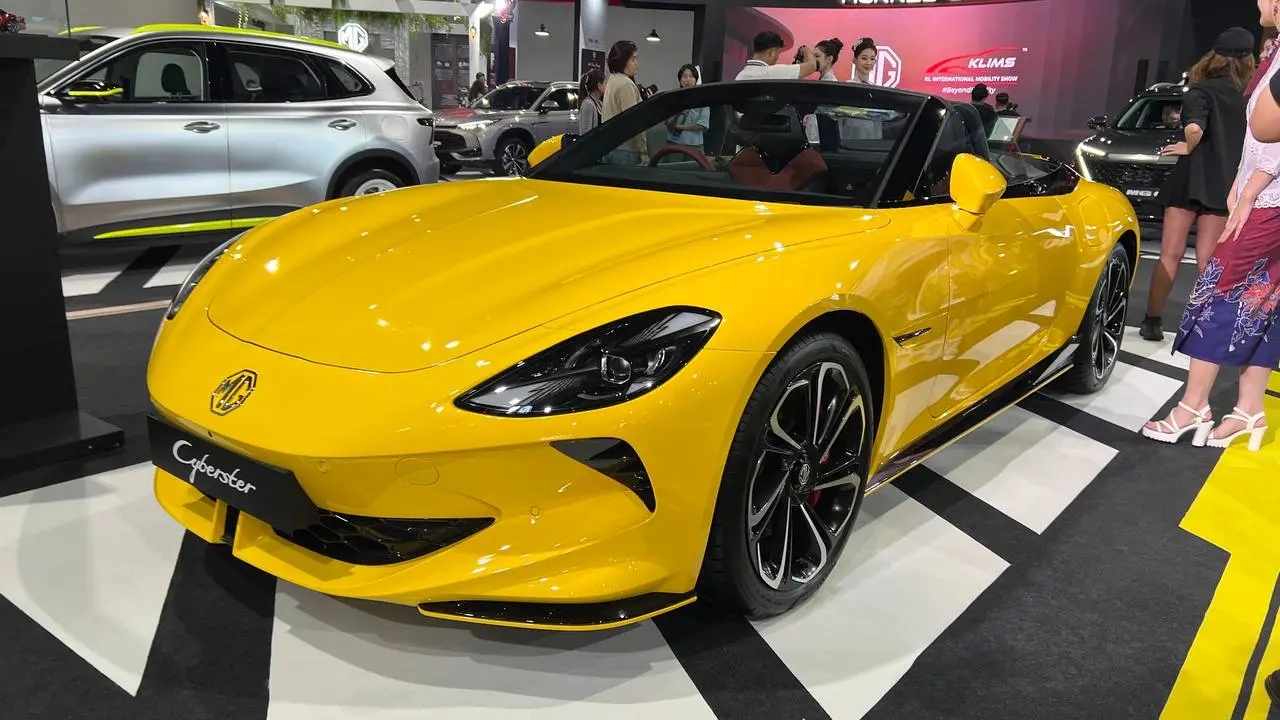
Malaysia's electric vehicle market has filled up rapidly with family SUVs and hatchbacks over the past two years, yet the two-seater convertible segment remains largely untouched. The MG Cyberster at KLIMS 2026 is less about immediate volume and more about staking a claim at the top of the brand's pricing and capability ladder. With MG Malaysia's current lineup dominated by mass-market models like the MG4 and ZS EV, this roadster's job is to signal that the brand can compete in more specialized, higher-margin territories.
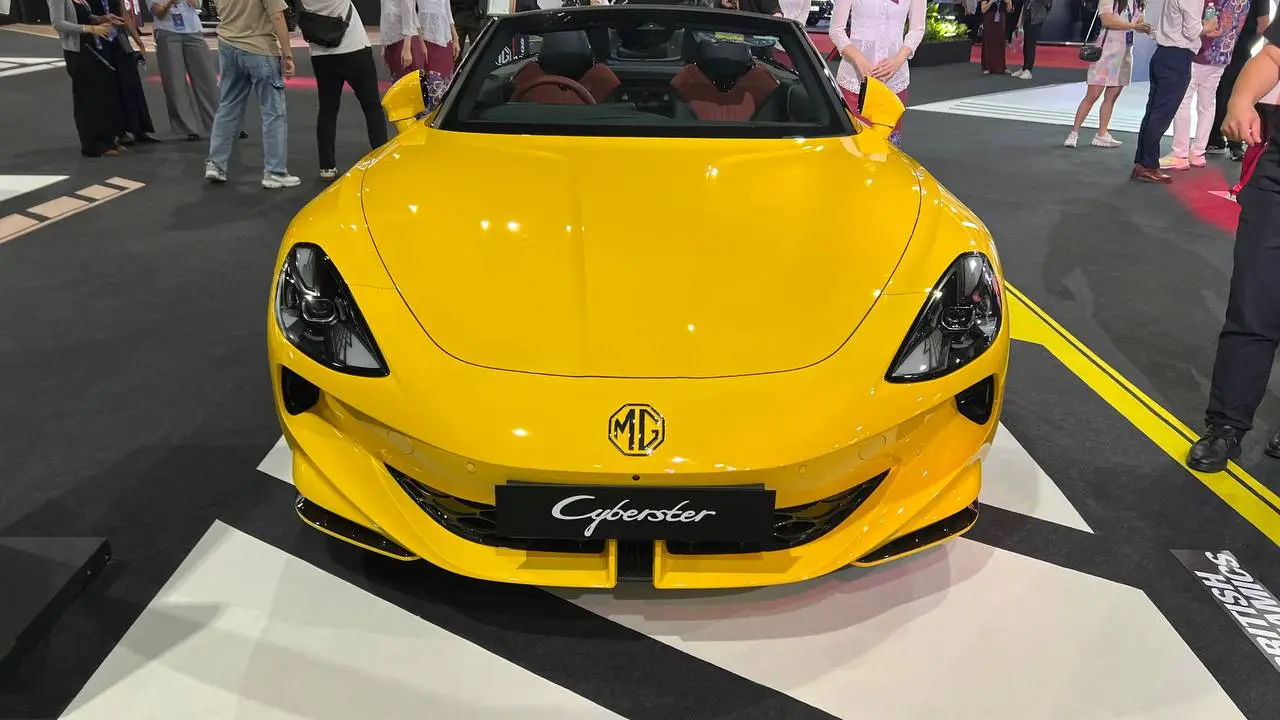
Sports cars have never been volume sellers in Malaysia, but they serve as important brand statements. The Cyberster faces a thin competitive set. Traditional options like the Mazda MX-5, Toyota GR 86 and Subaru BRZ still define the affordable roadster space, while performance EV buyers might look toward the Tesla Model 3 Performance or Polestar 2. The Cyberster sits somewhere between these camps, offering a convertible bodystyle with battery-electric power—a combination not yet available in the local market.
Its real challenge is not replacing a specific rival, but convincing buyers that an MG-badged premium EV deserves consideration alongside established performance brands.
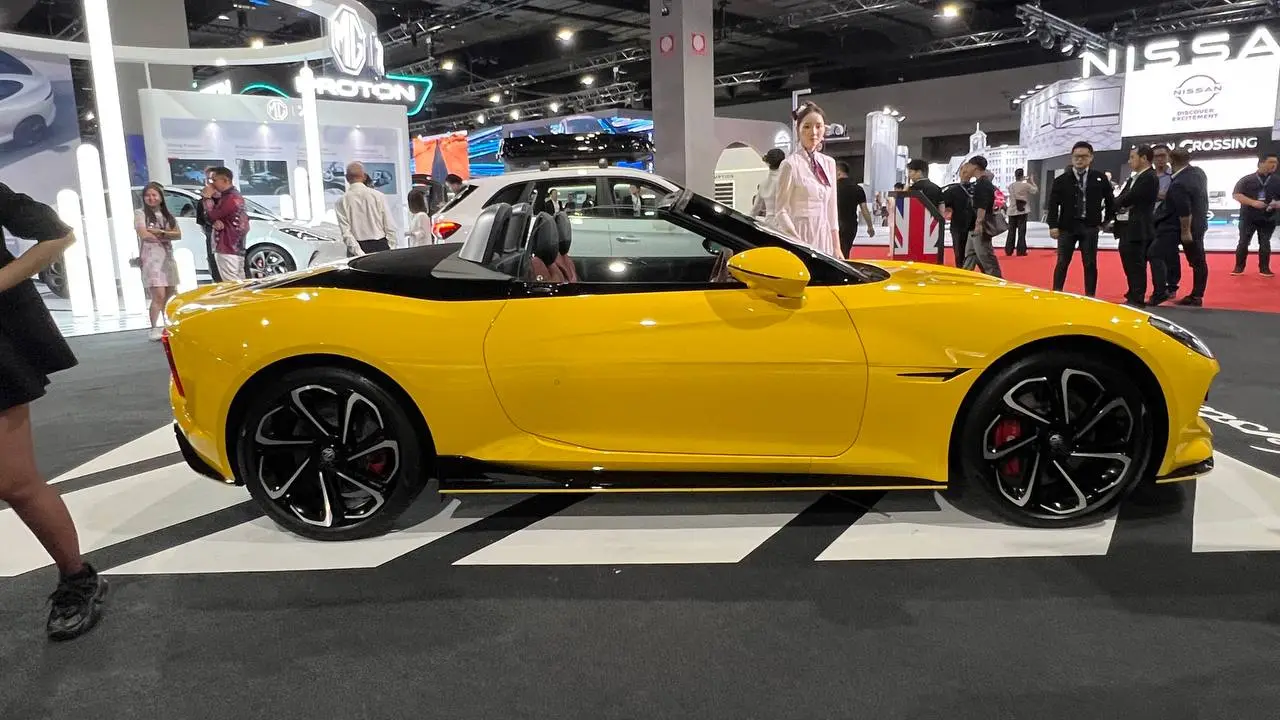
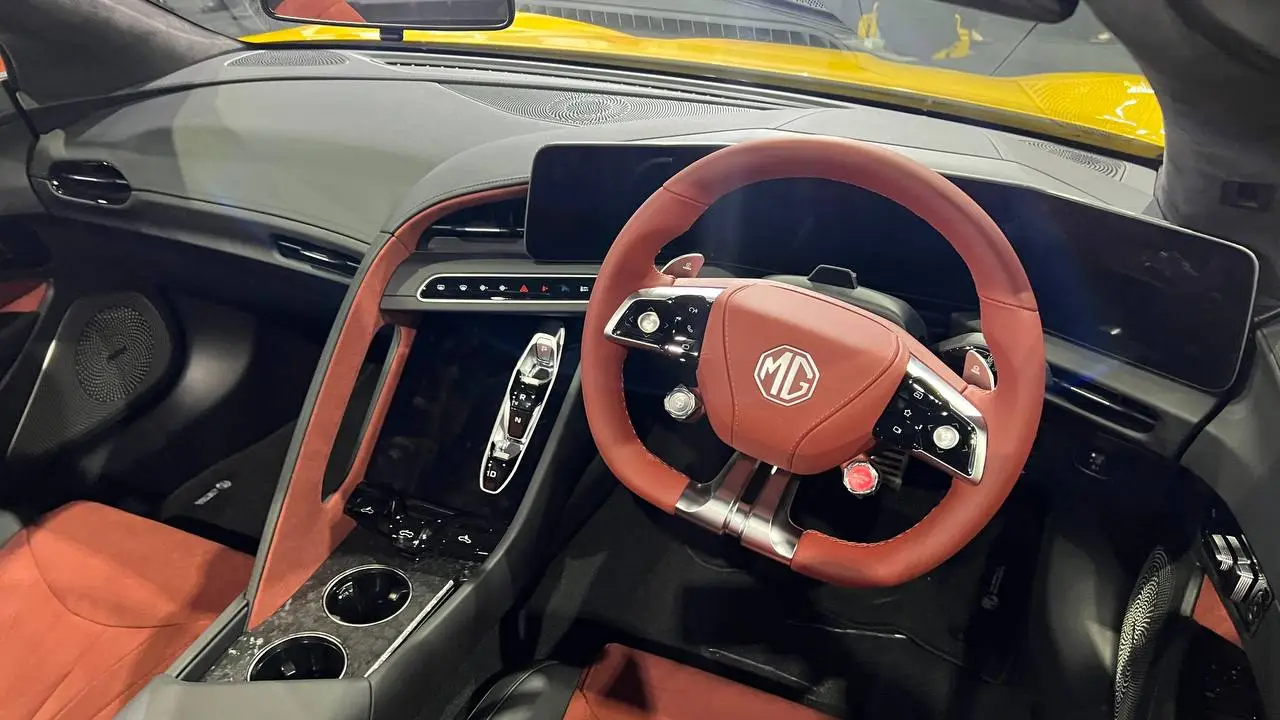
The Cyberster's appeal lies in visual presence rather than practicality. Its low-slung profile, scissor doors and folding soft-top make it the strongest visual anchor on the MG stand. In the Malaysian context, this form factor alone generates conversation because it breaks the stereotype that EVs must be sensible family transport.
Local weather conditions mean a convertible's usable window is limited to urban commutes and short leisure drives rather than long-distance touring. If launched here, the Cyberster would first need to answer questions about roof insulation, battery thermal management and after-sales support before buyers compare output figures.
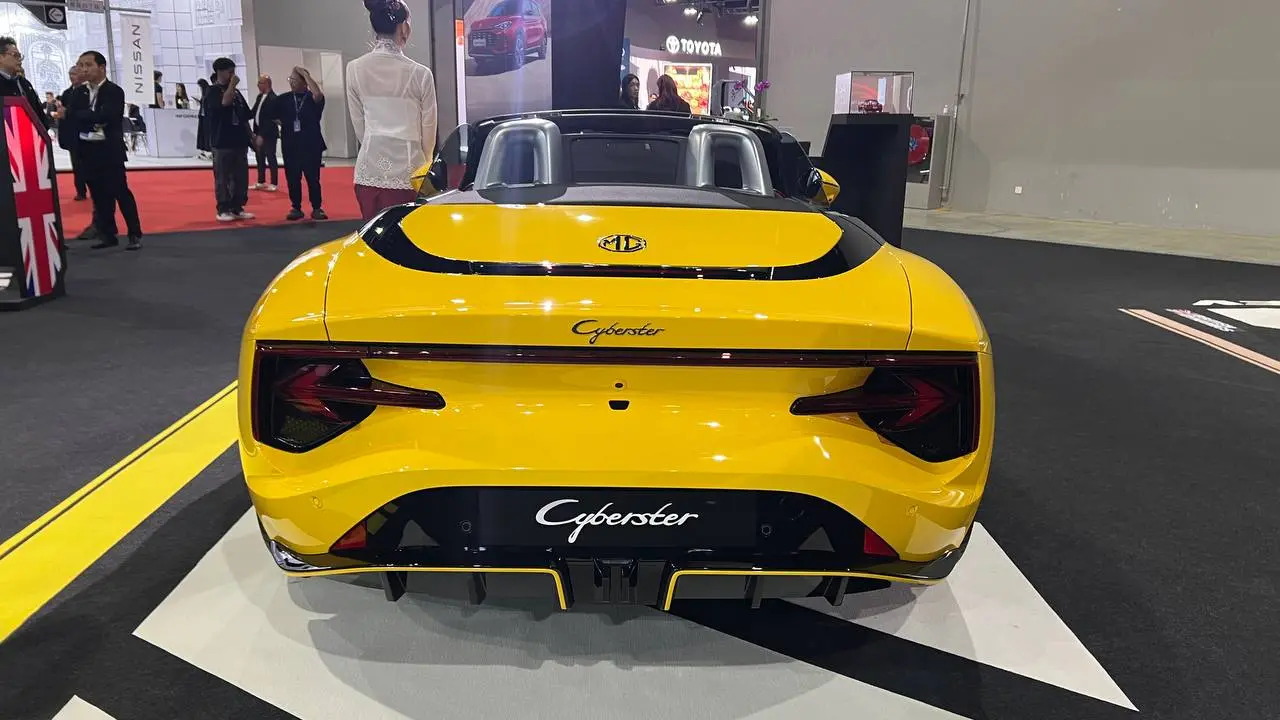
Positioned internationally as a high-performance dual-motor all-wheel-drive EV, the Cyberster's hardware is primarily there to justify its positioning and pricing narrative rather than to serve as a daily workhorse. Malaysian buyers will likely ask whether an electric roadster can handle interstate drives on current charging infrastructure, and how battery warranty and resale value stack up against established internal-combustion rivals.
There are no easy answers yet, but bringing the Cyberster to KLIMS puts these questions on the table. For prospective owners, it addresses an emotional need—that EVs can deliver driving pleasure and individual expression—rather than a spreadsheet calculation.
MG's dealer and service network in Malaysia is still expanding. Whether the Cyberster can win trust depends heavily on the distributor's ability to match mainstream brands in maintenance coverage, parts availability and battery assurance. If priced above the premium threshold, it would compete against entry-level offerings from established luxury marques, a segment where MG's brand equity locally remains a work in progress.
Ultimately, the Cyberster's value at KLIMS 2026 is not measured in orders. It is measured in the conversation it starts about MG's ambition to move upmarket in the electrification era, and in the gaps it reveals in Malaysian consumer confidence toward high-priced EVs.


Your go-to source for all things automotive in Malaysia. 🚗 Latest reviews, breaking news, launches & industry trends.
+ Follow This weekend is your chance to own a Volvo Selekt Certified Used Car, priced from just RM 148,000.
What are you waiting for?
#volvo 1 minute ago
This weekend is your chance to own a Volvo Selekt Certified Used Car, priced from just RM 148,000.
What are you waiting for?
#volvo 1 minute ago  We saw this accident this morning, and here’s a reminder to everyone: please drive safe. 2 days ago
  The G50 BMW 3 series is now here, adopting much of the i3's design elements.
So, where's the BMW M3?
#bmw #BMW3Series 4 days ago
The G50 BMW 3 series is now here, adopting much of the i3's design elements.
So, where's the BMW M3?
#bmw #BMW3Series 4 days ago Get the latest car news first!
Your go-to source for all things automotive in Malaysia. 🚗 Latest reviews, breaking news, launches & industry trends.
This weekend is your chance to own a Volvo Selekt Certified Used Car, priced from just RM 148,000.
What are you waiting for?
#volvo 1 minute ago We saw this accident this morning, and here’s a reminder to everyone: please drive safe. 2 days ago The G50 BMW 3 series is now here, adopting much of the i3's design elements.
So, where's the BMW M3?
#bmw #BMW3Series 4 days ago  ProtonGWMVolkswagenJAECOOVolvoPeroduaToyotaHondaTESLAMitsubishiMazdaJetourCheryBYDLexusBMWMercedes-BenziCAURZeekrIsuzuNissanLeapmotorPorscheFordOMODAMINIMGSuzukiXPengHyundaiWulingKiaSubaruDenzaGACLand RoverDongfengCAMAudiPeugeotFotonMAXUSsmartDaihatsuJACJMCMaseratiLotusAlfa RomeoRenaultGolden DragonKaiceneSeresLamborghiniFerrariJeepRolls-RoyceLepasAston MartinMcLarenChevroletBentleyFiatBAICForthingGeelyRoeweAeolusChanganARCFOXDeepalExeedHongqiVoyahJaguarKGMBuforiAcuraCadillacDodgeAbarthINEOSMHEROJMEVFreelander
 © 2024 Bitauto.com. All Rights Reserved.
Bitauto (www.yiche.com and www.bitauto.com) is one of the most visited automotive websites in China. We provide detailed info on Chinese car brands available in your area. Please note that the information provided on this website is based on publicly available data and is for reference only. It may not be fully updated or accurate at all times.
Help us improve our website


