
Search History
Popular Searches
English
Dealer Login / Sign Up
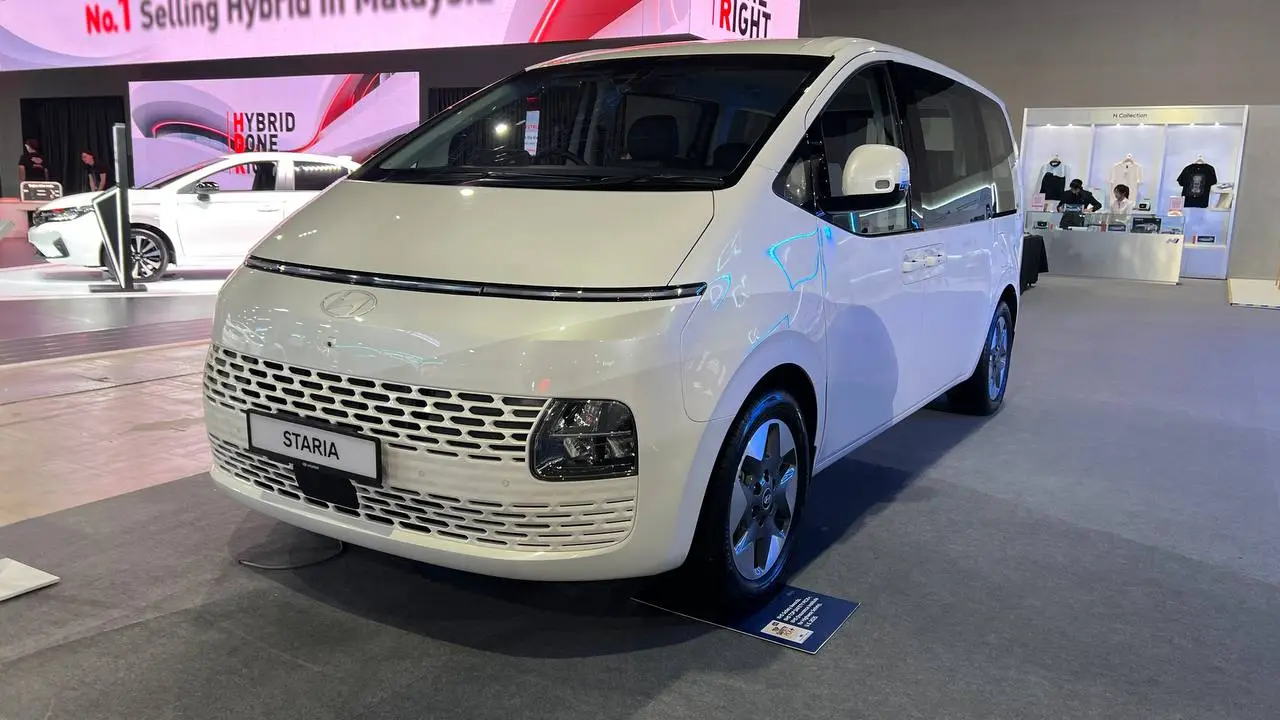
The Hyundai Staria commands attention at KLIMS 2026 not through performance claims or electrified badging, but through the sheer singularity of its form. In a show floor increasingly populated by coupe-SUVs and slab-sided electric crossovers, the Staria’s smooth, rounded silhouette and generous glasshouse serve as a reminder that some vehicle categories still prioritize interior volume and passenger accommodation above all else. It is a design that reads immediately as utilitarian, yet deliberately modern.
That visual distinction matters in Malaysia, where the large MPV has long been associated with either utilitarian transport or ultra-premium shuttle duty. The Staria threads a visual path between those extremes, offering families and fleet operators a shape that feels contemporary without the intimidating scale or price positioning of flagship luxury vans.
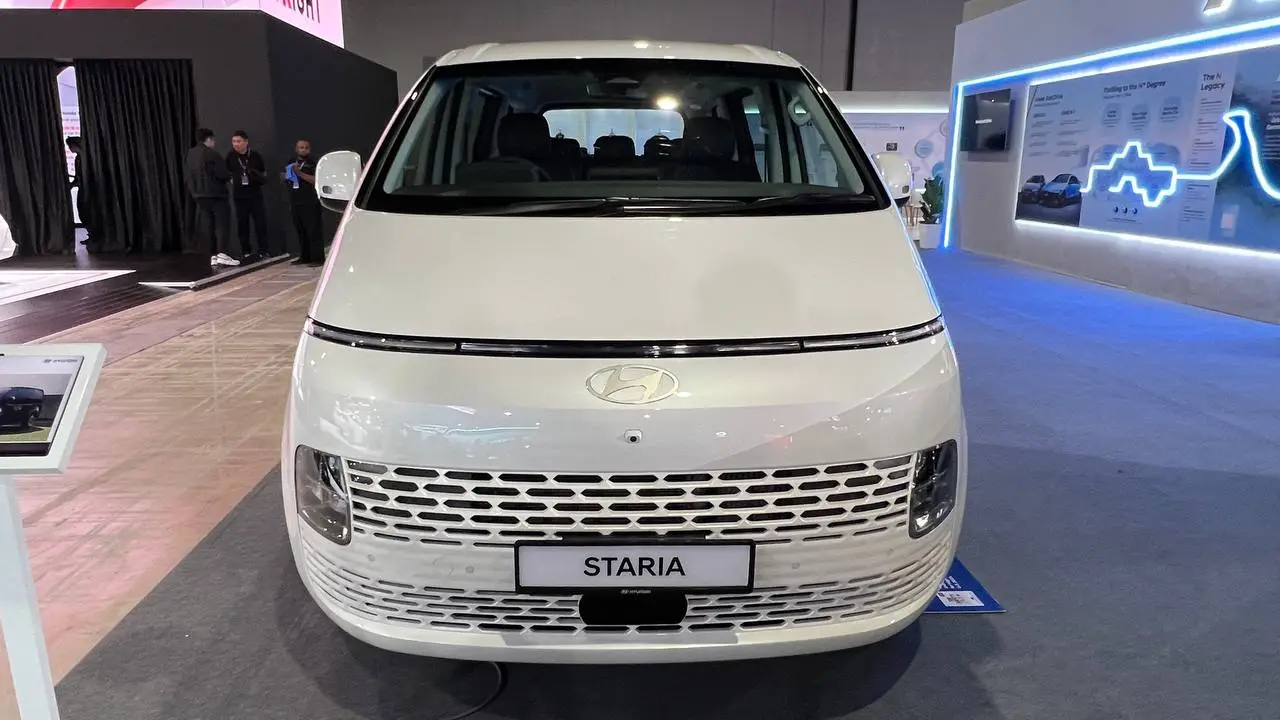
Hyundai’s broader Malaysian lineup now leans heavily into SUVs and EV crossovers, yet the Staria addresses a buyer profile those formats rarely satisfy: the user who needs genuinely usable third-row space and unobstructed cabin access on a regular basis. While seven-seat SUVs dominate showroom conversations, their third rows often serve as occasional jump seats. The Staria’s architecture argues for permanence, not compromise, in multi-passenger transport.
Its competitive territory is defined less by direct price rivalry and more by functional substitution. Buyers cross-shopping against premium Japanese two-box MPVs will find the Staria occupies a lower entry point, while those considering mainstream large SUVs must weigh the interior packaging logic of a dedicated people mover against the fashionable ride height and road presence of a crossover.
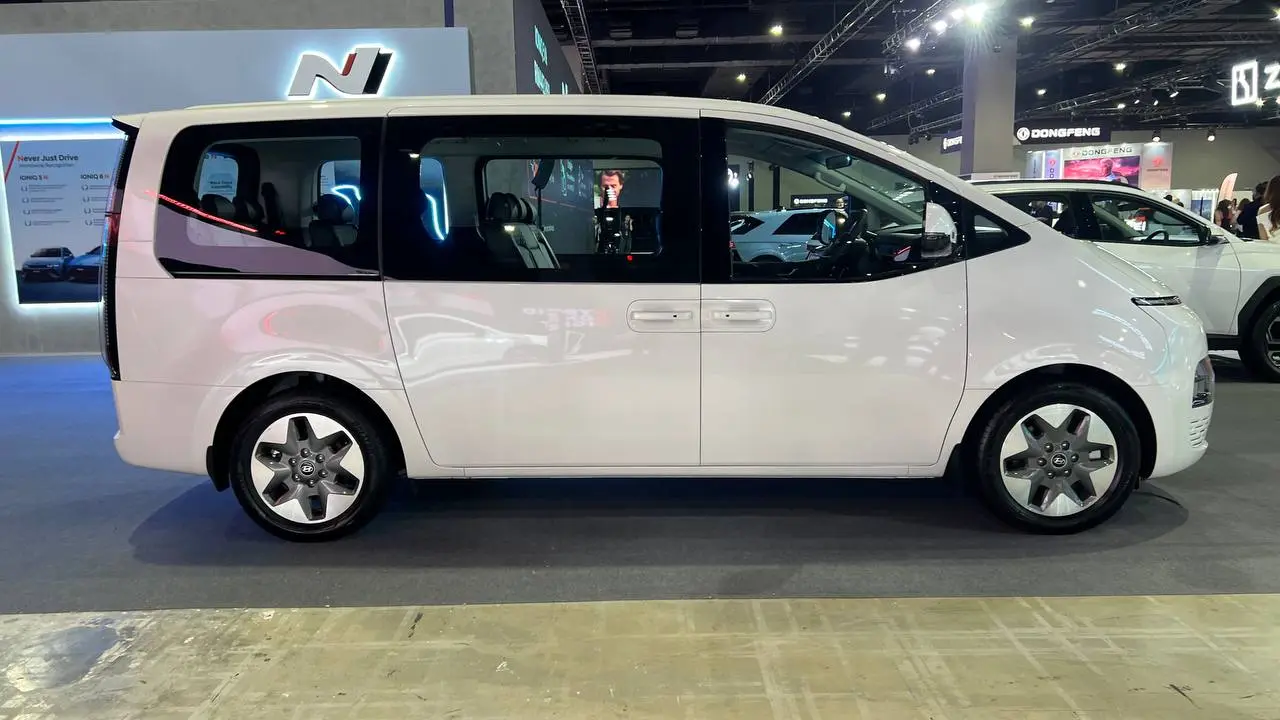
Much of the industry focus on Hyundai at KLIMS 2026 falls on the newly established Hyundai Motor Malaysia direct entity, the anticipated N performance models, and the CKD expansion of core SUVs like the Tucson and Santa Fe. Within that narrative of brand reset, the Staria plays a quieter but necessary role as the portfolio’s practical anchor. It signals that Hyundai’s local ambitions extend beyond the high-margin EV and SUV spotlight into specialist segments where buyer loyalty is built over years of reliable service.
This is particularly relevant given Hyundai’s deep roots in Malaysian assembly through Inokom and Sime Motors’ distribution history. The Staria benefits from an existing parts and service infrastructure that predates the brand’s current direct-presence strategy, offering corporate buyers and large families a degree of operational confidence while the new entity scales up its EV-specific support networks.
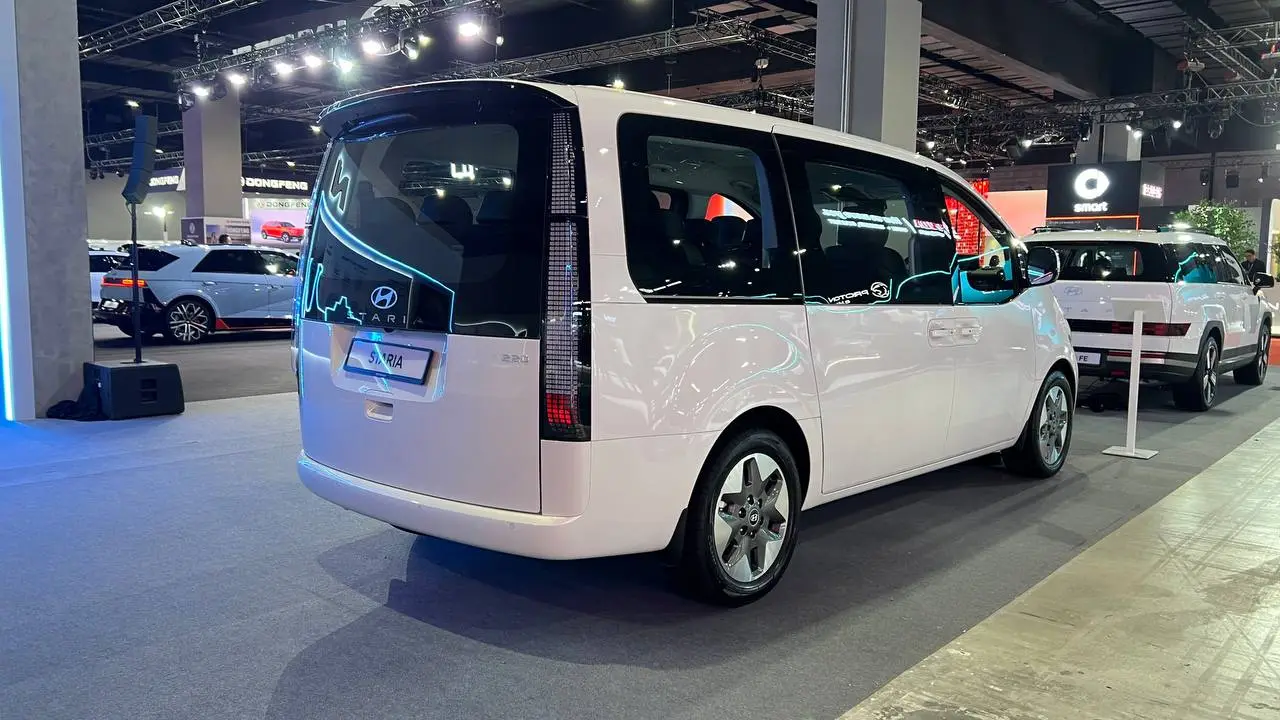
The Malaysian market in 2026 is being pulled in two directions: toward electrification incentives on one side, and toward SUV body styles on the other. The Staria arrives without the headline powertrain story of an IONIQ model, meaning its appeal rests squarely on packaging logic rather than policy-friendly propulsion. For some buyers, that is a limitation; for those whose weekly routine involves airport runs, aged-care transport, or multi-child logistics, it is a refreshing focus on function over format.
Consumer hesitation in this segment typically centers on resale predictability and the social perception of driving a van-derived vehicle versus an SUV. Hyundai’s challenge is to convince buyers that the Staria’s cabin flexibility and ease of entry translate to daily convenience worth more than trend-driven styling. The KLIMS display underscores that argument by emphasizing interior architecture and seat adaptability rather than ground clearance or powertrain charts.
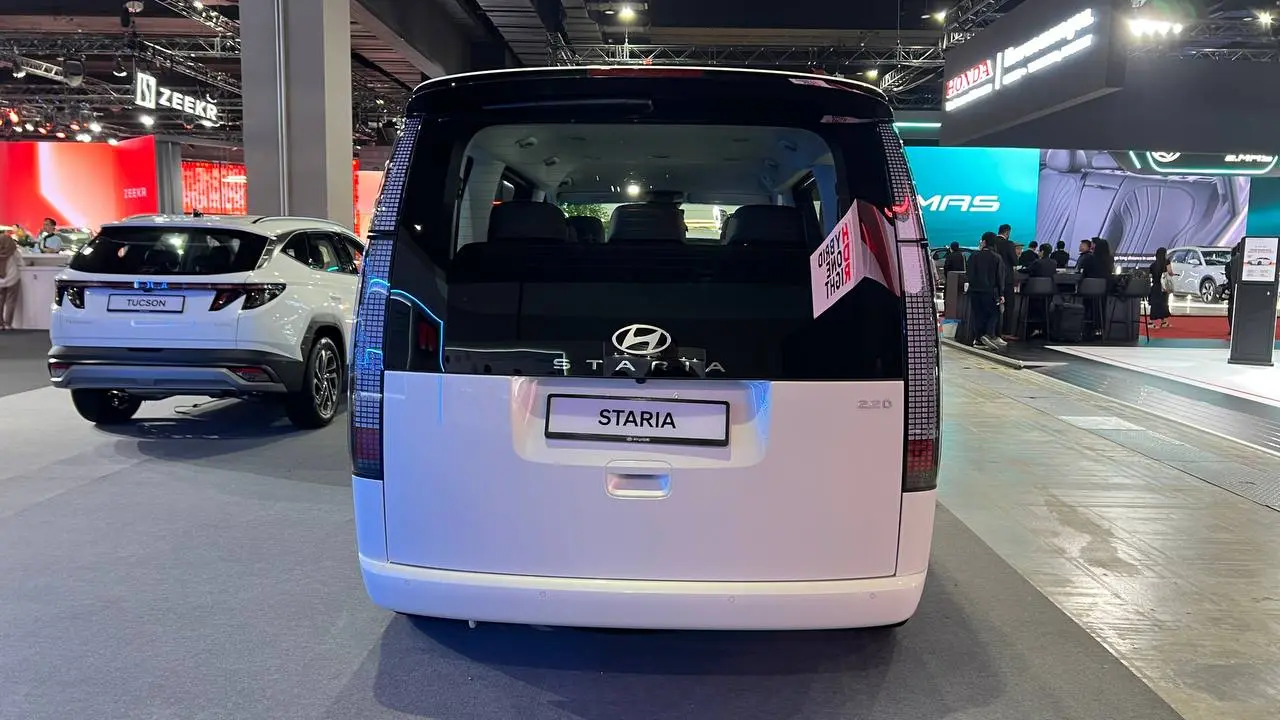
The Staria will never shoulder the volume expectations of Hyundai’s SUV or EV rollout in Malaysia, and it is not intended to. Instead, it secures the brand’s presence in a specialist niche where credible alternatives are surprisingly scarce. If Hyundai Motor Malaysia can align the model with fleet channel incentives and family-finance packages while the brand’s mainstream image is sharpened by its electrified offerings, the Staria stands to become a steady, low-volume pillar of rational transport.


Your go-to source for all things automotive in Malaysia. 🚗 Latest reviews, breaking news, launches & industry trends.
+ Follow This weekend is your chance to own a Volvo Selekt Certified Used Car, priced from just RM 148,000.
What are you waiting for?
#volvo 1 minute ago
This weekend is your chance to own a Volvo Selekt Certified Used Car, priced from just RM 148,000.
What are you waiting for?
#volvo 1 minute ago  We saw this accident this morning, and here’s a reminder to everyone: please drive safe. 2 days ago
  The G50 BMW 3 series is now here, adopting much of the i3's design elements.
So, where's the BMW M3?
#bmw #BMW3Series 4 days ago
The G50 BMW 3 series is now here, adopting much of the i3's design elements.
So, where's the BMW M3?
#bmw #BMW3Series 4 days ago Get the latest car news first!
Your go-to source for all things automotive in Malaysia. 🚗 Latest reviews, breaking news, launches & industry trends.
This weekend is your chance to own a Volvo Selekt Certified Used Car, priced from just RM 148,000.
What are you waiting for?
#volvo 1 minute ago We saw this accident this morning, and here’s a reminder to everyone: please drive safe. 2 days ago The G50 BMW 3 series is now here, adopting much of the i3's design elements.
So, where's the BMW M3?
#bmw #BMW3Series 4 days ago  ProtonGWMVolkswagenJAECOOVolvoPeroduaToyotaHondaTESLAMitsubishiMazdaJetourCheryBYDLexusBMWMercedes-BenziCAURZeekrIsuzuNissanLeapmotorPorscheFordOMODAMINIMGSuzukiXPengHyundaiWulingKiaSubaruDenzaGACLand RoverDongfengCAMAudiPeugeotFotonMAXUSsmartDaihatsuJACJMCMaseratiLotusAlfa RomeoRenaultGolden DragonKaiceneSeresLamborghiniFerrariJeepRolls-RoyceLepasAston MartinMcLarenChevroletBentleyFiatBAICForthingGeelyRoeweAeolusChanganARCFOXDeepalExeedHongqiVoyahJaguarKGMBuforiAcuraCadillacDodgeAbarthINEOSMHEROJMEVFreelander
 © 2024 Bitauto.com. All Rights Reserved.
Bitauto (www.yiche.com and www.bitauto.com) is one of the most visited automotive websites in China. We provide detailed info on Chinese car brands available in your area. Please note that the information provided on this website is based on publicly available data and is for reference only. It may not be fully updated or accurate at all times.
Help us improve our website


