
Search History
Popular Searches
English
Dealer Login / Sign Up
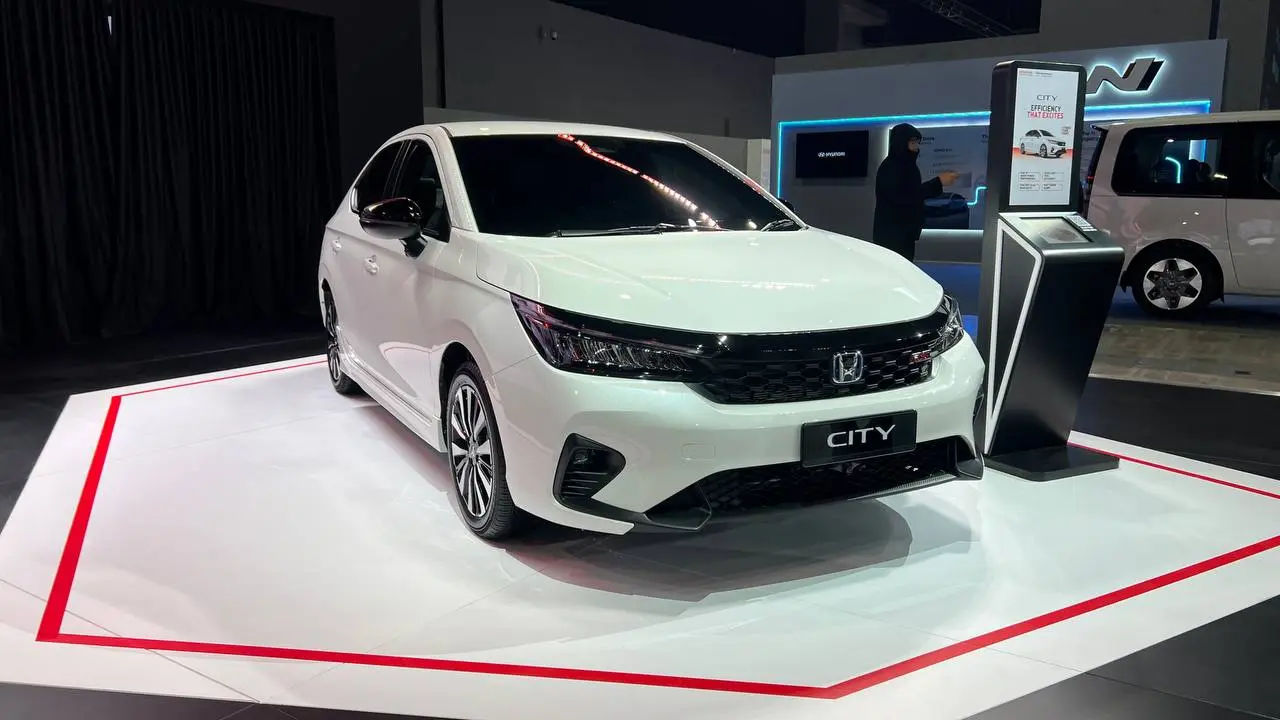
Malaysia’s B-segment sedan space is shrinking under SUV pressure, yet the Honda City remains a deliberate fixture at KLIMS 2026. While show floors increasingly celebrate high-riding crossovers and full-electric hatchbacks, Honda’s decision to keep the City front and centre signals something different: there is still volume to be defended in the traditional three-box format. For young families, first-time car buyers and urban commuters who do not want the higher step-in height or price escalation of an SUV, the City continues to serve as a rational entry point into the Honda ecosystem. It is not a stopgap model; it is a calculated hedge against market polarization.
That positioning matters because Honda’s Malaysian story in 2026 is not about abrupt EV conversion. The brand is expanding its hybrid footprint while keeping its petrol range accessible. The City sits at the most accessible end of that ladder, offering the same brand assurance as a CR-V or Civic but in a more compact, city-friendly package. At KLIMS, its presence acts as a mainstream counterweight to the electric novelty surrounding it, reminding visitors that reliability and familiar ergonomics still carry significant weight in purchase decisions.
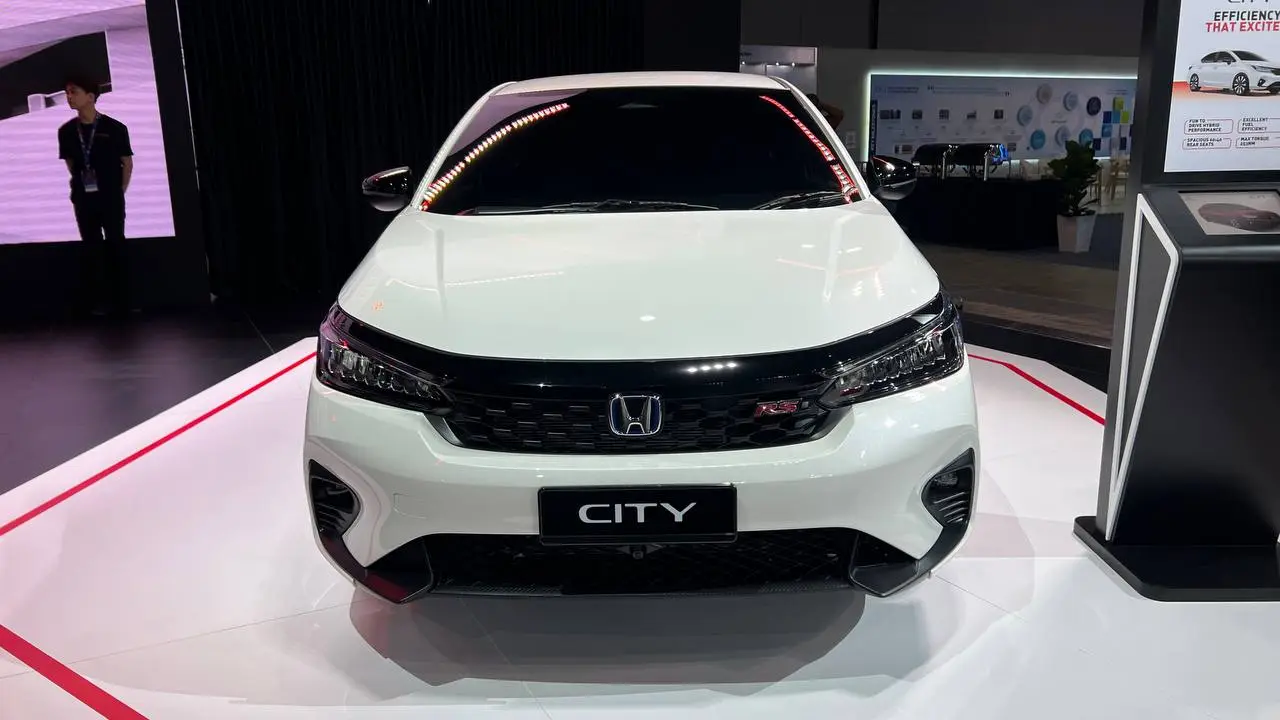
The e:HEV RS variant is the City’s sharpest weapon in a segment suddenly crowded with electrified alternatives. Toyota has already placed its Vios Hybrid bet, and Proton’s S70 offers turbocharged value at a comparable footprint. Honda’s response is to package its dual-motor hybrid system—already proven in the HR-V and Civic—into its most affordable sedan body. The result is a powertrain that drives like an EV around town without demanding plug-in infrastructure, a crucial distinction in a market where apartment dwellers still outnumber landed-home owners with wall boxes.
By offering the e:HEV RS alongside conventional petrol grades, Honda gives Malaysian buyers a spectrum of commitment. The petrol variants cater to maintenance simplicity and lower entry cost, while the hybrid flagship targets those who want fuel economy and quieter urban refinement without crossing into SUV pricing territory. It is a tiered strategy that mirrors Toyota’s Vios playbook, but with Honda’s particular emphasis on driving response and interior packaging.
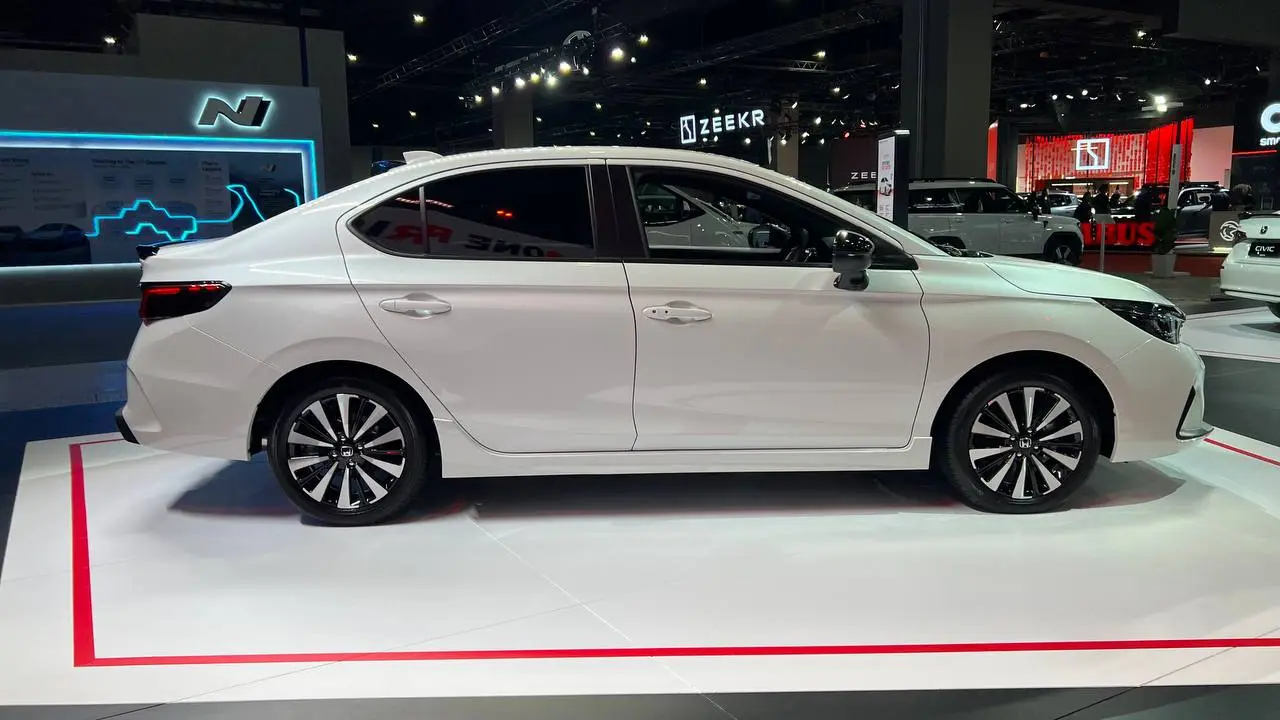
Step into the City and the priority is immediately clear: usable space in a small footprint. The cabin architecture follows Honda’s current design language, with a horizontal dashboard that maximises perceived width and a seating position that feels closer to the road than any comparable crossover. Rear legroom remains a class benchmark, and the boot offers the kind of continuous cargo volume that split-folding SUV floors often compromise. These are not headline-grabbing specifications, but they are exactly the details that sustain long-term ownership satisfaction in Malaysia’s urban traffic.
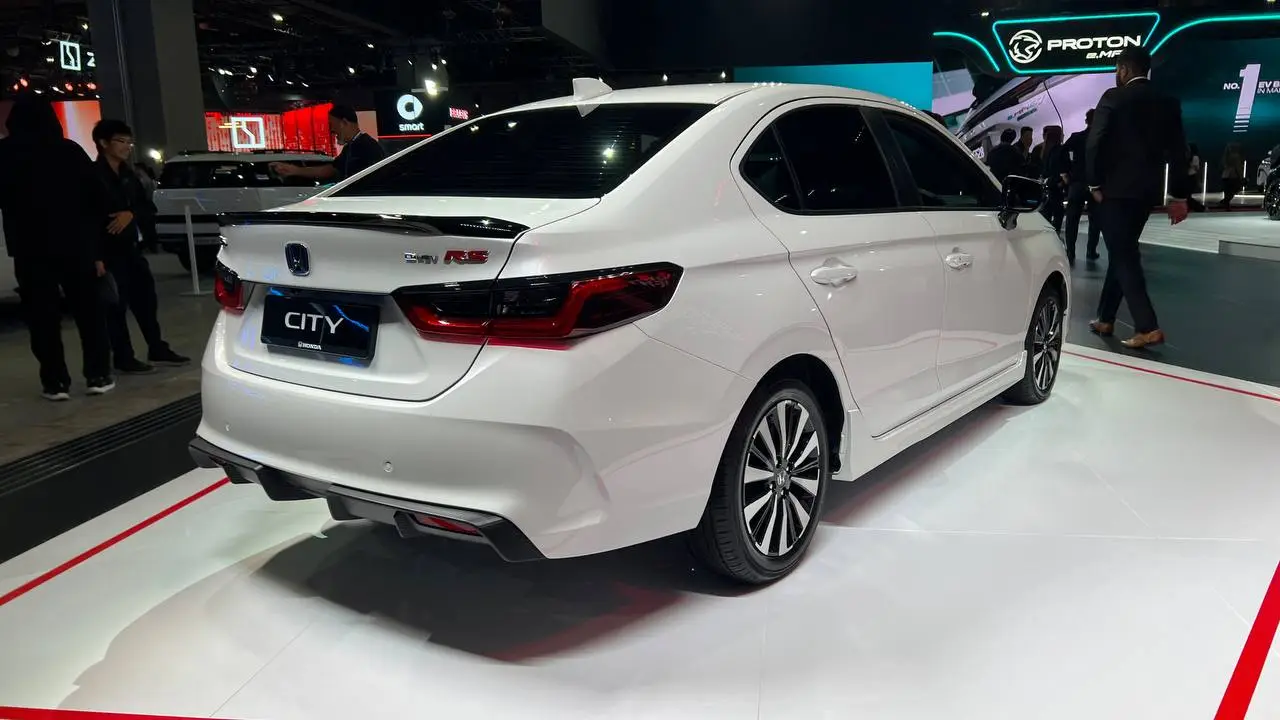
The City no longer enjoys the uncontested dominance it held a decade ago. The Toyota Vios matches it blow-for-blow on resale value and service network density. The Proton S70 undercuts it on price while delivering turbocharged performance and a modern feature list. The Perodua Bezza, meanwhile, anchors the budget end of the sedan spectrum with running costs that appeal to cost-conscious fleet and private buyers. Even the Toyota Yaris Cross hovers near the same price ceiling, tempting buyers to abandon sedans entirely for a high-riding hybrid hatchback.
Yet Honda’s defence is built on cumulative trust rather than spec-sheet skirmishes. The City’s local assembly history, deep spare-parts availability and predictable depreciation curve give it a different kind of moat. For buyers who view a car as a five-to-seven-year appliance rather than a statement, that trust is hard to replicate with newer entrants, however generously equipped they may be.
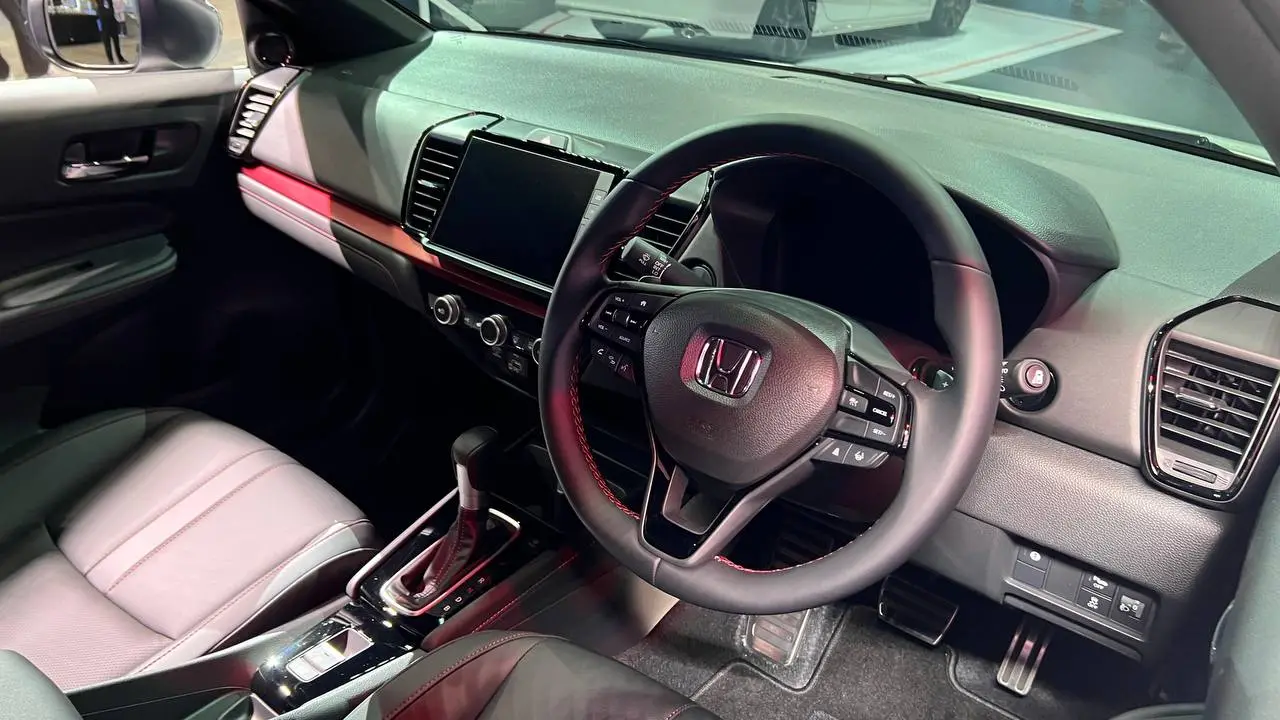
At KLIMS 2026, the City is more than a preservation exercise for sedan loyalists. It is the entry gate to Honda’s broader 2026 narrative: six new model launches, expanded S+ Shift hybrid technology, and a deliberate refusal to cede the mainstream to either budget national brands or unproven full-electric newcomers. While the updated CR-V and Civic draw the enthusiast gaze, the City shoulders the volume burden, converting foot traffic into actual finance applications.
Honda understands that Malaysia’s new-energy transition will be hybrid-first for the mass market, and the City e:HEV RS is the most accessible expression of that roadmap. By keeping the sedan relevant against an onslaught of SUVs and Chinese plug-ins, Honda is not merely preserving a model line—it is protecting the floor of its Malaysian market share. In that sense, the compact sedan on the KLIMS stage carries a surprisingly large strategic load.


Your go-to source for all things automotive in Malaysia. 🚗 Latest reviews, breaking news, launches & industry trends.
+ Follow This weekend is your chance to own a Volvo Selekt Certified Used Car, priced from just RM 148,000.
What are you waiting for?
#volvo 1 minute ago
This weekend is your chance to own a Volvo Selekt Certified Used Car, priced from just RM 148,000.
What are you waiting for?
#volvo 1 minute ago  We saw this accident this morning, and here’s a reminder to everyone: please drive safe. 2 days ago
  The G50 BMW 3 series is now here, adopting much of the i3's design elements.
So, where's the BMW M3?
#bmw #BMW3Series 4 days ago
The G50 BMW 3 series is now here, adopting much of the i3's design elements.
So, where's the BMW M3?
#bmw #BMW3Series 4 days ago Get the latest car news first!
Your go-to source for all things automotive in Malaysia. 🚗 Latest reviews, breaking news, launches & industry trends.
This weekend is your chance to own a Volvo Selekt Certified Used Car, priced from just RM 148,000.
What are you waiting for?
#volvo 1 minute ago We saw this accident this morning, and here’s a reminder to everyone: please drive safe. 2 days ago The G50 BMW 3 series is now here, adopting much of the i3's design elements.
So, where's the BMW M3?
#bmw #BMW3Series 4 days ago  ProtonGWMVolkswagenJAECOOVolvoPeroduaToyotaHondaTESLAMitsubishiMazdaJetourCheryBYDLexusBMWMercedes-BenziCAURZeekrIsuzuNissanLeapmotorPorscheFordOMODAMINIMGSuzukiXPengHyundaiWulingKiaSubaruDenzaGACLand RoverDongfengCAMAudiPeugeotFotonMAXUSsmartDaihatsuJACJMCMaseratiLotusAlfa RomeoRenaultGolden DragonKaiceneSeresLamborghiniFerrariJeepRolls-RoyceLepasAston MartinMcLarenChevroletBentleyFiatBAICForthingGeelyRoeweAeolusChanganARCFOXDeepalExeedHongqiVoyahJaguarKGMBuforiAcuraCadillacDodgeAbarthINEOSMHEROJMEVFreelander
 © 2024 Bitauto.com. All Rights Reserved.
Bitauto (www.yiche.com and www.bitauto.com) is one of the most visited automotive websites in China. We provide detailed info on Chinese car brands available in your area. Please note that the information provided on this website is based on publicly available data and is for reference only. It may not be fully updated or accurate at all times.
Help us improve our website


