
Search History
Popular Searches
English
Dealer Login / Sign Up
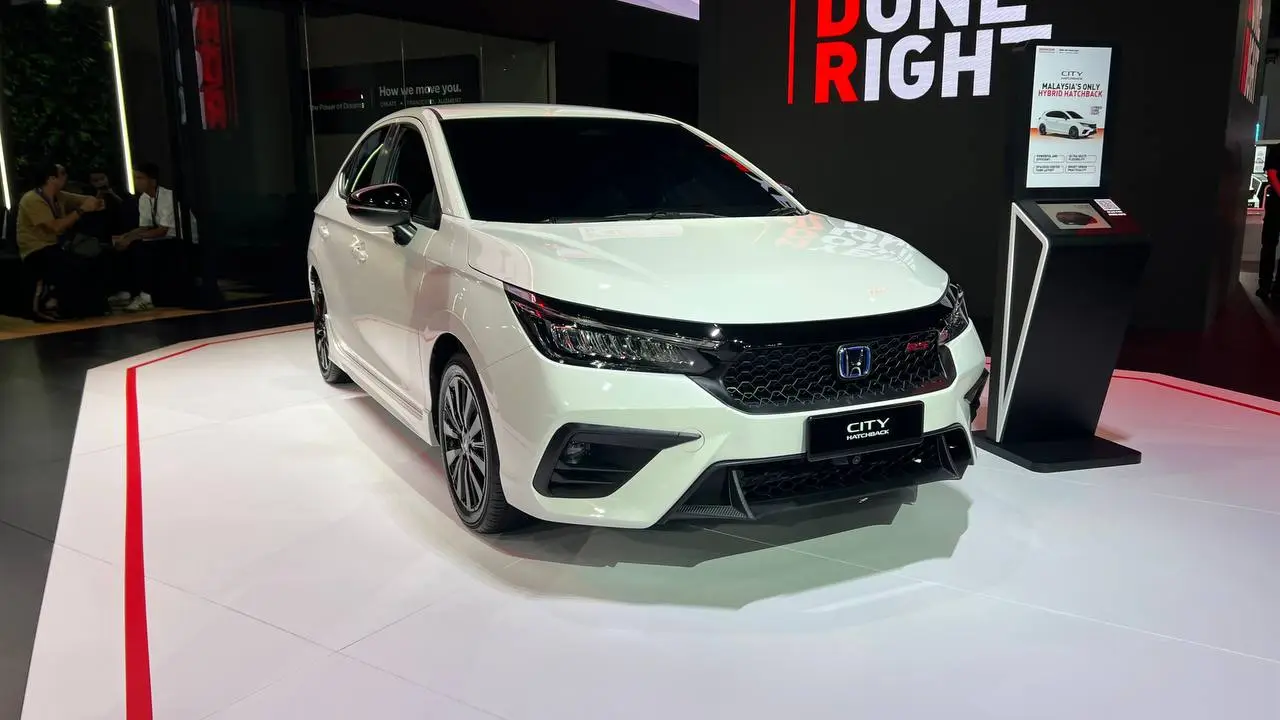
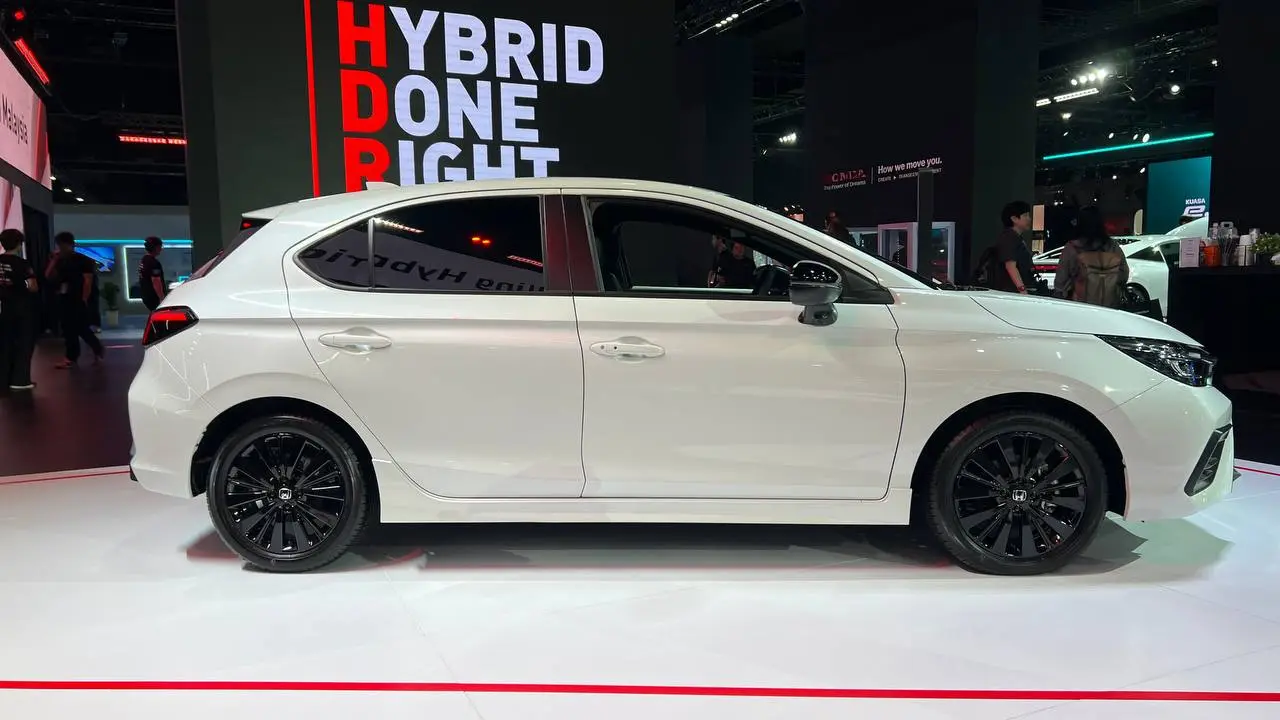
The Honda City Hatchback arrives at KLIMS 2026 not as a dramatic debut, but as a measured statement of continuity in a segment undergoing rapid transformation. While much of the industry conversation at the show centres on full-electric hatchbacks from newer brands, Honda’s compact five-door serves as a reminder that the B-segment still rewards practicality, build familiarity and low running costs. For years, the City nameplate has anchored Honda Malaysia’s appeal among young families and first-time car buyers. The hatchback body style extends that proposition with a more versatile rear cargo area and a slightly more youthful stance, without straying from the rational virtues that built the model’s local reputation.
Unlike ground-up electric models that require buyers to rethink ownership habits, the City Hatchback asks virtually nothing new of its owner. It fits the same parking spaces, adheres to familiar service intervals and retains the kind of interior ergonomics that have defined Honda’s mass-market success for decades. In a market increasingly crowded with digital-first cabin designs, the Honda’s user-friendly layout remains a subtle but important selling point for drivers who prioritise function over flash.
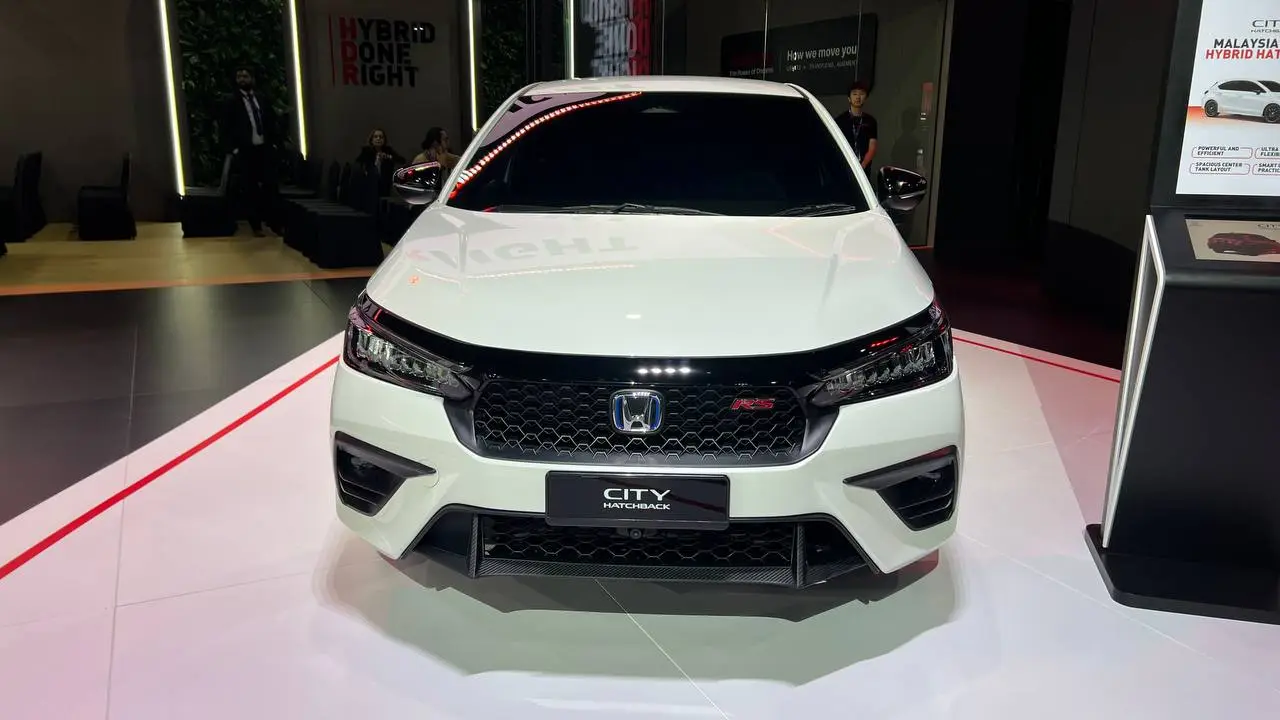
What distinguishes the City Hatchback from its traditional petrol rivals is the availability of Honda’s e:HEV full-hybrid powertrain. In a market where charging infrastructure remains uneven and apartment-dwelling buyers often lack dedicated parking bays, the self-charging hybrid formula removes the logistical barriers associated with plug-in or battery-electric ownership. The system delivers an electrified driving feel—quiet initial acceleration and improved fuel economy—while asking nothing more of the owner than a standard petrol routine. It is, in essence, a technology bridge for Malaysian consumers who are curious about electrification but not yet convinced they can live with a fully electric daily driver.
Make no mistake: the City Hatchback now faces competition that did not exist when the model first entered the local market. The BYD Dolphin, GWM ORA Good Cat and Proton e.MAS 5 have redefined what buyers expect from a small hatchback in terms of cabin digitisation and energy cost per kilometre. These battery-electric entrants carry undeniable showroom appeal, particularly for urban commuters with predictable travel patterns. Yet the Honda retains an edge among buyers who prioritise resale confidence, nationwide service coverage and the peace of mind that comes from a brand with decades of local assembly history.
Against the Toyota Yaris, its most direct internal-combustion rival, the City Hatchback counters with superior rear legroom and the option of hybrid propulsion, giving it a broader powertrain spread in the conventional camp. It does not attempt to out-gadget the Chinese EVs, nor does it chase the Yaris on price alone. Instead, it occupies a carefully calculated middle ground where spaciousness, powertrain variety and brand trust intersect.
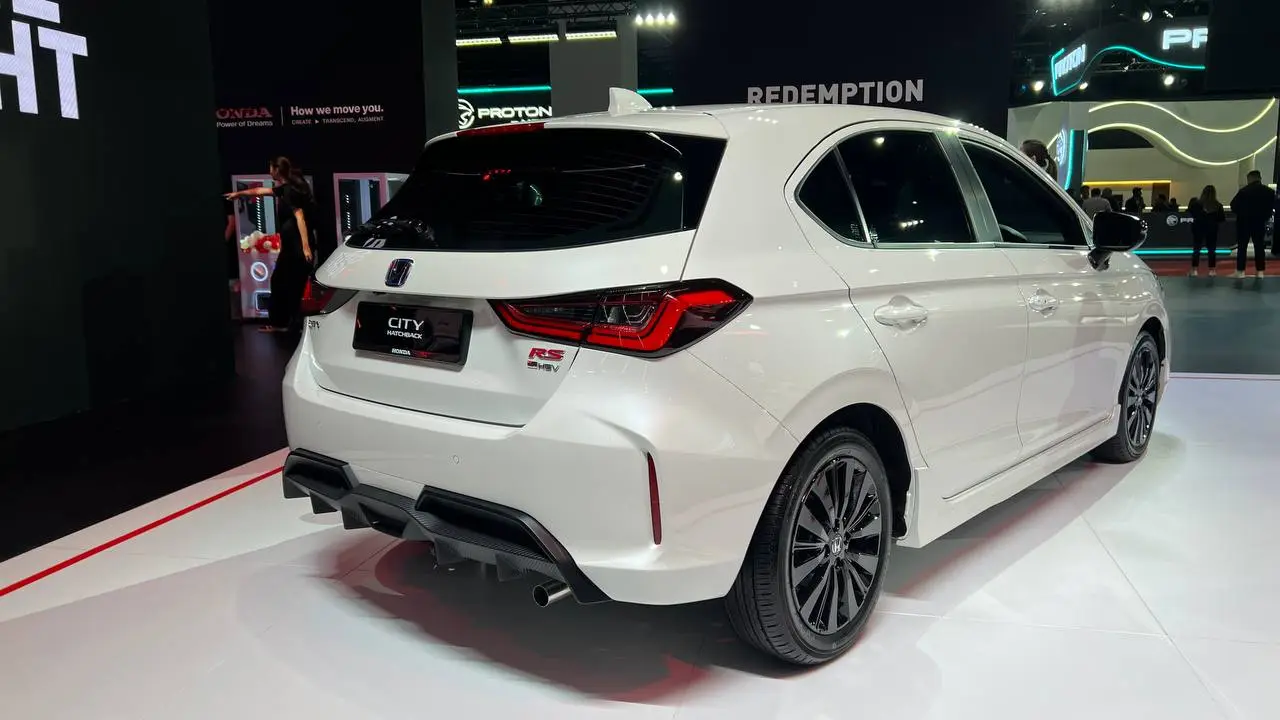
The City Hatchback’s presence at KLIMS 2026 should be read alongside Honda Malaysia’s wider product offensive. With six new model launches planned for 2026 and the recent debut of S+ Shift hybrid technology, the brand is clearly doubling down on electrified mobility without abandoning its petrol-based foundation. The updated CR-V e:HEV, launched earlier in the year, demonstrated that Honda is willing to revise its safety and hybrid packaging aggressively. Within this strategy, the City Hatchback plays a crucial role as an accessible entry point into the Honda hybrid ecosystem.
It also serves a practical showroom function. The model captures foot traffic from buyers who enter a Honda dealership curious about the CR-V or HR-V but leave with a more compact, city-friendly footprint and budget. In that sense, the City Hatchback is not merely a standalone product; it is a gateway that sustains brand loyalty among younger demographics who may eventually move up the Honda range.
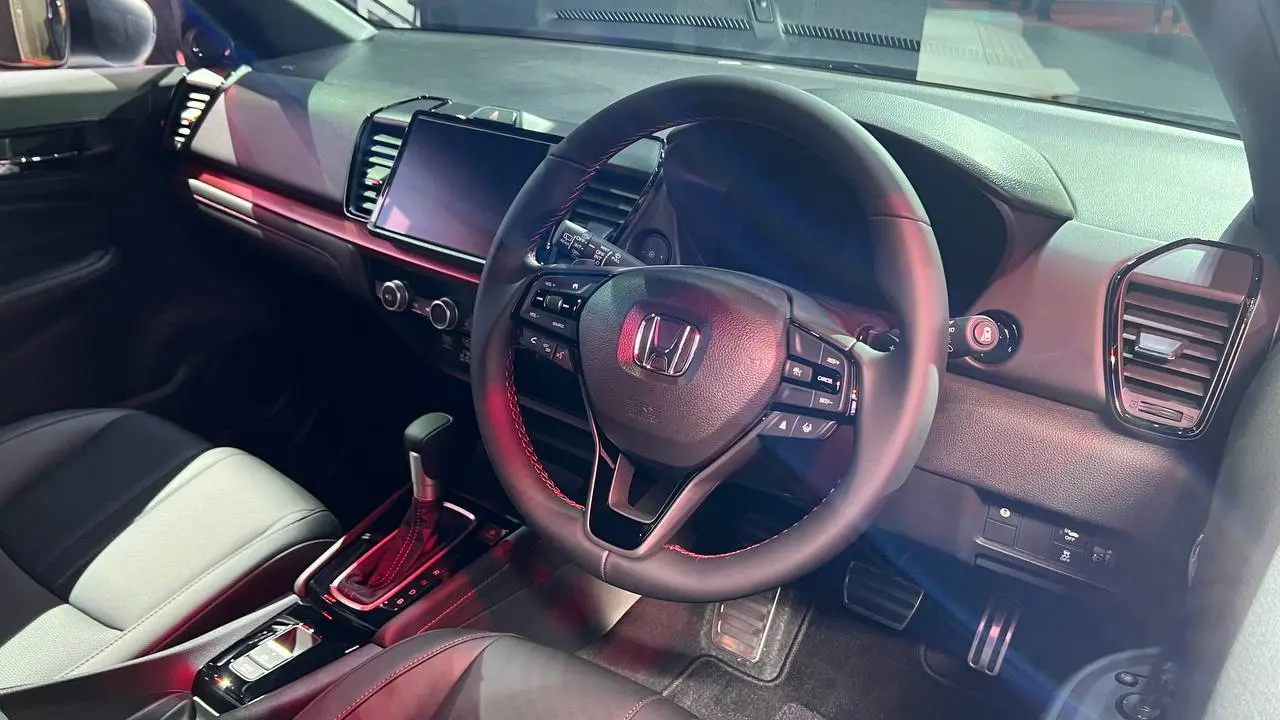
For the Malaysian consumer walking through KLIMS 2026 overwhelmed by the sheer volume of new energy vehicles, the City Hatchback offers a fundamentally different value proposition: proven reliability translated into modern efficiency. It does not demand a leap of faith into unproven charging networks, nor does it ask buyers to gamble on a newcomer brand’s long-term parts supply. Instead, it packages Honda’s established manufacturing presence and dealer network with a powertrain choice that nods toward the future while respecting present infrastructure realities.
In a year when small electric hatchbacks are grabbing headlines, the City Hatchback remains the conservative but thoroughly rational choice for buyers who want electrification benefits without the associated lifestyle compromises. That may not generate the most social media noise, but it is exactly the kind of quiet competence that has sustained Honda’s position as a mainstream benchmark in Malaysia. For families counting their monthly kilometres and calculating total cost of ownership over five to seven years, that predictability is worth more than any novelty factor.


Your go-to source for all things automotive in Malaysia. 🚗 Latest reviews, breaking news, launches & industry trends.
+ Follow This weekend is your chance to own a Volvo Selekt Certified Used Car, priced from just RM 148,000.
What are you waiting for?
#volvo 1 minute ago
This weekend is your chance to own a Volvo Selekt Certified Used Car, priced from just RM 148,000.
What are you waiting for?
#volvo 1 minute ago  We saw this accident this morning, and here’s a reminder to everyone: please drive safe. 2 days ago
  The G50 BMW 3 series is now here, adopting much of the i3's design elements.
So, where's the BMW M3?
#bmw #BMW3Series 4 days ago
The G50 BMW 3 series is now here, adopting much of the i3's design elements.
So, where's the BMW M3?
#bmw #BMW3Series 4 days ago Get the latest car news first!
Your go-to source for all things automotive in Malaysia. 🚗 Latest reviews, breaking news, launches & industry trends.
This weekend is your chance to own a Volvo Selekt Certified Used Car, priced from just RM 148,000.
What are you waiting for?
#volvo 1 minute ago We saw this accident this morning, and here’s a reminder to everyone: please drive safe. 2 days ago The G50 BMW 3 series is now here, adopting much of the i3's design elements.
So, where's the BMW M3?
#bmw #BMW3Series 4 days ago  ProtonGWMVolkswagenJAECOOVolvoPeroduaToyotaHondaTESLAMitsubishiMazdaJetourCheryBYDLexusBMWMercedes-BenziCAURZeekrIsuzuNissanLeapmotorPorscheFordOMODAMINIMGSuzukiXPengHyundaiWulingKiaSubaruDenzaGACLand RoverDongfengCAMAudiPeugeotFotonMAXUSsmartDaihatsuJACJMCMaseratiLotusAlfa RomeoRenaultGolden DragonKaiceneSeresLamborghiniFerrariJeepRolls-RoyceLepasAston MartinMcLarenChevroletBentleyFiatBAICForthingGeelyRoeweAeolusChanganARCFOXDeepalExeedHongqiVoyahJaguarKGMBuforiAcuraCadillacDodgeAbarthINEOSMHEROJMEVFreelander
 © 2024 Bitauto.com. All Rights Reserved.
Bitauto (www.yiche.com and www.bitauto.com) is one of the most visited automotive websites in China. We provide detailed info on Chinese car brands available in your area. Please note that the information provided on this website is based on publicly available data and is for reference only. It may not be fully updated or accurate at all times.
Help us improve our website


