
Search History
Popular Searches
English
Dealer Login / Sign Up
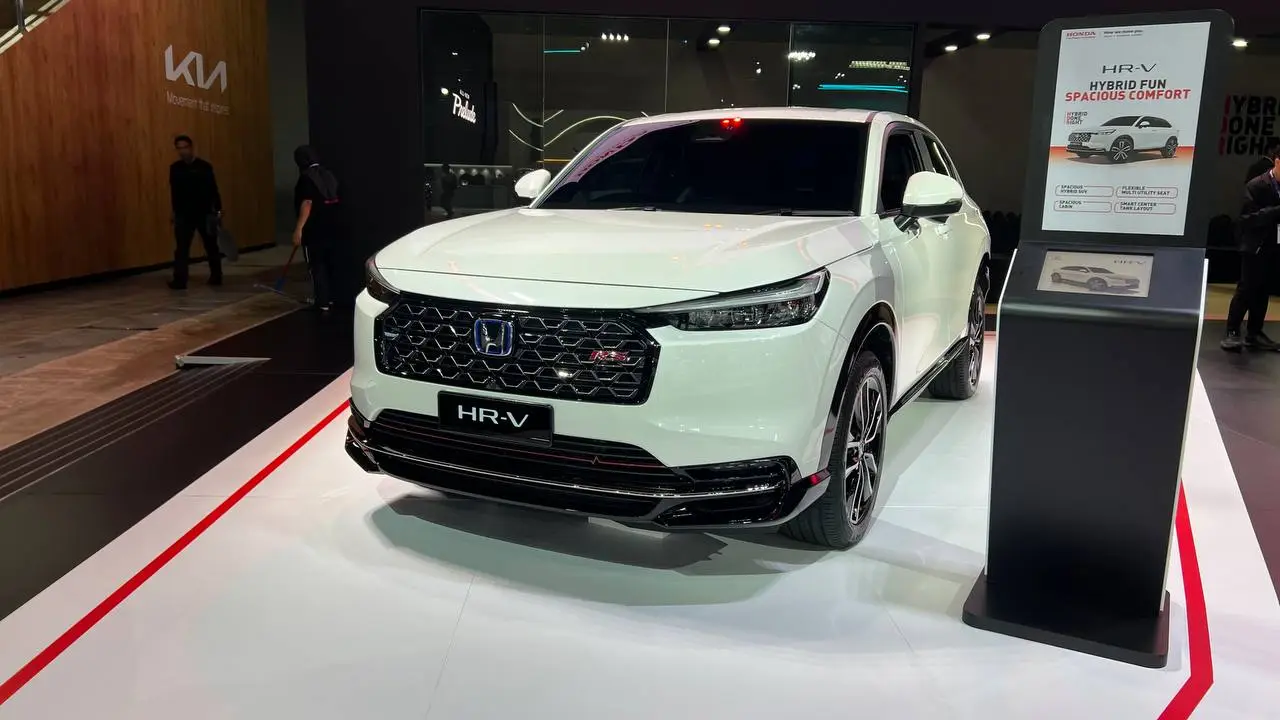
The Honda HR-V has long served as the gateway into Honda’s SUV family for Malaysian buyers who find the WR-V too compact and the CR-V a stretch for city parking. Its proportions were devised for dense urban environments, yet the cabin manages to swallow the weekly grocery run and occasional highway trips with equal ease. At KLIMS 2026, the HR-V’s presence is a reminder that not every successful compact SUV needs to reinvent its sheet metal every year; sometimes, familiarity is the feature.
Honda Malaysia’s decision to keep the HR-V firmly in its showroom lineup reflects the model’s role as a volume anchor. It captures a demographic that values known quantities over experiments: young families, first-time SUV upgraders from the City sedan, and repeat Honda owners who want a higher seating position without abandoning the brand’s ergonomic logic.
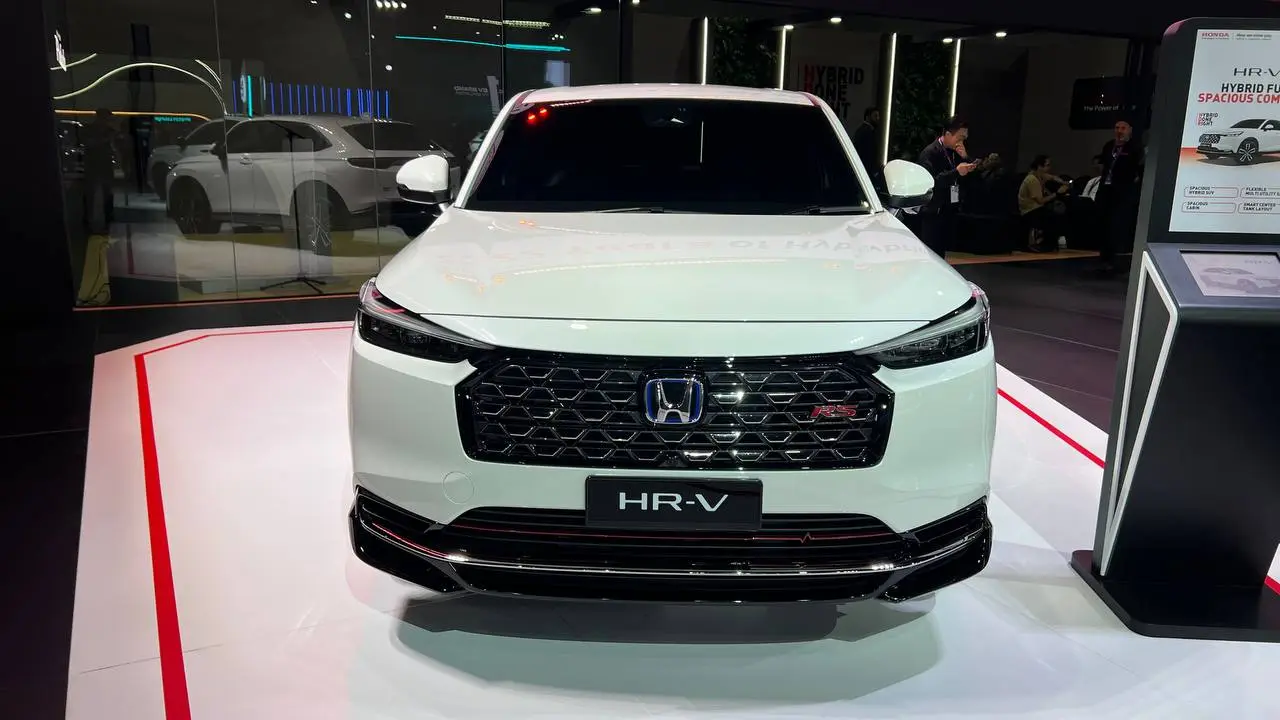
Honda’s broader 2026 strategy in Malaysia revolves around hybrid expansion, and the HR-V e:HEV is the clearest expression of that direction within the compact SUV space. The self-charging hybrid setup targets buyers who are curious about electrification but unwilling to map charging-stop routes or worry about battery degradation in tropical heat. It offers a middle path that feels less like a technological leap and more like a sensible upgrade from pure petrol.
In the context of KLIMS, where full-electric crossovers from Chinese brands dominate conversations, the HR-V’s hybrid positioning is deliberately conservative. That conservatism is itself a market choice. Honda is banking on the fact that a significant slice of Malaysian buyers still treats the internal-combustion engine, augmented by electric assistance, as the rational compromise between cost, convenience, and efficiency.
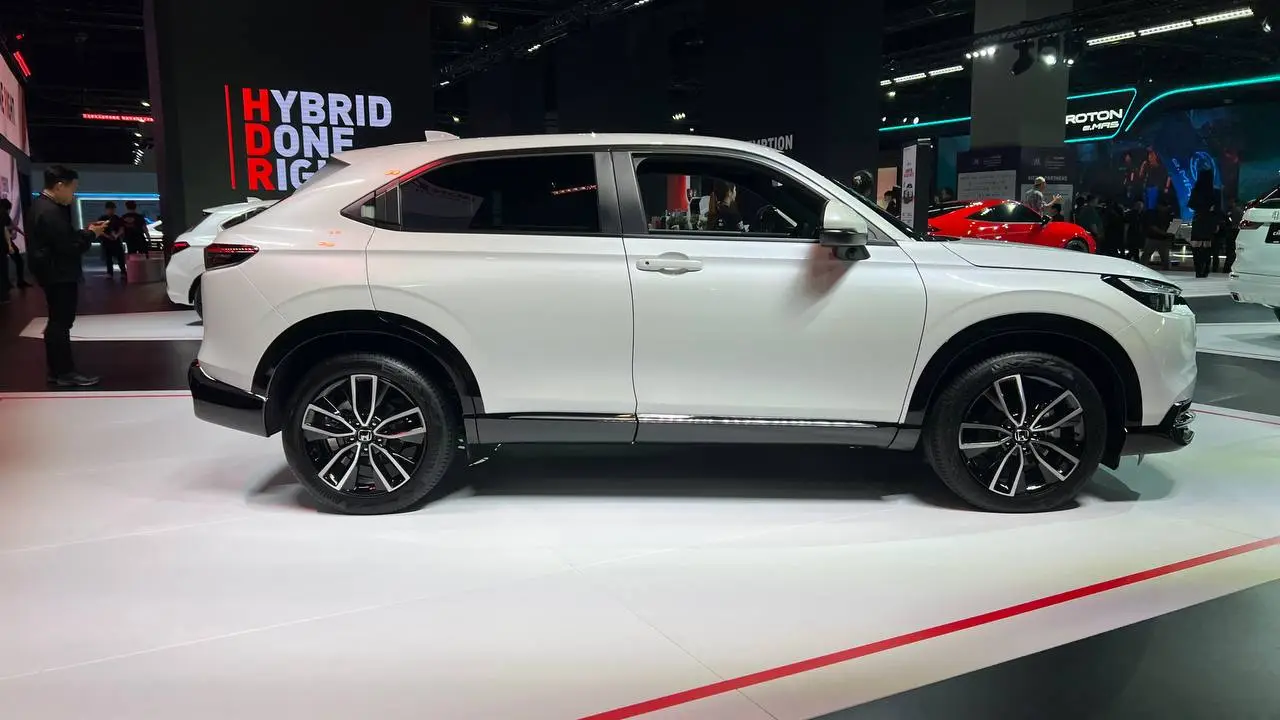
The HR-V no longer moves through an open field. The Perodua Traz has rewritten the value equation at the lower end, offering national-brand affordability and low maintenance costs that appeal to cost-conscious households. The Proton X50 brings turbocharged performance and a locally tuned chassis that resonates with buyers wanting a sportier aesthetic. Toyota’s Yaris Cross fields a direct hybrid rival with the backing of an equally deep service network. Above them, Chinese contenders such as the GAC GS3 EMZOOM and the BYD ATTO 2 are pushing high equipment levels and electrified drivetrains into the same consideration set.
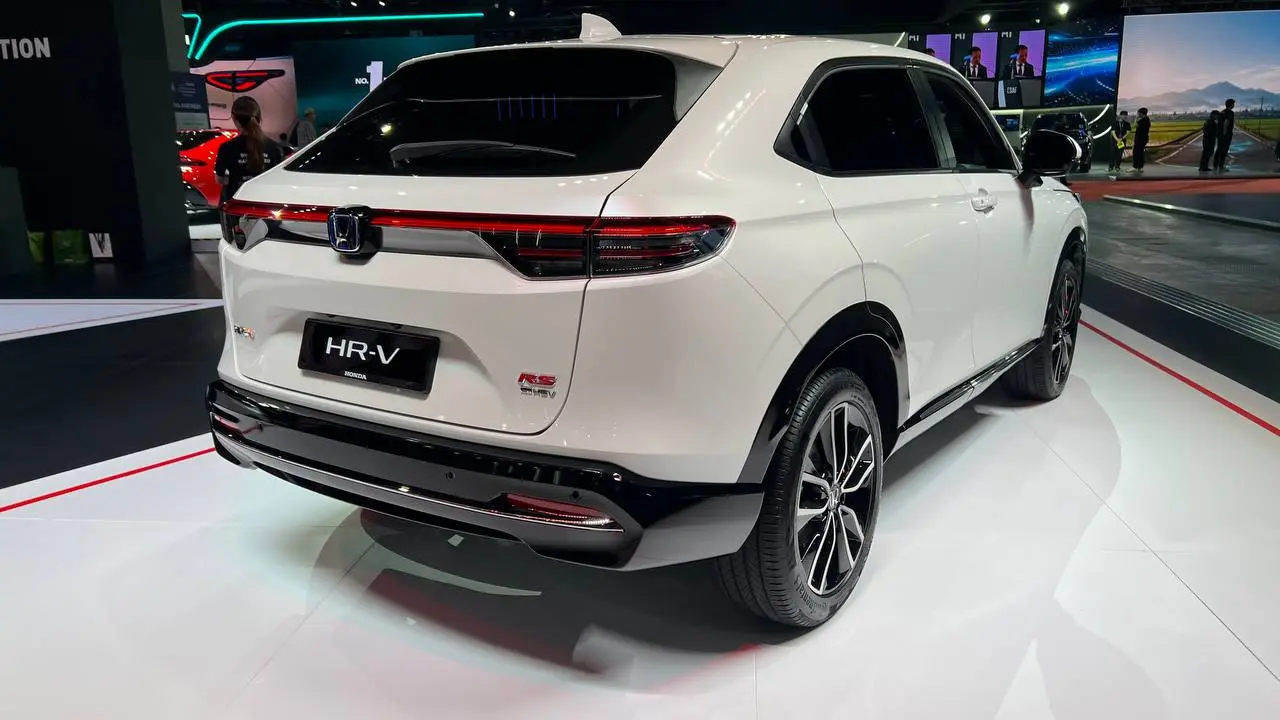
Spec-sheet battles rarely tell the whole story in Malaysia. Honda Malaysia’s decades of local assembly and CKD operations mean the HR-V benefits from a parts supply chain and service infrastructure that newer entrants are still building. For buyers who plan to keep a vehicle past the five-year mark, that ecosystem translates into lower uncertainty and more predictable resale values. The HR-V also inherits the tactile consistency that Honda has cultivated across the City and Civic; the steering weight, pedal response, and seat fit feel deliberately calibrated rather than borrowed from a global parts bin.
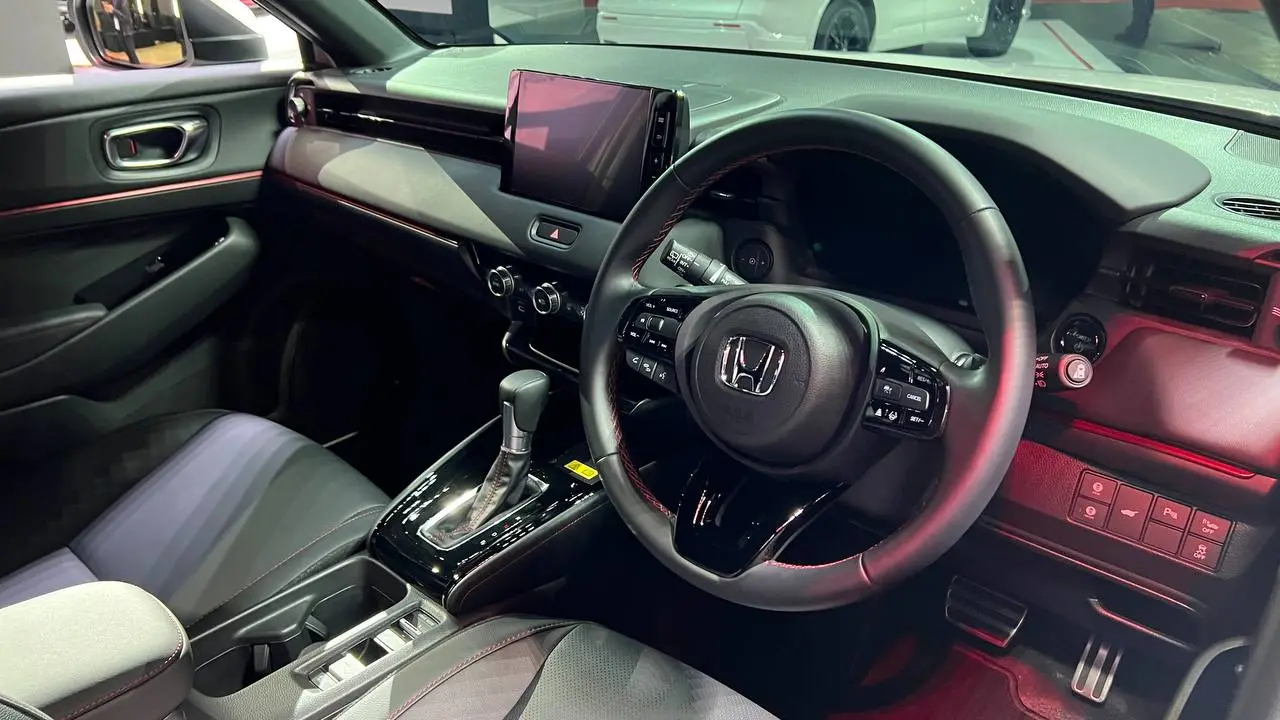
On the show floor, the HR-V does not chase headlines with radical styling or unverified range claims. Instead, it occupies the space of the rational mainstream choice, a segment that is simultaneously under attack from below by national brands and from the side by electrified newcomers. Honda’s challenge is to convince visitors that the HR-V’s blend of hybrid efficiency, local manufacturing heritage, and ergonomic familiarity remains worth the premium over a Perodua or the attention over a Chinese EV. In a market flooded with new nameplates, the HR-V’s quiet confidence may be its most valuable asset.


Your go-to source for all things automotive in Malaysia. 🚗 Latest reviews, breaking news, launches & industry trends.
+ Follow This weekend is your chance to own a Volvo Selekt Certified Used Car, priced from just RM 148,000.
What are you waiting for?
#volvo 1 minute ago
This weekend is your chance to own a Volvo Selekt Certified Used Car, priced from just RM 148,000.
What are you waiting for?
#volvo 1 minute ago  We saw this accident this morning, and here’s a reminder to everyone: please drive safe. 2 days ago
  The G50 BMW 3 series is now here, adopting much of the i3's design elements.
So, where's the BMW M3?
#bmw #BMW3Series 4 days ago
The G50 BMW 3 series is now here, adopting much of the i3's design elements.
So, where's the BMW M3?
#bmw #BMW3Series 4 days ago Get the latest car news first!
Your go-to source for all things automotive in Malaysia. 🚗 Latest reviews, breaking news, launches & industry trends.
This weekend is your chance to own a Volvo Selekt Certified Used Car, priced from just RM 148,000.
What are you waiting for?
#volvo 1 minute ago We saw this accident this morning, and here’s a reminder to everyone: please drive safe. 2 days ago The G50 BMW 3 series is now here, adopting much of the i3's design elements.
So, where's the BMW M3?
#bmw #BMW3Series 4 days ago  ProtonGWMVolkswagenJAECOOVolvoPeroduaToyotaHondaTESLAMitsubishiMazdaJetourCheryBYDLexusBMWMercedes-BenziCAURZeekrIsuzuNissanLeapmotorPorscheFordOMODAMINIMGSuzukiXPengHyundaiWulingKiaSubaruDenzaGACLand RoverDongfengCAMAudiPeugeotFotonMAXUSsmartDaihatsuJACJMCMaseratiLotusAlfa RomeoRenaultGolden DragonKaiceneSeresLamborghiniFerrariJeepRolls-RoyceLepasAston MartinMcLarenChevroletBentleyFiatBAICForthingGeelyRoeweAeolusChanganARCFOXDeepalExeedHongqiVoyahJaguarKGMBuforiAcuraCadillacDodgeAbarthINEOSMHEROJMEVFreelander
 © 2024 Bitauto.com. All Rights Reserved.
Bitauto (www.yiche.com and www.bitauto.com) is one of the most visited automotive websites in China. We provide detailed info on Chinese car brands available in your area. Please note that the information provided on this website is based on publicly available data and is for reference only. It may not be fully updated or accurate at all times.
Help us improve our website


