
Search History
Popular Searches
English
Dealer Login / Sign Up
In Malaysia’s vehicle registration statistics, the geographic dimension is rapidly giving way to an abstract classification known as “Rakan Niaga” (Business Partner). By reviewing raw data spanning 26 years from 2000 to 2025, we uncovered a shocking industry upheaval: Malaysia’s automotive market has transformed within a decade from a highly fragmented consumer market into a highly concentrated market dominated by dealer pre‑registrations and corporate fleets.
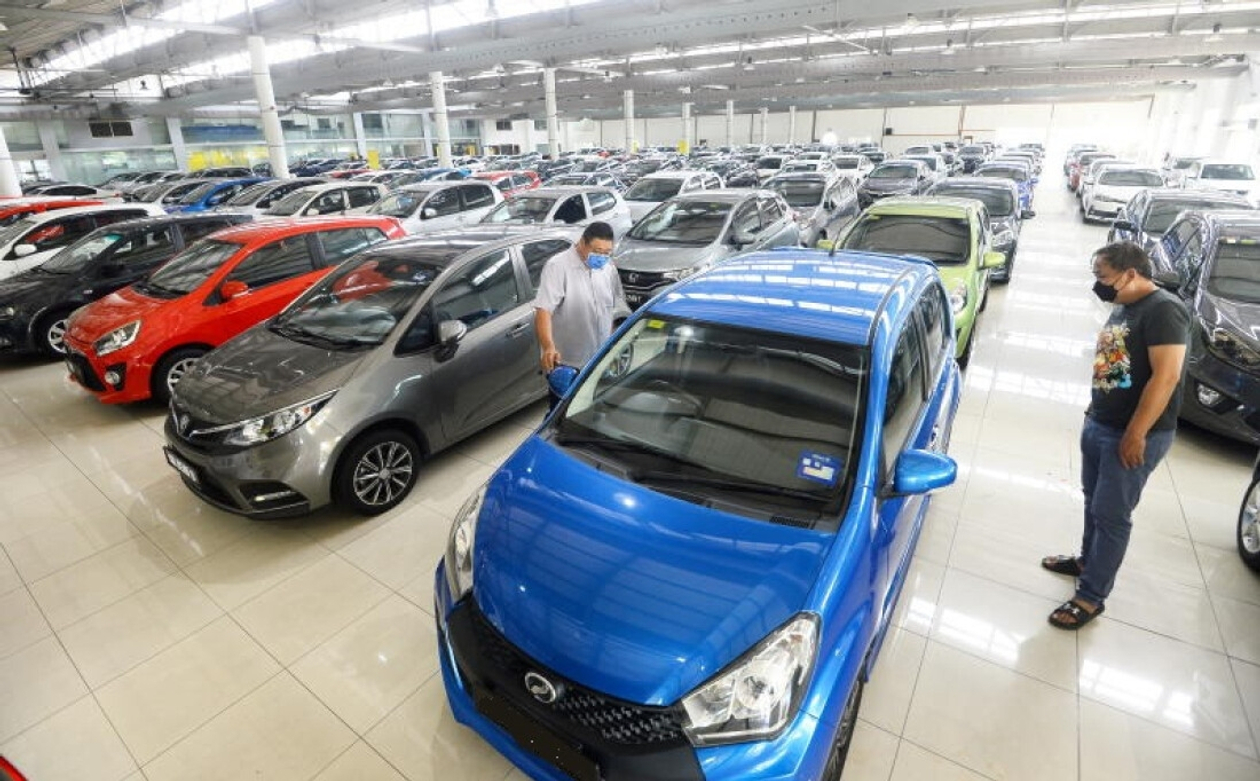
In 2025, the share of this classification reached an all‑time high of 86.09%. This means traditional geographic registration data (such as Johor, Selangor, Kuala Lumpur) can no longer accurately reflect consumers’ actual locations.
Our data analysis shows that from 2000 to 2013, “Rakan Niaga” accounted for 0.00% of JPJ’s new vehicle registration statistics. Back then, car purchases were highly localised. Kuala Lumpur, Johor, Penang and Selangor were undisputed registration hubs. Buyers had to complete procedures at JPJ branches in their purchasing or residential areas, and data clearly indicated the final ownership of vehicles.
In 2014, the “Rakan Niaga” classification appeared in data for the first time, making up 25.34%. Immediately in 2015, this figure soared to 64.24%.
This turning point corresponded to several key changes in Malaysia’s automotive market:
The widespread adoption of the e‑Daftar digital system, allowing dealers to conduct bulk electronic registrations as “Business Partners”.
The consolidation of dealer models, where principal brands strengthened monthly KPI controls over sub‑dealers.
The emergence of e‑hailing (Grab) and car rental markets, with corporate fleet sales scaling up.
By 2025, this proportion reached 86.09%. Geographic registration data has now become a minority. Except for a small number of luxury cars or special cases where individuals register personally at JPJ, almost all new vehicles have entered the statistical black box of “Rakan Niaga”.
The "Data Lie" of Brand Distribution
Not all cars are being “commercialised” in the same way. By analysing the RN share by brand in 2025, we can clearly see the survival strategies of different brands.
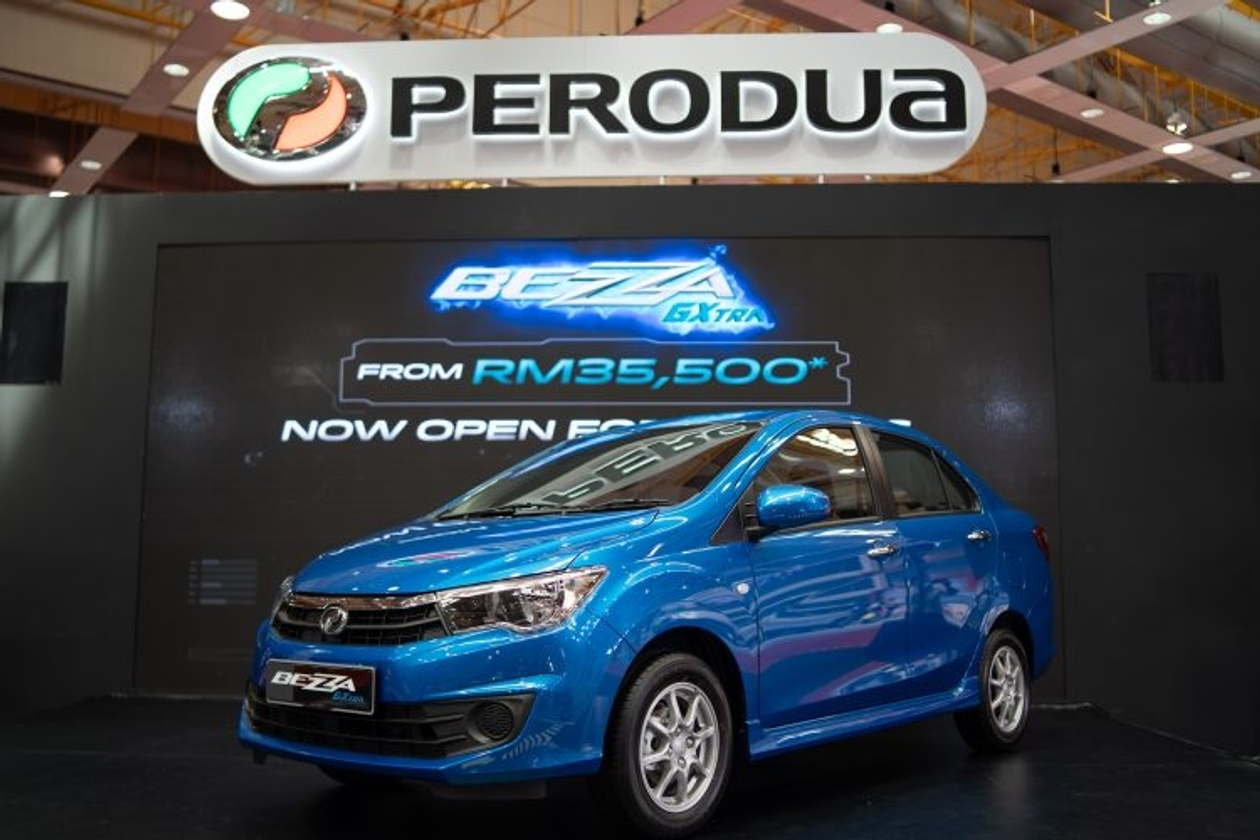
Forced Registration Model for National Cars:
-Perodua: 97.38%
-Proton: 94.62%
The near‑100% RN share for national cars reveals their massive scale of pre‑registration. To maintain the illusion of market share, dealers heavily register “zero‑kilometre” new cars under the RN category at the end of each month. Although this practice resulted in impressive 2025 sales figures (Perodua exceeded 350,000 units), it also means significant excess inventory in the market.
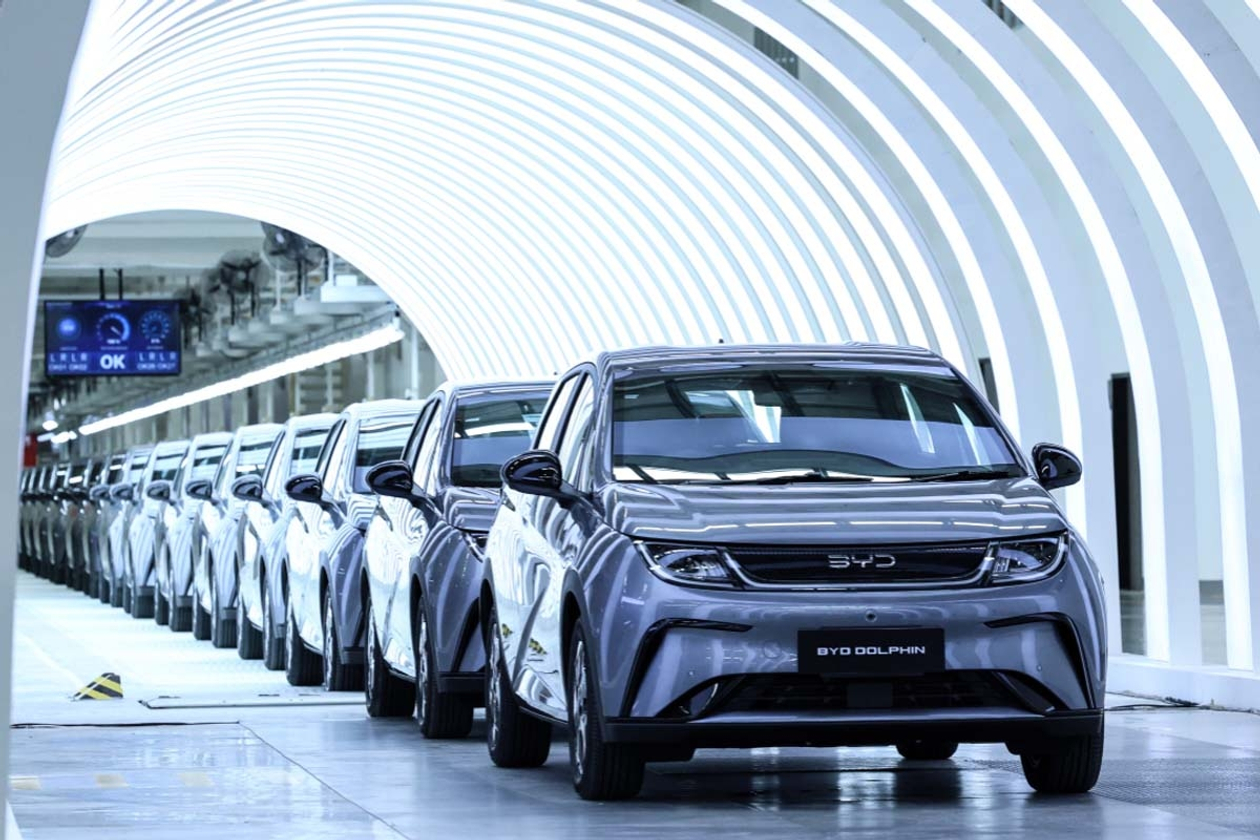
New Trends for Electric Vehicle Brands:
-BYD: 83.97%
-Chery: 85.39%
As new entrants, BYD and Chery showed extremely high RN shares in 2025, an increase from 2024. This reflects that new brands strengthened their penetration into corporate fleets (such as electric vehicle rentals and government vehicle projects) in 2025, while also adopting dealer volume‑driving logic similar to national cars.
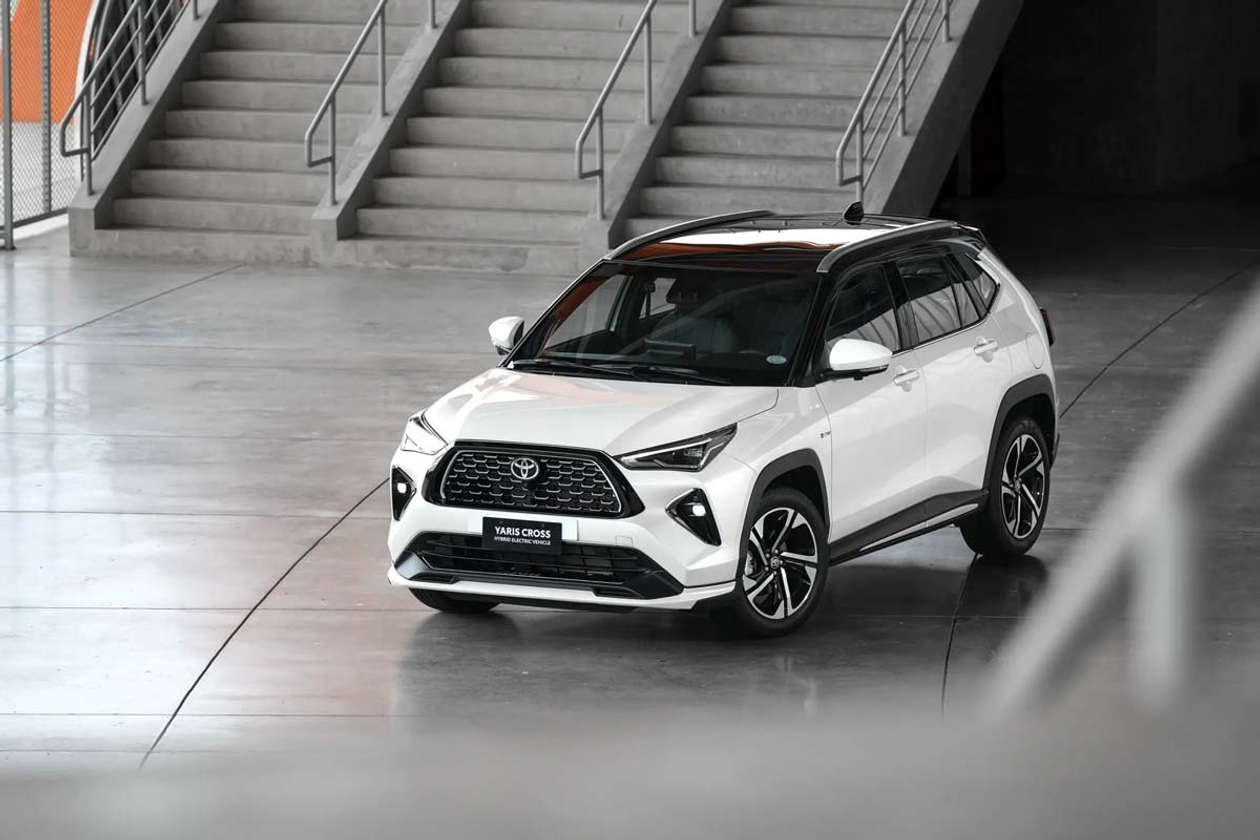
"Honesty" of Traditional Brands:
-Mercedes‑Benz: 50.10%
-BMW: 64.60%
-Toyota: 57.71%
Premium and traditional brands still maintain relatively low RN ratios, indicating that their buyers are mostly genuine individuals or locally registered companies. This segment is currently the only remaining “clean area” in Malaysia’s car market that reflects real consumption distribution.
The December Frenzy — The Truth Behind the 2025 Year‑End Push
Monthly data for 2025 shows an unprecedented “push” phenomenon. RN registrations in December reached a staggering 83,475 units, far above the monthly average. Compared with the June low of 49,485 units, December’s volume surged by nearly 70%. This surge cannot be explained by festive promotions alone. The commercial truth behind it is: December 2025 was a make‑or‑break month for many dealers. To secure large year‑end bonuses from manufacturers, dealers rushed to convert inventory into “sold” status using the RN category in the final week of December. Meanwhile, listed companies needed to show growth in annual reports, turning December into an artificially created “sales miracle”.
Corporate Purchases — The Invisible Giant of Sales
The rising RN share in 2025 also marks a structural change in Malaysian car‑buying habits.
With the maturity of car subscription services and B2B leasing, traditional individual car‑buying demand is being replaced by corporate services.
In the 2025 RN category, the Perodua Bezza remains the undisputed “Fleet King”. This phenomenon not only reflects its status as the top choice for e‑hailing but also explains its high liquidity in dealer pre‑registrations — it is the easiest pre‑registered car to resell.
Consumer Warnings and Industry Reflection
When 86% of market data is concentrated under “Rakan Niaga”, transparency becomes a rare commodity.
In 2025, buyers should be more cautious when purchasing national cars. If you buy a car in January or February, there is a high chance you are purchasing a vehicle “pre‑registered” through the RN channel in the previous December. While this may lead to lower prices (pre‑registered car discounts), it also means the car you own has already gone through one “registration” on paper.
We call for more transparent data categorisation. JPJ should distinguish between actual corporate acquisitions and dealer pre‑registered inventory under “Rakan Niaga”. Only then can macroeconomic analysis of Malaysia’s automotive market return to the truth.
Closing Thoughts
From 0% in 2000 to 86% in 2025, “Rakan Niaga” is no longer just a classification — it encapsulates a decade of dramatic change in Malaysia’s car market. It bears witness to the industry’s digitalisation and scaling, while also masking inventory pressure and inflated data.
The truth often lies not in dazzling sales figures, but behind the erased state names.

Your go-to source for all things automotive in Malaysia. 🚗 Latest reviews, breaking news, launches & industry trends.
+ Follow Proton S70 i-GT 1.5 Prime kini lebih mampu dimiliki!
Dengan harga yang lebih mampu milik ia masih menawarkan pakej yang cukup lengkap.
Dalam video kali ini, saya membawa anda melihat dengan lebih dekat Proton S70 i-GT 1.5 Prime.
Dari reka bentuk luaran, ruang kabin, teknologi, ciri keselamatan dan yang paling penting, pengalaman memandu.
#ProtonS70 #ProtonS70Prime #ProtonS70Review #ProtonMalaysia #CarReviewMalaysia #KeretaMalaysia #SedanMalaysia #AutomotifMalaysia 5 hours ago
Proton S70 i-GT 1.5 Prime kini lebih mampu dimiliki!
Dengan harga yang lebih mampu milik ia masih menawarkan pakej yang cukup lengkap.
Dalam video kali ini, saya membawa anda melihat dengan lebih dekat Proton S70 i-GT 1.5 Prime.
Dari reka bentuk luaran, ruang kabin, teknologi, ciri keselamatan dan yang paling penting, pengalaman memandu.
#ProtonS70 #ProtonS70Prime #ProtonS70Review #ProtonMalaysia #CarReviewMalaysia #KeretaMalaysia #SedanMalaysia #AutomotifMalaysia 5 hours ago  Bookings are now opened for the upcoming 2027 GWM Ora 5 HEV!
RM 115k estimated? That's quite a deal, don't you think? 11 hours ago
Bookings are now opened for the upcoming 2027 GWM Ora 5 HEV!
RM 115k estimated? That's quite a deal, don't you think? 11 hours ago  This weekend is your chance to own a Volvo Selekt Certified Used Car, priced from just RM 148,000.
What are you waiting for?
#volvo 16 hours ago
This weekend is your chance to own a Volvo Selekt Certified Used Car, priced from just RM 148,000.
What are you waiting for?
#volvo 16 hours ago Get the latest car news first!
Your go-to source for all things automotive in Malaysia. 🚗 Latest reviews, breaking news, launches & industry trends.
Proton S70 i-GT 1.5 Prime kini lebih mampu dimiliki!
Dengan harga yang lebih mampu milik ia masih menawarkan pakej yang cukup lengkap.
Dalam video kali ini, saya membawa anda melihat dengan lebih dekat Proton S70 i-GT 1.5 Prime.
Dari reka bentuk luaran, ruang kabin, teknologi, ciri keselamatan dan yang paling penting, pengalaman memandu.
#ProtonS70 #ProtonS70Prime #ProtonS70Review #ProtonMalaysia #CarReviewMalaysia #KeretaMalaysia #SedanMalaysia #AutomotifMalaysia 5 hours ago Bookings are now opened for the upcoming 2027 GWM Ora 5 HEV!
RM 115k estimated? That's quite a deal, don't you think? 11 hours ago This weekend is your chance to own a Volvo Selekt Certified Used Car, priced from just RM 148,000.
What are you waiting for?
#volvo 16 hours ago  ProtonGWMVolkswagenJAECOOVolvoPeroduaToyotaHondaTESLAMitsubishiMazdaJetourCheryBYDLexusBMWMercedes-BenziCAURZeekrIsuzuNissanLeapmotorPorscheFordOMODAMINIMGSuzukiXPengHyundaiWulingKiaSubaruDenzaGACLand RoverDongfengCAMAudiPeugeotFotonMAXUSsmartDaihatsuJACJMCMaseratiLotusAlfa RomeoRenaultGolden DragonKaiceneSeresLamborghiniFerrariJeepRolls-RoyceLepasAston MartinMcLarenChevroletBentleyFiatBAICForthingGeelyRoeweAeolusChanganARCFOXDeepalExeedHongqiVoyahJaguarKGMBuforiAcuraCadillacDodgeAbarthINEOSMHEROJMEVFreelander
 © 2024 Bitauto.com. All Rights Reserved.
Bitauto (www.yiche.com and www.bitauto.com) is one of the most visited automotive websites in China. We provide detailed info on Chinese car brands available in your area. Please note that the information provided on this website is based on publicly available data and is for reference only. It may not be fully updated or accurate at all times.
Help us improve our website


