
Search History
Popular Searches
English
Dealer Login / Sign Up
According to a March 8 report by the South China Morning Post, a man drove a Mercedes-Benz to a car dealership in Bangkok, Thailand, and planned to buy an electric vehicle (EV) on the spot with cash—even though it was not part of his original car purchase plan.
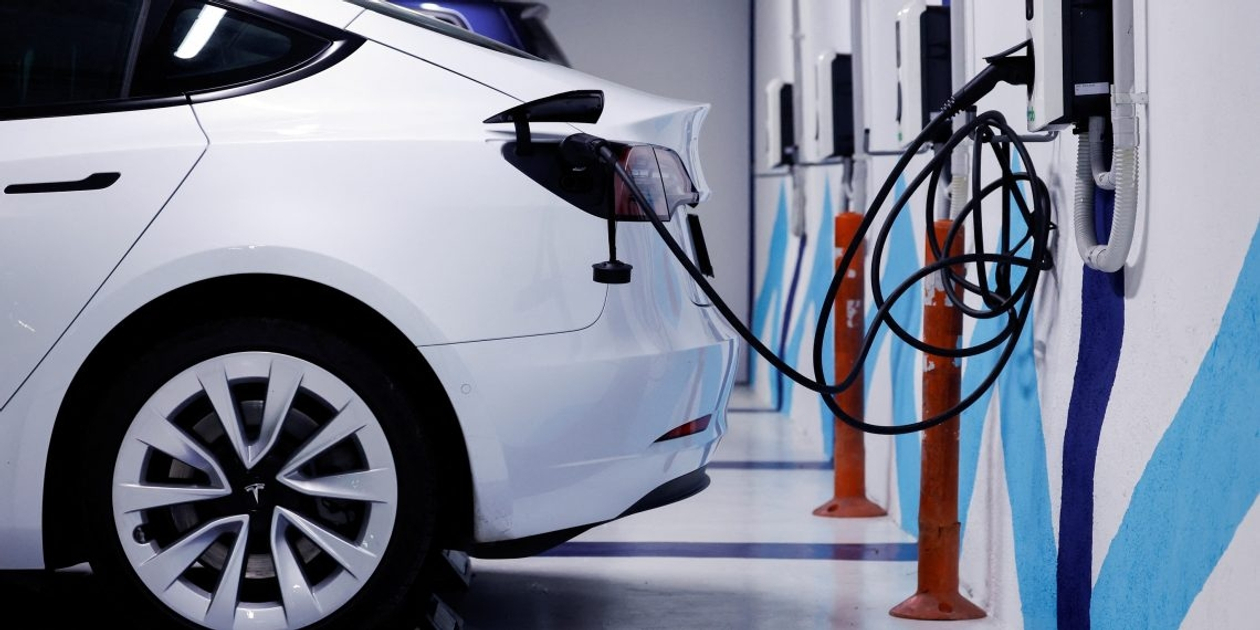
While this incident happened in Thailand, similar trends are also emerging in Malaysia. Local car dealers in Malaysia have noticed that more consumers are re-evaluating the long-term cost of fuel-powered cars and turning to EVs, driven by fluctuating international oil prices and rising fuel costs.
The tense situation in the Middle East, triggered by the US-Israel military operations against Iran, has brought potential oil supply risks, triggering fluctuations in the international energy market. As a country highly dependent on fuel imports, Malaysia is once again facing pressure from rising energy costs, making EVs an increasingly attractive option for local consumers. Geopolitically driven oil price uncertainty has become another key catalyst for Malaysia’s electric vehicle transition.
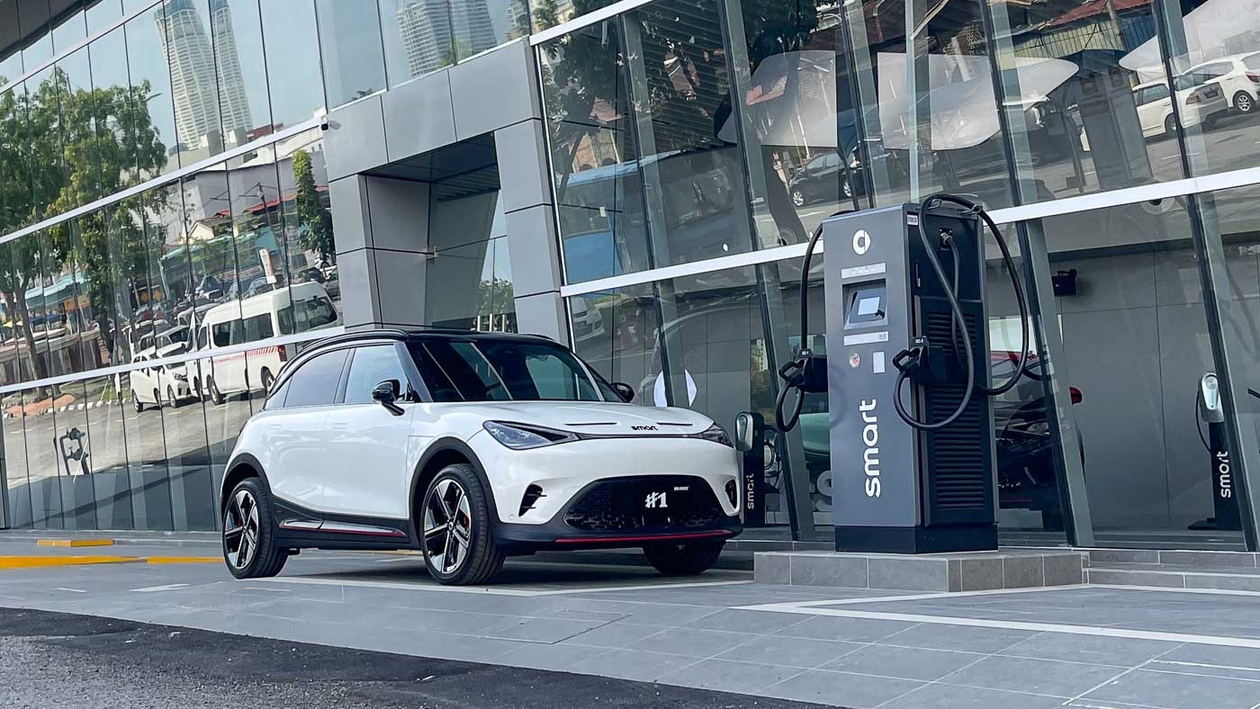
In fact, the growth momentum of Malaysia’s EV market has long been evident. According to data from energy think tank Ember, EVs accounted for about 16% of new car sales in Southeast Asia in 2025, meaning one out of every six new cars sold was an EV—with Malaysia’s market closely aligning with this regional trend. Malaysia’s EV market has seen remarkable growth, with 44,813 EV units registered in 2025, a significant jump from just 3,127 units in 2022, according to the Ministry of Investment, Trade and Industry (MITI).
The most popular EV models in Malaysia in 2025 include the Proton e.MAS 7, BYD Sea Lion 7, and Tesla Model Y, with the Proton e.MAS 7 ranking as the best-selling EV with 8,677 registrations. For Malaysian consumers interested in these models, here’s some key information: The Proton e.MAS 7, a locally favored model, offers two variants (Prime and Premium), with the Premium variant accounting for 86% of deliveries. It is designed to suit Malaysian daily driving habits—most local drivers travel 21 to 40 km per day, so the e.MAS 7 only needs to be recharged once a week under average usage. It also comes with a robust aftersales network, including 35 dealerships and 29 service centres nationwide. The BYD Sea Lion 7 and Tesla Model Y, both popular imported models, are known for their advanced intelligent features and long driving range, though their prices are expected to rise in 2026 due to policy changes.
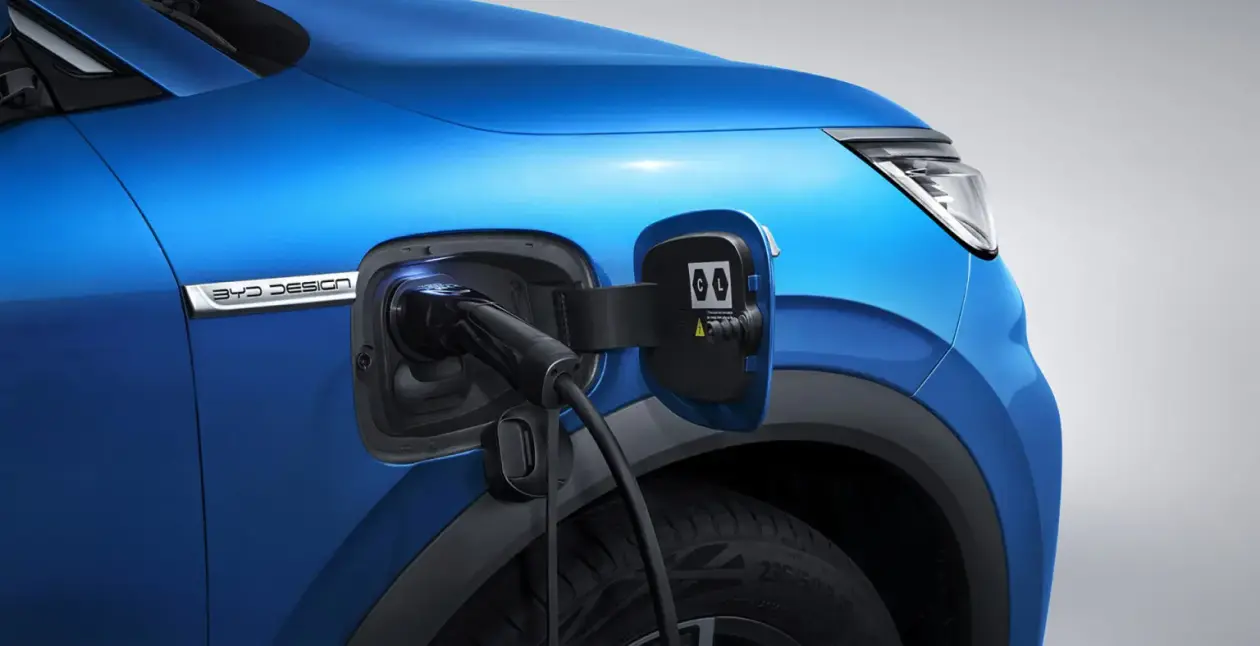
Over the past few years, Malaysia’s government policies have played a crucial role in promoting EV adoption. Previously, the government offered tax exemptions for completely built-up (CBU) EV imports from 2022 to 2025 to stimulate the domestic market. However, as part of a strategic shift, the government is now adjusting its EV policies—moving from direct consumer subsidies to supporting local industry development and infrastructure construction. The CBU EV tax exemption ended on December 31, 2025, and starting from 2026, CBU EVs will be subject to a 5% import duty, 10% excise duty, and 10% sales tax, leading to an expected price increase of 25% to 30%. In contrast, locally assembled (CKD) EVs will continue to enjoy full tax exemptions until the end of 2027, encouraging automakers to set up local assembly plants.
In terms of infrastructure, Malaysia is steadily advancing its public EV charging network. As of December 31, 2025, a total of 5,624 public EV charging units have been installed nationwide, accounting for 56% of the 10,000-unit target set by the government. Among these, 1,923 are DC fast chargers—exceeding the initial target by 128%—which are crucial for boosting consumer confidence in EV adoption. The charging network covers over 90% of the country, including more than 1,100 charging points in high-rise residential buildings, making it more convenient for urban EV owners to recharge their vehicles. However, some charging projects are still pending operation, and the high cost of installing DC fast chargers (estimated at RM210,000 per unit) remains a challenge.
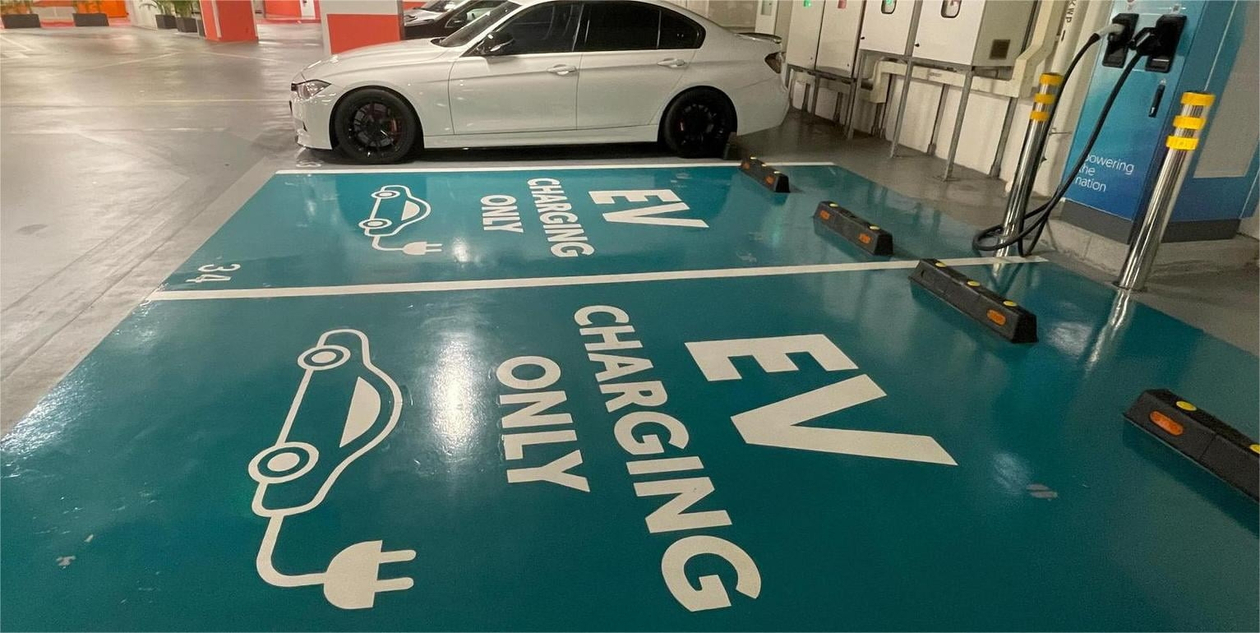
Analysts point out that despite the remaining infrastructure gaps, the trend of electrification in Malaysia is already well-established. Factors such as falling battery costs, improved vehicle intelligence, and growing consumer sensitivity to fuel price fluctuations are driving changes in the local automotive market structure.
More importantly, for Malaysia—a country heavily dependent on energy imports—EVs are not just an upgrade in transportation methods, but also a matter of energy security and fiscal stability. With international oil prices vulnerable to geopolitical influences, reducing reliance on traditional fuel and enhancing energy security and economic resilience have become important practical drivers for Malaysia’s push towards electrification. This aligns with the National Automotive Policy 2020, which aims to make Malaysia a production and export hub for next-generation vehicles.

Your go-to source for all things automotive in Malaysia. 🚗 Latest reviews, breaking news, launches & industry trends.
+ Follow Proton S70 i-GT 1.5 Prime kini lebih mampu dimiliki!
Dengan harga yang lebih mampu milik ia masih menawarkan pakej yang cukup lengkap.
Dalam video kali ini, saya membawa anda melihat dengan lebih dekat Proton S70 i-GT 1.5 Prime.
Dari reka bentuk luaran, ruang kabin, teknologi, ciri keselamatan dan yang paling penting, pengalaman memandu.
#ProtonS70 #ProtonS70Prime #ProtonS70Review #ProtonMalaysia #CarReviewMalaysia #KeretaMalaysia #SedanMalaysia #AutomotifMalaysia 5 hours ago
Proton S70 i-GT 1.5 Prime kini lebih mampu dimiliki!
Dengan harga yang lebih mampu milik ia masih menawarkan pakej yang cukup lengkap.
Dalam video kali ini, saya membawa anda melihat dengan lebih dekat Proton S70 i-GT 1.5 Prime.
Dari reka bentuk luaran, ruang kabin, teknologi, ciri keselamatan dan yang paling penting, pengalaman memandu.
#ProtonS70 #ProtonS70Prime #ProtonS70Review #ProtonMalaysia #CarReviewMalaysia #KeretaMalaysia #SedanMalaysia #AutomotifMalaysia 5 hours ago  Bookings are now opened for the upcoming 2027 GWM Ora 5 HEV!
RM 115k estimated? That's quite a deal, don't you think? 11 hours ago
Bookings are now opened for the upcoming 2027 GWM Ora 5 HEV!
RM 115k estimated? That's quite a deal, don't you think? 11 hours ago  This weekend is your chance to own a Volvo Selekt Certified Used Car, priced from just RM 148,000.
What are you waiting for?
#volvo 16 hours ago
This weekend is your chance to own a Volvo Selekt Certified Used Car, priced from just RM 148,000.
What are you waiting for?
#volvo 16 hours ago Get the latest car news first!
Your go-to source for all things automotive in Malaysia. 🚗 Latest reviews, breaking news, launches & industry trends.
Proton S70 i-GT 1.5 Prime kini lebih mampu dimiliki!
Dengan harga yang lebih mampu milik ia masih menawarkan pakej yang cukup lengkap.
Dalam video kali ini, saya membawa anda melihat dengan lebih dekat Proton S70 i-GT 1.5 Prime.
Dari reka bentuk luaran, ruang kabin, teknologi, ciri keselamatan dan yang paling penting, pengalaman memandu.
#ProtonS70 #ProtonS70Prime #ProtonS70Review #ProtonMalaysia #CarReviewMalaysia #KeretaMalaysia #SedanMalaysia #AutomotifMalaysia 5 hours ago Bookings are now opened for the upcoming 2027 GWM Ora 5 HEV!
RM 115k estimated? That's quite a deal, don't you think? 11 hours ago This weekend is your chance to own a Volvo Selekt Certified Used Car, priced from just RM 148,000.
What are you waiting for?
#volvo 16 hours ago  ProtonGWMVolkswagenJAECOOVolvoPeroduaToyotaHondaTESLAMitsubishiMazdaJetourCheryBYDLexusBMWMercedes-BenziCAURZeekrIsuzuNissanLeapmotorPorscheFordOMODAMINIMGSuzukiXPengHyundaiWulingKiaSubaruDenzaGACLand RoverDongfengCAMAudiPeugeotFotonMAXUSsmartDaihatsuJACJMCMaseratiLotusAlfa RomeoRenaultGolden DragonKaiceneSeresLamborghiniFerrariJeepRolls-RoyceLepasAston MartinMcLarenChevroletBentleyFiatBAICForthingGeelyRoeweAeolusChanganARCFOXDeepalExeedHongqiVoyahJaguarKGMBuforiAcuraCadillacDodgeAbarthINEOSMHEROJMEVFreelander
 © 2024 Bitauto.com. All Rights Reserved.
Bitauto (www.yiche.com and www.bitauto.com) is one of the most visited automotive websites in China. We provide detailed info on Chinese car brands available in your area. Please note that the information provided on this website is based on publicly available data and is for reference only. It may not be fully updated or accurate at all times.
Help us improve our website


