
Search History
Popular Searches
English
Dealer Login / Sign Up
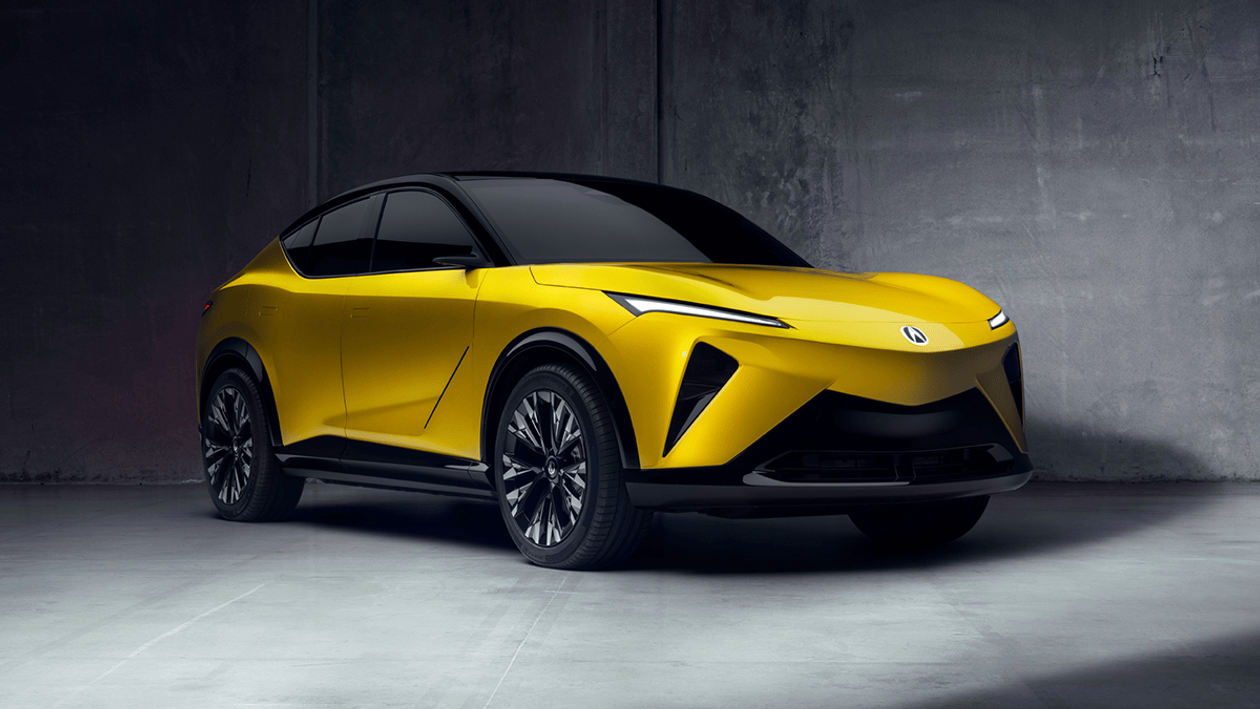
Amid the global shift toward automotive electrification, market realities are forcing major automakers to adjust their pace. Recently, Japanese automotive giant Honda officially announced the cancellation of three planned electric vehicles — the Honda 0 SUV, Honda 0 Saloon, and Acura RSX EV — shifting its strategic focus to hybrid models.
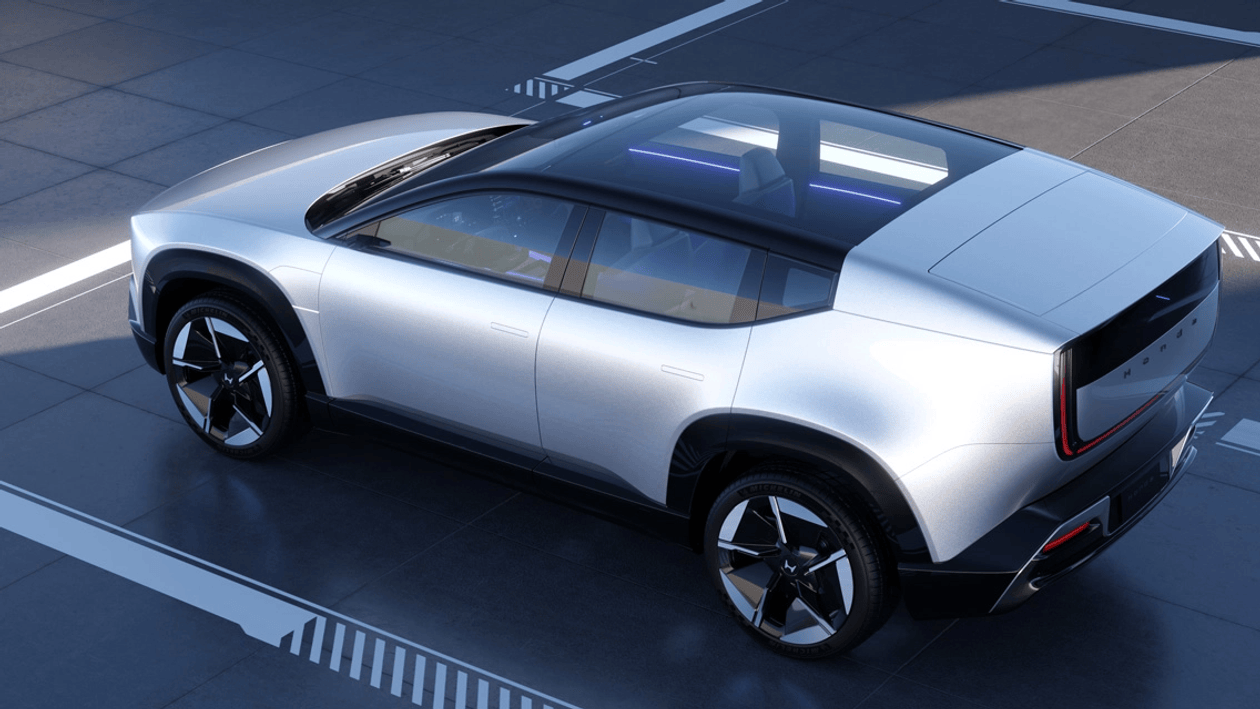
This decision not only marks a major shift in Honda’s electrification strategy but also reflects the growing pains of the global EV market, which will have far-reaching impacts on the Southeast Asian and Malaysian markets in particular.
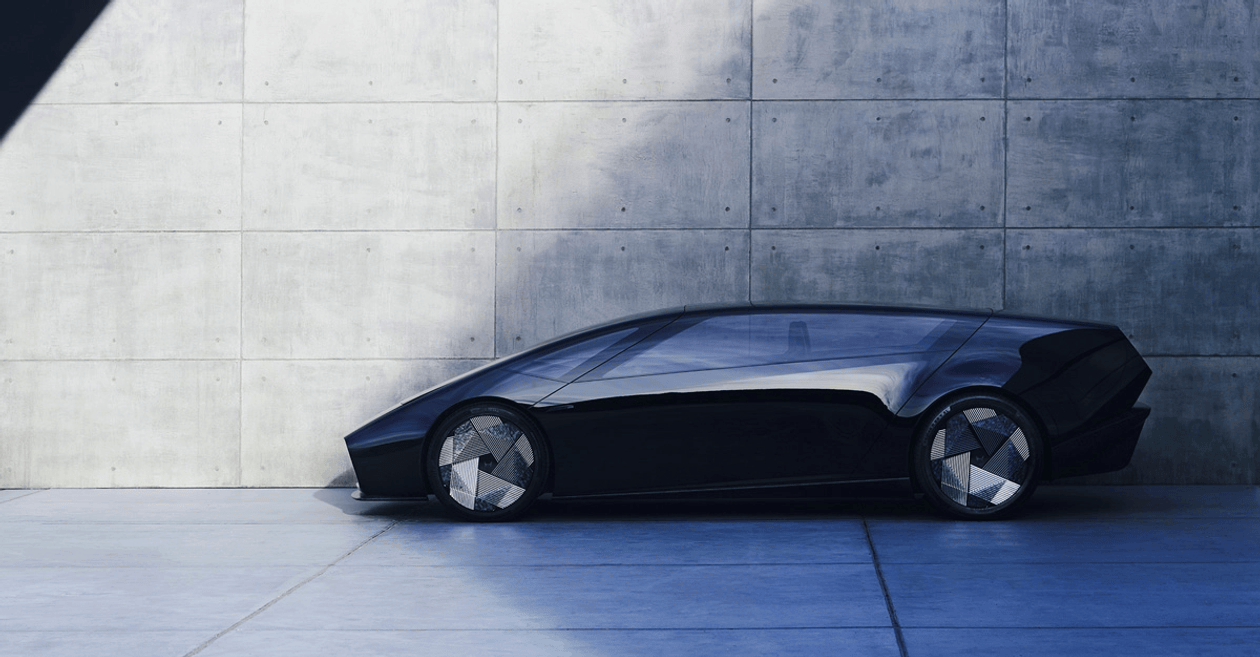
Looking back at the 2024 and 2025 CES exhibitions, Honda made a high-profile launch of its 0 Series electric vehicle lineup. Among them, the 0 SUV and 0 Saloon, as the core models of the new-generation EV platform, were planned to be produced at Honda’s Ohio factory in the United States and officially launched in 2026; the RSX EV under the luxury brand Acura was also planned to expand the North American electric vehicle market based on the same platform.
These three models were regarded as the "three core pioneers" of Honda’s electric vehicle era, yet their development and launch plans were suddenly halted on the eve of mass production, driven by a combination of multiple practical pressures.
The most direct reason is that the growth of the EV market has fallen far short of automakers’ original expectations, and continuing to advance these projects would face the risk of long-term losses. As a core target market, the United States has seen adjustments to its environmental protection regulations and EV subsidy policies, slowing down the pace of market expansion. Policy uncertainty and tariff issues have also increased the risks of Honda’s EV production in North America. More importantly, over-investment in EV research and development has weakened its competitiveness in the Asian market, which is particularly crucial for Honda, which has a deep presence in Malaysia.
Financial pressure has become the last straw. Honda expects to record a net loss of 420 billion to 690 billion yen in the fiscal year ending March 2026, the first annual loss since its listing. The huge investment and asset impairment in the EV business are the main incentives, with the total losses related to the strategic adjustment expected to reach up to 2.5 trillion yen. To take responsibility, Honda’s senior management has voluntarily taken pay cuts, highlighting the severity of its financial predicament.
Honda’s predicament is not an isolated case. Traditional automakers around the world are facing three major challenges in the EV sector: high R&D costs, intensifying competition from Chinese brands, and slower-than-expected market demand. For the Malaysian market, Honda’s shift is more targeted — although Malaysia’s EV penetration rate has risen to 9.2%, the charging infrastructure is still inadequate, and consumers still have concerns about EV prices and residual values. In contrast, Hybrid models, which do not rely on charging facilities and have lower costs, are more in line with local market demand.
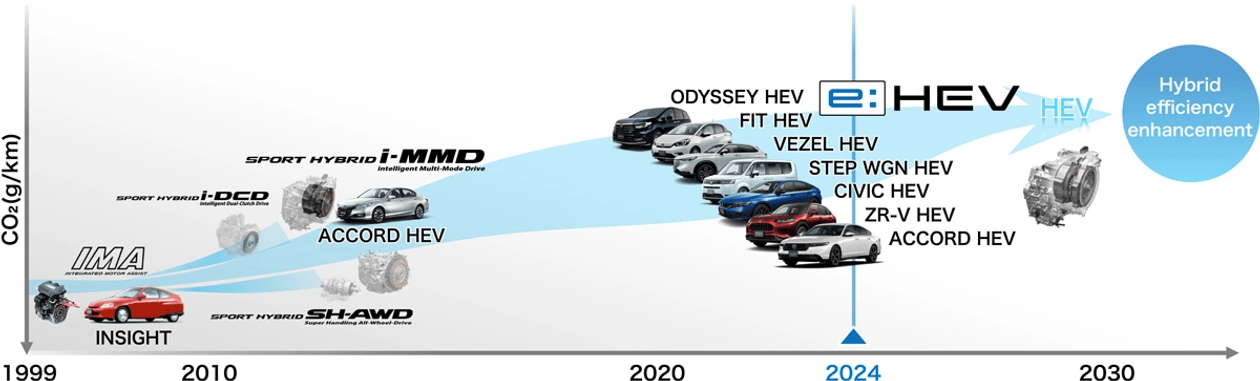
Honda has accumulated profound experience in hybrid technology; its e:HEV system boasts excellent fuel efficiency, a mature supply chain, and stable performance in many markets around the world. This strategic adjustment does not mean that Honda is abandoning electrification, but rather choosing a more pragmatic path: continuing to develop EV technology while expanding its Hybrid product lineup to balance profitability and market demand.
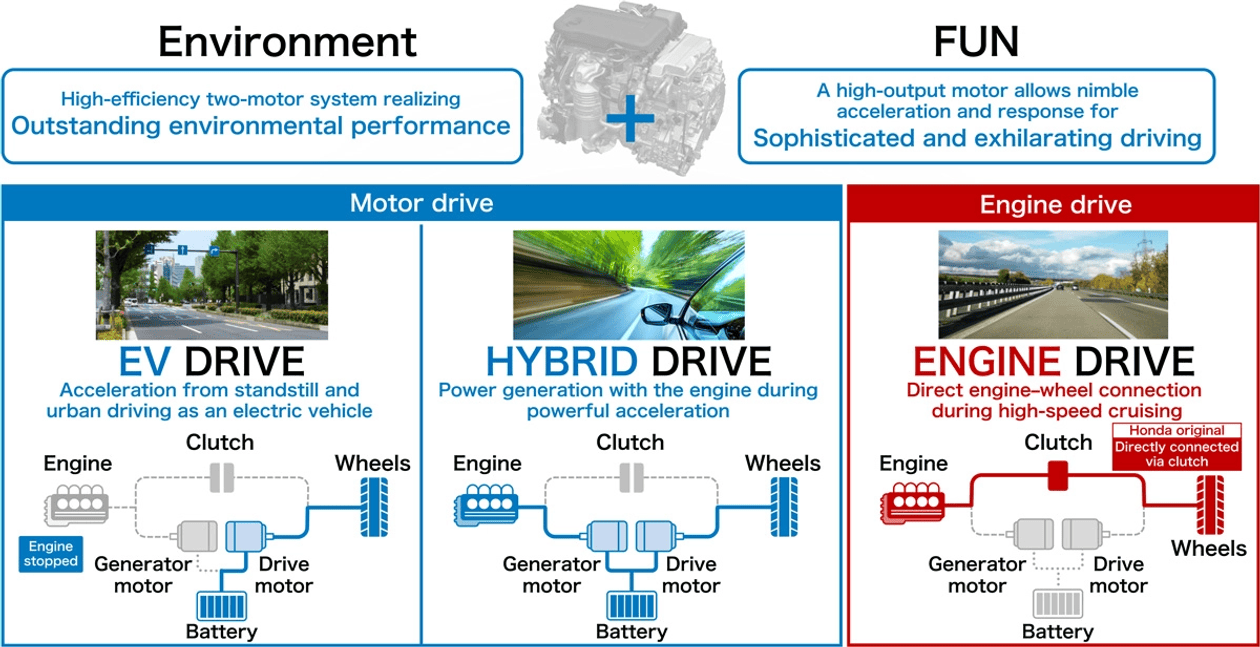
For Malaysian consumers, this adjustment means more mature Hybrid models will be available in the future; for Honda, it is a key step to stabilize its market position in Asia and Southeast Asia. At a time when the global EV market is not yet fully mature, Hybrid may be the optimal transitional solution for Honda to respond to market changes and consolidate its regional competitiveness.

Your go-to source for all things automotive in Malaysia. 🚗 Latest reviews, breaking news, launches & industry trends.
+ Follow We saw this accident this morning, and here’s a reminder to everyone: please drive safe. 2 days ago
  The G50 BMW 3 series is now here, adopting much of the i3's design elements.
So, where's the BMW M3?
#bmw #BMW3Series 4 days ago
The G50 BMW 3 series is now here, adopting much of the i3's design elements.
So, where's the BMW M3?
#bmw #BMW3Series 4 days ago  DRIFT PARTY in Malaysia! Can the Xiaomi SU7, Yangwang U8 mix it up against JDM favourites in KL?
Our adventure with the Xiaomi SU7 and Yangwang U8 brings us to APDCrew circuit as we give witness a drift show. With pro drifters and fan-favourites - RX7s, S15s, Skylines, Supras, and more - in the mix, can our Xiaomi SU7 and Yangwang U8 hold their own?
It's also a quick look at Malaysian car culture, including some wildly modified minivans, and more!
#drift #malaysia #xiaomisu7 #yangwangu8 #larrychen #drifting #JDM跑車 4 days ago
DRIFT PARTY in Malaysia! Can the Xiaomi SU7, Yangwang U8 mix it up against JDM favourites in KL?
Our adventure with the Xiaomi SU7 and Yangwang U8 brings us to APDCrew circuit as we give witness a drift show. With pro drifters and fan-favourites - RX7s, S15s, Skylines, Supras, and more - in the mix, can our Xiaomi SU7 and Yangwang U8 hold their own?
It's also a quick look at Malaysian car culture, including some wildly modified minivans, and more!
#drift #malaysia #xiaomisu7 #yangwangu8 #larrychen #drifting #JDM跑車 4 days ago Get the latest car news first!
Your go-to source for all things automotive in Malaysia. 🚗 Latest reviews, breaking news, launches & industry trends.
We saw this accident this morning, and here’s a reminder to everyone: please drive safe. 2 days ago The G50 BMW 3 series is now here, adopting much of the i3's design elements.
So, where's the BMW M3?
#bmw #BMW3Series 4 days ago DRIFT PARTY in Malaysia! Can the Xiaomi SU7, Yangwang U8 mix it up against JDM favourites in KL?
Our adventure with the Xiaomi SU7 and Yangwang U8 brings us to APDCrew circuit as we give witness a drift show. With pro drifters and fan-favourites - RX7s, S15s, Skylines, Supras, and more - in the mix, can our Xiaomi SU7 and Yangwang U8 hold their own?
It's also a quick look at Malaysian car culture, including some wildly modified minivans, and more!
#drift #malaysia #xiaomisu7 #yangwangu8 #larrychen #drifting #JDM跑車 4 days ago  ProtonGWMVolkswagenJAECOOVolvoPeroduaToyotaHondaTESLAMitsubishiMazdaJetourCheryBYDLexusBMWMercedes-BenziCAURZeekrIsuzuNissanLeapmotorPorscheFordOMODAMINIMGSuzukiXPengHyundaiWulingKiaSubaruDenzaGACLand RoverDongfengCAMAudiPeugeotFotonMAXUSsmartDaihatsuJACJMCMaseratiLotusAlfa RomeoRenaultGolden DragonKaiceneSeresLamborghiniFerrariJeepRolls-RoyceLepasAston MartinMcLarenChevroletBentleyFiatBAICForthingGeelyRoeweAeolusChanganARCFOXDeepalExeedHongqiVoyahJaguarKGMBuforiAcuraCadillacDodgeAbarthINEOSMHEROJMEVFreelander
 © 2024 Bitauto.com. All Rights Reserved.
Bitauto (www.yiche.com and www.bitauto.com) is one of the most visited automotive websites in China. We provide detailed info on Chinese car brands available in your area. Please note that the information provided on this website is based on publicly available data and is for reference only. It may not be fully updated or accurate at all times.
Help us improve our website


