
Search History
Popular Searches
English
Dealer Login / Sign Up
Recently, data from Benchmark Mineral Intelligence shows that global electric vehicle (EV) sales fell by 11% year-on-year in February, with a cumulative decline of 8% so far this year. This figure has made many people question: Has the once highly anticipated electrification wave peaked, and is there really no future for EVs? In fact, this sales correction is not a sign of industry recession, but a normal adjustment as the market transitions from a period of rapid growth to a mature stage, and automakers have already found ways to respond.
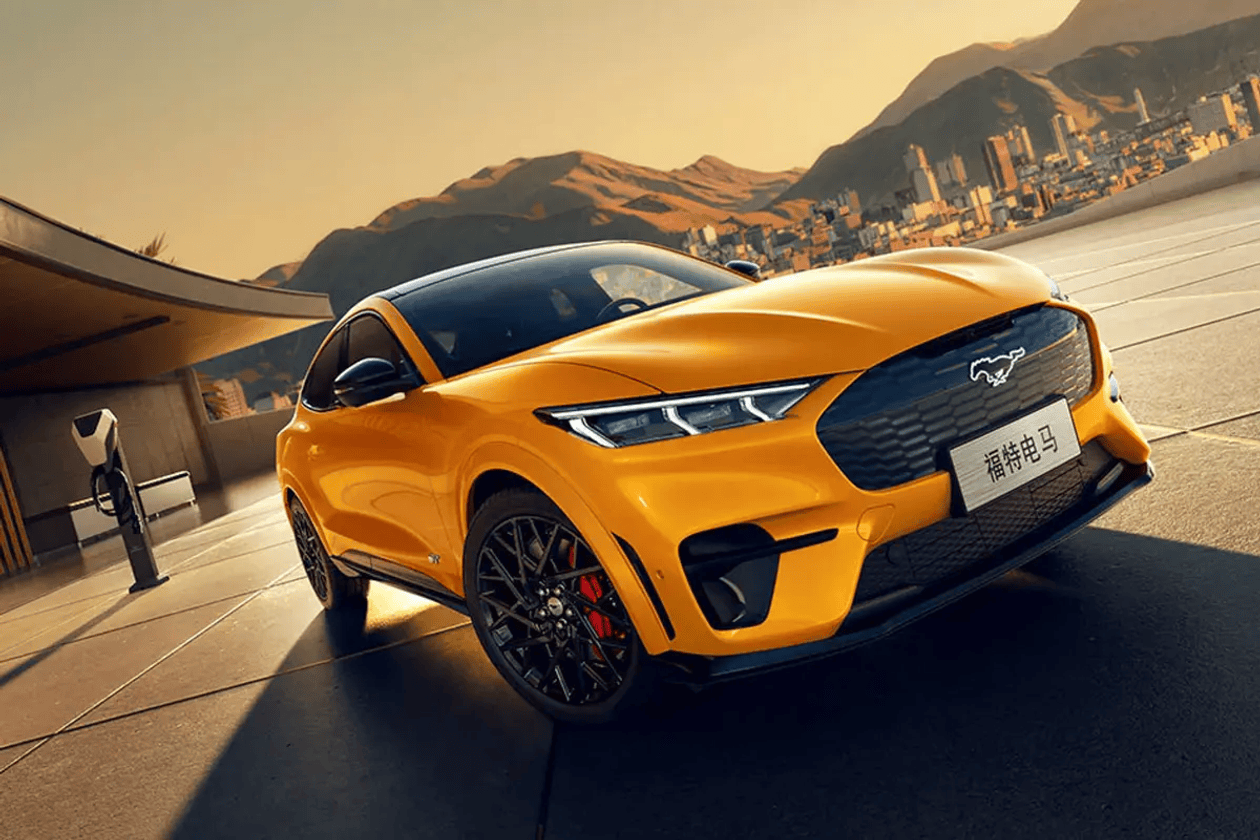
The global decline in EV sales shows obvious regional differentiation and is not a comprehensive slump. As the world's largest EV market, China's sales have dropped by 26% since the beginning of this year. The core reason is the adjustment of car purchase subsidy policies and the re-imposition of purchase tax, which has led consumers to hold off on buying. However, Chinese brands are making up for this loss through exports—EV exports in the first two months of 2026 more than doubled, exceeding 500,000 units. The North American market performed even worse, with sales plummeting 36% so far this year. EV sales of automakers such as Ford have even dropped by 70%, mainly due to the termination of the U.S. federal EV tax credit policy, coupled with insufficient charging infrastructure, leading to sustained weak demand.
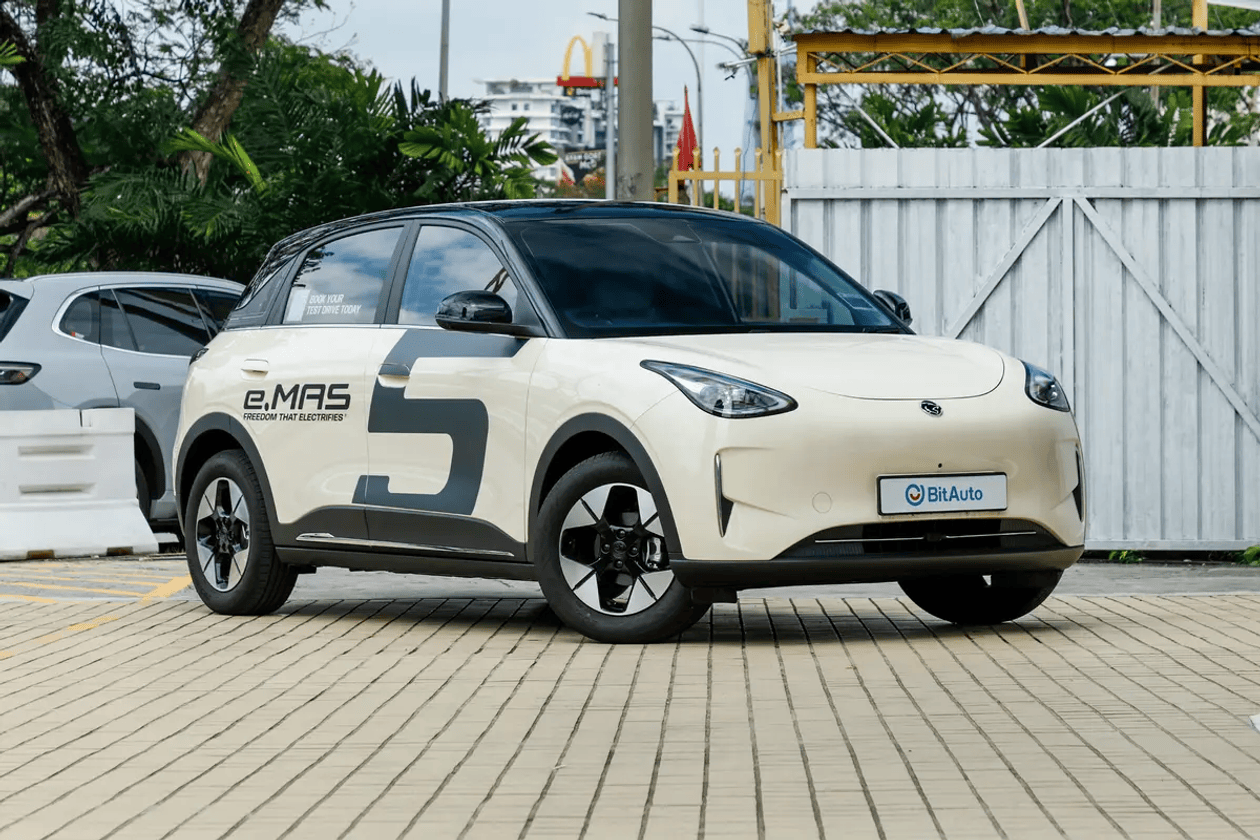
In sharp contrast, the European market has seen a counter-trend growth of 21% in EV sales so far this year, with Germany and France growing by 26% and 30% respectively. This is thanks to generous subsidies from the EU and various countries—Germany has restarted a car purchase subsidy of up to 6,000 euros, and France has raised the "ecological subsidy" to a maximum of 5,700 euros, which has effectively driven consumption. Notably for Malaysian readers, emerging markets such as Southeast Asia are rising rapidly. Malaysia's EV penetration rate has reached 9.2%, and the local brand Proton e.MAS 5 has even surpassed BYD to top the pure electric sales list, showing strong potential.
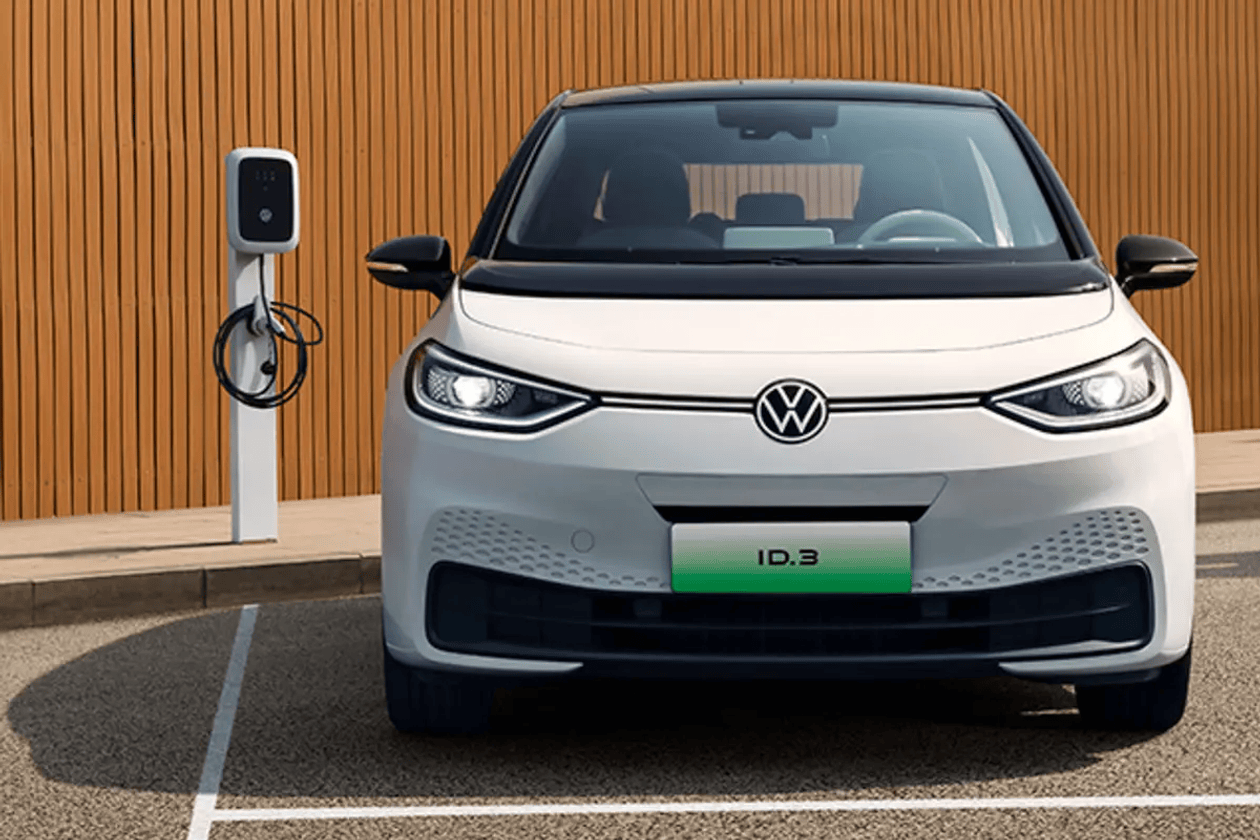
Faced with sales fluctuations, automakers have not stood idly by, but have expanded battery technology to the energy storage field to open up new profit paths. Previously, automakers invested heavily in building battery factories to meet EV demand, and weak demand has led to idle production capacity. Energy storage systems have become the key to absorbing excess capacity. Volkswagen recently put into operation a large-scale battery energy storage facility in Germany. In Salzgitter, Elli, the energy subsidiary of the Volkswagen Group, has connected an energy storage system with an output power of about 20 megawatts (MW) and a storage capacity of 40 megawatt-hours (MWh) to the power grid. Other automakers including Tesla, BYD, General Motors, Ford, Renault, Mercedes-Benz and Hyundai are also selling or developing energy storage systems. LG Energy Solution has even signed a $4.3 billion contract with Tesla to supply batteries for its energy storage systems. This cross-border layout not only revitalizes existing resources but also opens up a new track for the industry.
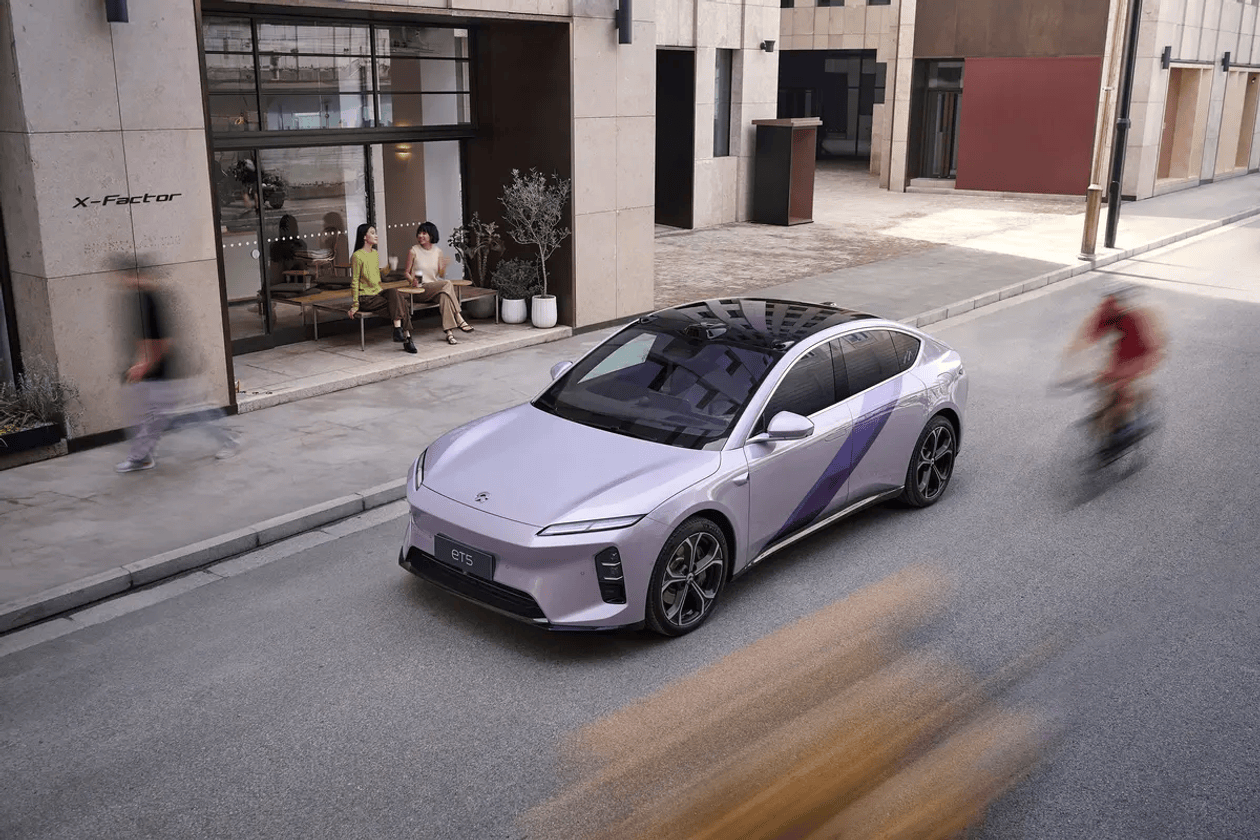
In fact, the long-term development trend of EVs has not changed. Many countries around the world still have internal combustion engine vehicle ban plans. Although the EU has adjusted its 2035 zero-emission policy, it still requires 90% of new cars to be zero-emission models. Strict emission regulations will continue to promote the electrification transformation. The current sales decline is only a phased adjustment as the market gets rid of subsidy dependence and returns to rational demand, and it is also a process of industry reshuffling and leading enterprises highlighting their advantages.
For the Malaysian market, while the EV penetration rate is rising rapidly, it also faces challenges such as improving infrastructure and cultivating consumption habits. However, from a global perspective, EVs are not "no longer attractive", but have bid farewell to barbaric growth and entered a healthier and more mature stage. The sales correction is not the end, but the starting point for the industry to optimize and upgrade and find new growth points. The future of EVs is still worth looking forward to.

Your go-to source for all things automotive in Malaysia. 🚗 Latest reviews, breaking news, launches & industry trends.
+ Follow We saw this accident this morning, and here’s a reminder to everyone: please drive safe. 2 days ago
  The G50 BMW 3 series is now here, adopting much of the i3's design elements.
So, where's the BMW M3?
#bmw #BMW3Series 4 days ago
The G50 BMW 3 series is now here, adopting much of the i3's design elements.
So, where's the BMW M3?
#bmw #BMW3Series 4 days ago  DRIFT PARTY in Malaysia! Can the Xiaomi SU7, Yangwang U8 mix it up against JDM favourites in KL?
Our adventure with the Xiaomi SU7 and Yangwang U8 brings us to APDCrew circuit as we give witness a drift show. With pro drifters and fan-favourites - RX7s, S15s, Skylines, Supras, and more - in the mix, can our Xiaomi SU7 and Yangwang U8 hold their own?
It's also a quick look at Malaysian car culture, including some wildly modified minivans, and more!
#drift #malaysia #xiaomisu7 #yangwangu8 #larrychen #drifting #JDM跑車 4 days ago
DRIFT PARTY in Malaysia! Can the Xiaomi SU7, Yangwang U8 mix it up against JDM favourites in KL?
Our adventure with the Xiaomi SU7 and Yangwang U8 brings us to APDCrew circuit as we give witness a drift show. With pro drifters and fan-favourites - RX7s, S15s, Skylines, Supras, and more - in the mix, can our Xiaomi SU7 and Yangwang U8 hold their own?
It's also a quick look at Malaysian car culture, including some wildly modified minivans, and more!
#drift #malaysia #xiaomisu7 #yangwangu8 #larrychen #drifting #JDM跑車 4 days ago Get the latest car news first!
Your go-to source for all things automotive in Malaysia. 🚗 Latest reviews, breaking news, launches & industry trends.
We saw this accident this morning, and here’s a reminder to everyone: please drive safe. 2 days ago The G50 BMW 3 series is now here, adopting much of the i3's design elements.
So, where's the BMW M3?
#bmw #BMW3Series 4 days ago DRIFT PARTY in Malaysia! Can the Xiaomi SU7, Yangwang U8 mix it up against JDM favourites in KL?
Our adventure with the Xiaomi SU7 and Yangwang U8 brings us to APDCrew circuit as we give witness a drift show. With pro drifters and fan-favourites - RX7s, S15s, Skylines, Supras, and more - in the mix, can our Xiaomi SU7 and Yangwang U8 hold their own?
It's also a quick look at Malaysian car culture, including some wildly modified minivans, and more!
#drift #malaysia #xiaomisu7 #yangwangu8 #larrychen #drifting #JDM跑車 4 days ago  ProtonGWMVolkswagenJAECOOVolvoPeroduaToyotaHondaTESLAMitsubishiMazdaJetourCheryBYDLexusBMWMercedes-BenziCAURZeekrIsuzuNissanLeapmotorPorscheFordOMODAMINIMGSuzukiXPengHyundaiWulingKiaSubaruDenzaGACLand RoverDongfengCAMAudiPeugeotFotonMAXUSsmartDaihatsuJACJMCMaseratiLotusAlfa RomeoRenaultGolden DragonKaiceneSeresLamborghiniFerrariJeepRolls-RoyceLepasAston MartinMcLarenChevroletBentleyFiatBAICForthingGeelyRoeweAeolusChanganARCFOXDeepalExeedHongqiVoyahJaguarKGMBuforiAcuraCadillacDodgeAbarthINEOSMHEROJMEVFreelander
 © 2024 Bitauto.com. All Rights Reserved.
Bitauto (www.yiche.com and www.bitauto.com) is one of the most visited automotive websites in China. We provide detailed info on Chinese car brands available in your area. Please note that the information provided on this website is based on publicly available data and is for reference only. It may not be fully updated or accurate at all times.
Help us improve our website


