
Search History
Popular Searches
English
Dealer Login / Sign Up
For Mazda fans in Malaysia, the news of the long-awaited CX-5 HEV (Hybrid Edition) launch delay is undoubtedly disappointing. According to Australia’s Drive, Mazda has officially confirmed that it will postpone the launch of this mainstream SUV hybrid model. This is not merely a matter of scheduling, but a strategic choice by the brand to uphold its core genes and create a truly competitive product.
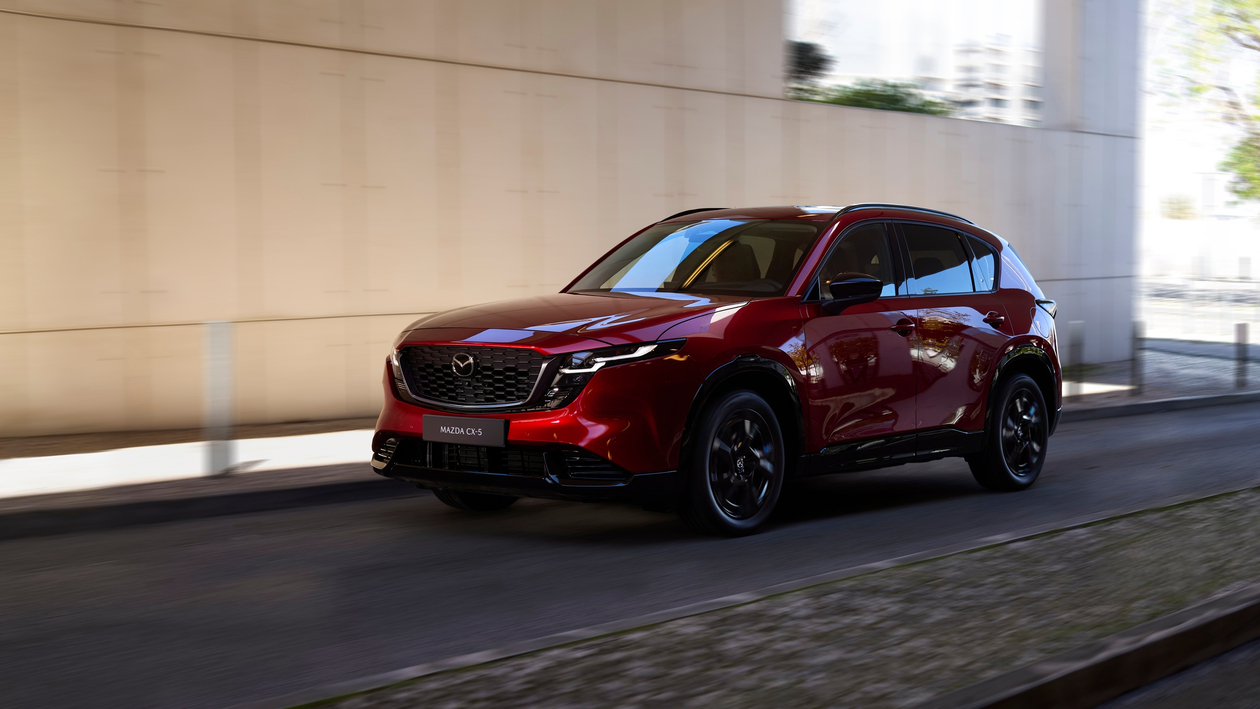
The core reason for this delay is that Mazda has clearly set its sights on benchmarking Toyota’s mature and efficient hybrid system with the CX-5 HEV, while also adhering to the brand’s iconic "Jinba-Ittai" (horse and rider as one) driving philosophy. As a benchmark in the hybrid field, Toyota has dominated the global market with decades of technological accumulation, renowned for its stability, low fuel consumption and durability, from the Prius to the Corolla Cross Hybrid and RAV4 Hybrid. It has also gained immense popularity among families in Malaysia.
Vinesh Bhindi, President of Mazda Australia, stated frankly in an interview that hybrid models still need to embody the "Zoom Zoom" spirit, adding, "We will never sacrifice the brand’s genes and driving characteristics for a hasty launch."
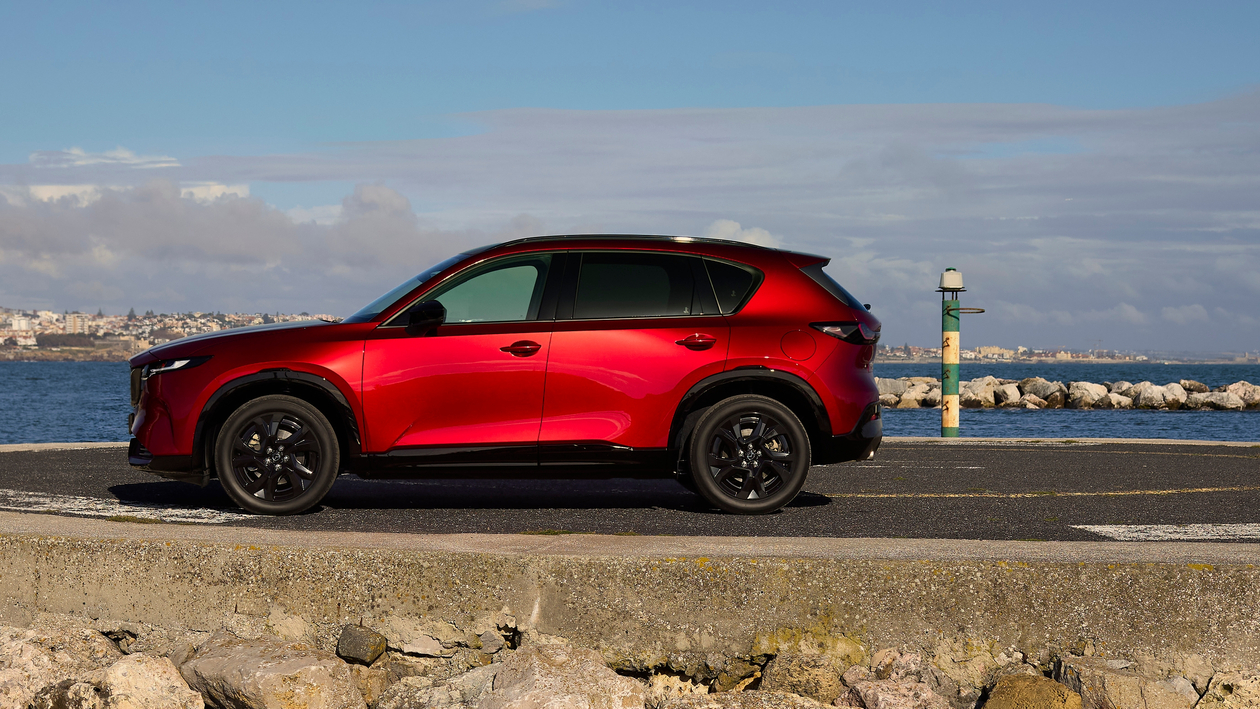
In fact, Mazda is not lacking in hybrid technology experience. Its high-end models such as the CX-60 and CX-90 are already equipped with PHEV (Plug-in Hybrid Electric Vehicle) systems, but this performance-oriented and high-end architecture is not suitable for the mainstream SUV market where the CX-5 is positioned. Against the background of deepened cooperation between the brand and Toyota, the CX-5 HEV is likely to draw on the core technology of Toyota’s THS hybrid system, while integrating the advantages of its own Skyactiv technology to balance efficiency and handling, avoiding the mistake of poor power experience seen in similar models.
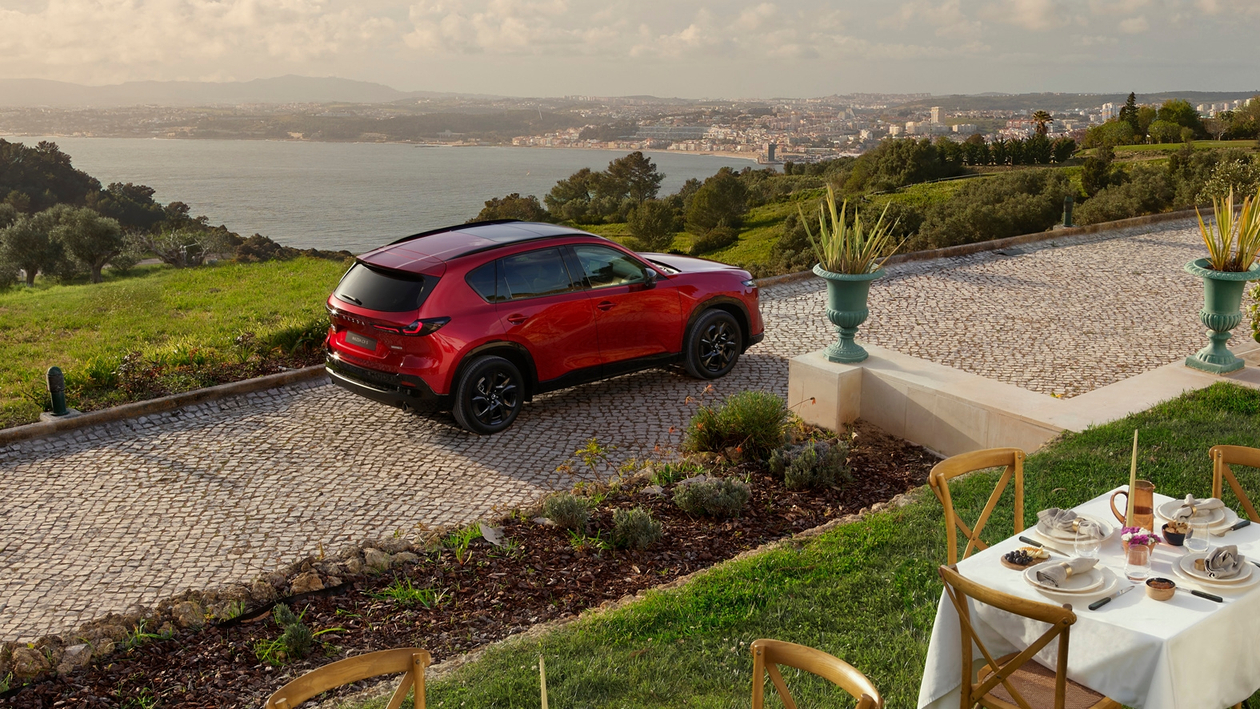
For Mazda, the CX-5 is not only a global sales pillar but also a core model in the Malaysian market — in 2024, it maintained a leading position in the local C-Segment SUV market, with a cumulative registration volume of 2,419 units in the first nine months of 2025, boasting a solid user base. Currently, the Malaysian hybrid SUV market is firmly dominated by Toyota and Honda, with cumulative sales of over 140,000 units in the first nine months of 2025. To break through, the CX-5 HEV must strike a perfect balance between fuel consumption, reliability and driving experience.
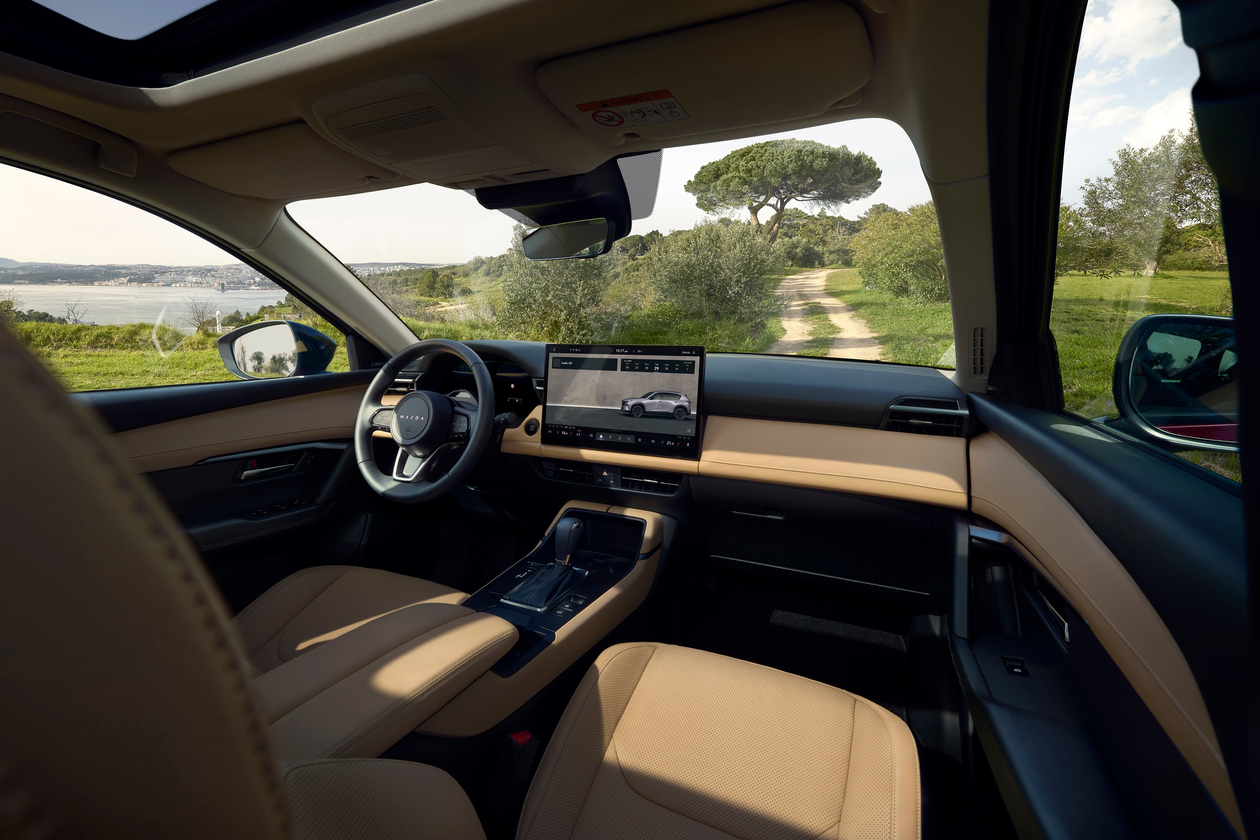
This "delay" is a strategic prudence rather than technological backwardness. Against the backdrop of tightening global emission regulations and intensifying local market competition, Mazda has chosen to slow down to refine a hybrid system suitable for the mainstream market, striving to achieve it in one go.
For Malaysian consumers, while they need to be a little more patient, the wait will be worthwhile if the final CX-5 HEV can combine the efficiency and reliability of Toyota’s hybrid system with Mazda’s iconic handling. After all, in the fiercely competitive hybrid market, only by adhering to brand genes and possessing strong strength can one gain a firm foothold.

Your go-to source for all things automotive in Malaysia. 🚗 Latest reviews, breaking news, launches & industry trends.
+ Follow We saw this accident this morning, and here’s a reminder to everyone: please drive safe. 2 days ago
  The G50 BMW 3 series is now here, adopting much of the i3's design elements.
So, where's the BMW M3?
#bmw #BMW3Series 4 days ago
The G50 BMW 3 series is now here, adopting much of the i3's design elements.
So, where's the BMW M3?
#bmw #BMW3Series 4 days ago  DRIFT PARTY in Malaysia! Can the Xiaomi SU7, Yangwang U8 mix it up against JDM favourites in KL?
Our adventure with the Xiaomi SU7 and Yangwang U8 brings us to APDCrew circuit as we give witness a drift show. With pro drifters and fan-favourites - RX7s, S15s, Skylines, Supras, and more - in the mix, can our Xiaomi SU7 and Yangwang U8 hold their own?
It's also a quick look at Malaysian car culture, including some wildly modified minivans, and more!
#drift #malaysia #xiaomisu7 #yangwangu8 #larrychen #drifting #JDM跑車 4 days ago
DRIFT PARTY in Malaysia! Can the Xiaomi SU7, Yangwang U8 mix it up against JDM favourites in KL?
Our adventure with the Xiaomi SU7 and Yangwang U8 brings us to APDCrew circuit as we give witness a drift show. With pro drifters and fan-favourites - RX7s, S15s, Skylines, Supras, and more - in the mix, can our Xiaomi SU7 and Yangwang U8 hold their own?
It's also a quick look at Malaysian car culture, including some wildly modified minivans, and more!
#drift #malaysia #xiaomisu7 #yangwangu8 #larrychen #drifting #JDM跑車 4 days ago Get the latest car news first!
Your go-to source for all things automotive in Malaysia. 🚗 Latest reviews, breaking news, launches & industry trends.
We saw this accident this morning, and here’s a reminder to everyone: please drive safe. 2 days ago The G50 BMW 3 series is now here, adopting much of the i3's design elements.
So, where's the BMW M3?
#bmw #BMW3Series 4 days ago DRIFT PARTY in Malaysia! Can the Xiaomi SU7, Yangwang U8 mix it up against JDM favourites in KL?
Our adventure with the Xiaomi SU7 and Yangwang U8 brings us to APDCrew circuit as we give witness a drift show. With pro drifters and fan-favourites - RX7s, S15s, Skylines, Supras, and more - in the mix, can our Xiaomi SU7 and Yangwang U8 hold their own?
It's also a quick look at Malaysian car culture, including some wildly modified minivans, and more!
#drift #malaysia #xiaomisu7 #yangwangu8 #larrychen #drifting #JDM跑車 4 days ago  ProtonGWMVolkswagenJAECOOVolvoPeroduaToyotaHondaTESLAMitsubishiMazdaJetourCheryBYDLexusBMWMercedes-BenziCAURZeekrIsuzuNissanLeapmotorPorscheFordOMODAMINIMGSuzukiXPengHyundaiWulingKiaSubaruDenzaGACLand RoverDongfengCAMAudiPeugeotFotonMAXUSsmartDaihatsuJACJMCMaseratiLotusAlfa RomeoRenaultGolden DragonKaiceneSeresLamborghiniFerrariJeepRolls-RoyceLepasAston MartinMcLarenChevroletBentleyFiatBAICForthingGeelyRoeweAeolusChanganARCFOXDeepalExeedHongqiVoyahJaguarKGMBuforiAcuraCadillacDodgeAbarthINEOSMHEROJMEVFreelander
 © 2024 Bitauto.com. All Rights Reserved.
Bitauto (www.yiche.com and www.bitauto.com) is one of the most visited automotive websites in China. We provide detailed info on Chinese car brands available in your area. Please note that the information provided on this website is based on publicly available data and is for reference only. It may not be fully updated or accurate at all times.
Help us improve our website


