
Search History
Popular Searches
English
Dealer Login / Sign Up
As ongoing tensions in Iran show no signs of de-escalation, logistical disruptions in the Strait of Hormuz — one of the world’s most critical maritime chokepoints — have spread beyond the oil market and shaken the global automotive export chain. Two major Japanese automakers, Nissan and Toyota, have both officially announced production cuts at their domestic plants, forced to scale back output due to blocked shipping routes to the Middle East and overflowing vehicle storage facilities in Japan. The move has sent ripples across the Southeast Asian and global Japanese car supply network, with notable impacts on their key Middle East market.
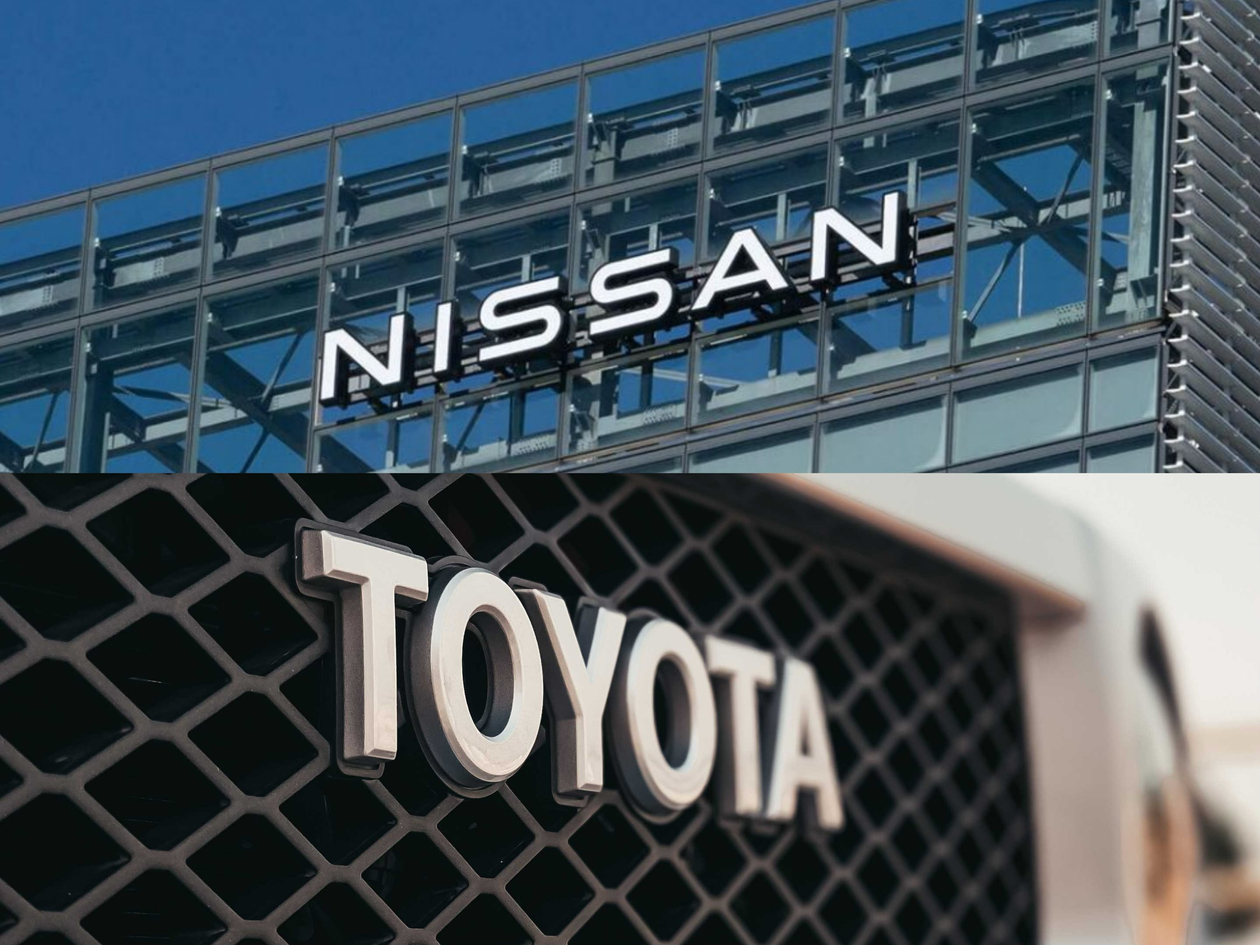
According to industry insiders and official company statements, Nissan has taken the lead in implementing production adjustments, cutting approximately 1,200 vehicles at its Kyushu plant in Fukuoka Prefecture, Japan, this month — all exclusively for the Middle East export market. The core driver behind the cut is a full halt to vehicle shipping from Japan to the Middle East, leaving thousands of completed export-bound vehicles stranded with no available storage space in Japan, forcing the carmaker to reduce output to free up warehouse capacity.
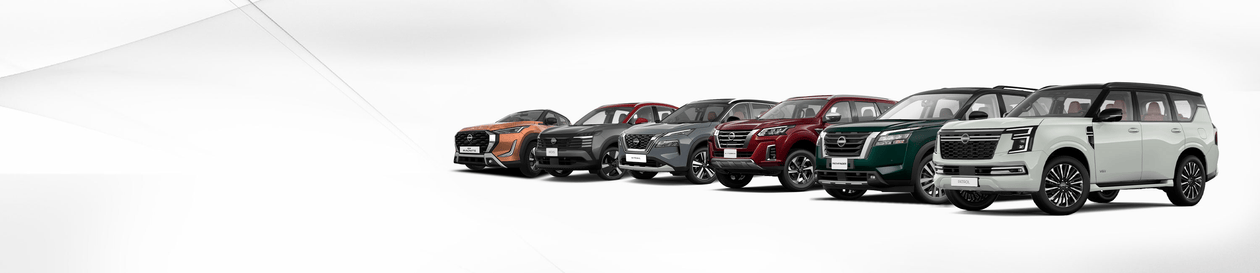
The production reduction affects two of Nissan’s top-selling models for the Middle East: the X-Trail (sold as the Rogue in some overseas markets) compact SUV, and the Serena minivan. Notably, Nissan Shatai Kyushu Co., Ltd., the group subsidiary that manufactures full-size SUVs for the Middle East, has no plans to cut production. This is largely because large SUVs are Nissan’s high-margin core models for the region, backed by strong and consistent consumer demand.
The Middle East stands as Nissan’s second-largest export market after North America. In 2025, Nissan exported 77,784 complete vehicles from Japan to the Middle East, marking a 24% year-on-year surge — the only regional market where the brand posted export growth last year. The sudden production cut has clearly dampened the brand’s positive growth momentum in the region.
Nissan CEO Ivan Espinosa confirmed that the Iran conflict has disrupted vehicle deliveries to the Middle East, though the automaker’s parts supply chain remains unaffected. “The issue is currently focused on distribution, as we export a large volume of finished vehicles to this region,” Espinosa stated. “Logistics routes have been blocked, which is our main challenge right now. We are closely monitoring the situation in Iran and working to find alternative shipping routes and solutions to maintain business continuity.”
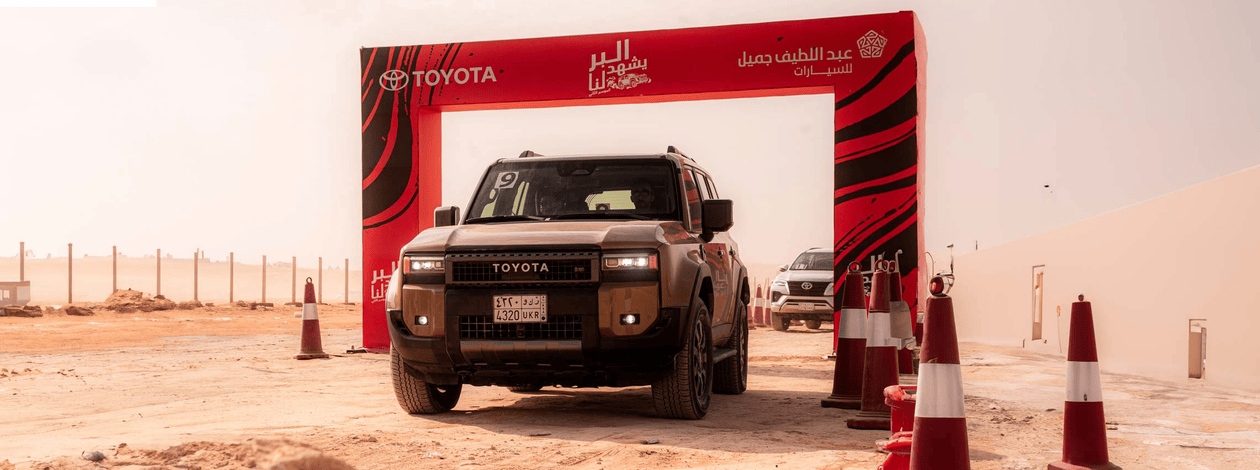
Hot on Nissan’s heels, Toyota has unveiled a far more extensive production cut plan: the automaker will reduce output by nearly 40,000 Middle East-bound vehicles by the end of April 2026, with 20,000 units cut in March and an additional 18,000 units in April. The scale of the reduction accounts for roughly 70% of Toyota’s monthly Middle East export volume. Toyota has formally notified its upstream parts suppliers of the revised March and April production schedules, tightening parts supply to avoid overproduction and excess inventory.
The cuts cover a wide range of Toyota’s most popular models in the Middle East, including the iconic Land Cruiser off-road SUV, multiple passenger SUVs, sedans, and commercial vans — all high-demand, profit-driving models for the region. Unlike Nissan’s targeted partial cut, Toyota’s adjustment spans all its Middle East export lineups, reflecting the brand’s cautious outlook on the prolonged duration of the logistics crisis.
The Strait of Hormuz is the sole maritime outlet for the Persian Gulf, handling more than one-third of the world’s seaborne crude oil trade, and also serves as a vital corridor for finished vehicle and auto parts shipping. Amid the escalating tensions, major global shipping lines have suspended all services through the strait, forcing vessels to reroute around the Cape of Good Hope in Africa. This extension adds 10 to 14 days to transit times, while shipping and insurance costs have skyrocketed, pushing up overall vehicle export expenses sharply with no near-term resolution in sight.
For Malaysia and the broader Southeast Asian market — where Japanese car brands dominate — the production adjustments at Nissan and Toyota have not directly impacted local supply for now. However, if the logistics blockage persists, it could trigger a global reallocation of production capacity, potentially leading to longer delivery lead times for some popular models across the region. Both automakers have reaffirmed their commitment to monitoring the Middle East situation closely, with plans to resume full production immediately once shipping routes reopen, aiming to minimize long-term market disruptions.

Your go-to source for all things automotive in Malaysia. 🚗 Latest reviews, breaking news, launches & industry trends.
+ Follow We saw this accident this morning, and here’s a reminder to everyone: please drive safe. 2 days ago
  The G50 BMW 3 series is now here, adopting much of the i3's design elements.
So, where's the BMW M3?
#bmw #BMW3Series 4 days ago
The G50 BMW 3 series is now here, adopting much of the i3's design elements.
So, where's the BMW M3?
#bmw #BMW3Series 4 days ago  DRIFT PARTY in Malaysia! Can the Xiaomi SU7, Yangwang U8 mix it up against JDM favourites in KL?
Our adventure with the Xiaomi SU7 and Yangwang U8 brings us to APDCrew circuit as we give witness a drift show. With pro drifters and fan-favourites - RX7s, S15s, Skylines, Supras, and more - in the mix, can our Xiaomi SU7 and Yangwang U8 hold their own?
It's also a quick look at Malaysian car culture, including some wildly modified minivans, and more!
#drift #malaysia #xiaomisu7 #yangwangu8 #larrychen #drifting #JDM跑車 4 days ago
DRIFT PARTY in Malaysia! Can the Xiaomi SU7, Yangwang U8 mix it up against JDM favourites in KL?
Our adventure with the Xiaomi SU7 and Yangwang U8 brings us to APDCrew circuit as we give witness a drift show. With pro drifters and fan-favourites - RX7s, S15s, Skylines, Supras, and more - in the mix, can our Xiaomi SU7 and Yangwang U8 hold their own?
It's also a quick look at Malaysian car culture, including some wildly modified minivans, and more!
#drift #malaysia #xiaomisu7 #yangwangu8 #larrychen #drifting #JDM跑車 4 days ago Get the latest car news first!
Your go-to source for all things automotive in Malaysia. 🚗 Latest reviews, breaking news, launches & industry trends.
We saw this accident this morning, and here’s a reminder to everyone: please drive safe. 2 days ago The G50 BMW 3 series is now here, adopting much of the i3's design elements.
So, where's the BMW M3?
#bmw #BMW3Series 4 days ago DRIFT PARTY in Malaysia! Can the Xiaomi SU7, Yangwang U8 mix it up against JDM favourites in KL?
Our adventure with the Xiaomi SU7 and Yangwang U8 brings us to APDCrew circuit as we give witness a drift show. With pro drifters and fan-favourites - RX7s, S15s, Skylines, Supras, and more - in the mix, can our Xiaomi SU7 and Yangwang U8 hold their own?
It's also a quick look at Malaysian car culture, including some wildly modified minivans, and more!
#drift #malaysia #xiaomisu7 #yangwangu8 #larrychen #drifting #JDM跑車 4 days ago  ProtonGWMVolkswagenJAECOOVolvoPeroduaToyotaHondaTESLAMitsubishiMazdaJetourCheryBYDLexusBMWMercedes-BenziCAURZeekrIsuzuNissanLeapmotorPorscheFordOMODAMINIMGSuzukiXPengHyundaiWulingKiaSubaruDenzaGACLand RoverDongfengCAMAudiPeugeotFotonMAXUSsmartDaihatsuJACJMCMaseratiLotusAlfa RomeoRenaultGolden DragonKaiceneSeresLamborghiniFerrariJeepRolls-RoyceLepasAston MartinMcLarenChevroletBentleyFiatBAICForthingGeelyRoeweAeolusChanganARCFOXDeepalExeedHongqiVoyahJaguarKGMBuforiAcuraCadillacDodgeAbarthINEOSMHEROJMEVFreelander
 © 2024 Bitauto.com. All Rights Reserved.
Bitauto (www.yiche.com and www.bitauto.com) is one of the most visited automotive websites in China. We provide detailed info on Chinese car brands available in your area. Please note that the information provided on this website is based on publicly available data and is for reference only. It may not be fully updated or accurate at all times.
Help us improve our website


