
Search History
Popular Searches
English
Dealer Login / Sign Up
For numerous pick-up truck owners in Malaysia, the most troublesome issue has long been the vague boundaries for loading goods: many drivers only carry their own personal items, yet they often get fined unexpectedly due to unclear enforcement standards, driving with constant anxiety while carrying goods and worrying about violating regulations accidentally. Now, this hassle is finally going to be completely resolved!
Minister of Transport Anthony Loke Siew Fook has officially announced that the brand-new Guidelines for the Use of Unregulated Vehicles and Pick-Up Trucks for Loading Goods will officially come into force on 1 April 2026. Subsequently, the police and relevant enforcement agencies will fully enforce the law in accordance with this new set of standards, clearly defining the legal boundaries for pick-up truck loading once and for all.
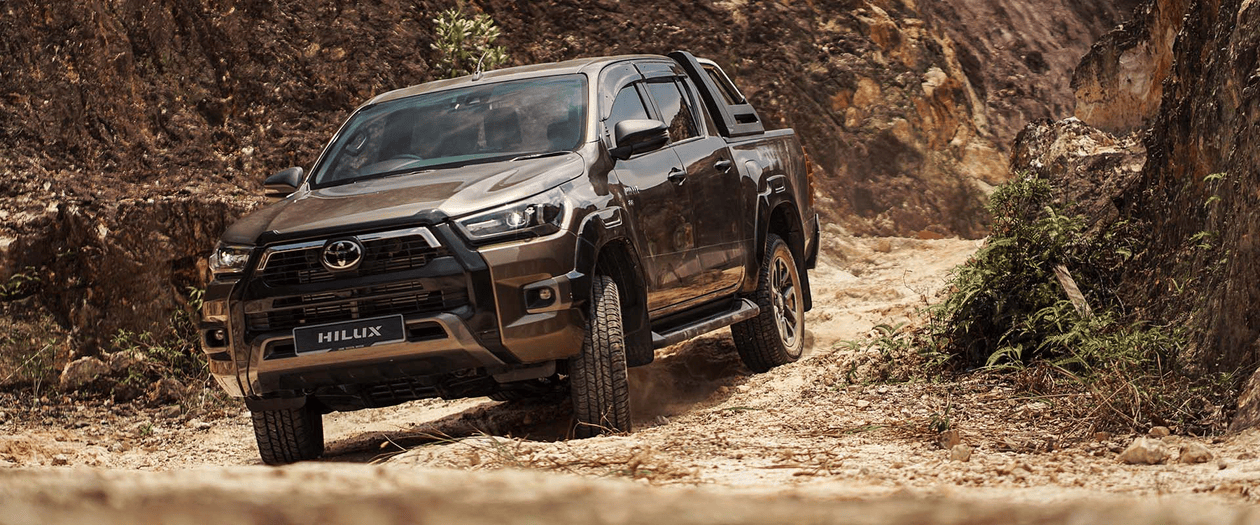
The new rules first clarify the core rights of the majority of private pick-up truck owners, completely dispelling their concerns about using the vehicle: as long as it is used to carry personal items for non-commercial use without any profit-making activities involved, it is fully legal.
Whether it is furniture and cardboard luggage for moving house, power tools and ladders of various lengths for home renovation, bulk items purchased daily, or personal materials for your own farm or workshop, you can carry them with confidence as long as they comply with basic safety regulations and do not interfere with the normal passage of other road users, without worrying about being stopped and fined by law enforcement officers.
However, carrying personal items is not completely unrestricted. To drive legally on the road, you must strictly abide by the following four core safety conditions, which are also the bottom-line requirements highlighted in the new rules, and none of them can be omitted:
No overloading is allowed: The total weight of the loaded goods must be strictly within the carrying capacity marked by the vehicle manufacturer, and must not exceed the vehicle’s rated load. This is to avoid affecting the vehicle’s braking and handling performance due to overloading, which would pose road safety hazards;
Goods must not exceed the truck bed boundaries: The length, width and height of all loaded items must not go beyond the original scope of the pick-up truck bed. Protruding goods from the vehicle body are strictly prohibited to prevent scratching nearby vehicles and pedestrians, or blocking the vehicle’s lights and license plate;
Goods must be firmly secured: All goods must be properly tied and fixed with ropes or straps; loose stacking and random placement are strictly forbidden. This prevents goods from falling or shifting during driving, avoiding losses of personal property and ensuring public road safety;
Commercial profit-making activities are strictly prohibited: Under no circumstances should a private pick-up truck be used to carry goods for others in exchange for payment. Once it involves profit-making transportation, it will be regarded as illegal operation and the offender will face corresponding penalties.
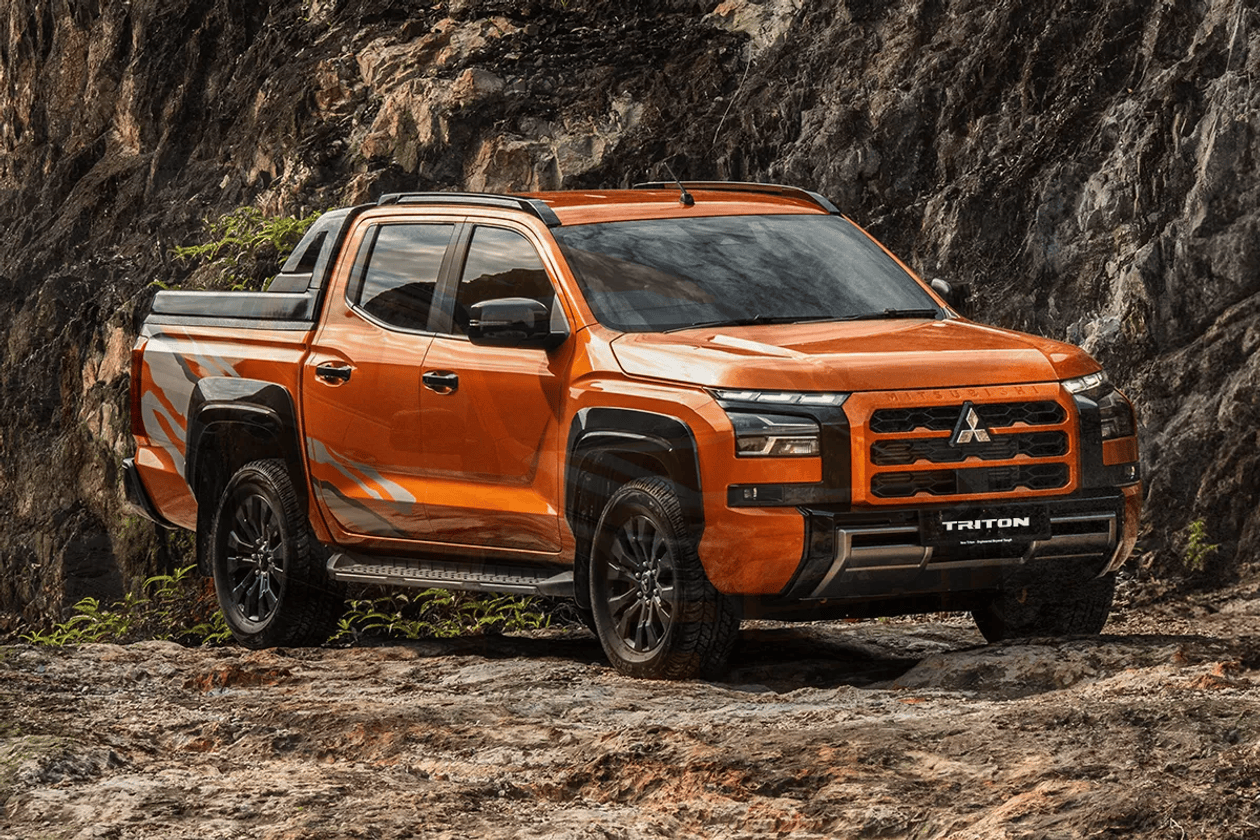
For owners who run businesses and need to use pick-up trucks to transport goods, the new rules also clearly define the standards for "unregulated vehicles" and permit application requirements, preventing owners from confusing private use with commercial use, and operational use with non-operational use.
First, pick-up trucks with a vehicle load weight (BDM) of less than 7,500kg are uniformly classified as "unregulated vehicles", and the usage rules for such vehicles are divided into two scenarios:
Transporting goods for own company use: If the vehicle is only used to transport goods for your own company or shop, such as construction materials for a renovation company, in-store goods for a retail store, or self-produced materials for a workshop, without undertaking external loading services or charging freight fees, there is no need to apply for an APAD permit, and the vehicle can be driven legally;
Paid goods transportation for external parties: If the vehicle is specially used to carry goods for third-party clients and provide paid transportation services, it constitutes a commercial operation. A Class A Goods Carrying Permit (Permit Pembawa A) must be applied for; operating without a valid permit is a serious violation and will be dealt with in accordance with the law.
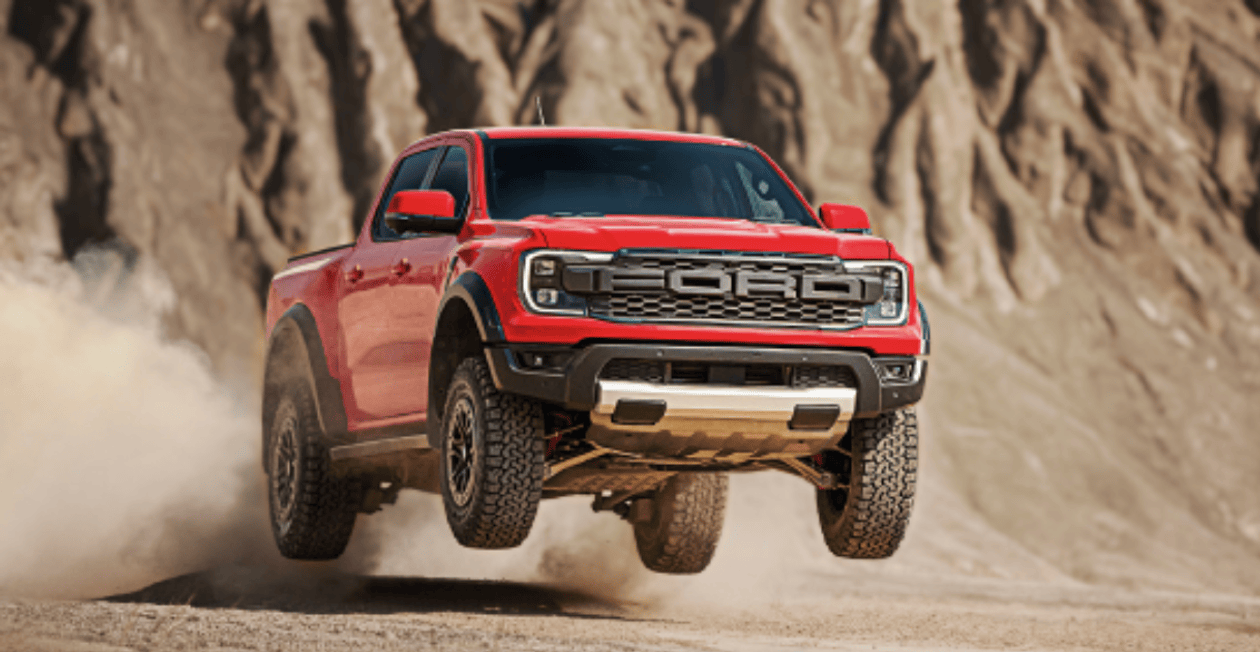
Another major positive change in this new regulation is the relaxed license restrictions for driving pick-up trucks, which is especially friendly to owners who often modify the truck bed or install practical accessories.
Under the old rules, an ordinary D license only allowed driving unregulated vehicles with an empty vehicle weight (BTM) of no more than 3,500kg; after the new rules take effect, holders of an ordinary D license can legally drive unregulated pick-up trucks with an empty vehicle weight (BTM) of up to 4,000kg. The maximum weight limit has been increased by 500kg, which is more suitable for more modified models and large-bed pick-up trucks, further meeting the practical needs of owners.
Special reminder: If your pick-up truck is registered for commercial use, even if it meets the unregulated vehicle standards, you must strictly abide by all regulations for commercial vehicles: completing mandatory Puspakom vehicle inspections on time, purchasing valid commercial insurance, and the driver must hold a valid GDL license. None of these can be omitted, and do not take chances.
The Ministry of Transport has officially issued a notice to the police, the Road Transport Department and other relevant enforcement agencies, stating that full enforcement will be carried out in accordance with the new guidelines starting from 1 April, and the previous vague old rules will no longer apply.
Overall, this new guideline is a great convenience for vehicle owners. By clarifying the rules and relaxing reasonable restrictions, it not only ensures road safety but also completely solves the problem of owners "fearing fines for loading goods", allowing pick-up trucks to return to their essence as practical utility vehicles.
To all pick-up truck owners, which adjustment are you most concerned about after the new rules take effect? Feel free to leave a comment to share your driving experience and compliance questions, and exchange tips to avoid penalties together!

Your go-to source for all things automotive in Malaysia. 🚗 Latest reviews, breaking news, launches & industry trends.
+ Follow We saw this accident this morning, and here’s a reminder to everyone: please drive safe. 2 days ago
  The G50 BMW 3 series is now here, adopting much of the i3's design elements.
So, where's the BMW M3?
#bmw #BMW3Series 4 days ago
The G50 BMW 3 series is now here, adopting much of the i3's design elements.
So, where's the BMW M3?
#bmw #BMW3Series 4 days ago  DRIFT PARTY in Malaysia! Can the Xiaomi SU7, Yangwang U8 mix it up against JDM favourites in KL?
Our adventure with the Xiaomi SU7 and Yangwang U8 brings us to APDCrew circuit as we give witness a drift show. With pro drifters and fan-favourites - RX7s, S15s, Skylines, Supras, and more - in the mix, can our Xiaomi SU7 and Yangwang U8 hold their own?
It's also a quick look at Malaysian car culture, including some wildly modified minivans, and more!
#drift #malaysia #xiaomisu7 #yangwangu8 #larrychen #drifting #JDM跑車 4 days ago
DRIFT PARTY in Malaysia! Can the Xiaomi SU7, Yangwang U8 mix it up against JDM favourites in KL?
Our adventure with the Xiaomi SU7 and Yangwang U8 brings us to APDCrew circuit as we give witness a drift show. With pro drifters and fan-favourites - RX7s, S15s, Skylines, Supras, and more - in the mix, can our Xiaomi SU7 and Yangwang U8 hold their own?
It's also a quick look at Malaysian car culture, including some wildly modified minivans, and more!
#drift #malaysia #xiaomisu7 #yangwangu8 #larrychen #drifting #JDM跑車 4 days ago Get the latest car news first!
Your go-to source for all things automotive in Malaysia. 🚗 Latest reviews, breaking news, launches & industry trends.
We saw this accident this morning, and here’s a reminder to everyone: please drive safe. 2 days ago The G50 BMW 3 series is now here, adopting much of the i3's design elements.
So, where's the BMW M3?
#bmw #BMW3Series 4 days ago DRIFT PARTY in Malaysia! Can the Xiaomi SU7, Yangwang U8 mix it up against JDM favourites in KL?
Our adventure with the Xiaomi SU7 and Yangwang U8 brings us to APDCrew circuit as we give witness a drift show. With pro drifters and fan-favourites - RX7s, S15s, Skylines, Supras, and more - in the mix, can our Xiaomi SU7 and Yangwang U8 hold their own?
It's also a quick look at Malaysian car culture, including some wildly modified minivans, and more!
#drift #malaysia #xiaomisu7 #yangwangu8 #larrychen #drifting #JDM跑車 4 days ago  ProtonGWMVolkswagenJAECOOVolvoPeroduaToyotaHondaTESLAMitsubishiMazdaJetourCheryBYDLexusBMWMercedes-BenziCAURZeekrIsuzuNissanLeapmotorPorscheFordOMODAMINIMGSuzukiXPengHyundaiWulingKiaSubaruDenzaGACLand RoverDongfengCAMAudiPeugeotFotonMAXUSsmartDaihatsuJACJMCMaseratiLotusAlfa RomeoRenaultGolden DragonKaiceneSeresLamborghiniFerrariJeepRolls-RoyceLepasAston MartinMcLarenChevroletBentleyFiatBAICForthingGeelyRoeweAeolusChanganARCFOXDeepalExeedHongqiVoyahJaguarKGMBuforiAcuraCadillacDodgeAbarthINEOSMHEROJMEVFreelander
 © 2024 Bitauto.com. All Rights Reserved.
Bitauto (www.yiche.com and www.bitauto.com) is one of the most visited automotive websites in China. We provide detailed info on Chinese car brands available in your area. Please note that the information provided on this website is based on publicly available data and is for reference only. It may not be fully updated or accurate at all times.
Help us improve our website


