
Search History
Popular Searches
English
Dealer Login / Sign Up
Faced with the European Union’s import tariffs on Chinese electric vehicles, Leapmotor, a prominent Chinese EV startup, has found an efficient way to break through trade barriers. By partnering with global automotive giant Stellantis, the Chinese brand will utilize Stellantis’ existing plant in Zaragoza, Spain, for local electric vehicle production. This move not only helps avoid high import tariffs and cut overseas shipping costs but also allows Leapmotor to quickly gain a stronger foothold in mainstream Western European EV markets, serving as another typical case of Chinese automakers expanding into Europe through strategic cooperation.
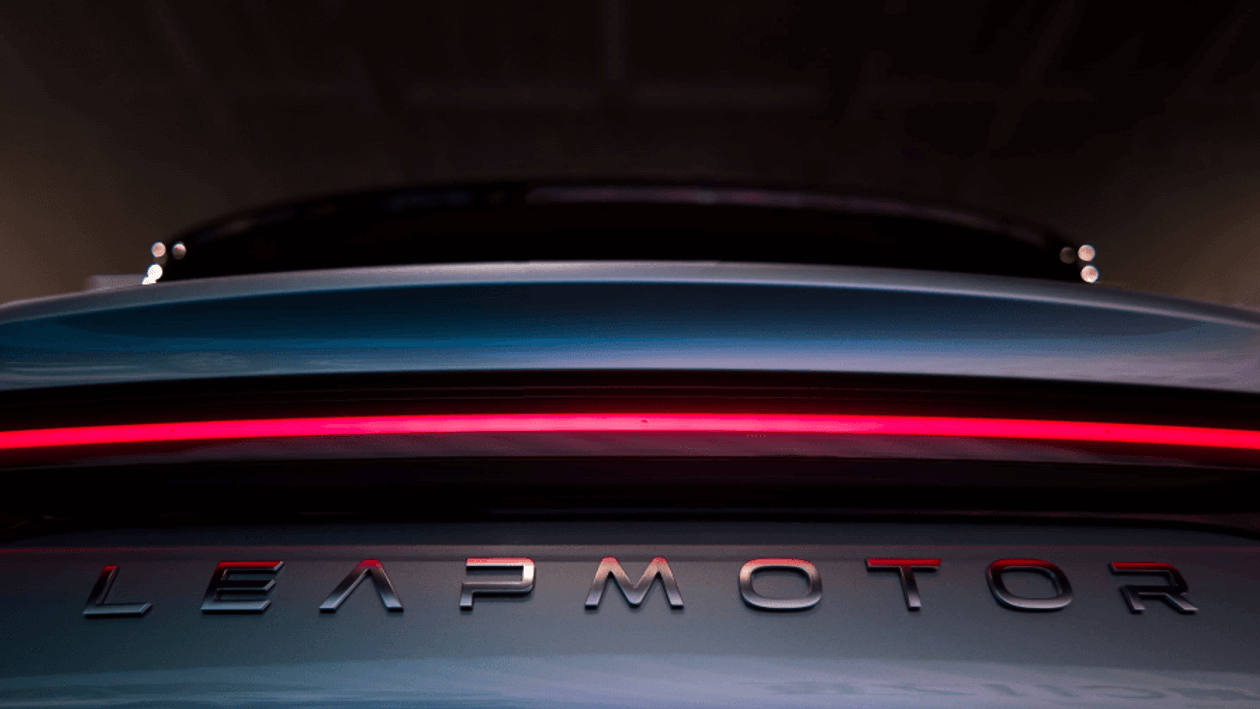
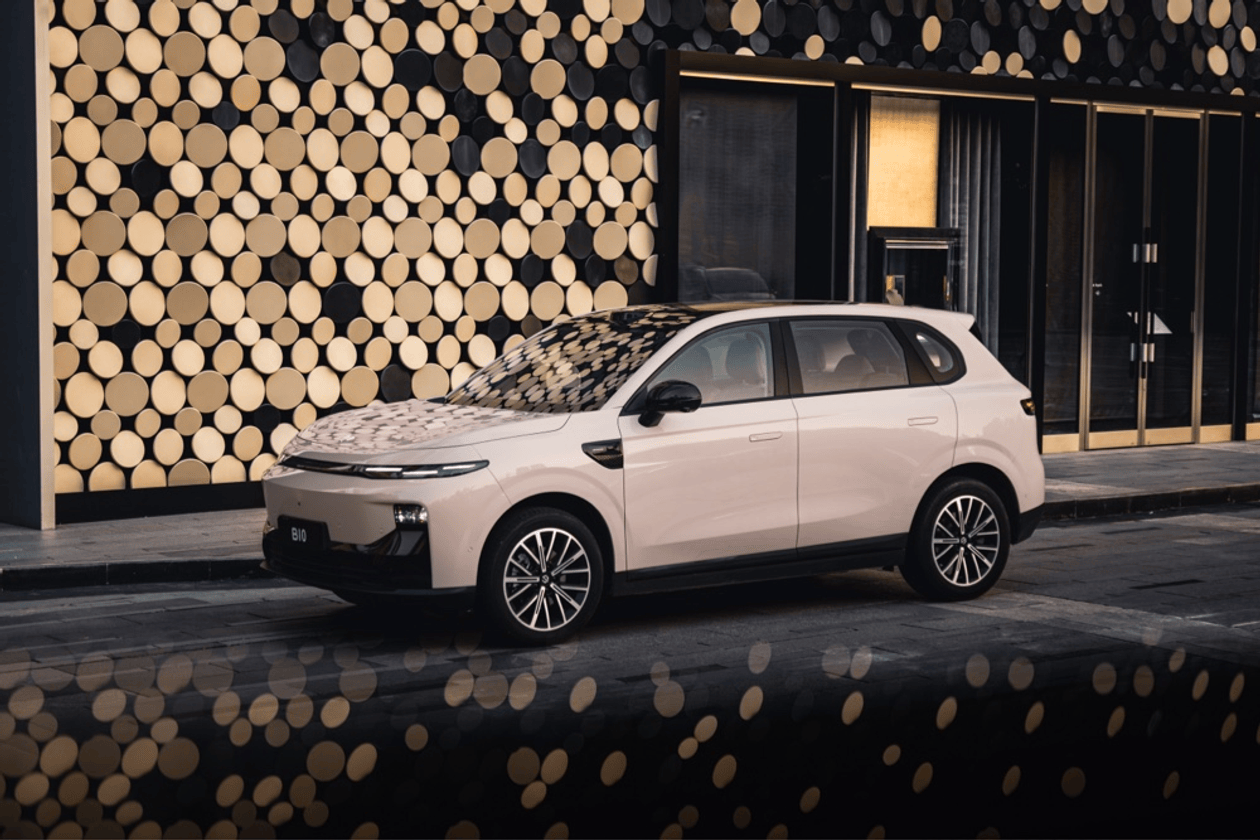
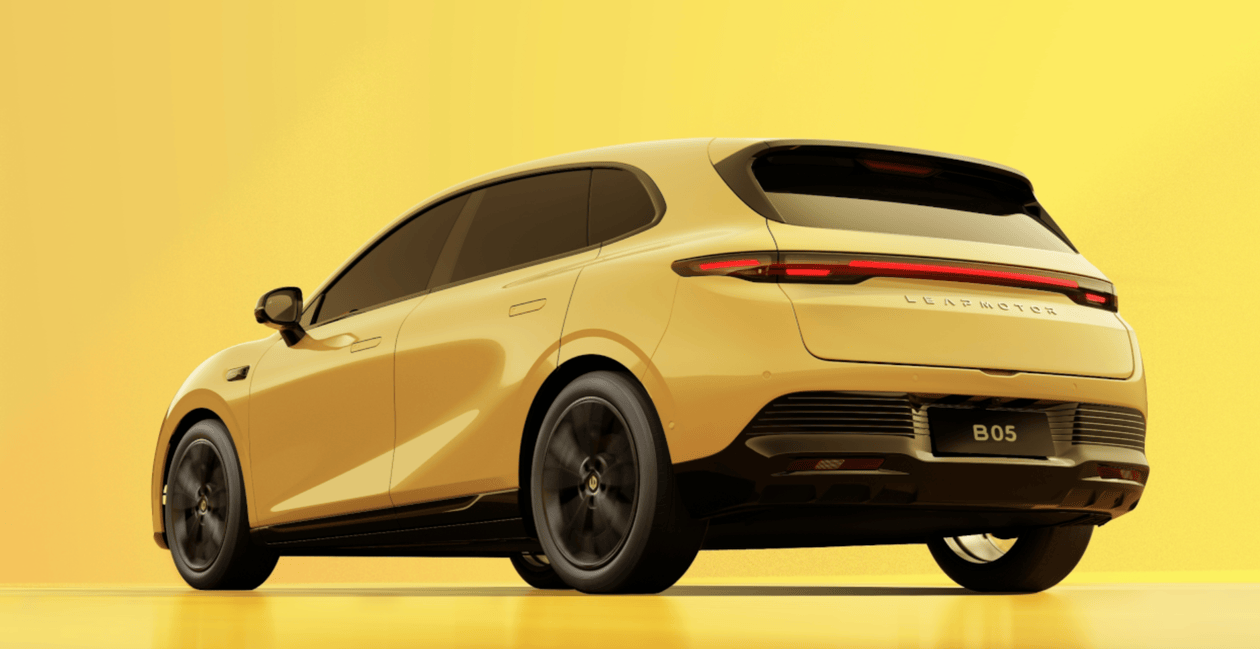
According to the latest industry reports, Leapmotor plans to start mass production of its all-electric B10 model at the Zaragoza plant in October 2026. The B10 is already available in the European market, but it was previously imported fully built from China, which pushed up retail prices due to additional tariff costs. The smaller all-electric B05 hatchback is also expected to enter local production in Spain as early as 2027, further expanding Leapmotor’s product lineup in the European market.
This is not Leapmotor’s first attempt at local production in Europe. The brand’s earlier project to build the T03 electric city car in Poland did not go as planned. This time, however, leveraging Stellantis’ mature manufacturing capacity eliminates the need to build a new factory from scratch, significantly shortening the production launch cycle and reducing upfront investment. It also enables Leapmotor to better adapt to consumer demands and regulatory standards in Western Europe, filling a critical gap in its local European manufacturing capabilities.
2025 served as a transformative year for Leapmotor’s international strategy, with its overseas business achieving explosive growth. The brand delivered 67,052 vehicles globally last year, surging nearly 400% year-on-year and ranking among the top Chinese EV startups in overseas shipments. Its revenue in Europe skyrocketed 479% compared to 2024, exceeding 5.6 billion yuan, making overseas markets a core engine for the brand's expansion.
More notably, Leapmotor achieved a full-year net profit in 2025, with net earnings exceeding 538 million yuan. This makes it only the second Chinese electric vehicle startup to record a full-year profit, following Li Auto. The milestone pulls Leapmotor out of the common loss-making cycle in the EV startup sector, providing solid financial and performance support for its continued global expansion.
With Stellantis holding a major stake in Leapmotor, the two parties are ramping up their electric vehicle cooperation. Leapmotor has confirmed that it is actively exploring in-depth discussions with Stellantis on a wide range of key projects, covering vehicle research and development as well as component supply chains.
Speaking at an earnings call, Li Tengfei, CFO of Leapmotor, stated that a closer partnership with Stellantis will help the brand navigate strict EU automotive regulations and qualify for tariff exemptions. Additionally, Leapmotor can tap into Stellantis’ well-established European sales and after-sales network to rapidly boost its brand penetration across the region.
For Stellantis, leveraging Leapmotor’s mature in-house EV technology and cost-control advantages will drastically reduce R&D expenses for new electric models under its European brands, including Peugeot, Fiat and Opel, accelerating its electrification transition. Local production of Leapmotor’s EVs will also help Stellantis optimize its corporate carbon emission targets and meet stringent EU environmental regulations.
This collaborative model follows the trend of Sino-foreign auto partnerships seen in Volkswagen’s tie-up with Xpeng and Audi’s cooperation with SAIC Motor, becoming a dominant strategy in the global EV industry. The upcoming Spanish plant production launch is a crucial step in Leapmotor’s European strategy, and it also offers a replicable blueprint for more Chinese EV makers to overcome trade barriers and implement localized operations in overseas markets.

Your go-to source for all things automotive in Malaysia. 🚗 Latest reviews, breaking news, launches & industry trends.
+ Follow We saw this accident this morning, and here’s a reminder to everyone: please drive safe. 2 days ago
  The G50 BMW 3 series is now here, adopting much of the i3's design elements.
So, where's the BMW M3?
#bmw #BMW3Series 4 days ago
The G50 BMW 3 series is now here, adopting much of the i3's design elements.
So, where's the BMW M3?
#bmw #BMW3Series 4 days ago  DRIFT PARTY in Malaysia! Can the Xiaomi SU7, Yangwang U8 mix it up against JDM favourites in KL?
Our adventure with the Xiaomi SU7 and Yangwang U8 brings us to APDCrew circuit as we give witness a drift show. With pro drifters and fan-favourites - RX7s, S15s, Skylines, Supras, and more - in the mix, can our Xiaomi SU7 and Yangwang U8 hold their own?
It's also a quick look at Malaysian car culture, including some wildly modified minivans, and more!
#drift #malaysia #xiaomisu7 #yangwangu8 #larrychen #drifting #JDM跑車 4 days ago
DRIFT PARTY in Malaysia! Can the Xiaomi SU7, Yangwang U8 mix it up against JDM favourites in KL?
Our adventure with the Xiaomi SU7 and Yangwang U8 brings us to APDCrew circuit as we give witness a drift show. With pro drifters and fan-favourites - RX7s, S15s, Skylines, Supras, and more - in the mix, can our Xiaomi SU7 and Yangwang U8 hold their own?
It's also a quick look at Malaysian car culture, including some wildly modified minivans, and more!
#drift #malaysia #xiaomisu7 #yangwangu8 #larrychen #drifting #JDM跑車 4 days ago Get the latest car news first!
Your go-to source for all things automotive in Malaysia. 🚗 Latest reviews, breaking news, launches & industry trends.
We saw this accident this morning, and here’s a reminder to everyone: please drive safe. 2 days ago The G50 BMW 3 series is now here, adopting much of the i3's design elements.
So, where's the BMW M3?
#bmw #BMW3Series 4 days ago DRIFT PARTY in Malaysia! Can the Xiaomi SU7, Yangwang U8 mix it up against JDM favourites in KL?
Our adventure with the Xiaomi SU7 and Yangwang U8 brings us to APDCrew circuit as we give witness a drift show. With pro drifters and fan-favourites - RX7s, S15s, Skylines, Supras, and more - in the mix, can our Xiaomi SU7 and Yangwang U8 hold their own?
It's also a quick look at Malaysian car culture, including some wildly modified minivans, and more!
#drift #malaysia #xiaomisu7 #yangwangu8 #larrychen #drifting #JDM跑車 4 days ago  ProtonGWMVolkswagenJAECOOVolvoPeroduaToyotaHondaTESLAMitsubishiMazdaJetourCheryBYDLexusBMWMercedes-BenziCAURZeekrIsuzuNissanLeapmotorPorscheFordOMODAMINIMGSuzukiXPengHyundaiWulingKiaSubaruDenzaGACLand RoverDongfengCAMAudiPeugeotFotonMAXUSsmartDaihatsuJACJMCMaseratiLotusAlfa RomeoRenaultGolden DragonKaiceneSeresLamborghiniFerrariJeepRolls-RoyceLepasAston MartinMcLarenChevroletBentleyFiatBAICForthingGeelyRoeweAeolusChanganARCFOXDeepalExeedHongqiVoyahJaguarKGMBuforiAcuraCadillacDodgeAbarthINEOSMHEROJMEVFreelander
 © 2024 Bitauto.com. All Rights Reserved.
Bitauto (www.yiche.com and www.bitauto.com) is one of the most visited automotive websites in China. We provide detailed info on Chinese car brands available in your area. Please note that the information provided on this website is based on publicly available data and is for reference only. It may not be fully updated or accurate at all times.
Help us improve our website


