
Search History
Popular Searches
English
Dealer Login / Sign Up
Amid ongoing geopolitical conflicts in the Middle East, international crude oil prices have surged past the USD 100 per barrel mark, triggering significant fluctuations in retail fuel prices across many countries. Malaysia and China have shown a stark divergence in fuel price trends: the Malaysian government has utilized targeted fuel subsidies to hold the retail price of RON95 petrol firmly at RM1.99 per litre, while China has implemented major price adjustments in alignment with global market shifts, pushing the retail price of its 95-octane petrol to approximately RM5.70 per litre.
As an oil-producing nation, Malaysia has consistently maintained stable domestic fuel prices through government subsidies. According to the latest announcement from the Ministry of Finance Malaysia, despite rising international oil prices, the government continues to fully implement the BUDI95 petrol subsidy programme. The popular RON95 subsidised petrol remains fixed at RM1.99 per litre, unaffected by global market shifts. Subsidised diesel prices in Sabah, Sarawak and Labuan also stay unchanged at RM2.15 per litre to support livelihoods and transportation in East Malaysia.
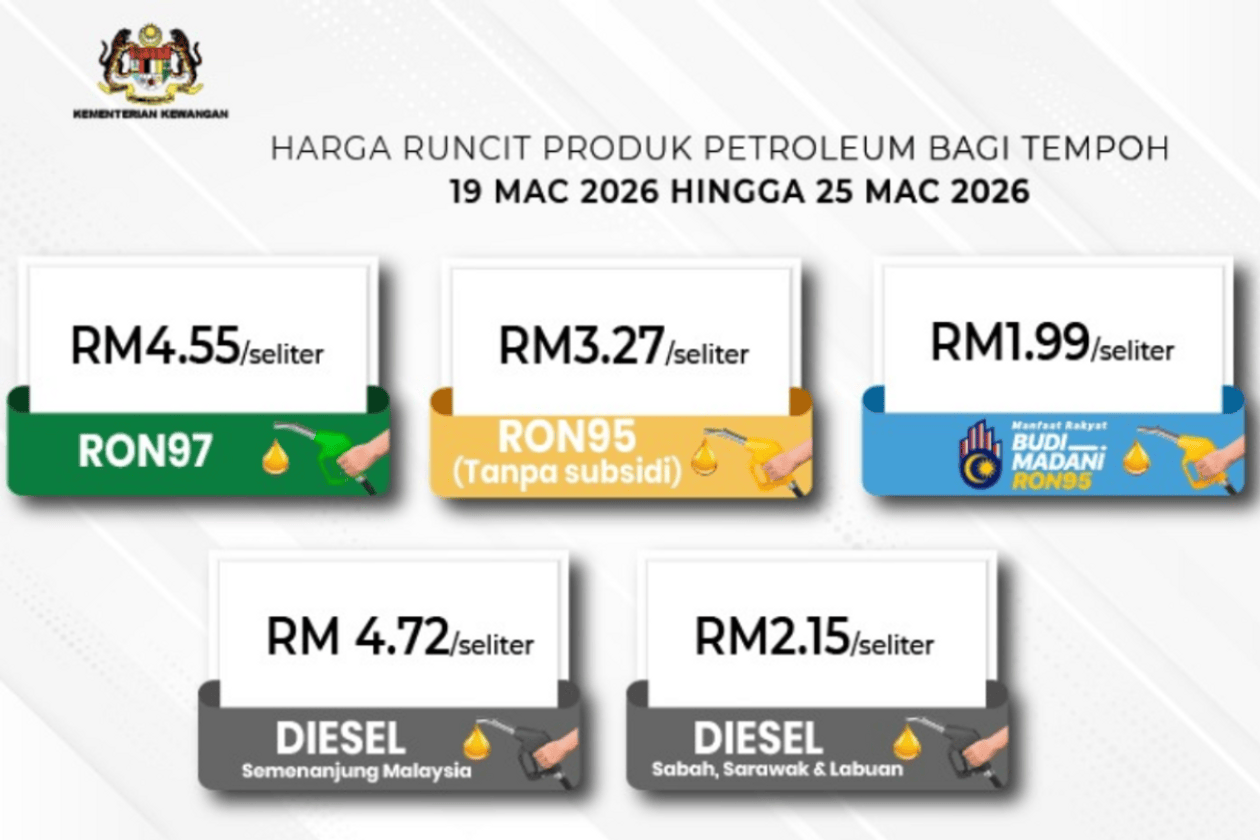
To maintain this affordable price level for the public, the Malaysian government spends around RM2 billion monthly on RON95 subsidies, with an annual budget of up to RM24 billion. Only unsubsidised RON95, RON97 petrol and West Malaysian diesel are adjusted slightly in line with the international market, while subsidised fuel prices remain stable to alleviate the financial burden on households and daily commuters. Prime Minister Anwar Ibrahim has confirmed that the country has sufficient fuel reserves, and subsidised fuel prices will be upheld at least until May 2026.
Following the recent surge in global crude prices, China’s National Development and Reform Commission announced the sixth fuel price adjustment of the year, effective 24:00 on 23 March, marking the largest increase so far in 2026. Local energy agencies estimate that petrol and diesel prices have risen by about 2,000 yuan per tonne. At the pump, this translates to an increase of about 1.73 yuan per litre for 92-octane petrol and 1.83 yuan per litre for 95-octane. Consequently, 92-octane petrol in many regions exceeds 9 yuan per litre (approx. RM5.13), while 95-octane petrol surpasses 10 yuan per litre (approx. RM5.70) — a price level substantially higher than that of Malaysia.
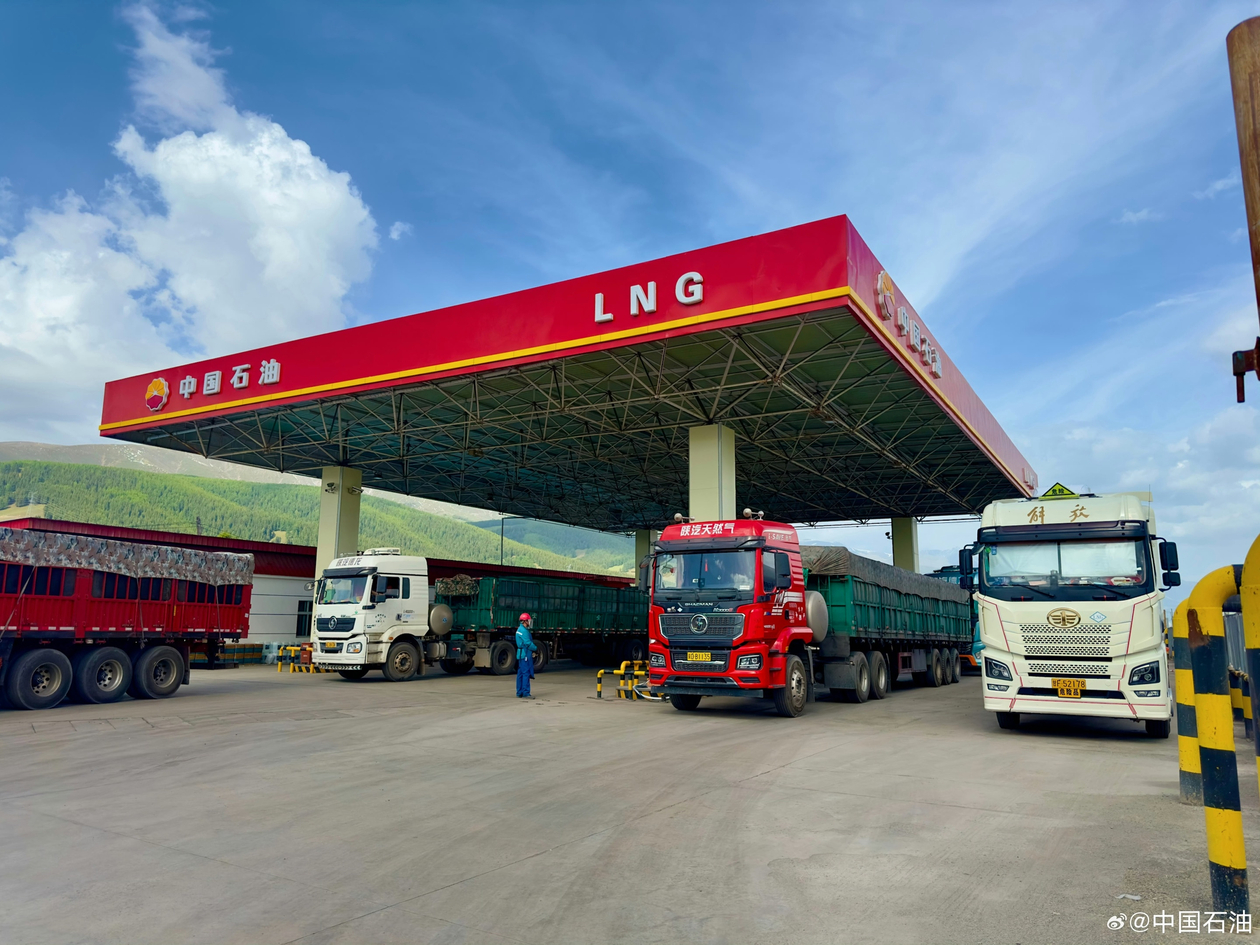
For a typical 50-litre family car, Chinese drivers must now spend an additional 85 yuan (approx. RM48.45) to fill a full tank, a shift that significantly elevates daily commuting and travel expenses. In contrast, Malaysia’s extensive fiscal subsidies have insulated the public from the volatility of global oil prices. By keeping daily driving costs stable, Malaysia remains an exception amid the widespread surge in fuel prices worldwide.
Industry observers note that the core difference between the two countries lies in their policy priorities: Malaysia utilizes fiscal subsidies to cap fuel prices, whereas China follows a market-based pricing system that fluctuates with international crude oil trends. For Malaysian motorists, the current subsidy scheme provides a robust buffer against rising motoring costs. The government will continue to monitor global oil price movements and refine its subsidy policies to strike a balance between fiscal sustainability and public well-being.

Your go-to source for all things automotive in Malaysia. 🚗 Latest reviews, breaking news, launches & industry trends.
+ Follow We saw this accident this morning, and here’s a reminder to everyone: please drive safe. 2 days ago
  The G50 BMW 3 series is now here, adopting much of the i3's design elements.
So, where's the BMW M3?
#bmw #BMW3Series 4 days ago
The G50 BMW 3 series is now here, adopting much of the i3's design elements.
So, where's the BMW M3?
#bmw #BMW3Series 4 days ago  DRIFT PARTY in Malaysia! Can the Xiaomi SU7, Yangwang U8 mix it up against JDM favourites in KL?
Our adventure with the Xiaomi SU7 and Yangwang U8 brings us to APDCrew circuit as we give witness a drift show. With pro drifters and fan-favourites - RX7s, S15s, Skylines, Supras, and more - in the mix, can our Xiaomi SU7 and Yangwang U8 hold their own?
It's also a quick look at Malaysian car culture, including some wildly modified minivans, and more!
#drift #malaysia #xiaomisu7 #yangwangu8 #larrychen #drifting #JDM跑車 4 days ago
DRIFT PARTY in Malaysia! Can the Xiaomi SU7, Yangwang U8 mix it up against JDM favourites in KL?
Our adventure with the Xiaomi SU7 and Yangwang U8 brings us to APDCrew circuit as we give witness a drift show. With pro drifters and fan-favourites - RX7s, S15s, Skylines, Supras, and more - in the mix, can our Xiaomi SU7 and Yangwang U8 hold their own?
It's also a quick look at Malaysian car culture, including some wildly modified minivans, and more!
#drift #malaysia #xiaomisu7 #yangwangu8 #larrychen #drifting #JDM跑車 4 days ago Get the latest car news first!
Your go-to source for all things automotive in Malaysia. 🚗 Latest reviews, breaking news, launches & industry trends.
We saw this accident this morning, and here’s a reminder to everyone: please drive safe. 2 days ago The G50 BMW 3 series is now here, adopting much of the i3's design elements.
So, where's the BMW M3?
#bmw #BMW3Series 4 days ago DRIFT PARTY in Malaysia! Can the Xiaomi SU7, Yangwang U8 mix it up against JDM favourites in KL?
Our adventure with the Xiaomi SU7 and Yangwang U8 brings us to APDCrew circuit as we give witness a drift show. With pro drifters and fan-favourites - RX7s, S15s, Skylines, Supras, and more - in the mix, can our Xiaomi SU7 and Yangwang U8 hold their own?
It's also a quick look at Malaysian car culture, including some wildly modified minivans, and more!
#drift #malaysia #xiaomisu7 #yangwangu8 #larrychen #drifting #JDM跑車 4 days ago  ProtonGWMVolkswagenJAECOOVolvoPeroduaToyotaHondaTESLAMitsubishiMazdaJetourCheryBYDLexusBMWMercedes-BenziCAURZeekrIsuzuNissanLeapmotorPorscheFordOMODAMINIMGSuzukiXPengHyundaiWulingKiaSubaruDenzaGACLand RoverDongfengCAMAudiPeugeotFotonMAXUSsmartDaihatsuJACJMCMaseratiLotusAlfa RomeoRenaultGolden DragonKaiceneSeresLamborghiniFerrariJeepRolls-RoyceLepasAston MartinMcLarenChevroletBentleyFiatBAICForthingGeelyRoeweAeolusChanganARCFOXDeepalExeedHongqiVoyahJaguarKGMBuforiAcuraCadillacDodgeAbarthINEOSMHEROJMEVFreelander
 © 2024 Bitauto.com. All Rights Reserved.
Bitauto (www.yiche.com and www.bitauto.com) is one of the most visited automotive websites in China. We provide detailed info on Chinese car brands available in your area. Please note that the information provided on this website is based on publicly available data and is for reference only. It may not be fully updated or accurate at all times.
Help us improve our website


