
Search History
Popular Searches
English
Dealer Login / Sign Up
The global crude oil market witnessed a rare and dramatic collapse on the night of March 23, 2026. In a single session, the world's two primary benchmarks — Brent Crude and WTI — both plummeted by more than 10%, marking the sharpest one-day decline in recent history. For Malaysian motorists, who have been grappling with the mounting pressure of high fuel prices for days, this drastic fluctuation offers a long-awaited sigh of relief. The sudden crash in global energy prices has ignited hope for a downward revision of domestic fuel prices in the coming week's update.
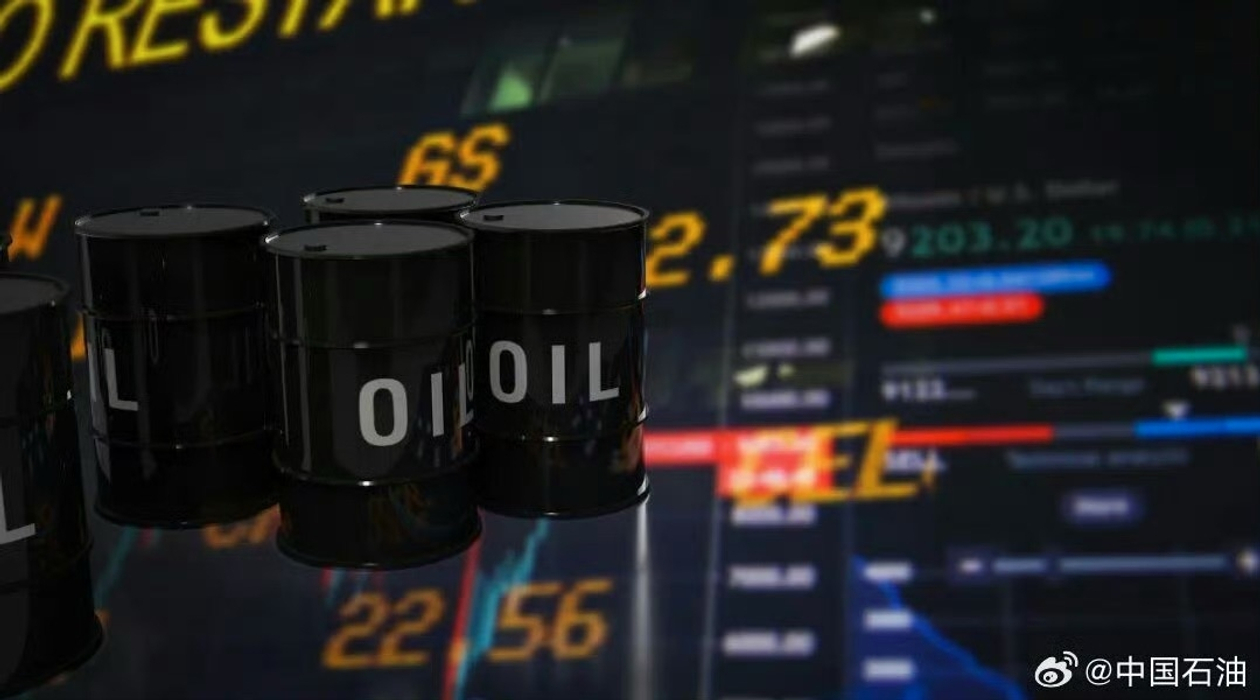
By the close of trading on March 23, New York WTI light sweet crude futures tumbled by $10.10, settling at $88.13 per barrel — a sharp 10.28% drop. Simultaneously, London's Brent crude plunged by $12.25 to close at $99.94 per barrel, marking a steep 10.92% decline and breaking below the psychological $100 threshold. This significant downturn was driven by two major factors: the easing of geopolitical tensions in the Middle East and reduced concerns over market supply, coupled with profit-taking by investors following the previous period of high oil prices.
Currently, the Malaysian Ministry of Finance announces retail fuel prices on a weekly basis. For the current pricing period of March 19 to 25, the unsubsidized RON97 petrol remains at RM4.55 per litre, the Peninsular Malaysia diesel at RM4.72 per litre, subsidized RON95 petrol at RM1.99 per litre, unsubsidized RON95 petrol at RM3.27 per litre, and East Malaysia diesel remains steady at RM2.15 per litre.
Industry insiders noted that this international oil price plunge will be reflected in the next fuel price calculation cycle. Between March 26 and April 1, retail prices for RON97 petrol and Peninsular Malaysia diesel are expected to see a significant drop. In particular, a substantial decrease is anticipated for RON97, which had previously been on a continuous upward trend. As a staple fuel essential to daily livelihoods, the government is highly likely to keep the RON95 subsidy unchanged to ensure affordable travel costs for the public. This slump in oil prices is also expected to indirectly ease cost pressures on logistics and private vehicle travel, providing positive momentum for the local consumer market.

Your go-to source for all things automotive in Malaysia. 🚗 Latest reviews, breaking news, launches & industry trends.
+ Follow We saw this accident this morning, and here’s a reminder to everyone: please drive safe. 2 days ago
  The G50 BMW 3 series is now here, adopting much of the i3's design elements.
So, where's the BMW M3?
#bmw #BMW3Series 4 days ago
The G50 BMW 3 series is now here, adopting much of the i3's design elements.
So, where's the BMW M3?
#bmw #BMW3Series 4 days ago  DRIFT PARTY in Malaysia! Can the Xiaomi SU7, Yangwang U8 mix it up against JDM favourites in KL?
Our adventure with the Xiaomi SU7 and Yangwang U8 brings us to APDCrew circuit as we give witness a drift show. With pro drifters and fan-favourites - RX7s, S15s, Skylines, Supras, and more - in the mix, can our Xiaomi SU7 and Yangwang U8 hold their own?
It's also a quick look at Malaysian car culture, including some wildly modified minivans, and more!
#drift #malaysia #xiaomisu7 #yangwangu8 #larrychen #drifting #JDM跑車 4 days ago
DRIFT PARTY in Malaysia! Can the Xiaomi SU7, Yangwang U8 mix it up against JDM favourites in KL?
Our adventure with the Xiaomi SU7 and Yangwang U8 brings us to APDCrew circuit as we give witness a drift show. With pro drifters and fan-favourites - RX7s, S15s, Skylines, Supras, and more - in the mix, can our Xiaomi SU7 and Yangwang U8 hold their own?
It's also a quick look at Malaysian car culture, including some wildly modified minivans, and more!
#drift #malaysia #xiaomisu7 #yangwangu8 #larrychen #drifting #JDM跑車 4 days ago Get the latest car news first!
Your go-to source for all things automotive in Malaysia. 🚗 Latest reviews, breaking news, launches & industry trends.
We saw this accident this morning, and here’s a reminder to everyone: please drive safe. 2 days ago The G50 BMW 3 series is now here, adopting much of the i3's design elements.
So, where's the BMW M3?
#bmw #BMW3Series 4 days ago DRIFT PARTY in Malaysia! Can the Xiaomi SU7, Yangwang U8 mix it up against JDM favourites in KL?
Our adventure with the Xiaomi SU7 and Yangwang U8 brings us to APDCrew circuit as we give witness a drift show. With pro drifters and fan-favourites - RX7s, S15s, Skylines, Supras, and more - in the mix, can our Xiaomi SU7 and Yangwang U8 hold their own?
It's also a quick look at Malaysian car culture, including some wildly modified minivans, and more!
#drift #malaysia #xiaomisu7 #yangwangu8 #larrychen #drifting #JDM跑車 4 days ago  ProtonGWMVolkswagenJAECOOVolvoPeroduaToyotaHondaTESLAMitsubishiMazdaJetourCheryBYDLexusBMWMercedes-BenziCAURZeekrIsuzuNissanLeapmotorPorscheFordOMODAMINIMGSuzukiXPengHyundaiWulingKiaSubaruDenzaGACLand RoverDongfengCAMAudiPeugeotFotonMAXUSsmartDaihatsuJACJMCMaseratiLotusAlfa RomeoRenaultGolden DragonKaiceneSeresLamborghiniFerrariJeepRolls-RoyceLepasAston MartinMcLarenChevroletBentleyFiatBAICForthingGeelyRoeweAeolusChanganARCFOXDeepalExeedHongqiVoyahJaguarKGMBuforiAcuraCadillacDodgeAbarthINEOSMHEROJMEVFreelander
 © 2024 Bitauto.com. All Rights Reserved.
Bitauto (www.yiche.com and www.bitauto.com) is one of the most visited automotive websites in China. We provide detailed info on Chinese car brands available in your area. Please note that the information provided on this website is based on publicly available data and is for reference only. It may not be fully updated or accurate at all times.
Help us improve our website


