
Search History
Popular Searches
English
Dealer Login / Sign Up
For consumers looking to transition to electric mobility, the primary barrier has long been the prohibitively high upfront cost of ownership rather than range anxiety. With mainstream electric vehicles on the local market typically starting above the RM 100,000 mark, many young professionals and small families have found themselves effectively priced out of the segment.
However, the 2026 launch of the all-new entry-level BYD Atto 1 in Thailand has pushed Southeast Asian EV pricing to an all-time low. More than just a value-driven "dark horse" in the Thai market, the Atto 1 has sent shockwaves across the border to Malaysia. By shattering the long-held perception that electric vehicles are strictly luxury items, it has sparked intense anticipation among local consumers for the arrival of this affordable compact EV in Malaysia.
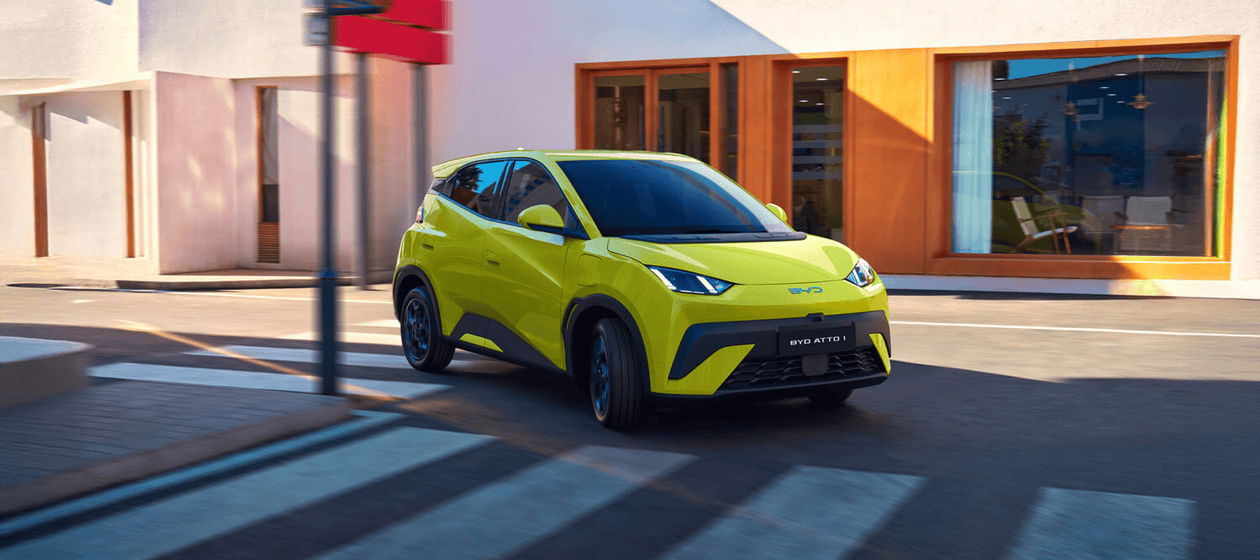
As an entry-level EV tailor-made by BYD for urban commuting across Southeast Asia, the Atto 1 is far from a budget runabout with stripped-down specifications. Instead, it is a practical model built on the brand’s proven technology platform, engineered specifically for daily high-frequency daily use. Targeted squarely at young graduates, daily urban commuters, and families in need of a second short-distance car, it is perfectly suited for the congested roads and tight parking spaces common across the region. This strategic positioning creates a clear market gap from mid-range EVs that prioritize expansive interior space and long-range capabilities.
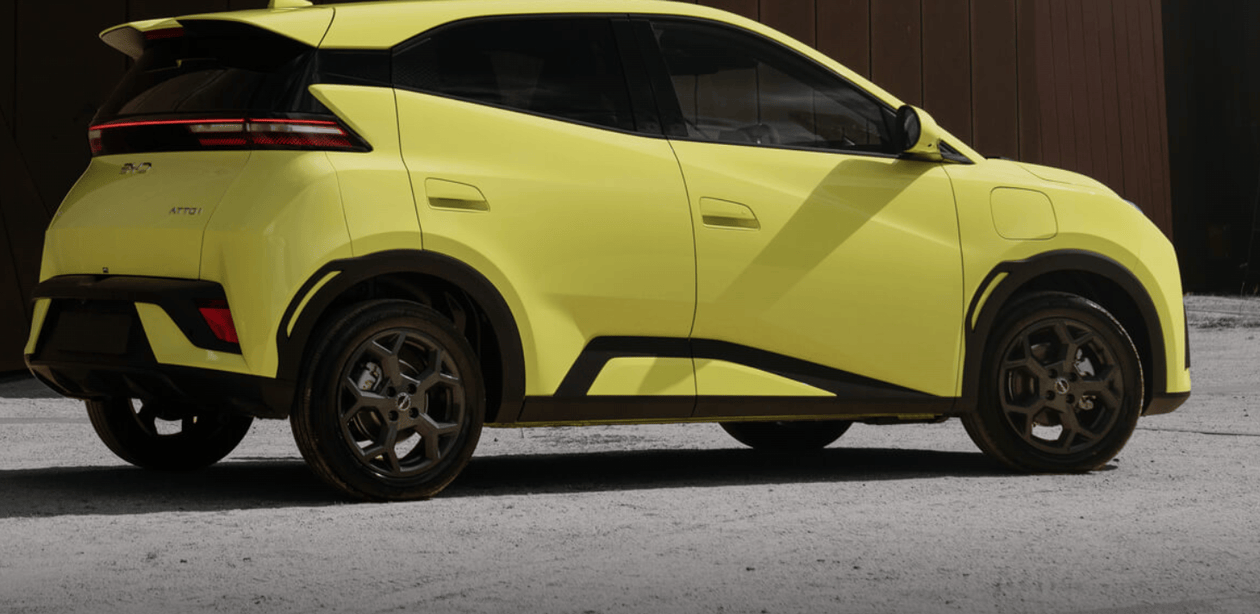
At its core, the BYD Atto 1 is based on the brand's entry-level electric hatchback Seagull, positioned as an A-Segment compact pure electric hatchback. It has a body length of 3,780mm and a wheelbase of 2,500mm – dimensions that are highly practical for dense, parking-scarce cities like Kuala Lumpur, Penang and Johor Bahru. The compact size makes U-turns on narrow streets and parallel parking incredibly agile, avoiding the bulky feel often associated with larger EVs. Meanwhile, the well-calibrated wheelbase ensures decent cabin space for daily short trips with family or friends. The boot is equally functional, easily accommodating groceries, commuter bags, and other essentials — offering an all-round practicality that aligns perfectly with the driving habits of Southeast Asian users.
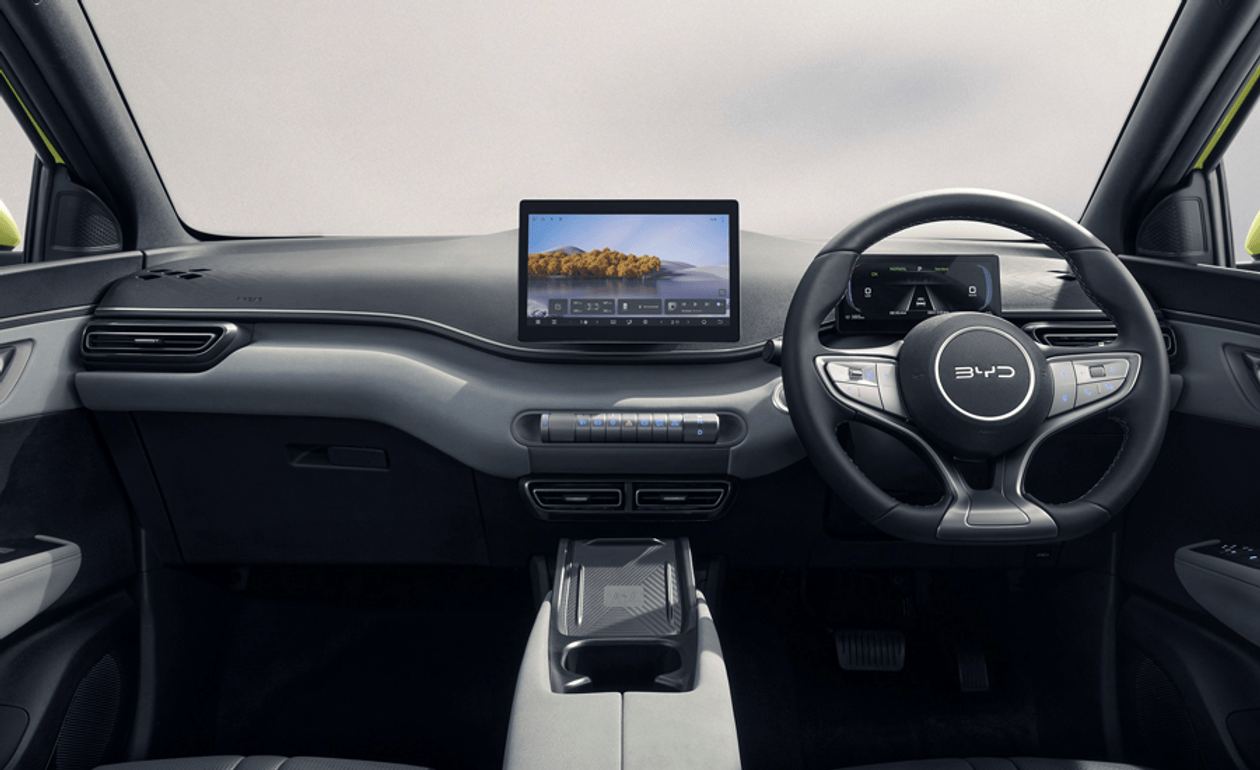
Undoubtedly, the most market-shaking aspect is the pricing strategy: the official starting price in Thailand is 490,000 Thai Baht, equivalent to approximately RM 51,970, while the long-range variant is priced between RM 58,000 and RM 63,000. This firmly positions the Atto 1 as one of the most affordable electric vehicles in Southeast Asia — a pricing move currently unmatched in the region's EV market. In terms of core technology, all variants come standard with BYD's in-house developed LFP Blade Battery. This technology is already proven in the Malaysian market through the Atto 3 and Dolphin, boasting a well-established reputation for safety and stability while rejecting the cost-cutting shortcuts typical of budget entry models.
For range specifications, the new car is available with two battery options: the entry-level variant features a 30.0 kWh battery pack with an NEDC range of approximately 300 km, while the long-range variant upgrades to a 38.8 kWh battery pack delivering up to 380 km NEDC range. Even when converted to the more realistic WLTP cycle, the long-range variant delivers around 310 km, and the entry-level variant around 220km. For most Malaysian commuters with daily round-trip distances typically under 50km, this range is more than sufficient for weekly charging. While its primary limitation remains interstate long-distance travel, this aligns precisely with its positioning as an urban runabout.
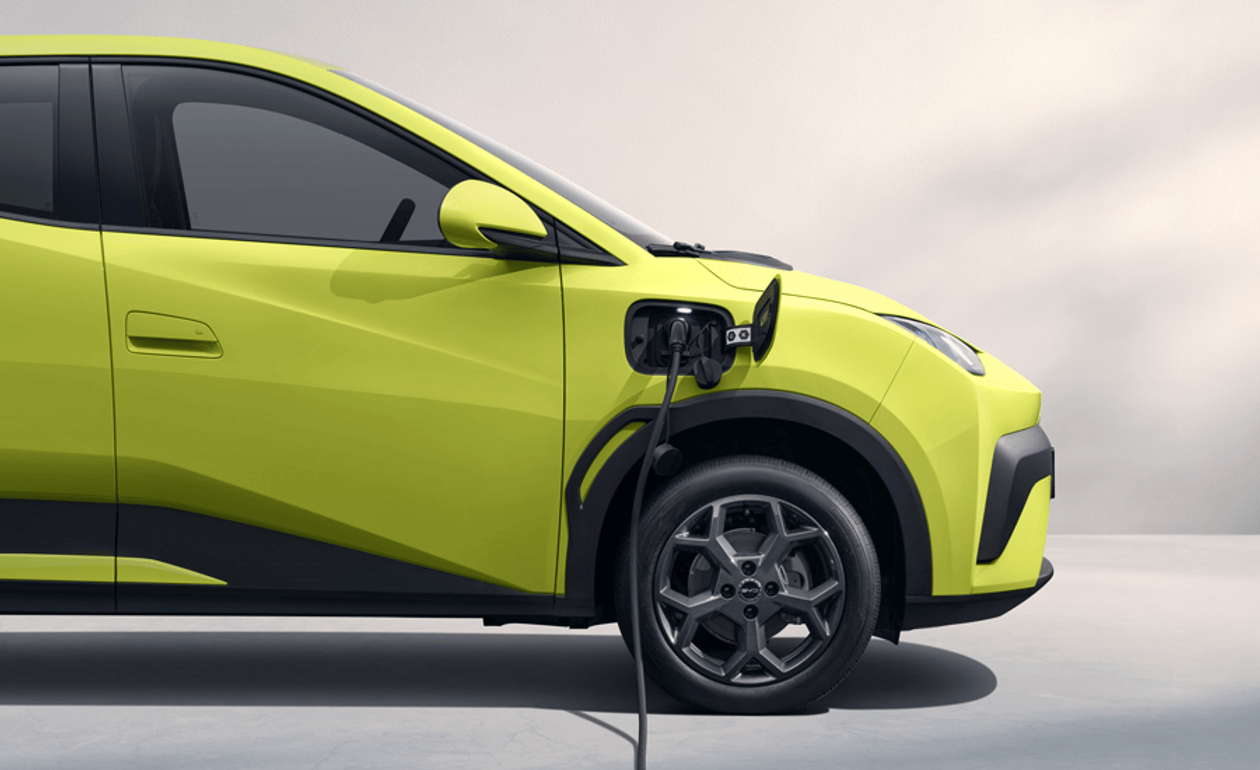
In terms of charging experience, BYD has refused to compromise despite the Atto 1's entry-level positioning. It supports 11 kW AC home charging for overnight charging, and is also equipped with DC fast charging capabilities ranging from 30 kW to 80 kW, depending on the variant. In real-world conditions, a charge from 30% to 80% takes approximately 30 minutes, allowing drivers to top up while running errands at shopping malls or during short breaks at public charging stations. This perfectly complements the fast-paced urban lifestyle, effectively resolving the common pain points of slow charging typically associated with budget EVs.
A comparison of BYD's market presence in Thailand and Malaysia reveals a clear strategy to deepen its footprint in Southeast Asia. Thailand benefits from a mature vehicle manufacturing base, with the Rayong plant boasting an annual production capacity of over 70,000 units. The launch of the Atto 1 further completes the brand's entry-level lineup, solidifying its leading position in Thailand's EV market. In Malaysia, BYD has built a strong presence through its long-term partnership with Sime Darby Motors, launching multiple models including the Atto 3, Dolphin, Seal and Atto 2. With cumulative sales exceeding 25,000 units, BYD currently holds the top market share in the local EV segment. Furthermore, the brand has announced a major investment to build a CKD (Completely Knocked Down) assembly plant in Tanjung Malim, Perak, scheduled to commence operations in the second half of 2026. This accelerating localisation strategy will further lower cost barriers, paving the way for a highly competitive introduction of the Atto 1 to the Malaysian market.
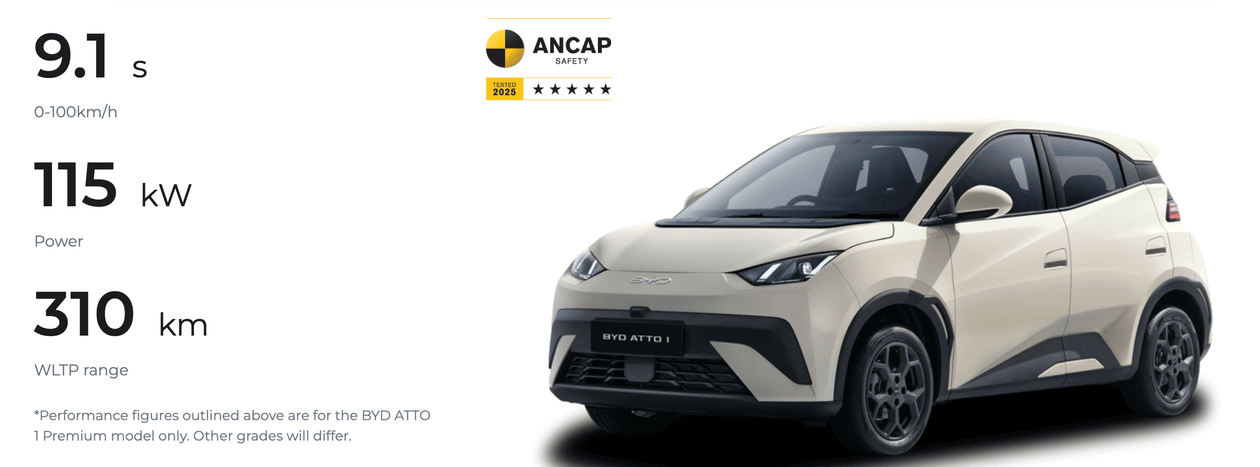
Looking at Malaysia's current EV market, all BYD models on sale are positioned in the mid-range and above. The flagship Atto 3 starts at RM 149,800, while the Dolphin opens above the RM 100,000 mark, leaving a long-standing gap in the entry-level EV segment. As a result, countless budget-conscious consumers have had no choice but to remain with traditional compact petrol cars. If the Atto 1 is successfully introduced to Malaysia, even with local taxes and operational costs factored in, its price is highly likely to stay under RM 80,000, directly filling this market void. It will mark the first time working-class Malaysians and young buyers can comfortably afford an electric vehicle, completely reshaping the country's EV landscape.
Following its Thai launch, the Atto 1 is set to trigger intensified price competition in the entry-level EV segment across Southeast Asia. For Malaysia, the Atto 1 is more than just a value-for-money new model; it is a key catalyst driving the nationwide adoption of electric mobility. Once officially launched, the RM 50,000 to RM 60,000 EV segment will be fully activated, and Malaysia's era of mass electric mobility may arrive sooner than expected.

Your go-to source for all things automotive in Malaysia. 🚗 Latest reviews, breaking news, launches & industry trends.
+ Follow We saw this accident this morning, and here’s a reminder to everyone: please drive safe. 2 days ago
  The G50 BMW 3 series is now here, adopting much of the i3's design elements.
So, where's the BMW M3?
#bmw #BMW3Series 4 days ago
The G50 BMW 3 series is now here, adopting much of the i3's design elements.
So, where's the BMW M3?
#bmw #BMW3Series 4 days ago  DRIFT PARTY in Malaysia! Can the Xiaomi SU7, Yangwang U8 mix it up against JDM favourites in KL?
Our adventure with the Xiaomi SU7 and Yangwang U8 brings us to APDCrew circuit as we give witness a drift show. With pro drifters and fan-favourites - RX7s, S15s, Skylines, Supras, and more - in the mix, can our Xiaomi SU7 and Yangwang U8 hold their own?
It's also a quick look at Malaysian car culture, including some wildly modified minivans, and more!
#drift #malaysia #xiaomisu7 #yangwangu8 #larrychen #drifting #JDM跑車 4 days ago
DRIFT PARTY in Malaysia! Can the Xiaomi SU7, Yangwang U8 mix it up against JDM favourites in KL?
Our adventure with the Xiaomi SU7 and Yangwang U8 brings us to APDCrew circuit as we give witness a drift show. With pro drifters and fan-favourites - RX7s, S15s, Skylines, Supras, and more - in the mix, can our Xiaomi SU7 and Yangwang U8 hold their own?
It's also a quick look at Malaysian car culture, including some wildly modified minivans, and more!
#drift #malaysia #xiaomisu7 #yangwangu8 #larrychen #drifting #JDM跑車 4 days ago Get the latest car news first!
Your go-to source for all things automotive in Malaysia. 🚗 Latest reviews, breaking news, launches & industry trends.
We saw this accident this morning, and here’s a reminder to everyone: please drive safe. 2 days ago The G50 BMW 3 series is now here, adopting much of the i3's design elements.
So, where's the BMW M3?
#bmw #BMW3Series 4 days ago DRIFT PARTY in Malaysia! Can the Xiaomi SU7, Yangwang U8 mix it up against JDM favourites in KL?
Our adventure with the Xiaomi SU7 and Yangwang U8 brings us to APDCrew circuit as we give witness a drift show. With pro drifters and fan-favourites - RX7s, S15s, Skylines, Supras, and more - in the mix, can our Xiaomi SU7 and Yangwang U8 hold their own?
It's also a quick look at Malaysian car culture, including some wildly modified minivans, and more!
#drift #malaysia #xiaomisu7 #yangwangu8 #larrychen #drifting #JDM跑車 4 days ago  ProtonGWMVolkswagenJAECOOVolvoPeroduaToyotaHondaTESLAMitsubishiMazdaJetourCheryBYDLexusBMWMercedes-BenziCAURZeekrIsuzuNissanLeapmotorPorscheFordOMODAMINIMGSuzukiXPengHyundaiWulingKiaSubaruDenzaGACLand RoverDongfengCAMAudiPeugeotFotonMAXUSsmartDaihatsuJACJMCMaseratiLotusAlfa RomeoRenaultGolden DragonKaiceneSeresLamborghiniFerrariJeepRolls-RoyceLepasAston MartinMcLarenChevroletBentleyFiatBAICForthingGeelyRoeweAeolusChanganARCFOXDeepalExeedHongqiVoyahJaguarKGMBuforiAcuraCadillacDodgeAbarthINEOSMHEROJMEVFreelander
 © 2024 Bitauto.com. All Rights Reserved.
Bitauto (www.yiche.com and www.bitauto.com) is one of the most visited automotive websites in China. We provide detailed info on Chinese car brands available in your area. Please note that the information provided on this website is based on publicly available data and is for reference only. It may not be fully updated or accurate at all times.
Help us improve our website


