
Search History
Popular Searches
English
Dealer Login / Sign Up
Amid rising fuel prices in Thailand, Prime Minister Anutin Charnvirakul has switched his daily commute vehicle from a luxury Rolls-Royce to a Chinese-made BYD electric vehicle. This change aligns with efforts to promote energy conservation and support the regional electric vehicle industry.
Anutin was recently observed traveling between Parliament and Government House in a dark grey BYD. His current commute is conducted without a formal motorcade or outriders, accompanied only by his driver and two staff members. This is a notable departure from the Rolls-Royce (license plate 3333) he used upon taking office in September last year.
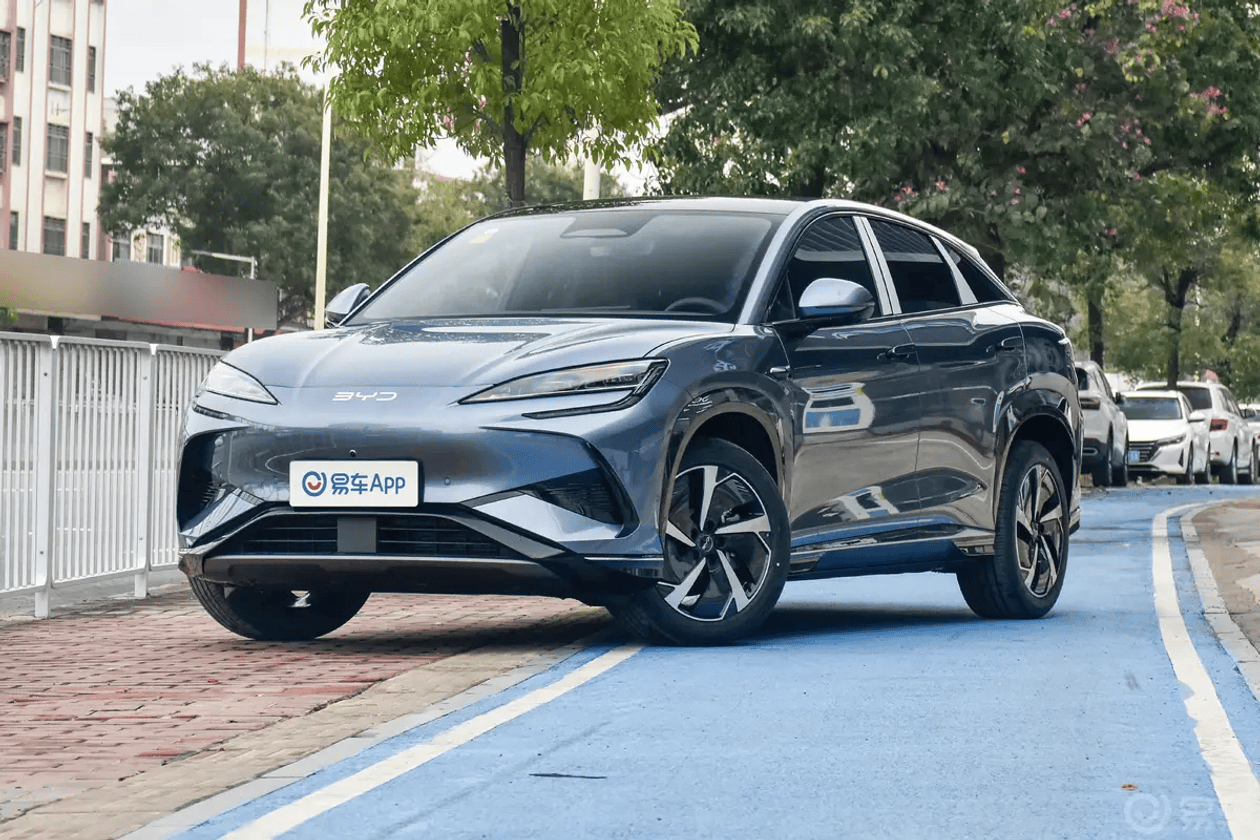
This change in transport reflects Thailand’s response to current energy challenges. On March 24, gasoline prices in Thailand rose by 2 baht per liter, highlighting the country's vulnerability to international oil price fluctuations as a net oil importer. Anutin has advocated for a broader transition to electric vehicles, citing their potential for fuel savings and zero-emission benefits. By adopting an EV for his daily commute, the Prime Minister is aligning his personal practice with national energy conservation goals.
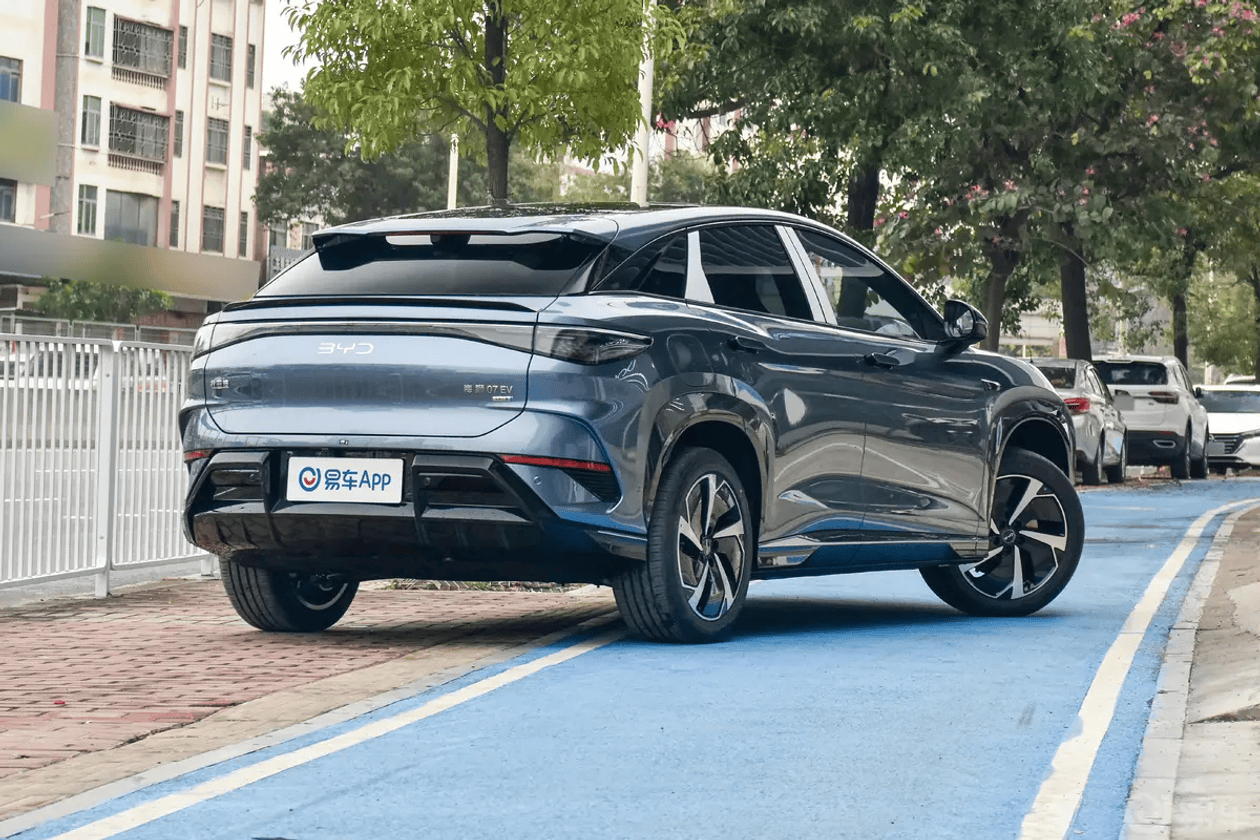
The adoption of BYD by the Prime Minister reflects the brand's established footprint in the region. In July 2024, BYD inaugurated its first full-process new energy vehicle (NEV) manufacturing plant in ASEAN, located in Thailand's Rayong province. With an annual capacity of 150,000 units, the facility marks a significant milestone in local production. Over the past three years, BYD has delivered nearly 90,000 NEVs in Thailand, with a workforce comprised of over 90% local employees.
This industrial presence has catalyzed the growth of numerous local component suppliers and generated substantial employment. Furthermore, the vehicles have been localized for Thailand's specific environment, featuring high-performance air conditioning systems and corrosion-resistant battery packs tailored for tropical climates. These technical adjustments ensure the vehicles are well-suited for regional usage scenarios.
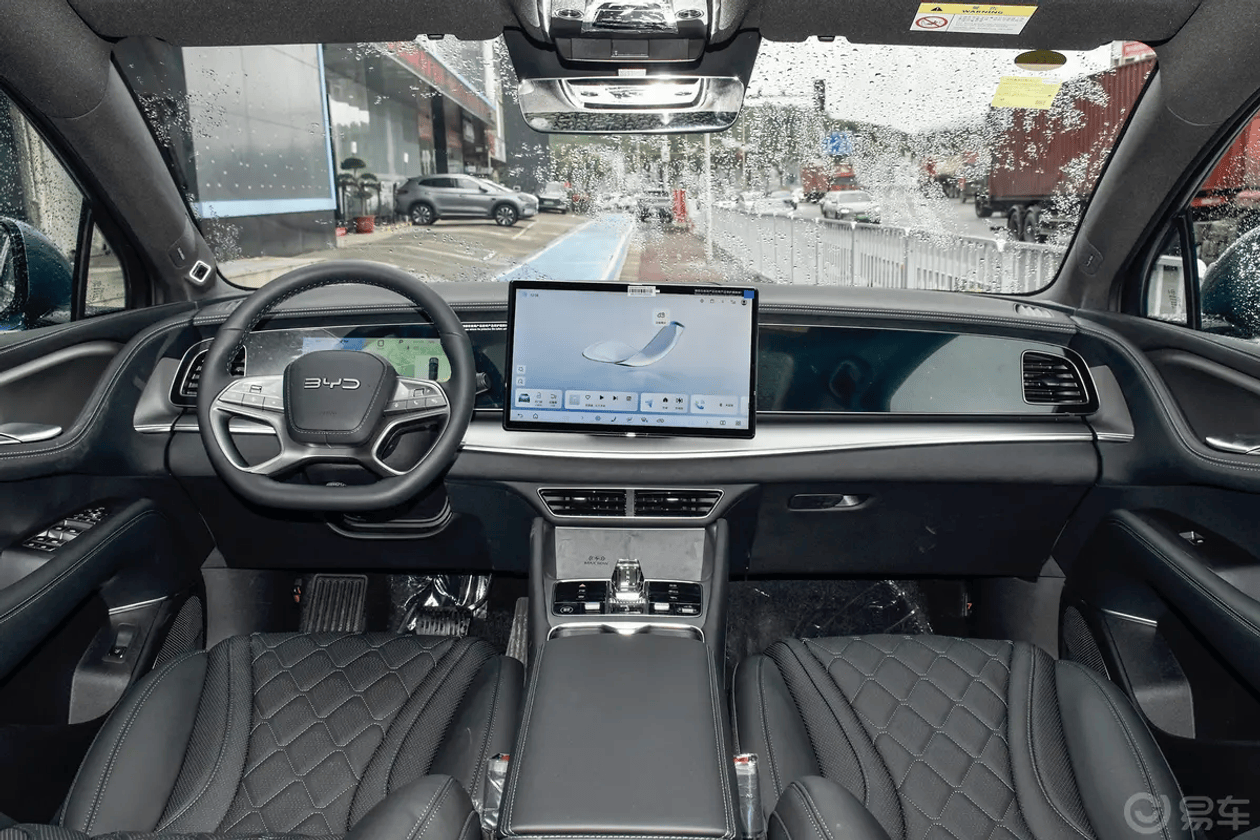
Shortly after this transition, Anutin convened an energy meeting to address the escalating oil prices, a move interpreted as a commitment to policy-driven solutions. This approach aligns with a pragmatic governance strategy that prioritizes national energy security and the electrification of Thailand's transport sector. As an oil-importing nation, Thailand's shift provides a strategic template for other ASEAN neighbors facing similar energy pressures. Furthermore, the adoption of a BYD vehicle at the executive level underscores the growing integration and technical recognition of Chinese new energy vehicles within the regional supply chain.

Your go-to source for all things automotive in Malaysia. 🚗 Latest reviews, breaking news, launches & industry trends.
+ Follow We saw this accident this morning, and here’s a reminder to everyone: please drive safe. 2 days ago
  The G50 BMW 3 series is now here, adopting much of the i3's design elements.
So, where's the BMW M3?
#bmw #BMW3Series 4 days ago
The G50 BMW 3 series is now here, adopting much of the i3's design elements.
So, where's the BMW M3?
#bmw #BMW3Series 4 days ago  DRIFT PARTY in Malaysia! Can the Xiaomi SU7, Yangwang U8 mix it up against JDM favourites in KL?
Our adventure with the Xiaomi SU7 and Yangwang U8 brings us to APDCrew circuit as we give witness a drift show. With pro drifters and fan-favourites - RX7s, S15s, Skylines, Supras, and more - in the mix, can our Xiaomi SU7 and Yangwang U8 hold their own?
It's also a quick look at Malaysian car culture, including some wildly modified minivans, and more!
#drift #malaysia #xiaomisu7 #yangwangu8 #larrychen #drifting #JDM跑車 4 days ago
DRIFT PARTY in Malaysia! Can the Xiaomi SU7, Yangwang U8 mix it up against JDM favourites in KL?
Our adventure with the Xiaomi SU7 and Yangwang U8 brings us to APDCrew circuit as we give witness a drift show. With pro drifters and fan-favourites - RX7s, S15s, Skylines, Supras, and more - in the mix, can our Xiaomi SU7 and Yangwang U8 hold their own?
It's also a quick look at Malaysian car culture, including some wildly modified minivans, and more!
#drift #malaysia #xiaomisu7 #yangwangu8 #larrychen #drifting #JDM跑車 4 days ago Get the latest car news first!
Your go-to source for all things automotive in Malaysia. 🚗 Latest reviews, breaking news, launches & industry trends.
We saw this accident this morning, and here’s a reminder to everyone: please drive safe. 2 days ago The G50 BMW 3 series is now here, adopting much of the i3's design elements.
So, where's the BMW M3?
#bmw #BMW3Series 4 days ago DRIFT PARTY in Malaysia! Can the Xiaomi SU7, Yangwang U8 mix it up against JDM favourites in KL?
Our adventure with the Xiaomi SU7 and Yangwang U8 brings us to APDCrew circuit as we give witness a drift show. With pro drifters and fan-favourites - RX7s, S15s, Skylines, Supras, and more - in the mix, can our Xiaomi SU7 and Yangwang U8 hold their own?
It's also a quick look at Malaysian car culture, including some wildly modified minivans, and more!
#drift #malaysia #xiaomisu7 #yangwangu8 #larrychen #drifting #JDM跑車 4 days ago  ProtonGWMVolkswagenJAECOOVolvoPeroduaToyotaHondaTESLAMitsubishiMazdaJetourCheryBYDLexusBMWMercedes-BenziCAURZeekrIsuzuNissanLeapmotorPorscheFordOMODAMINIMGSuzukiXPengHyundaiWulingKiaSubaruDenzaGACLand RoverDongfengCAMAudiPeugeotFotonMAXUSsmartDaihatsuJACJMCMaseratiLotusAlfa RomeoRenaultGolden DragonKaiceneSeresLamborghiniFerrariJeepRolls-RoyceLepasAston MartinMcLarenChevroletBentleyFiatBAICForthingGeelyRoeweAeolusChanganARCFOXDeepalExeedHongqiVoyahJaguarKGMBuforiAcuraCadillacDodgeAbarthINEOSMHEROJMEVFreelander
 © 2024 Bitauto.com. All Rights Reserved.
Bitauto (www.yiche.com and www.bitauto.com) is one of the most visited automotive websites in China. We provide detailed info on Chinese car brands available in your area. Please note that the information provided on this website is based on publicly available data and is for reference only. It may not be fully updated or accurate at all times.
Help us improve our website


