
Search History
Popular Searches
English
Dealer Login / Sign Up
A significant shift is unfolding in the automotive industry as rumors circulate that Škoda, the 131-year-old Czech automaker, may officially exit the Chinese market by mid-2026. Once celebrated as the "King of Value-for-Money" in China, the legendary brand is now losing traction in the world's most competitive auto market. The drivers behind this potential withdrawal and its broader implications for the Southeast Asian market are a focal point for regional industry observers.
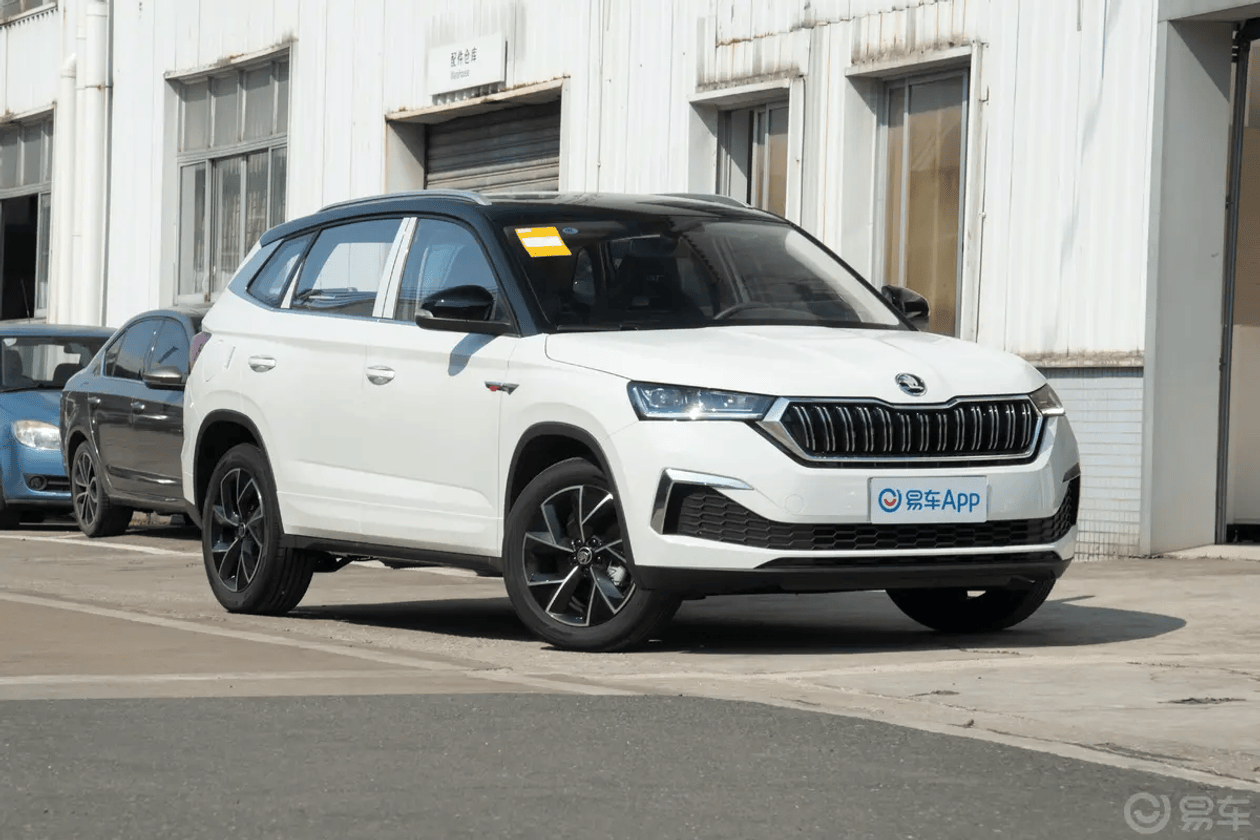
According to recent reports, a Škoda spokesperson confirmed that the brand plans to conclude its operations in China by mid-2026.
In a subsequent statement, Volkswagen China clarified that while Škoda will phase out new car sales by mid-next year, it remains committed to its existing customer base.
The Strategic Logic: This withdrawal is not a sign of global failure — Škoda's 2025 worldwide deliveries actually surpassed 1 million units.
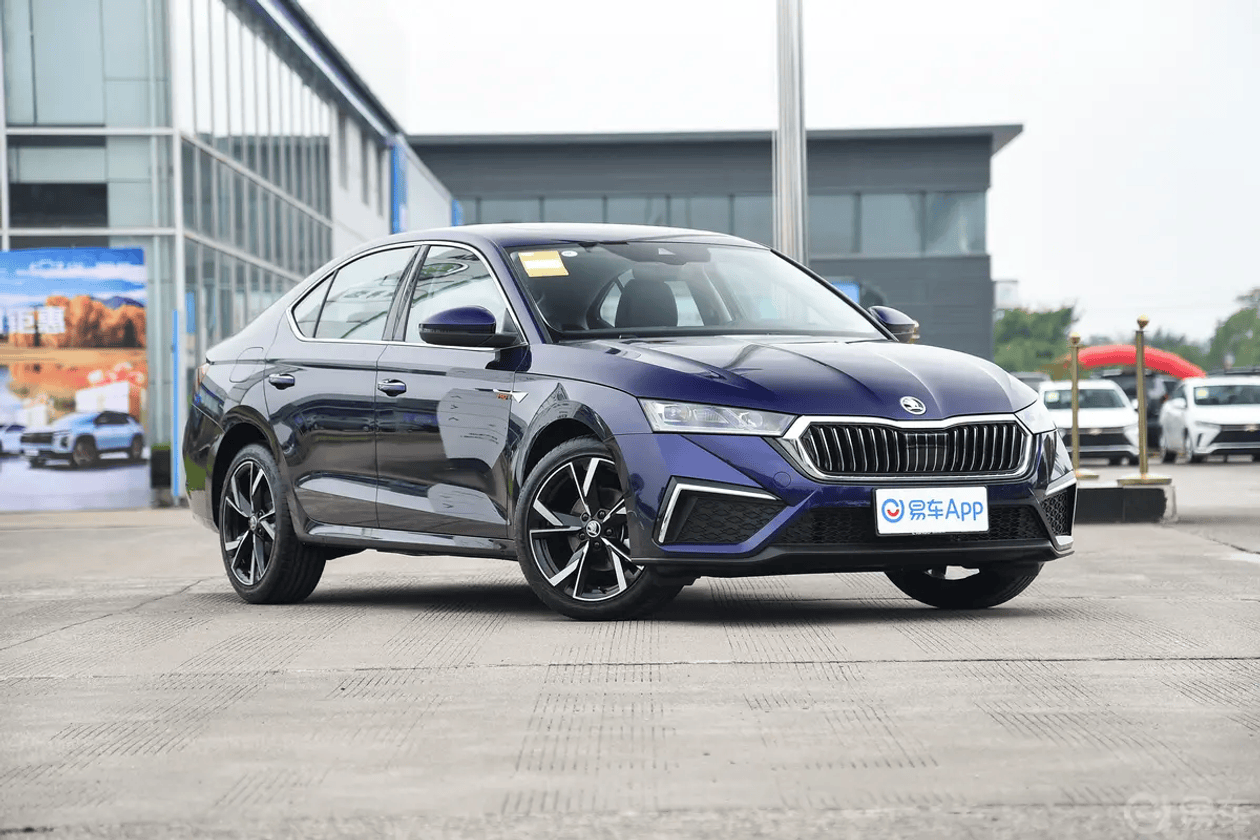
Since its entry in 2005 through the SAIC-Volkswagen joint venture, Škoda built a reputation as the "informed choice" for European engineering. By sharing the "Big Three" core components (chassis, engine, and transmission) with Volkswagen at a more accessible price point, Škoda successfully positioned itself as the pragmatic alternative for Chinese consumers.
The Zenith (2016–2018): Škoda maintained an impressive annual sales volume of over 300,000 units for three consecutive years.
The Erosion of Edge: The landscape shifted rapidly with the rise of Chinese domestic giants like BYD and Geely. As these local players redefined the market through aggressive electrification and smart-tech integration, Škoda's traditional mechanical advantages began to lose their luster.
The Statistical Reality: By 2025, the decline reached a critical point. Škoda delivered only 15,000 units in China — a figure that has become statistically marginal compared to its robust global performance of 1.04 million deliveries.
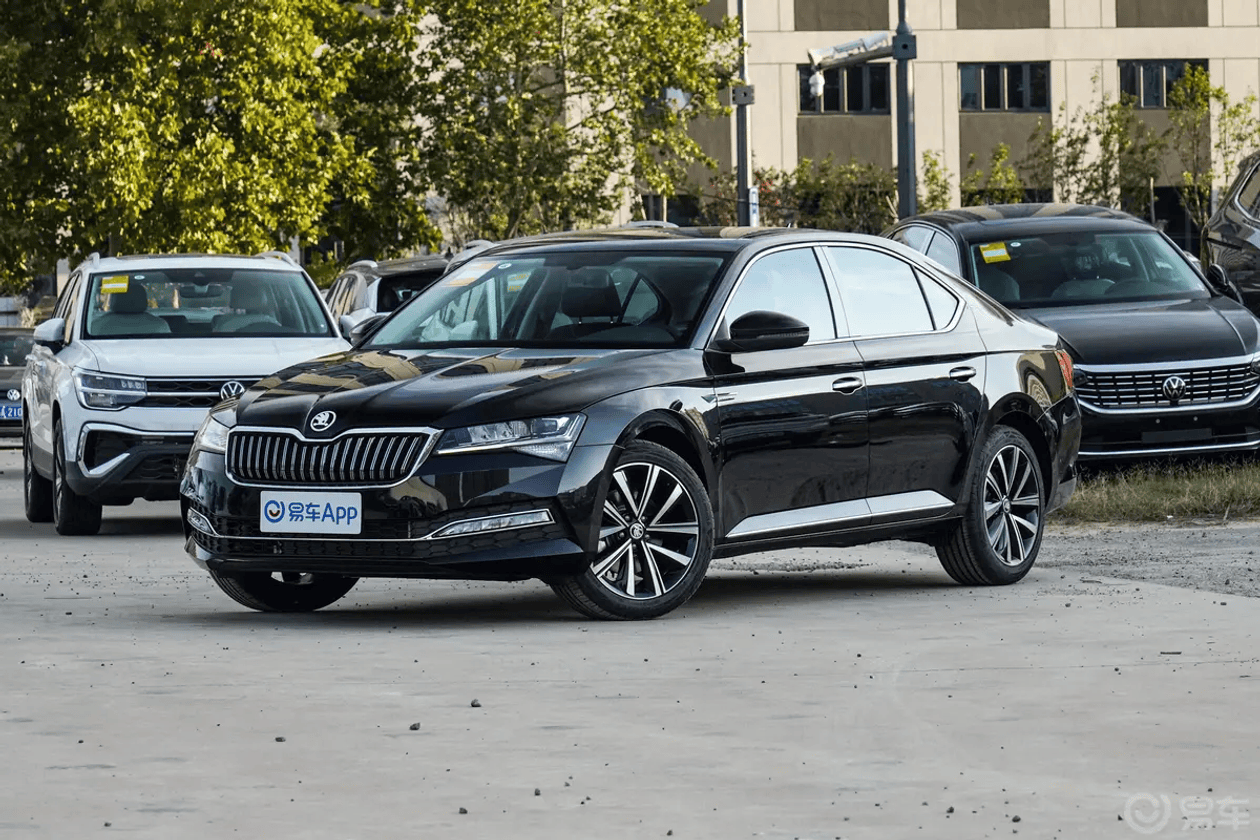
For Malaysian readers, this development is more than just "neighboring news". Škoda's strategic withdrawal from China is a clear signal of a massive resource shift toward Southeast Asia.
Vietnam as the "Bridgehead": In a calculated move, Škoda launched its CKD (Completely Knocked Down) operations in Vietnam in 2025, utilizing components produced in India.
A New Horizon for the Malaysian Market: ASEAN has been designated as the heart of Škoda's "Next Level" global strategy. As the Indian production ecosystem reaches full maturity, the likelihood of Škoda entering Malaysia and Thailand has increased significantly. By leveraging AFTA (ASEAN Free Trade Area) duty-free benefits, the brand can finally offer European engineering at highly competitive local price points.
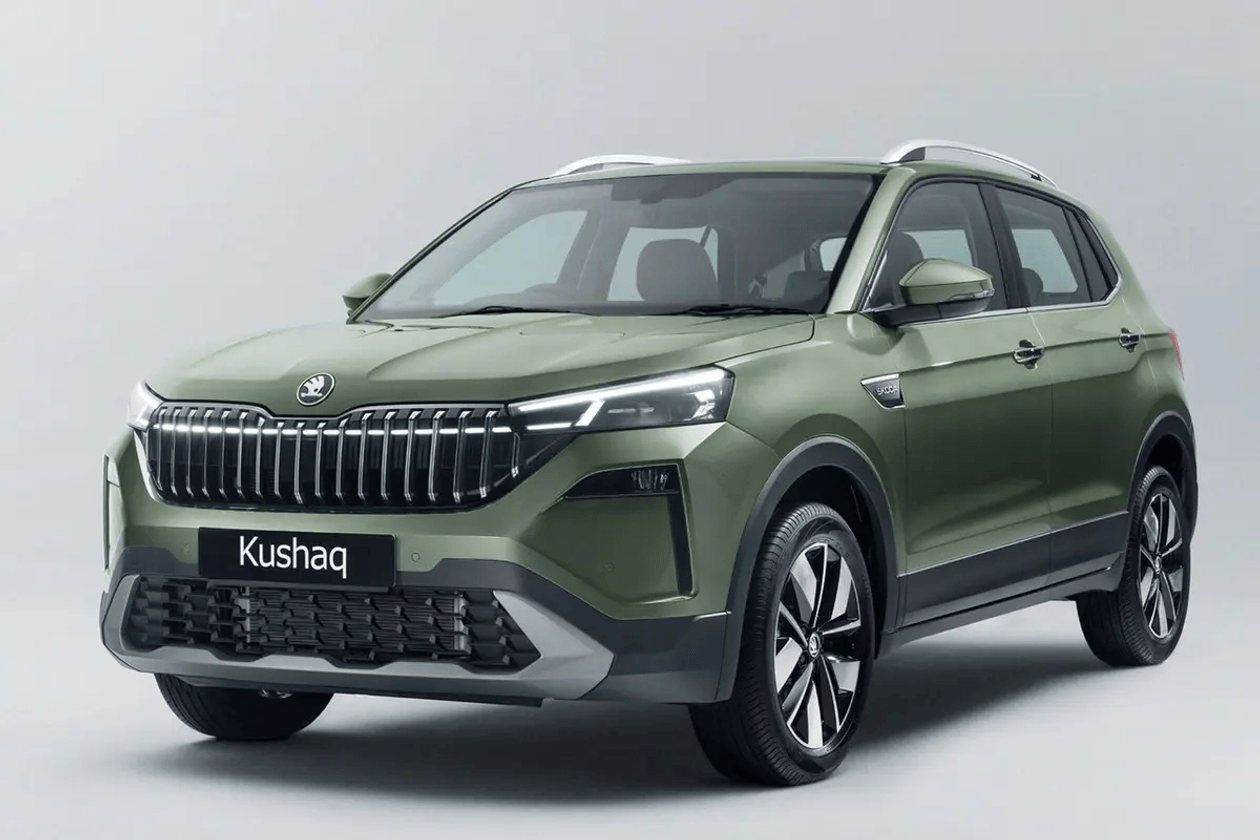
Purpose-Built Localized Products: Moving away from traditional "Euro-spec" limitations, Škoda's recent models — such as the Kushaq (SUV) and Slavia (Sedan) — are practical vehicles engineered specifically for emerging markets. These models are designed to handle local driving conditions and climates far better than their predecessors.
To younger, tech-savvy consumers, Škoda's design language may appear somewhat conservative — even "dated" — and the brand has been slower in developing high-tech smart cabins. However, in Southeast Asia, where priorities often lean toward mechanical reliability, long-term durability, and generous cabin space, Škoda's philosophy of "pragmatism" might just find its second wind.
If Škoda successfully redirects its global resources toward Southeast Asia and introduces high-quality European engineering at truly competitive prices, would you consider putting one in your driveway?

Your go-to source for all things automotive in Malaysia. 🚗 Latest reviews, breaking news, launches & industry trends.
+ Follow We saw this accident this morning, and here’s a reminder to everyone: please drive safe. 2 days ago
  The G50 BMW 3 series is now here, adopting much of the i3's design elements.
So, where's the BMW M3?
#bmw #BMW3Series 4 days ago
The G50 BMW 3 series is now here, adopting much of the i3's design elements.
So, where's the BMW M3?
#bmw #BMW3Series 4 days ago  DRIFT PARTY in Malaysia! Can the Xiaomi SU7, Yangwang U8 mix it up against JDM favourites in KL?
Our adventure with the Xiaomi SU7 and Yangwang U8 brings us to APDCrew circuit as we give witness a drift show. With pro drifters and fan-favourites - RX7s, S15s, Skylines, Supras, and more - in the mix, can our Xiaomi SU7 and Yangwang U8 hold their own?
It's also a quick look at Malaysian car culture, including some wildly modified minivans, and more!
#drift #malaysia #xiaomisu7 #yangwangu8 #larrychen #drifting #JDM跑車 4 days ago
DRIFT PARTY in Malaysia! Can the Xiaomi SU7, Yangwang U8 mix it up against JDM favourites in KL?
Our adventure with the Xiaomi SU7 and Yangwang U8 brings us to APDCrew circuit as we give witness a drift show. With pro drifters and fan-favourites - RX7s, S15s, Skylines, Supras, and more - in the mix, can our Xiaomi SU7 and Yangwang U8 hold their own?
It's also a quick look at Malaysian car culture, including some wildly modified minivans, and more!
#drift #malaysia #xiaomisu7 #yangwangu8 #larrychen #drifting #JDM跑車 4 days ago Get the latest car news first!
Your go-to source for all things automotive in Malaysia. 🚗 Latest reviews, breaking news, launches & industry trends.
We saw this accident this morning, and here’s a reminder to everyone: please drive safe. 2 days ago The G50 BMW 3 series is now here, adopting much of the i3's design elements.
So, where's the BMW M3?
#bmw #BMW3Series 4 days ago DRIFT PARTY in Malaysia! Can the Xiaomi SU7, Yangwang U8 mix it up against JDM favourites in KL?
Our adventure with the Xiaomi SU7 and Yangwang U8 brings us to APDCrew circuit as we give witness a drift show. With pro drifters and fan-favourites - RX7s, S15s, Skylines, Supras, and more - in the mix, can our Xiaomi SU7 and Yangwang U8 hold their own?
It's also a quick look at Malaysian car culture, including some wildly modified minivans, and more!
#drift #malaysia #xiaomisu7 #yangwangu8 #larrychen #drifting #JDM跑車 4 days ago  ProtonGWMVolkswagenJAECOOVolvoPeroduaToyotaHondaTESLAMitsubishiMazdaJetourCheryBYDLexusBMWMercedes-BenziCAURZeekrIsuzuNissanLeapmotorPorscheFordOMODAMINIMGSuzukiXPengHyundaiWulingKiaSubaruDenzaGACLand RoverDongfengCAMAudiPeugeotFotonMAXUSsmartDaihatsuJACJMCMaseratiLotusAlfa RomeoRenaultGolden DragonKaiceneSeresLamborghiniFerrariJeepRolls-RoyceLepasAston MartinMcLarenChevroletBentleyFiatBAICForthingGeelyRoeweAeolusChanganARCFOXDeepalExeedHongqiVoyahJaguarKGMBuforiAcuraCadillacDodgeAbarthINEOSMHEROJMEVFreelander
 © 2024 Bitauto.com. All Rights Reserved.
Bitauto (www.yiche.com and www.bitauto.com) is one of the most visited automotive websites in China. We provide detailed info on Chinese car brands available in your area. Please note that the information provided on this website is based on publicly available data and is for reference only. It may not be fully updated or accurate at all times.
Help us improve our website


