
Search History
Popular Searches
English
Dealer Login / Sign Up
As volatility persists in the Middle East — compounded by the systemic risk of a Strait of Hormuz blockade — global energy security alarms are sounding once again. To diversify its energy mix and mitigate over-reliance on volatile fossil fuels, the Malaysian government has officially stated that nuclear energy will become a key option in the nation's future energy strategy.
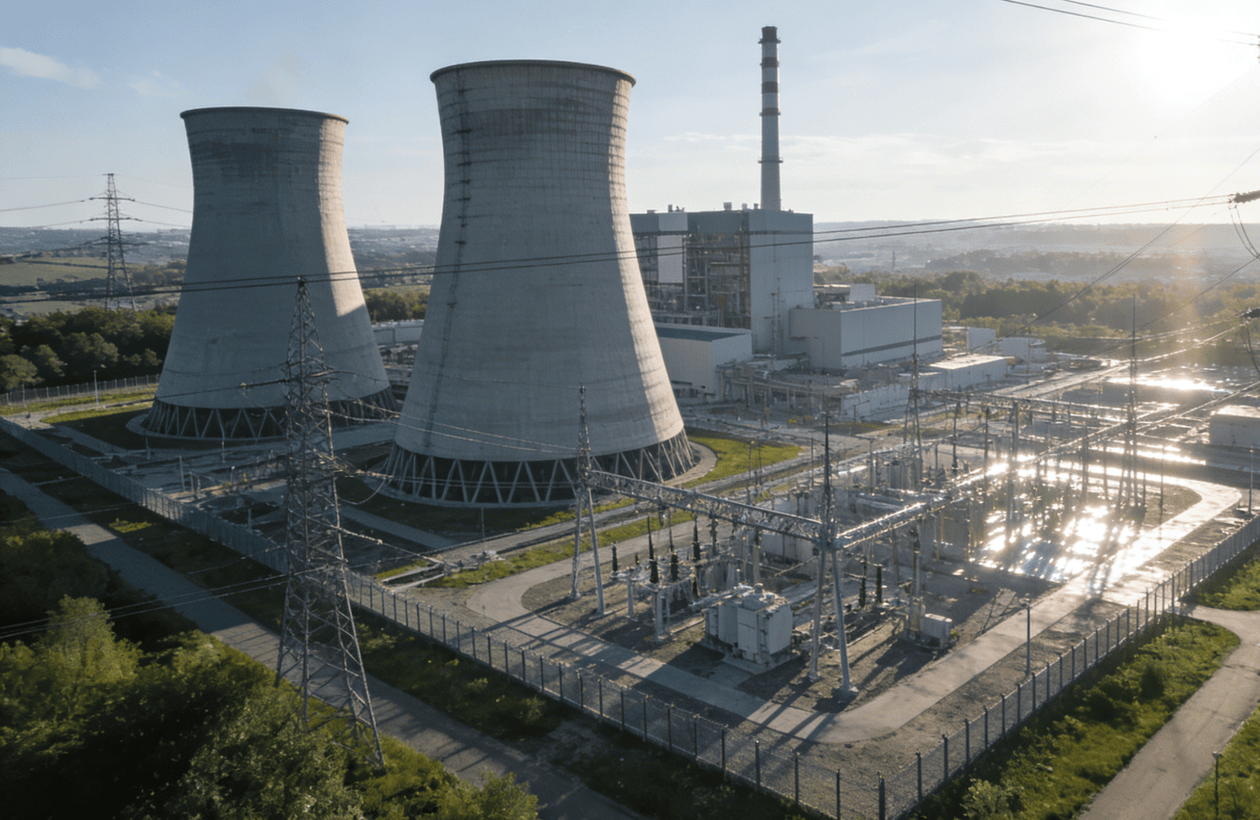
Datuk Seri Fadillah Yusof, Deputy Prime Minister and Minister of Energy and Water Transformation, highlighted on Friday (March 27) that geopolitical volatility has caused significant fluctuations in global fuel supply and pricing. Citing potential disruptions to crude oil and Liquefied Natural Gas (LNG) supply chains, the Deputy PM underscored the urgency of evaluating the feasibility and potential of nuclear energy for the domestic market.
As part of the government's long-term energy transition, nuclear power has been formally incorporated into the 13th Malaysia Plan (13MP). This strategic inclusion serves a dual purpose: strengthening national energy security against external shocks, and aligning with Malaysia's commitments to decarbonization and clean energy transition goals.
Malaysia's accelerated nuclear research reflects a broader strategic shift within the ASEAN bloc. Fadillah noted that several neighboring countries have already initiated strategic nuclear programs:
The Philippines: Targeting large-scale nuclear power integration by 2050 to bolster its national grid.
Vietnam: Has officially reactivated its nuclear program, integrating atomic energy into its long-term development blueprint.
Indonesia: Actively exploring Small Modular Reactor (SMR) technology.
Thailand & Singapore: Both nations are conducting feasibility studies on nuclear energy as a vital component of a diversified and low-carbon energy mix.
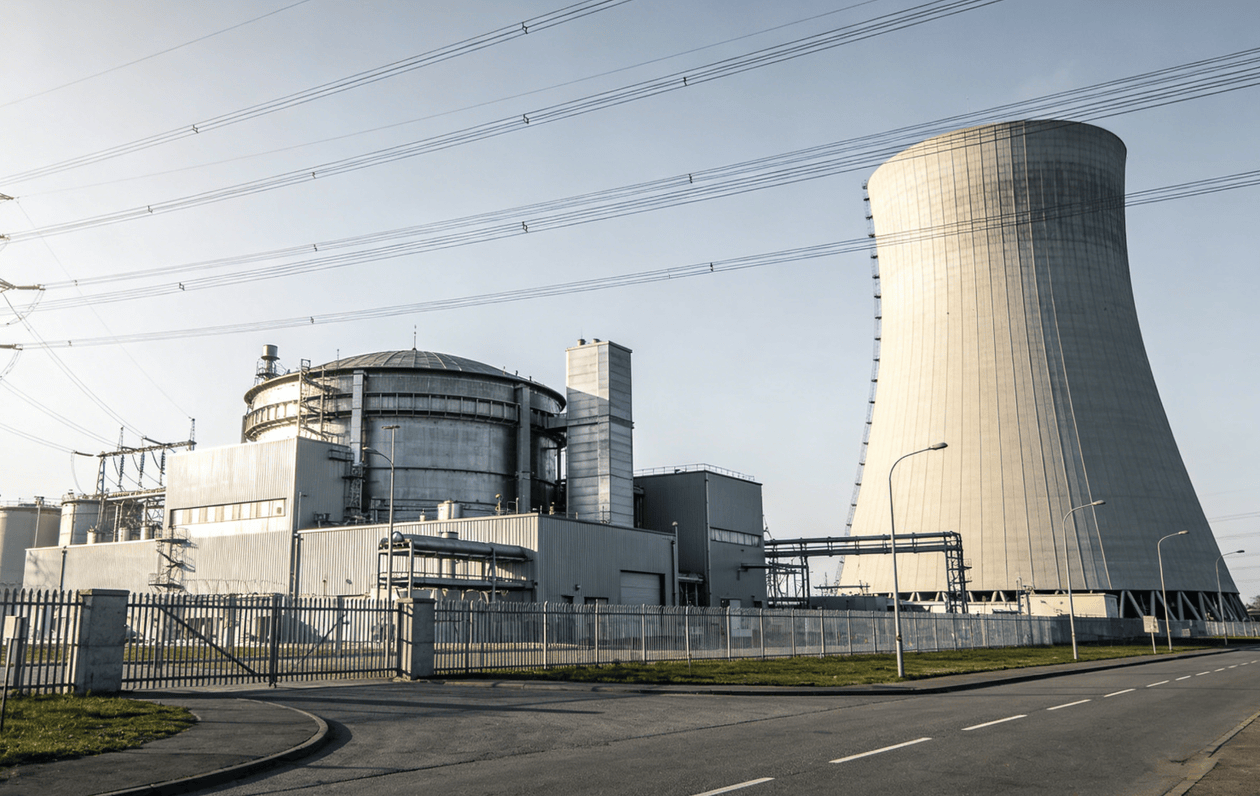
While nuclear energy has emerged on the strategic horizon, the government maintains a "cautious and comprehensive" stance. Based on current trajectories, a final decision on integrating nuclear power into Malaysia's long-term energy mix is not expected until 2030 at the earliest.
This aligns with the Malaysia MADANI vision for sustainable resource development, prioritizing long-term stability and intergenerational equity through knowledge-based planning.
From an automotive perspective, the evolution of the national energy mix is critical to the "well-to-wheel" carbon footprint of future Electric Vehicles (EVs). Introducing stable, low-carbon nuclear power as a baseload would not only mitigate the volatility of electricity pricing but also ensure true decarbonization — transforming EVs from merely tailpipe-free vehicles into a genuinely sustainable transport solution from power generation to end-use.
(Images in this article are AI-generated)

Your go-to source for all things automotive in Malaysia. 🚗 Latest reviews, breaking news, launches & industry trends.
+ Follow We saw this accident this morning, and here’s a reminder to everyone: please drive safe. 2 days ago
  The G50 BMW 3 series is now here, adopting much of the i3's design elements.
So, where's the BMW M3?
#bmw #BMW3Series 4 days ago
The G50 BMW 3 series is now here, adopting much of the i3's design elements.
So, where's the BMW M3?
#bmw #BMW3Series 4 days ago  DRIFT PARTY in Malaysia! Can the Xiaomi SU7, Yangwang U8 mix it up against JDM favourites in KL?
Our adventure with the Xiaomi SU7 and Yangwang U8 brings us to APDCrew circuit as we give witness a drift show. With pro drifters and fan-favourites - RX7s, S15s, Skylines, Supras, and more - in the mix, can our Xiaomi SU7 and Yangwang U8 hold their own?
It's also a quick look at Malaysian car culture, including some wildly modified minivans, and more!
#drift #malaysia #xiaomisu7 #yangwangu8 #larrychen #drifting #JDM跑車 4 days ago
DRIFT PARTY in Malaysia! Can the Xiaomi SU7, Yangwang U8 mix it up against JDM favourites in KL?
Our adventure with the Xiaomi SU7 and Yangwang U8 brings us to APDCrew circuit as we give witness a drift show. With pro drifters and fan-favourites - RX7s, S15s, Skylines, Supras, and more - in the mix, can our Xiaomi SU7 and Yangwang U8 hold their own?
It's also a quick look at Malaysian car culture, including some wildly modified minivans, and more!
#drift #malaysia #xiaomisu7 #yangwangu8 #larrychen #drifting #JDM跑車 4 days ago Get the latest car news first!
Your go-to source for all things automotive in Malaysia. 🚗 Latest reviews, breaking news, launches & industry trends.
We saw this accident this morning, and here’s a reminder to everyone: please drive safe. 2 days ago The G50 BMW 3 series is now here, adopting much of the i3's design elements.
So, where's the BMW M3?
#bmw #BMW3Series 4 days ago DRIFT PARTY in Malaysia! Can the Xiaomi SU7, Yangwang U8 mix it up against JDM favourites in KL?
Our adventure with the Xiaomi SU7 and Yangwang U8 brings us to APDCrew circuit as we give witness a drift show. With pro drifters and fan-favourites - RX7s, S15s, Skylines, Supras, and more - in the mix, can our Xiaomi SU7 and Yangwang U8 hold their own?
It's also a quick look at Malaysian car culture, including some wildly modified minivans, and more!
#drift #malaysia #xiaomisu7 #yangwangu8 #larrychen #drifting #JDM跑車 4 days ago  ProtonGWMVolkswagenJAECOOVolvoPeroduaToyotaHondaTESLAMitsubishiMazdaJetourCheryBYDLexusBMWMercedes-BenziCAURZeekrIsuzuNissanLeapmotorPorscheFordOMODAMINIMGSuzukiXPengHyundaiWulingKiaSubaruDenzaGACLand RoverDongfengCAMAudiPeugeotFotonMAXUSsmartDaihatsuJACJMCMaseratiLotusAlfa RomeoRenaultGolden DragonKaiceneSeresLamborghiniFerrariJeepRolls-RoyceLepasAston MartinMcLarenChevroletBentleyFiatBAICForthingGeelyRoeweAeolusChanganARCFOXDeepalExeedHongqiVoyahJaguarKGMBuforiAcuraCadillacDodgeAbarthINEOSMHEROJMEVFreelander
 © 2024 Bitauto.com. All Rights Reserved.
Bitauto (www.yiche.com and www.bitauto.com) is one of the most visited automotive websites in China. We provide detailed info on Chinese car brands available in your area. Please note that the information provided on this website is based on publicly available data and is for reference only. It may not be fully updated or accurate at all times.
Help us improve our website


